The UN Syria cross-border aid mandate is dead. What comes next could be a catastrophe
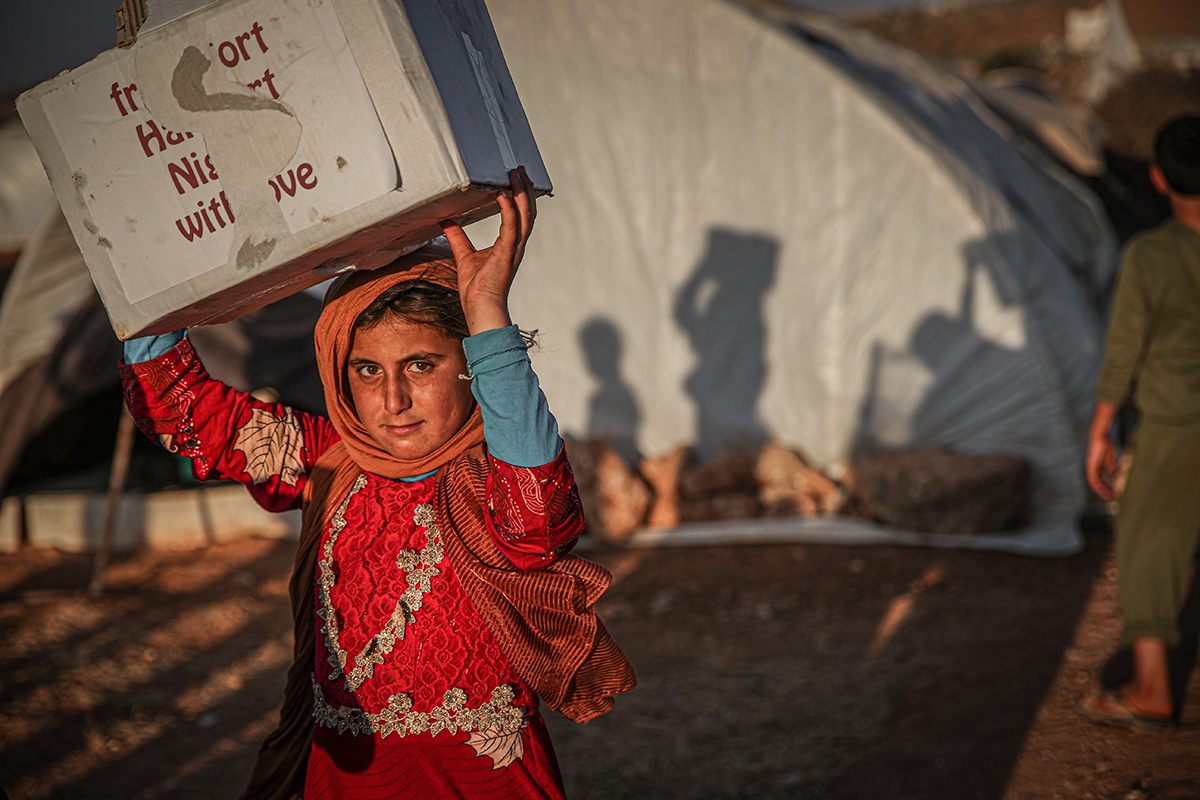
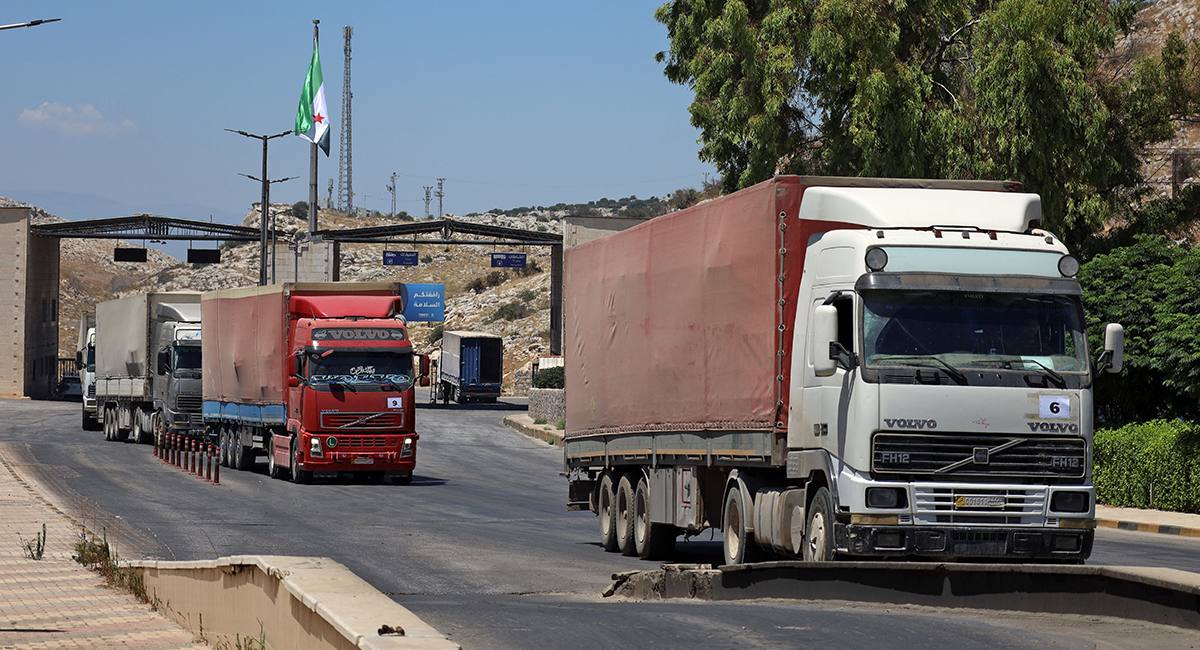
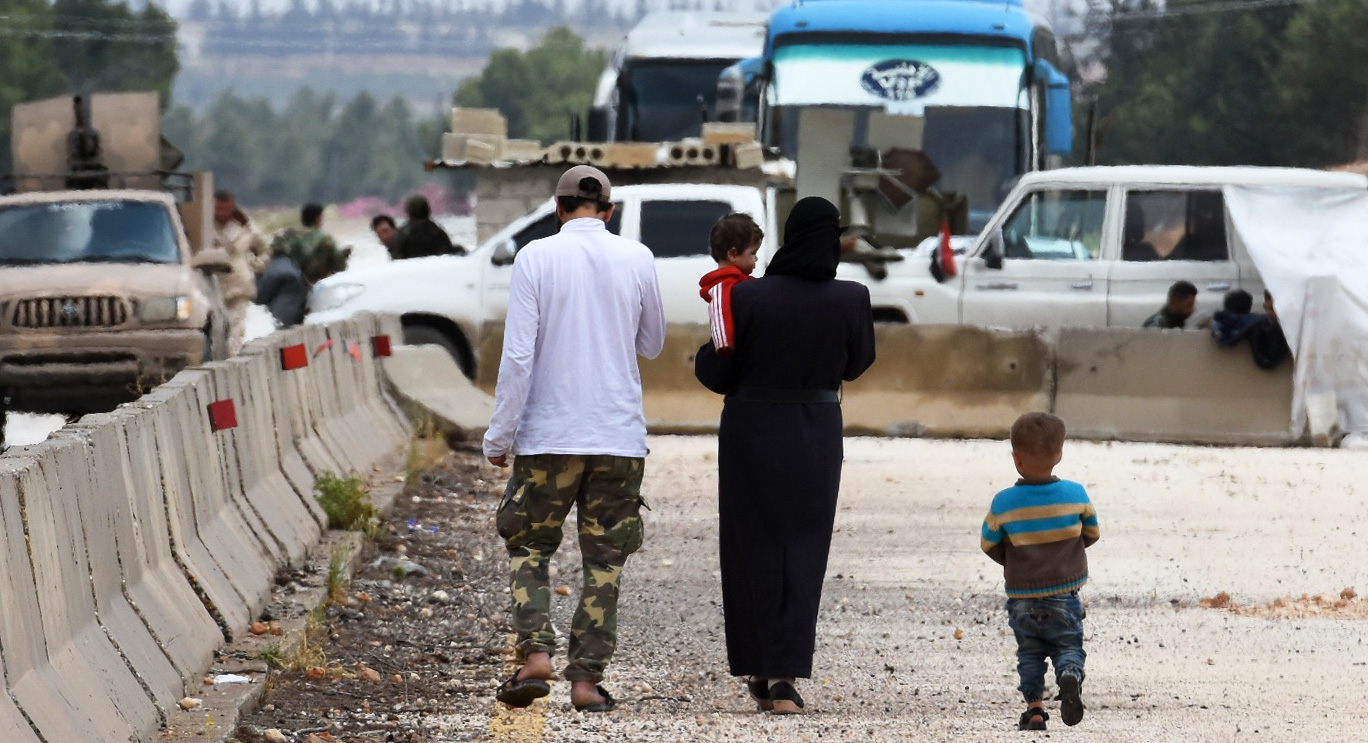
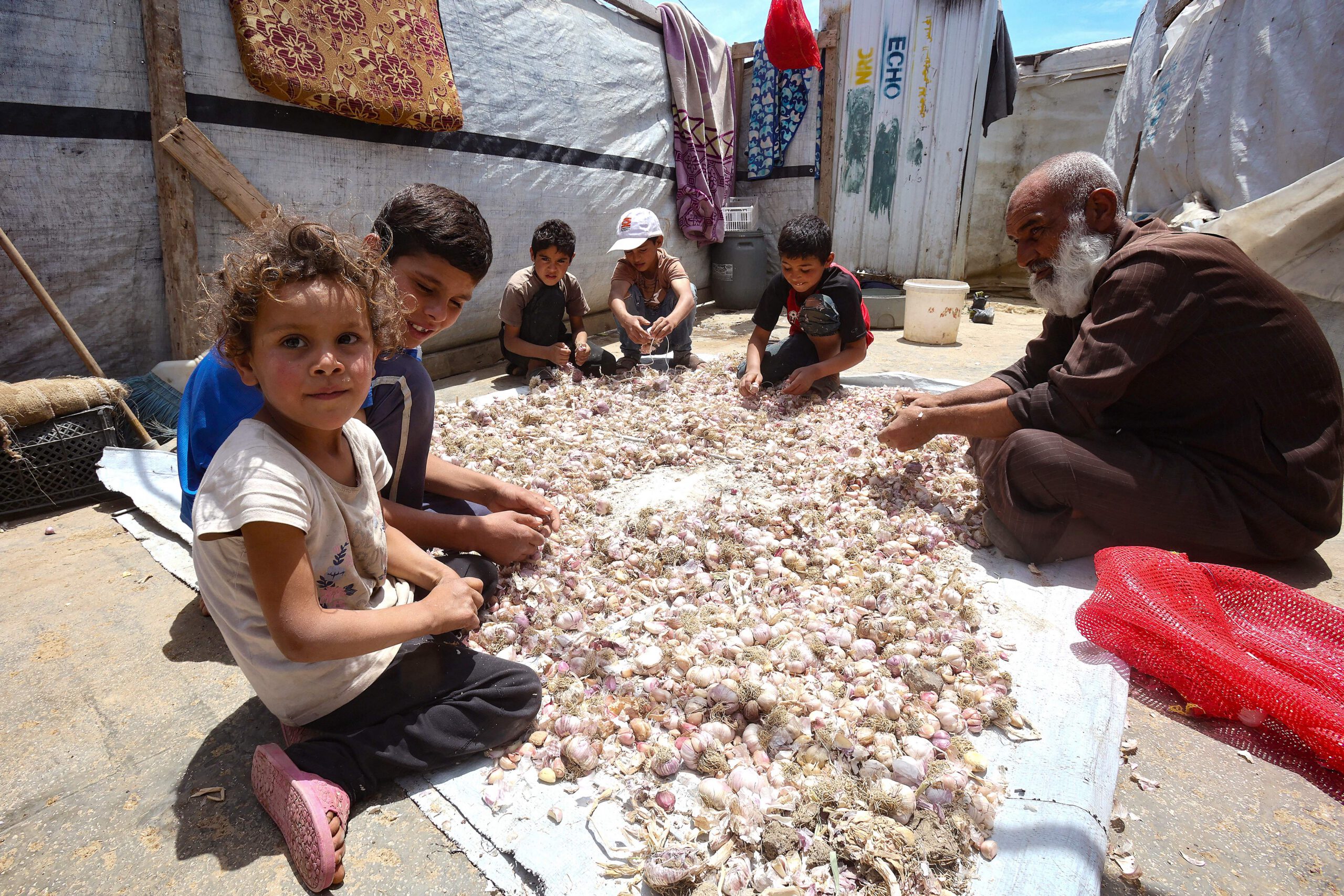
Northwestern Syria is home to the world’s most acute humanitarian crisis. The prospect of the Assad regime being able to exert all control over what aid goes into the area is unconscionable.
Following two years of preparation, the Syrian Madaniya (“Civil”) initiative held its inaugural conference with over 180 participating organizations. To claim a political role, Madaniya needs a program and a partner. The natural partner for this endeavor is the Syrian Negotiation Commission.
Coercive deprivation: Unraveling the Assad regime’s policy on domestic reconstruction
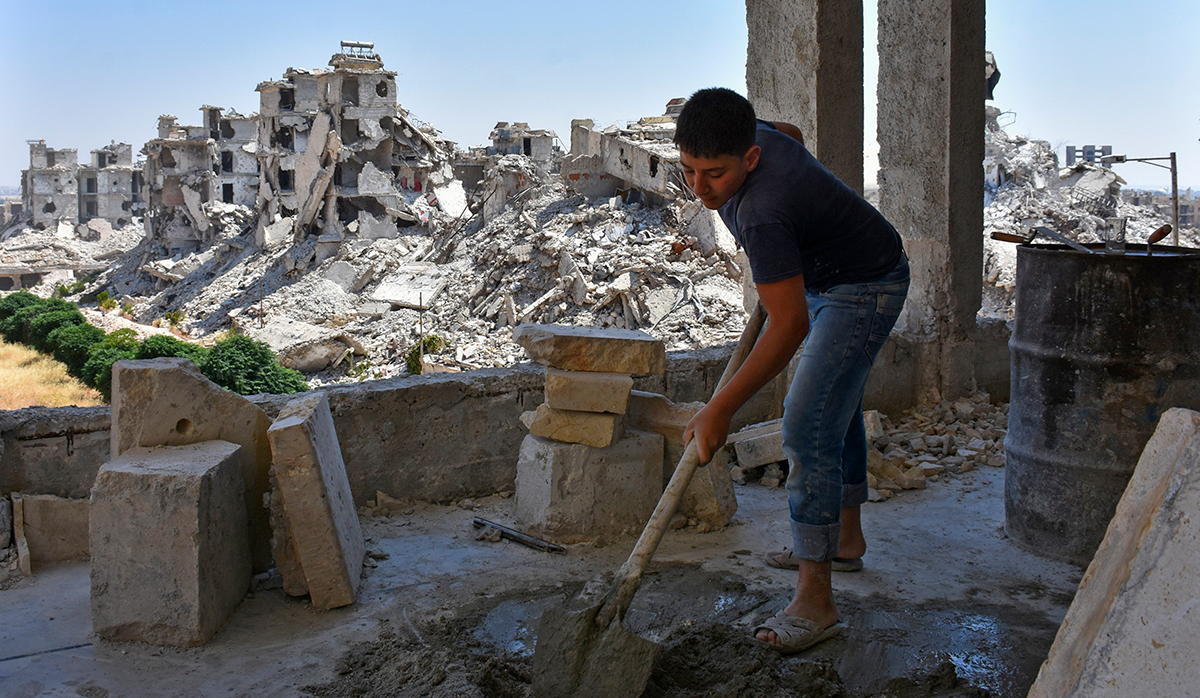
Since the early years of the Syrian conflict, the Assad regime has systematically diverted local resources dedicated for reconstruction purposes to rehabilitate facilities in areas and sectors that benefit it and its inner circle, as well as placed the burden of rehabilitating properties onto Syrians themselves. To finance this policy, the regime has exploited four key resources, including imposing multiple reconstruction taxes, diverting U.N. and INGO early recovery and rehabilitation projects, capitalizing on local-led crowdfunding campaigns, and forcing Syrians to bear the cost of repairing their own damaged properties.
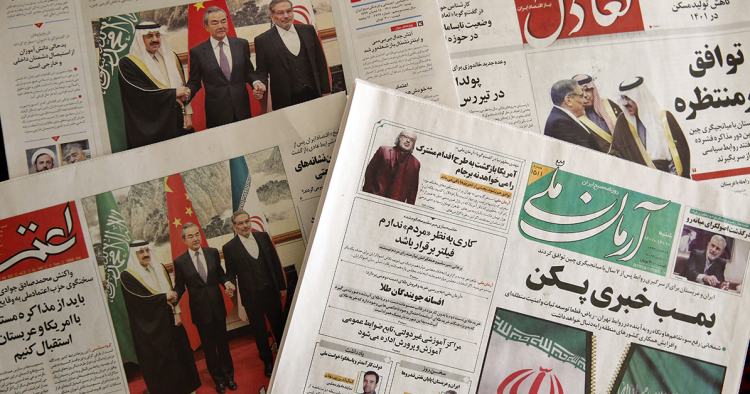
Several foreign ministers gathered in an Asian capital to negotiate an end to regional turmoil. One of the countries represented at the meeting brokered an agreement to end hostilities between the others.
Lessons from Syria's aid response: The case for continued cross-border operations
Another United Nations Security Council (UNSC) vote on continuing the resolution that allows Syria’s cross-border aid delivery is due in July, but the regime’s use of “consent” to allow an extra two crossings from Turkey into the area could be used to undermine the resolution’s necessity, which would risk destabilizing the conflict along with it. Twelve years of hard-won lessons show that until there is a broader political agreement with clear guardrails and guarantees, only a UNSC resolution that permits unimpeded humanitarian access to northwest Syria can secure the critical and consistent operational space required to meet the region’s growing needs as articulated by the NGOs working in the area.
How the rumble in Russia reverberates around the Middle East
It is too early to tell whether the Wagner “uprising” is a one-off or foreshadows further cracks and the eventual collapse of Putin’s presidency, but the latter outcome would have lasting consequences in the MENA region.
Obstacles and opportunities for closer Iranian-Chinese economic cooperation
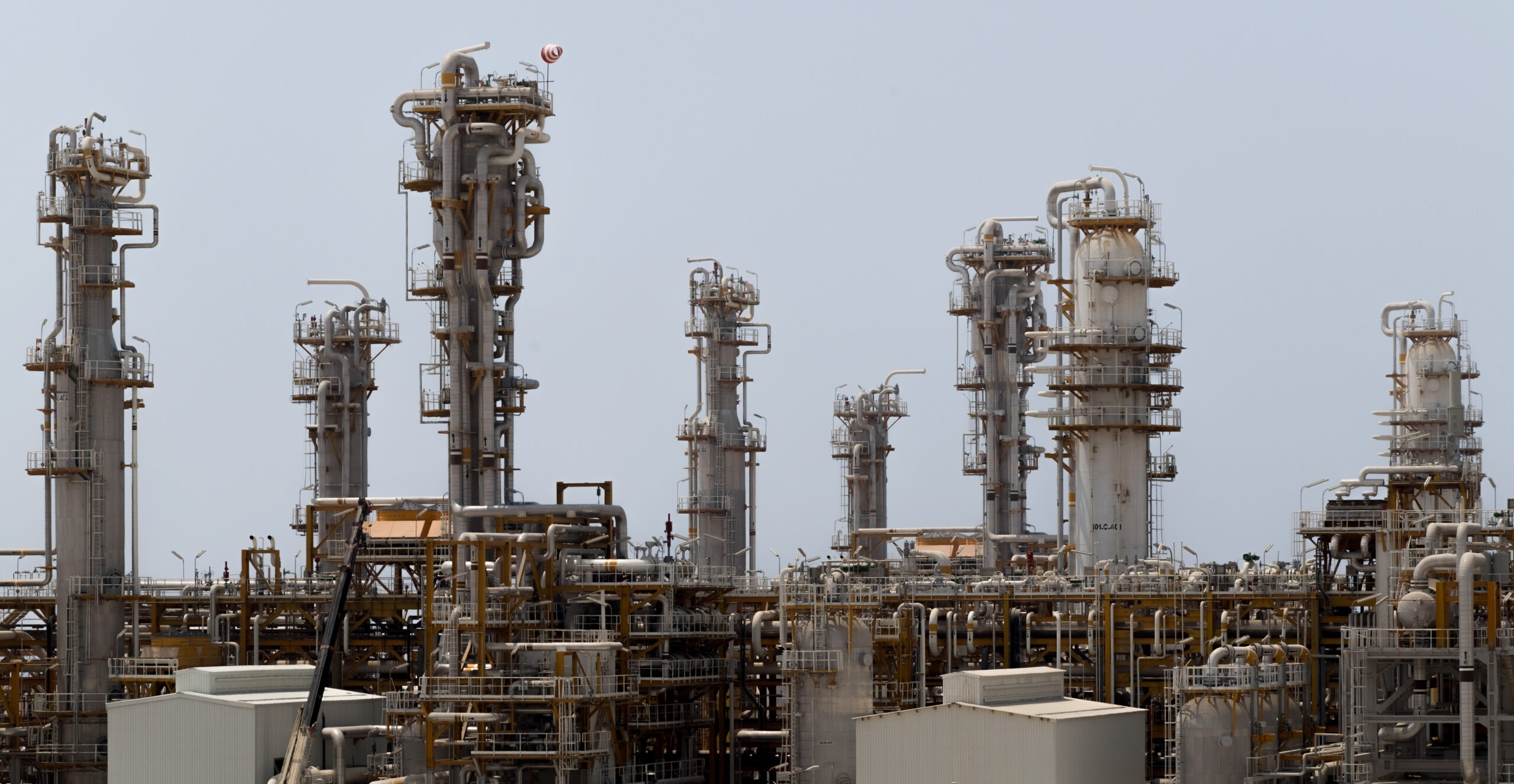
Despite a substantial growth in trade between China and Iran, especially when it comes to Chinese exports to Iran and purchases of Iranian oil, the same cannot be said for Beijing’s investments in the Iranian economy, which have remained anemic, particularly in the critical energy sector.
Iran and the GCC connectivity agenda: Implication for Washington’s Iran policy
The prevailing political spirit in the Gulf region is presently one of de-escalation. In the case of the UAE and Iran, a number of existing connections could help hasten the process of de-escalation and enable it to happen faster than anywhere else in the region.The outcome should be of interest not only to the UAE and Iran but also to the U.S. given the latter’s long-standing efforts to shape Iranian policies.
Amid calls for refugee returns, Assad’s property grab continues
While calls for the immediate return of Syrian refugees have increased at the regional and international levels, it is imperative to closely examine the direct link between the regime’s policy of property confiscation and the possibility of refugee returns. Property confiscation does not only impact the direct owners and their immediate families’ livelihoods but also hinders the ability of thousands of displaced Syrians to return while leading those who still reside under regime rule to consider migration.
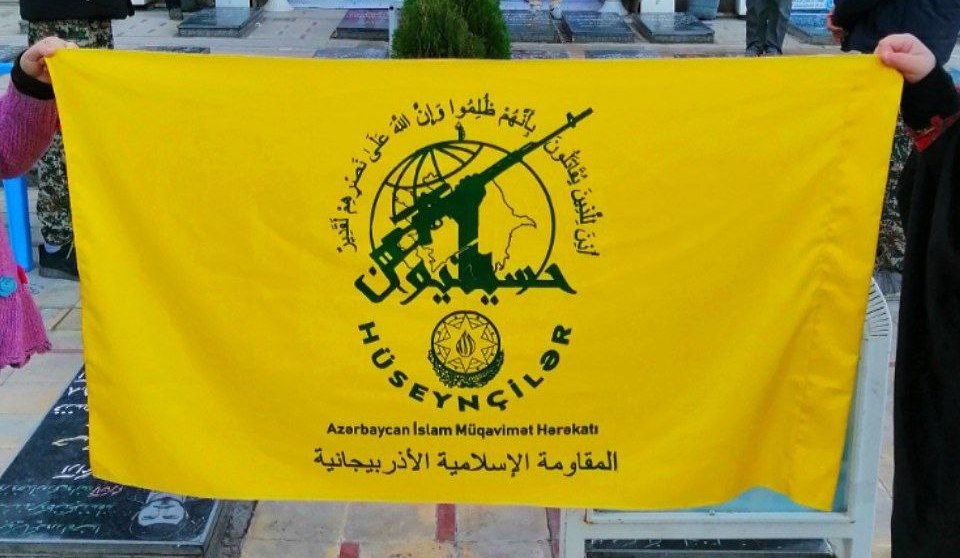
Azerbaijan's Hoseyniyun: The prospects and challenges of a Caucasus Hezbollah
The “Axis of Resistance,” a network of non-state actors aligned with Iran, has emerged as a significant force in the Middle East in the last two decades. Despite the attention given to the more well-known members of the Axis of Resistance, the Azerbaijani group Hoseyniyun, which also operates within the network, remains relatively unknown.
Israel’s ties with pre-revolutionary Iran provided a road map for the Abraham Accords
In the 1950s-1970s, the bilateral relationship between Israel and pre-revolutionary Iran provided a road map for the process leading to a normalization in ties between the Jewish state and Arab countries in the 2020s.