Russia's Influence in MENA After a Year of War in Ukraine
MEI Managing Editor Matthew Czekaj speaks with scholars Iulia-Sabina Joja, Alex Vatanka, Yörük Işık, Charles Lister, and Roger Kangas on Russia’s current standing in the Middle East a year since re-invading Ukraine.
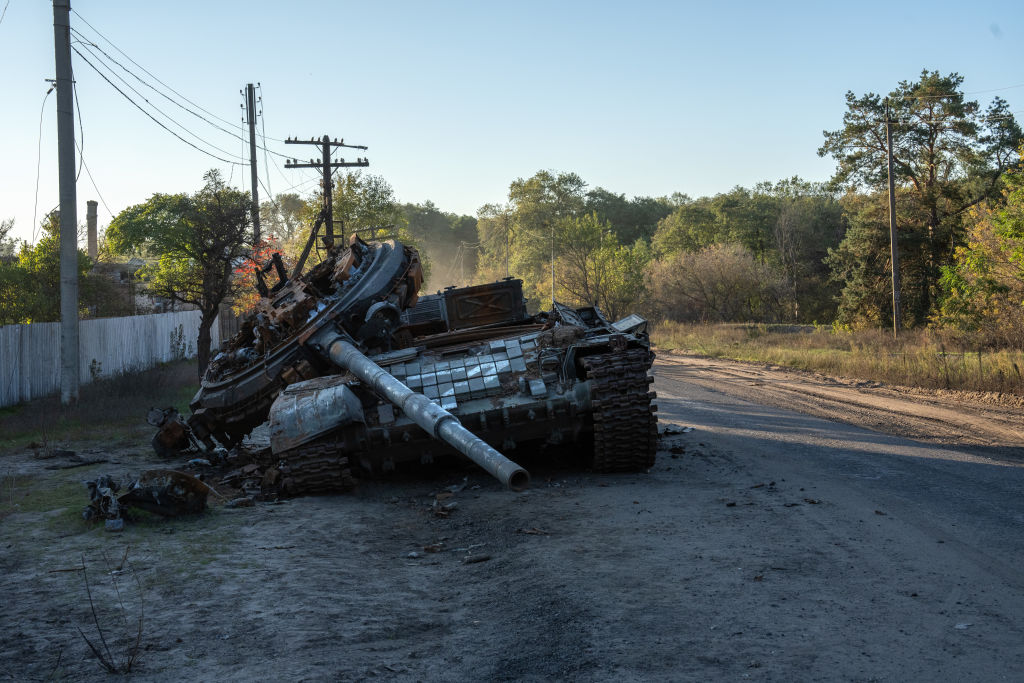
How has Russian aggression in Ukraine redrawn Moscow’s relationships in the MENA region? And as the Middle East increasingly becomes a key area of global great power competition, is Russia still a meaningful player there, politically, economically, militarily, and diplomatically?
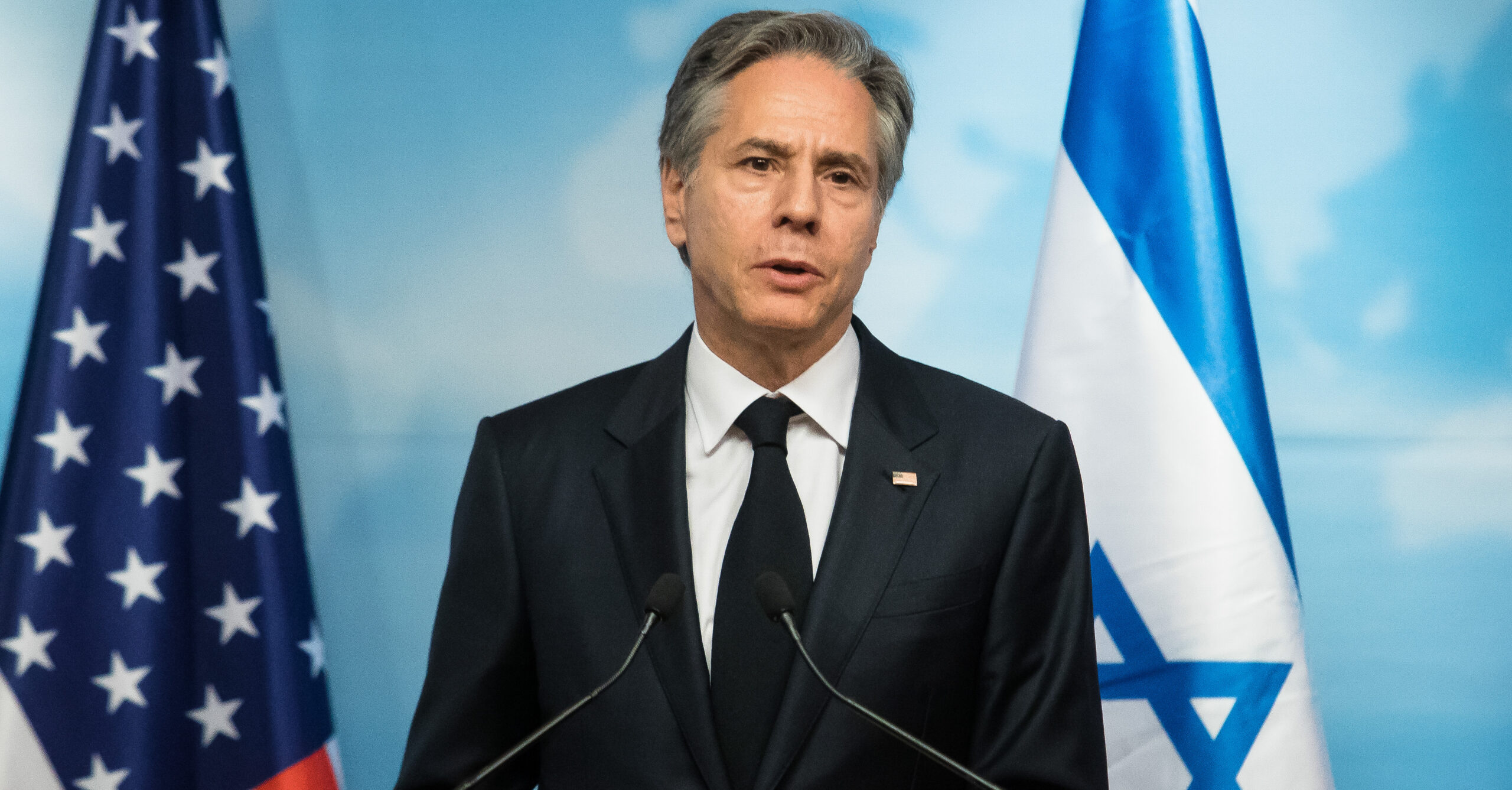
The Biden administration is missing Netanyahu’s transparent game of destructive leveraging
Netanyahu is skillfully building a set of menacing tools, mechanisms, capabilities, and policies that create a credible threat to the current order. Today, he is executing this strategy to achieve success on three key issues: annihilating the Oslo Accords and the two-state solution, curbing Iran’s nuclear weapons program, and carrying out what is effectively regime change in Israel. The U.S. must swiftly and decisively confront and foil Netanyahu’s destructive leverage vectors or else it will find itself on the wrong side of history on some or all of these three critical fronts.
A message to Tehran: What drone attacks on Iranian critical infrastructure tell us
For the first time in several months, Iranian critical military infrastructure again came under attack from an unknown assailant. The Jan. 28 drone attack on a Ministry of Defense workshop complex appeared designed to deliver a politico-strategic message. The strike may mark the beginning of a more unstable post-JCPOA security environment in the Middle East characterized by a return of deterrence and risk-taking behavior.
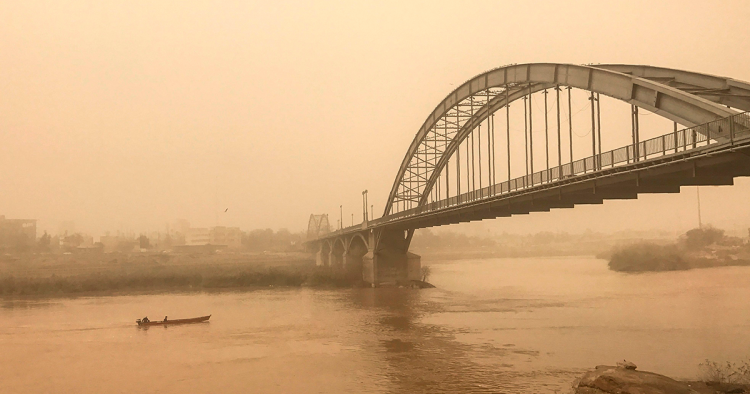
A decline in average annual precipitation, rise in temperatures, and dire water shortages are leading drivers of climate-induced internal migration in Iran. This long-term trend was further exacerbated in 2022 by more intense heat waves, resulting in a spike in seasonal migration.
Juniper Oak 2023 reinforces US commitment to Middle East, sets standard for future regional exercises
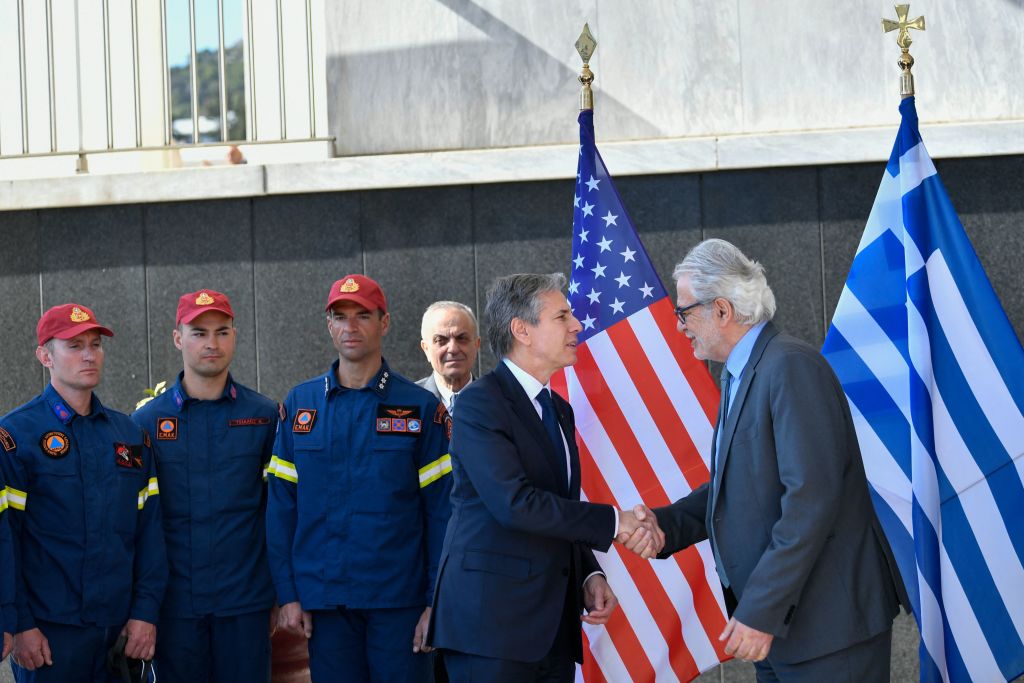
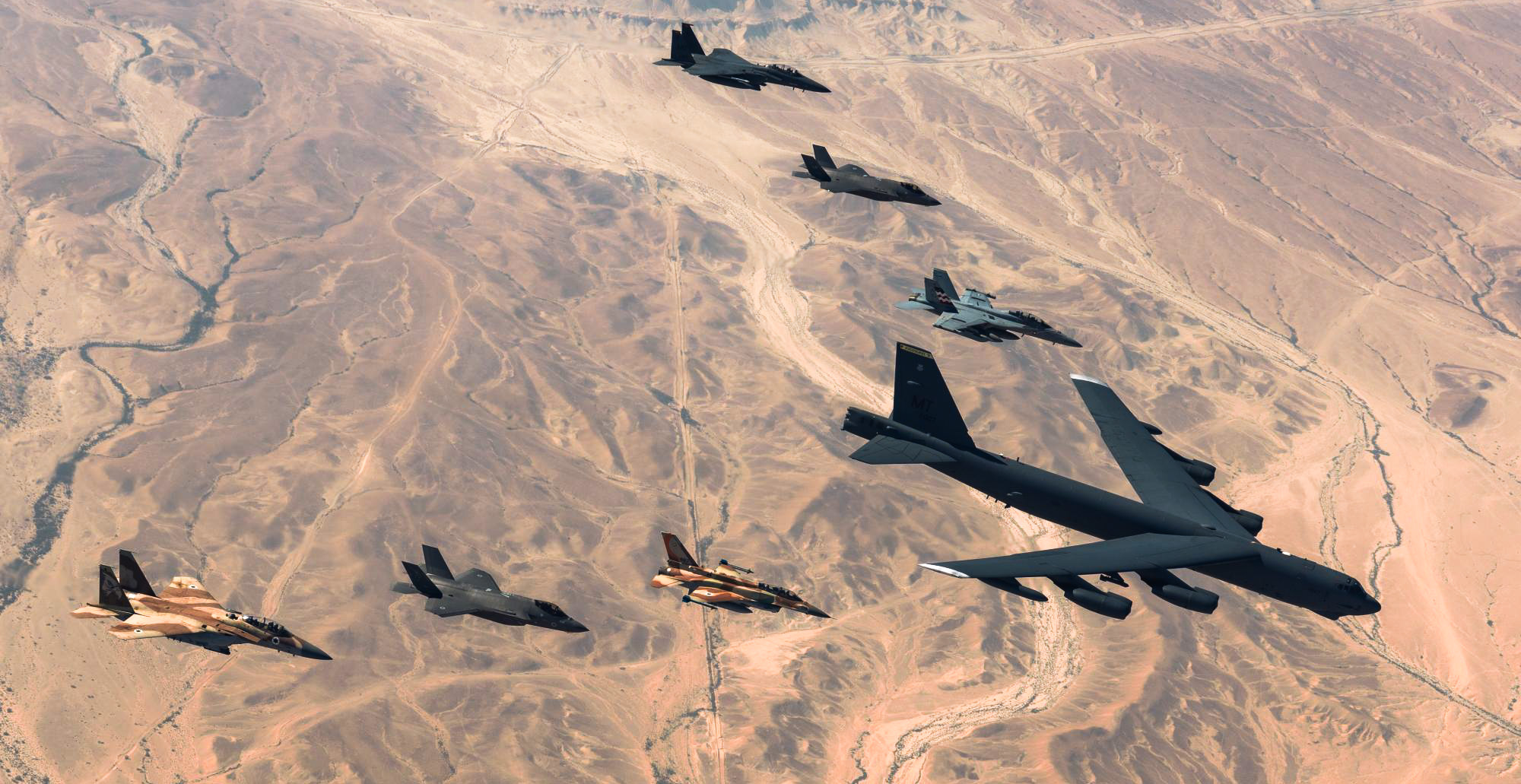
This week, the United States Central Command (CENTCOM) concluded what it called on social media, “the largest ever U.S.-Israel combined exercise.” The drills reasserted U.S. support for partnerships, deterrence, and integration, despite posture reductions and continued concern among partners about Washington’s commitment to the Middle East.
From the streets to the border: Iran’s growing paranoia toward Azerbaijan
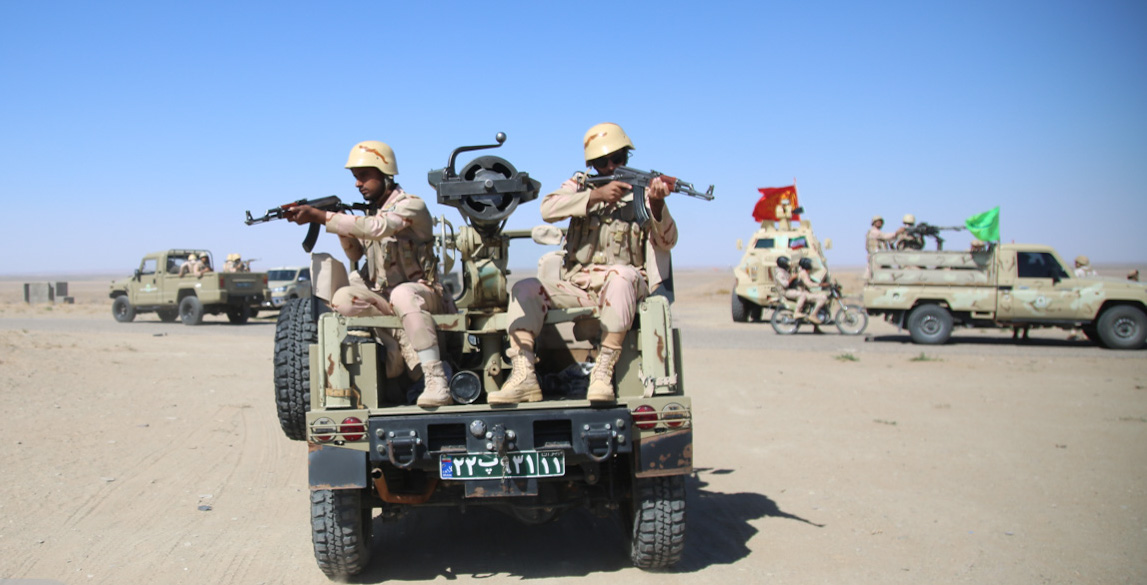
Azerbaijani-Iranian relations have been strained since Azerbaijan’s victory in the 2020 war with Armenia. However, the situation dramatically worsened in the last few months, with Iran holding two large-scale drills near the border with Azerbaijan and accusing Baku of colluding with its enemies and interfering in its internal affairs.
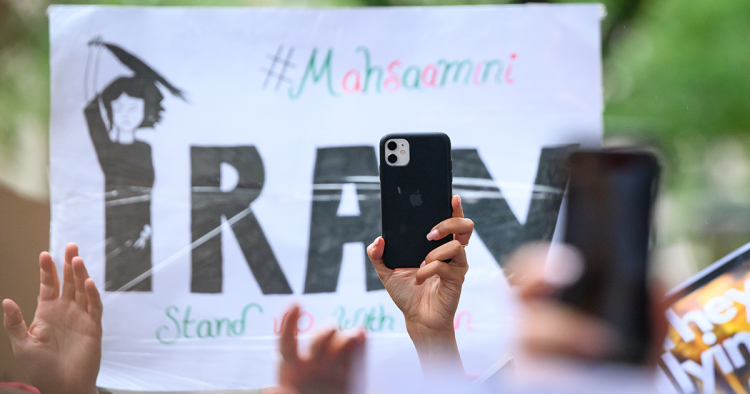
Mahsa Amini and the future of internet repression in Iran
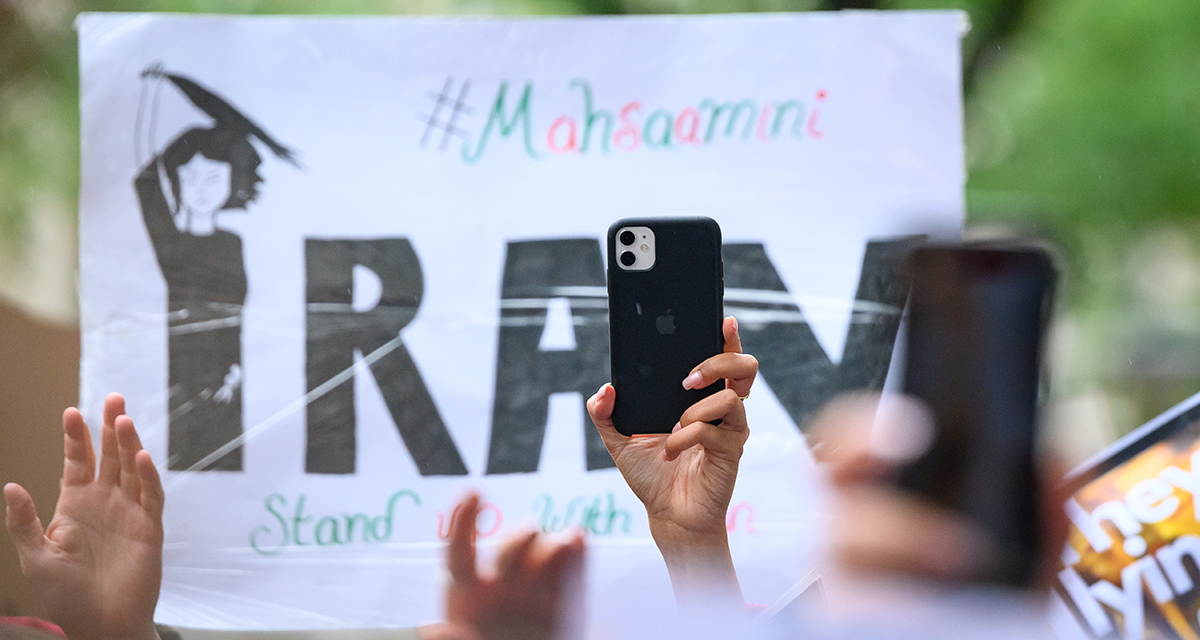
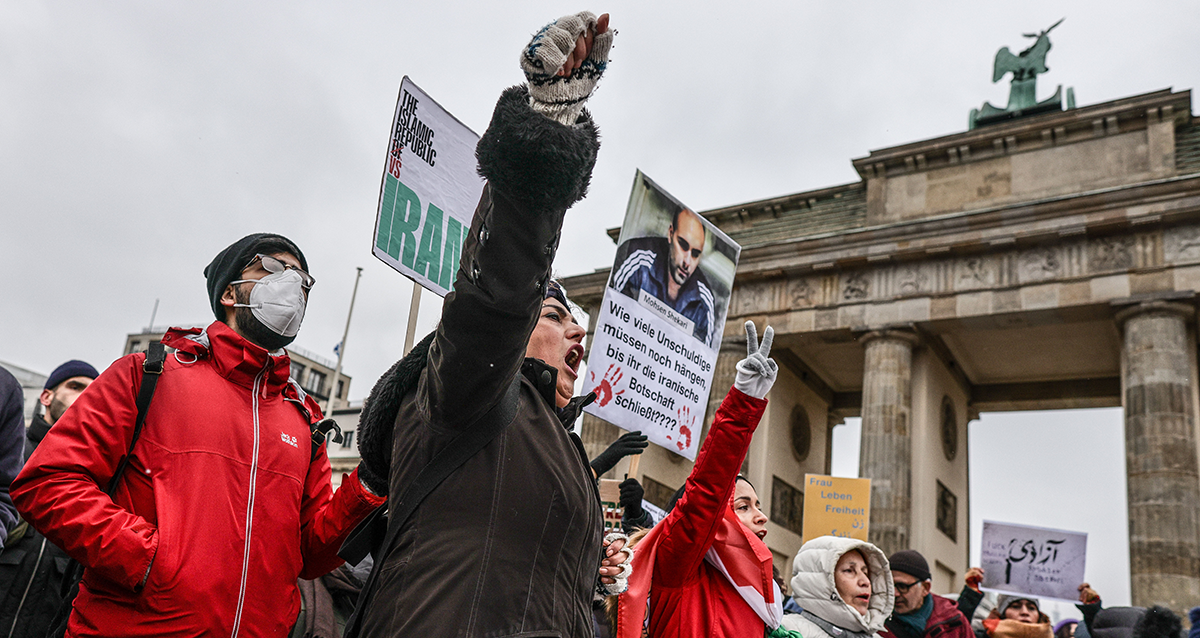
The death of Mahsa Amini in September 2022 has remained the catalyst and central rallying cry of almost half a year of escalating protests in Iran — protests that have, like many before, and like many will in the future, lived as much online as they have on the ground. What is clearer than ever is that the Iranian state’s relationship to dissent will continue to be predominantly mediated by its practices and attitude toward freedom of information, which, today, largely remains a question of internet access.
The French cultural center shuttered: What does cultural isolation mean for Iranians?
The general policy of the Islamic Republic is to constrain, as much as possible, its citizens’ exposure to foreign cultures and prevent their engagement with the outside world, which explains why cultural ties, even with neighboring or friendly countries, are so limited.
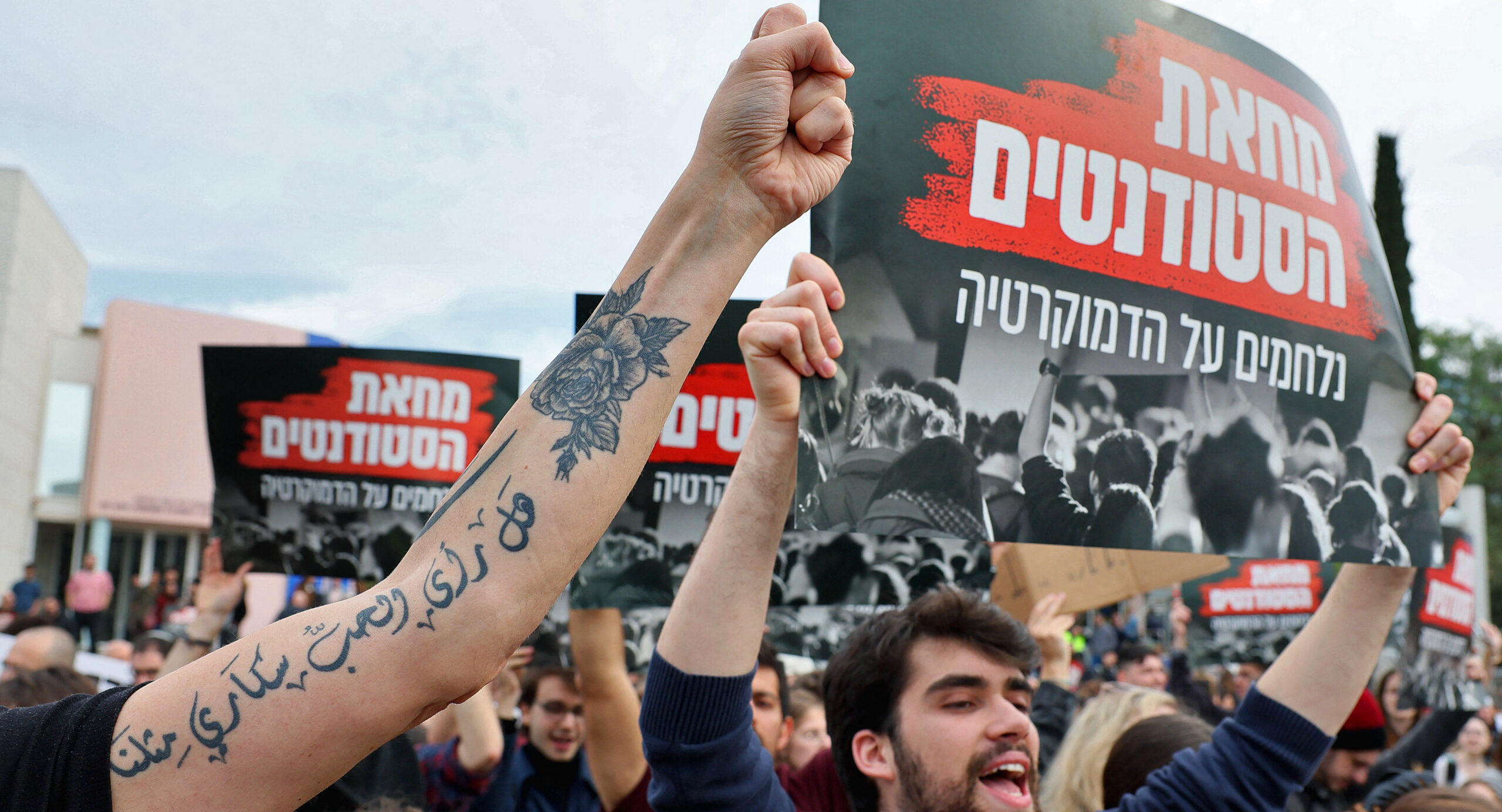
Israelis’ evolving pushback to democratic erosion under Netanyahu
A movement of Israelis who resist the new Netanyahu government is crystallizing and taking initial steps to push back against democratic erosion. It will need to evolve quickly and effectively to make an impact and could benefit from some international helping hands along the way.