Failing to learn from past mistakes, Pakistan caves to the TLP
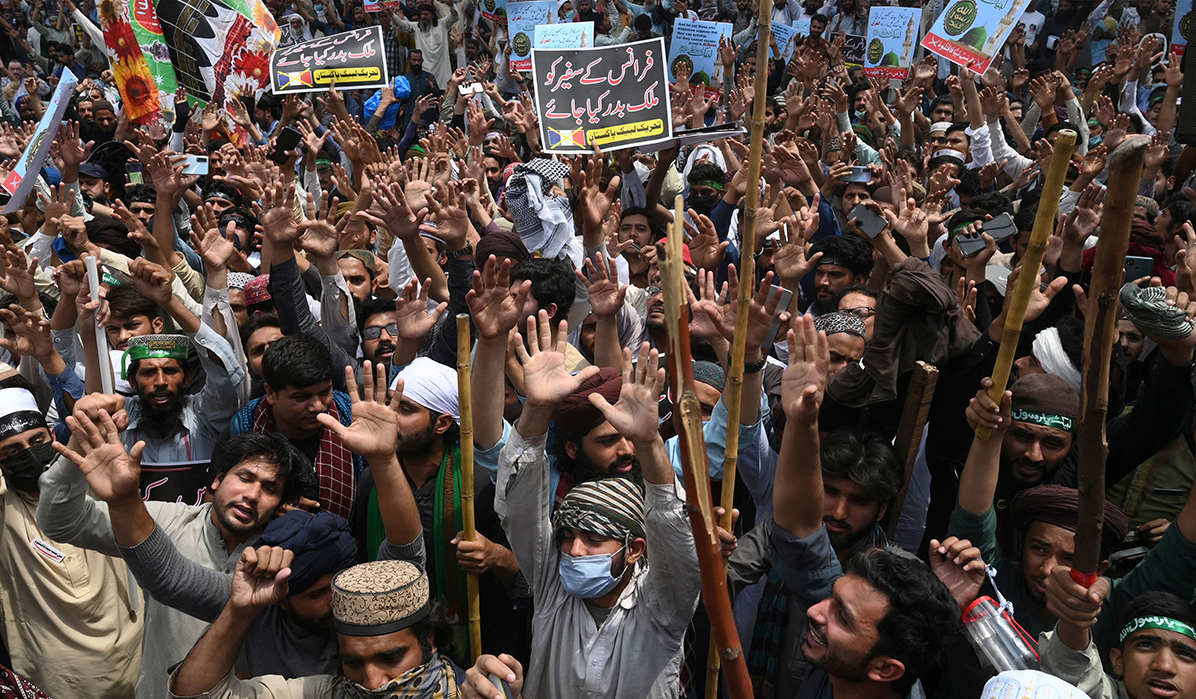
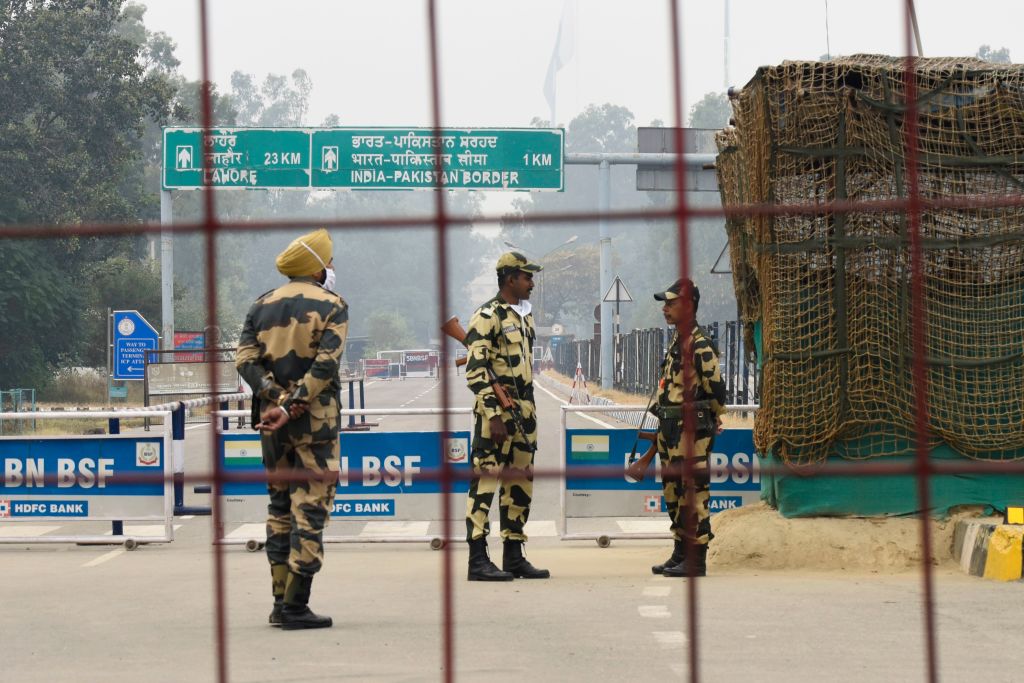
The Tehreek-e-Labbaik Pakistan (TLP) has exposed the Pakistani state’s vulnerability to ultra-conservative Islamist groups that have been mainstreamed for narrow political and strategic purposes by the country’s security establishment and self-serving politicians. Only a week after declaring the TLP a terrorist group and banning it, the Imran Khan-led Pakistan Tehreek-e-Insaf (PTI) government gave in to the group’s demands in the face of violent protests by its supporters
Jonathan Winer and Mirette Mabrouk join host Alistair Taylor to discuss Libya’s new interim government, the complex regional and international dynamics at play, and what Libya’s future might look like.
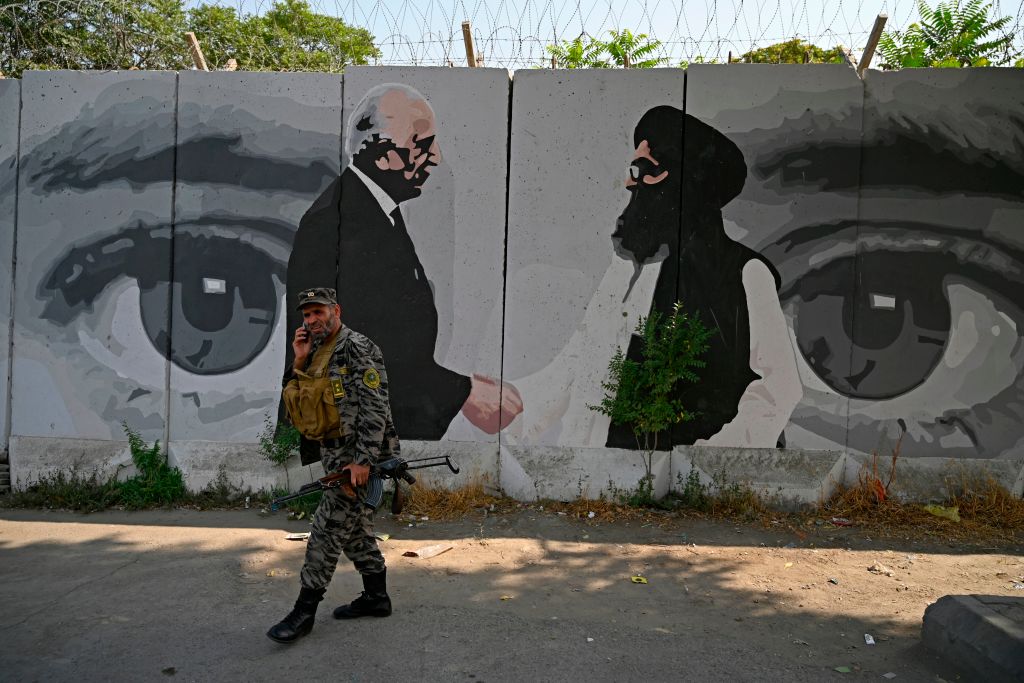
Seats at the Table: How other world powers figure into the Biden Administration's Afghanistan policy
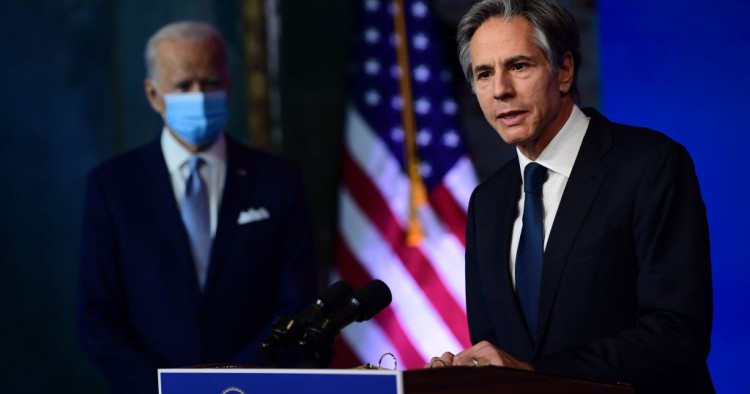
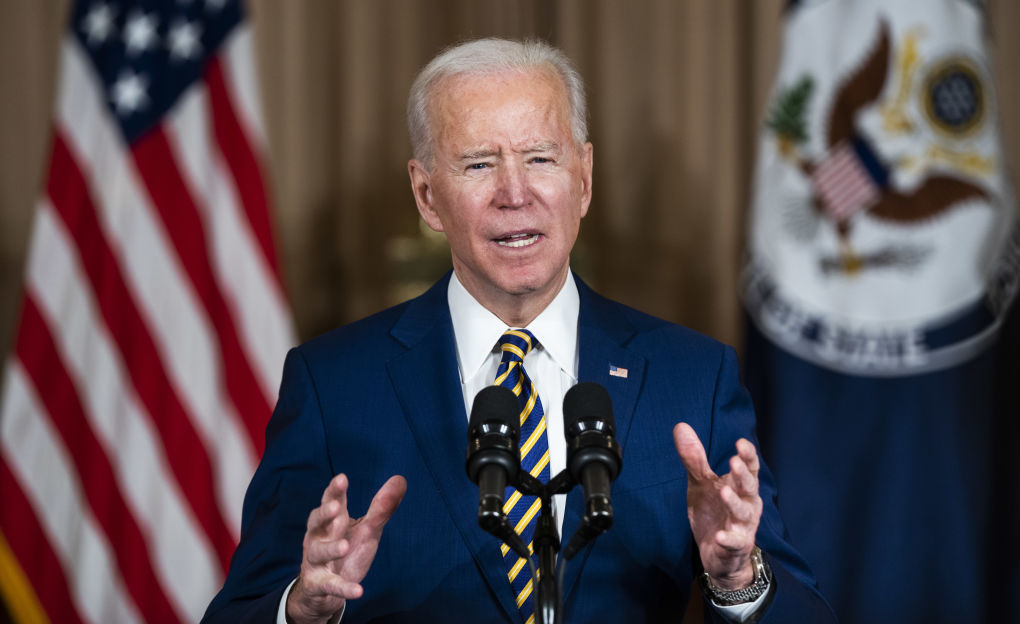
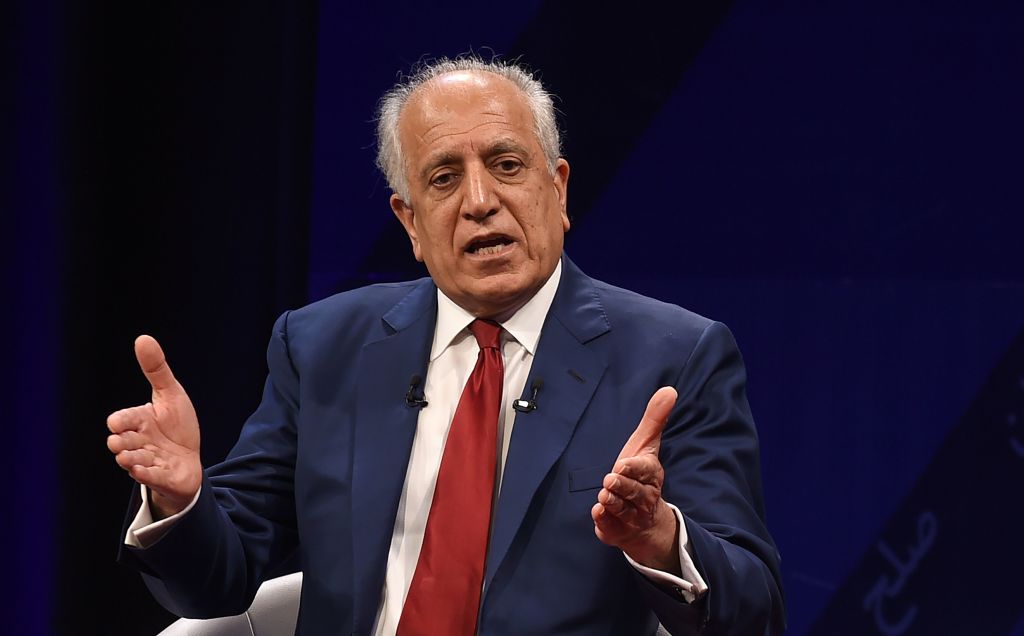
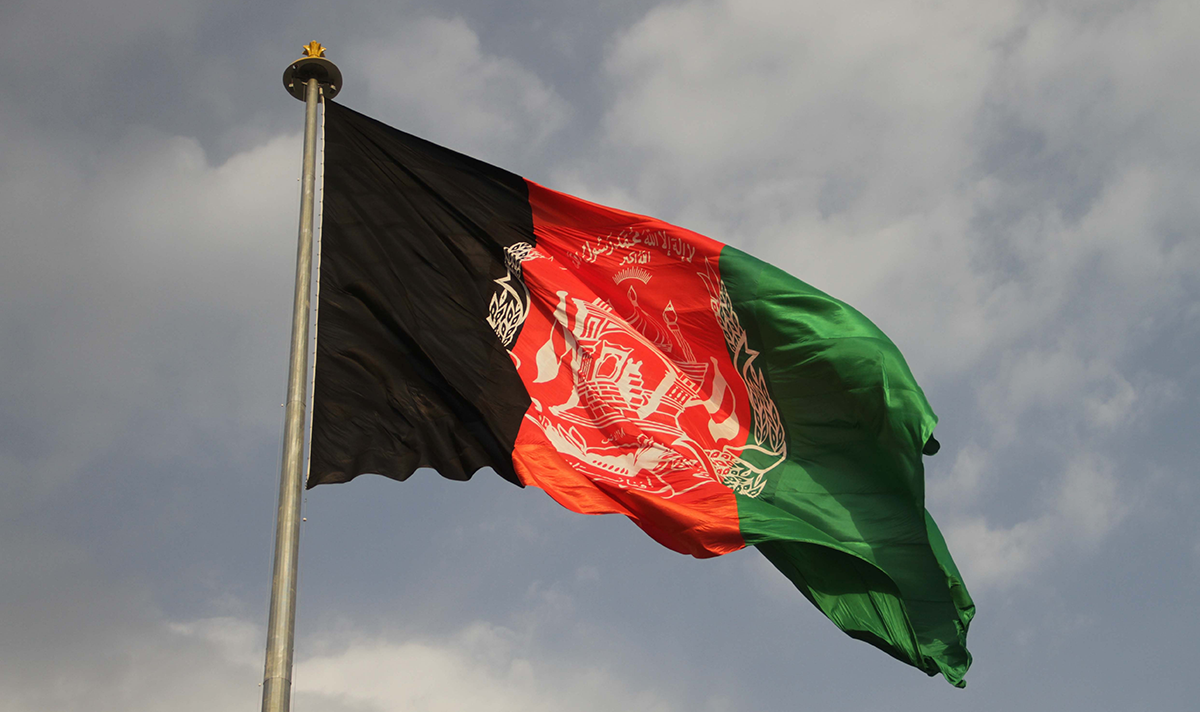
What U.S. Secretary of State Antony Blinken’s letter to Afghan President Ashraf Ghani makes clear is the declining domestic support in the U.S. for continued military involvement in Afghanistan. With his message, Blinken also signaled the demise of the Doha negotiations between the Afghan Taliban and the Afghan government and the start of a new phase. Facing domestic political disagreements and the Covid-19 pandemic, the Biden Administration was left with no option but to finalize and implement a viable Afghan strategy.
After last year’s crisis, Pakistan and Saudi Arabia pursue a reset
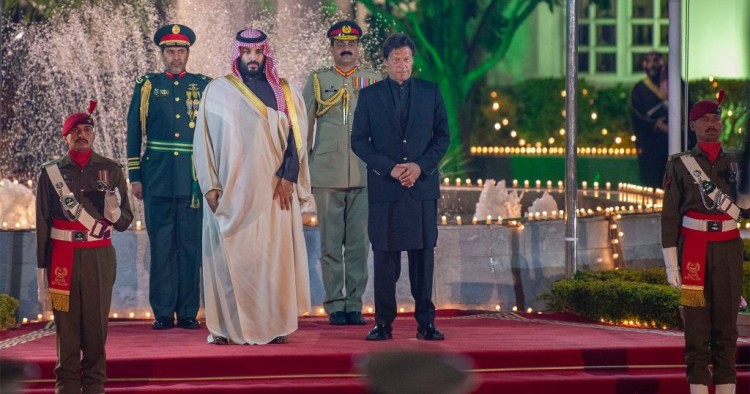
After last year’s much-publicized spat between Pakistan and Saudi Arabia — culminating with Riyadh’s demand for early repayment of $3 billion in loans meant to shore up Islamabad’s foreign exchange reserves — tensions between the two countries have since cooled. Pakistan and Saudi Arabia appear to be in the midst of a reset of relations.
The Biden Administration and the Middle East: Policy Recommendations for a Sustainable Way Forward
In a new policy briefing book, entitled The Biden Administration and the Middle East: Policy Recommendations for a Sustainable Way Forward, MEI scholars tackle a large number of country-specific and region-wide issue areas, laying out both the abiding U.S. interests and specific recommendations for Biden administration policies that can further U.S. interests amid a region in turmoil.
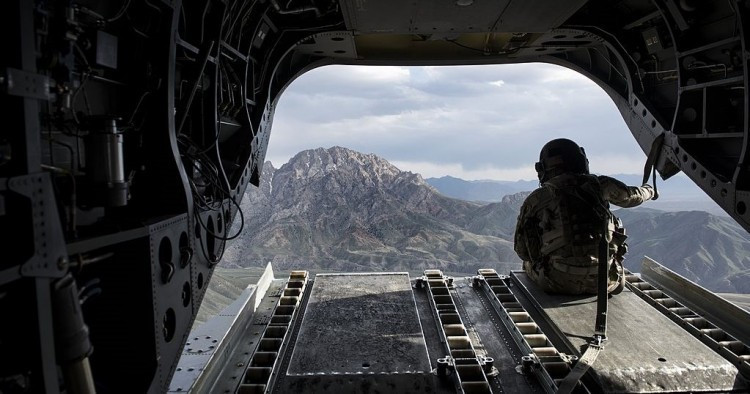
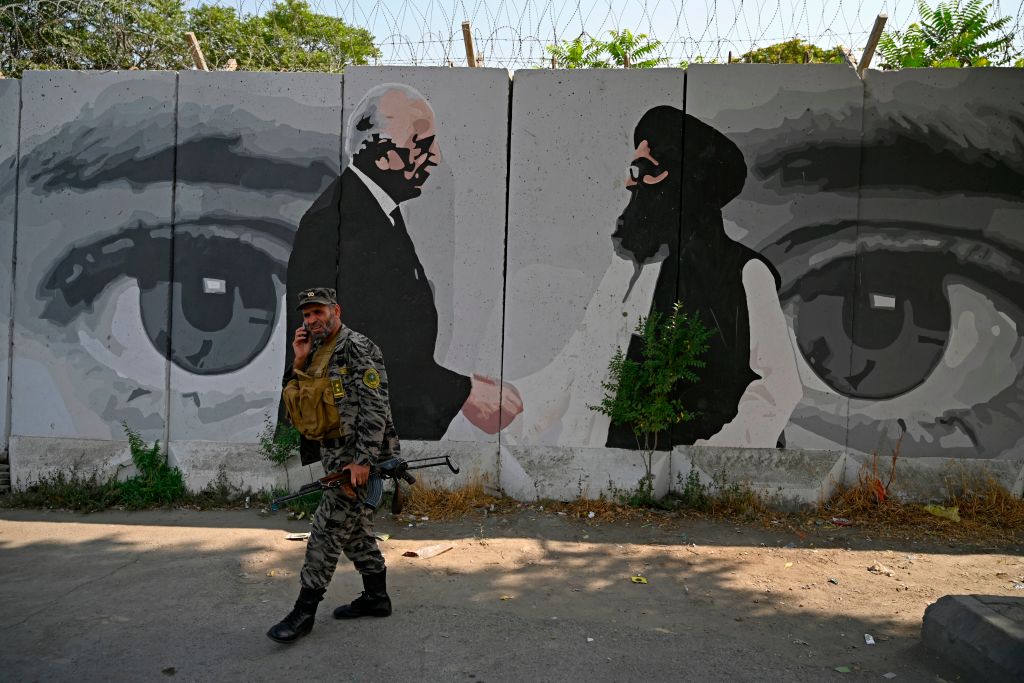
It’s time to reappraise the United States’ Afghanistan policy
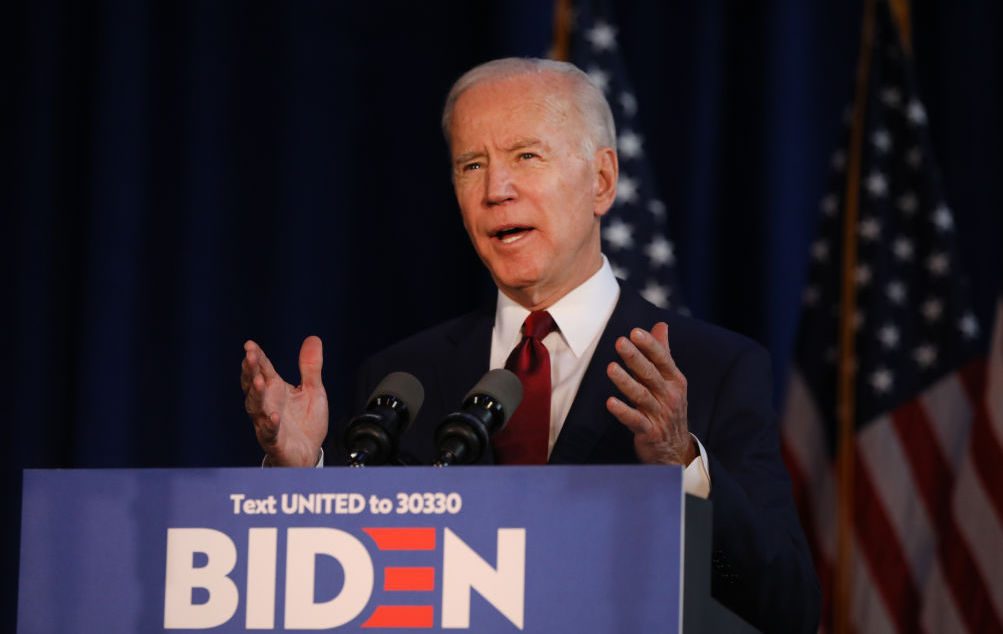
In his book Obama’s Wars, Bob Woodward describes a meeting about Afghanistan in the White House. He writes how Gen. David Petraeus said, “I understand the [Afghan] government is a criminal syndicate,” to which then-Vice President Joe Biden asked, “If the [Afghan] government is a criminal syndicate, a year from now, how will troops make a difference?” Mr. Biden’s question remains unanswered.
Biden, of course, is now the president. I wonder if he remembers his unanswered question from all those years ago. Despite the many years of tragic, seemingly endless war in Afghanistan, Mr. Biden’s question remains relevant today. I’ll take a shot at answering it: No number of troops could make a difference. The root of the problem is Washington’s willingness to partner with thieves and warlords.