Israel’s election produces a clear winner — and a lurch further to the right
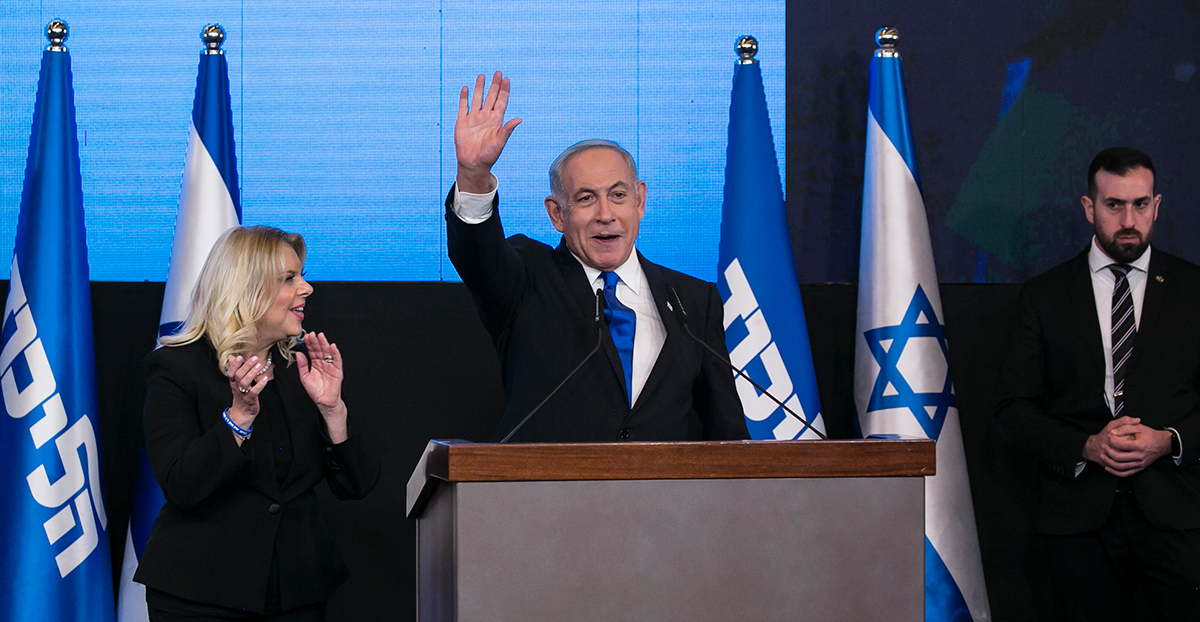
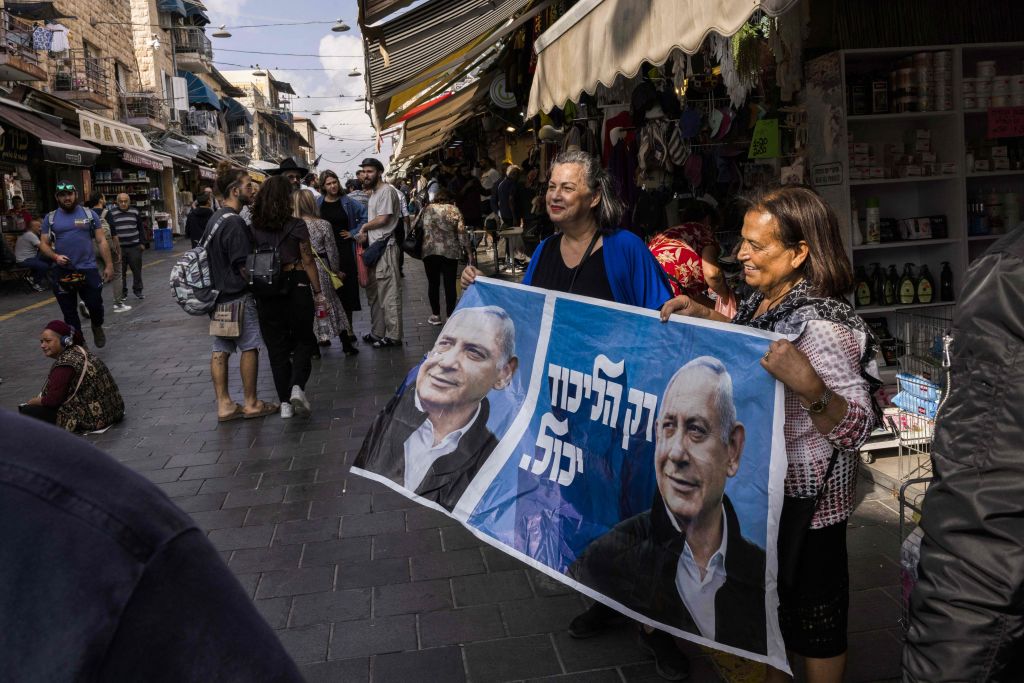
On Nov. 1, Israel’s democracy was shaken, perhaps as never before. It is not so much that former Prime Minister Benjamin Netanyahu has been returned to power, but that if he does become prime minister again, as seems overwhelmingly likely, it will undoubtedly be with crucial support provided by the “Religious Zionism” party, which includes “Jewish Power,” the vehicle of the veteran neo-Kahanist Itamar Ben-Gvir.
Tehran lashes out at Israelis’ support for Iranian protest movement
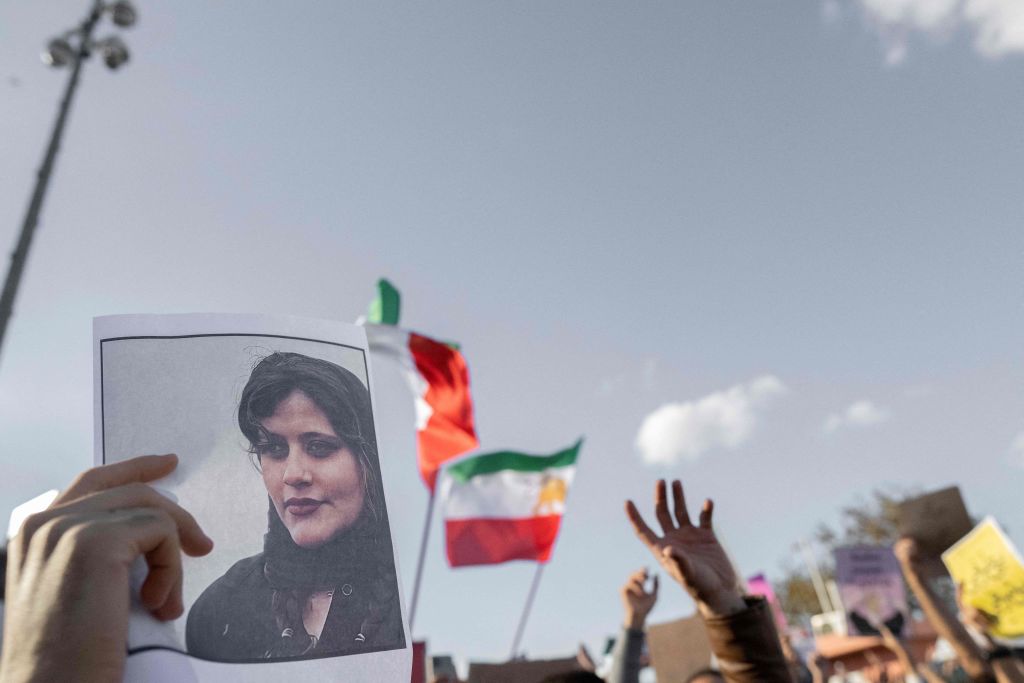
The Iranian regime is pointing the finger at Israel and the U.S. for allegedly orchestrating the nationwide protests. But while the U.S. and Israel both might have an interest in shaping and aiding the protest movement once it began, this large-scale mobilization of the Iranian public is a result of the regime’s own policies.
Will Kuwait’s new parliament resolve its political impasse?
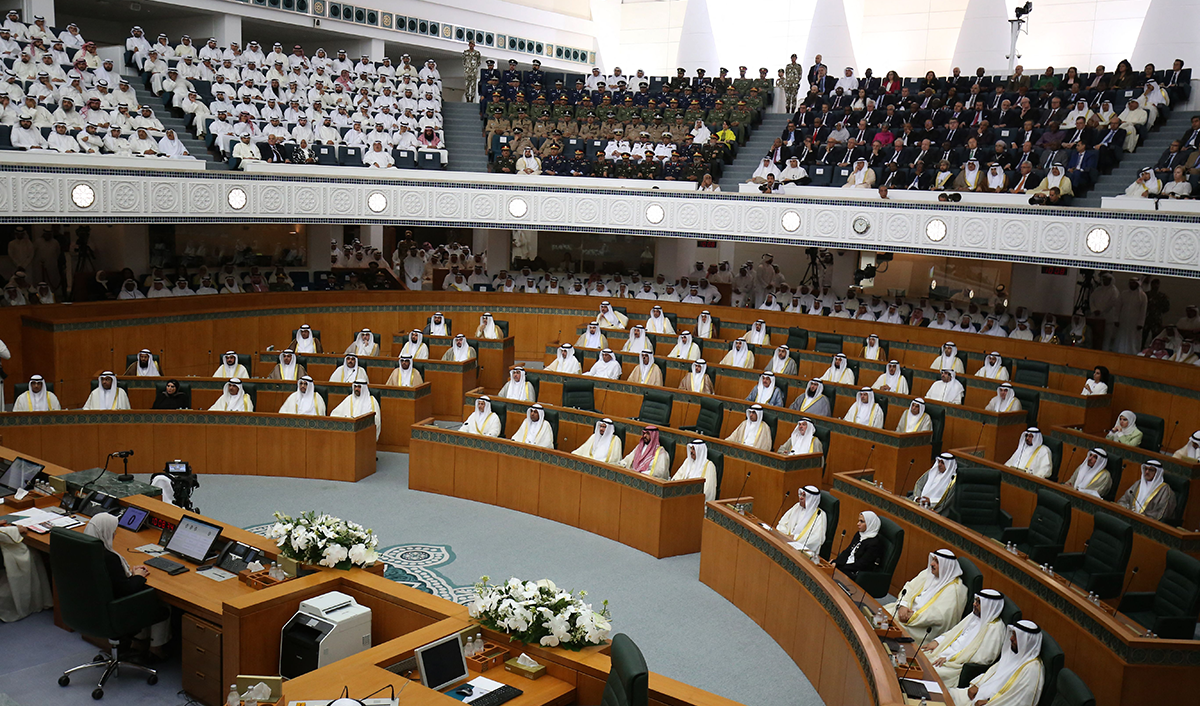
Kuwait’s Sept. 29 parliamentary elections were supposed to bring change to the gridlock and governmental churn that had plagued the country in recent years. Kuwaitis initially appeared optimistic about the results, calling on the amir to appoint a strong government to work with the National Assembly. Questions remain, however, as to how well the government and the majority opposition parliament will be able to cooperate to implement the necessary reforms.
The Arab Peace Initiative returns. Will it supplant the Abraham Accords?
Although the Abraham Accords have been the main focus of Arab-Israeli peace-making since they were signed, the Arab Peace Initiative (API), introduced by the late Saudi King Abdullah 20 years ago, remains relevant and may be the better reflection of a path forward for Middle East peace
A top priority of the regional order envisioned by the Abraham Accords should be building confidence by sharing cybersecurity tools through the Negev Forum.
Saudi Arabia at 90: Ushering in a Neo-Saudi state?
Since being named crown prince of Saudi Arabia, Mohammed bin Salman has launched a series of far-reaching socio-economic reforms known as Vision 2030 and introduced a new form of nationalist identity — “Neo-Saudism.” Taken together, some see these changes ushering in what essentially amounts to a fourth Saudi state.
Is Red Sands the future of Middle East defense cooperation?
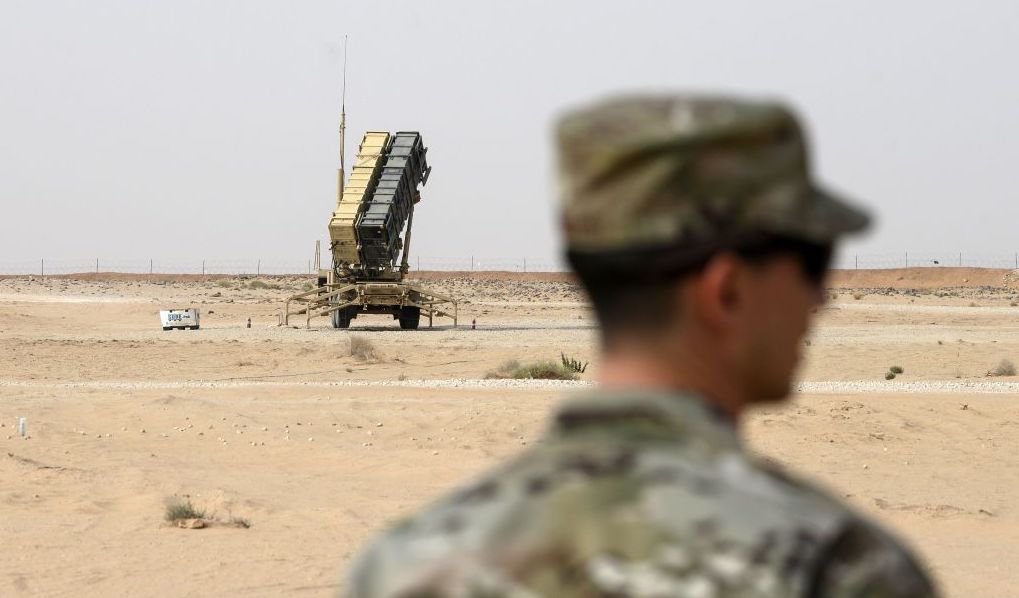
Drawing comparisons to the U.S. Army’s White Sands Missile Range in New Mexico, the Red Sands Integrated Experimentation Center will increase US-Saudi cooperation to counter two of the greatest threats emanating from Iran and its proxies — drone and missile attacks.