Why Assad’s alliance with Iran and Hezbollah will endure
This article was published by IranSource on February 6, 2019.
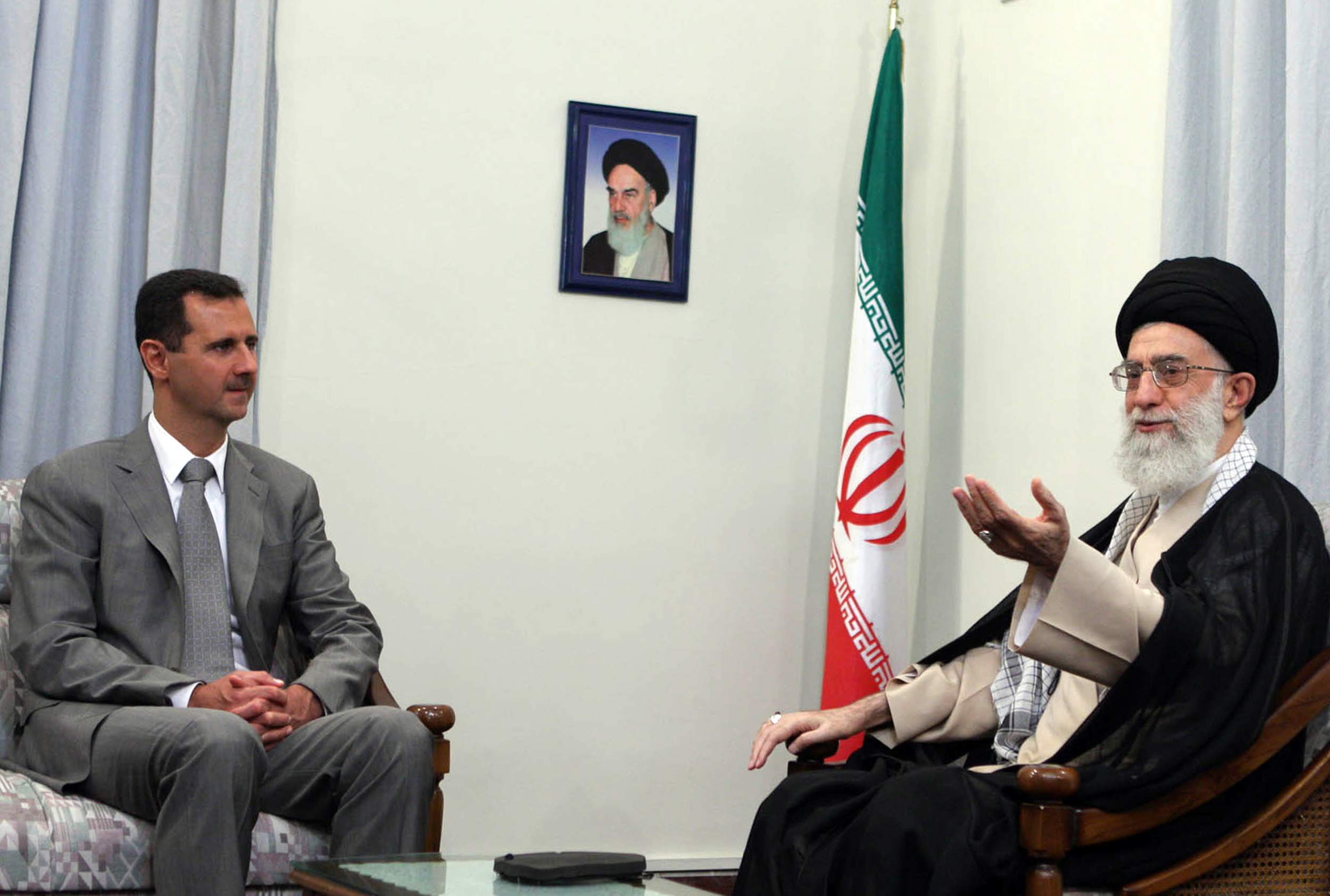
The Tehran-Damascus-Hezbollah trilateral partnership has been decades in the making. It pre-dates the Syrian civil war, has strengthened as a result of the war and will likely endure in the post-war years.
In this week’s Monday Briefing, MEI experts Randa Slim, Paul Salem, Ahmad Majidyar, and Marvin G. Weinbaum provide analysis on recent and upcoming events including President Trump’s comment about keeping U.S. troops in Iraq “to be able to watch Iran,” Pope Francis’s trip to the UAE, the EU’s maneuvers to defy U.S. sanctions on Iran, and intra-Afghan talks in Moscow.
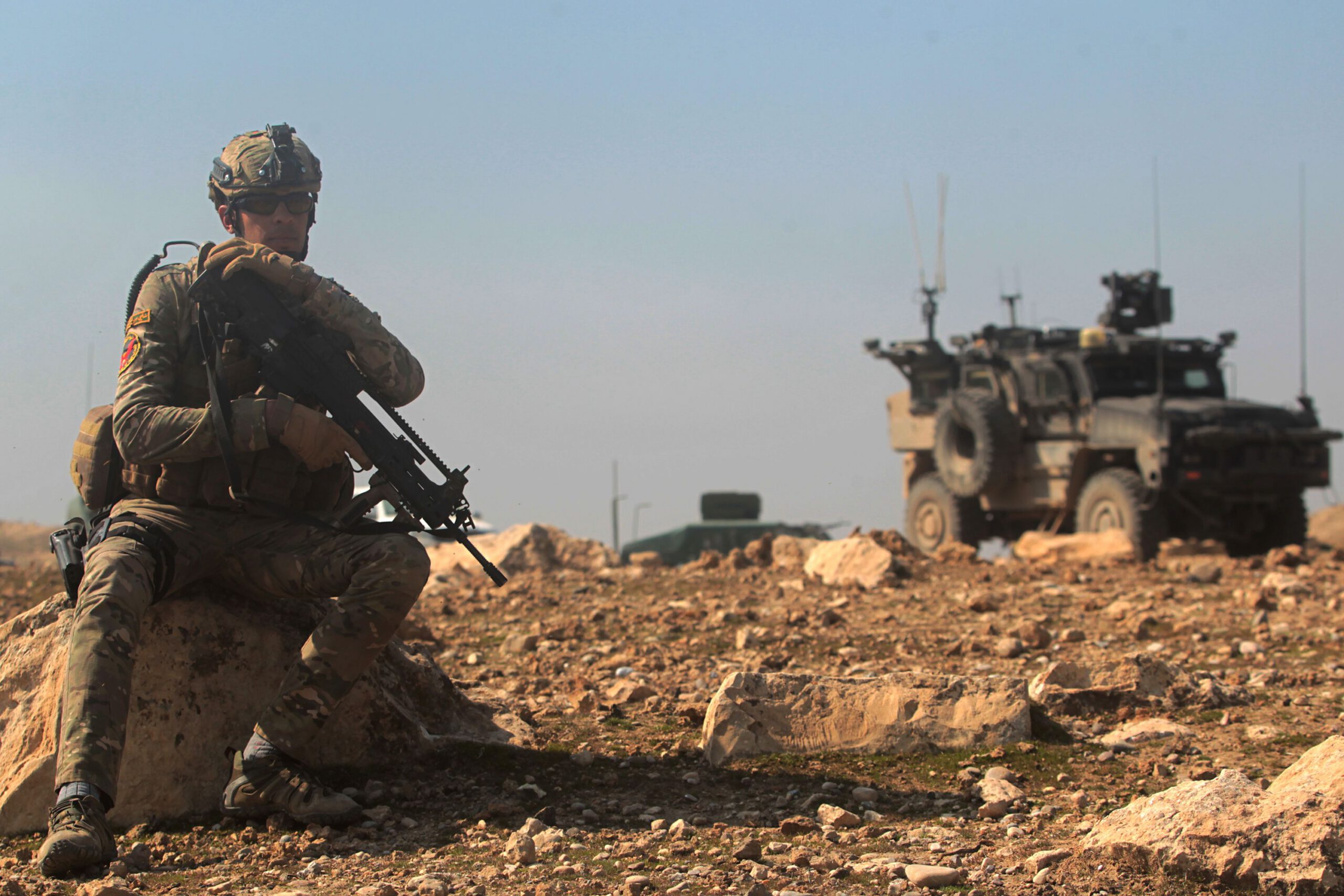
Iraq: Stuck in the middle again
Randa Slim Senior Fellow, Director of Conflict Resolution and Track II Dialogues program
The Global and Regional Geopolitics of Civil War in the Middle East
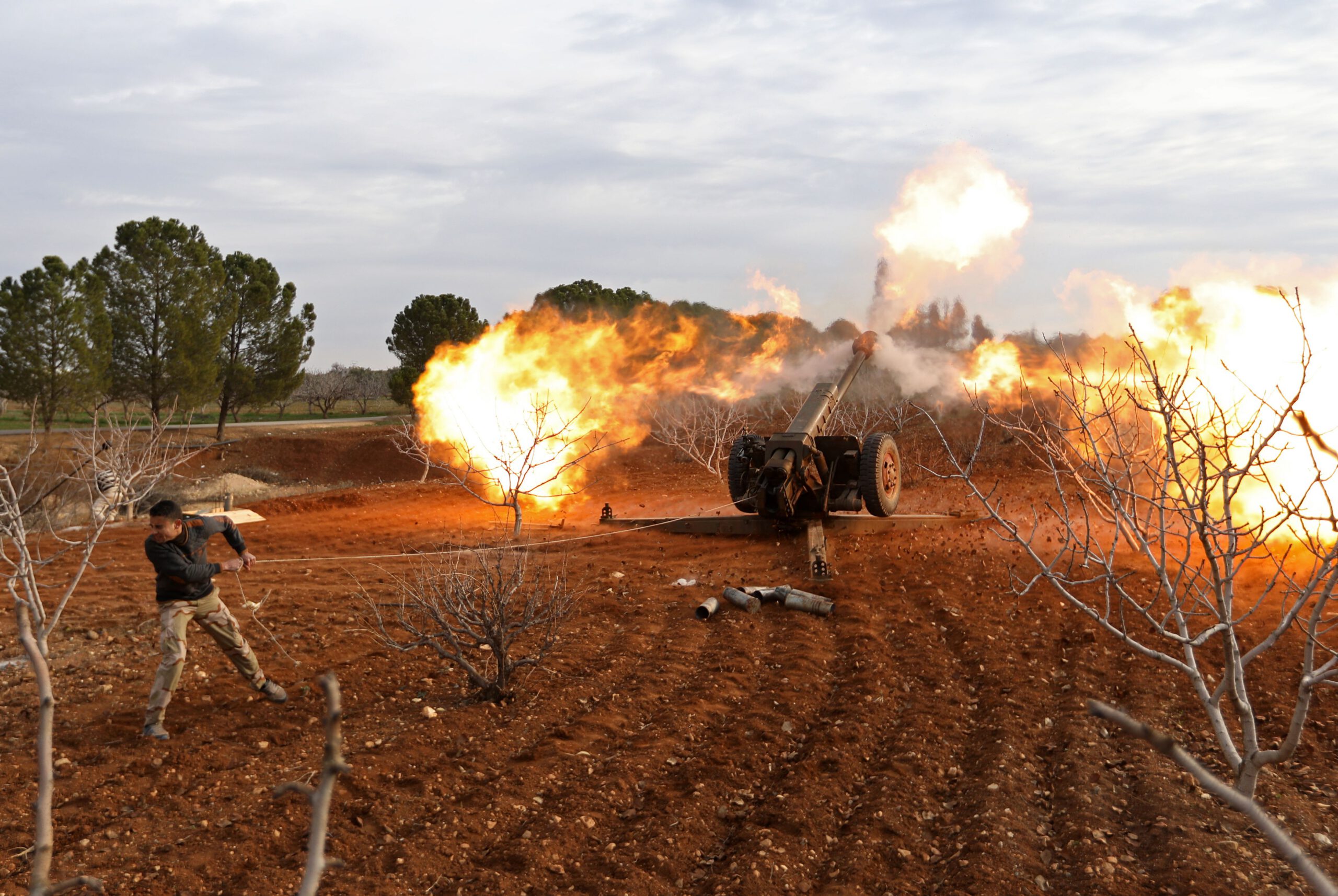
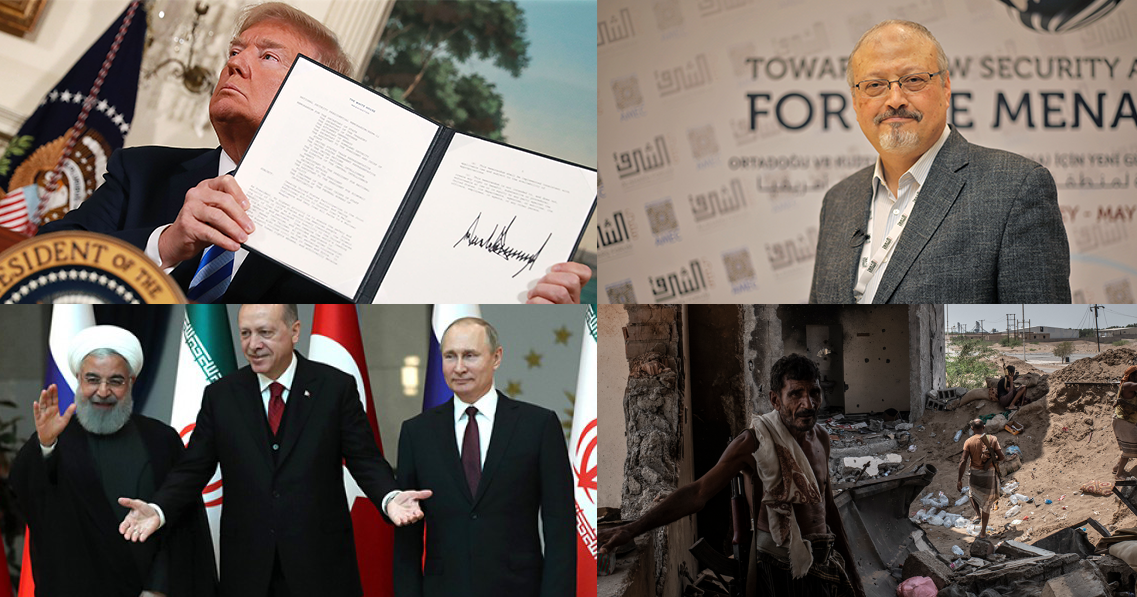
Power dynamics between the major global and regional powers have indirectly influenced the civil wars currently plaguing the Middle East. The distribution of power caused by end of the Cold War facilitated the creation of two opposing camps that later competed for regional primacy in the civil wars of Iraq, Syria, and Yemen.
Hariri announces another flawed government, but don’t walk away from Lebanon
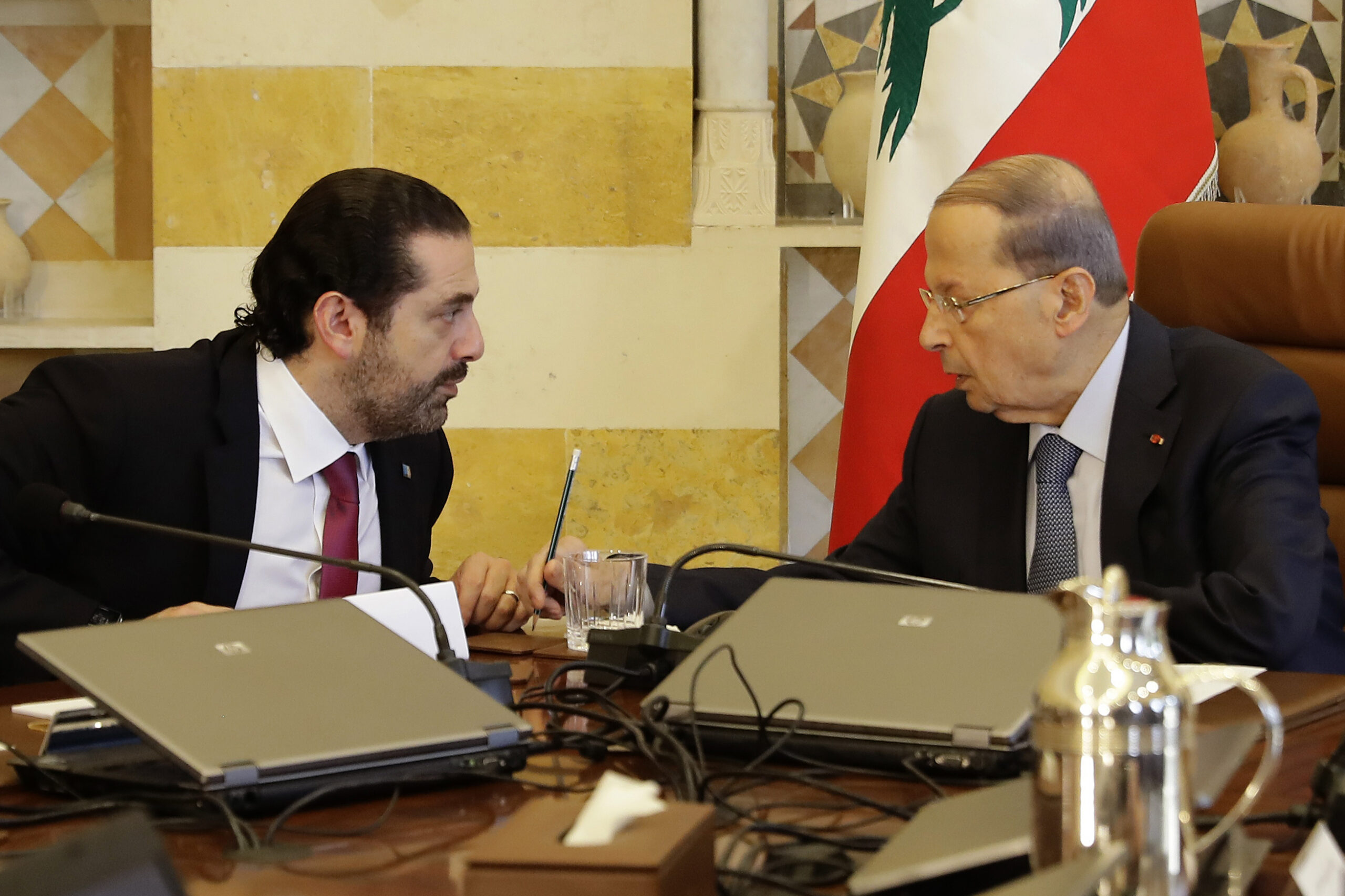
After nine months of deadlock, Prime Minister-designate Saad Hariri announced the formation of a new government of 30 ministers. The composition of the government is reflective of Lebanon’s power-sharing system and of the results of the last parliamentary elections.
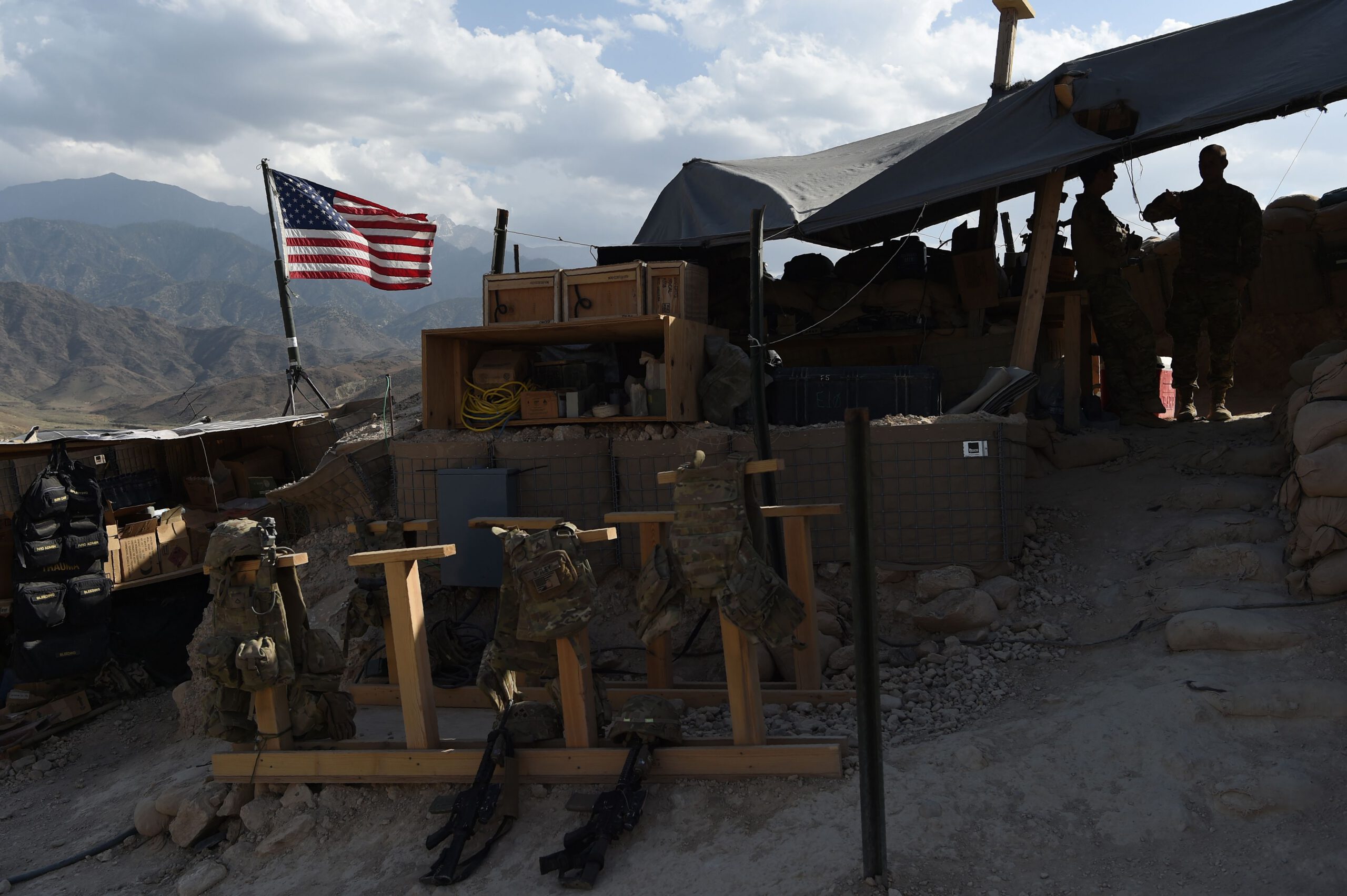
Monday Briefing: US-Taliban talks progress, but major obstacles remain
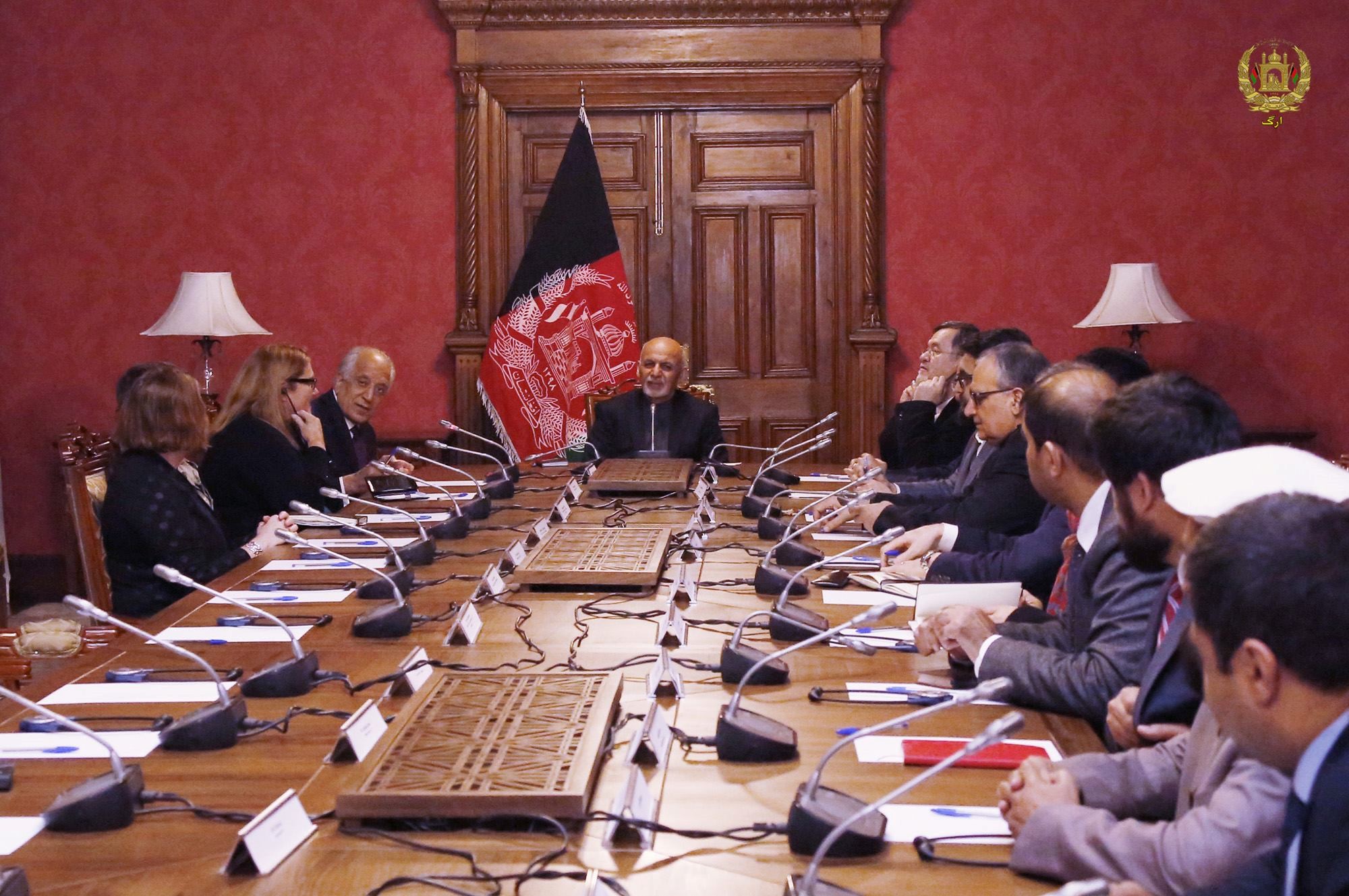
In this week’s Monday Briefing, MEI experts Ahmad Majidyar, Marvin G. Weinbaum, Randa Slim, Paul Salem, and Guney Yildiz provide analysis on recent and upcoming events including U.S. negotiations with the Taliban in Afghanistan, a warning sent to Israel by Hezbollah leader Hassan Nasrallah, the Sudanese president’s appeal for external support, Turkish-Syrian diplomacy, and Pakistan’s acceptance of Gulf aid.
Zmkin Ali and Mac Skelton of the Institute of Regional and International Studies (IRIS) at the American University of Iraq Sulaimani, join host Alistair Taylor for a discussion on Iraq’s political climate, Baghdad’s relations with Erbil in the aftermath of the 2017 referendum, and other regional dynamics.
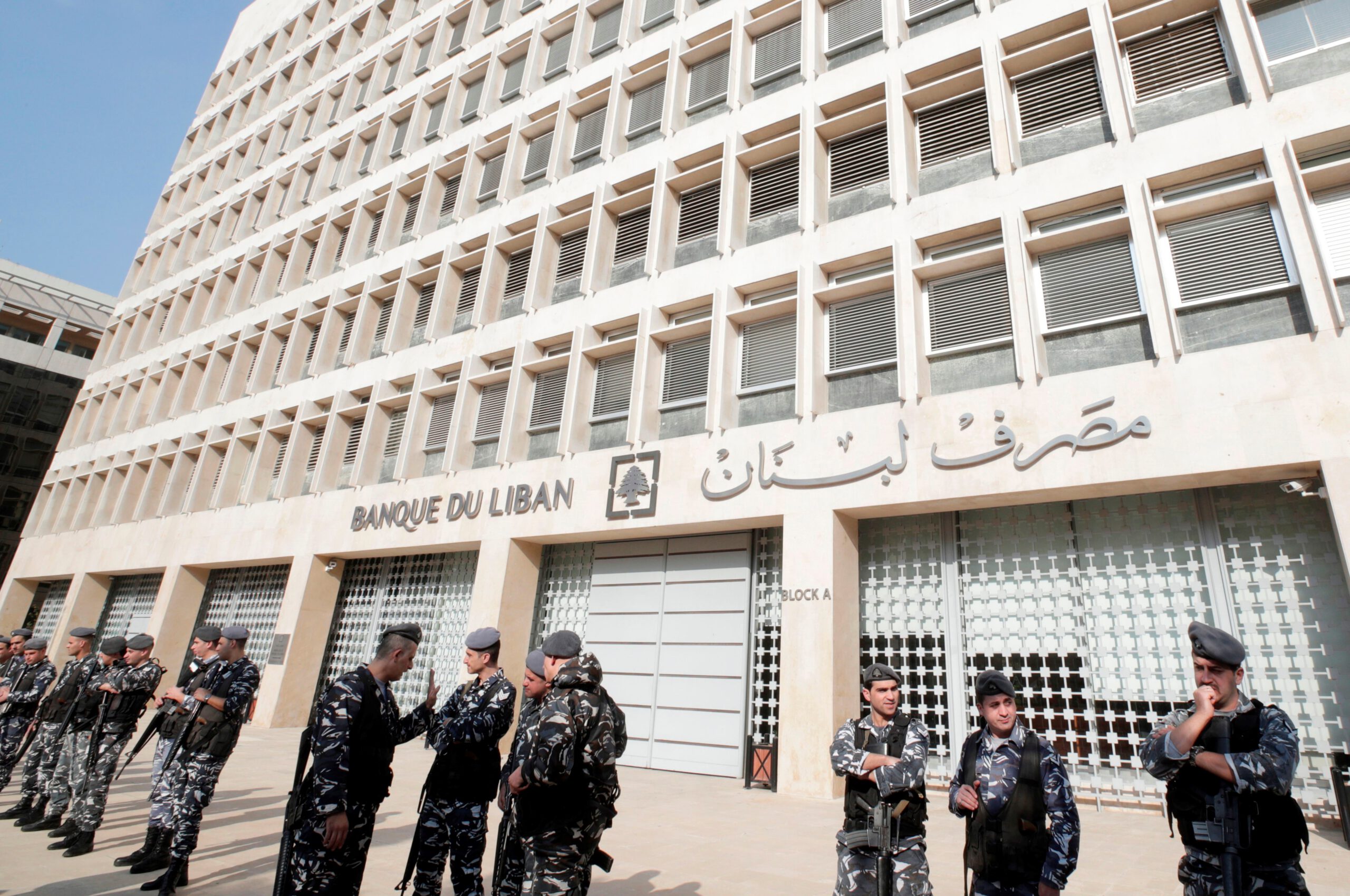
Security sector reform and the Internal Security Forces in Lebanon
Donor-backed reform efforts in the Lebanese Internal Security Forces have shown good results in a jurisdiction in Beirut. While imperfect and limited in scope, these results are encouraging, as obstacles to the provision of fair and effective policing in Lebanon are myriad.
Weekly Briefing: Failed Arab Economic Summit in Beirut underscores divisions
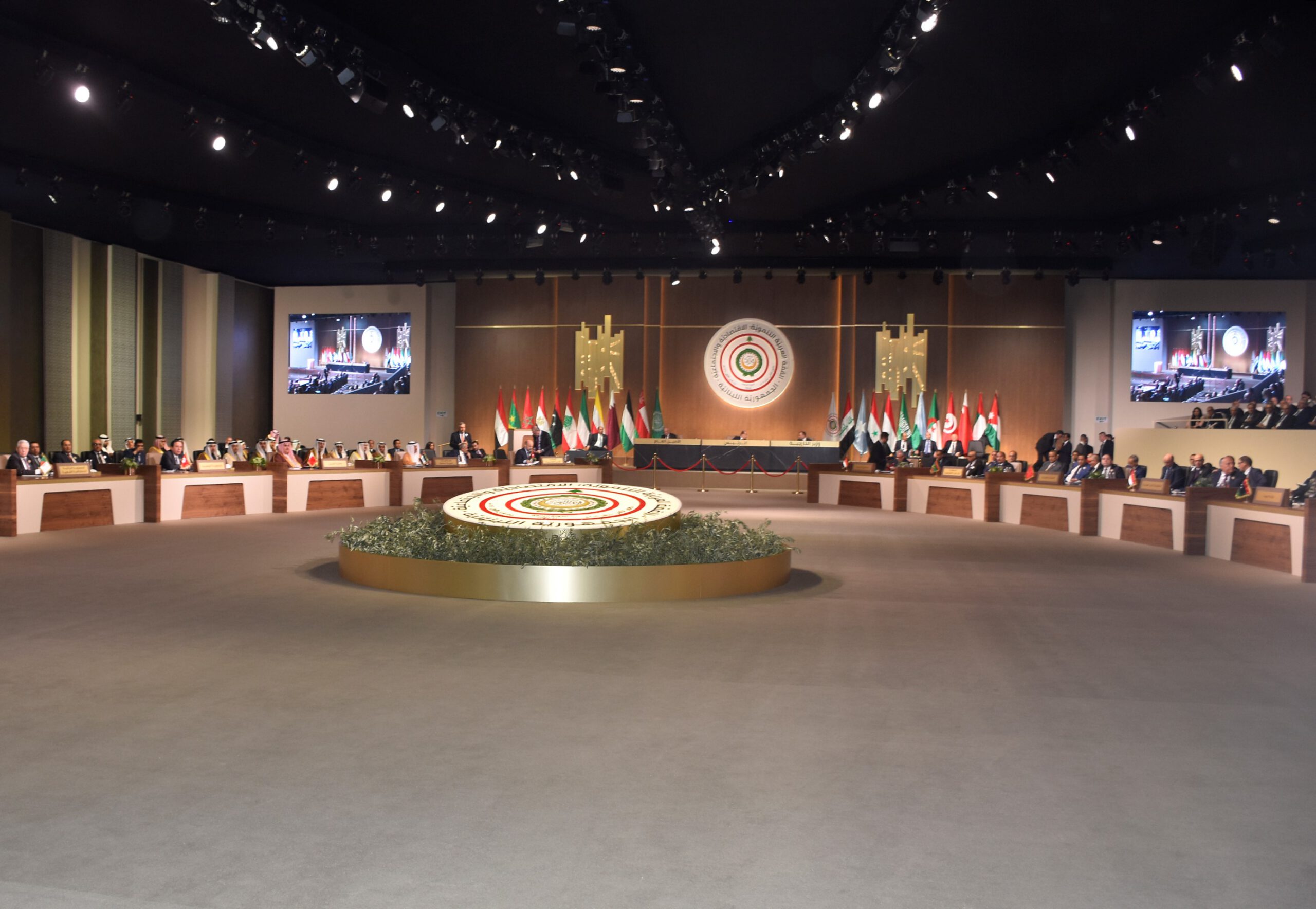
In this week’s Weekly Briefing, contributors Paul Salem, Marvin G. Weinbaum, William Lawrence, Ruba Husari, and Jean-François Seznec provide analysis on recent and upcoming events including the Arab Economic Summit held in Beirut this weekend, Afghanistan’s upcoming presidential elections, strikes in Tunisia, the Trump administration’s next steps on Iranian oil policy, and Saudi Aramco’s $10B bond issue.
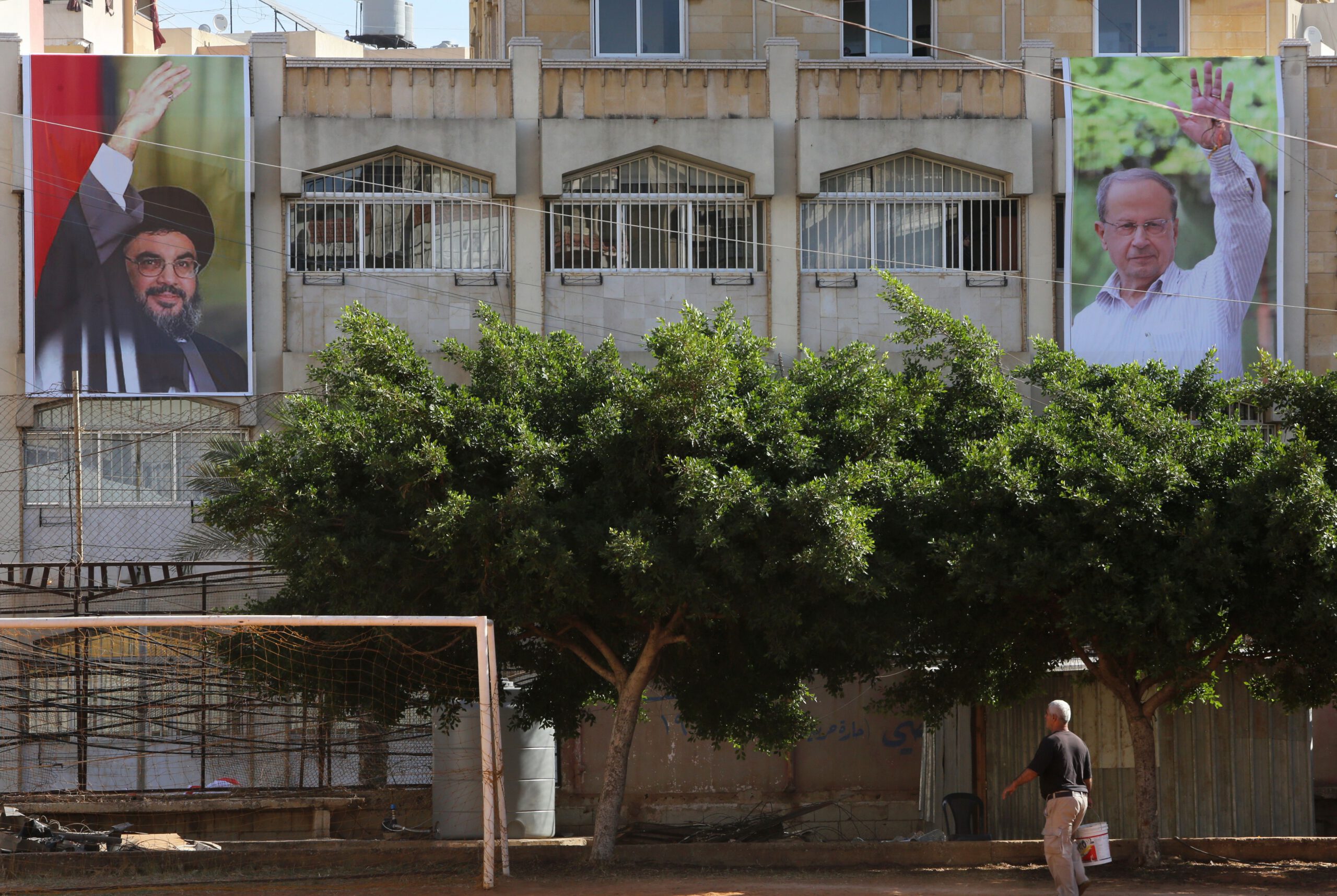
Lebanese President Michel Aoun and Hezbollah remain at loggerheads over the formation of a new government. The dispute has now entered its eighth month and the country is slowly tiptoeing towards a financial crisis.
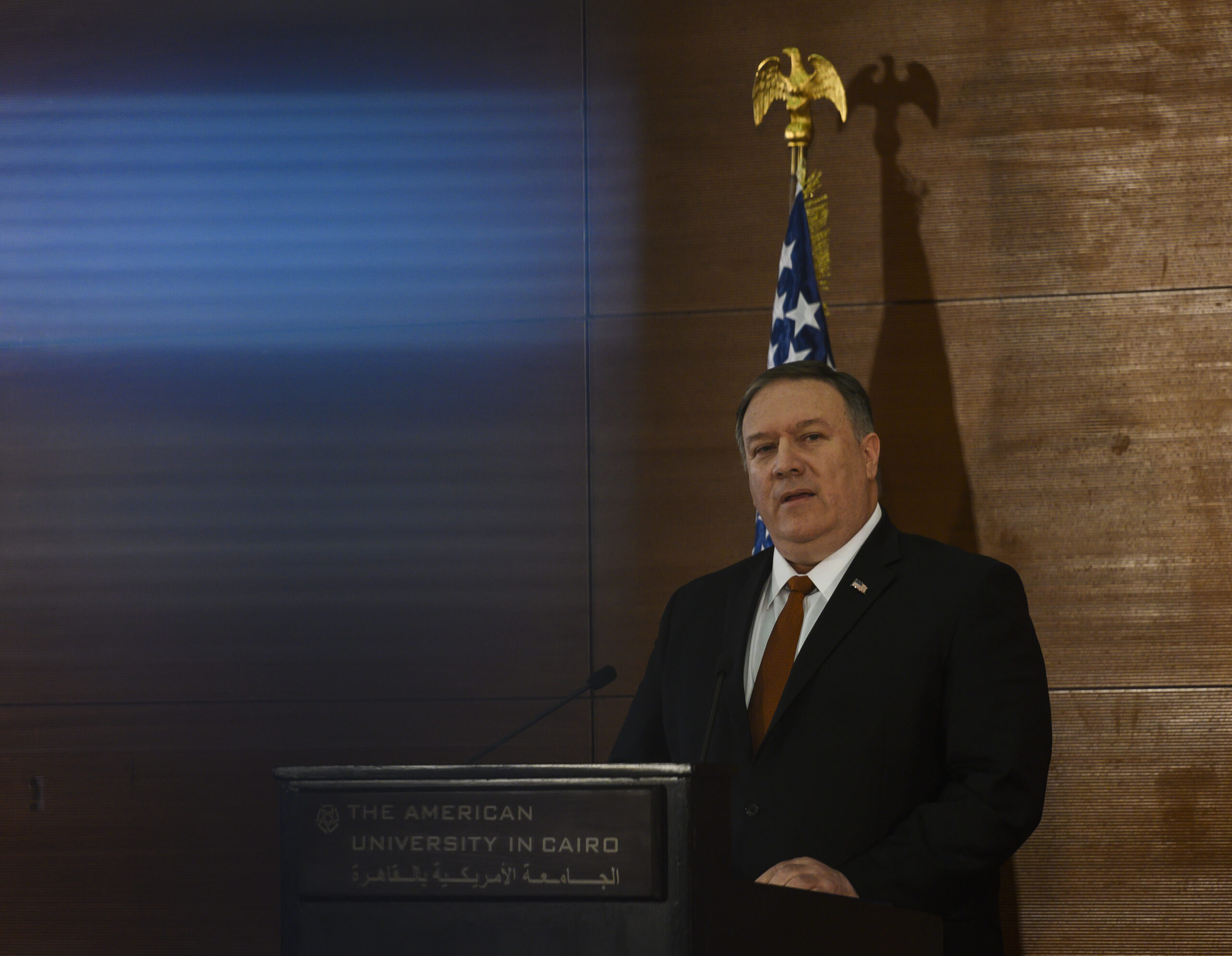
Weekly Briefing: Pompeo’s visit raises more questions than it answers
In this week’s Monday Briefing, MEI experts Gerald Feierstein, Paul Salem, Alex Vatanka, W. Robert Pearson, and Mirette F. Mabrouk provide analysis on recent and upcoming events including Secretary of State Mike Pompeo’s recent visit to the Middle East, recent protests in Sudan, Iranian outreach to Baghdad, President Trump’s discussion with President Erdogan on treatment of the Kurds, and the first meeting of the East Mediterranean Gas Forum.
In our first episode of 2019, MEI experts Paul Salem, Charles Lister, Ahmad Majidyar, Randa Slim, Gonul Tol, Robert Pearson, and Gerald Feierstein discuss the significant policy developments and announcements of the past few weeks and outline the major issues to watch in the year ahead.
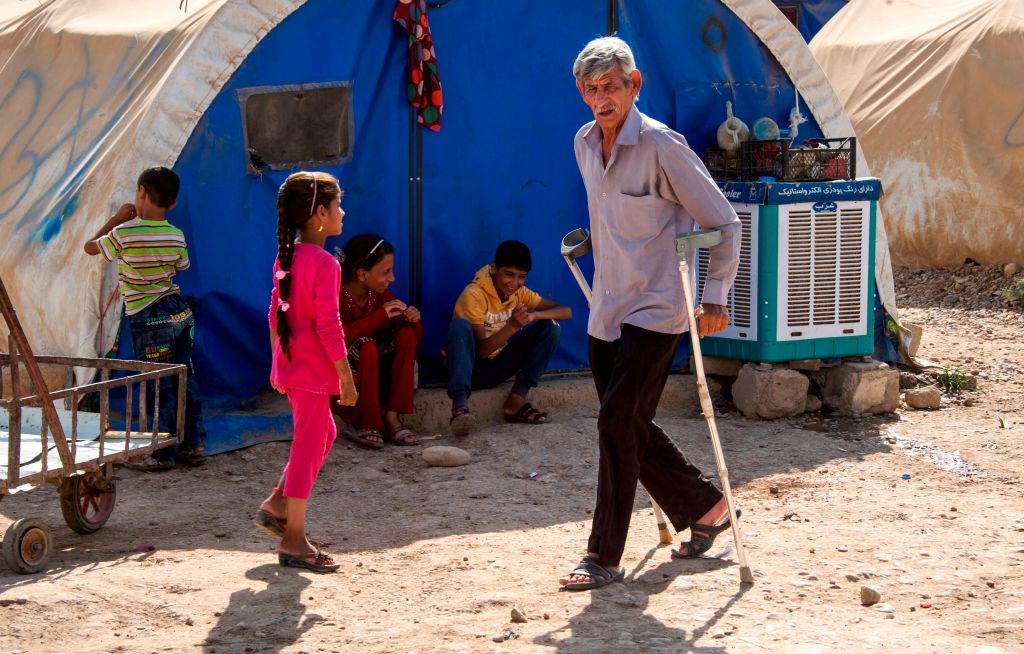
A year after the defeat of ISIS in Iraq, what has changed?
On Dec. 9, 2017, Iraq’s then prime minister, Haider al-Abadi, declared victory over ISIS. However, in the year since then Iraq has continued to face critical challenges, including an internally displaced person crisis and the legitimization of militia groups.
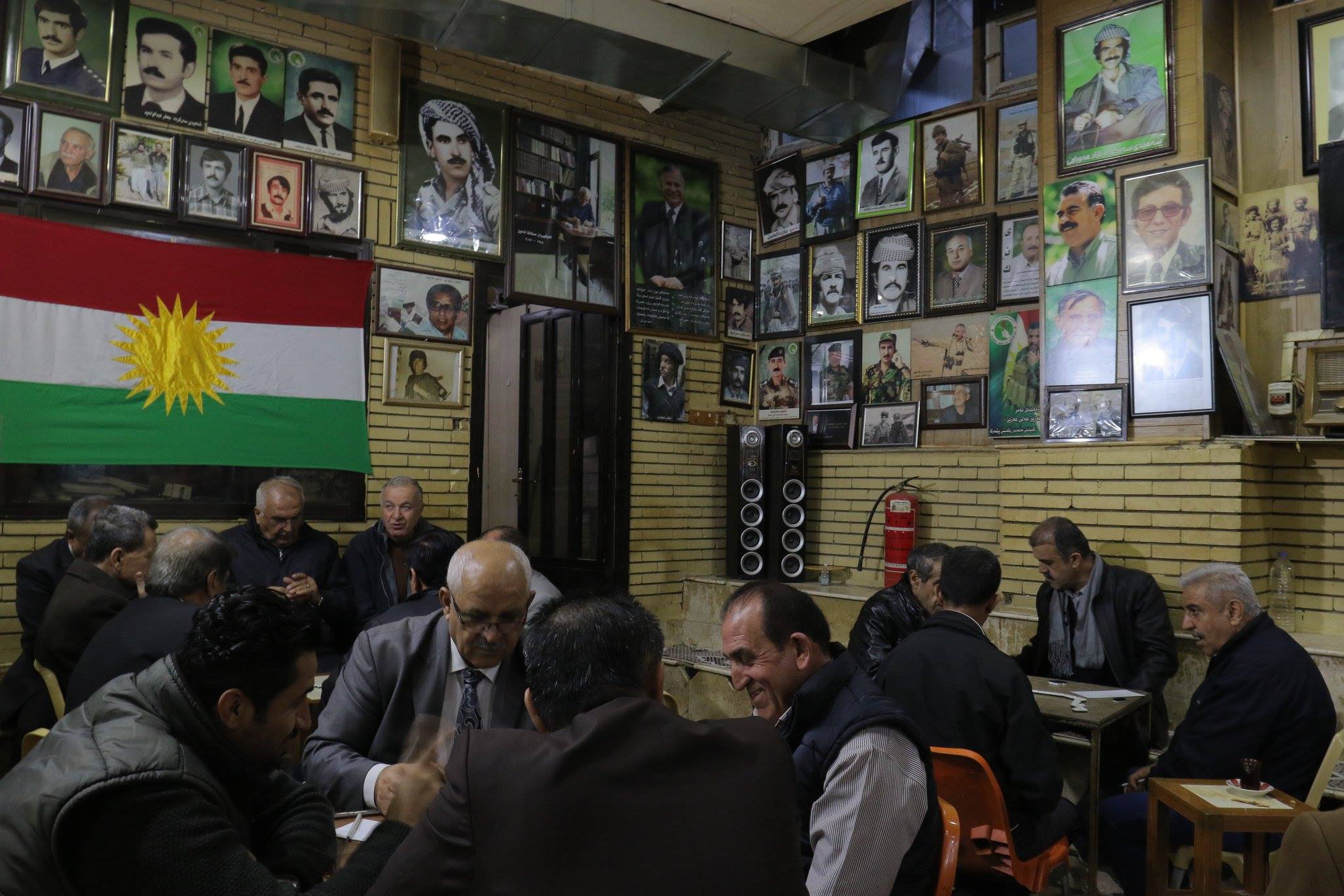
In Iraqi Kurdistan, there’s more than just tea brewing in the teahouse
Teahouses are at the heart of Kurdistan’s culture and are linked to the Kurdish collective memory of struggle and oppression, making them a central part of contesting narratives about progress, change, and tradition.