Seizing the Moment for Change: Pathways to a Sustainable US-Pakistan Relationship
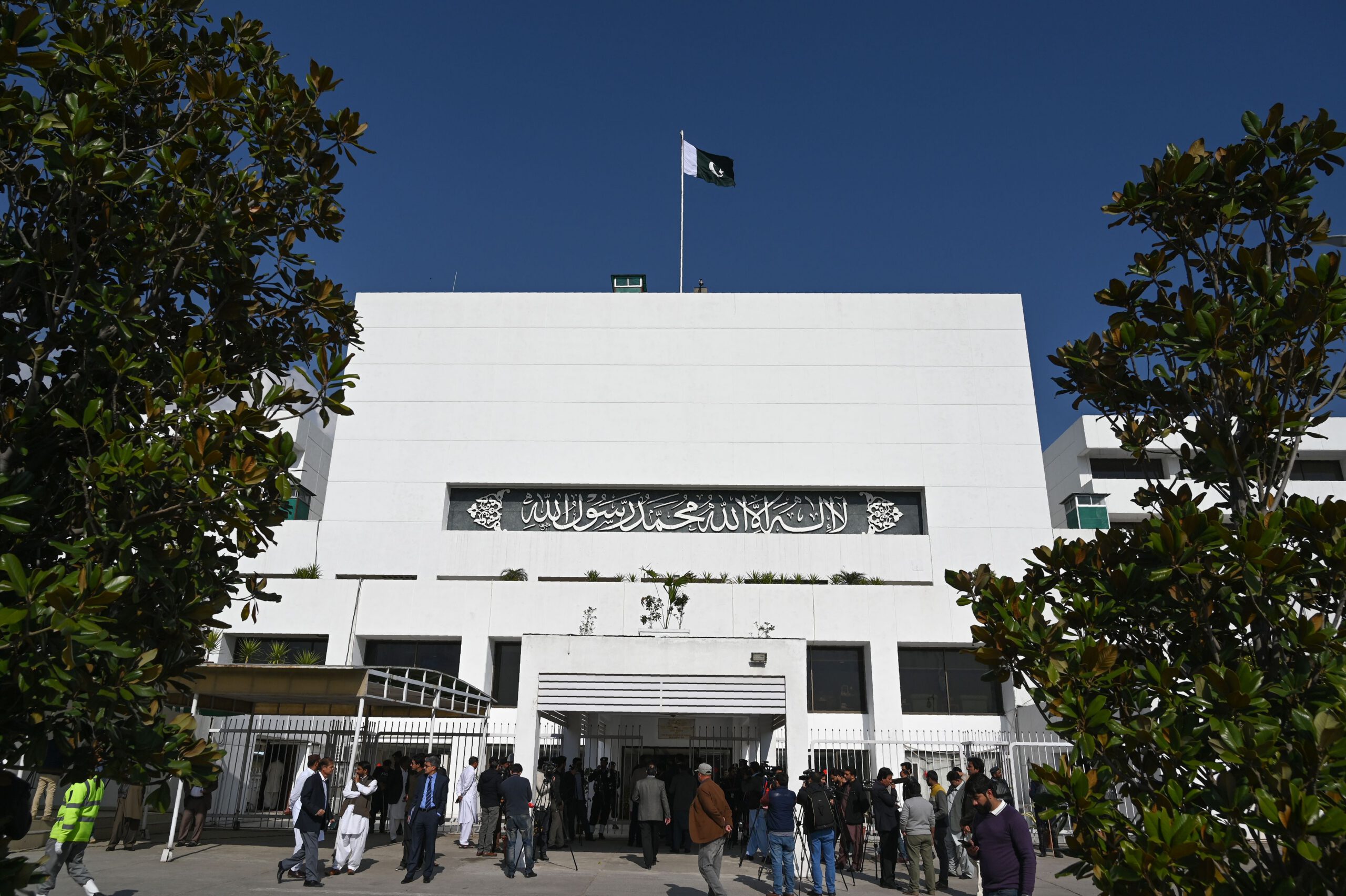
It is a near truism that U.S. relations with Pakistan have been historically unstable, waxing and waning, climbing to heights of interdependence and sinking to mutual recrimination. Yet this is presently a period unmarked by either high promise or driven by crisis. Rather than a reason, however, for leaving the relationship untouched and unexamined, this can be a time of unusual opportunity to create a more deliberative approach to thinking about the bilateral relationship and for shaping fresh initiatives.
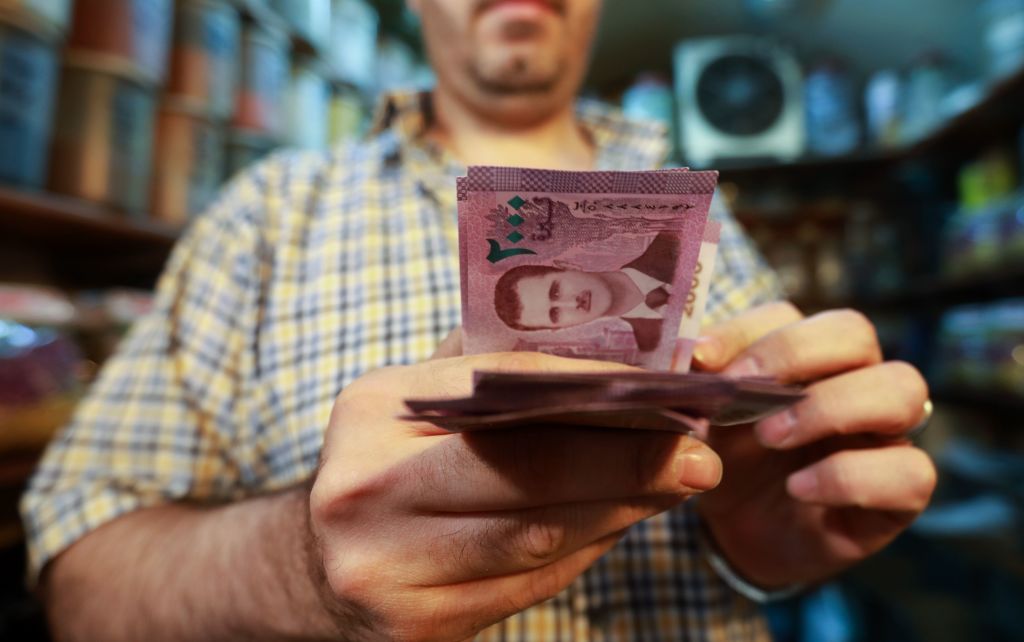
“People can’t even afford to buy bulgur”: Discontent is on the rise as Syria’s economic crisis worsens
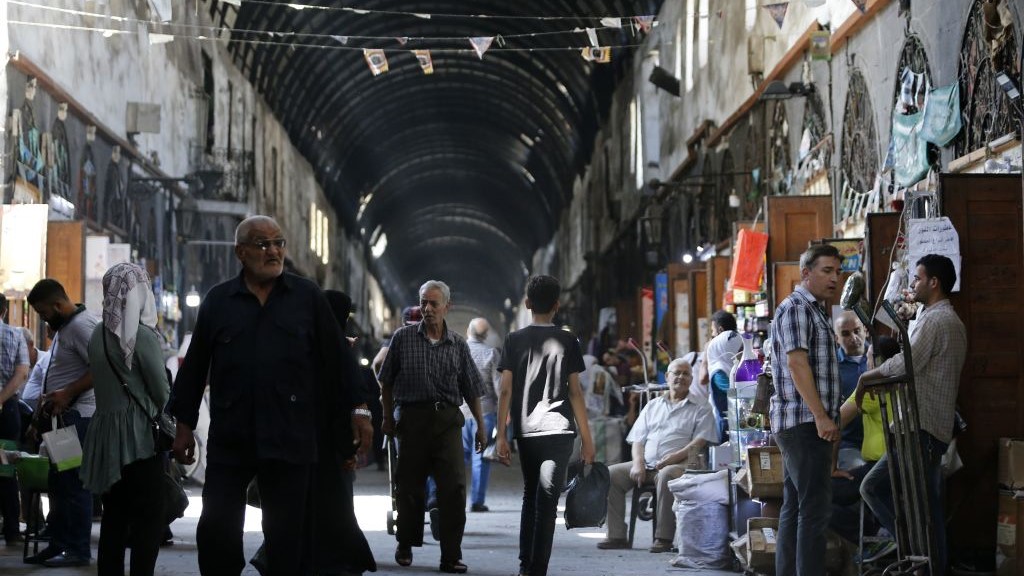
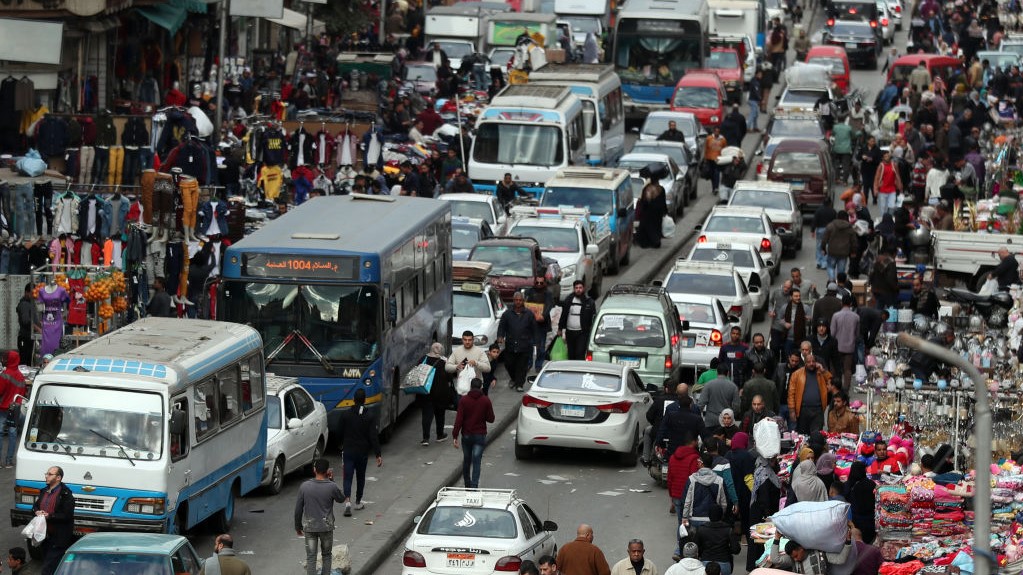
The latest economic crisis in Syria is hitting the population hard. Syrians have been beset by currency depreciation, soaring prices for basic goods, and energy shortages that have left people to freeze in the harsh winter, leading to growing and increasingly vocal discontent.
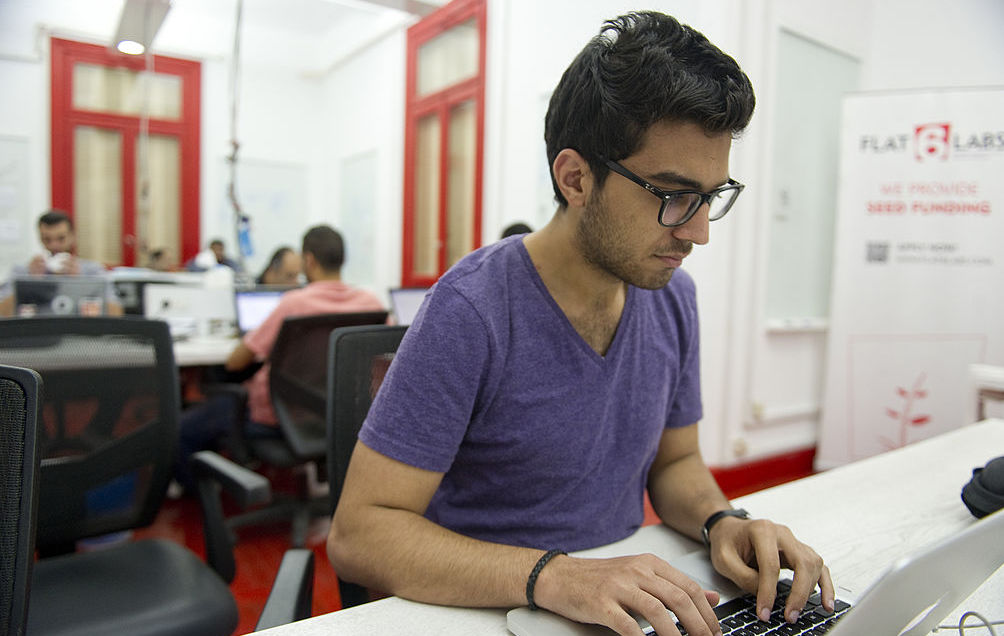
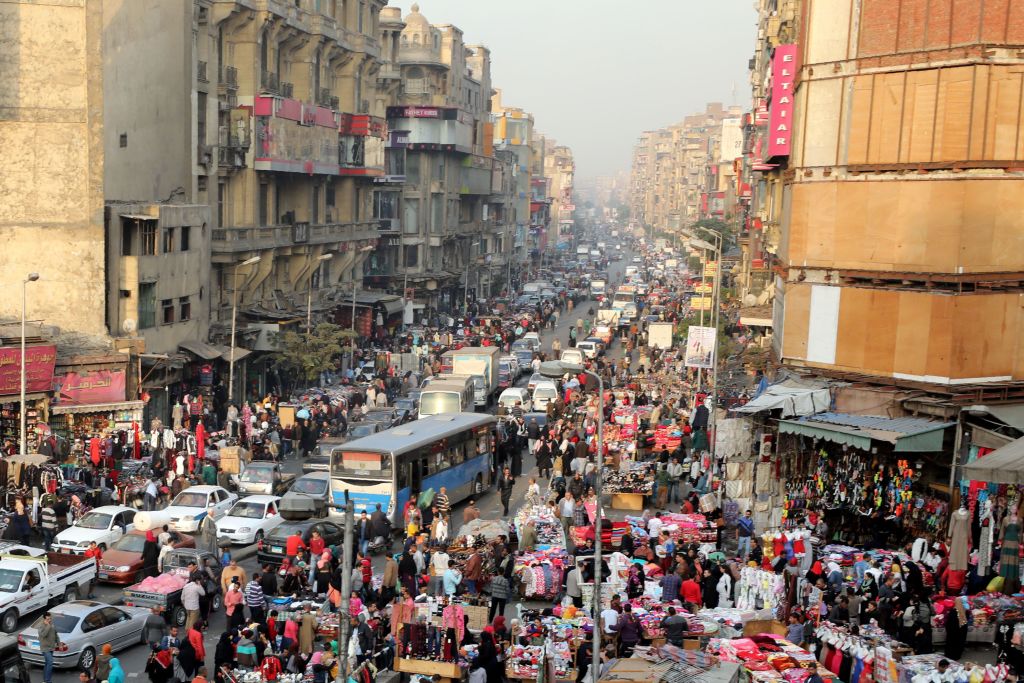
There has been a largely overlooked yet significant trend in entrepreneurship in Egypt, the Arab world’s most populous country. Much of this has been concentrated in the country’s two main economic centers, Cairo and Alexandria, but there are also signs of a broader and more inclusive trend. Despite this boom, few start-ups seem to have left much of a mark beyond the early development stages. A lack of access to finance has long been recognized as a key obstacle, yet the approaches taken by the government and international development lenders have proven largely ineffective. If this, along with other obstacles, can be addressed, the country’s nascent start-up scene could become a catalyst for economic development.
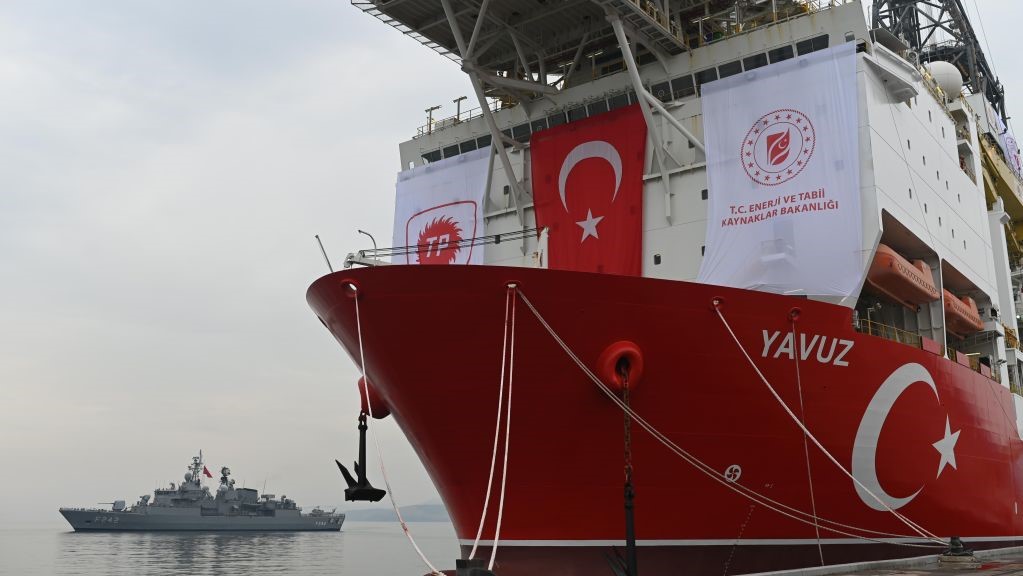
The eastern Mediterranean has become an increasingly important focus for Turkey’s foreign and security policy, but the interlocking of new issues like energy politics and sovereignty rights with old problems like Cyprus has created significant challenges for Ankara.
The green movement has been slow to catch on in Egypt, but the January announcement by the Egyptian government that it is finalizing plans to launch the country’s first green bonds could provide the financial incentives to further promote sustainable development. “Sustainability” is one of the fastest growing sectors globally, estimated to reach as much as $12 trillion annually by 2030.
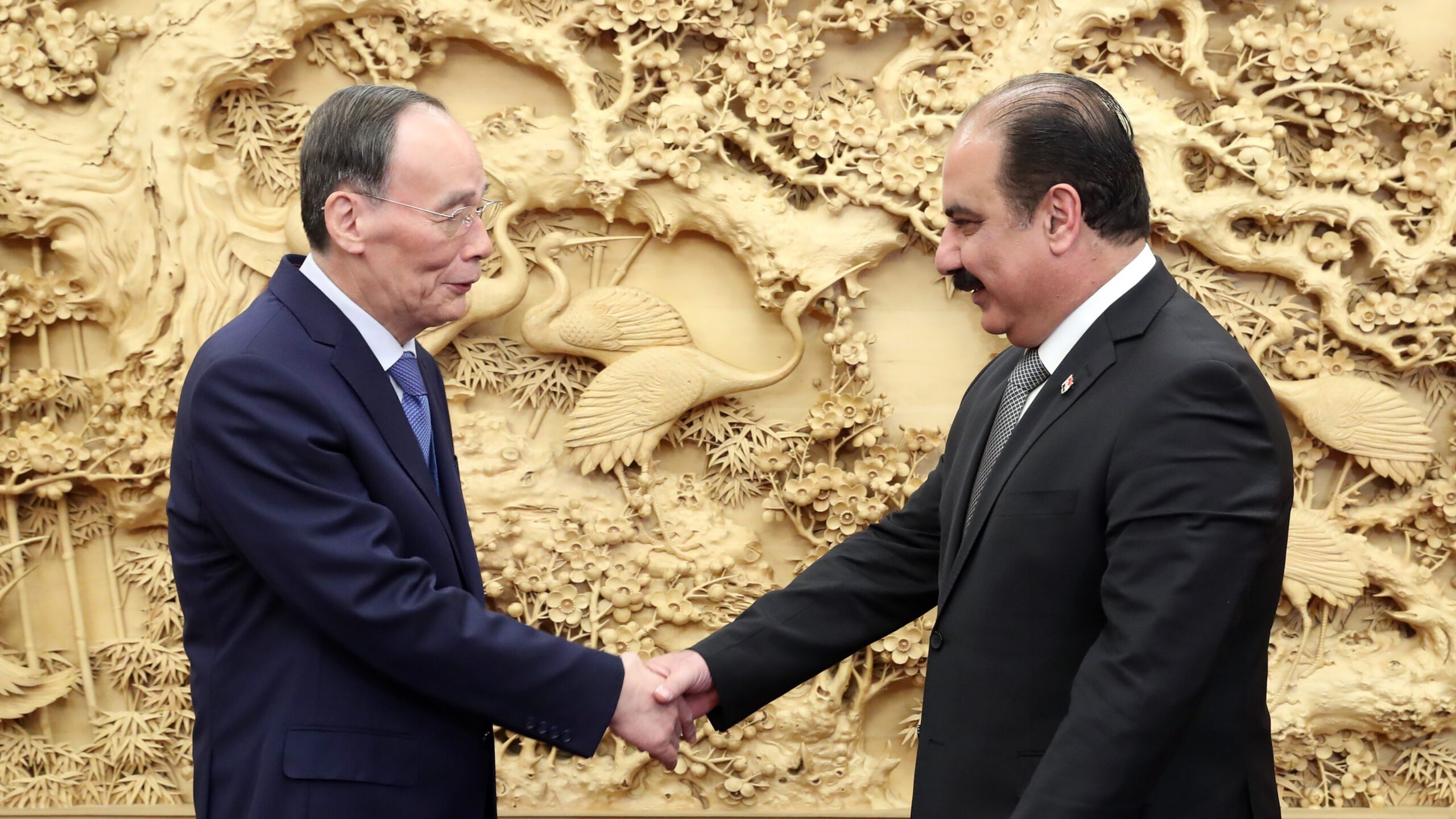
Since the beginning of the Syrian civil war in 2011, many analysts have examined the role played by a handful of key outside actors, such as Russia, Iran, Turkey, and the member states of the Gulf Cooperation Council (GCC). Yet China has received comparatively little attention in most discussions about the Syrian crisis. A deeper look at Sino-Syrian relations and Beijing’s policies vis-à-vis Syria is long overdue as this bilateral relationship is set to become increasingly important to both China’s ambitious foreign policy as well as the Syrian government’s vision for reconstruction and redevelopment.
Damascus battles economic collapse as the Syrian pound plummets
Faced with the threat of further sanctions, a volatile situation in neighboring Lebanon, and a brutally tough winter, the only thing currently rising from the embers of war-torn Syria is the value of the dollar against the struggling Syrian pound. This marks the beginning of a dangerous new phase in the Syrian conflict as the government, fresh from its eight-year-long war for survival, tries to fend off an economic collapse from within.
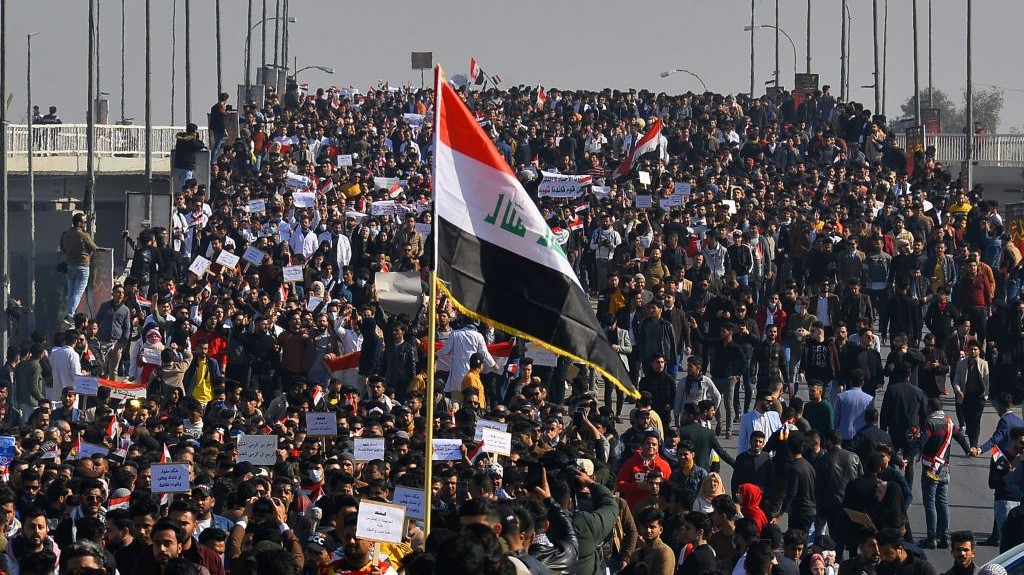
The protest movement in Iraq is now entering its fourth month. The protests raging across most of the south of the country have remained non-sectarian in their tone and message, and the movement is steadfast in its rejection of the political order, and all members of the political elite.
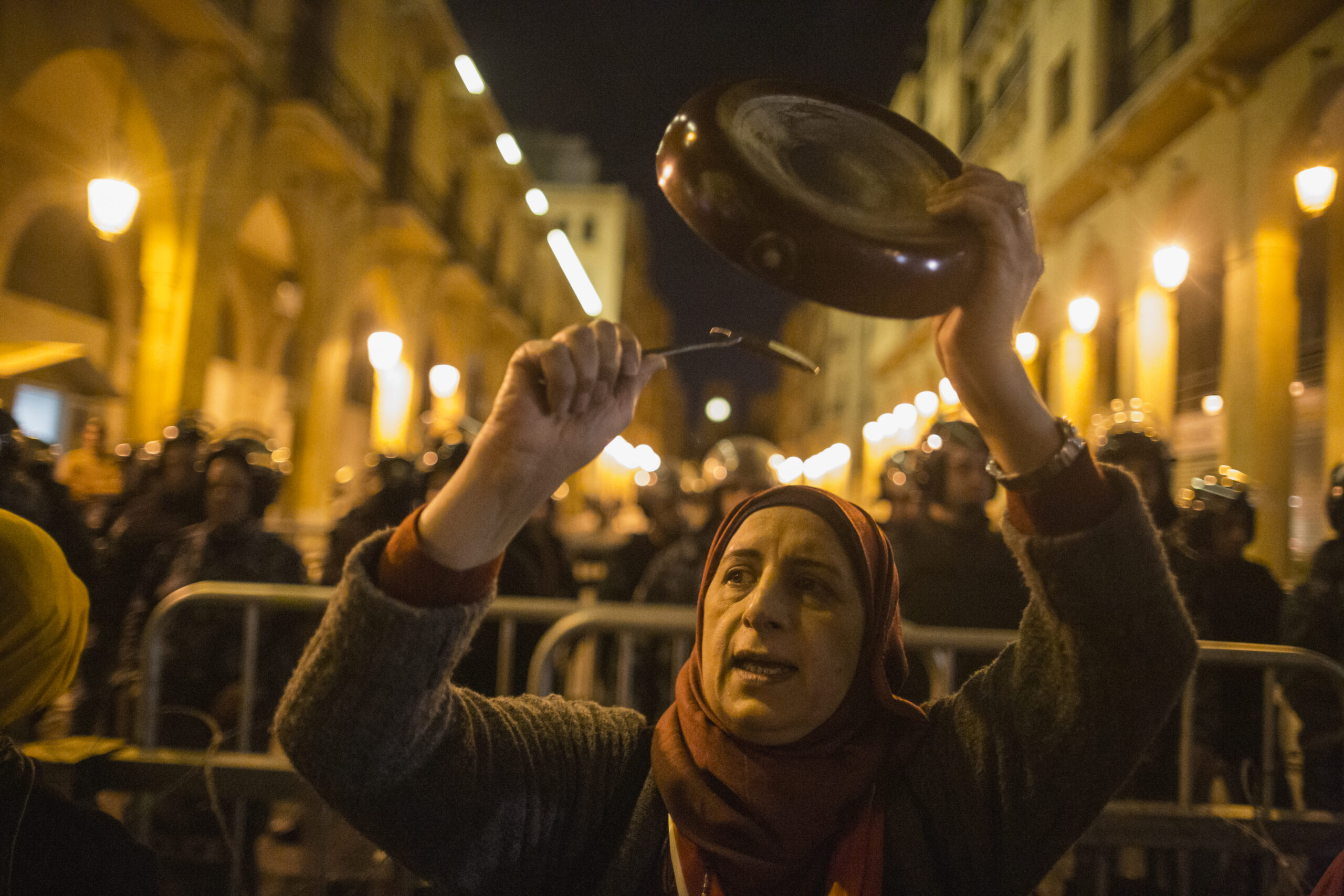
By any objective standard, the Lebanese protest movement has failed. This is not necessarily an indictment against it. Rather, it’s a reality one cannot and should not ignore. The responsible thing to do now is to try to understand why it has fallen flat, despite more than 100 days of demonstrations in various regions of the country including the capital, Beirut.
First, a word of solace. In the annals of history, the Lebanese are in good company as most uprisings and revolutions failed to attain their goals. And even when they did, success either didn’t last long or was completely reversed due to counterrevolutions and other spoilers, both foreign and domestic.
US-Iran escalation and its implications for the South Caucasus
Over the past several weeks geopolitical experts have been talking a lot about what the surprise U.S. drone attack on Iranian Gen. Qassem Soleimani, head of the IRGC – Quds Force, on Jan. 3 means for the Middle East and relations between the major powers. What has received considerably less attention, however, is what Soleimani’s killing means for the South Caucasus, a region whose small size belies its strategic importance.
Sustainable development: An unavoidable path for Egypt’s future
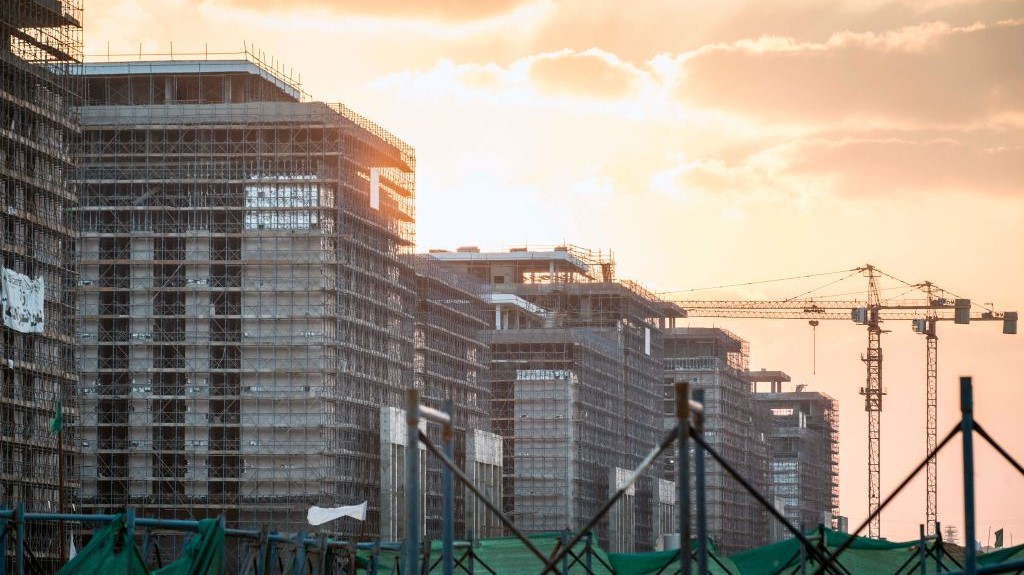
Egypt has realized a significant number of changes in healthcare, education, and economic reform policy over the past decade. It is also increasingly looking toward policy for development that emphasizes cohesive problem solving, in line with its Vision 2030 strategy, which highlights the need for positive knock-on effects from investments in human development
Protests, not geopolitics, will shape the Middle East in the new decade
However unsurmountable geopolitical crises may seem today, it will be domestic protests that determine the social and economic landscape in the Middle East in the coming years.