Chinese Technology in the Middle East: A Threat to Sovereignty or an Economic Opportunity?
Recent moves by Chinese tech giants have raised concerns in Washington about Beijing’s technological outreach to developing nations. To stem the international growth of these companies, the U.S. has discouraged countries from adopting Chinese technologies through efforts like promoting the Clean Network Initiative. Countries across the globe often must choose between Chinese or Western technology, and these choices have broad implications.
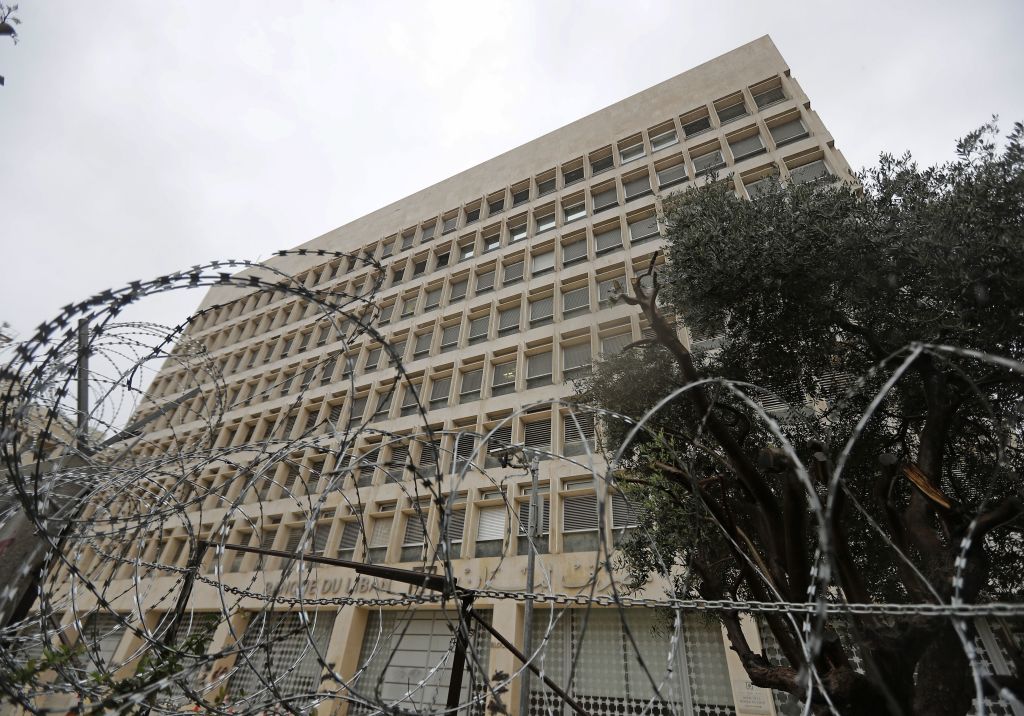
Out of ill-will and incompetence, Lebanese decision-makers continue to violate macroeconomics’ most fundamental principles in their handling of Lebanon’s financial meltdown. Erroneous — or worse still, inexistent — fiscal and monetary policy choices are amplifying by the day the devastating socioeconomic repercussions that the country will face for years, if not decades, to come.
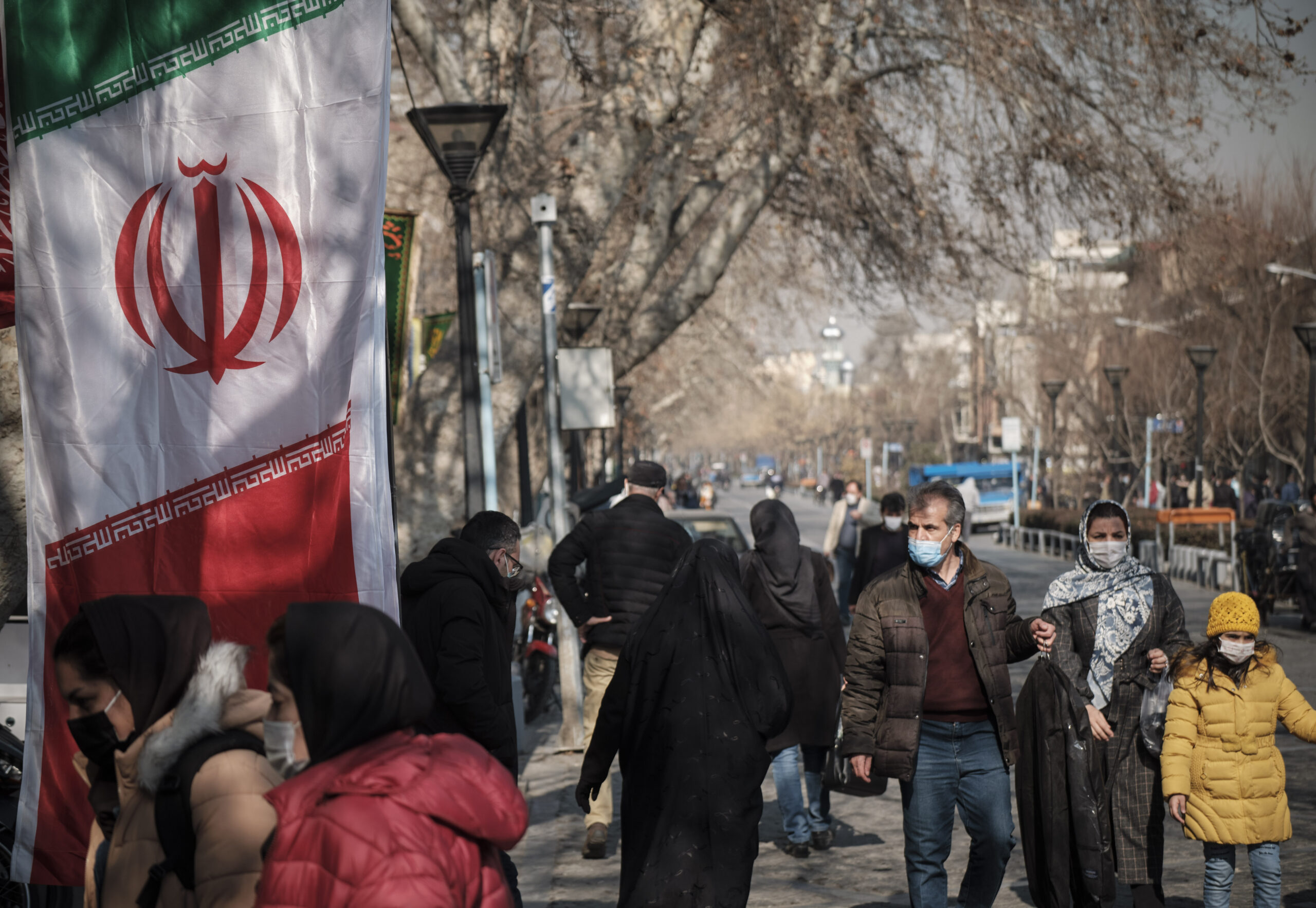
Definitional doom: How Iran and Israel derail legal application in cyberspace
Despite the importance of cyberattacks, little has been written about the relationship between these attacks and the applicable law. States are still struggling with controversies involving definitions, even though there is wide applicability of both laws and norms in this context. As a result, cyberspace remains relatively anarchic and the continued controversies have impeded further progress. Although the global discussion has only just begun, it is clear that the rising prevalence of state-led cyber operations warrants a thoughtful, innovative, and immediate regulatory response. Pressure has been building on the governments of the Middle East to join the conversation as their relevance and power in the cyber domain grows.
Cyber violence against women is defined as a form of gender-based violence (GBV) carried out through digital means. The COVID-19 pandemic has drastically heightened the risk and incidence of violence against women both online and offline: the Australian eSafety Commissioner reported a 50% increase in domestic and cyber violence reports since March 2020. Globally, Facebook remains the most common platform for gendered violence online, followed closely by Instagram and WhatsApp. These developments show that special consideration must be given to the role of digital platforms in facilitating violence against women, and that policy solutions regarding violence against women must also consider the online context where that violence often takes place and escalates in plain sight.
“The war of hunger … scares me more than the war of cannons”: As inflation soars, Syria’s economy spirals downward
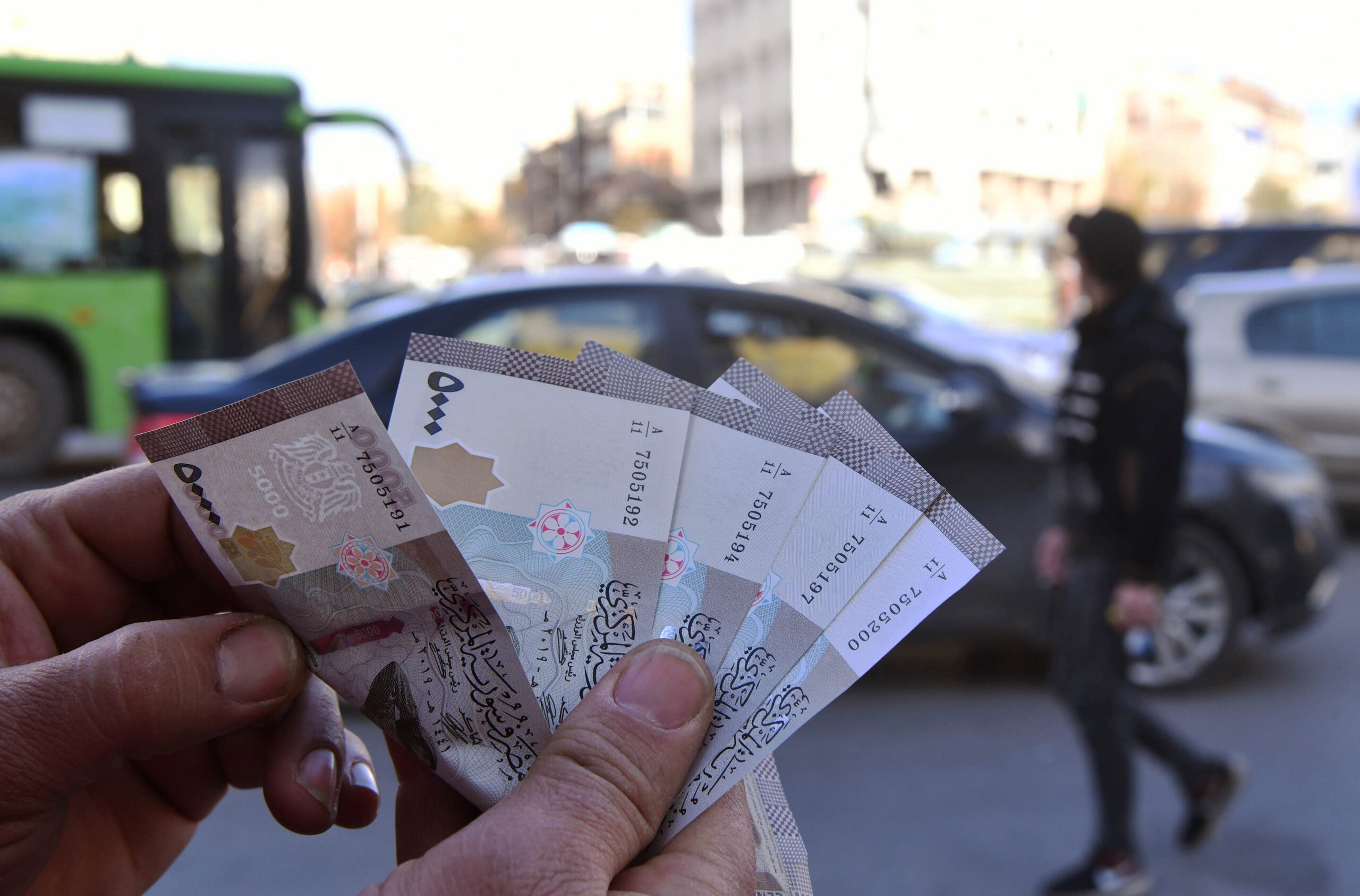
As the Syrian conflict reaches its 10-year anniversary, the economic consequences of a decade of war have been nothing less than catastrophic. Instability and inflation are likely to remain major problems over next 10 years — and possibly well beyond — but for now they have created a new level of despair in government-held areas. The Syrian economy has entered its most fragile phase yet and the prospects of a serious recovery remain all but a distant hope as the fiscal challenges confronting the country far outweigh the meagre remedies on offer.
Middle East cyber priorities for the Biden administration
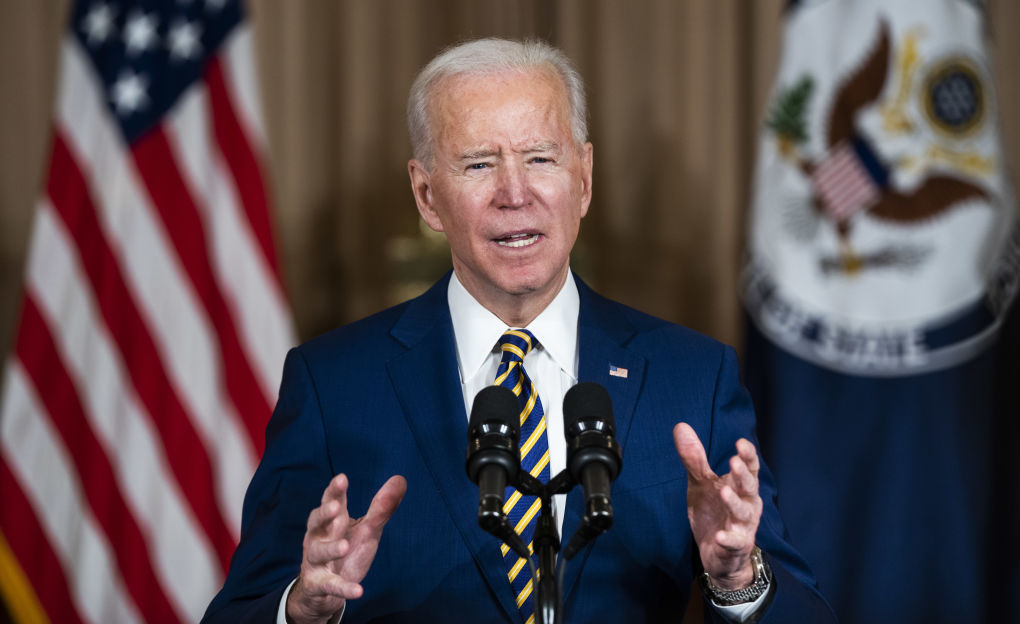
To promote stability in the Middle East and safeguard its interests, the new administration should adopt policies designed to limit damaging activities in cyberspace, support cyber norms in conjunction with strong cooperation agreements, recognize the obstacles to creating a NATO-like regional security alliance, and implement policies restricting the misuse of U.S. technologies by allies to commit human rights violations and spy on their own people.
After last year’s crisis, Pakistan and Saudi Arabia pursue a reset
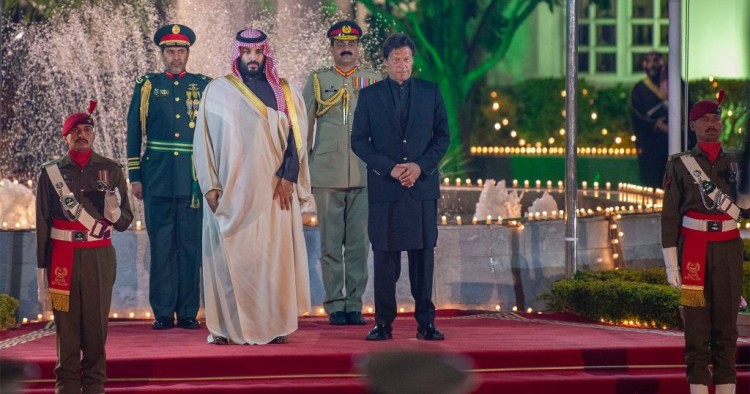
After last year’s much-publicized spat between Pakistan and Saudi Arabia — culminating with Riyadh’s demand for early repayment of $3 billion in loans meant to shore up Islamabad’s foreign exchange reserves — tensions between the two countries have since cooled. Pakistan and Saudi Arabia appear to be in the midst of a reset of relations.
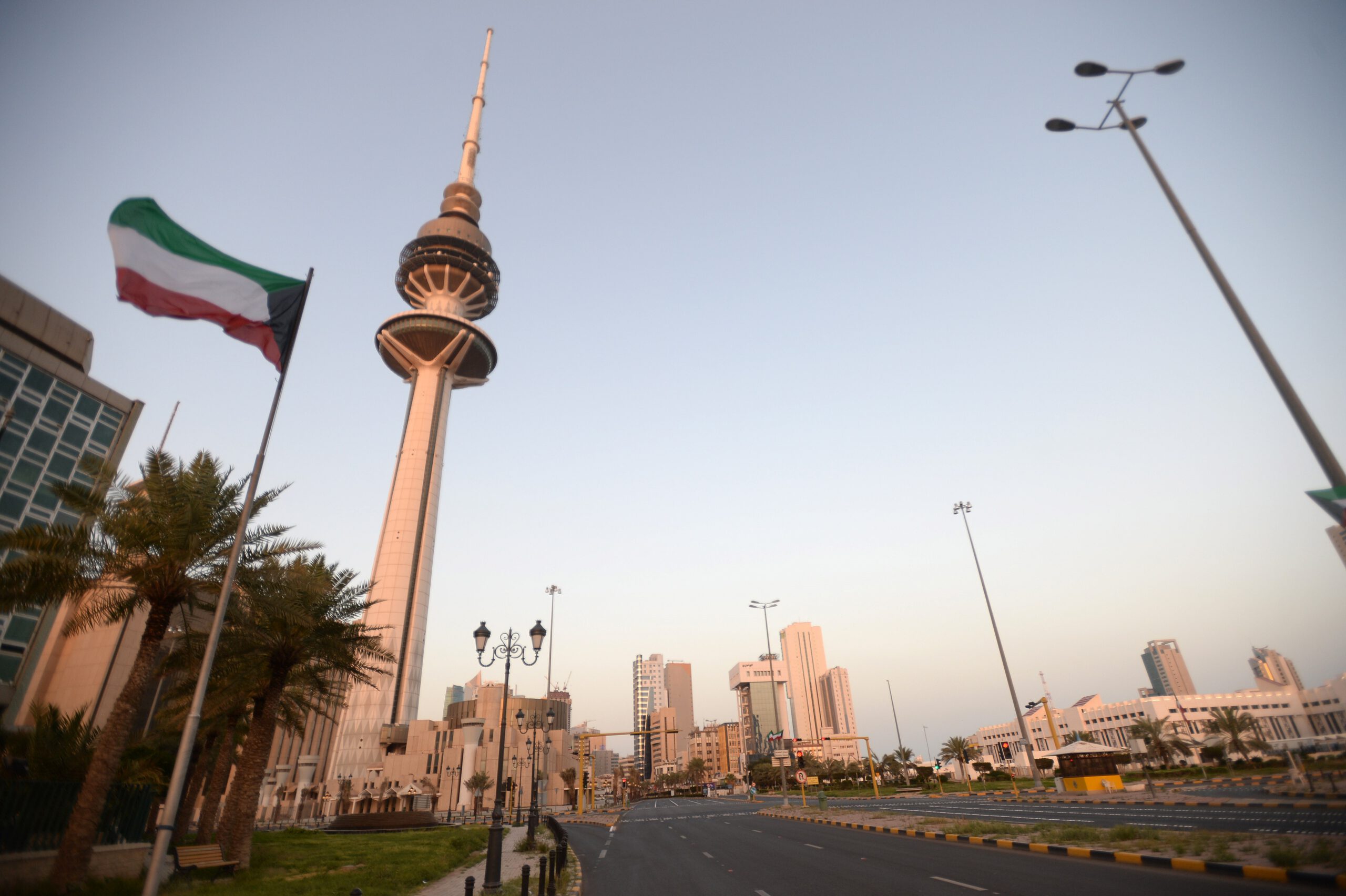
Kuwait is stuck in a major predicament. The government continues to engage in significant deficit spending, even as its readily available funds dwindle, while political gridlock limits the government’s ability to replace those shrinking financial resources.
The Biden Administration and the Middle East: Policy Recommendations for a Sustainable Way Forward
In a new policy briefing book, entitled The Biden Administration and the Middle East: Policy Recommendations for a Sustainable Way Forward, MEI scholars tackle a large number of country-specific and region-wide issue areas, laying out both the abiding U.S. interests and specific recommendations for Biden administration policies that can further U.S. interests amid a region in turmoil.
MENA at the center of the West: China’s “opening up to the West” strategy
Writing in 1993, Lillian Craig Harris observed that “for China, economic power, not armed conflict, had become the most important factor in the struggle to gain independence, power, and status.” Fast-forwarding more than a quarter-century, this statement is now more true than ever, especially in the MENA region, where economic ties between MENA and China have grown stronger by the year.
Relations between the U.S. and Black Sea countries are complex. The Western-oriented Georgia and Romania have shown unconditional support for greater U.S. involvement. Others, like Turkey and Russia, will continue to challenge Western involvement. And while relations between Black Sea countries reflect similarly complex cooperation and conflict patterns, common among them is a hope that the Biden Administration will bring a shift in U.S. policy in the region.
Frontier Europe Initiative’s new report, Alternative Futures for the Black Sea Region, is designed to inform the development of a U.S. strategy for the Black Sea region by considering a range of alternative future scenarios.
What will the Middle East look like in 2030? An Israeli Perspective
The following article addresses the question of how the Middle East might develop in the coming decade. Long-term and detailed strategic predictions are a thankless task and are often doomed to failure. Therefore, this article refrains from attempts at prophecy but deals instead with “thinking about the future.” It opens with an analytical framework for scenario development, supplemented by “trends impact” and “horizon scanning.” The second section studies “the futures of the past,” in terms of what we might learn about the pitfalls of future projection and scenario-building from those outlining possible futures for 2020 from years past. Then, on the basis of the first two sections, four scenarios elaborate some distinctly different pathways that the Middle East might take to 2030. Finally, the article concludes with several key takeaways for Israeli decision makers.
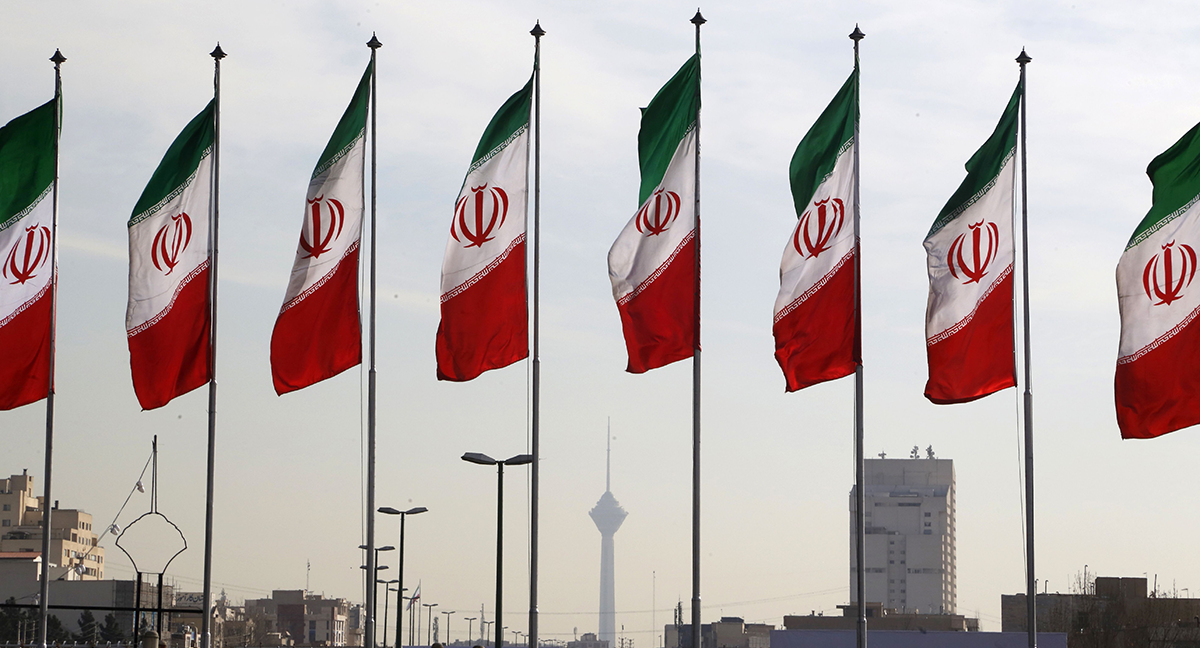
Iran’s attempts to achieve cyber dominance both within the MENA region and around the world have been well documented, particularly its efforts to spread pro-Iranian messaging and “tell Iran’s story.” This strategy is shaped by the challenging international context facing Tehran, which is suffering economically under U.S. sanctions and largely constrained from purchasing weapons under a recently expired U.N. arms embargo.
An integral partner: The growing ties between Amman and Moscow
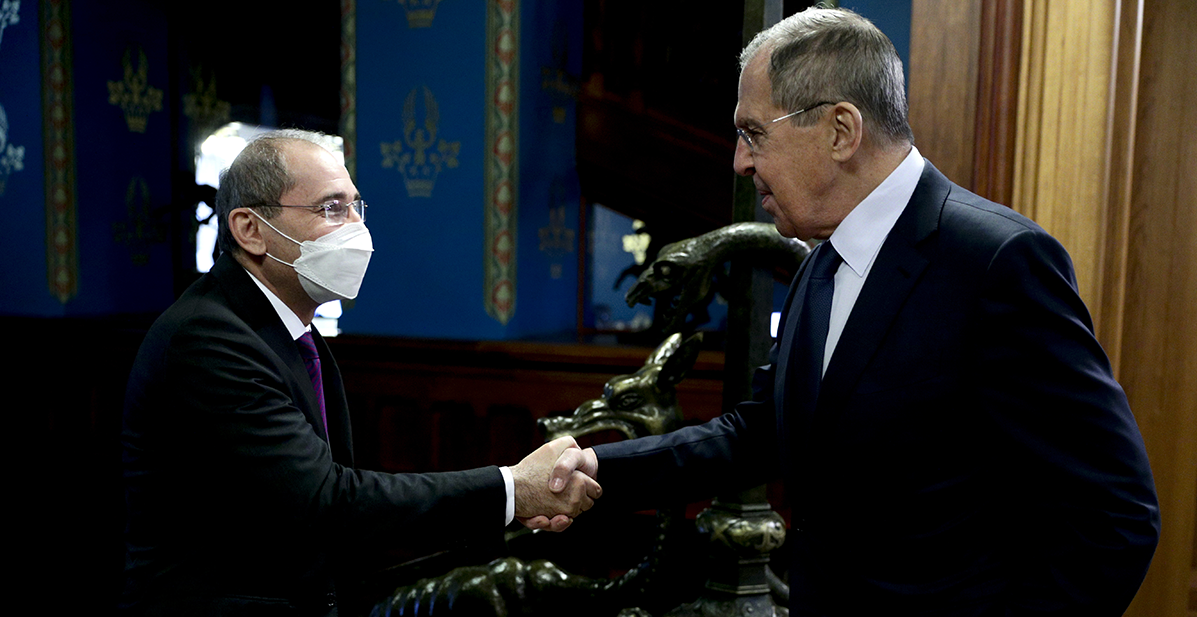
On Feb. 3, Russian Foreign Minister Sergey Lavrov hosted his Jordanian counterpart Ayman Safadi in Moscow. After their meeting, Lavrov emphasized Russia and Jordan’s shared positions on Syria, Gulf security, and Israel-Palestine.