The current Israeli-Palestinian nightmare is a result of multiple failures of leadership
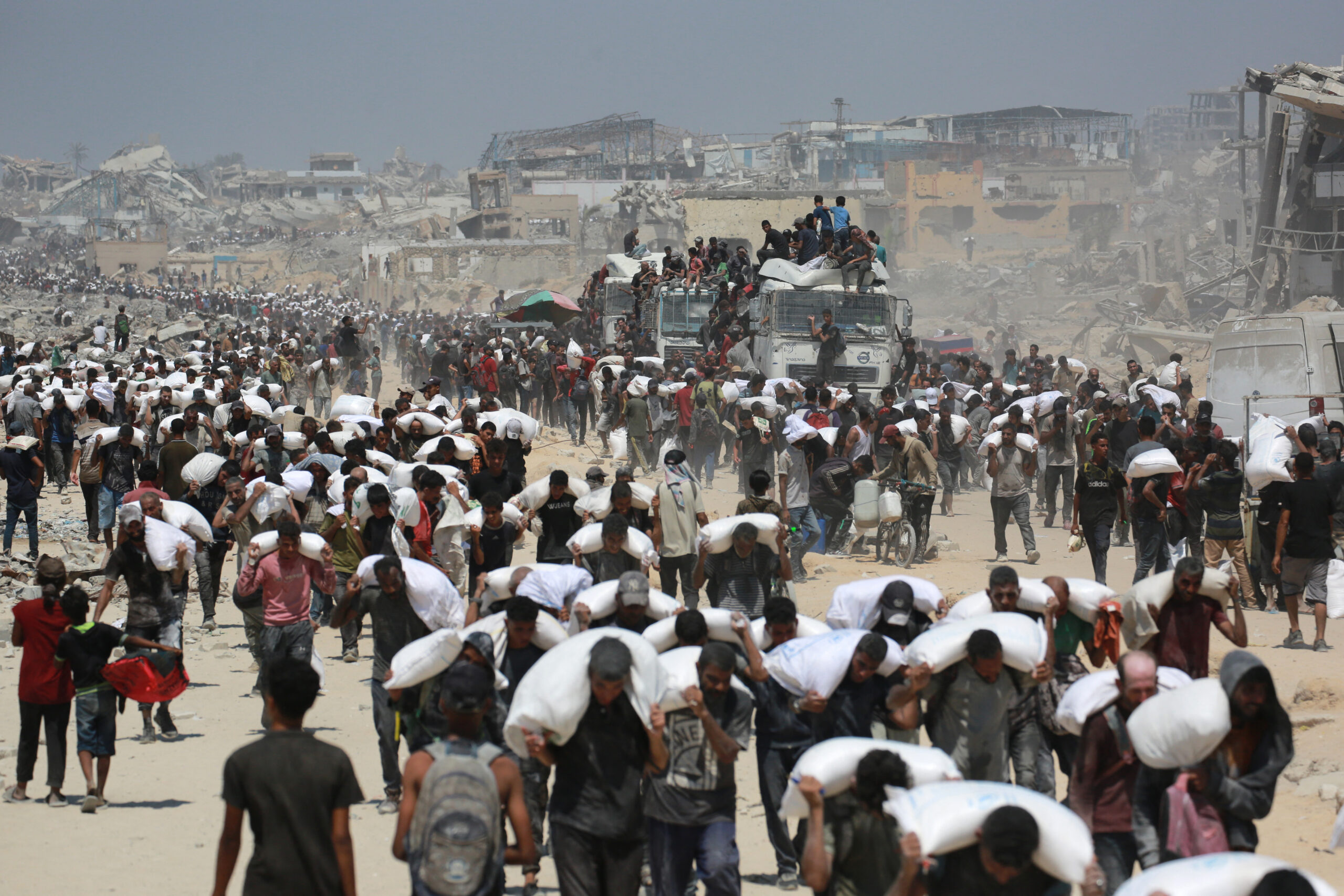
The unresolved crises unfolding on the Israeli-Palestinian front — a growing humanitarian disaster inside of Gaza, the horrific images of emaciated Israelis held hostage by terrorists in the coastal strip, and ongoing tensions in Jerusalem and the West Bank fueled by religious extremists of all stripes — represent one of the biggest strategic challenges to stability facing the Middle East. With Israel now openly contemplating a full occupation of Gaza, this set of issues serves as an obstacle to broader regional peace and normalization efforts.
Digital frontlines: What the 12-day war revealed about the evolution of Iran’s cyber strategy
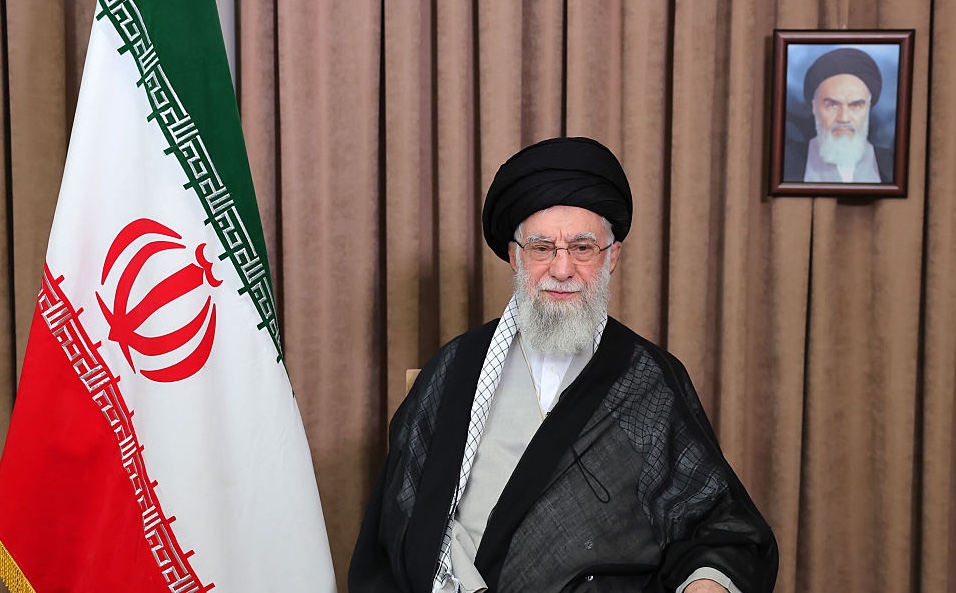
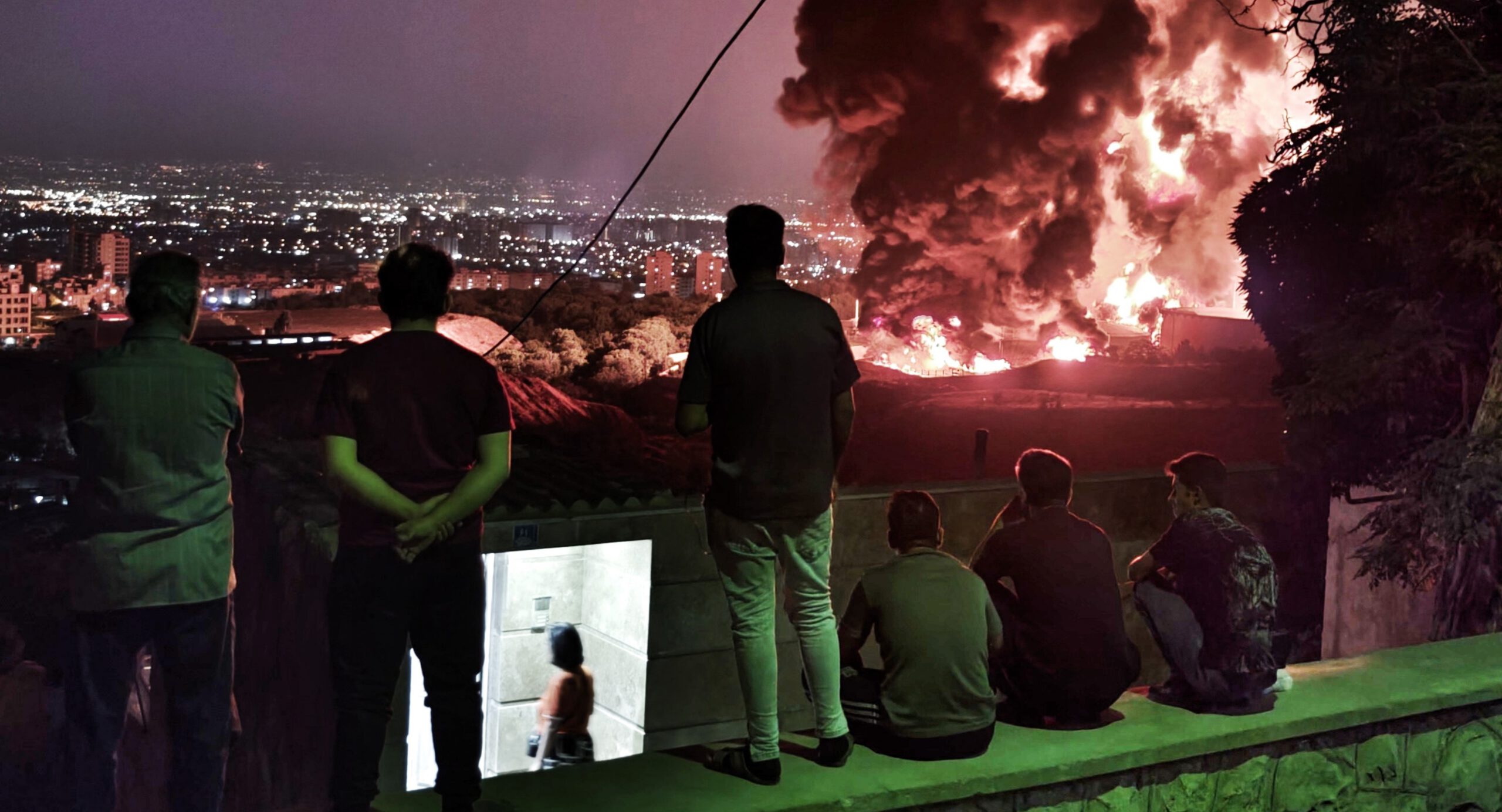
During June’s Israel-Iran war, a quieter but significant battle played out in cyberspace, highlighting how Tehran has refined its use of digital tools to shape the battlespace, control domestic narratives, and project influence abroad. While largely ineffective in operational terms, Iran’s cyber response marked a new phase in its strategic evolution.
US Policy in the Middle East: Second Quarter 2025 Report Card
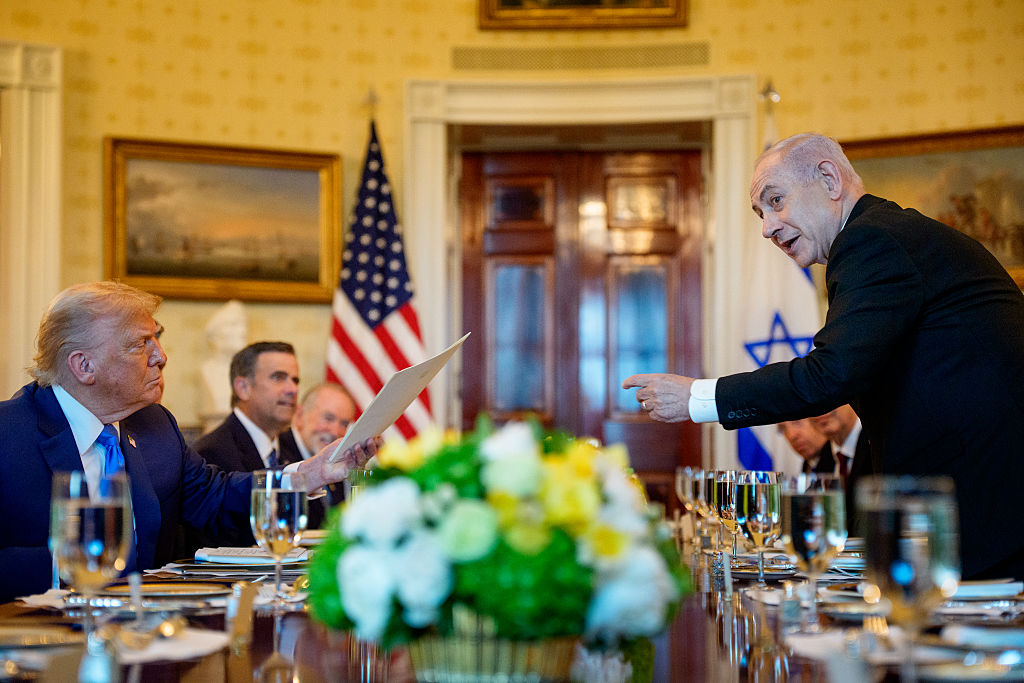
Six months into his second term, President Donald Trump remains in search of a major, concrete foreign policy win. Trump 2.0’s foreign policy is still struggling to produce a major positive outcome from its frenetic activity trying to end kinetic wars while prosecuting an unprecedented economic war with much of the rest of the world. The whirlwind of uncertainty since Trump returned to office in January has yet to improve America’s overall strategic position in the world. The following report assesses the US government’s actions over the past three months from May to mid-July 2025.
Inflection point or continuing spiral in the Middle East?
After almost two years of fighting in Gaza, and after the decimation of Hizballah, the fall of Bashar al-Assad’s regime in Syria, and the 12-day Israeli-American war on Iran, the Middle East is in new strategic and political territory. Two pathways lie ahead: the first is one in which the gains and changes brought about by war are turned, through intense diplomacy and negotiation, into new international and political arrangements that bring about a period of security and stability in the region; the second is one in which that corner is not turned, and the wars in Gaza, Iran, and potentially Yemen, Syria, and Lebanon, continue indefinitely. The trajectory will depend on the choices of key actors — above all Iran, Israel, and the United States.
The 12-day Israel-Iran war: China’s response and its implications
Last June’s Israel-Iran conflict became a revealing stress test for Beijing’s Middle East strategy, its role in global diplomacy, and the coherence of what some have described as an emergent “Axis of Upheaval” between China, Russia, and Iran.
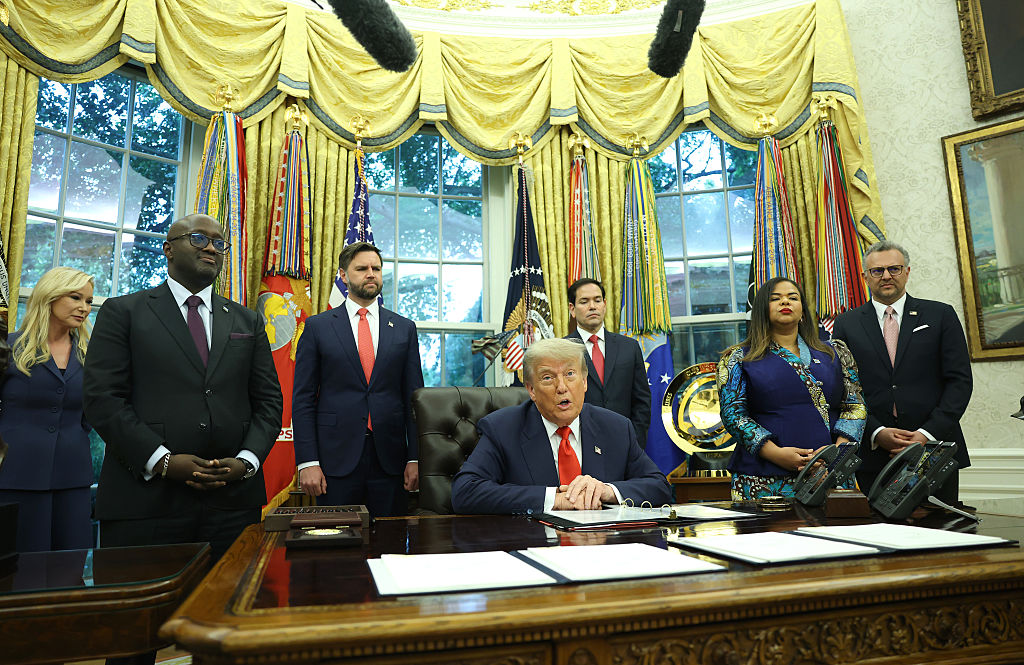
Trump still looking for major wins on the global stage after budget battle victory at home
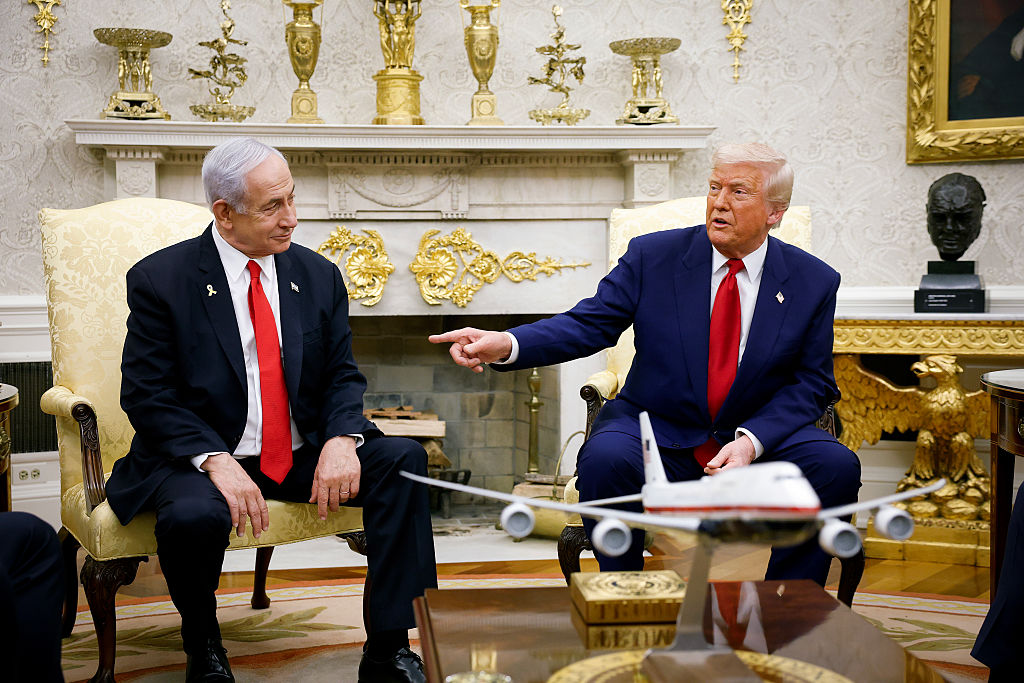
US President Donald Trump hosted Israeli Prime Minister Benjamin Netanyahu for the third time in his second term this week, shortly after securing a major victory for his domestic policy agenda in the budget bill passed by Congress.
Pakistan’s ability to thread the needle in relations with the US and Iran tested by the Israel-Iran war
When the Israel-Iran war broke out and the United States decided to assist the Israeli side by striking Iran’s nuclear program, both Tehran and Washington expected Islamabad to side with their respective positions. This situation placed the Pakistani government in a politically sensitive and diplomatically delicate position.
Trump’s Middle East policy arrives at a temporary and fragile limbo
Domestic politics has taken center stage in the United States as Congress struggles to pass President Donald Trump’s proposed budget plan. But July is also shaping up as a pivotal month for Trump’s foreign policy in the Middle East and beyond.
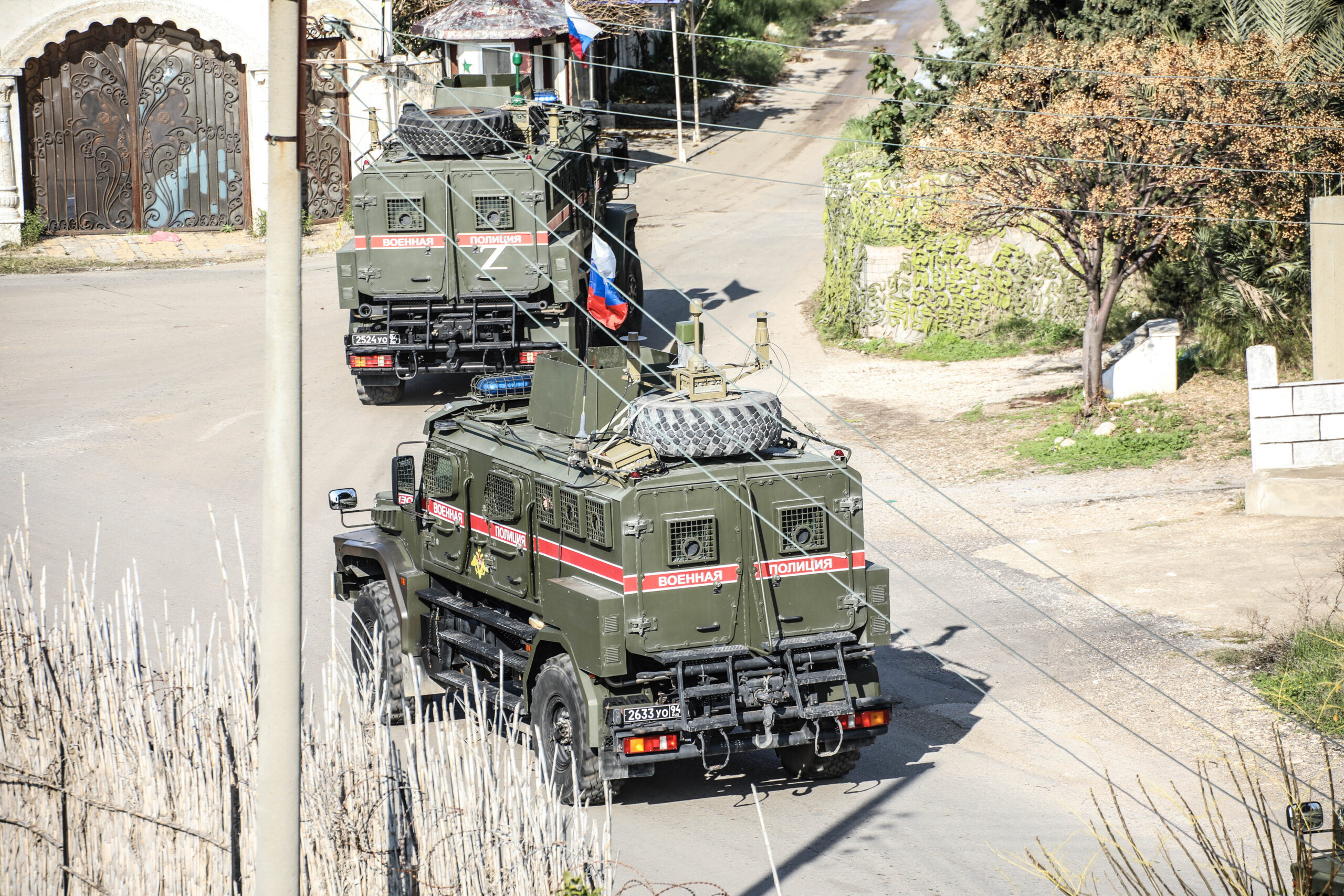
Russia’s military presence in post-Assad Syria: A growing security liability undermining stability
Six months since the collapse of the Assad regime, the Russian military presence in Syria has remained entrenched in strategic locations such as the Hmeimim airbase and Tartous port on the coast, as well as at Qamishli airport in the northeast. This persistence has reignited an increasingly pressing debate about Moscow’s role in the new Syria.
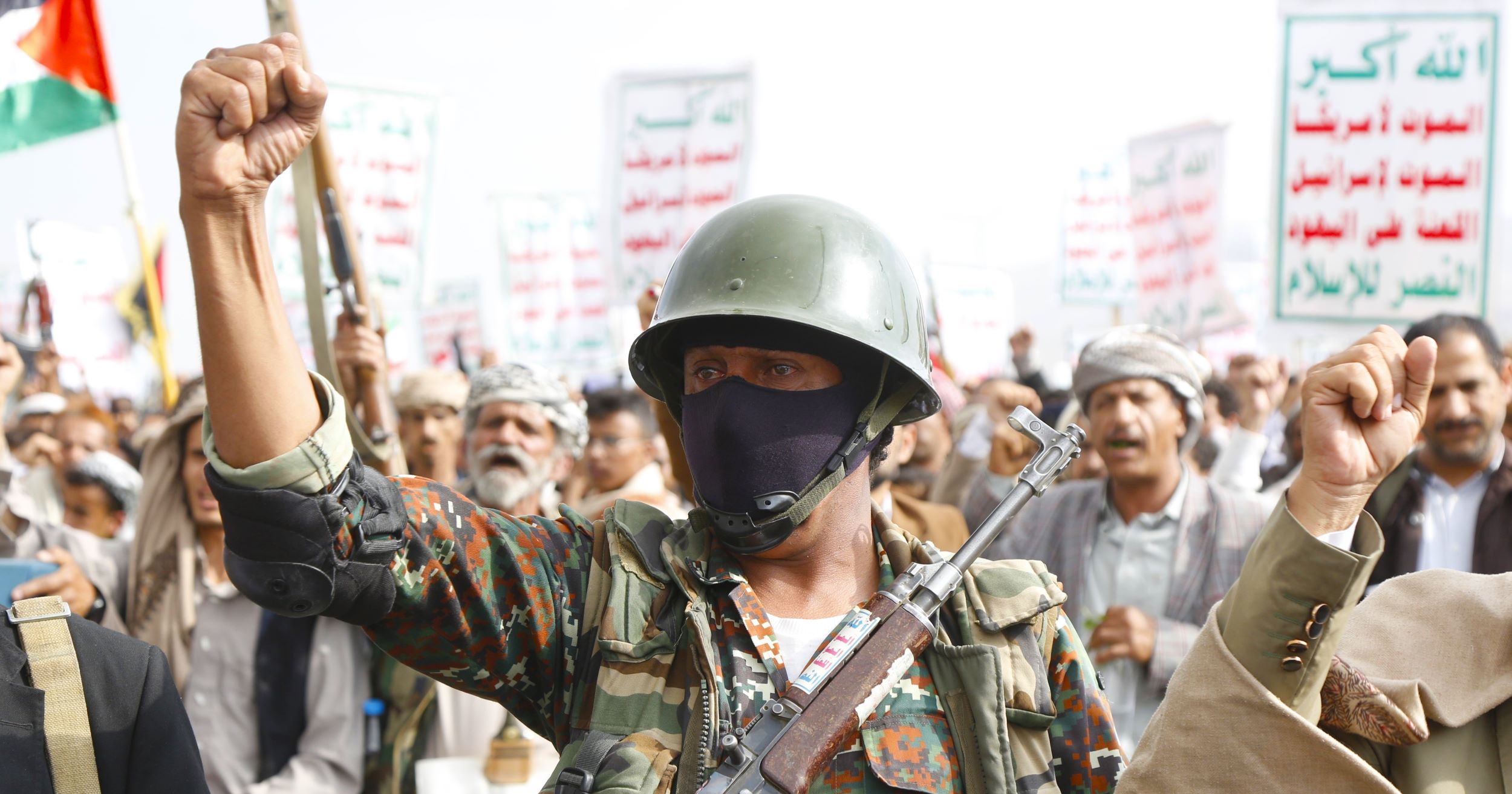
The balance of power in Yemen after the US-Houthi cease-fire
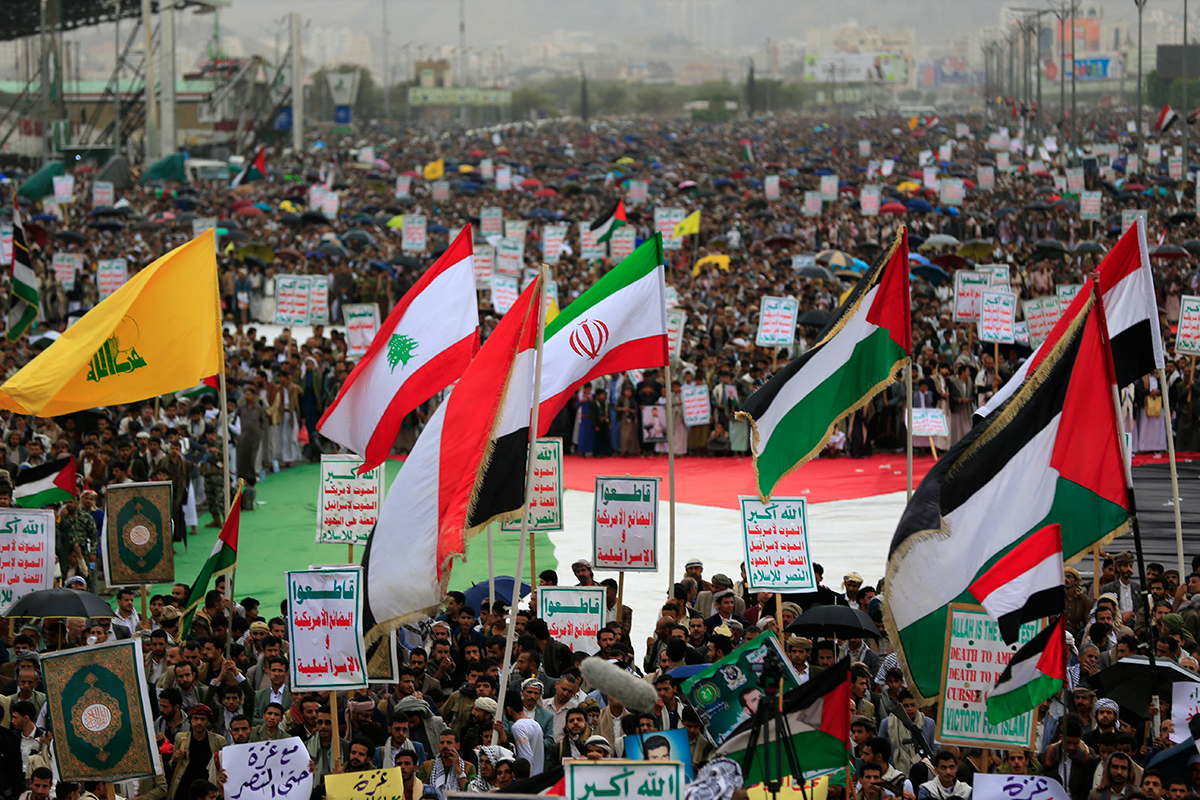
The May 6 cease-fire between the United States and the Houthi militia in Yemen has had a consolidating effect on the balance of power inside the war-torn state and hardened the status quo of the country’s civil war. In turn, the outcome of Israel and Iran’s subsequent 12-day war has the potential to temporarily shake up this status quo once again; but Yemen’s fracturing anti-Houthi coalition is unlikely to be able to exploit that opportunity.
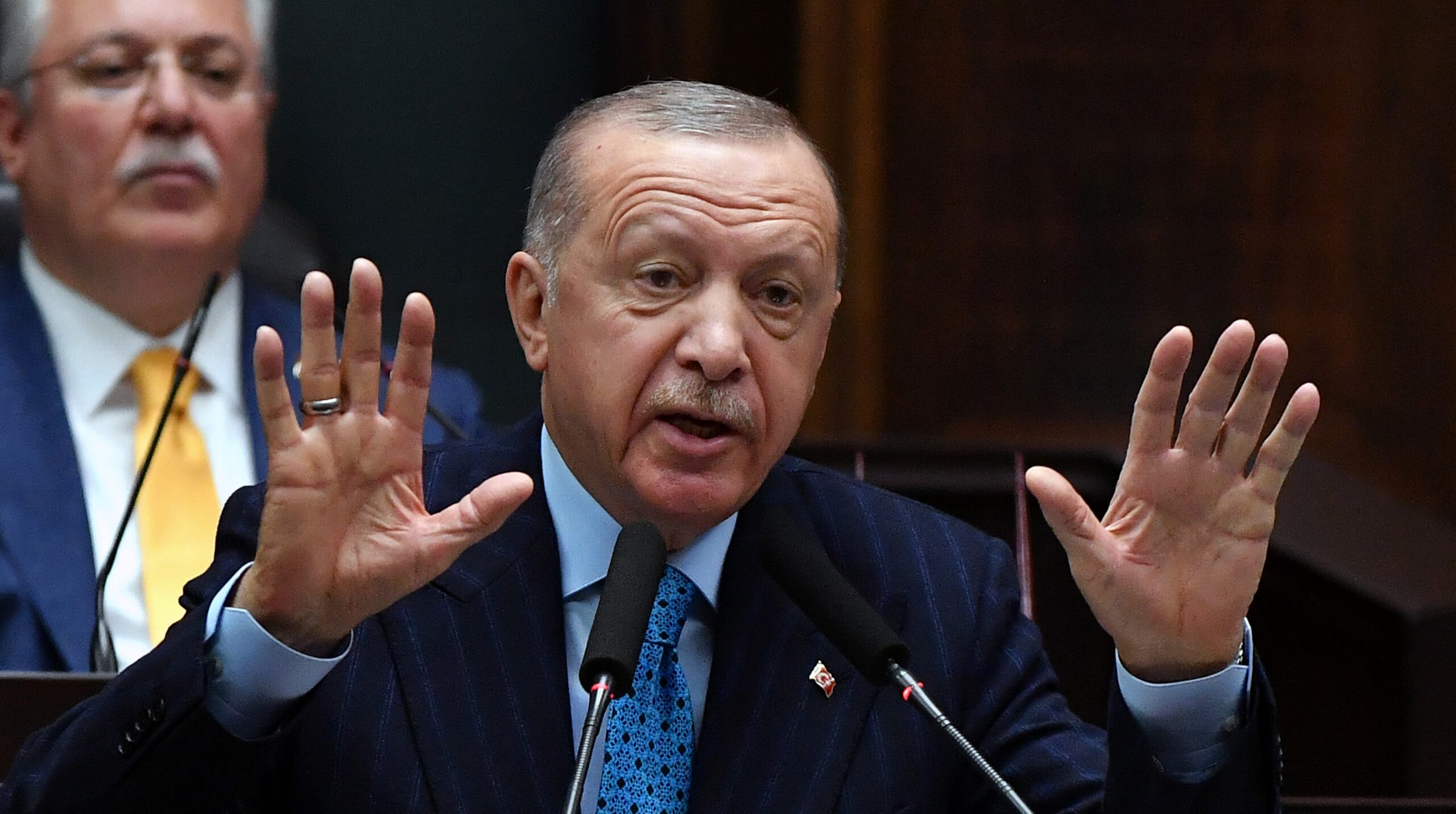
Caught in the crossfire: How the Iran-Israel war undermines Erdoğan’s agenda
Israel’s full-blown war against Iran threatens to upend regional dynamics and Turkey’s careful balancing act. The conflict presents both immediate threats and long-term strategic risks for Turkey.
US has an opening to force concessions from Iran in a potential deal
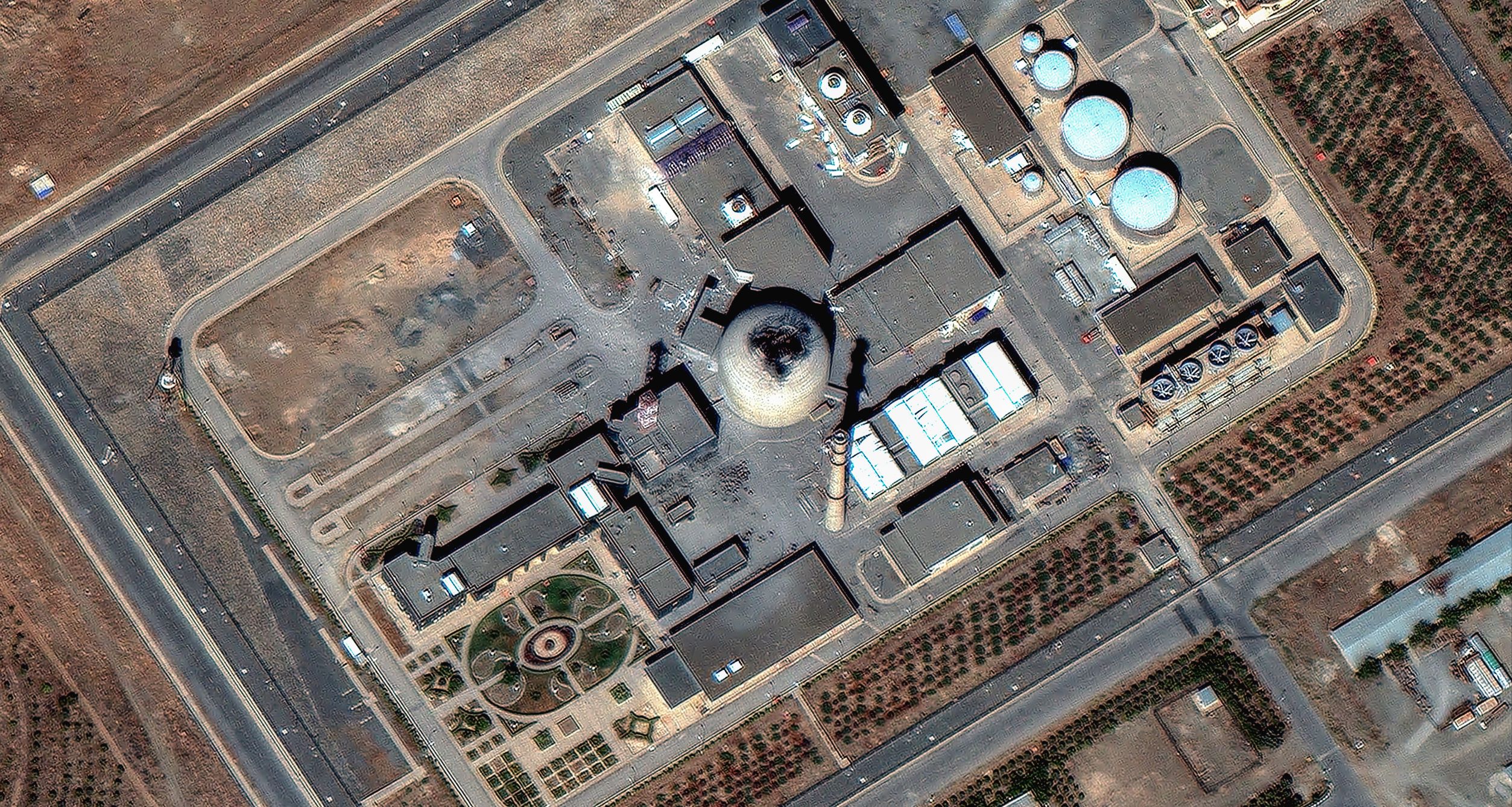
As the Israel-Iran conflict intensifies, warnings are growing louder that the war could result in hazardous and destructive radiological spillover to much of the region. But the posturing of various key actors in the Gulf and beyond has opened the door to a broader political settlement between the United States and Iran that could end the hostilities before such a dangerous scenario comes to pass.
Where do we go from here? Day 5 of the Israel-Iran war
The past four days have clarified much about what Israel wants from this conflict, what Iran can and cannot do to fight back, and what decisions confront the American president over the next few days.
America moves closer to the brink of maximum uncertainty at home and abroad
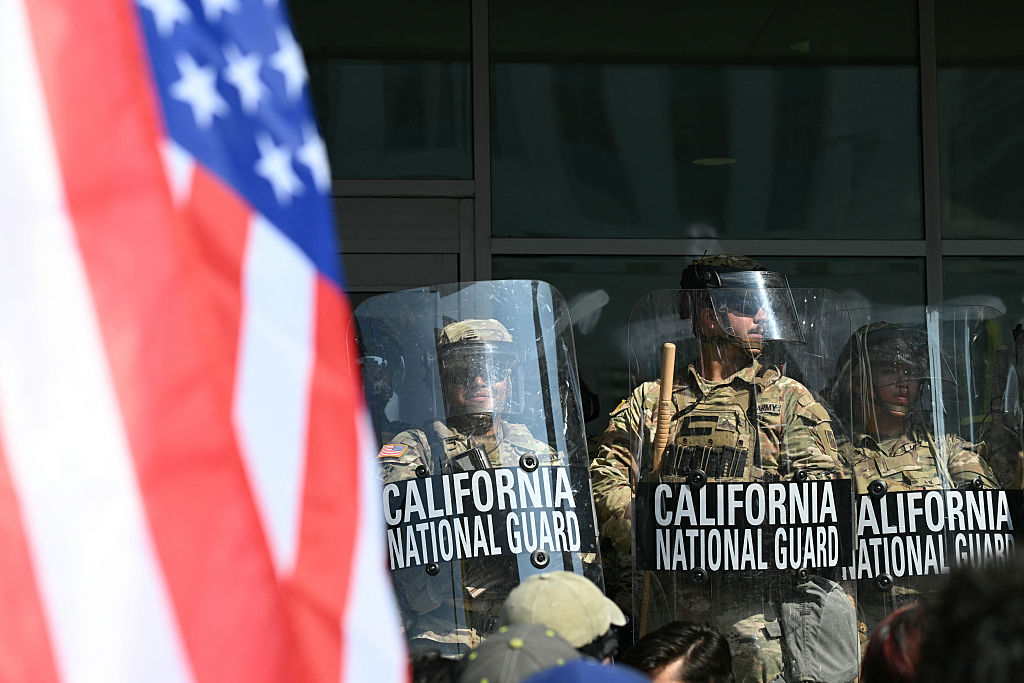
The spotlight in America this week is trained on the home front, with growing tensions inside the country over President Donald Trump’s immigration crackdown and a showdown unfolding on the streets of Los Angeles. At times like these, the rest of the world has a way of intruding, sometimes unexpectedly, and Trump 2.0’s foreign policy is still struggling to produce a major positive outcome from its frenetic activity trying to end kinetic wars while prosecuting an unprecedented economic war with much of the rest of the world.