Monday Briefing: GERD talks continue, but political will is still lacking
This week’s briefing on recent news and upcoming events in the region featuring Mirette F. Mabrouk, Marvin G. Weinbaum, Gonul Tol, Alex Vatanka, and Gerald Feierstein.
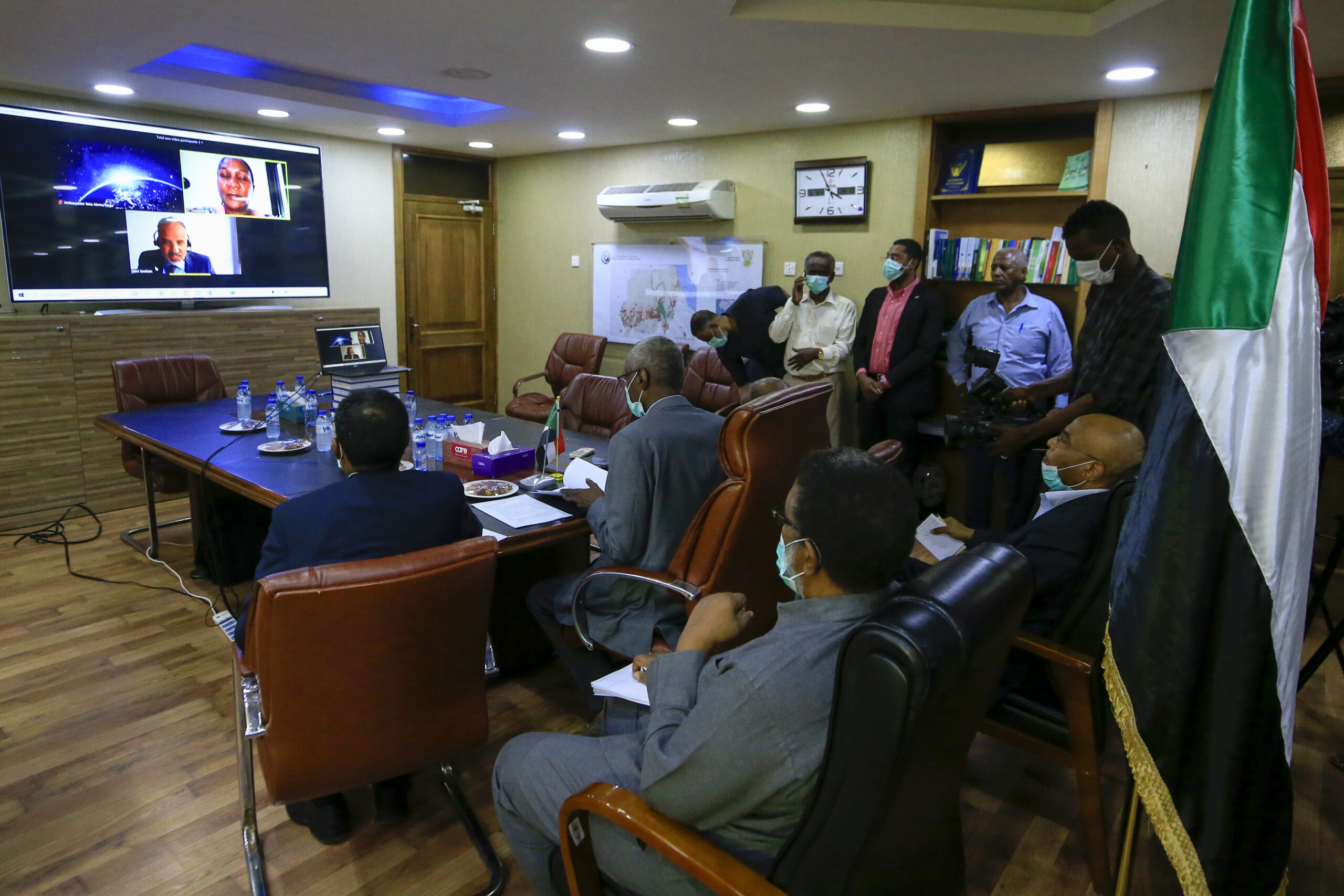
Sudan’s difficult transition to democracy, one year on
The double whammy of the economic fallout of COVID-19 and a lack of sufficient support from international donors is putting enormous pressure on PM Hamdok’s government.
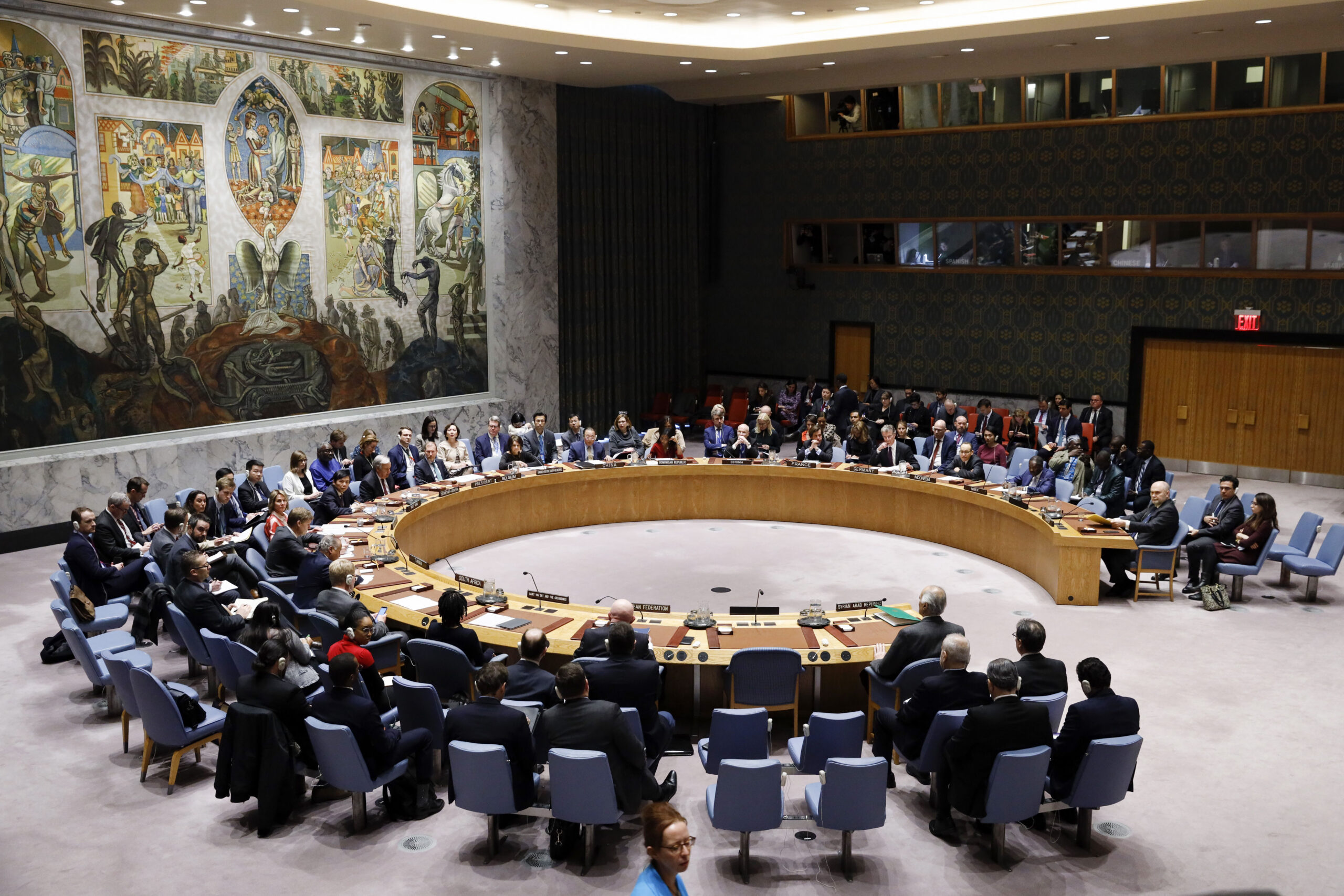
Monday Briefing: The UN Security Council must act now to save northwest Syria
This week’s briefing on recent news and upcoming events in the region featuring Dara Conduit, Marvin G. Weinbaum, Mark Heller, Syed Mohammad Ali, Gonul Tol, and Guled Ahmed.
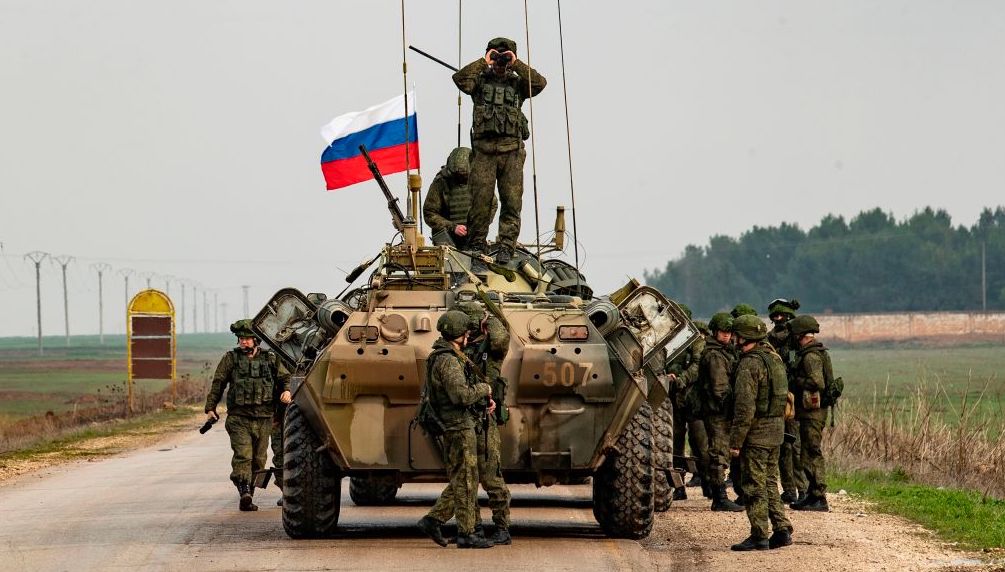
Russia’s involvement in the Middle East: Building sandcastles and ignoring the streets
The collapse of the OPEC+ deal and the diplomatic impasse in Syria reveal the intrinsic fragility of Russia’s gains in the Middle East. Building relations with the region’s autocratic leaders and maintaining a status quo based on a personalistic approach might be effective for some time, but in the long run the Kremlin’s strategy fails to institutionalize relations and thus will be unable to protect them from disruption.
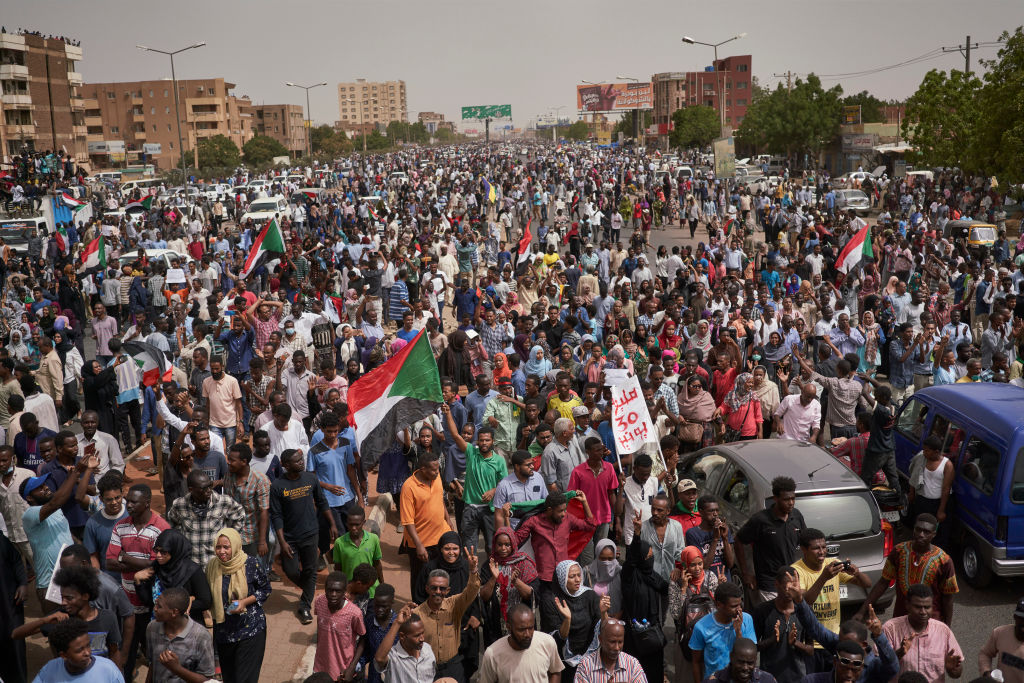
Sudan, Hong Kong, and Venezuela: Key takeaways from popular protest movements
The COVID-19 pandemic has delayed elections and brought about a surge in disinformation and rising authoritarianism worldwide. Popular protest movements are seeking ways to adapt to this new reality, and their survival is perhaps more important than ever in ensuring governments take a citizen-centered approach to the management of this crisis.
Resilience amid turmoil: Russia and Sudan maintain strong ties despite political upheaval
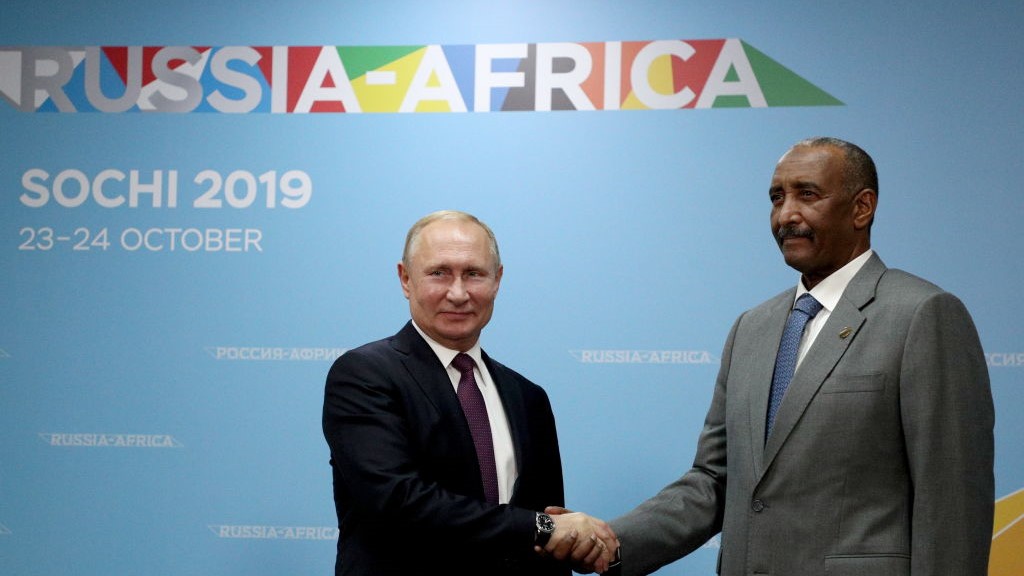
On Oct. 23, Russian President Vladimir Putin met with Chairman of Sudan’s Sovereign Council Abdel Fattah al-Burhan in Sochi. After their meeting, Putin praised Sudan’s reliability as a Russian ally and said that the formation of the council was a critical step toward a path of “sustainable development” in Sudan. The cordial meeting between Putin and Burhan came less than one month after Russian Foreign Minister Sergey Lavrov met with Prime Minister Abdalla Hamdok on the sidelines of the UN General Assembly and underscored the resilience of the Russia-Sudan bilateral relationship.
US and World Bank host talks on long-running Egypt-Ethiopia-Sudan water dispute
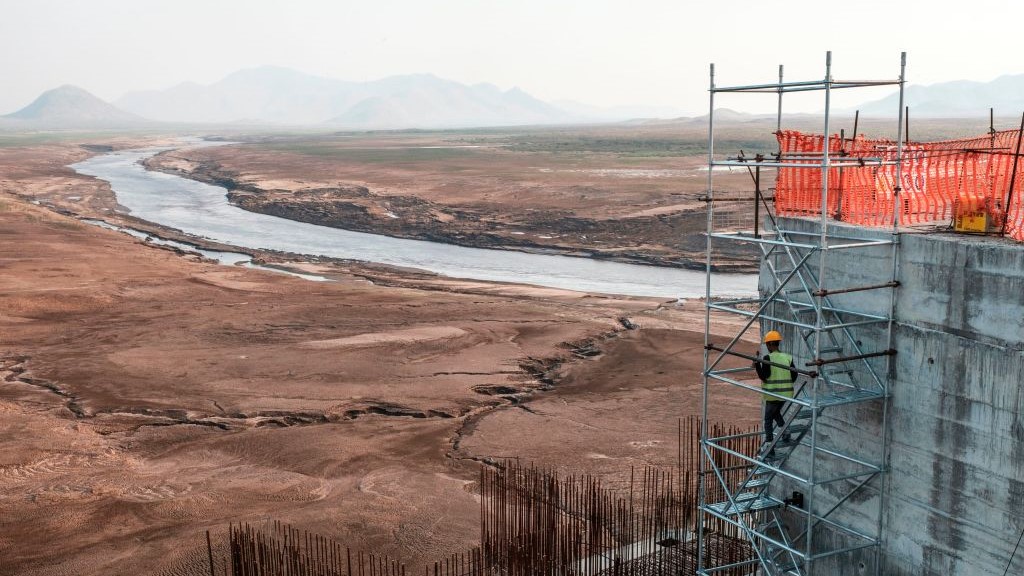
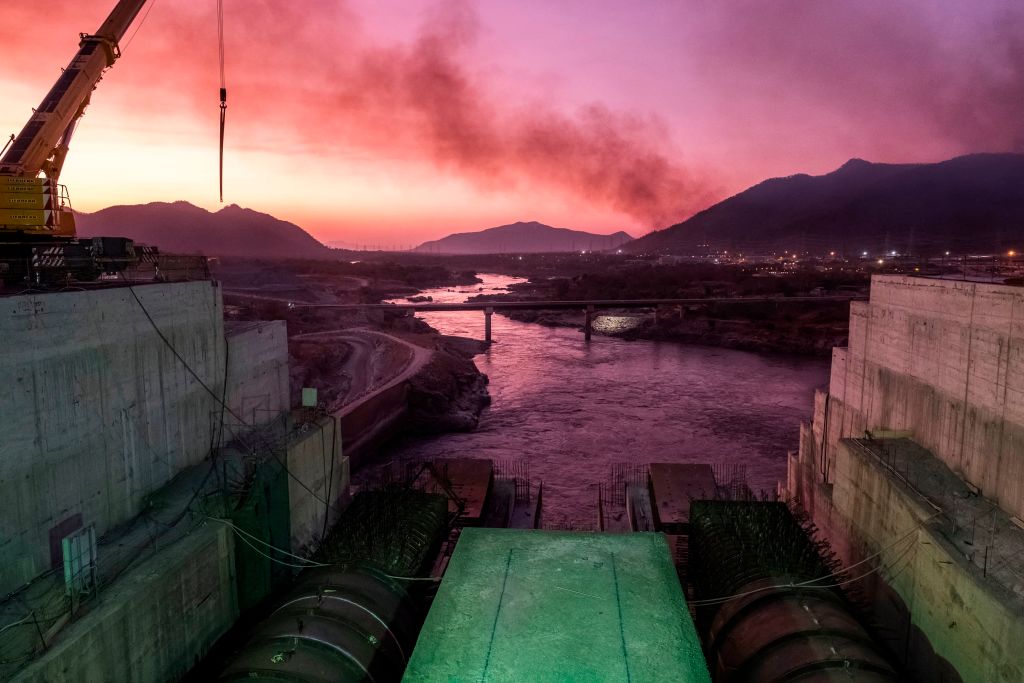
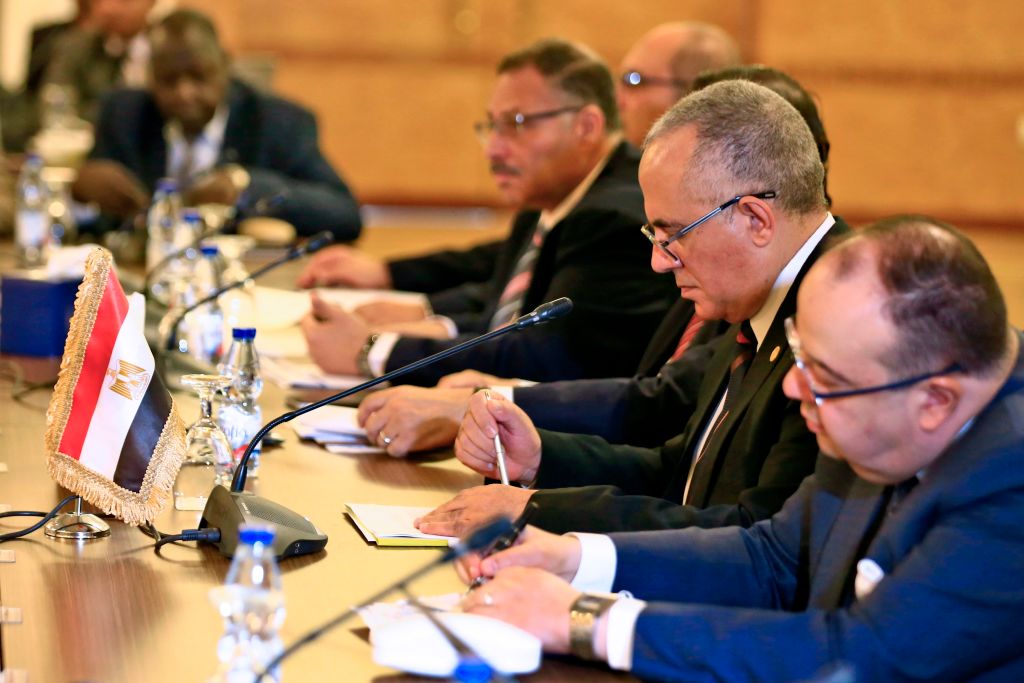
The U.S. and World Bank sponsored talks last week between Egypt, Ethiopia, and Sudan, over the Great Ethiopian Renaissance Dam – the latest developments in a regional soap opera that’s been running since 2010, when Ethiopia first announced the construction of the dam.
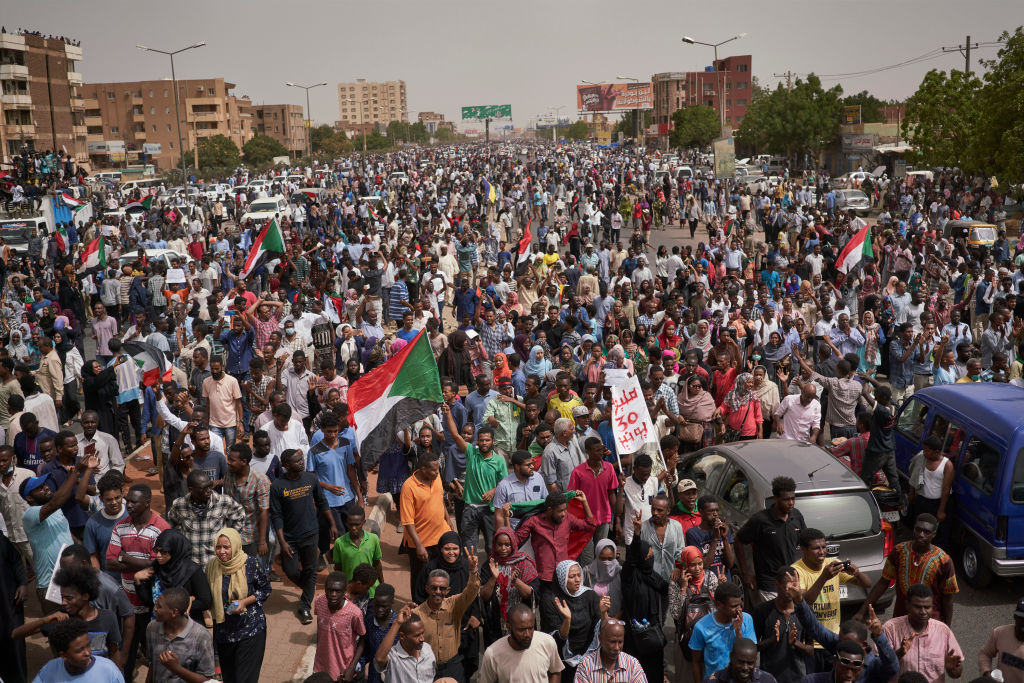
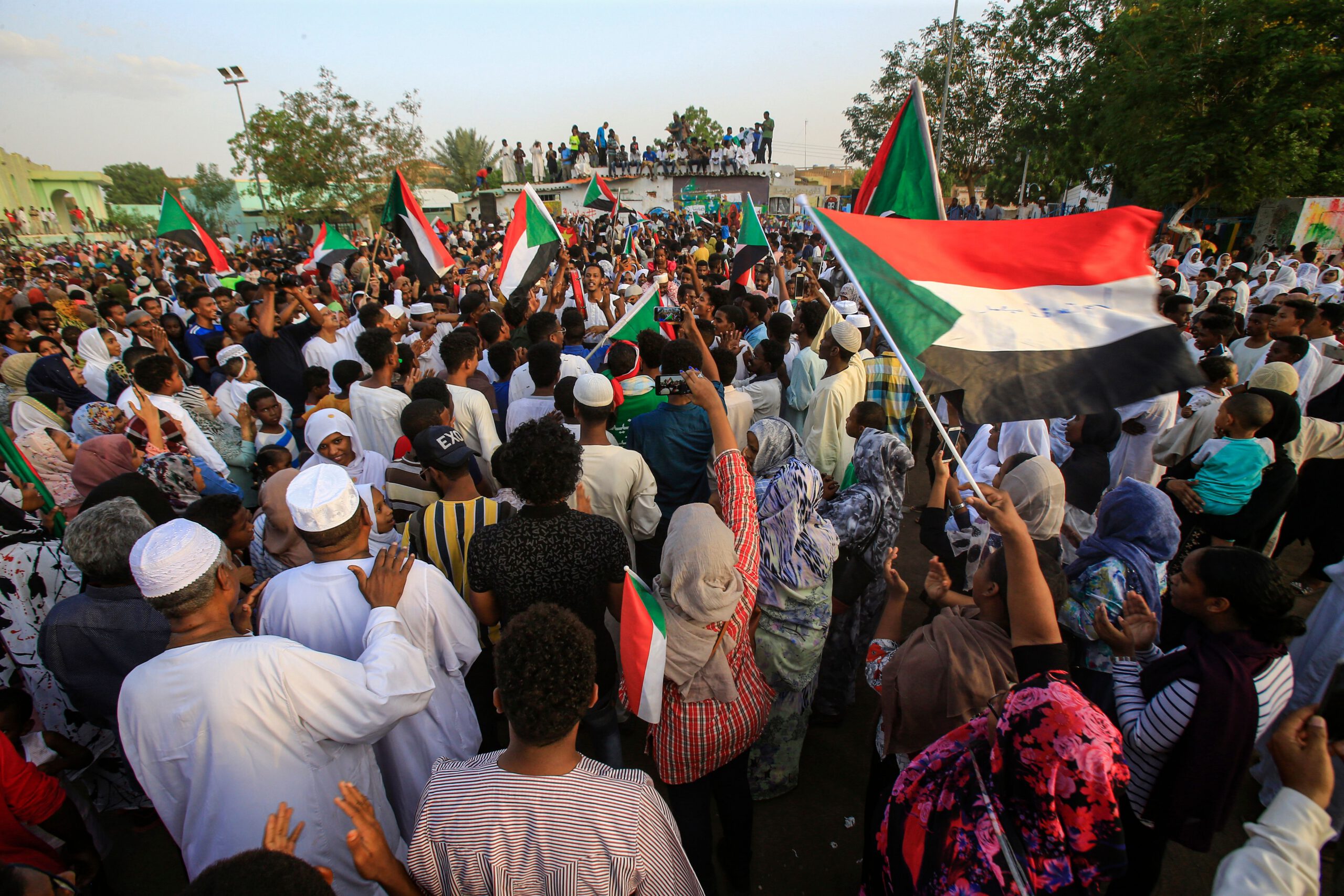
The celebratory scenes in Khartoum last month were a marked contrast from the bloodshed in Sudan’s capital earlier this year. After eight months of unrest following the ouster of former Sudanese President Omar al-Bashir in April, Sudan’s military council and the Alliance for Freedom and Change — represented by Ahmed al-Rabie — signed a power-sharing agreement on Aug. 17. This deal offers hope that Sudan can complete a peaceful transition to civilian rule.
Monday Briefing: US-Turkey dispute over Syria comes to a head
This week’s briefing on recent news and upcoming events in the region including the Turkish-U.S. crisis meeting in Ankara on Syria, the resumption of U.S.-Taliban negotiations, Trump’s creation of a new “dovish” line on Iran, a rise in Egypt’s poverty levels, Sudan’s democratic transition, the easing of female guardianship rules in Saudi Arabia, and the end of the ceasefire in Idlib, featuring Charles Lister, Marvin G. Weinbaum, Paul Salem, W. Robert Pearson, Mirette F. Mabrouk, Thomas W. Lippman, and Robert S. Ford.
Divided over narratives: The new fault line in the Arab World
Many of the divisions in the Arab World today are ideological and revolve around narratives — carefully constructed ontological representations of both how the world works and how it is supposed to work conforming to clearly set out interests and values. While the old sectarian narratives might still play an underlying role, what divides Arabs from Morocco to Oman are different grand-strategic visions of the region’s future after the Arab Spring.
Interconnected: Trade, food security, and stability in the GCC and MENA
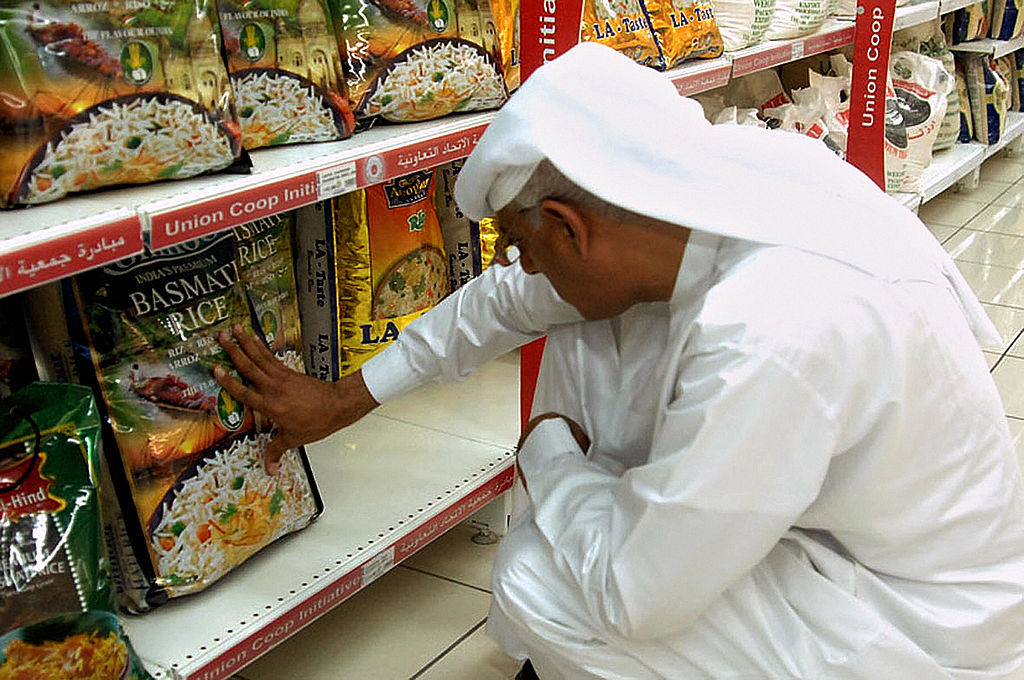
It is easy to overlook the fact that food security could be an issue of concern in the Gulf Cooperation Council. After all, its member states have some of the world’s highest per capita income levels. Food supplies in the Gulf are normally abundant and stable. Were they to be disrupted, however, it could lead to food security challenges and a chain of adverse consequences for human security throughout the region.
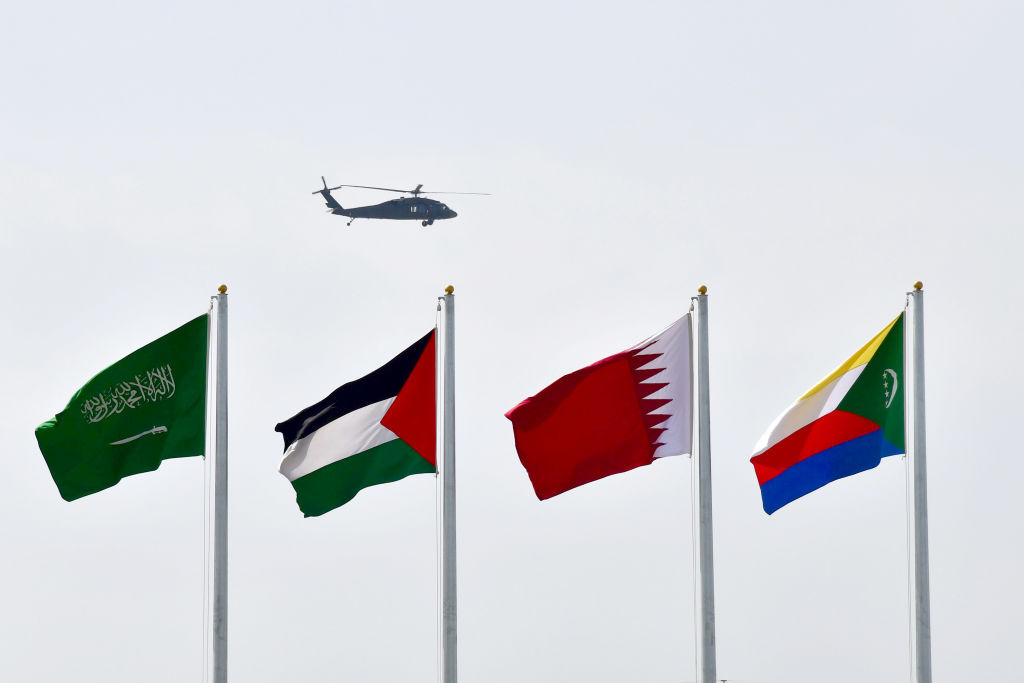
One hallmark of Sudan’s most recent protests has been the protestors’ fierce determination that the military not be their partner in the struggle for democratization. Some GCC states, however, are getting involved in Sudan, using their financial means to influence the country’s future. In doing so, they risk making it the Arab world’s next theater for intra-GCC rivalry.
Only African Union Steps Up for Democracy in Sudan
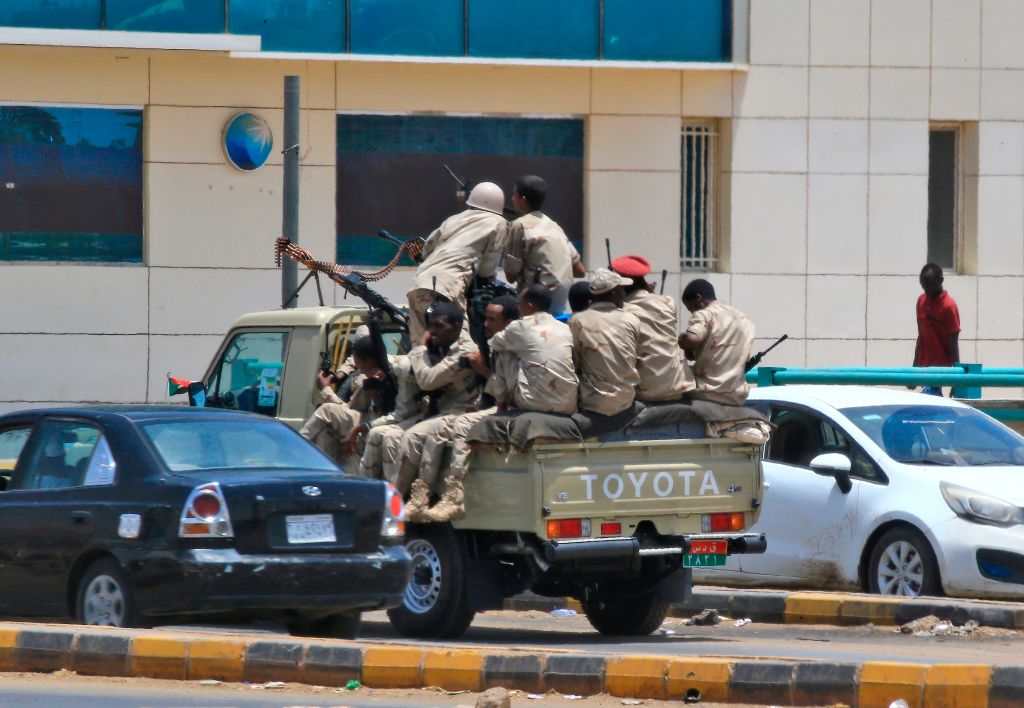
The military council in Sudan turned from talks to terror this week as it broke off negotiations with protestors. This left over a hundred civilians dead and many more injured.