Israel’s Abraham Accords Dividend Is in Doubt
The Gaza war and violence against Arabs within Israel may slow investment from the Gulf.
In his statement commemorating the Armenian Remembrance Day on April 24, President Joe Biden said, “We honor their story. We see that pain. We affirm the history. We do this not to cast blame but to ensure that what happened is never repeated.” Biden’s recognition of the Armenian Genocide, following similar steps by the House of Representatives and Senate in 2019, has strained U.S.-Turkish ties even further at a time when bilateral relations are at an all-time low. Although there is little room for reconciling Washington’s and Ankara’s conflicting takes on history, cultural heritage diplomacy offers the Biden administration a positive agenda to engage receptive stakeholders in Turkey to strengthen pluralism and social inclusion.
Read MEI’s weekly briefing featuring expert analysis of key regional developments for the week ahead.
In March 2021, the Eastern Mediterranean Gas Forum held its first meeting as a recognized international organization. Delegations from member countries – including Cyprus, Egypt, Greece, Israel, Italy, Jordan, and Palestine – gathered in Cairo to organize a regional gas market. The forum is a unique space that offers a platform for dialogue between European and Middle Eastern countries. Furthermore, it is rare that Israeli and Palestinian delegations cooperate on the international stage. Yet, as the inaugural meeting demonstrated, the conflict is never too far away. When the delegates voted on whether to grant the United Arab Emirates observer status in the forum – a privilege given to the United States and European Union – Palestine vetoed, a clear demonstration of Ramallah’s frustration with the normalization process that started a few months ago.
While riots and even violent military clashes between Israel and the Palestinians are unfortunately nothing new, and the conflict itself has been of interest to the international community for many decades, the recent, sudden escalation in violence has come as a surprise to many outside observers. This has forced individual states and international organizations to take a stance on what’s happening, including the EU. For the EU, the Middle East conflict is one of the greatest challenges in the immediate neighborhood and a major factor hindering the implementation of its European Neighborhood Policy in the eastern Mediterranean.
Due to its relatively stable political institutions, geographic proximity to Libya, and UNSC seat, regional powers in the Middle East are competing for influence in Niger. Egypt and the UAE are trying to counter Turkey’s growing economic and security cooperation with Niger, Saudi Arabia and Iran wish to leverage its UNSC voting power, and Israel is testing the waters for a potential normalization of diplomatic relations. These rivalries are poised to intensify, as the Sahel’s geostrategic significance continues to expand.
“على عمرو أن يطمئن الفلسطينيين بأن إدارة بايدن جادة في معالجة مخاوفهم، خاصة فيما يتعلق بالوضع في القدس”.
“مصر بحاجة إلى انهاء سريع للمذبحة في غزة عن طريق التفاوض، وذلك لأسباب دولية ودبلوماسية، ولكن تدخلها ضروري أيضًا لأغراض محلية”.
Read MEI’s weekly briefing featuring expert analysis of key regional developments for the week ahead.
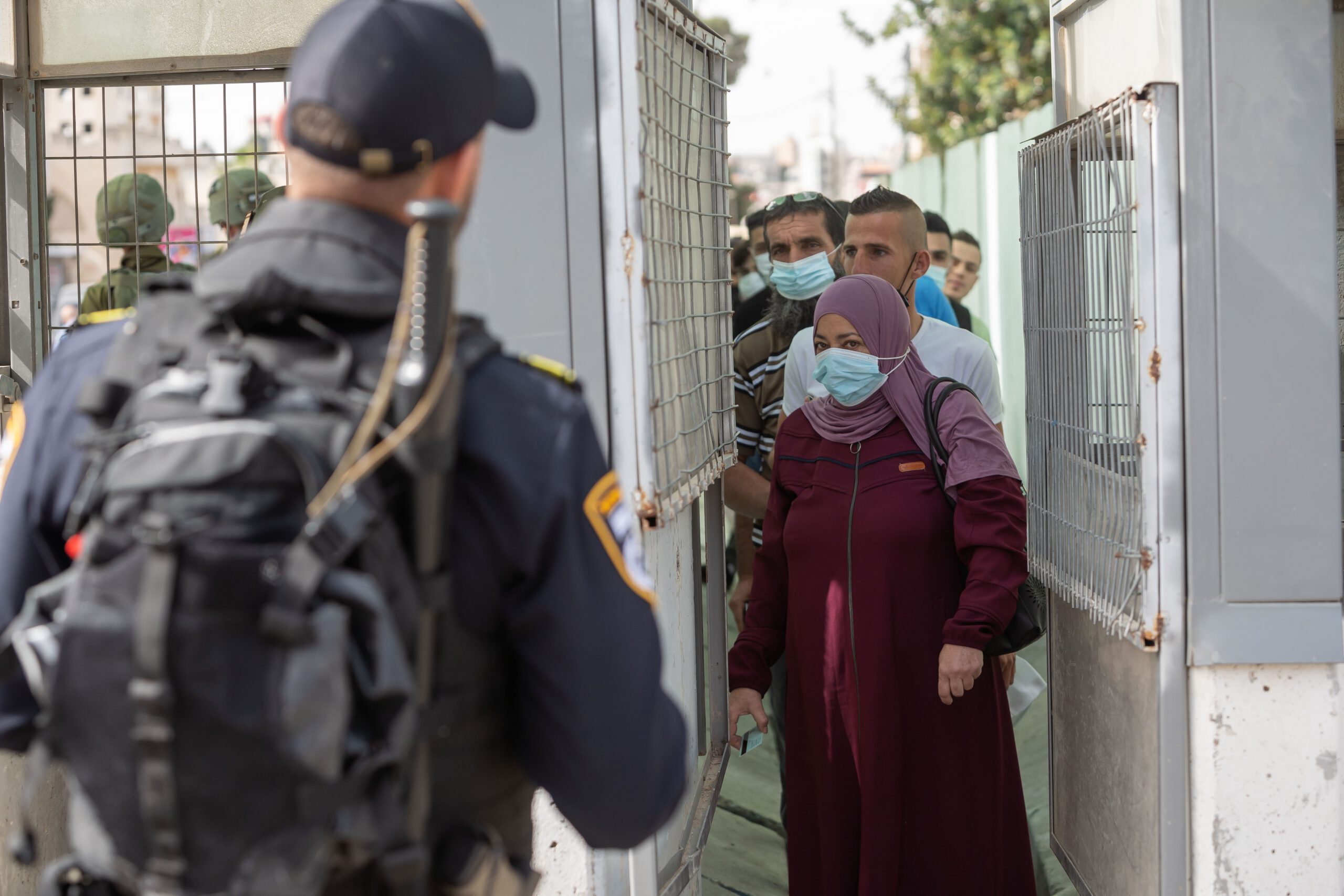
Even as it pays lip service to a two-state solution, the international community—particularly the United States—has largely acquiesced to the Israeli-imposed status quo in Gaza and East Jerusalem by exempting both areas from the political and diplomatic process.
“مصادر دبلوماسية مصرية قالت في تصريحات غير علنية إنها بحاجة لرؤية التزام قوي من تركيا من أجل إجراء أي مصالحة حقيقية”.
“منذ أن اندلعت الأحداث في حرم المسجد الأقصى، يستمر الوضع في التصعيد”.
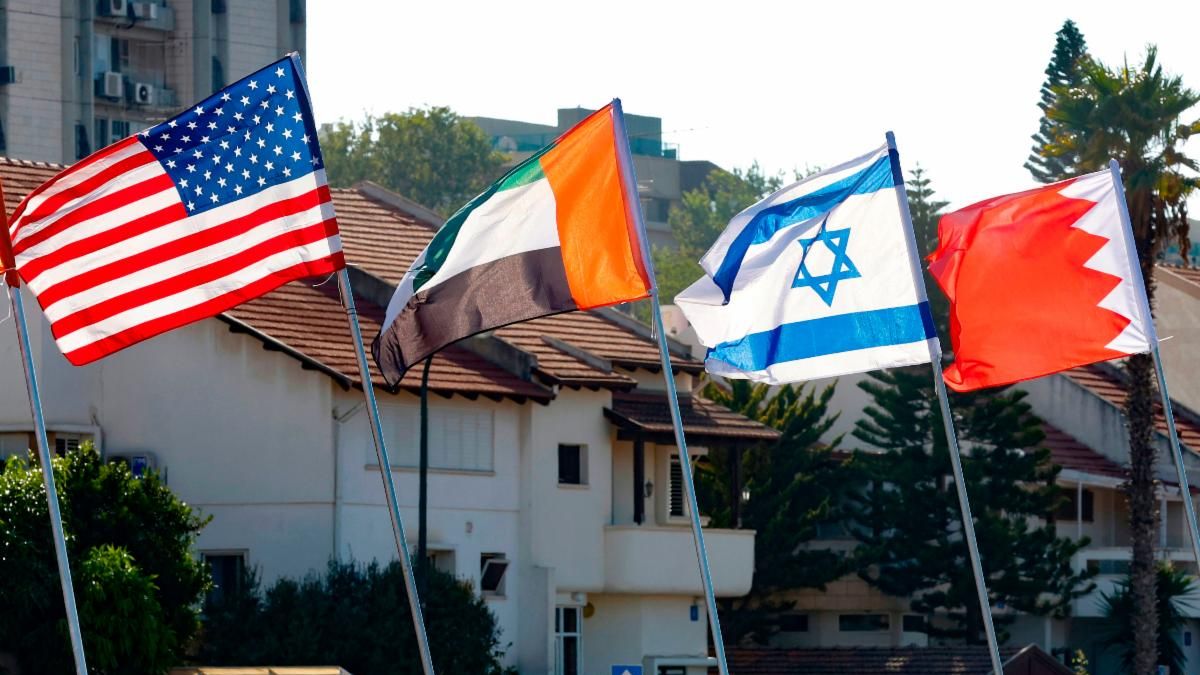
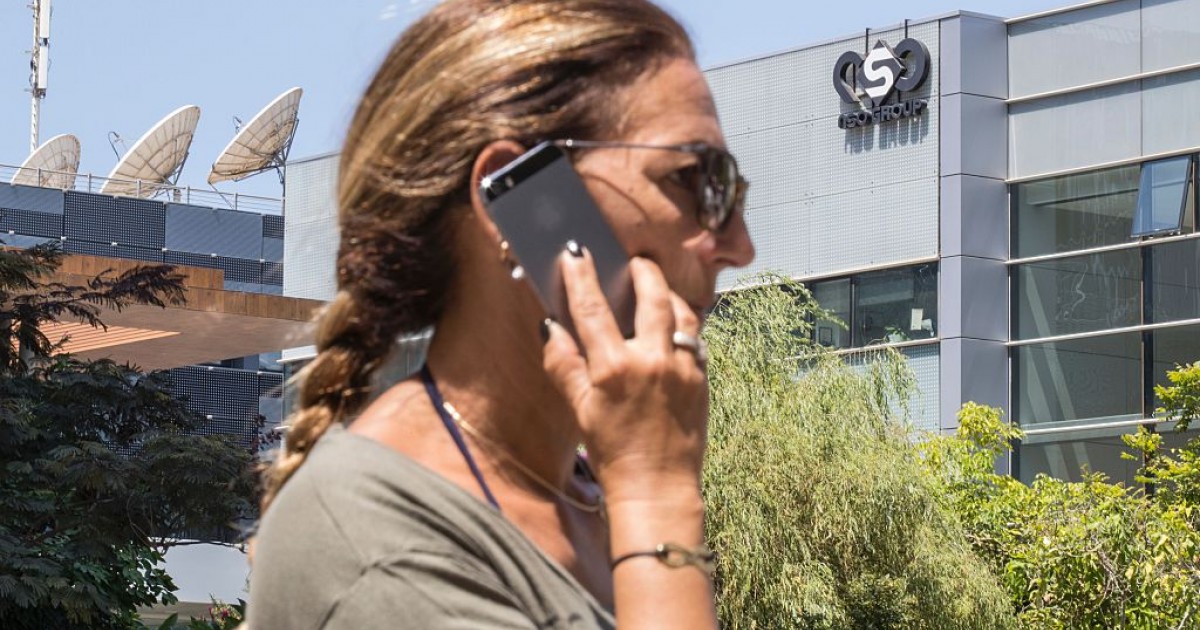
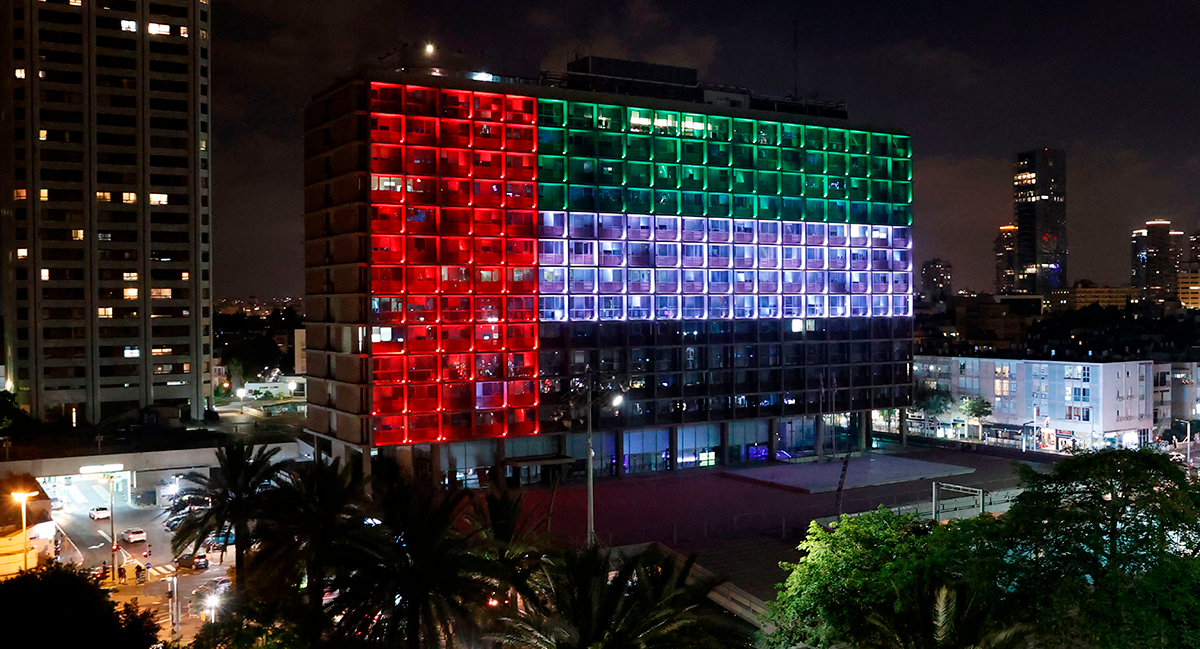
Since the normalization of UAE-Israel relations was first announced, much of the international commentary only focused on the deal’s political and diplomatic significance. However, the deal will create a new digital order in the Middle East, one in which Israel and the UAE will partner more closely than ever in developing emerging technologies and cyber capabilities. This cooperation will be at the forefront of this UAE-Israel tech order.
Read MEI’s weekly briefing featuring expert analysis of key regional developments for the week ahead.
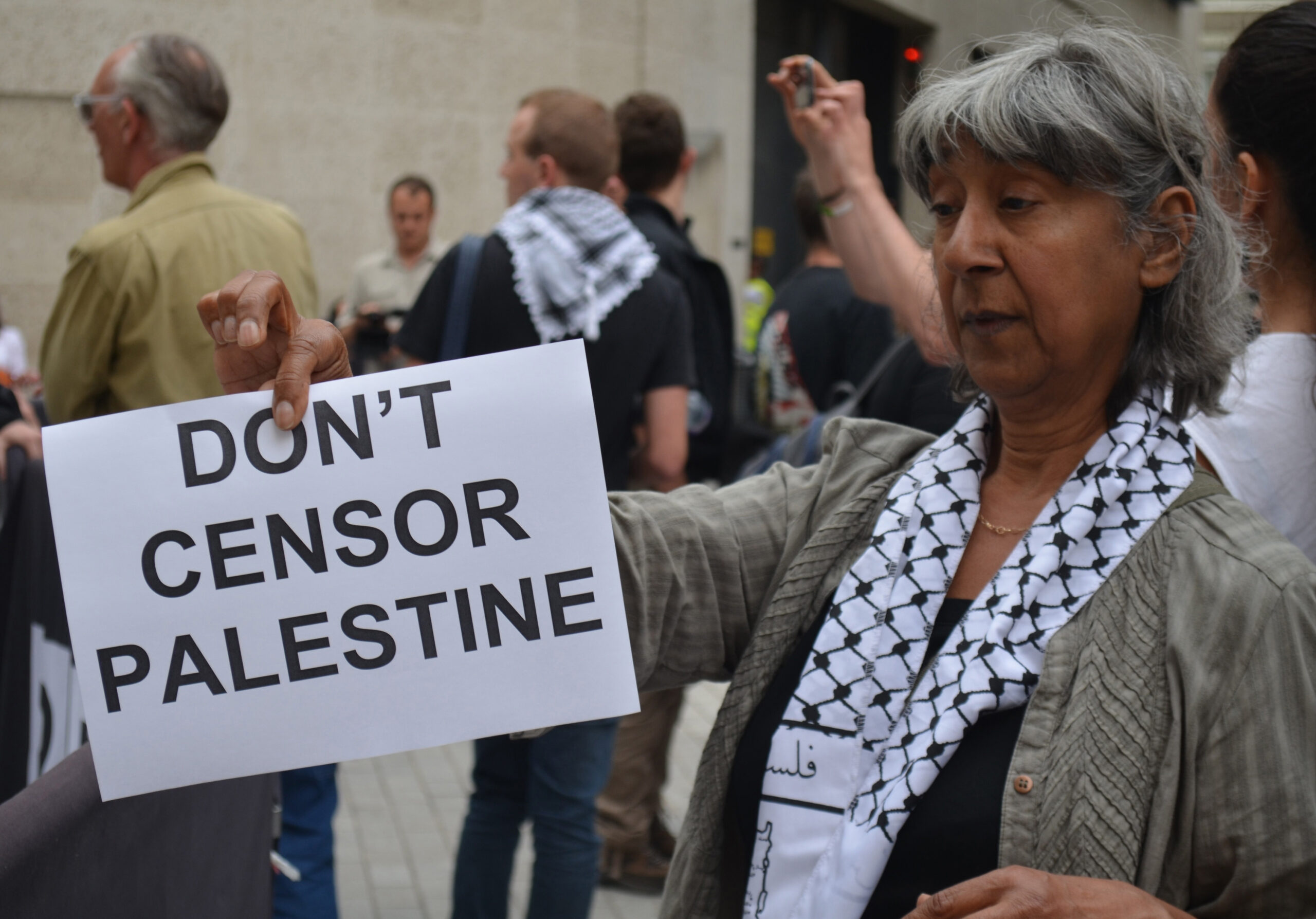
Failure to condemn anti-Palestinian violence will only further it.