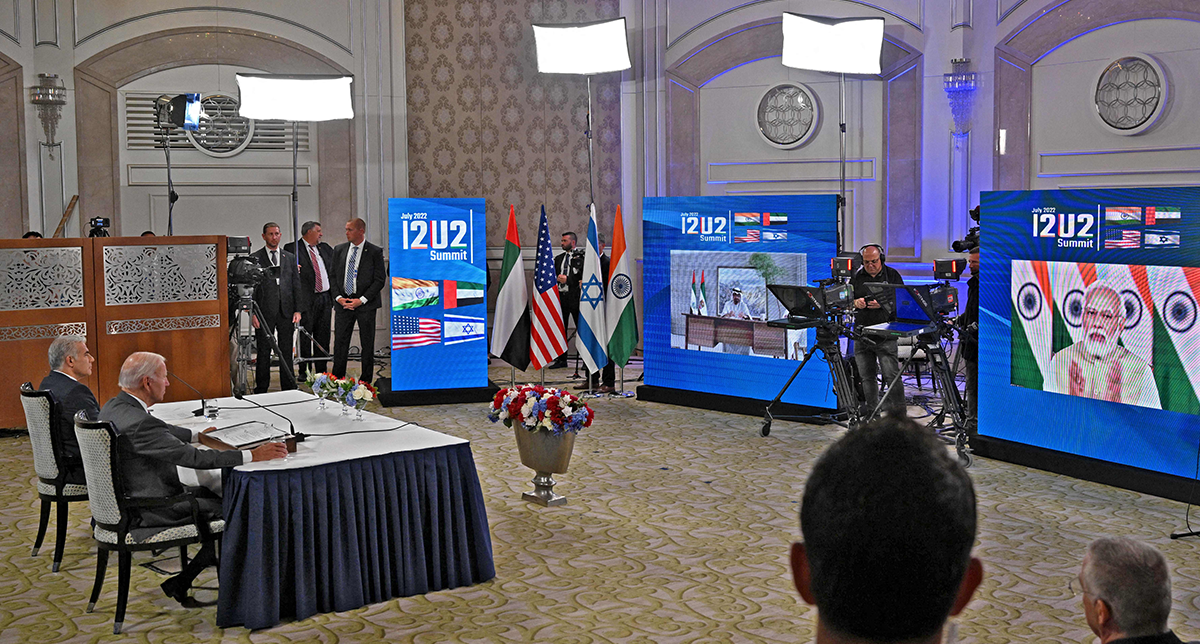
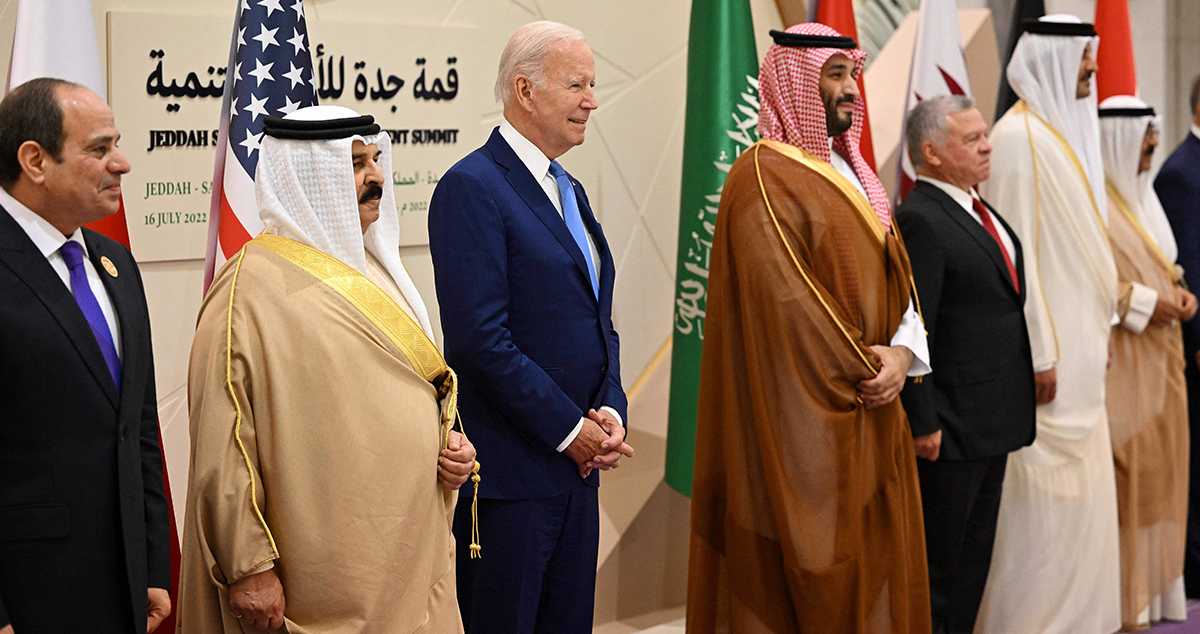
The July 2022 leaders’ meeting took good steps on energy and food security, but Egypt and Saudi Arabia can help take the I2U2 to the next level when it comes to regional security.
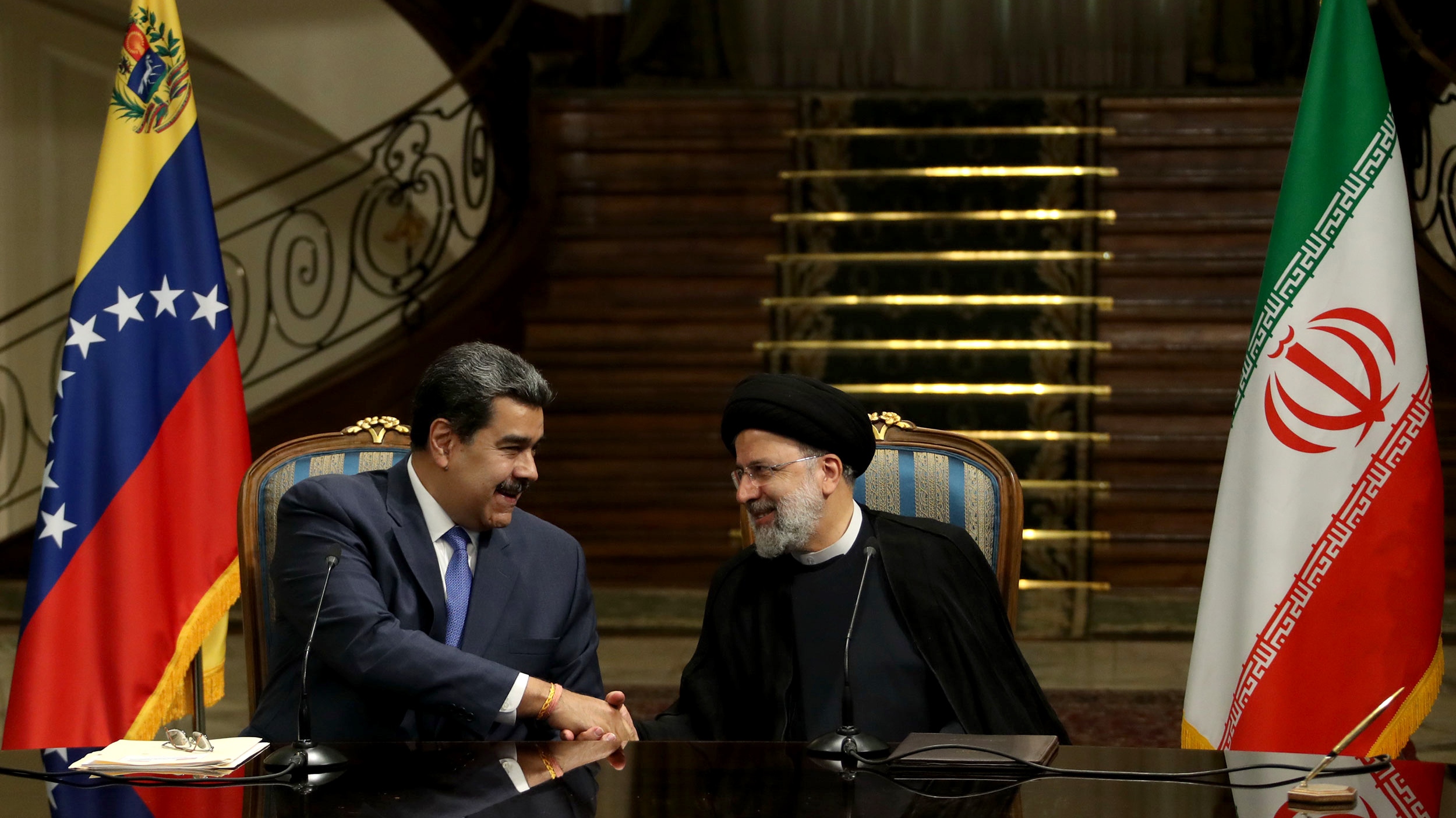
Iran-Venezuela relations: Presidents, postures, and pressures
In June, Iran and Venezuela signed a 20-year road map on cooperation. As much as Iranian President Ebrahim Raisi has wanted to differentiate himself from his predecessor, his Venezuela policy has so far closely resembled that of Hassan Rouhani during the latter’s second term.
Europe's efforts to hold Iranian officials accountable for their crimes
There is currently an ongoing conversation in Europe around how to hold the Iranian government accountable for its crimes. While efforts to bring justice to the regime’s victims continue, the road ahead will be difficult and as the recent Swedish and Belgian cases make clear, sometimes it will be one step forward and one step back.
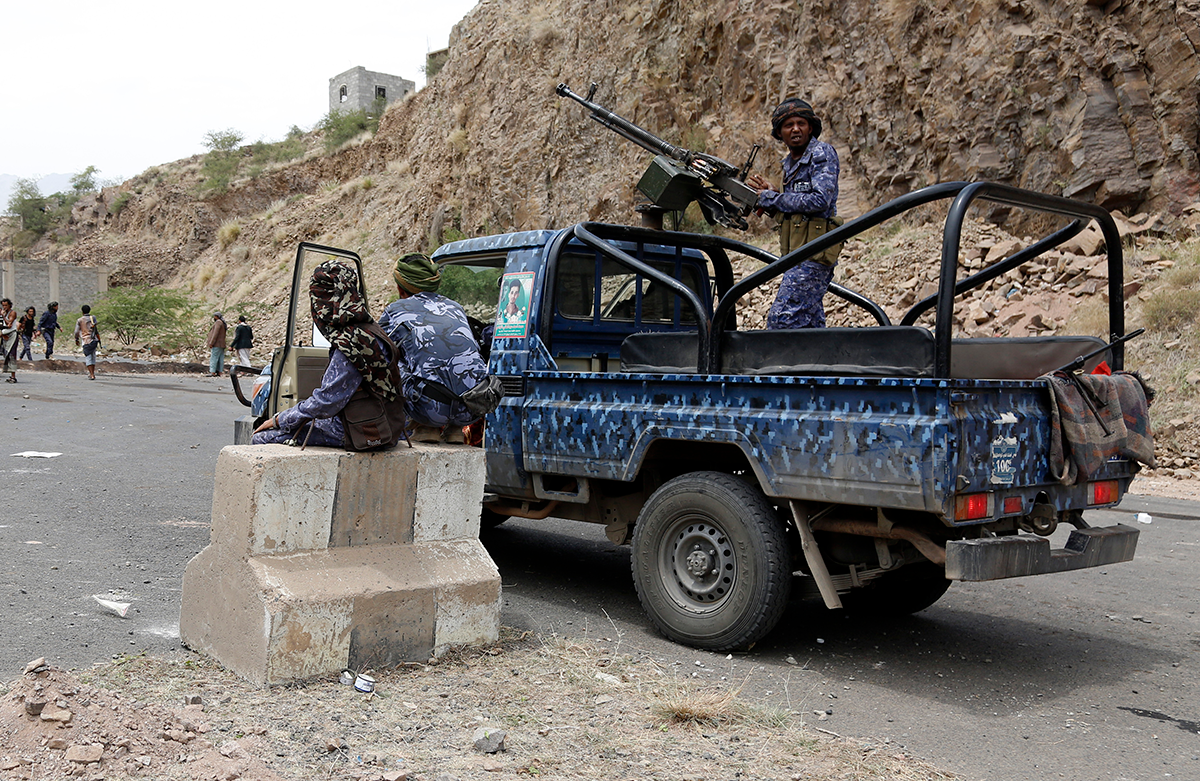
There is no shortage of U.N. interest in Taiz or concern over the Houthis’ blockade and truce violations in the city, but pressure on the Houthis to commit to relieving the humanitarian suffering of the Taizi people remains lacking.
Despite official hype of a “strategic partnership,” Iranian public is skeptical of Russia
The Iranian government has invested heavily in trying to sway public attitudes to embrace closer relations with Russia; but a plurality of Iranians would like to see balanced ties with all nations and for Tehran to pursue a mature, pragmatic overseas agenda.
In July 1987, Iran lost the opportunity to end the Iran-Iraq war as part of a U.N. deal by imposing two preconditions, one of which was impossible to meet. In 2022, Iran is likely to lose another opportunity, this time to return to the 2015 nuclear deal, once again by imposing two preconditions, one of which is also impossible to meet.
Why the Russian ambassador is such a controversial figure in Tehran
Despite Russia and Iran’s apparently tightening relationship, Russian Ambassador Levan Dzhagaryan has come under withering criticism in Tehran, becoming a reminder of the interventionist and imperialist policies that Russia had practiced toward its southern neighbor over the past two and a half centuries.
Gulf economies should use the available fiscal space to ensure a soft landing
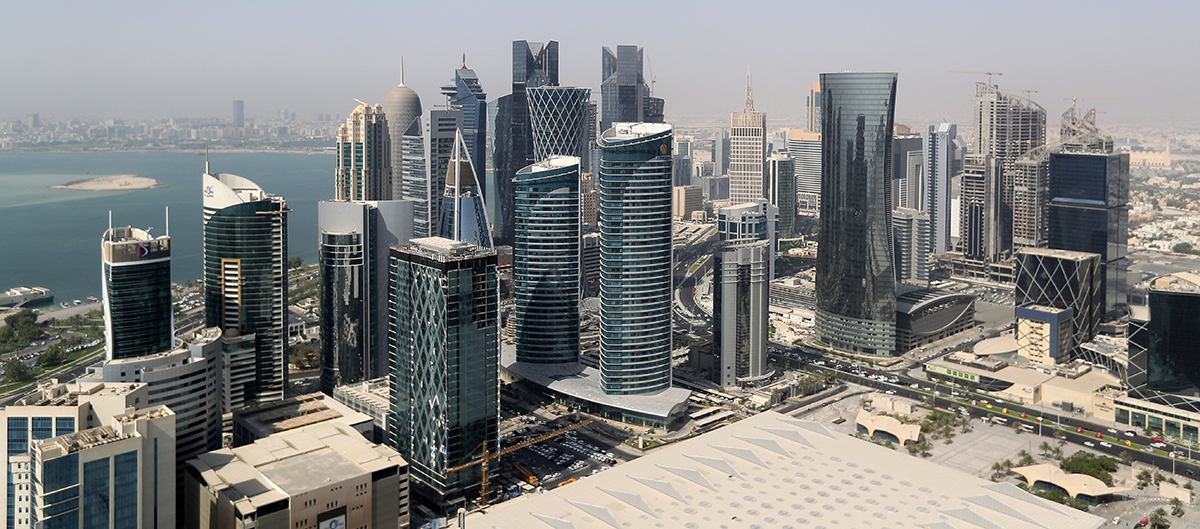
After achieving respectable growth in 2021, the GCC member states now face the risk of monetary (over) tightening due to the need to follow the U.S Federal Reserve’s interest rate adjustments. These increases are not warranted, however, as the GCC economies currently face relatively moderate inflation. Instead, they should use the available fiscal space to mitigate the negative fallout of monetary tightening and make greater use of PPPs for future infrastructure development.
Yemen cease-fire extension: The glass is still half-empty
Although the latest two-month extension of the Yemeni cease-fire was welcomed by all, the conflict will not end until meaningful pressure is applied on the Houthis to deny them a military victory and force them to accept a political resolution to the war they launched in 2014.
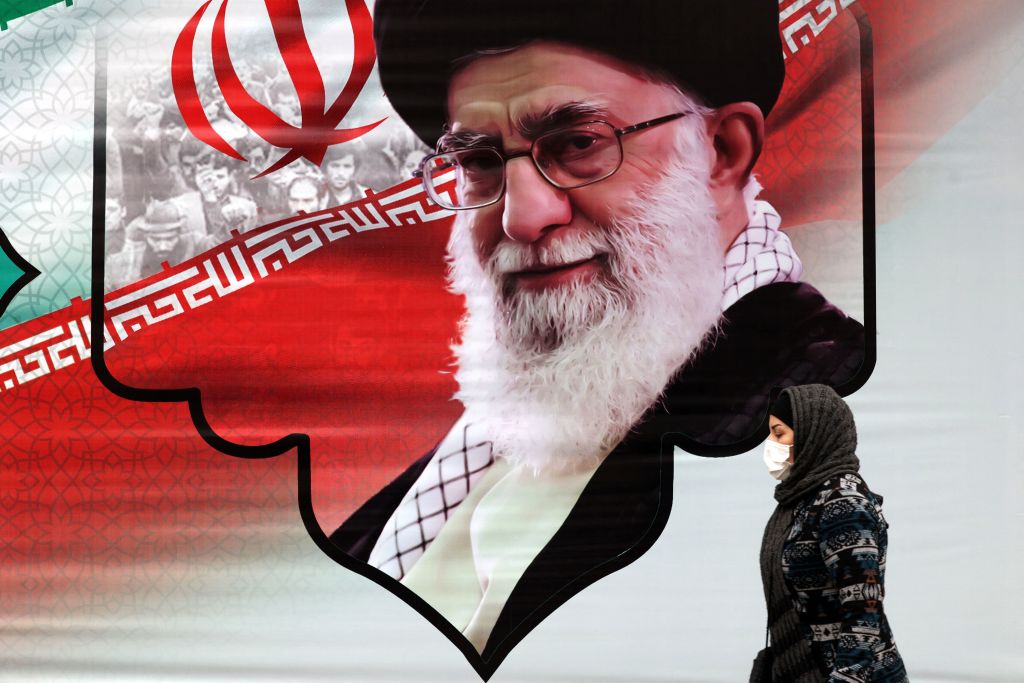
When he declared his presidential candidacy in May 2021, Ebrahim Raisi was already recognized as a favorite of Iran’s supreme leader, Ayatollah Ali Khamenei. A month later, Raisi was handed the job on a silver platter of an election that was carefully engineered by Khamenei. Voter turnout hit a historical low, making clear that Iranian voters saw the sham for what it was. From the get-go, then, Raisi’s primary concern was not Iranian public opinion but Khamenei’s continued patronage.
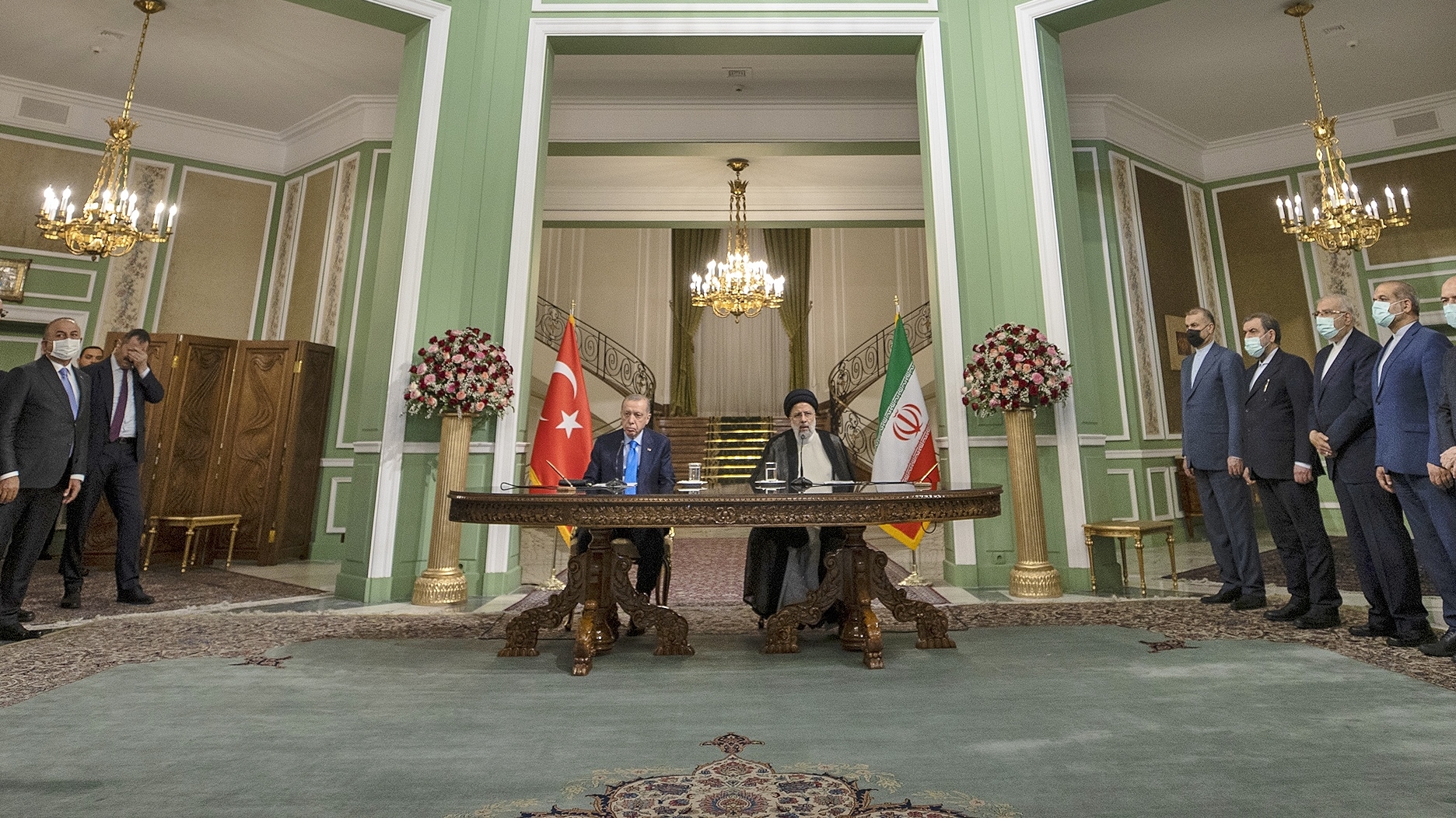
Erdoğan in Tehran, but Turkey and Iran have plenty of mistrust to overcome
Iranian-Turkish trade and economic cooperation has been the all-important platform on which otherwise often tense bilateral relations could survive. With trade and economic ties now weakening, their geopolitical rivalry could sharply re-intensify.
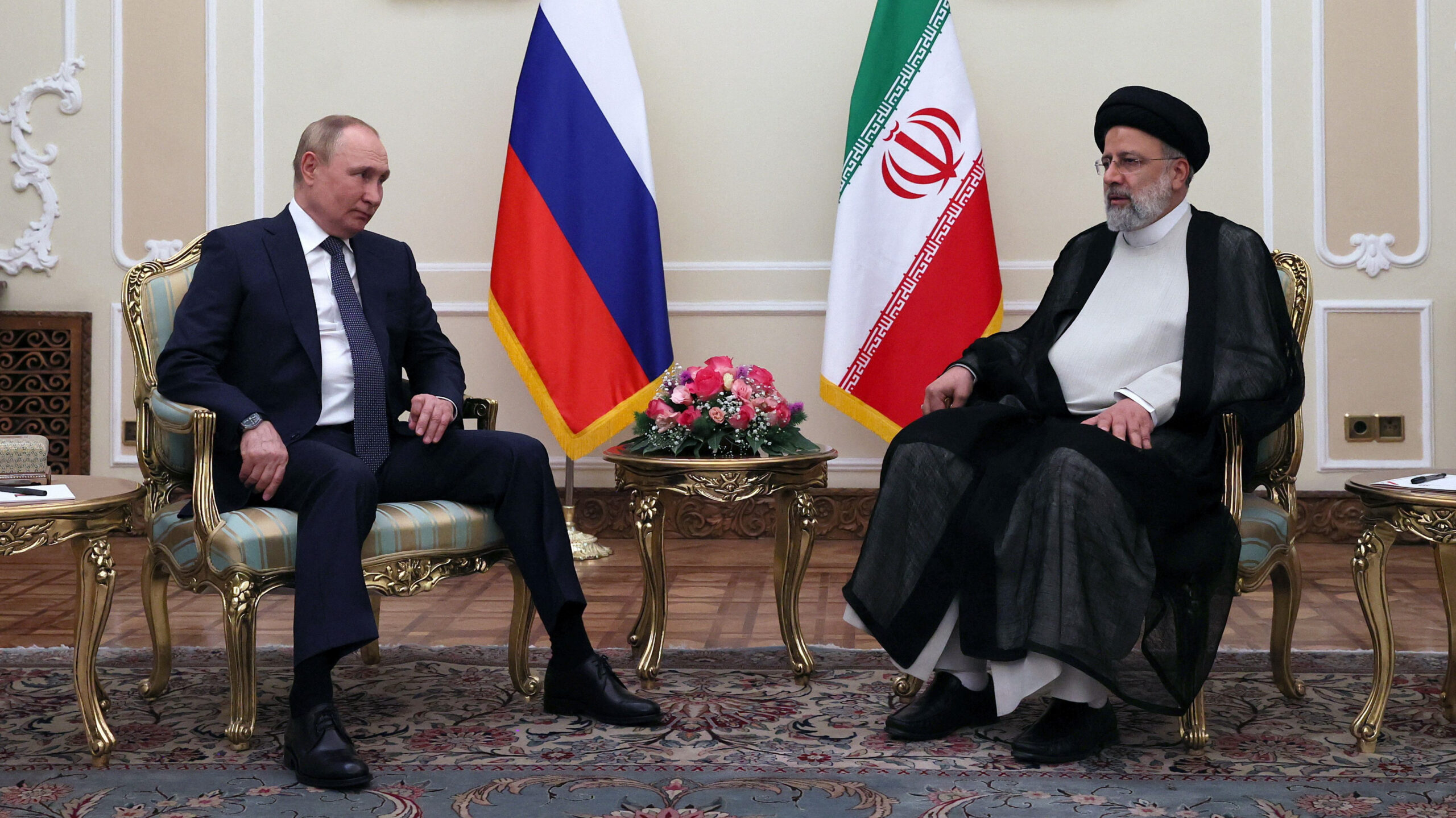
Putin’s visit to the Islamic Republic: Bringing Iran closer to Russia while building long-term leverage over Tehran
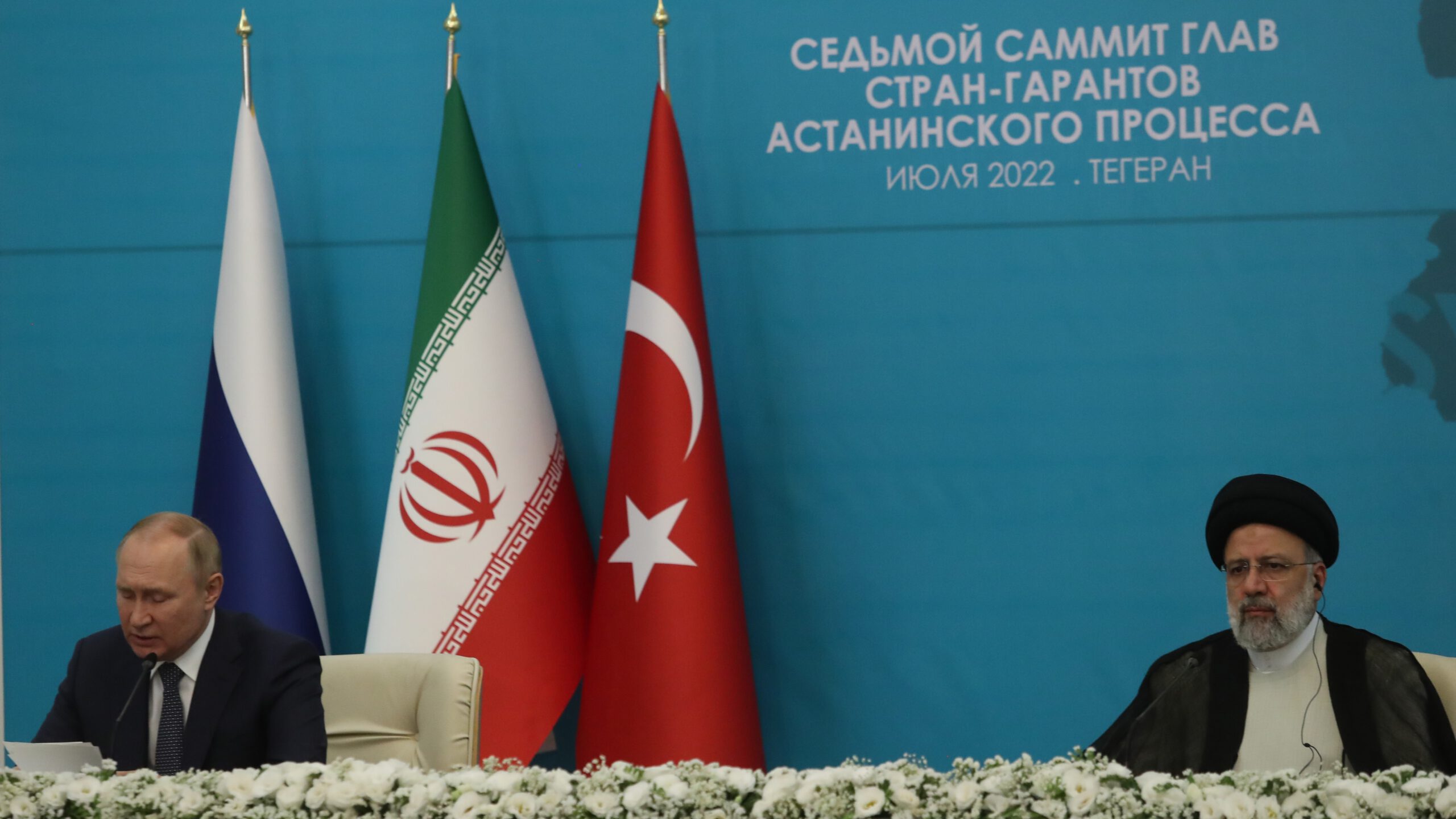
Russian President Vladimir Putin’s July 19 visit to Tehran will have important repercussions for the region’s evolving security environment as well as the trajectory of Iranian-Russian relations more specifically. Although officially billed as seeking to revive the “Astana peace process” on Syria, the significance of the trip has less to do with the trilateral meeting between Iran, Russia, and Turkey and more with the deepening of ties between Moscow and Tehran.
Biden’s trip was a start, but the US needs to sustain its influence in the Gulf
At the Jeddah summit in mid-July, President Joe Biden declared that “America is back,” a message that was welcomed by Saudi Arabia and Gulf media outlets. But Washington cannot maintain its influence and develop robust relationships in the Middle East without sustained American interest and effort, which have been oscillating with every change in administration.