One sided and incomplete, Yemen’s truce faces implementation hurdles as extension deadline nears
The U.N.-sponsored truce of April 2022 is the longest pause in fighting Yemen has experienced since the Houthi armed rebellion broke out in September 2014 and the Saudi-led coalition forces intervened six months later. But although there is strong external interest in both extending and expanding the truce given the scale of turmoil in the global arena, credible progress remains lacking, while serious obstacles persist.
Ransomware in the UAE: Evolving threats and expanding responses
Immediately following the outbreak of COVID-19, cyber attacks swept across the Middle East, leaving public and private entities highly vulnerable and transforming the pandemic into both a physical and a digital threat. Despite worldwide physical isolation, many people were more digitally connected than ever before, which vastly expanded the attack surface for eager cyber threat actors. Ransomware attacks, in particular, hit the Middle East rapidly and in great numbers, especially the UAE.
Israel’s new Iran strategy complicates regional security
The decades-long confrontation between Israel and Iran is now arguably becoming more dangerous. Amid a lack of consensus among Israeli leaders on how to address this perceived existential threat, calls for applying greater pressure are gaining momentum. The two countries have been engaged in a shadow war for years that includes assassinations, sabotage, kidnappings, and cyber operations, but a new phase of tensions may only bring them closer to a full-scale conflict.
How the Ukraine war exposed Europe’s derailed energy transition and its hypocrisy toward the Middle East
With energy security becoming a top priority, the sudden need to find new sources of hydrocarbons dampened Europe’s and the United States’ previously pledged resolve to address climate change and greenhouse gas emissions.
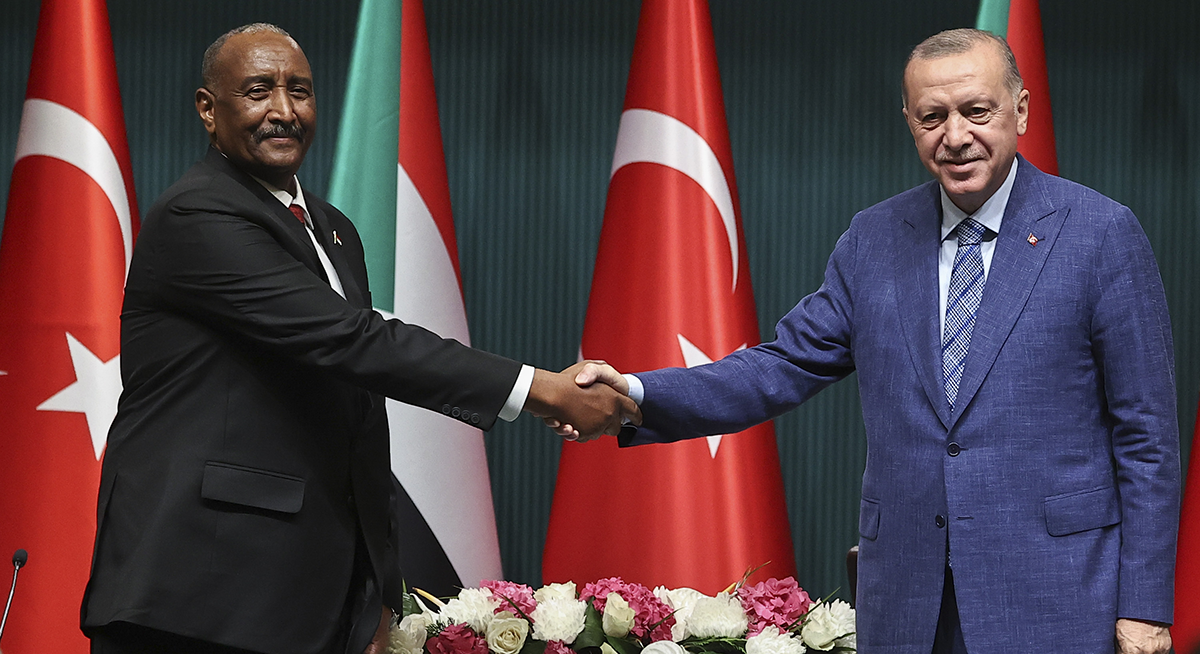
Sudan has a longstanding strategic partnership with Turkey, forged on the basis of shared ideology and fostered by growing economic and political ties, that has proven resilient to regime change. Khartoum has not abandoned its relationship with Ankara despite the ouster of former President Omar al-Bashir in 2019 or the opposition of Saudi Arabia, the UAE, and Egypt, Turkey’s former regional rivals and more recent cautious partners.
Pensions, sovereign wealth funds, and industrial policy in the Gulf: A look at fund consolidation
The last few years have seen a lot of consolidation in Gulf financial sectors. Not only do these mergers create economic benefits, the merged entities also become potent tools for economic development. The mega-funds and other major financial institutions are part of a trend where Gulf political elites sidestep ossified bureaucracies and instead centralize power in private entities over which they have even more control.
Crown Prince Mohammed bin Salman has surrounded himself with those who would indulge him and pose little threat. His circle comprises younger, less experienced but presumably loyal princes in key ministerial positions as well as a few select, savvy, experienced older half-brothers and uncles loyal to his father. There are also several notable royal holdovers from smaller family branches, the odd competent technocrat, and a cadre of minions from across the military and security agencies.
Urban pollution across the Middle East and Black Sea regions: Causes and mitigation measures
The latest IPCC reports clearly indicate that cities — responsible for up to 72% of global emissions — need to be redesigned to stand a chance against the climate crisis. The urban communities of the Middle East and Black Sea regions face some of the most difficult climate change effects. To properly address their challenges, a comprehensive analysis of drivers and strategies to follow is needed.
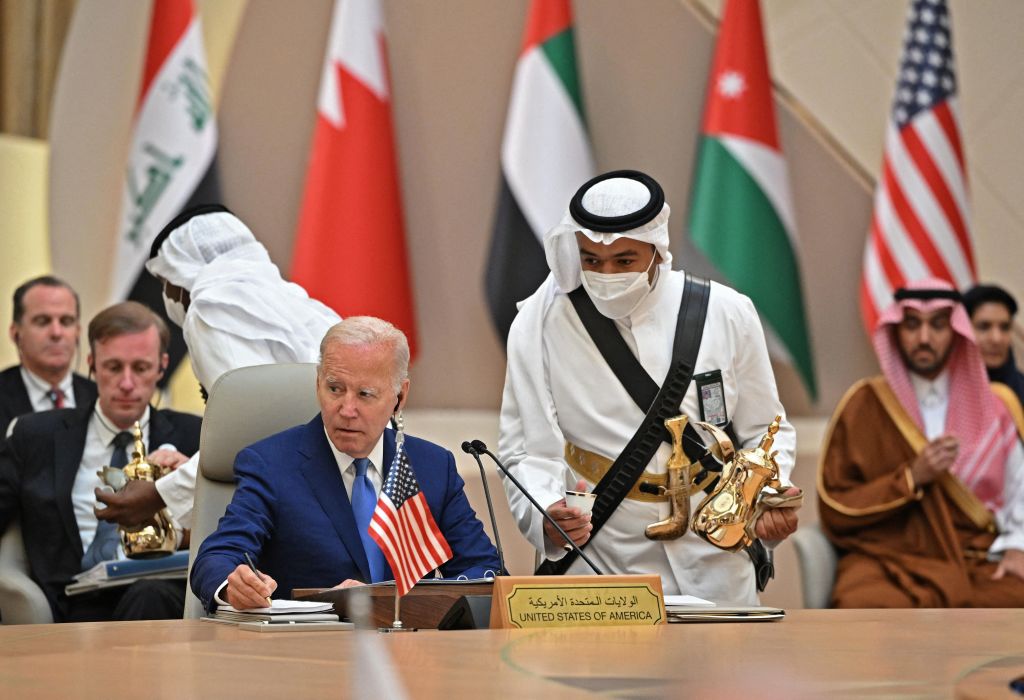
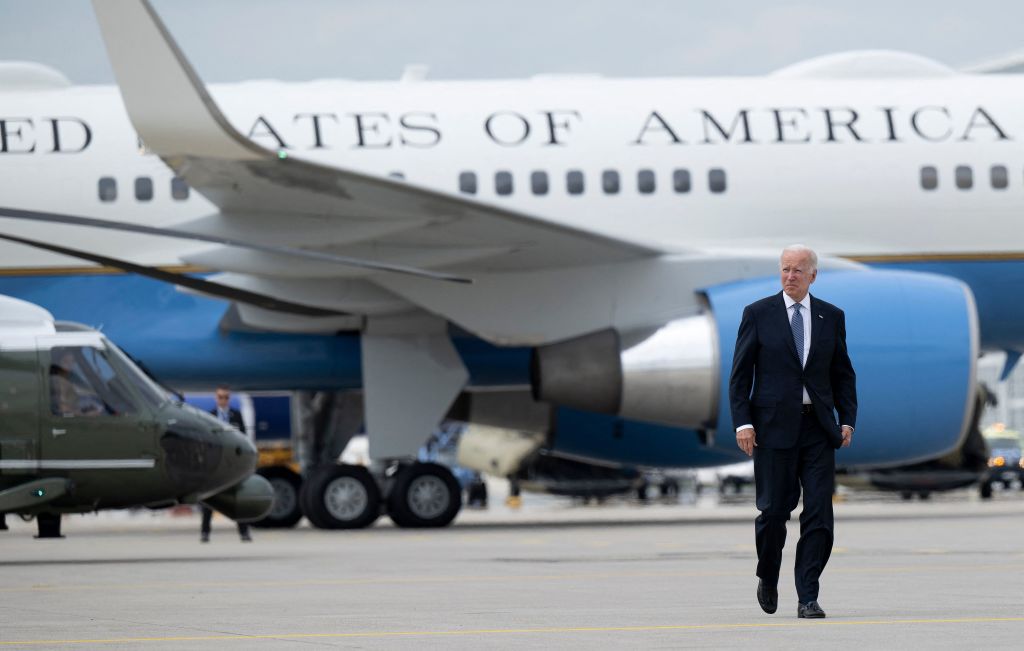
Despite U.S. President Joe Biden’s meandering efforts to explain his about-face on Saudi Arabia—visiting the country this week after having dubbed it a “pariah” on the campaign trail—there remains much apprehension about his trip on both ends of the political spectrum. Progressives and human rights advocates worry the president will sacrifice U.S. values for short-term Faustian bargains in an attempt to secure cheap oil and expand Arab-Israeli normalization. Republicans and realists, who favor an interest-driven approach to foreign policy, aren’t sure there is enough to be gained by Washington on these fronts to justify a presidential visit.
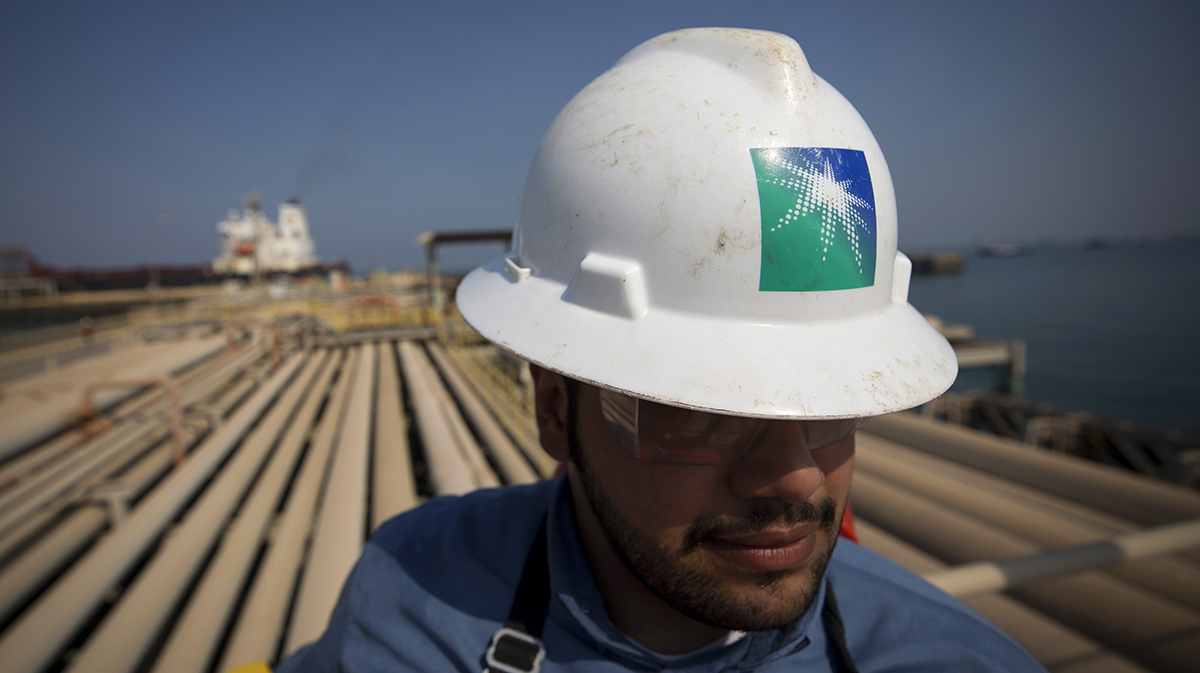
Industry analysts widely agree that OPEC+ production levels are currently well below the members’ authorized quotas and that any production increases will mainly be met by Saudi Arabia and the UAE. The challenges facing the group are daunting, but if met, seven major OPEC countries could feasibly raise crude oil production while utilizing existing infrastructure, significantly narrowing the global demand-supply gap.
Escalating emigration and the “drought” in Iran's IT industry
For many years, Iran’s educated elites have been leaving the country in growing numbers. They are emigrating, mostly to Western countries, for various reasons, but chief among them are poor economic conditions and a lack of political and social freedoms at home. Iran’s information technology sector is among the sectors hit hardest due to the burgeoning outflow of its experts in recent years.
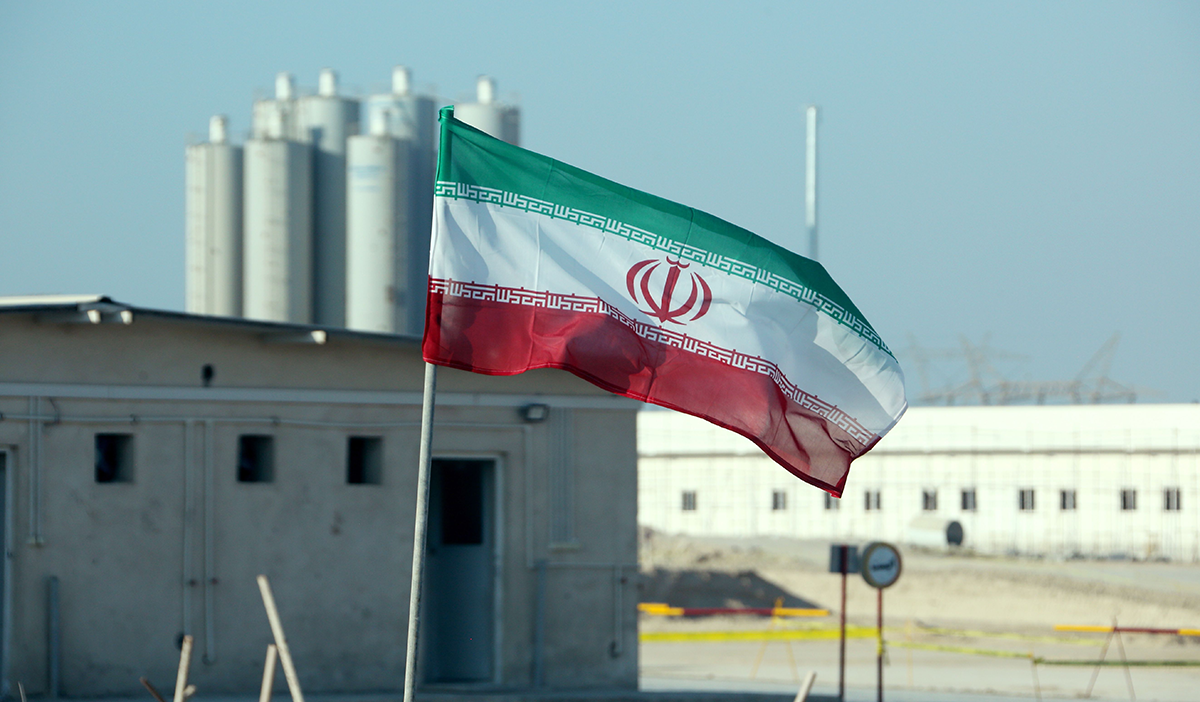
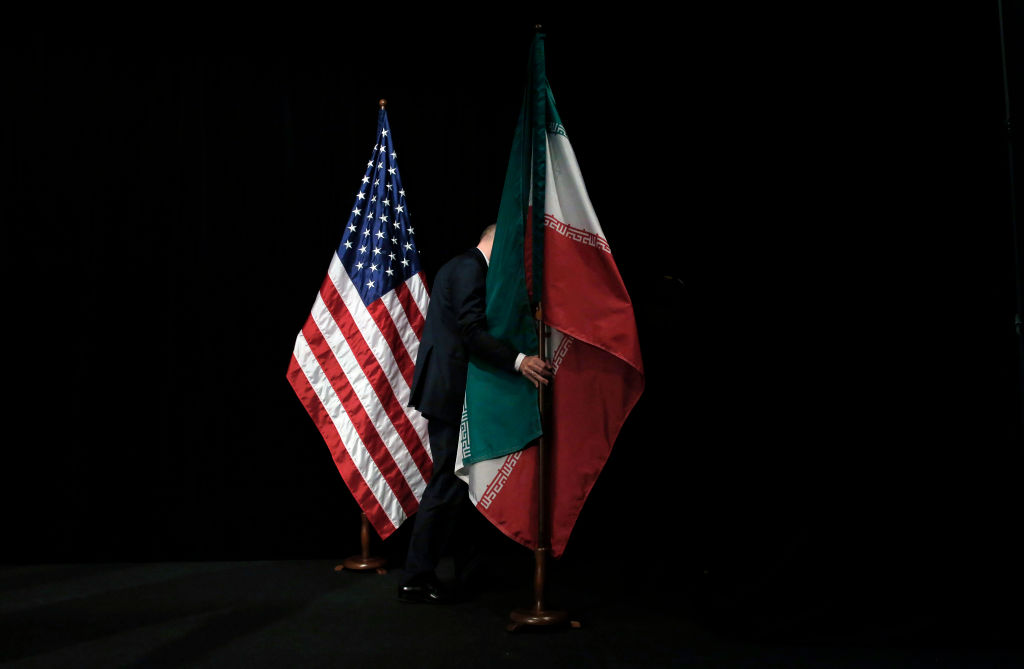
For the past year, negotiations over the revival of the 2015 Iran nuclear deal, known as the Joint Comprehensive Plan of Action (JCPOA), have not been conclusive. It appears that Iran’s current JCPOA calculations are shaped by three key factors: the future transition of power, lessons learned from the Ukraine war, and changes in the emerging international order.
The view from Tehran on Biden’s trip to the Middle East
The Iranian authorities anticipate that President Joe Biden’s visit to the Middle East is aimed at one top priority: to reaffirm the U.S. commitment to its partners in the region. To achieve this goal, the expectation in Tehran is that Biden will make some concessions to America’s regional partners, but the Iranians are very hopeful that these will be limited and not capsize the already tenuous U.S.-Iran nuclear talks.