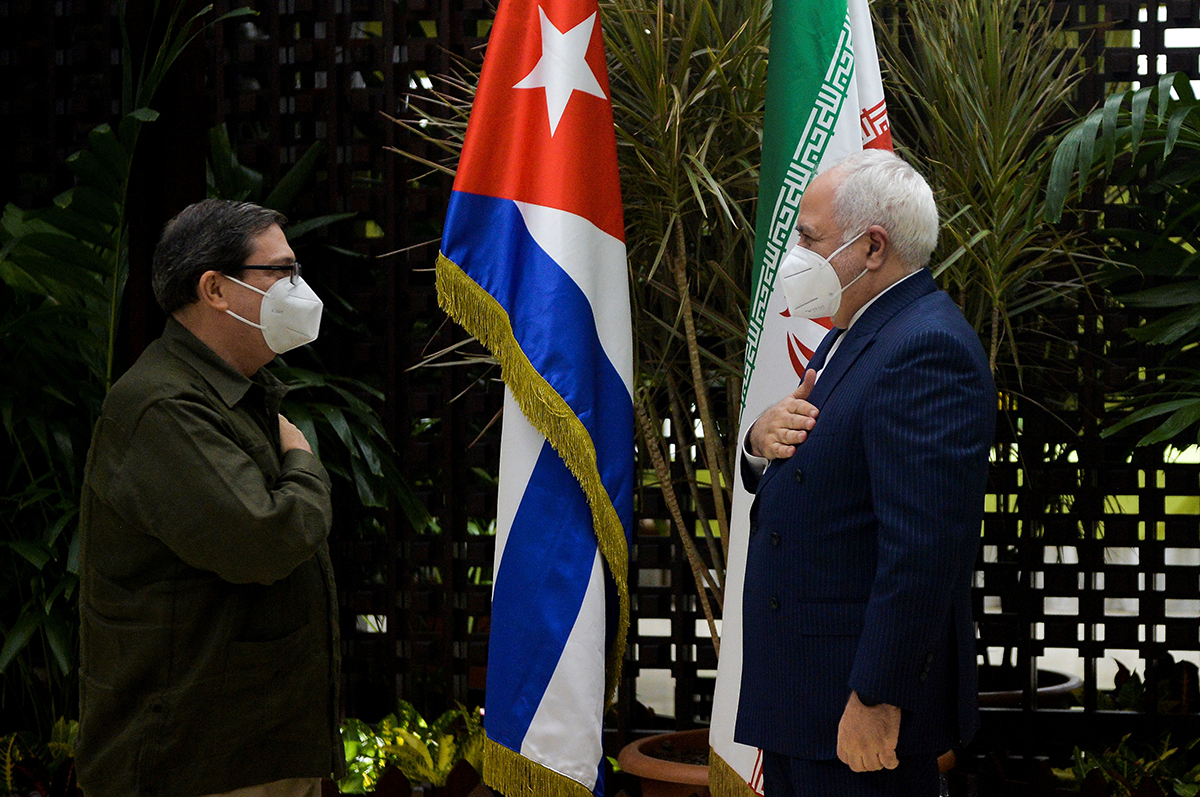
In September, Iranian Foreign Minister Hossein Amir-Abdollahian spoke of the “unlimited” potential to expand Tehran-Havana ties, and both sides have highlighted the fields of medicine and agriculture as ideal areas for cooperation. While that might be the case, there is no denying that the Iran-Cuba partnership represents the coming together of two entirely different political models that above all rests on shared conflict with the United States.
مخاوف خامنئي على مستقبل رجال الدين الإيرانيين (الجزء الثاني)
هذا هو الجزء الثاني من سلسلة مكونة من ثلاثة أجزاء
في السنوات الأخيرة، نُشِرت العديد من التحليلات حول النفوذ المتزايد للحرس الثوري الإسلامي داخل النظام الإيراني. لا شك أنه في العقدين الماضيين، ازدادت قوة الحرس الثوري في المجالات السياسية والاقتصادية والأمنية بشكل كبير، ومع تزايد عدد الشخصيات العسكرية أو العسكرية السابقة في إدارة الرئيس الإيراني الجديد، إبراهيم رئيسي، لا يتوقع سوى أن يتجه نفوذ الحرس الثوري نحو مزيد من التوسع.
Khamenei’s concerns over the future of the Iranian clergy (Part 3)
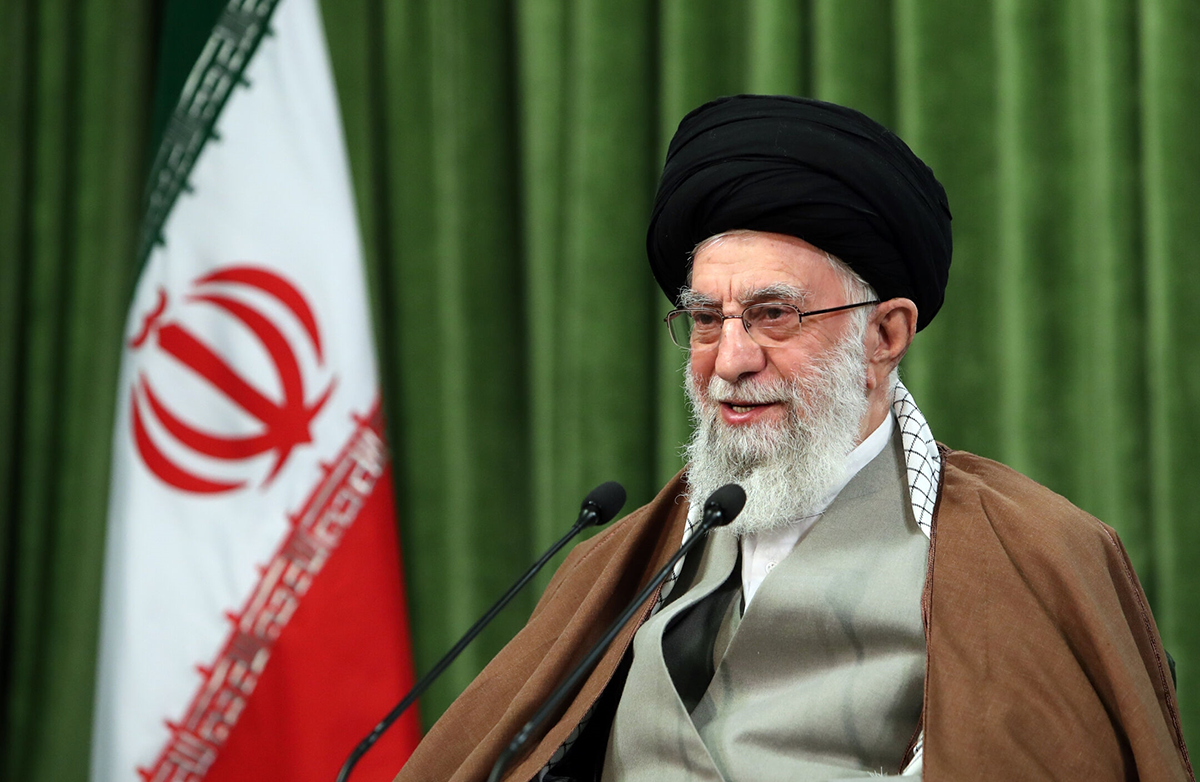
When Ayatollah Ruhollah Khomeini, the founder of the Islamic Republic of Iran, died at the age of 89, he and the regime he established enjoyed the support of most of the country’s high-ranking clerics. His successor, Supreme Leader Ayatollah Ali Khamenei, aged 82, faces a very different situation, however. Most senior clerics apparently do not support him, and the “deviation” of the new generation of clerics has caused growing concerns within the regime.
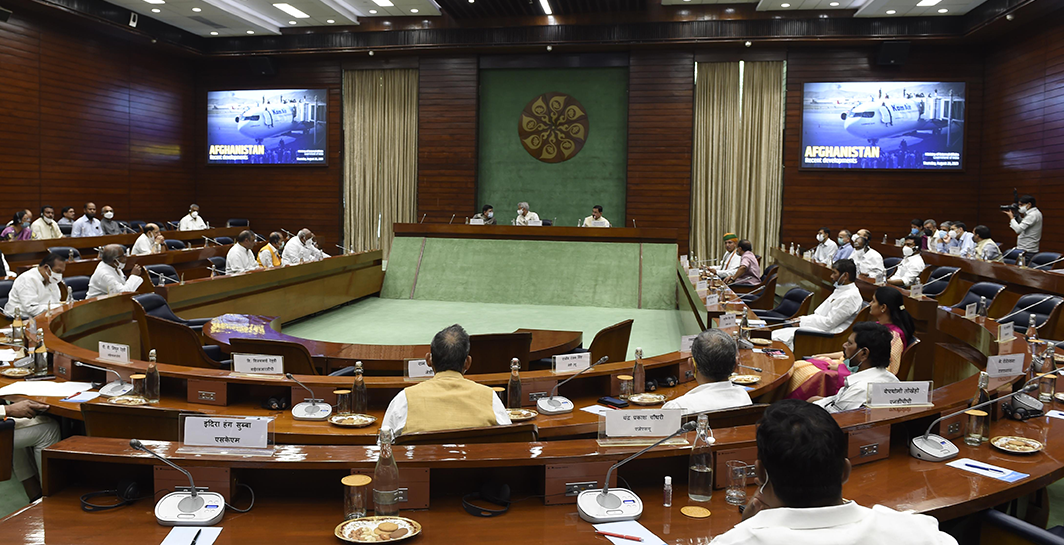
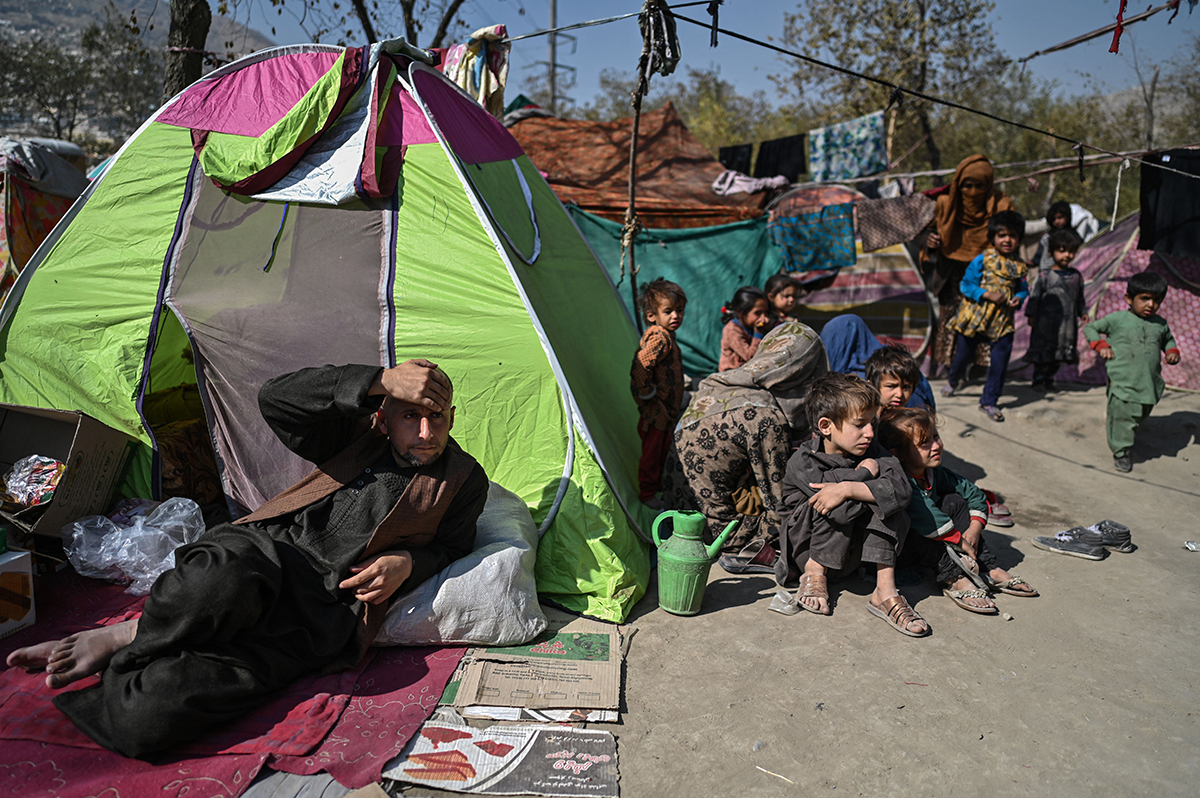
As the humanitarian situation in Afghanistan grows increasingly dire, Pakistan has informed India that it will allow the transportation of wheat and life-saving medicines from India to Afghanistan through its territory, on the condition that only Afghan trucks are used to carry it. The Taliban regime has praised Pakistan for the move, but will it arrest the decline in India’s fortunes in Afghanistan?
A stranger among us: Iran's tightening grip on religious minorities
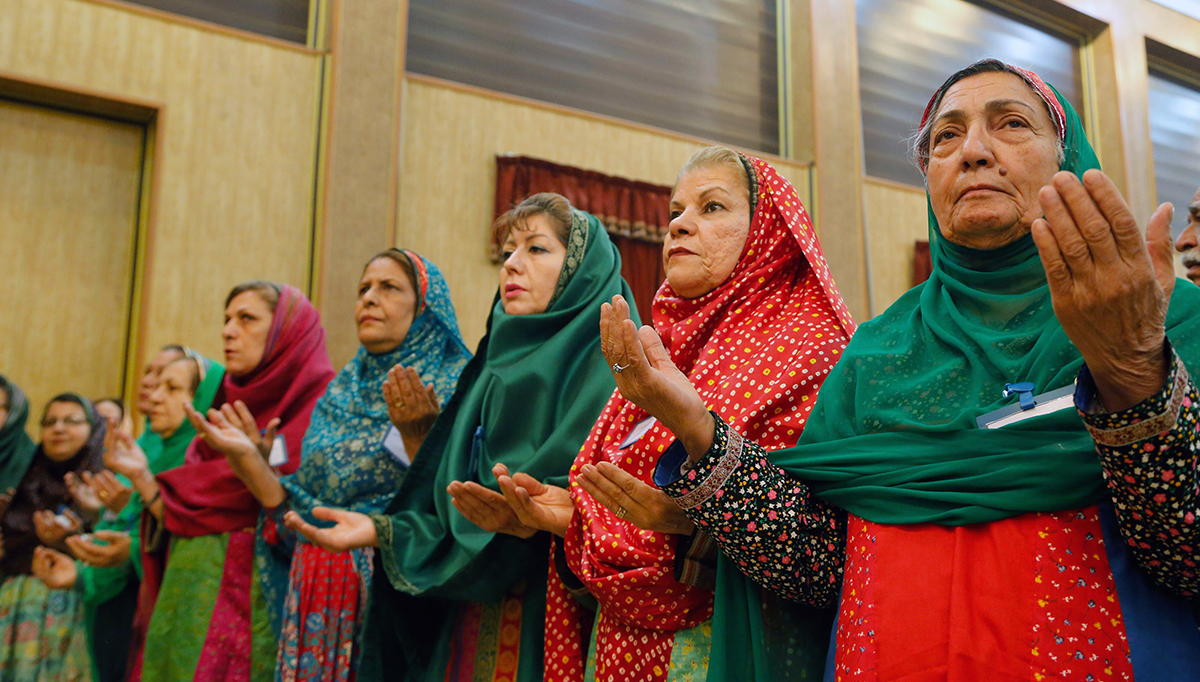
For thousands of years, Iran has stood out as a culture that prized diversity and a place where religious minorities have flourished as independent communities. The Islamic Republic now seeks to change that, however, by implanting its own leaders inside different faith groups to protect and advance its interests.
Khamenei’s concerns over the future of the Iranian clergy (Part 2)
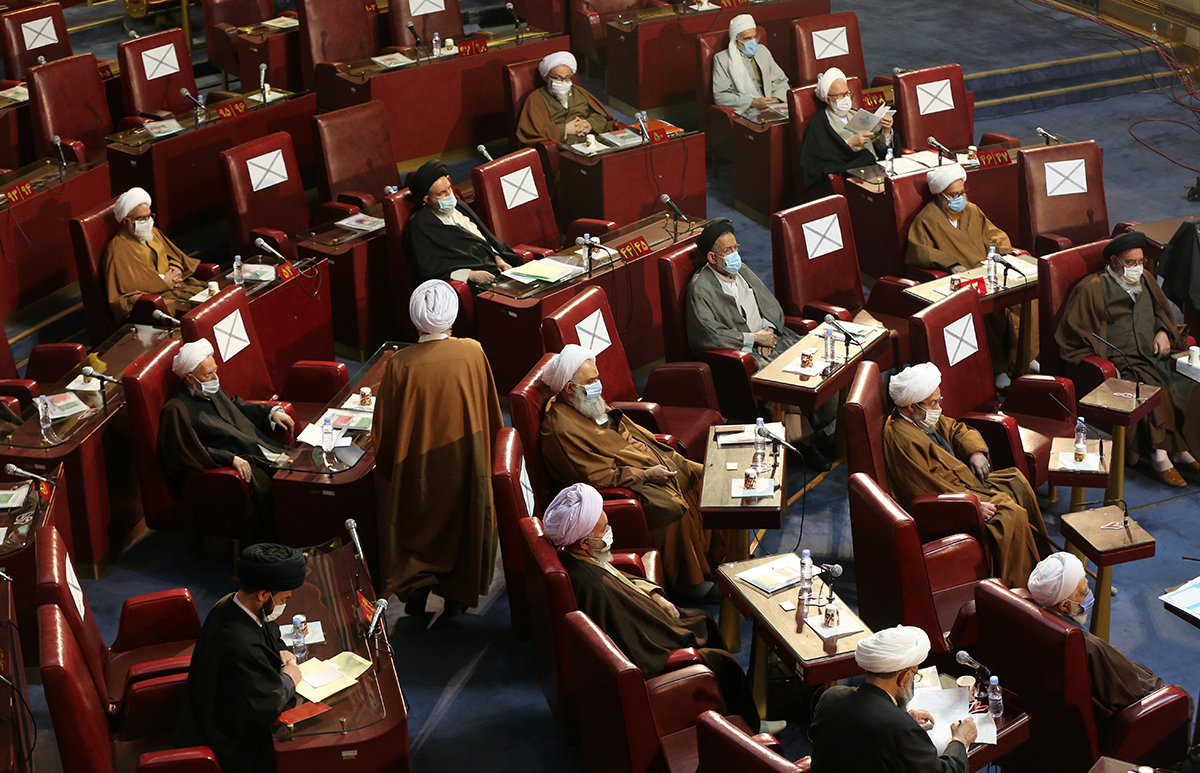
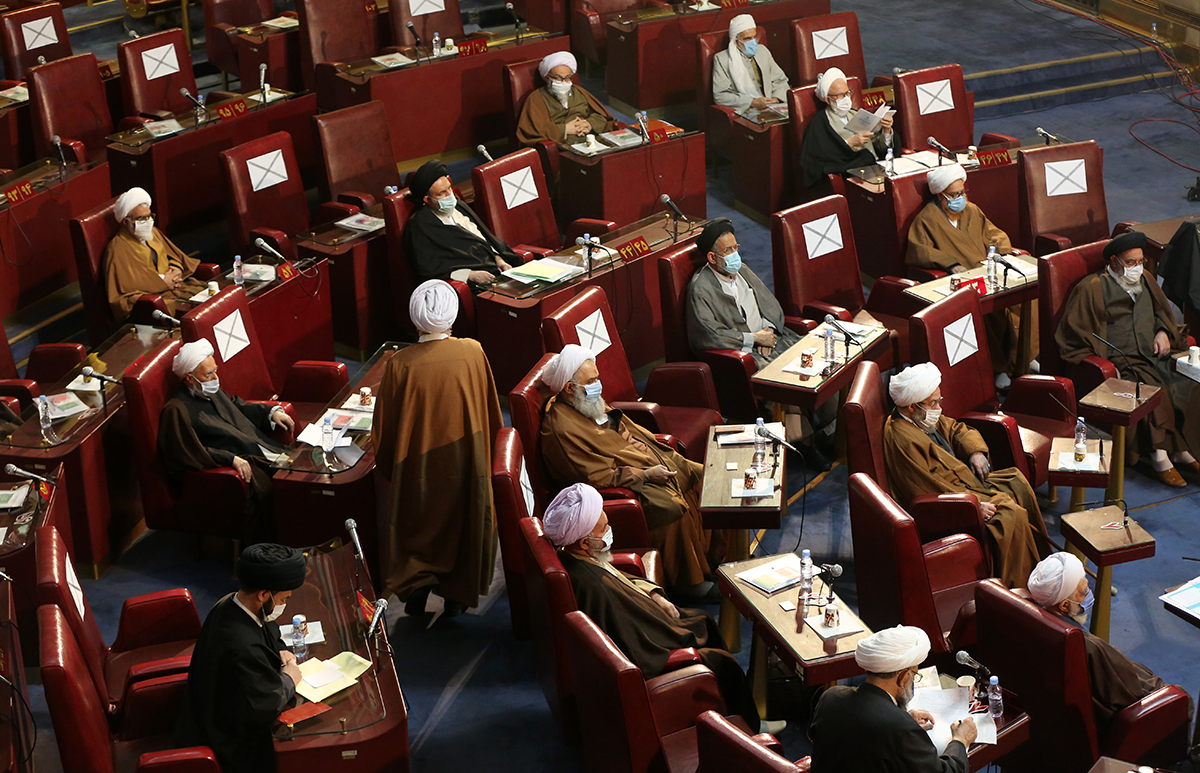
In recent years, numerous analyses have been published on the increasing influence of the IRGC within the Iranian regime. Nevertheless, the rise in the power of the military should not overshadow the fact that in the Islamic Republic, not only the paramount position of supreme leader, but also many other key roles are held exclusively by clerics. Moreover, many of these clerics, including the highest-ranking ones, must be appointed by the supreme leader. This system was designed to ensure the loyalty of key officials, but over time has given rise to growing concerns over the reliability of the next generation of clerics and the transfer of power.
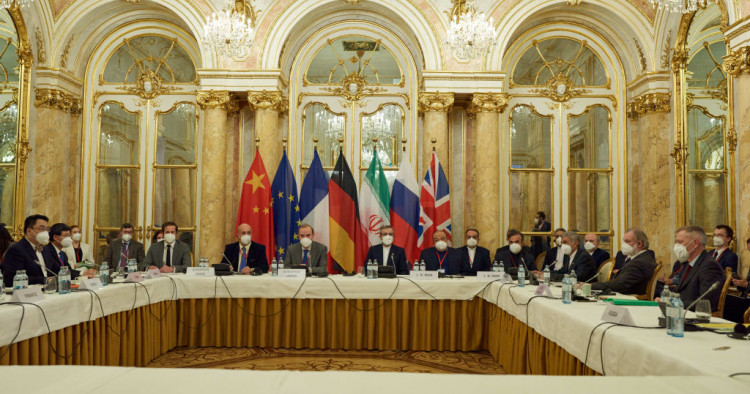
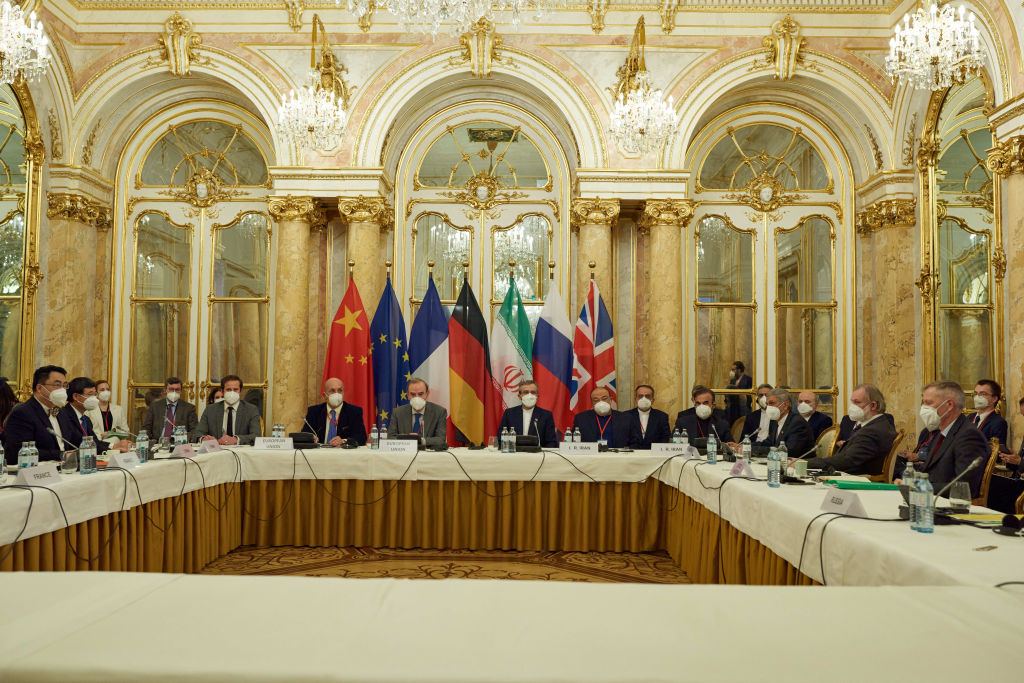
Ahead of the seventh round of the Iran nuclear negotiations that ended on Dec. 3 in Vienna, many observers interpreted Ebrahim Raisi’s election to the presidency and his recent rhetoric as representing a distinct shift in Iran’s nuclear strategy. Indeed, in November, Raisi’s government’s official newspaper Iran explained that Tehran’s strategy in Vienna has changed, and that it has embraced a new approach looking to compel the West to agree with Iran’s terms for a “good deal.” Yet there is more continuity than change in Iranian decision-making on the nuclear file than meets the eye, and Raisi’s election by itself has not represented a fundamental rearrangement.
Tajikistan’s evolving relations with the Taliban 2.0
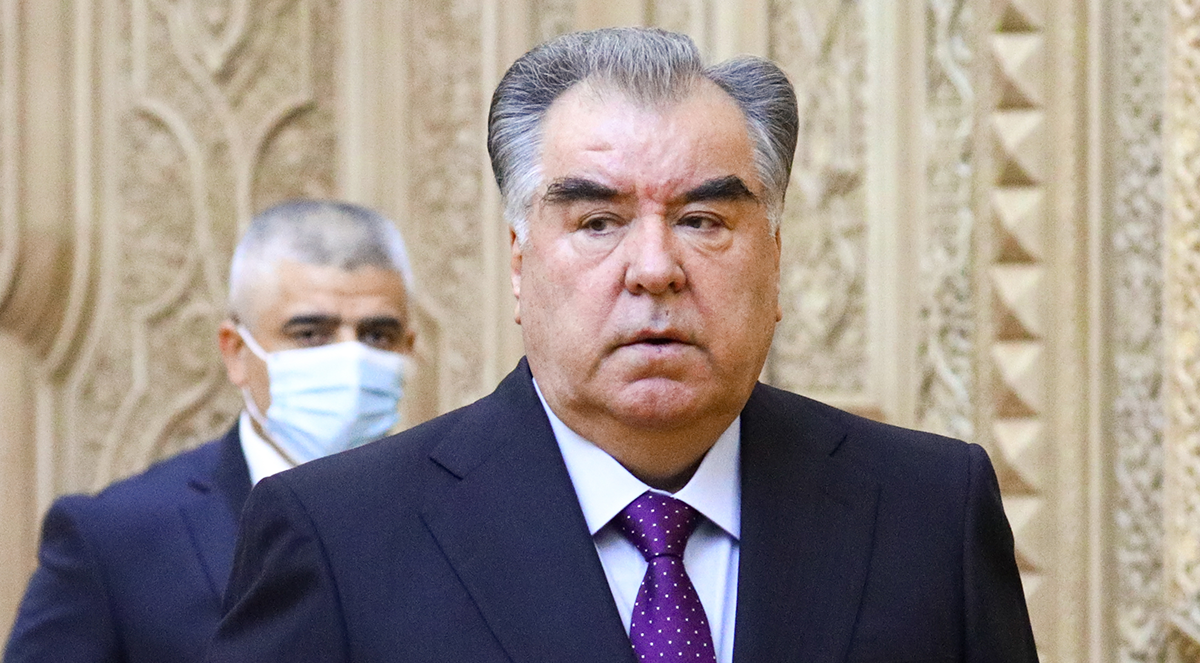
While the international community has adopted a “wait-and-see” attitude toward the Afghan Taliban, Tajikistan has taken a sharply critical view. Rhetoric between Tajikistan and the Taliban is increasingly bitter, a symptom of a broader problem in their bilateral ties. Tajikistan’s President Emomali Rahmon has condemned the Taliban regime in Kabul for failing to form an inclusive government and for violating human rights in the Panjshir Valley. The Taliban have responded by warning Tajikistan not to interfere in Afghanistan’s internal affairs.
Iranians are disillusioned with Biden’s soft approach to the Islamic Republic
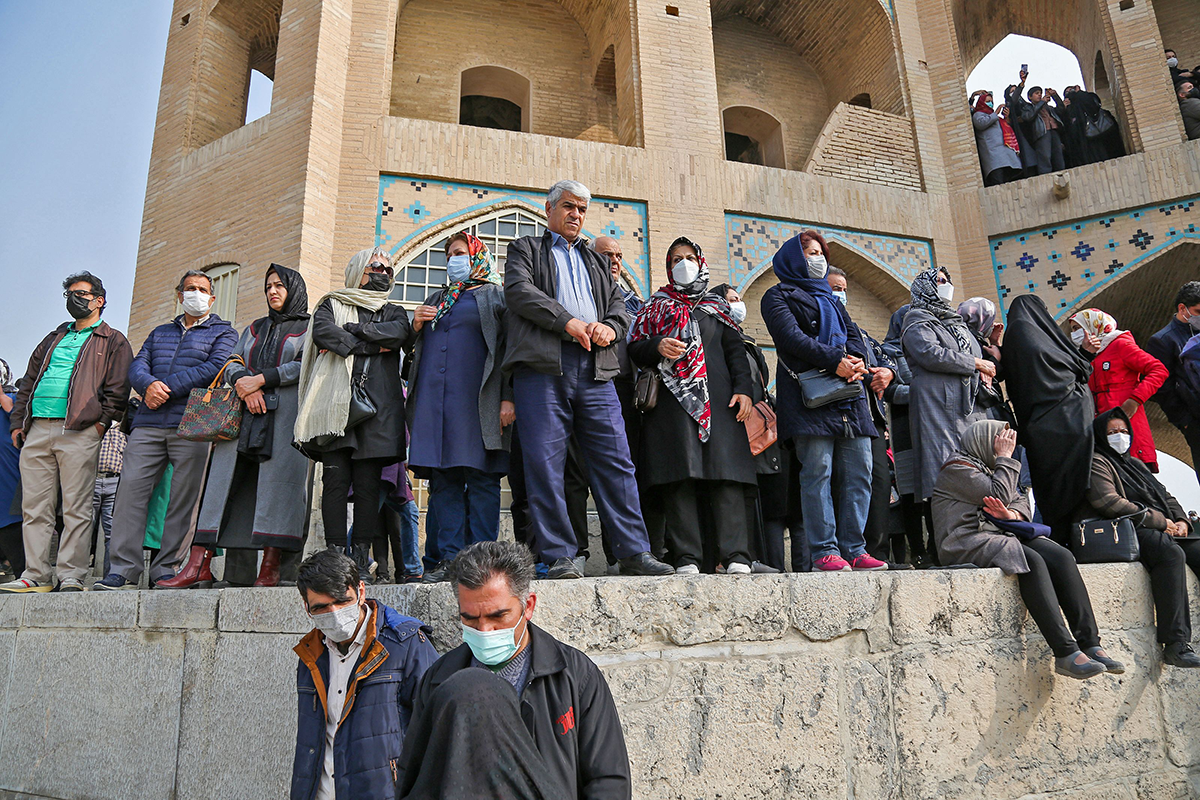
If the Biden administration makes concessions to appease the Islamic Republic of Iran as part of the recently resumed Vienna nuclear talks, it will be a historic mistake. The Islamic Republic is facing a deep legitimacy crisis of its own making, as a series of disastrous decisions have hardened the people’s views against the regime. These days, anyone who is seen to be throwing the Islamic Republic a lifeline will be wildly unpopular among Iranians.
Since the hasty American withdrawal from Afghanistan in August, refugees have flowed out of the country and its domestic problems have grown increasingly dire due to the lack of effective governance and much-needed funding. Neighboring countries Iran, Pakistan, and China, along with other regional states and the U.S., now all face a dilemma as to how to stabilize the rapidly deteriorating internal situation. Further efforts must be made to address the growing economic and humanitarian crisis, especially before the onset of winter, although the nature and scope of these efforts are likely to be shaped by the broader competition between Washington and Beijing.