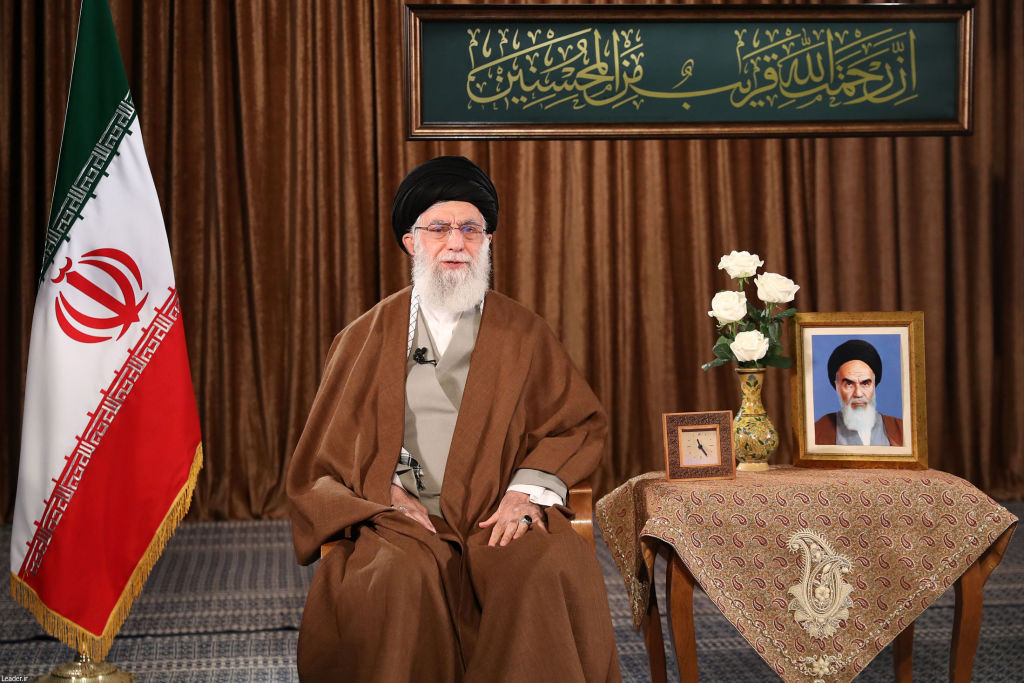
منذ البداية، عرَّفت جمهورية إيران الإسلامية نفسها على أنها دولة دينية يتمتع فيها رجال الدين بمكانة مميزة. ومع ذلك، لم تتمكن السلطات قط من إخفاء مخاوفها المستمرة بشأن ما تعتبره فجوة متنامية بين أفكار العديد من رجال الدين الإيرانيين ووجهات نظر المرشد الأعلى لإيران.
Khamenei’s concerns over the future of the Iranian clergy (Part 1)
The Islamic Republic of Iran, from the very beginning, has defined itself as a religious state, in which the clergy enjoy a privileged status. Nevertheless, the authorities have never managed to hide their fears over what they see as a growing gap between the ideas of many Iranian clerics and the views of Iran’s supreme leader.
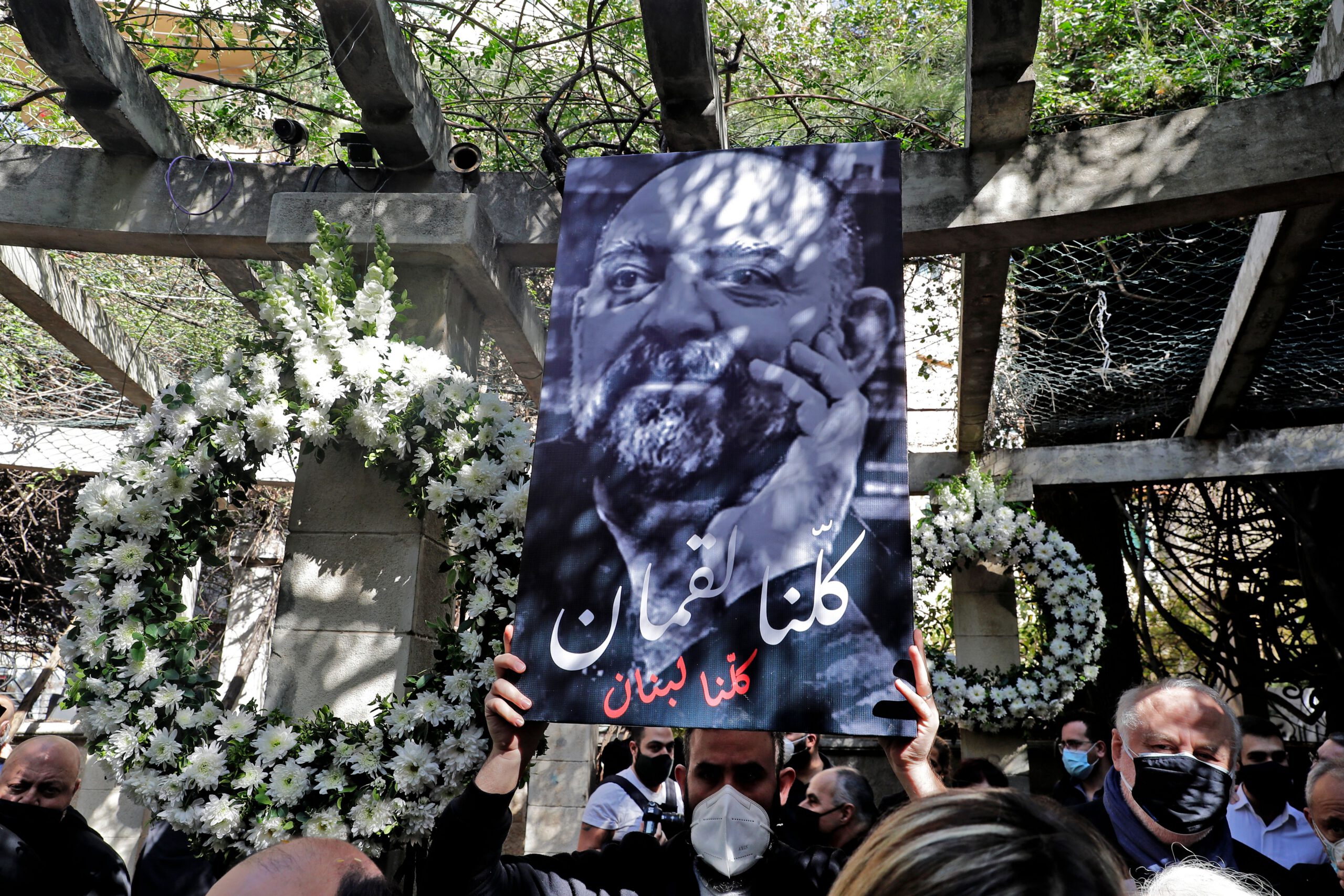
Plotting like a revolutionary: The need for growing like-minded humanistic networks of Iranians and Arabs
It is a mistake to view Iran’s regional aggression and hegemony as purely a result of violence and terrorism. Iran’s powerplay also has important media, political, economic, and cultural aspects.
Alex Vatanka and Michael Metrinko discuss the Iranian hostage crisis, how it has shaped US-Iran relations, and what that history tells us about the present and potential future of the Islamic Republic. Metrinko also recounts his experience as a political officer at the embassy in Iran in 1979 and being one of the 52 hostages.
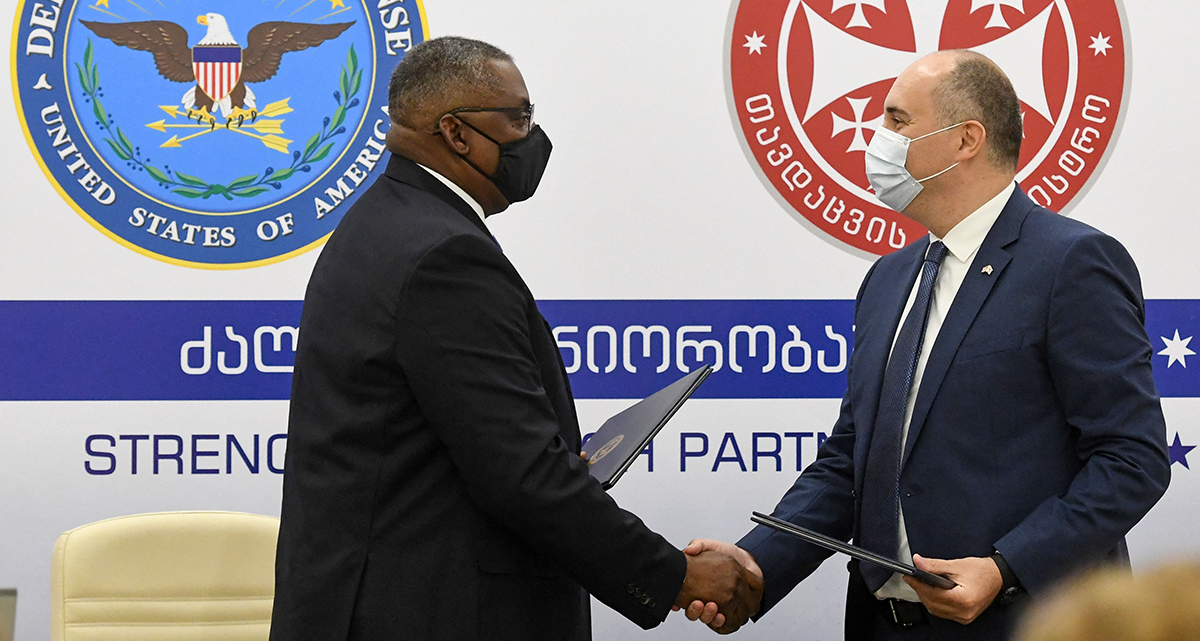
The 3+3 format in the South Caucasus doesn’t add up
During his recent visit to Tbilisi, U.S. Defense Secretary Lloyd Austin poured cold water on the idea of American support for a so-called “3+3 format” in the South Caucasus. When asked about the proposal, he said, “I would just say that Russia, which currently occupies 20% of Georgia’s territory, should focus on honoring its 2008 cease-fire commitments before promoting any new discussion platforms.”
Marvin Weinbaum and Javid Ahmad discuss conditions in Afghanistan since falling back under Taliban rule, including worsening economic and humanitarian crises, the security situation, the role of international and regional actors, and where things might be headed moving forward.
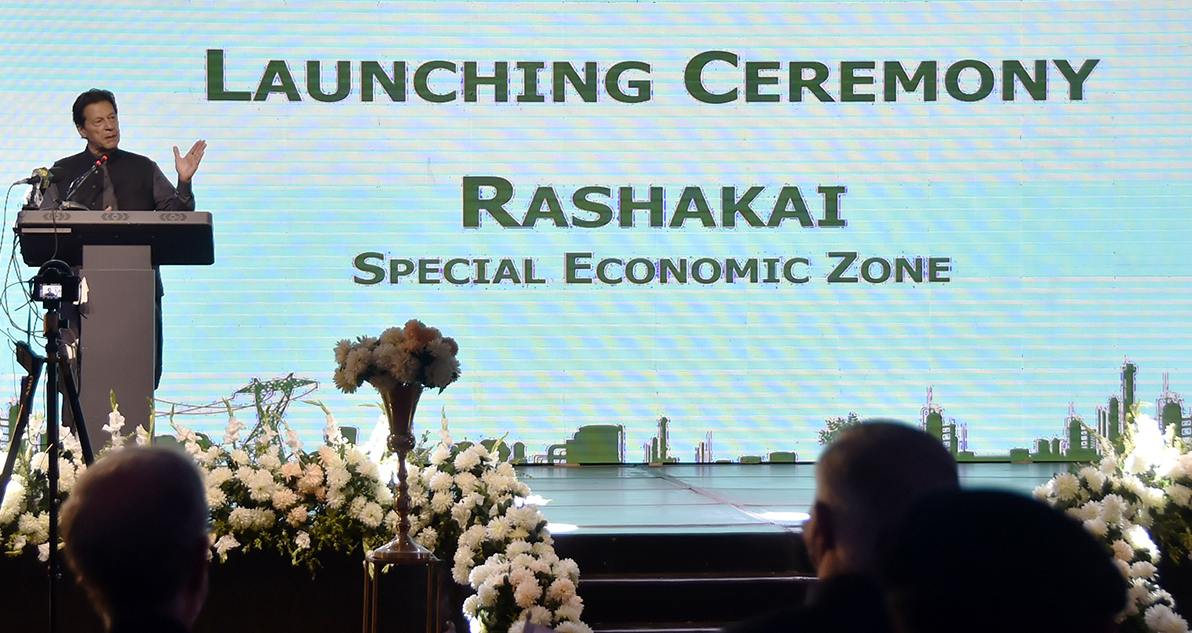
The China-Pakistan Economic Corridor: Slower may be better
In September, China and Pakistan convened the tenth session of their joint coordination committee that oversees the CPEC — the largest of the BRI corridors. The long-anticipated meeting ultimately yielded no major breakthroughs. The momentum of CPEC appears to be losing steam once again, but for Pakistan, slower may actually be better.
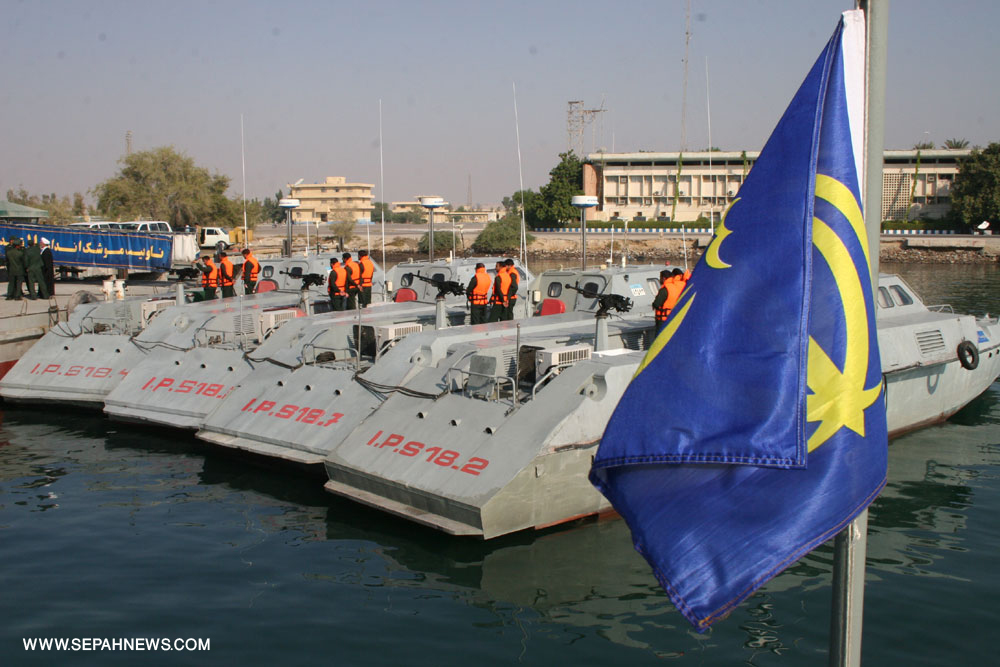
The IRGC and the Persian Gulf Region in a Period of Contested Deterrence
The Strait of Hormuz is one of the world’s most important maritime chokepoints, vital to the global supply of both oil and liquefied natural gas. The issue of freedom of navigation in the strait has long been a source of tension, but until recently any attempt by Iran to physically close it looked highly implausible, unless it resulted from either a major embargo or total blockade of Iranian ports by the West, or a large-scale military confrontation. However, the events of the past three years showed Iran can still ensure a major disruption of the flow of energy without a formal blockade and without an increased risk of military confrontation with the West. Iran has a variety of means at its disposal, especially through its Islamic Revolutionary Guard Corps naval forces, and the Iranians make no secret of their desire to be recognized as the dominant military power in the Gulf and the Strait of Hormuz.
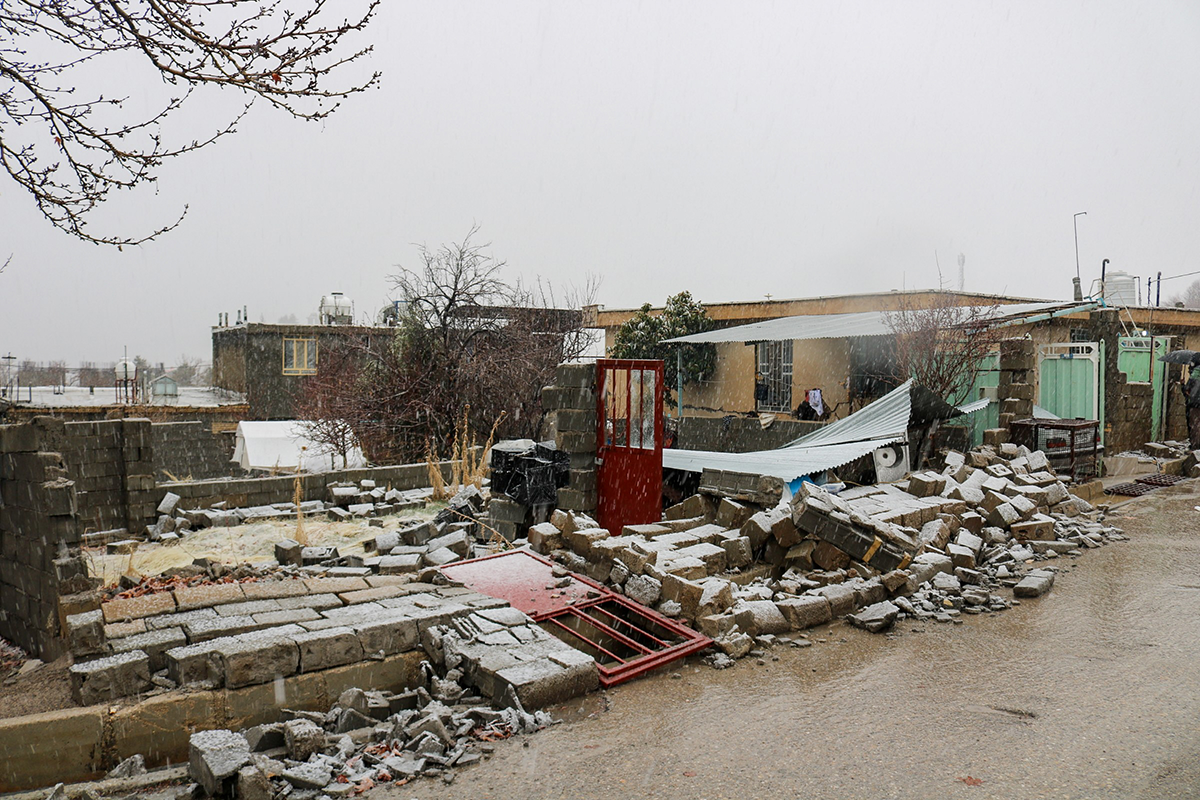
During the National Day of Villages and Nomads in Iran on Oct. 6, President Ebrahim Raisi visited Kohgiluyeh and Boyer-Ahmad Province and spoke about combatting rural deprivation, an issue that has become central to Raisi’s domestic agenda.
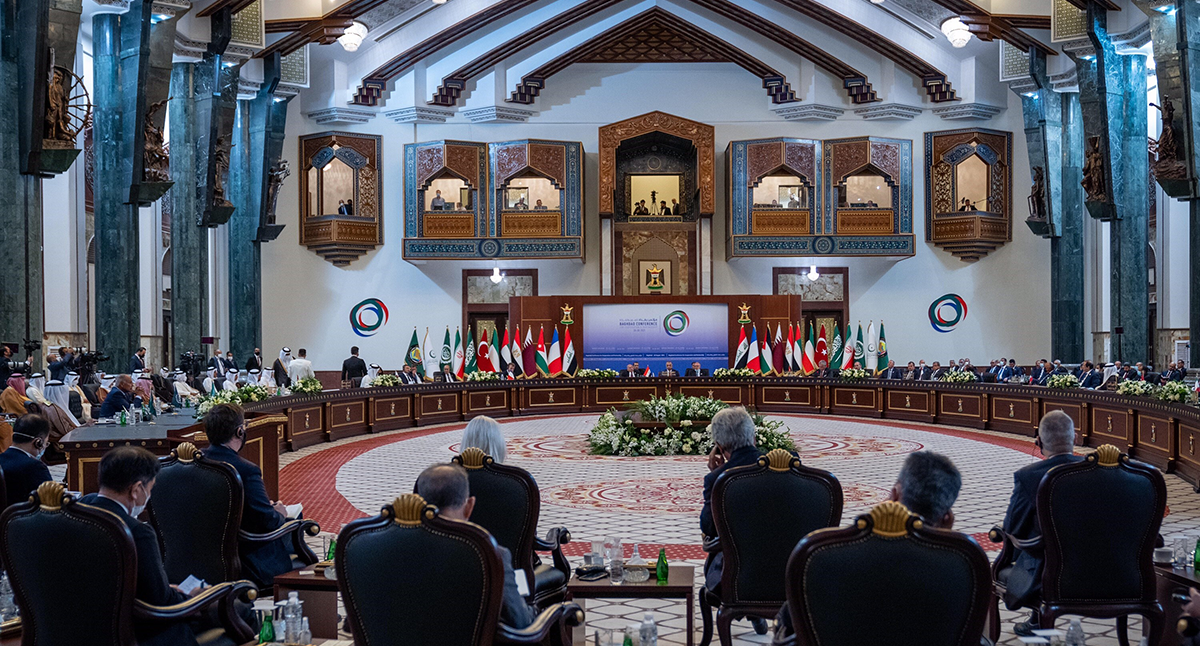
Mohammed Alsulami and Kasra Aarabi join Banafsheh Keynoush to discuss the latest talks between long-time regional rivals Saudi Arabia and Iran. Several rounds of talks between Riyadh and Tehran been held in Baghdad since April. They are taking place amid a broader regional trend toward deconfliction and as negotiations in Vienna over the revival of the 2015 Iran nuclear deal appear to have bogged down.
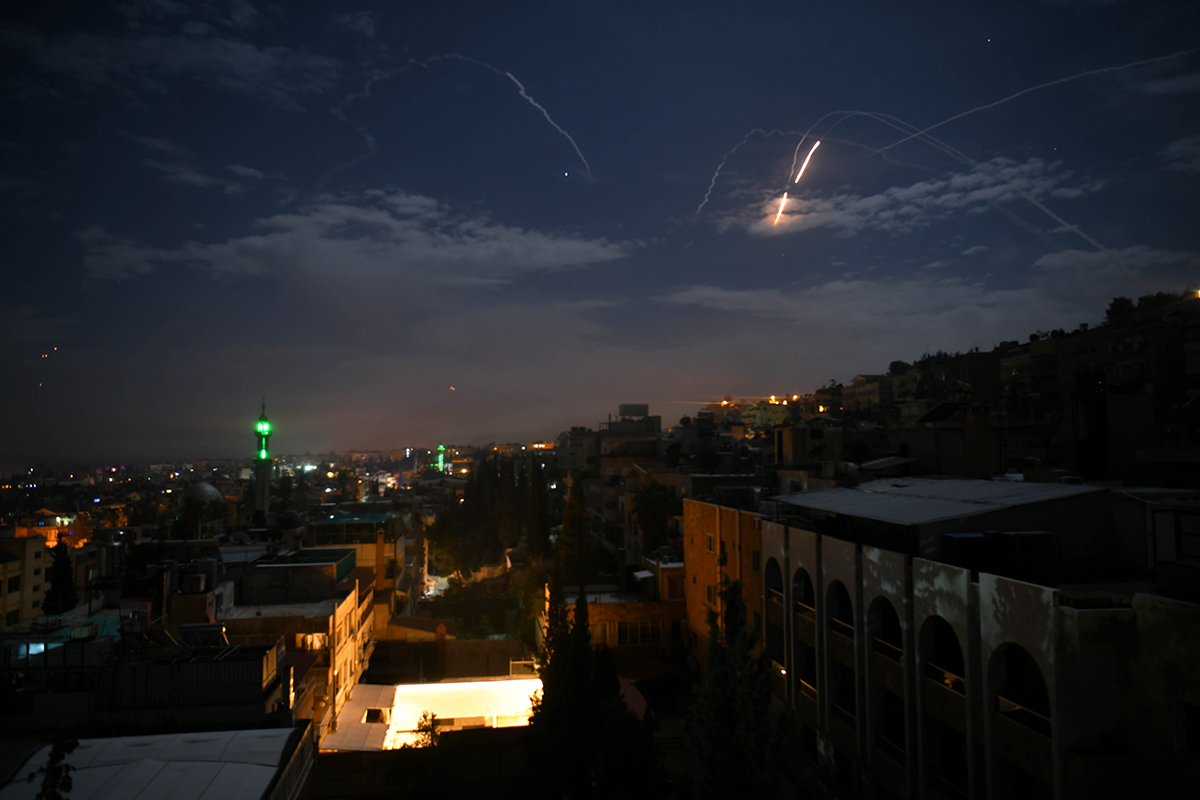
Has Israel’s campaign between the wars reached an impasse?
In recent years, Israel has waged a campaign against the military buildup of its enemies, mainly Iran, Syria, and Hezbollah. This ongoing effort is called “the campaign between the wars,” or the Mabam Campaign. Several events in recent weeks have given rise to questions about the effectiveness of this campaign, however, and have underscored the need to rethink its future.
Iran is a neighboring country for Saudi Arabia and we from the Gulf states respect its people and culture, sharing many similarities as nations throughout different historical periods. However, there are, unfortunately, profound disagreements that have significantly increased since the 1979 revolution because of Tehran’s foreign policy approach based on ideological promotion and projection.