Washington and Baghdad’s new government: A test of economics
The big question is, what is Baghdad expected to concede in return for Trump’s investment?
Despite an unprecedented global slump, this is hardly an ideal time to cut into social spending.
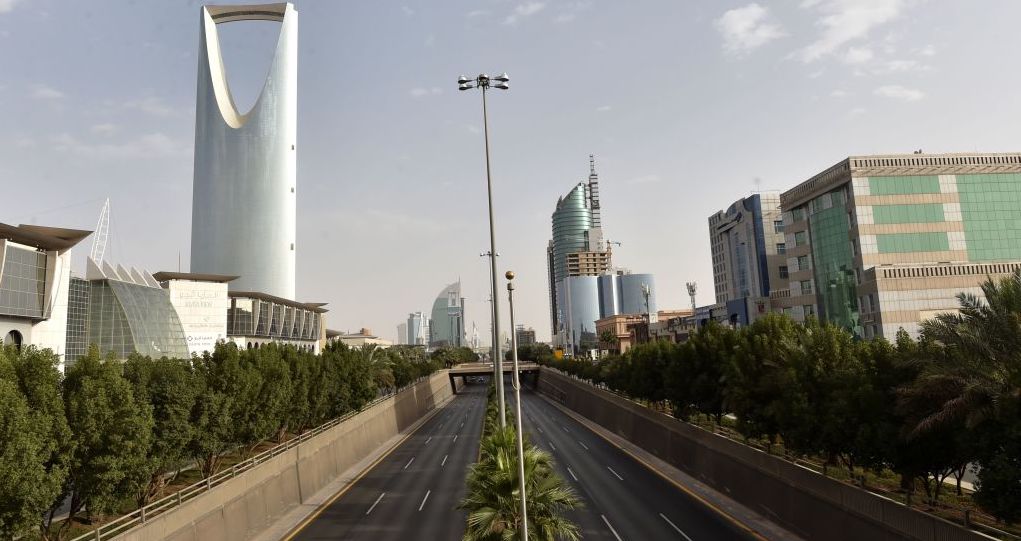
A perceived lessening of the U.S. security umbrella would leave the Saudis far more vulnerable regionally and could force additional policy adjustments.
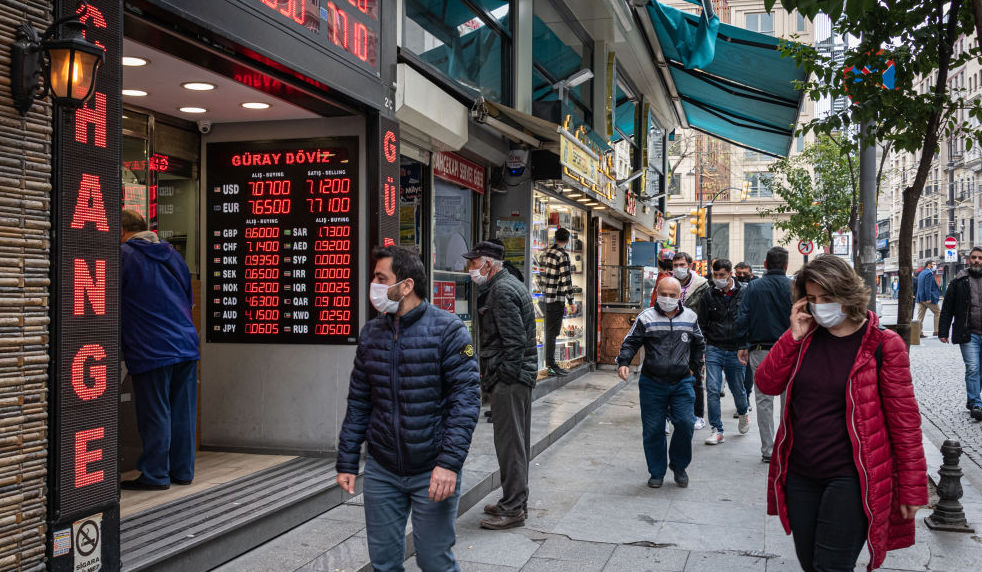
The central bank has depleted its reserves dramatically by funding state bank interventions in defense of the lira.
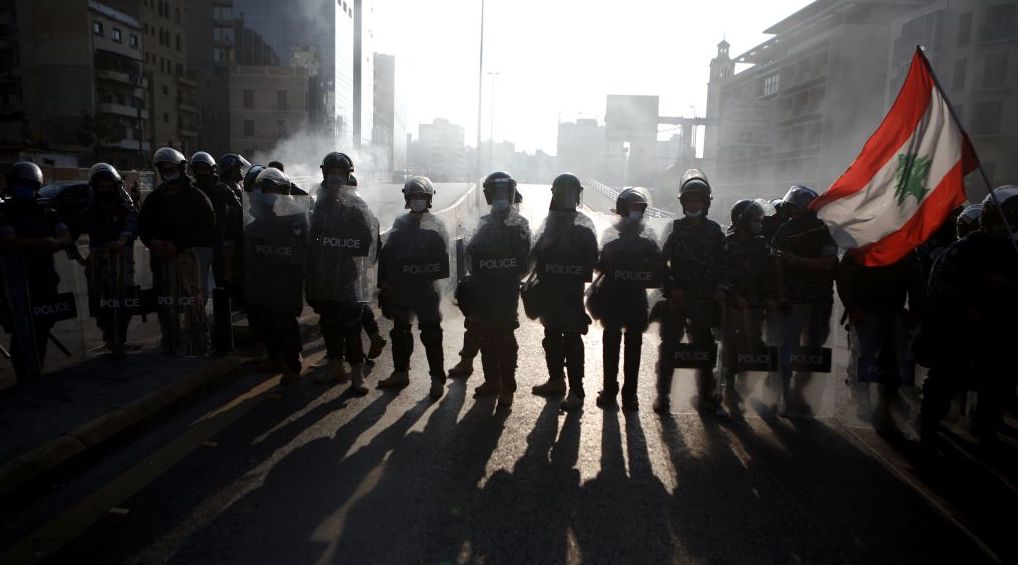
For too long, Washington has been an accomplice of the rampant corruption in Lebanon, choosing to look the other way as it deals with officials known to be implicated in various corrupt schemes.
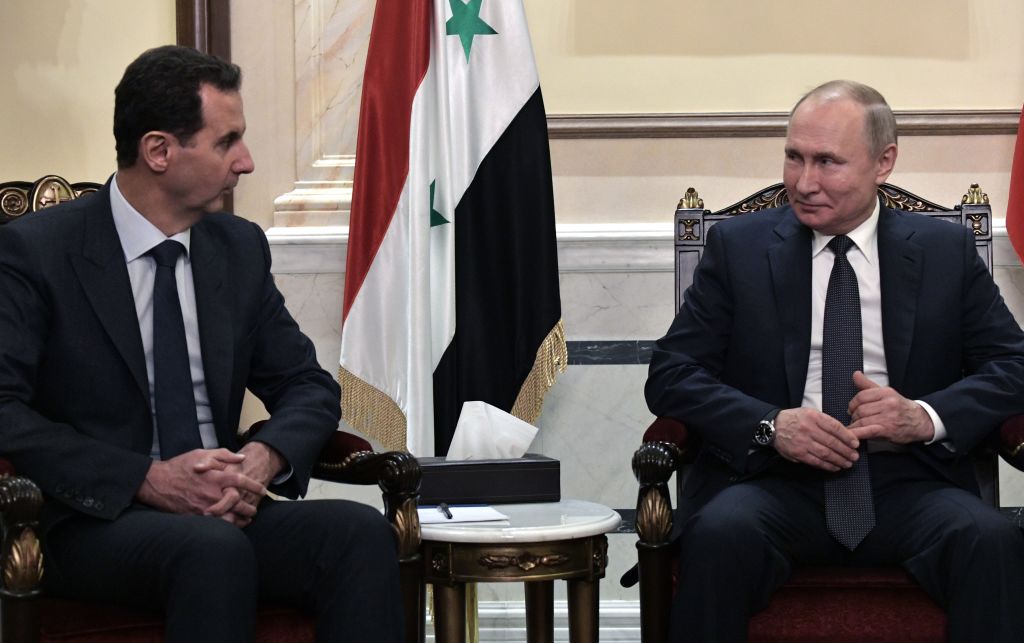
In recent weeks, a flurry of commentary from prominent voices and publications in Russia has seen a wave of criticism directed at Syria’s Assad regime. Accusations have been leveled against the regime of corruption, warlordism, and incompetence, as well as an obsession with achieving unrealistic military objectives at the expense of dwindling resources, reconstruction, and political and economic reforms.
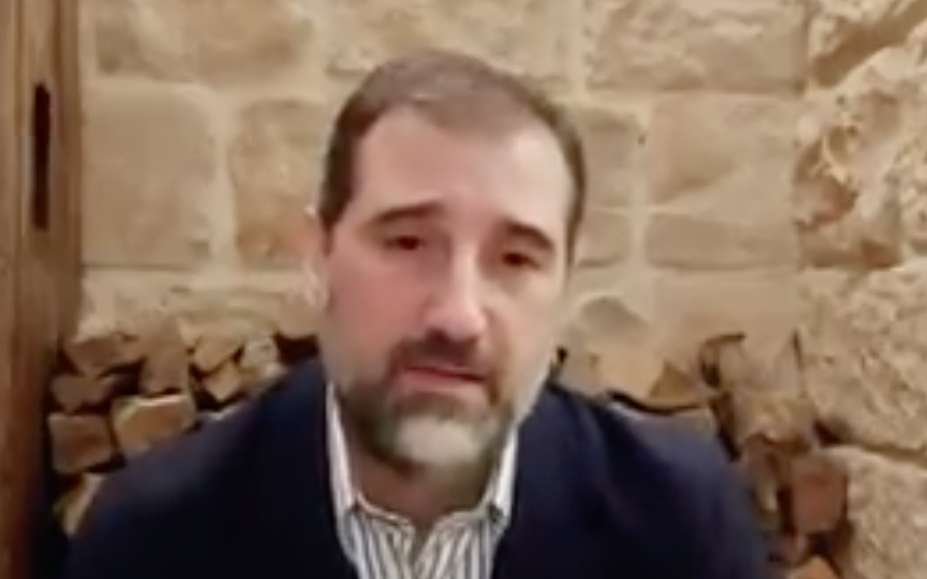
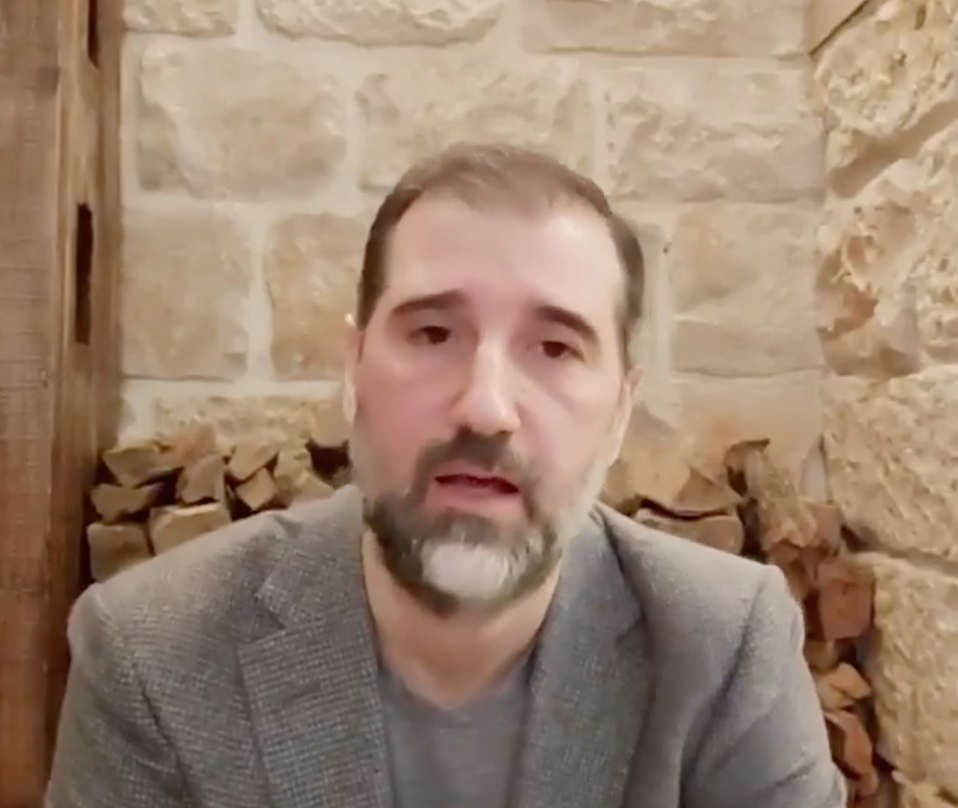
In a series of videos posted on Facebook this week, Rami Makhlouf called out the upper echelons of Syria’s political establishment, of which he had been an integral part for over two decades. By making his feud public Makhlouf has created an unprecedented rift within loyalist ranks, transforming his dispute with Syria’s ruling elite from one that was tightly controlled and behind closed doors to an out in the open, nationwide row the likes of which haven’t been seen since Hafez al-Assad’s standoff with his brother Rifaat in 1984.
The fact that Makhlouf chose to go public heightens the stakes at play at the top of the regime and within the Alawite clan, arguably more than ever.
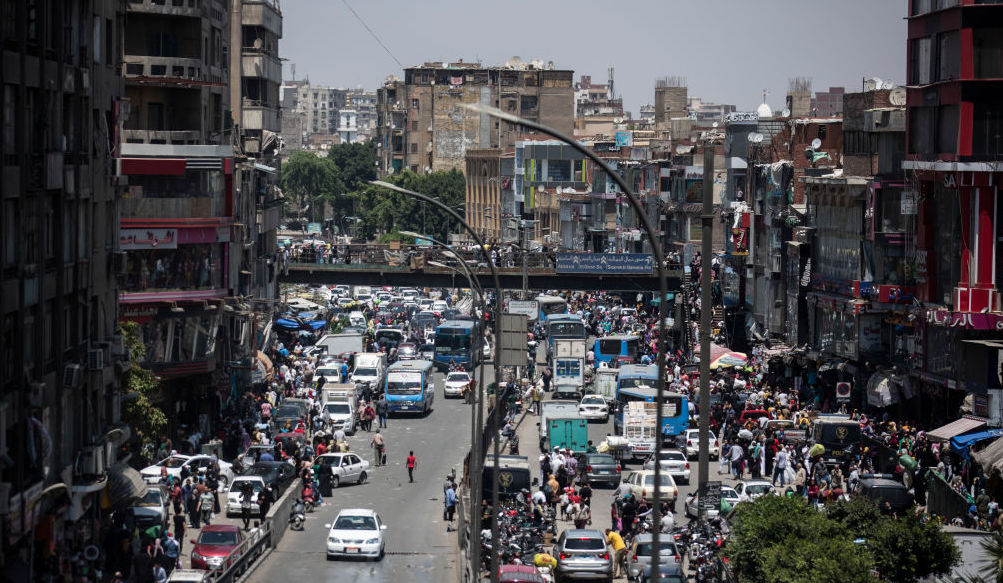
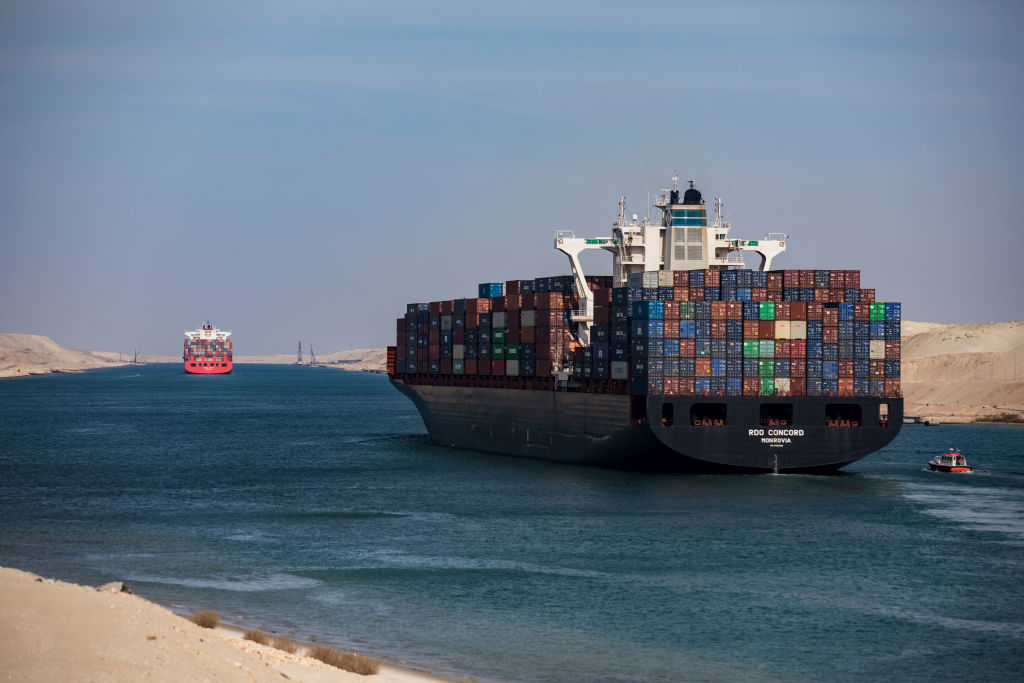
It’s difficult to overstate the importance of the Canal to the international shipping trade, but it’s importance to Egypt economy is even greater still.
It is not yet clear who will emerge as the winners and the losers from this latest crisis in a country that has experienced so many.
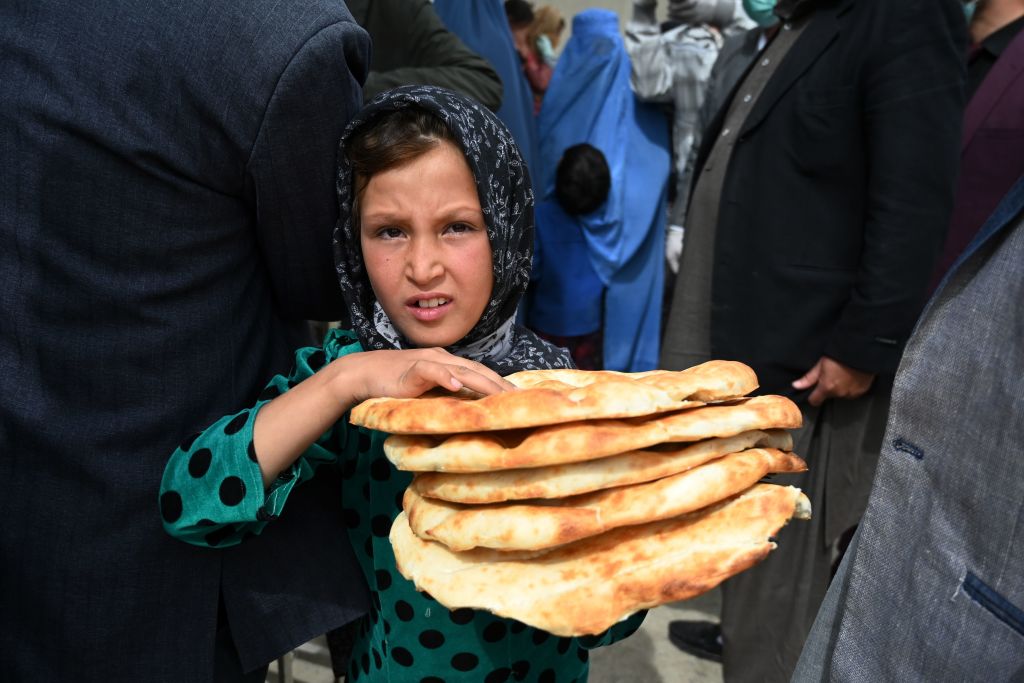
Rather than seeing the spreading virus as a common enemy, the Taliban seem to be viewing the health crisis as opening new military opportunities.
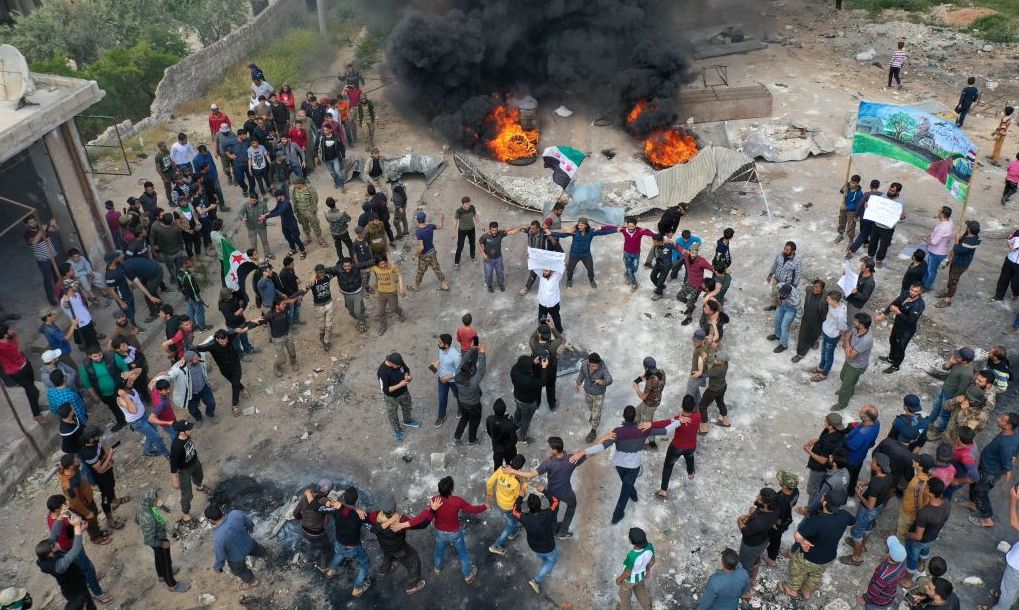
With its territory under increasing pressure, its finances dwindling, and manpower more challenged than ever, HTS’s ability to balance its extremism with controlled uses of pragmatism is under strain. Internally, its leadership is bitterly divided over decisions of the past, present, and future and externally, its rivals and enemies all appear to be conspiring against it. In an attempt to protect internal cohesion, HTS has become determinedly self-assertive in recent weeks, pursuing unpopular policies such as trading with the regime and lashing out at those brave enough to express their dissatisfaction. In response to HTS aggressions, a wider array of opposition voices — both moderate and Islamist — are declaring loudly that HTS now represents a threat to their revolution.
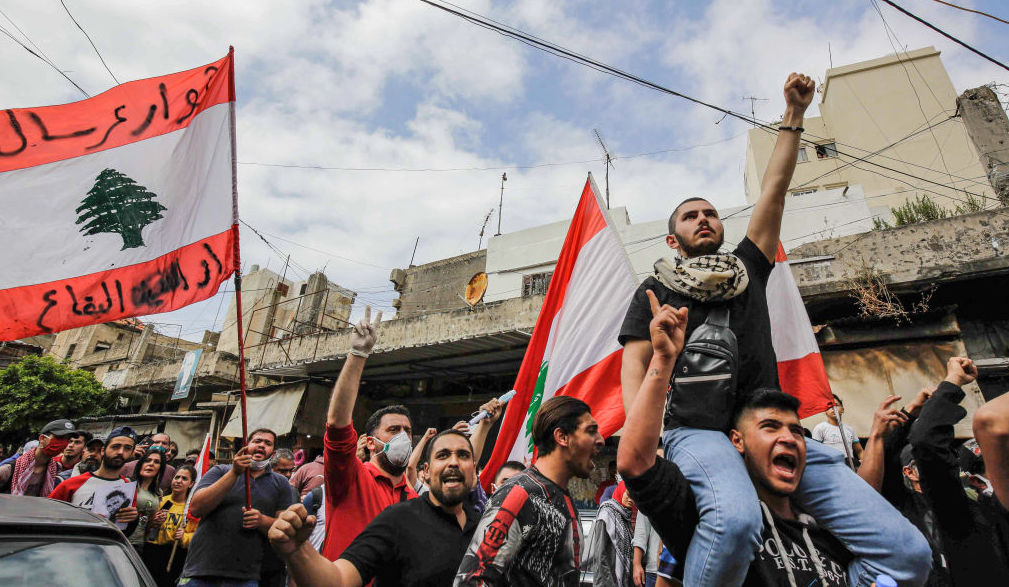
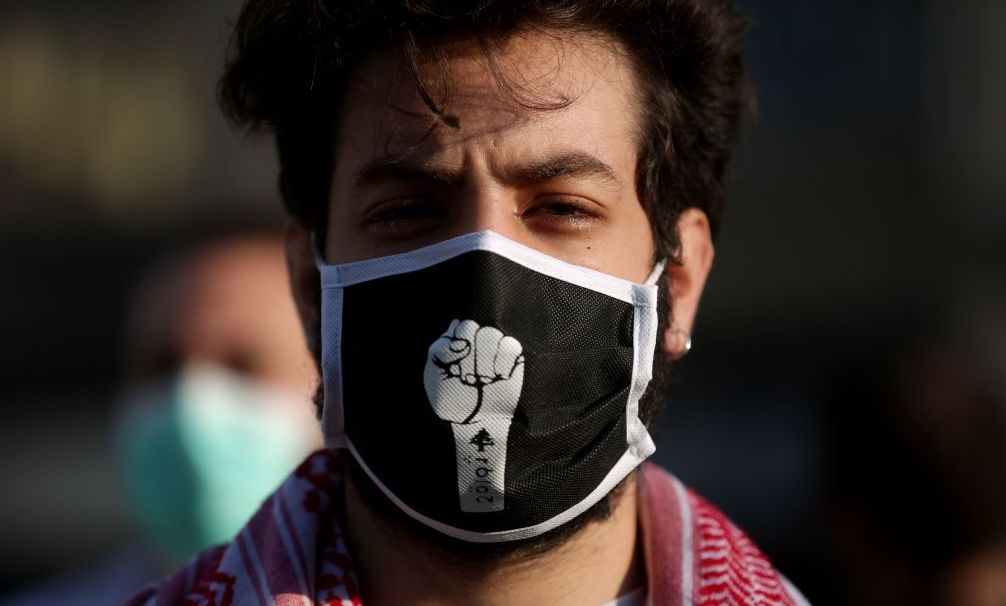
In a country already beset by economic and financial crises, COVID-19-related lockdown measures, without accompanying government assistance, are increasingly pushing impoverished residents to the brink. Lockdown measures will gradually start to lift this week. But the lockdown only accelerated the inevitable economic freefall and lifting the measures will not solve the country’s economic woes. “There is a predicament coming that is much bigger than corona … the economy is the bigger crisis,” a political activist in Dahiyeh says.
Climbing unemployment is a major specter for Egypt.
President Vladimir Putin’s plans to change Russia’s Constitution and stay in power beyond 2024 have been hampered by COVID-19 and the oil price crash.