في مرمى النيران: كيف تقوض الحرب بين إيران وإسرائيل أجندة أردوغان
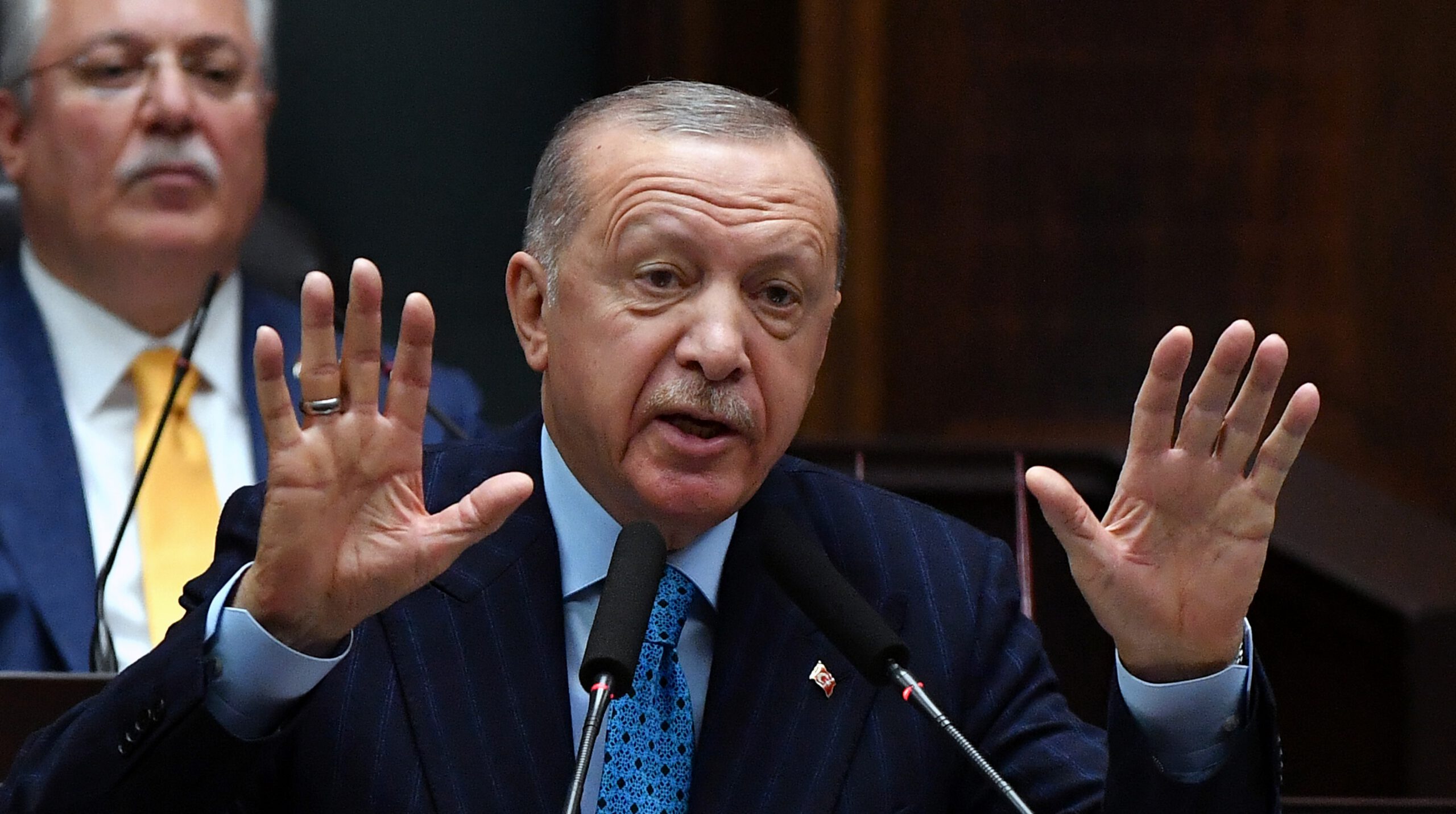
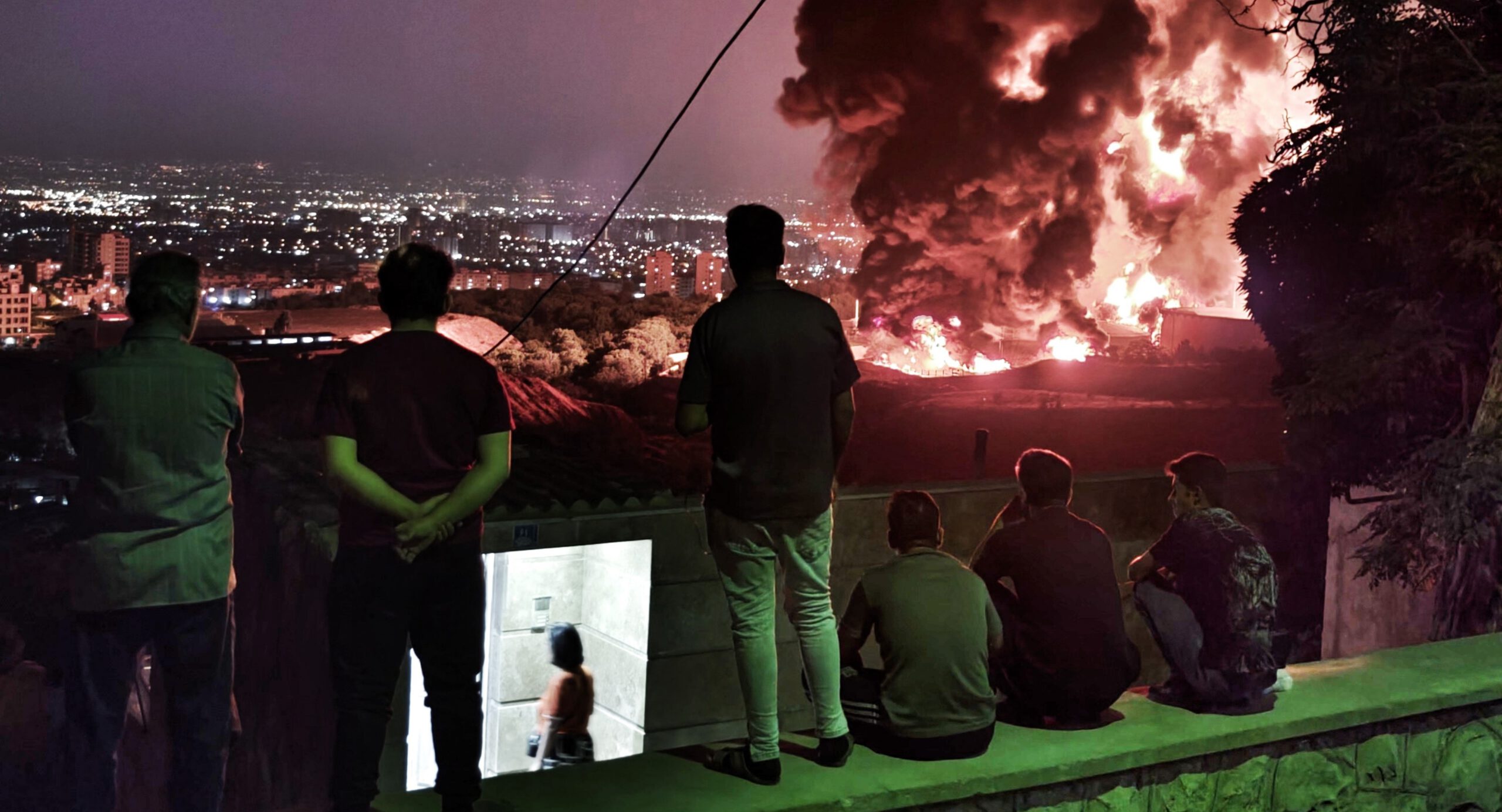
تهدد الحرب الشاملة التي تشنها إسرائيل على إيران بقلب الديناميات الإقليمية وتوازن تركيا الدقيق. ويشكل هذا الصراع تهديدات فورية ومخاطر استراتيجية طويلة الأمد لتركيا.
الولايات المتحدة لديها فرصة لفرض تنازلات على إيران في صفقة محتملة
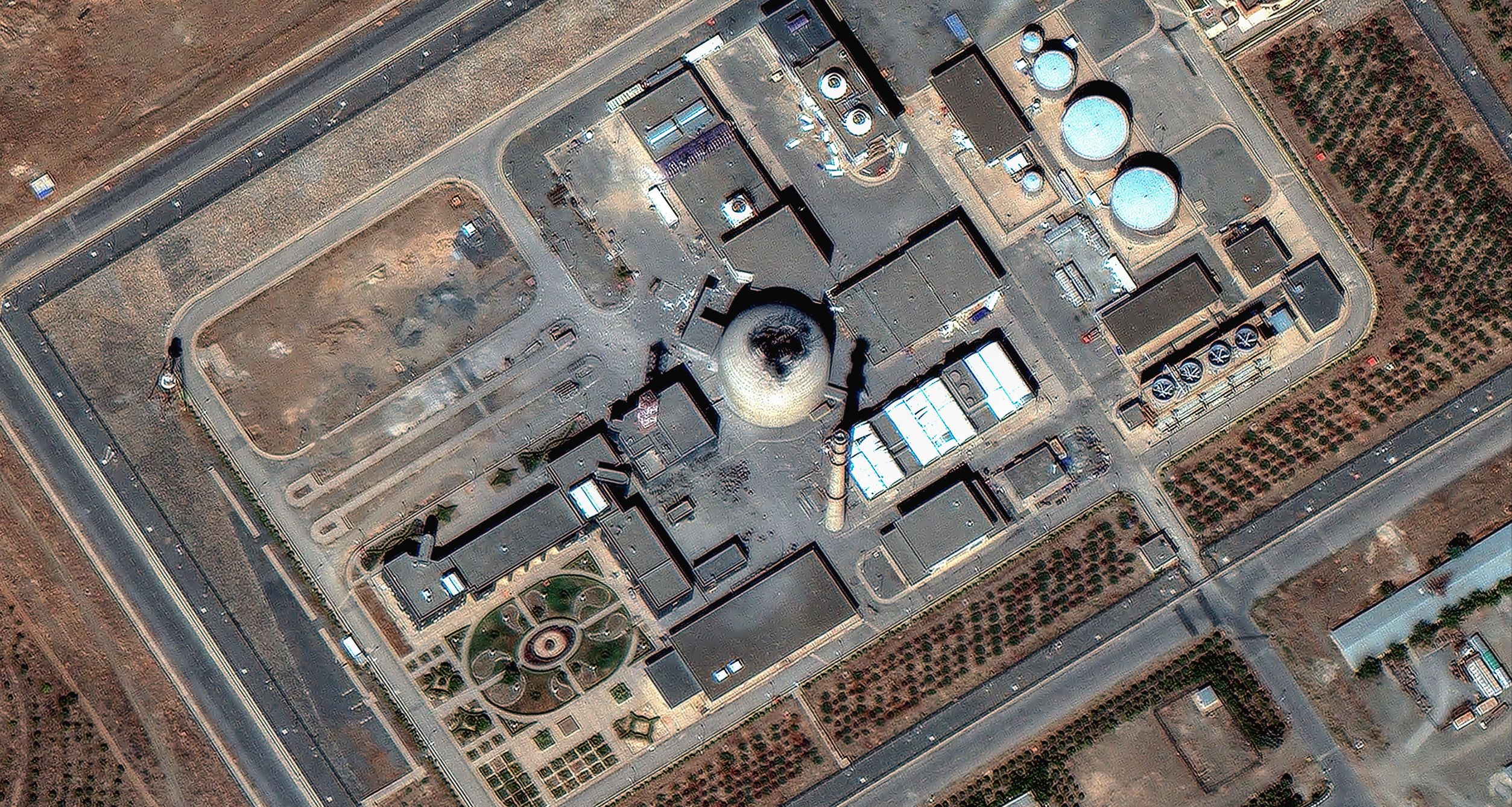
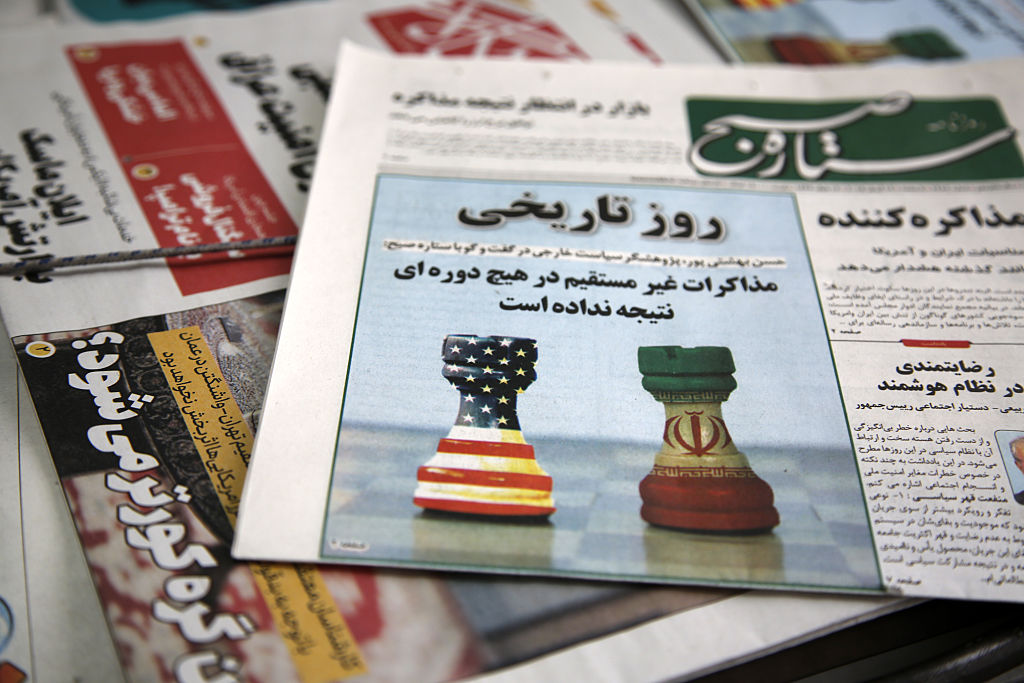
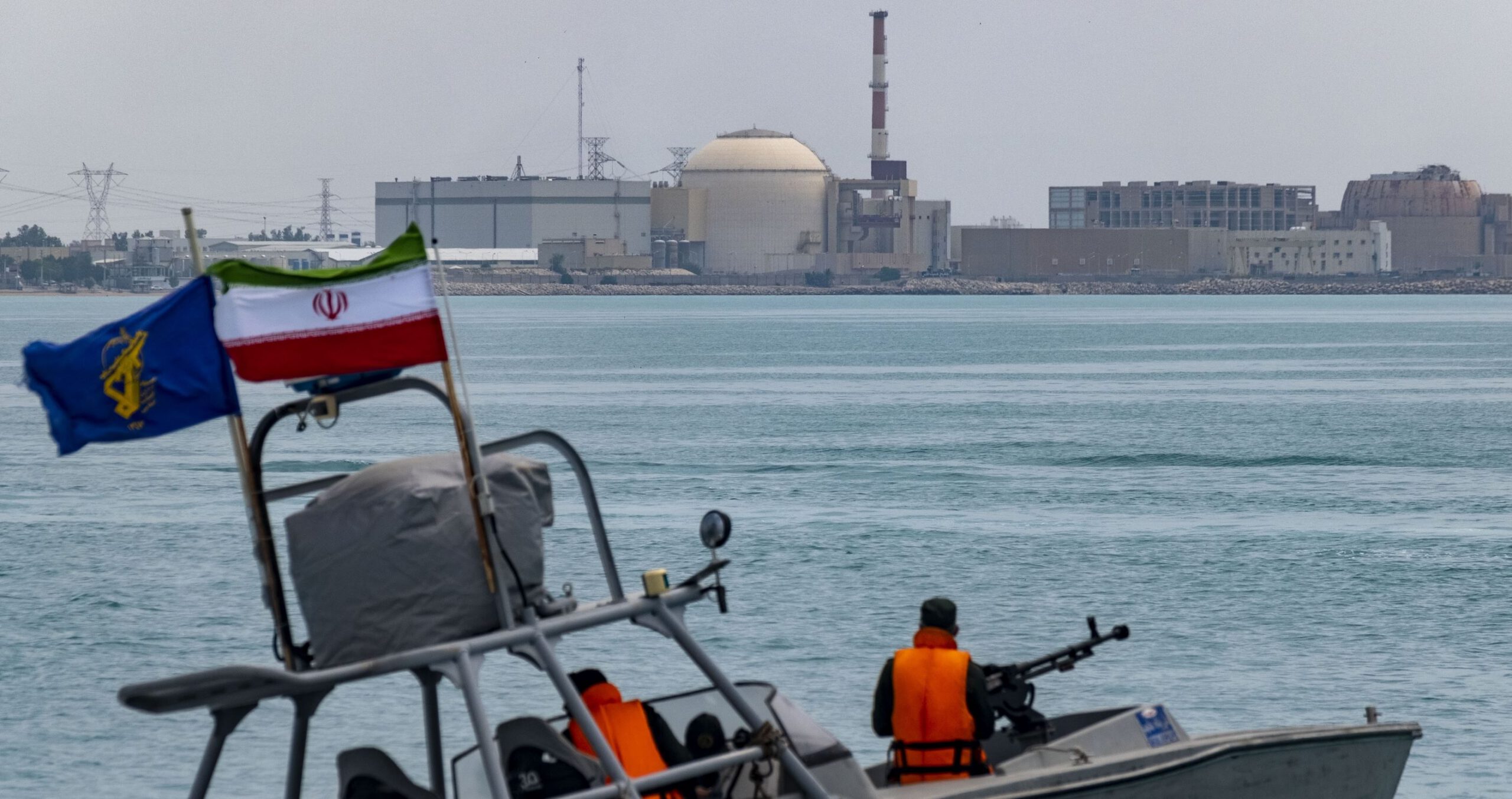
مع اشتداد الصراع بين إسرائيل وإيران، تتزايد التحذيرات من أن الحرب قد تؤدي إلى انتشار إشعاعي خطير ومدمر في معظم أنحاء المنطقة. لكن مواقف مختلف الأطراف الفاعلة الرئيسية في الخليج وخارجه فتحت الباب أمام تسوية سياسية أوسع بين الولايات المتحدة وإيران يمكن أن تنهي الأعمال العدائية قبل أن يتحقق مثل هذا السيناريو الخطير.
Where do we go from here? Day 5 of the Israel-Iran war
The past four days have clarified much about what Israel wants from this conflict, what Iran can and cannot do to fight back, and what decisions confront the American president over the next few days.
America moves closer to the brink of maximum uncertainty at home and abroad
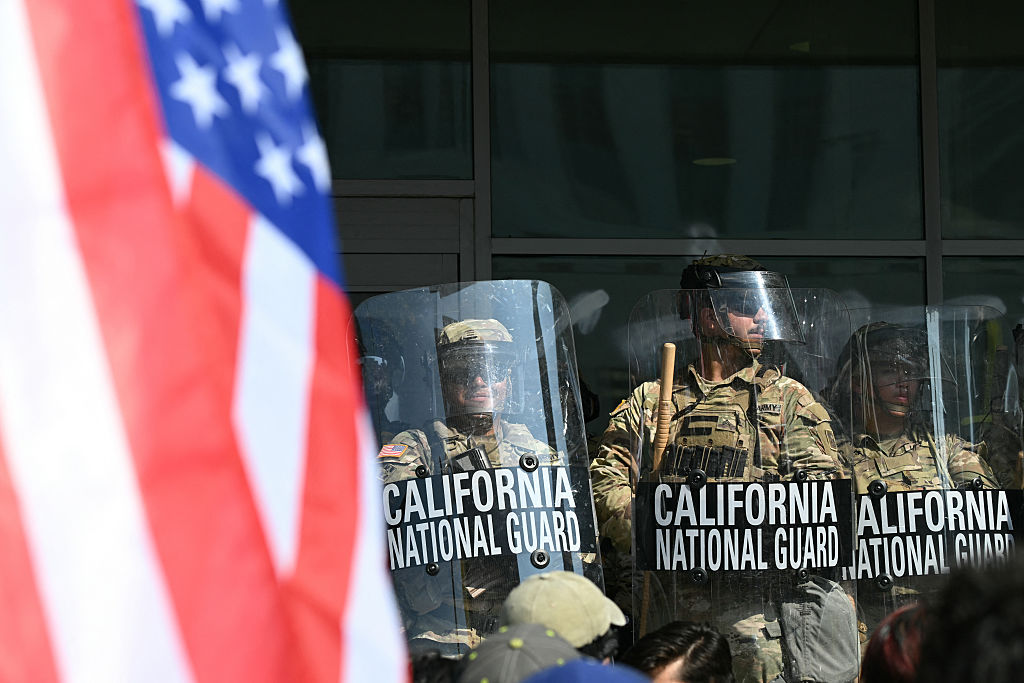
The spotlight in America this week is trained on the home front, with growing tensions inside the country over President Donald Trump’s immigration crackdown and a showdown unfolding on the streets of Los Angeles. At times like these, the rest of the world has a way of intruding, sometimes unexpectedly, and Trump 2.0’s foreign policy is still struggling to produce a major positive outcome from its frenetic activity trying to end kinetic wars while prosecuting an unprecedented economic war with much of the rest of the world.
العودة إلى الواقع: الجاذبية لا تزال قائمة بعد رحلة ترامب
الواقع القاسي للتهديدات والتحديات التي تواجهها المنطقة، مثل إيران وحرب غزة، لا يزال قائماً بثبات بعد ضجة جولة ترامب "الربيعية" التي تميزت بأرقام مذهلة بالدولار وعرض طائرة جامبو فاخرة من قطر.
على ترامب أن يستفيد من الزخم مع سوريا ويساعد في منع وقوع صدام بين تركيا وإسرائيل
هناك تطوران حديثان يمنحان الحكومة السورية الجديدة فرصة حاسمة لتحقيق الاستقرار في البلاد. أولاً، أعلن الرئيس الأمريكي دونالد ترامب عن خطط لرفع العقوبات عن سوريا. ثانياً، أعلن حزب العمال الكردستاني أنه سيحل نفسه ويصفي نفسه - وهي خطوة ستساعد دمشق على إبرام اتفاق مع قوات سوريا الديمقراطية ودمجها في الجيش الوطني السوري الجديد. يجب على الرئيس ترامب أن يستفيد من هذا الزخم ويغتنم الفرصة لمعالجة أحد أكثر التحديات تعقيداً التي لا تزال تواجه سوريا: خطر حدوث مواجهة عسكرية بين تركيا وإسرائيل داخل البلاد.
تقييم منتصف الطريق لرحلة ترامب التاريخية إلى الشرق الأوسط
كان أحد المحاور الاستراتيجية في الأشهر الأولى من ولاية ترامب الثانية هو تعميق التعاون الاقتصادي بين الولايات المتحدة والاقتصادات الرائدة في منطقة الخليج. وبالتالي، أسفرت المرحلة الأولى من رحلته إلى المنطقة عن وضع نموذج لتعميق العلاقات بين الولايات المتحدة والسعودية.
The Damascus-SDF agreement two months on: Fragile progress or delayed collapse?
On March 10, 2025, Ahmed al-Sharaa, the president of Syria, and Mazloum Abdi, the commander-in-chief of the Syrian Democratic Forces, signed a historic agreement, ending a long-running divide between Damascus and the Democratic Autonomous Administration of North and East Syria. Now, two months after the deal was signed, how far has it progressed, and what are the main obstacles and disputes between the parties during this transitional phase?
President Donald J. Trump’s trip to the Middle East on May 13-16 comes on the heels of more than three months of whirlwind activity in US foreign policy where the region has been a higher priority than it was in the early months of the previous US administration. The US president has gained attention by proposing some provocative ideas and his team has made some signs of progress in talks with Iran, but thus far the second Trump administration has produced very few tangible advances for stability, prosperity, and progress in the Middle East. The following report assesses the US government’s actions on Middle East policy over the past three months, from late January to late April 2025.
Three issues to watch in Trump’s emerging Iran policy approach
The biggest development this past week in the Middle East policy of Trump’s second administration was the initiation of talks between the United States and Iran. This small sign of hope for diplomatic progress comes at a time when the administration continues to implement an assertive and unpredictable economic unilateralism that has roiled global markets and reduced trust and confidence between the United States and most close international partners. Brian Katulis unpacks three things to watch closely as Trump’s Iran policy evolves and his broader national security approach unfolds.
ISIS is on the ropes in Syria. A successful transition in Damascus could deliver a knockout blow
For much of the past two decades, ISIS has enjoyed favorable conditions in Syria, but since the fall of Bashar al-Assad’s regime in December 2024, dynamics have changed. With Assad’s departure, ISIS lost its long-standing and vitally important safe haven in Syria’s central desert and its most significant driver for recruitment. The results — so far — have been dramatic.
الشهران الأولان من عهد ترامب 2.0 في الشرق الأوسط: ضغوط شديدة لتحقيق إنجازات صعبة المنال
يركز الرئيس دونالد ترامب على تحقيق إنجازين تحويليين فشل أسلافه في تحقيقهما: إنهاء الصراع العربي الإسرائيلي، الذي يتمحور حول اتفاق ثلاثي بين الولايات المتحدة والسعودية وإسرائيل، واتفاق بين الولايات المتحدة وإيران. وكلاهما سيكون إنجازًا تاريخيًا. لكن حتى الآن، ثبت أن التقدم في كلتا الحالتين صعب ومتعثر.
الضباب الكثيف للتكتيكات والدعاية في سياسة ترامب الخارجية
كشفت المحادثة المسربة على تطبيق Signal بين كبار المسؤولين في الإدارة الأمريكية حول الضربات العسكرية ضد الحوثيين عن المشاكل الأساسية في نهج ترامب 2.0 الناشئ للأمن القومي: ميل قوي إلى إعطاء الأولوية للتكتيكات والدعاية في إدارة شؤون الدولة دون إطار استراتيجي واضح وعملي للتعامل مع أكبر التحديات في العالم والشرق الأوسط.
تقوم إيران بتخزين ما يكفي من اليورانيوم المخصب القريب من الدرجة العسكرية لصنع سلاح نووي في غضون أسابيع أو أشهر، وليس سنوات. والرئيس دونالد ترامب، الذي انسحب في عام 2018 من الاتفاق النووي الذي كان من شأنه تأجيل هذه الإمكانية، يناشد الآن إجراء مفاوضات مع طهران. لكن في الشرق الأوسط، لا تقتصر المسألة النووية على إيران وحدها.