Courting danger, Erdoğan ramps up reliance on China
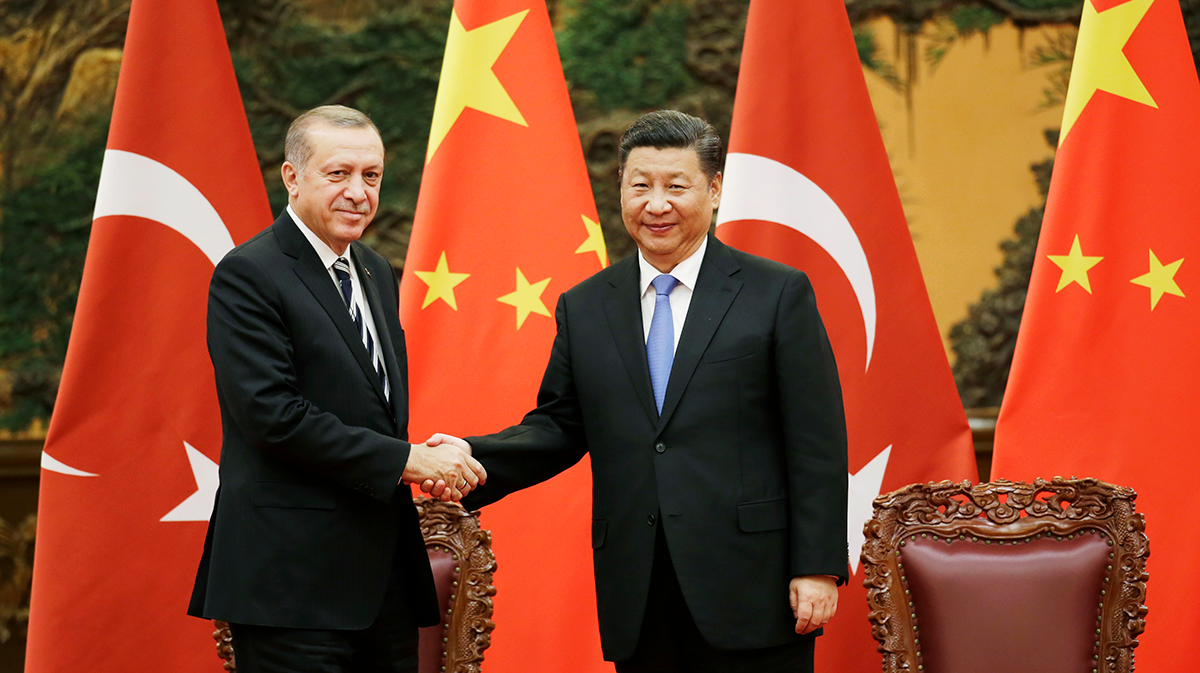
China’s recent multi-sectoral engagements in Turkey suggest that the Black Sea region’s significance is on the rise in Beijing, and under President Erdoğan, Turkey has consistently sought its favor and investment.
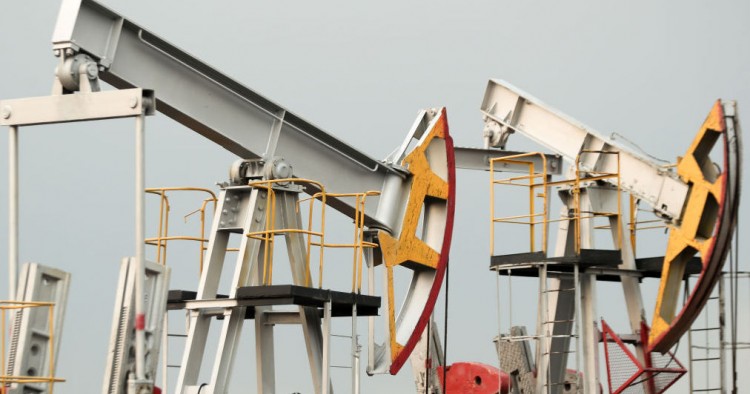
OPEC+ oil producers are unlikely to step back from their plans to increase production, as both the short-term market forecasts and long-term expectations of structural changes in the global oil market are forcing producers to focus more on market share expansion.
Afghanistan must address existential and structural challenges before tapping natural resource wealth
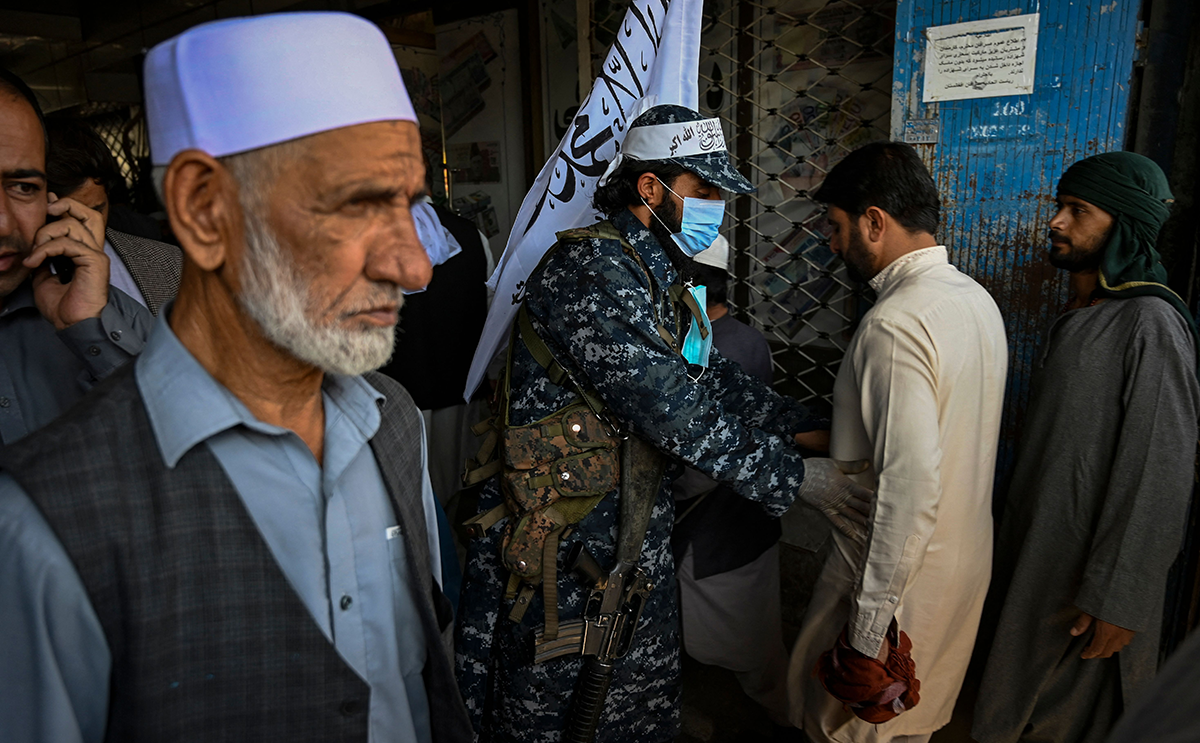
Right now, Afghanistan is on the cusp of an economic collapse, not some Chinese investment bonanza. Its immediate challenges are existential. And until economic, political, and security conditions stabilize, and legal and regulatory frameworks for investments are in place, Afghanistan’s connectivity and mineral wealth dreams will remain just that.
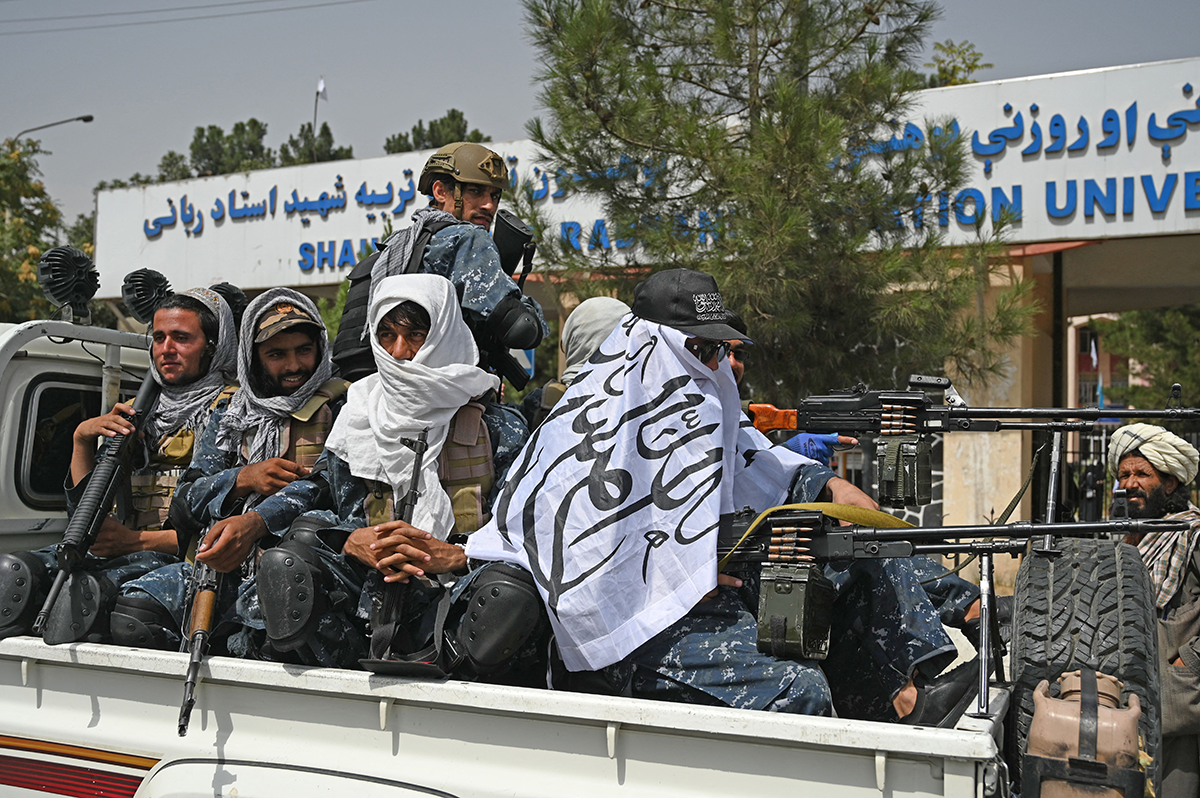
Though aware of the weaknesses of the former Afghan government, none of the Central Asian governments seemed prepared for the rapidity and decisiveness of the Taliban victory. Not unreasonably, Central Asians fear that it will spur the growth of regional terrorism and extremism, either through direct Taliban sponsorship or inspiration. The five Central Asian states backed the anti-Taliban opposition in the 1990s and then the U.S.-led NATO military campaign in Afghanistan after 2001. Presently, the Central Asian governments are eschewing policies that could antagonize the new regime while looking for indications whether the Taliban have genuinely turned over a new leaf and renounced international terrorism. If they have, then some Central Asian countries seem open to economic and perhaps other cooperation. If not, Central Asians will likely rely on Russia for enhanced security support.
East Med gas needs clean tech and regional integration to support investment case
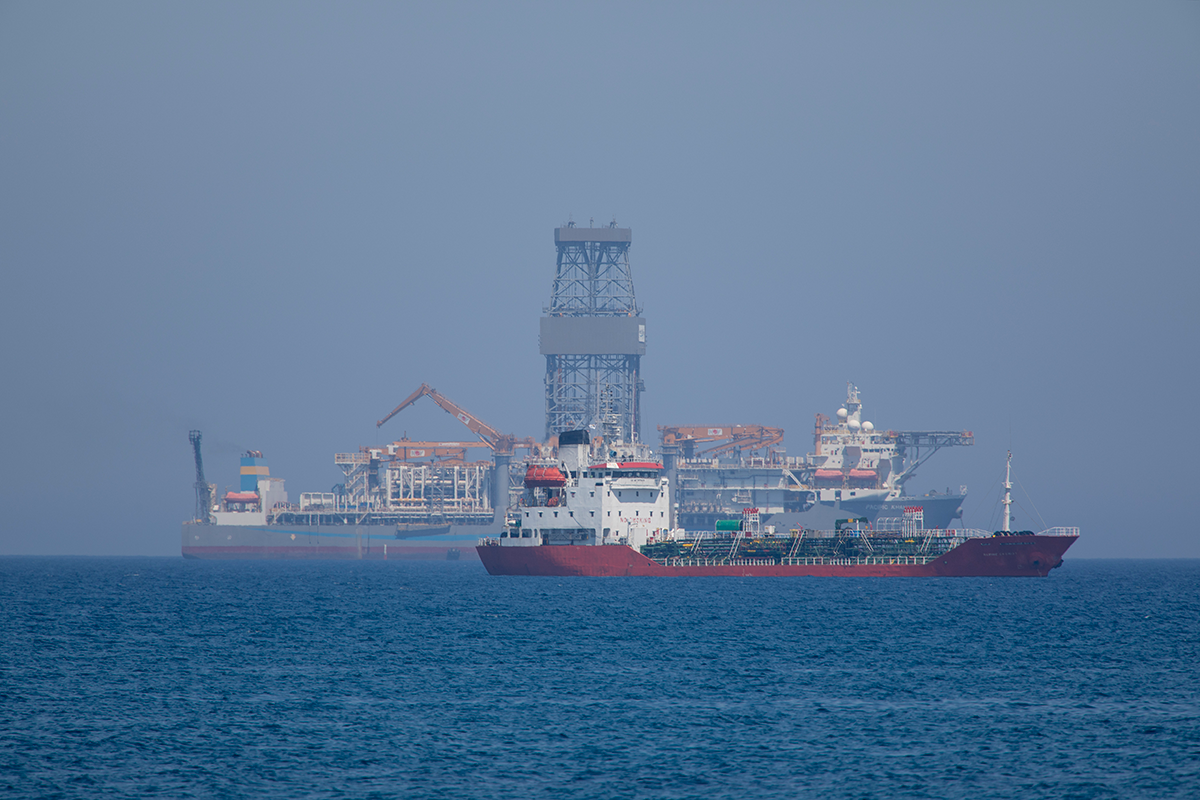
The viability of Eastern Mediterranean natural gas resources has long been a source of debate for reasons including cost considerations, market demand, and regional geopolitical tensions. The past couple of years have further complicated the debate, introducing new questions about the role of these resources in supporting post-pandemic economic recovery or helping more advanced markets achieve net-zero policies by replacing coal and other fuel sources (a particularly relevant topic of debate given Europe and Asia are key export targets for East Med gas).
Budget dust: Better approaches for security and sustainability — lessons learned from Iraq and Afghanistan
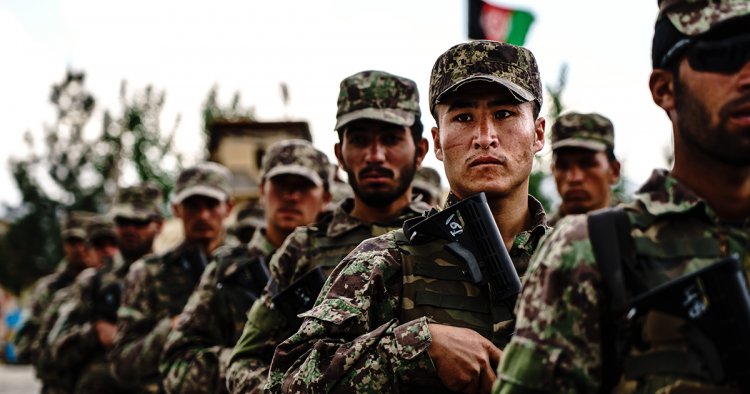
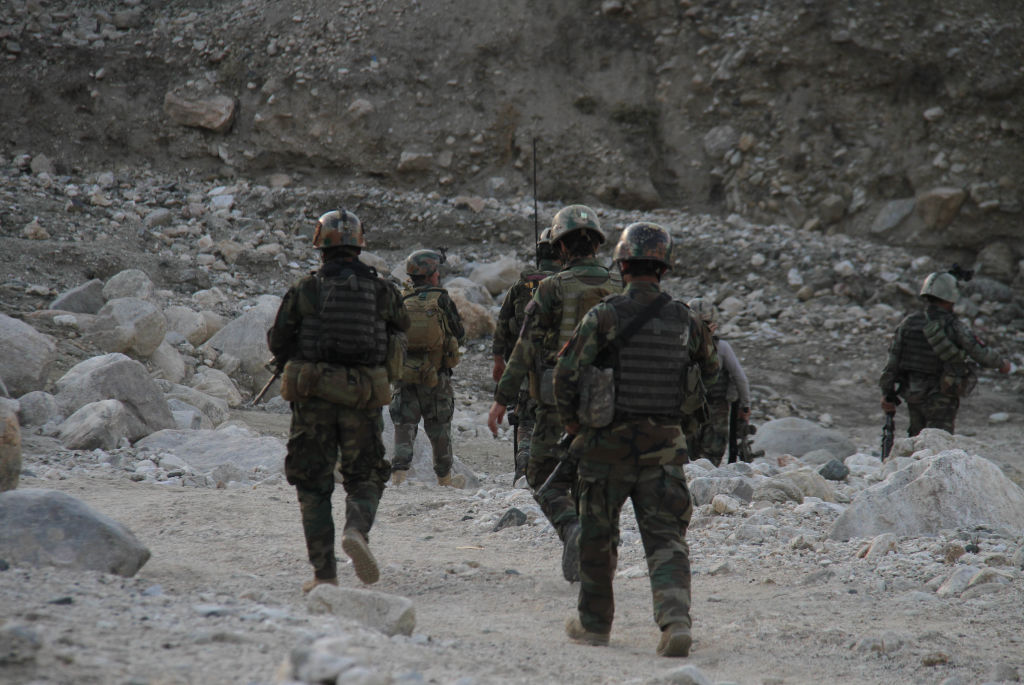
It took the Taliban just three and a half months to undermine a 20-year international effort to build a competent Afghan military. The Afghanistan National Army (ANA) collapsed once it was clear the U.S. was pulling out ground troops and ceasing air support operations after two decades of training and sustainment that cost the American taxpayer approximately $83 billion. When required to stand alone, against a Taliban force, the ANA failed unequivocally. Building the ANA as a mirror image of the U.S. military was strategically and operationally flawed. If they are designed to fight like the U.S. but cannot fight in the absence of U.S. forces, they are ineffective. What lessons should we learn from this and how could our approach be different in the future?
Mega-projects and Small Enterprises: Understanding Saudi Arabian Banks’ Role in Economic Development
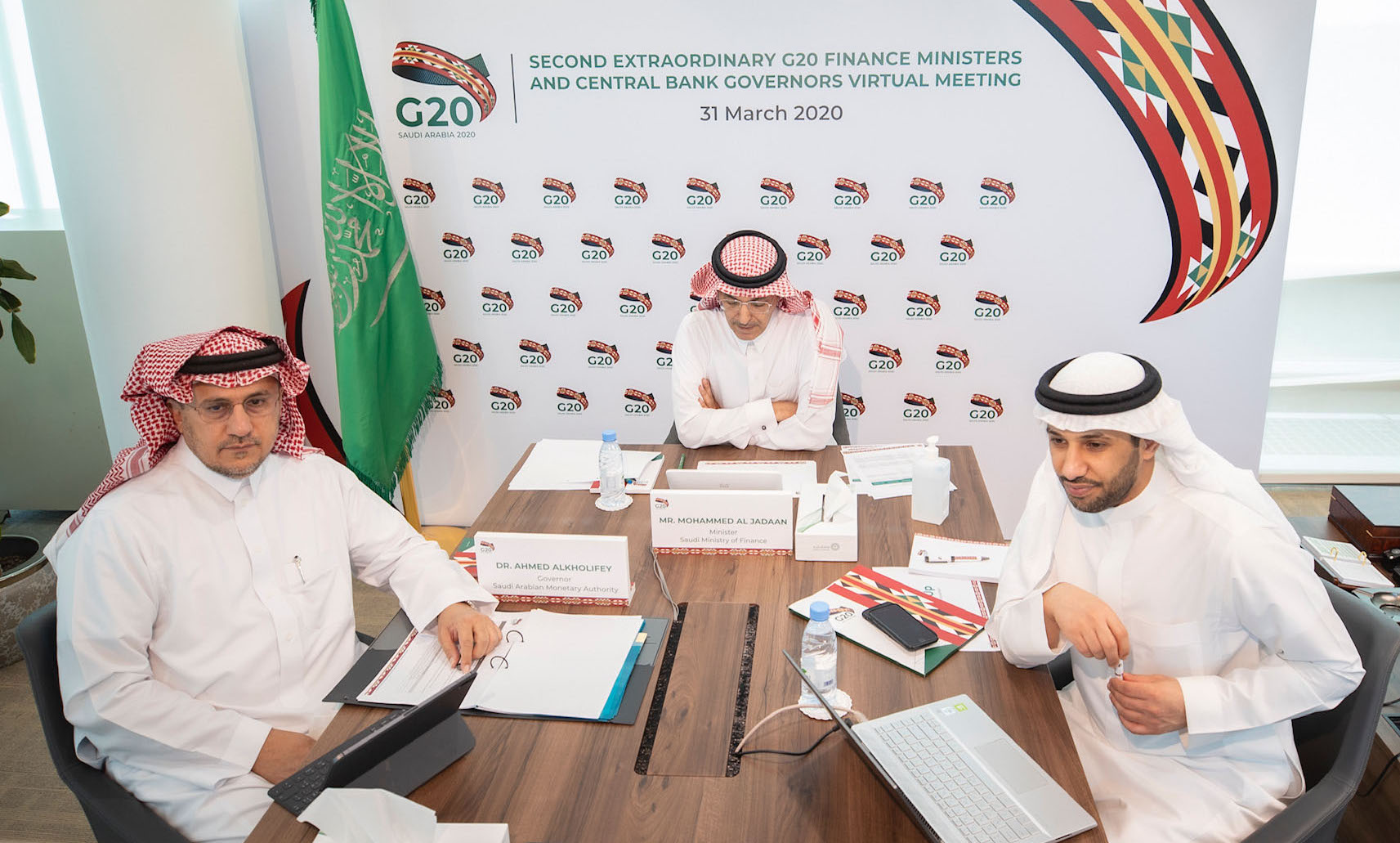
Vision 2030 promises a transformation of Saudi Arabia’s economy, and the financial sector will be crucial to achieving this. The sector will facilitate private investment focusing on small and medium-sized enterprise (SME) financing, fund mega-projects, and be a driver for diversifying away from oil. As a result, banks’ role must go from being distributive and largely passive to developmental and active. This article will highlight how the role of the Saudi banking sector has been transformed in the last five years and how its composition is changing to cope.
Baghdad, Beirut, and the politics of Lebanon’s power crisis
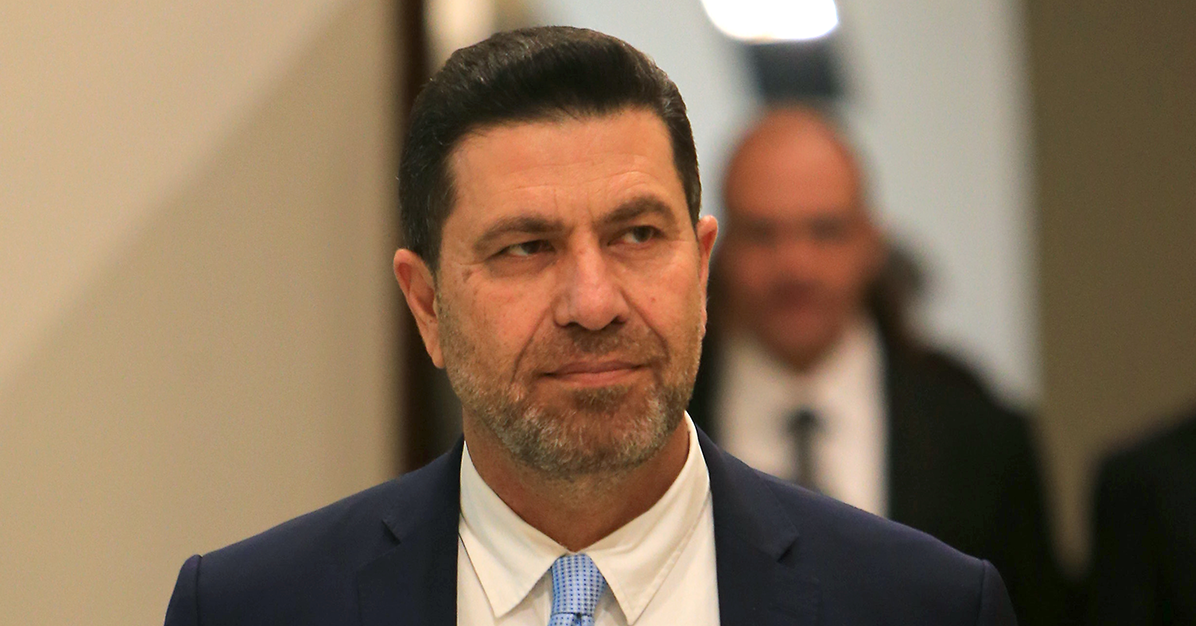
On July 24, Beirut and Baghdad signed a governmental framework agreement under which Iraq pledged 1 million tons of heavy fuel oil to Lebanon over a full year.
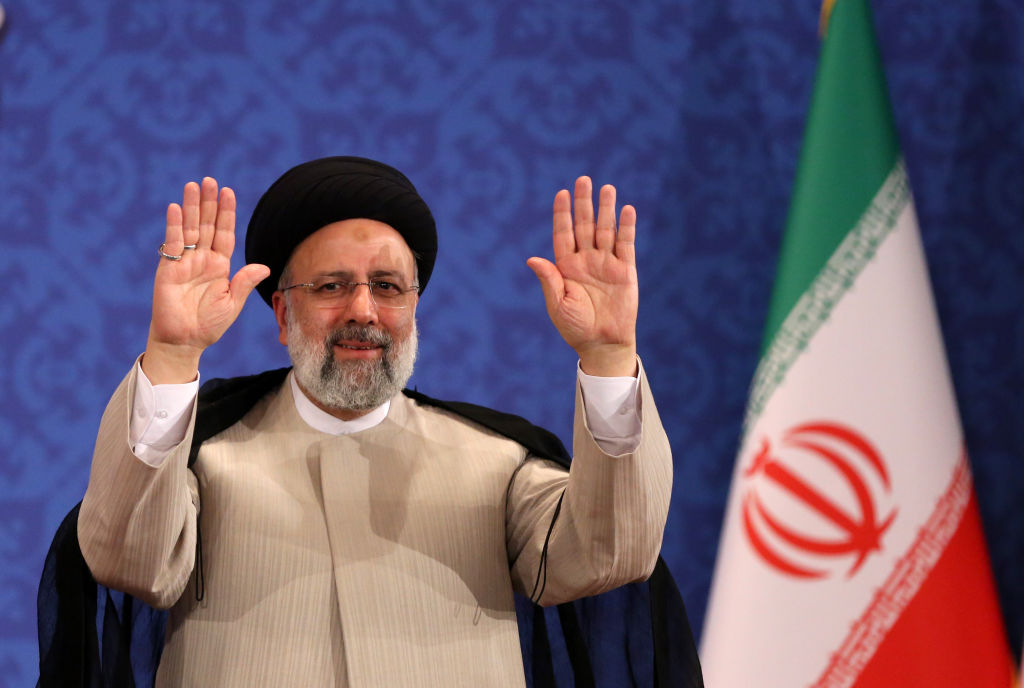
Iran’s President Raisi takes over a ruined country
On Aug. 25, Iran’s parliament voted on the cabinet of its new president, Ebrahim Raisi, approving 18 out of the 19 ministers put forward. Raisi’s government is full of revolutionaries likely to adopt a hardline approach to domestic and international affairs, leading to heightened geopolitical risk and potentially prolonging the country’s economic crisis.
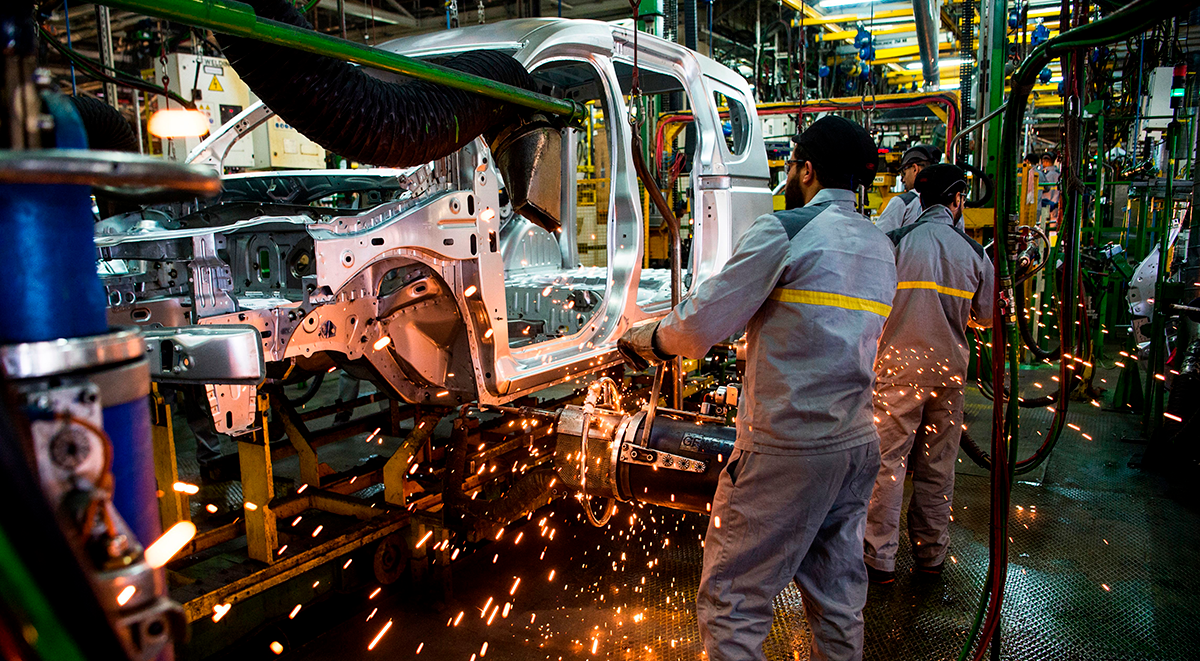
Morocco's “first in North Africa” electric car production is a European manufacturing gain over China
In an automotive first for North Africa, German automaker Opel will soon begin producing electric cars in Morocco. Opel’s electric car manufacturing in Kénitra leapfrogs China’s plan to build electric cars in Egypt, giving Morocco’s automotive industry an important first-mover advantage. The move also represents a strategic gain for European automotive manufacturing over China. As a gateway to West Africa, Morocco provides Opel and its parent company Stellantis a nearby production base for the eventual cost-effective export of electric vehicles to rapidly expanding markets in Sub-Saharan Africa.
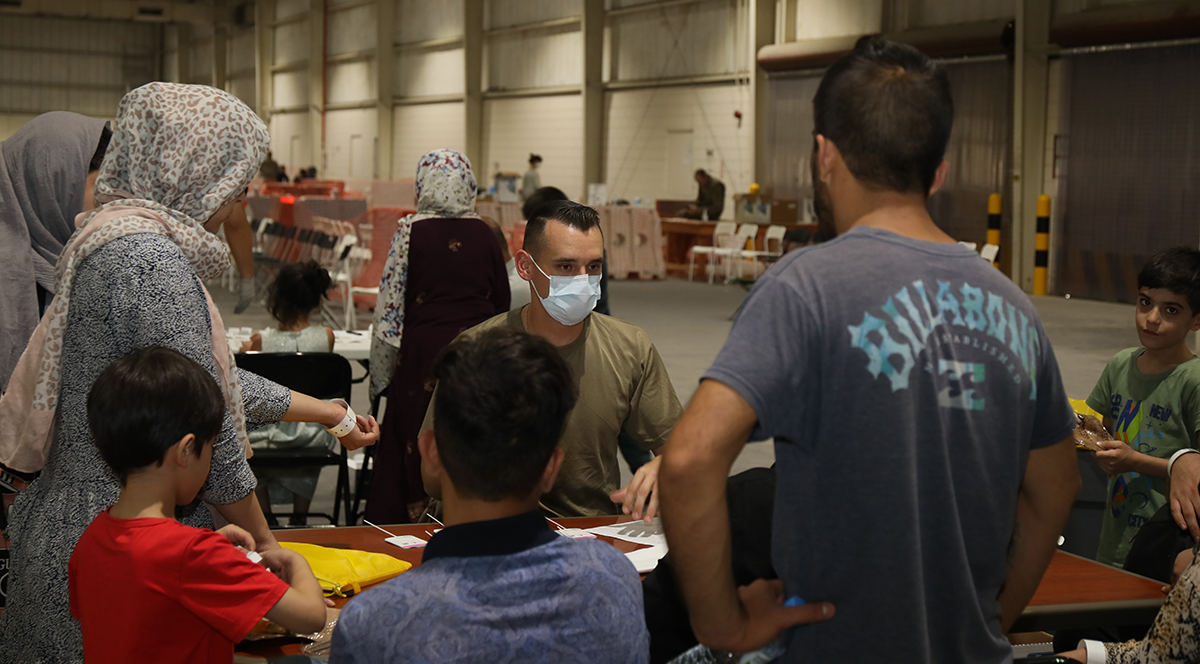
We rarely miss an opportunity to criticize our Gulf Arab partners — sometimes rightly so — for not doing enough to safeguard collective interests. But one must acknowledge that on Afghanistan, and especially our just-completed exit from the country, most of our Gulf Arab partners absolutely shined. They deserve a ton of credit for the role they played in our large, challenging, and deadly evacuation — a role which was nothing short of indispensable.
Mick Mulroy and Ken Tovo join host Alistair Taylor to discuss their recent paper on how US intelligence and military operatives effectively collaborated with local Kurdish partners in Northern Iraq in the early 2000s, why it was a successful partnership, and what lessons it may provide for future operations. The paper, “Irregular Warfare: A Case Study in CIA and US Army Special Forces Operations in Northern Iraq, 2002-03,” is available now on MEI’s website.
The CIA Is Better Than the U.S. Military at Creating Foreign Armies
The failure of the Afghan army is a reminder that Pentagon-led security cooperation programs are more expensive and less effective than those led by spies.
There is a puzzle in the profits of Gulf Cooperation Council (GCC) firms, especially conglomerates. Even as the size of GCC economies has grown considerably in the last two decades, corporate profits have been flat. With a goal of economic diversification to expand private sector business and job opportunities for citizens, the imperative to create an environment for growth is acute for regional governments. Tarek Fadlallah, CEO of Nomura Asset Management Middle East and a member of the Program on Economics and Energy Advisory Council, lays out some of the challenges for Gulf economic diversification and improved corporate profitability.
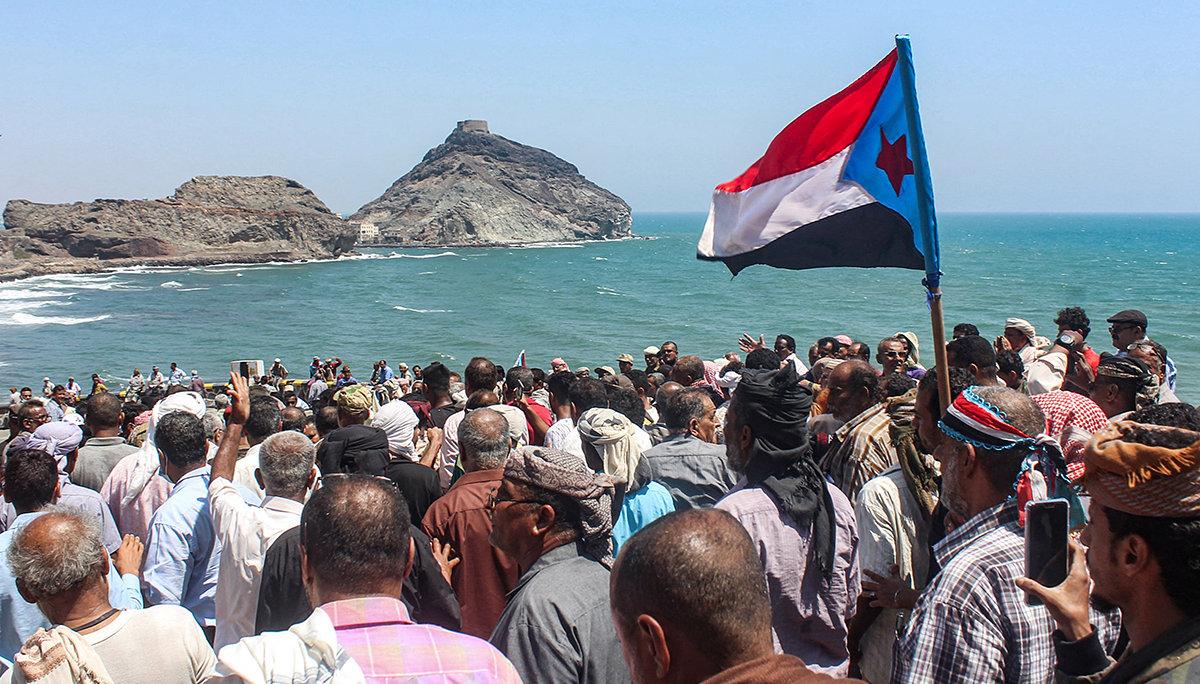
Southern inclusivity is key to Yemen’s chances for lasting peace
A reinvigorated international approach to Yemen is possible. The current architecture for advancing a negotiated peace is being challenged by both international and local developments. The protracted nature of the conflict, the risk that it could worsen, and local political developments over the past two years necessitate a recalibration of the peace process, informed by realities on the ground, the urgent needs of the population, and the demand for security. Evolving coalition priorities, renewed U.S. engagement, and the appointment of a new U.N. special envoy may be an opportunity to advance conflict resolution. Achieving greater unity among southern actors will be key to the success of national-level talks and is urgently needed to prevent a further descent into violence, extremism, and humanitarian catastrophe.