This text has been translated by AI and may contain errors.
Skip to Content

Research & Commentary Results

Filter by
1406 Results
Now more than ever, the US needs to reaffirm its commitment to Georgia
Photo by VANO SHLAMOV/AFP via Getty Images
  • Analysis
  • Now more than ever, the US needs to reaffirm its commitment to Georgia

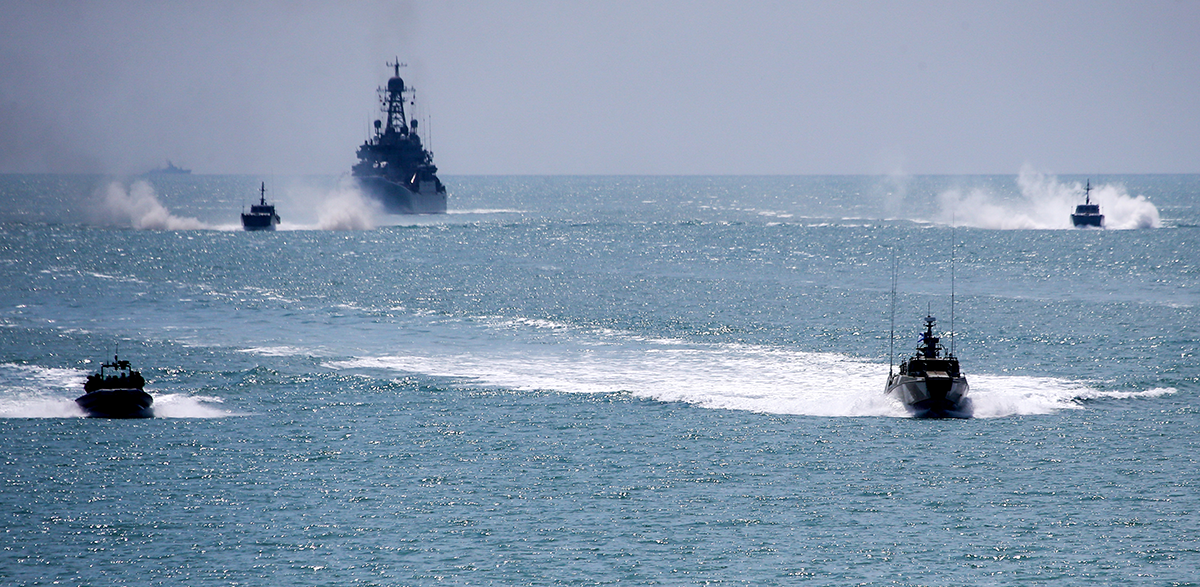
    As we near the 13th anniversary of the end of the Russia-Georgia war, we reflect on the continuing tragedy of Russia’s invasion and occupation of Georgia. The consequences of this Russian aggression continue to place a heavy burden on Georgia today. Since 2008, we have witnessed the country’s tremendous commitment to overcoming Russia’s malign influence. Georgians’ overwhelming and bipartisan support for the country’s path toward EU and NATO integration has not been diminished — despite continuous Russian pressure.

    August 9, 2021

    Move the US-Iraq relationship out of crisis mode
    Photo by Tom Brenner-Pool/Getty Images
  • Commentary
  • Move the US-Iraq relationship out of crisis mode

    There were two parts to the Iraqi prime minister’s request to President Biden on July 26 in their meeting at the White House: end Washington’s combat mission in Iraq but maintain U.S. military assistance there. The first part was aimed mostly at Mustafa al-Kadhimi’s domestic audience; the roughly 2,500 U.S. troops in Iraq are there primarily to advise and assist the Iraqi army. But the second part deserves a bit of thought.  

    August 9, 2021

    A Comprehensive Review of the Effectiveness of US and EU Sanctions on Syria
    Middle East Institute
  • Analysis
  • A Comprehensive Review of the Effectiveness of US and EU Sanctions on Syria

    The subject of Western sanctions on Syria is a divisive one among analysts and policymakers interested in ending the misery of the country’s citizens. The division comes at a time when, more than ever, the country needs a comprehensive policy that ends the agony of most Syrians. This study assesses the effectiveness of the sanctions imposed on the regime of Bashar al-Assad by conducting a comprehensive review of their history, evaluating shortcomings in the current setup, and recommending ways to move forward.

    August 6, 2021

    Enabling US Security Cooperation
  • Commentary
  • Enabling US Security Cooperation

    One of US President Joe Biden’s top foreign-policy priorities is to rebuild America’s alliances and partnerships, which are vital to US strategic interests and international security. Yet to ‘pick up the pieces of Donald Trump’s broken foreign policy’, as Biden tweeted in January 2020, will require a great deal of effort given the harm that his predecessor inflicted on the country’s reputation as a partner of choice.

    August 4, 2021

    Facing the abyss: Refugees and the Beirut port explosion one year later
    Photo by Marwan Naamani/picture alliance via Getty Images.
  • Analysis
  • Facing the abyss: Refugees and the Beirut port explosion one year later

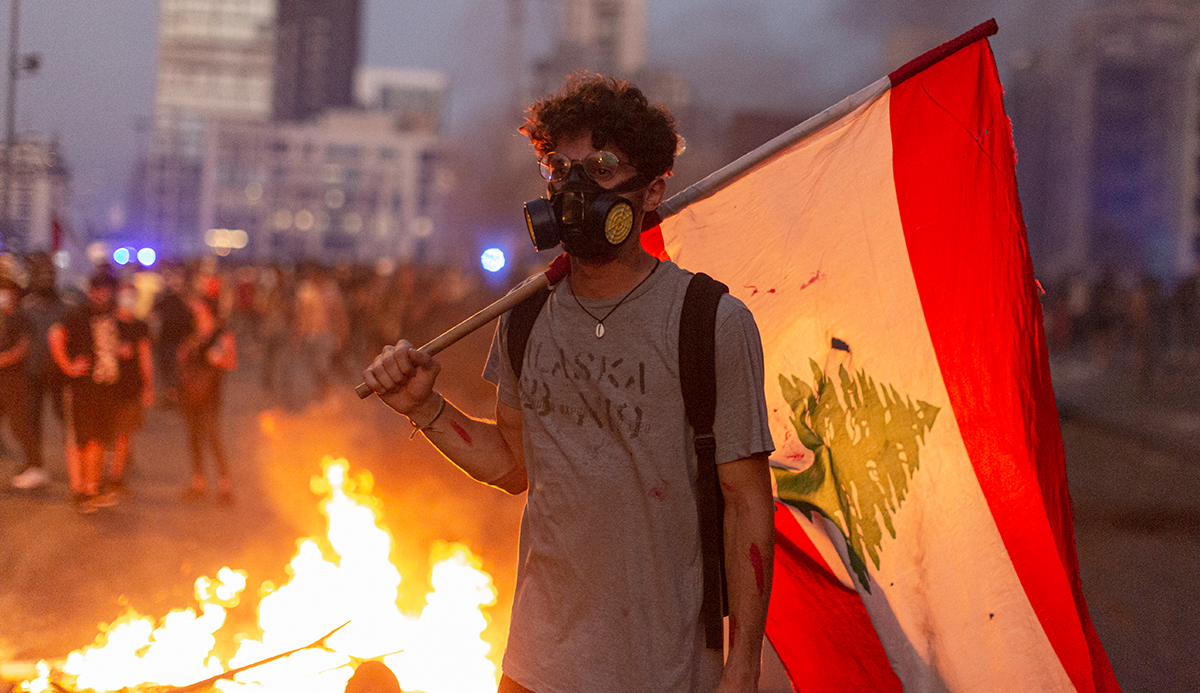
    On the first anniversary of the catastrophic explosion at the Beirut port last August, Lebanon is threatened by political discord and economic collapse. The past year has been difficult for the average Lebanese citizen and it has been even worse for the country’s most marginalized communities. The ripple effects of the overlapping political, economic, and health crises have pushed the vast majority of refugees and migrant workers into extreme poverty. These communities now stand on the edge of the abyss.

    August 3, 2021

    Can the IRGC-Taliban honeymoon continue? (Part 2)
    Photo by TASNIM NEWS/AFP via Getty Images
  • Analysis
  • Can the IRGC-Taliban honeymoon continue? (Part 2)

    the years leading up to the U.S. invasion of Afghanistan, the Taliban had strained relations with Iran. Tensions between the two sides escalated to the point that the Iranian government and the Quds Force actually assisted American forces during the 2001 U.S.-led invasion.

    July 30, 2021

    Can the IRGC-Taliban honeymoon continue? (Part 1)
    Photo by Sobhan Farajvan/Pacific Press/LightRocket via Getty Images
  • Analysis
  • Can the IRGC-Taliban honeymoon continue? (Part 1)

    Tehran’s policy toward the Afghan Taliban has created new clashes within Iranian government circles. These clashes recently escalated as influential hard-line media and associates of the Islamic Revolutionary Guard Corps (IRGC) made public efforts to portray the Taliban in a positive light. 

    July 30, 2021

    The Uphill Economic Recovery from Covid-19 in the Gulf Cooperation Council
  • Commentary
  • The Uphill Economic Recovery from Covid-19 in the Gulf Cooperation Council

    The future of economic growth in the GCC is looking better than some analysts expected in the depths of the downturn in 2020. What may be different in this recovery compared to previous economic crises in the Gulf is a more limited fiscal policy space, and more variance among GCC countries in their ability to rebound with smart stimulus. As the global economic recovery now strengthens oil demand, taking advantage of this interim period of the global energy transition will mean accelerating government spending in areas where it can make a long-term impact on productivity growth and increased labor force participation among citizens in the private sector, especially women. Some governments will be able to accelerate productivity, including using highly skilled foreign labor and favorable long-term residency regimes, and others will be simply treading water to satisfy immediate demands of their populations.

    The future of US cooperation with Pakistan
    Photo by AAMIR QURESHI/AFP via Getty Images
  • Analysis
  • The future of US cooperation with Pakistan

    The United States and Pakistan have had a complex and often disappointing “love-hate” relationship since 1947 — one severely tested during the 20-year U.S.-led intervention in Afghanistan. We believe the time has come for serious policy consideration of whether and how both nations can achieve a more strategically beneficial and sustainable post-intervention relationship between the American and Pakistani governments and their populations

    Why many Tunisians are celebrating President Saied’s decision
    Photo by FETHI BELAID/AFP via Getty Images
  • Analysis
  • Why many Tunisians are celebrating President Saied’s decision

    Tunisian President Kais Saied’s opponents and international commentators more familiar with Egypt have been quick to condemn what they are calling a “coup.” In addition to the need to assess the Tunisian situation on its own unique terms, it may be useful to set aside legalistic and political science taxonomy for the moment and consider instead why many in Tunisia have celebrated the president’s recent decisions.

    July 26, 2021

    Hezbollah’s Regional Activities in Support of Iran’s Proxy Networks
    Photo by Marwan Naamani/picture alliance via Getty Images.
  • Analysis
  • Hezbollah’s Regional Activities in Support of Iran’s Proxy Networks

    As a Lebanese actor ideologically tied to Iran, Hezbollah has multiple allegiances and objectives that do not always align symmetrically. Hezbollah’s regional activities are a reflection of the group’s increasingly close alignment with Iran, rather than the interests of the Lebanese state or citizenry. Today, Hezbollah’s regional adventurism is most pronounced in its expeditionary forces deployed in Syria and elsewhere in the region, but no less important are the group’s advanced training regimen for other Shi’a militias aligned with Iran, its expansive illicit financing activities across the region, and its procurement, intelligence, cyber, and disinformation activities. Together, these underscore the scale and scope of the group’s all-in approach to transforming from one of several Lebanese militias into a regional player acting at Iran’s behest.

    July 26, 2021

    After Afghanistan: Western militaries and the rise of new strategic threats
    Photo by HAUKE-CHRISTIAN DITTRICH/POOL/AFP via Getty Images
  • Analysis
  • After Afghanistan: Western militaries and the rise of new strategic threats

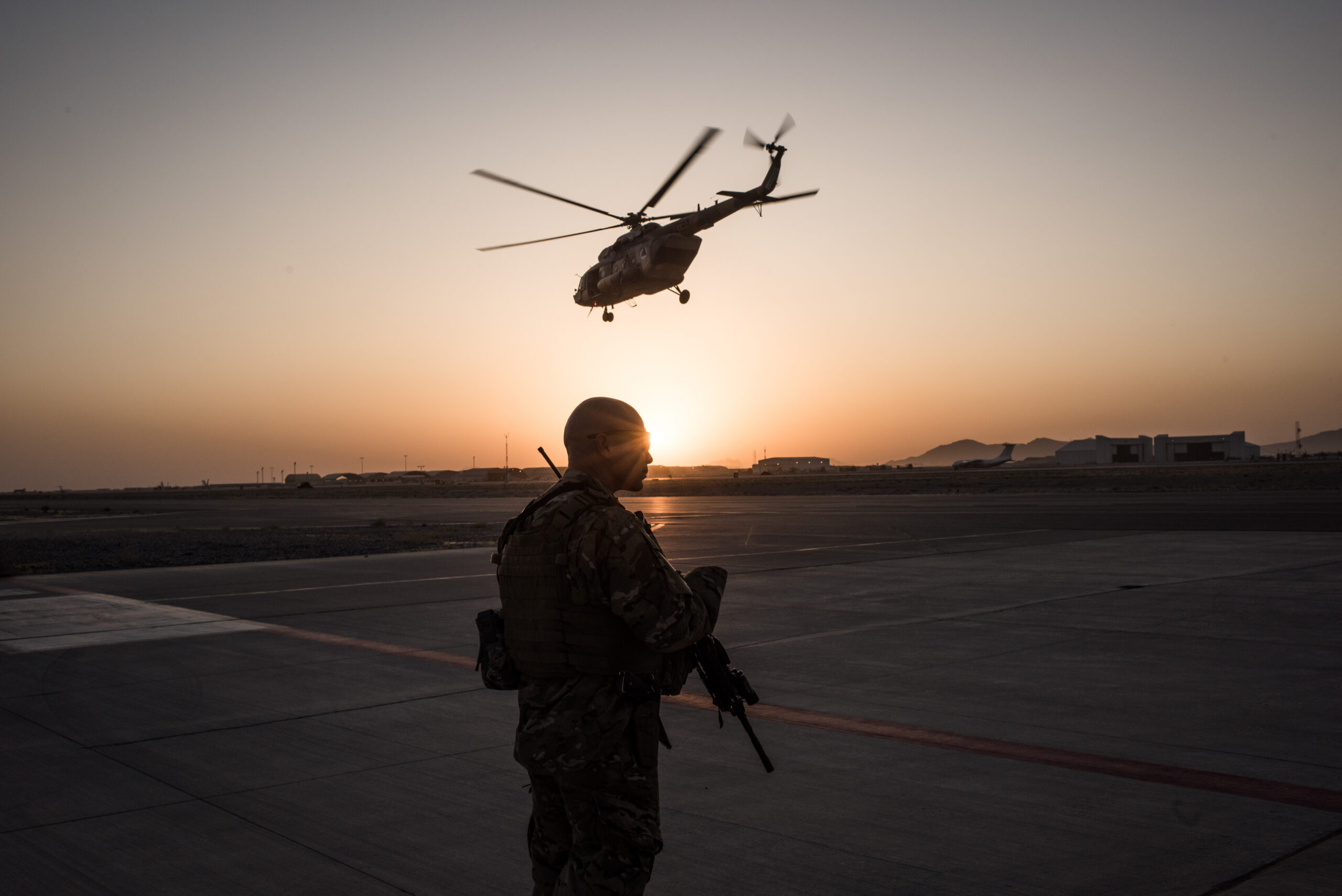
    The withdrawal from Afghanistan marks the end of a historic chapter. It involves more than just the conclusion of a drawn-out international military engagement in Afghanistan. Rather, it signals the end of a decades-long phase in which Western militaries placed the broader Middle East and the fight against international terrorism at the center of their strategic attention. With competition between the great powers on the rise, Western militaries have realized their current vulnerabilities vis-à-vis near-peer competitors and the need to shift gears.

    July 26, 2021

    Turkey and the Taliban
    Photo by SAJJAD HUSSAIN/AFP via Getty Images
  • Commentary
  • Turkey and the Taliban

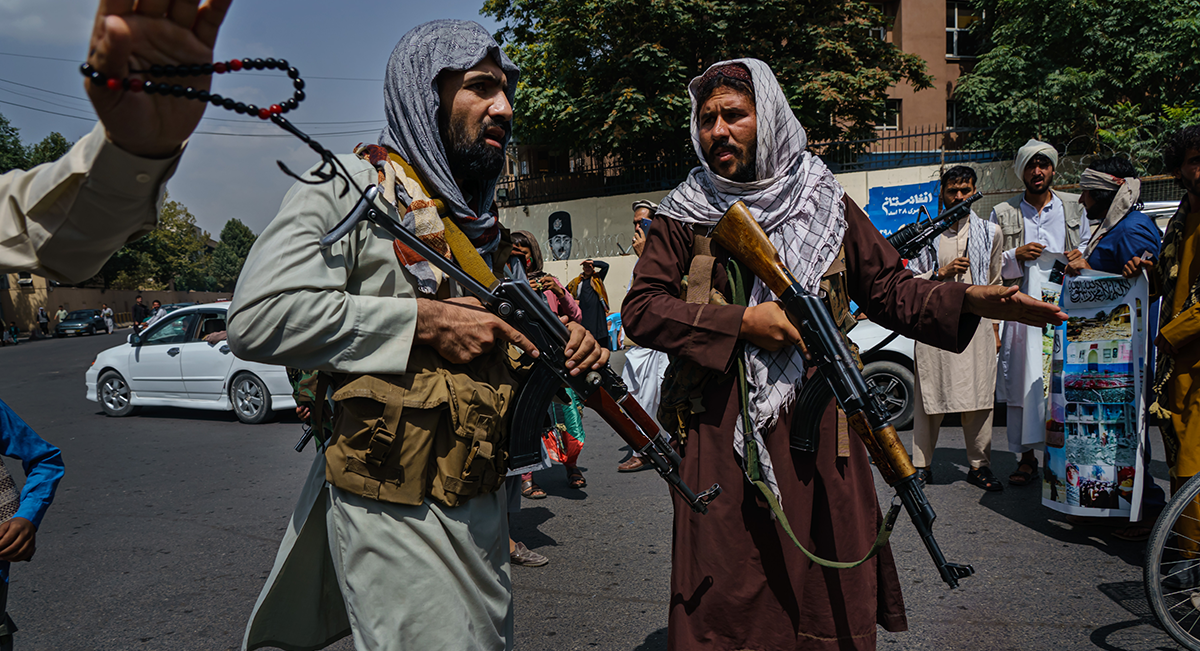
    In a politically significant statement, Turkish President Recep Tayyip Erdoğan has asked the Afghan Taliban to “end the occupation of their brothers’ soil.” This follows a Taliban warning of severe consequences if Turkey were to remain in charge of security at Kabul Airport after the exit of American troops. Erdoğan’s message is likely to be interpreted differently by different stakeholders in the unfolding Afghan tragedy, a situation characterized by escalating violence, political uncertainty, and regional chaos.

    July 23, 2021

    The changing Saudi banking landscape
    Photo by Simon Dawson/Bloomberg via Getty Images
  • Analysis
  • The changing Saudi banking landscape

    While Western banks saw their valuations drop substantially during the first 18 months of the COVID pandemic — and have yet to recover — the declines among Saudi banks have been smaller and their valuations are now closer to, if not above, their pre-pandemic levels. Identifying the drivers of this seemingly contradictory trend helps us better understand the shifts within the Saudi banking sector and the growing impacts of policies related to Vision 2030, the country’s long-term economic development and diversification program.

    July 22, 2021