This text has been translated by AI and may contain errors.
Skip to Content

Research & Commentary Results

Filter by
981 Results
Seizing the Moment for Change: Pathways to a Sustainable US-Pakistan Relationship
  • Analysis
  • Seizing the Moment for Change: Pathways to a Sustainable US-Pakistan Relationship

    It is a near truism that U.S. relations with Pakistan have been historically unstable, waxing and waning, climbing to heights of interdependence and sinking to mutual recrimination. Yet this is presently a period unmarked by either high promise or driven by crisis. Rather than a reason, however, for leaving the relationship untouched and unexamined, this can be a time of unusual opportunity to create a more deliberative approach to thinking about the bilateral relationship and for shaping fresh initiatives.

    The Crisis in Idlib
    Middle East Institute
  • Podcast
  • The Crisis in Idlib

    An airstrike last Thursday, which killed 33 Turkish soldiers and wounded 60 more, was a game-changing development in the Syrian conflict. In the days since, Turkey has unleashed a major military response, carrying out scores of drone attacks on Syrian Army units and facilities. All of this is taking place against the backdrop of a massive and growing humanitarian crisis, with nearly a million people fleeing toward the Turkish border. Charles Lister and Sasha Ghost-Siminoff join host Alistair Taylor to discuss how events are unfolding.

    March 3, 2020

    “People can’t even afford to buy bulgur”: Discontent is on the rise as Syria’s economic crisis worsens
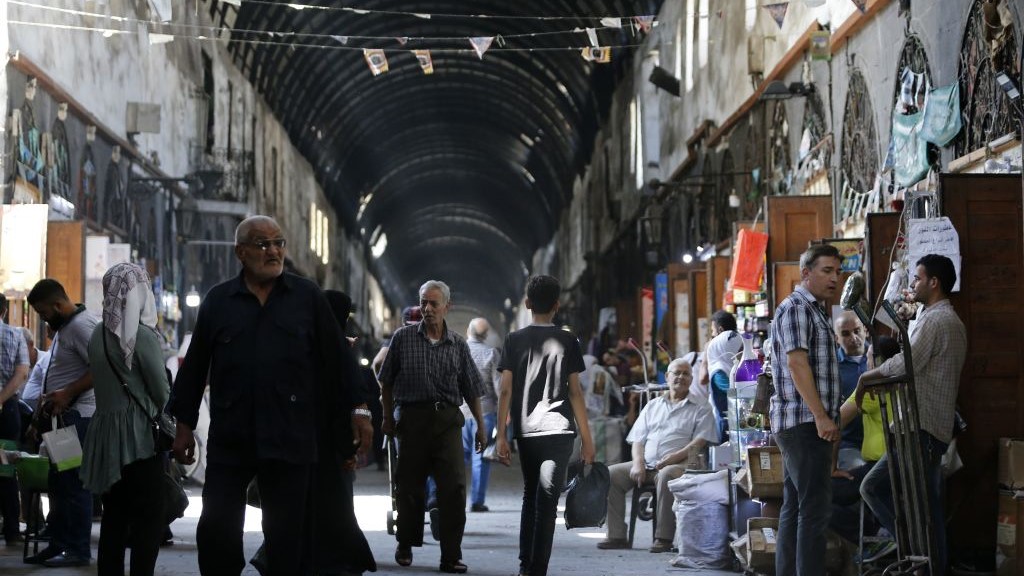
    Shoppers walk through the Bzourieh market in the centre of the Syrian capital Damascus on September 11, 2019.
  • Analysis
  • “People can’t even afford to buy bulgur”: Discontent is on the rise as Syria’s economic crisis worsens

    The latest economic crisis in Syria is hitting the population hard. Syrians have been beset by currency depreciation, soaring prices for basic goods, and energy shortages that have left people to freeze in the harsh winter, leading to growing and increasingly vocal discontent.

    February 28, 2020

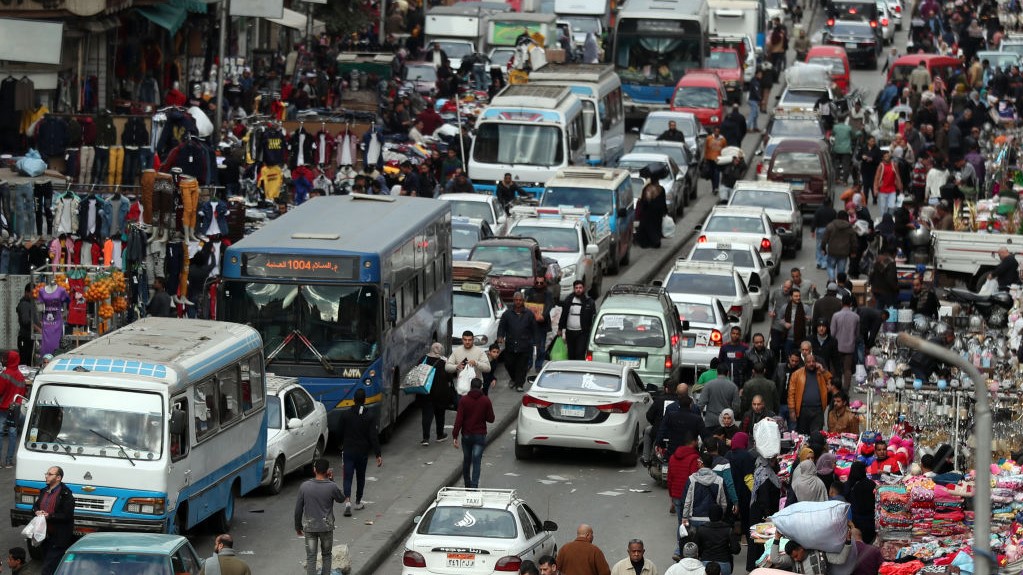
    How can Egypt capitalize on its start-up boom?
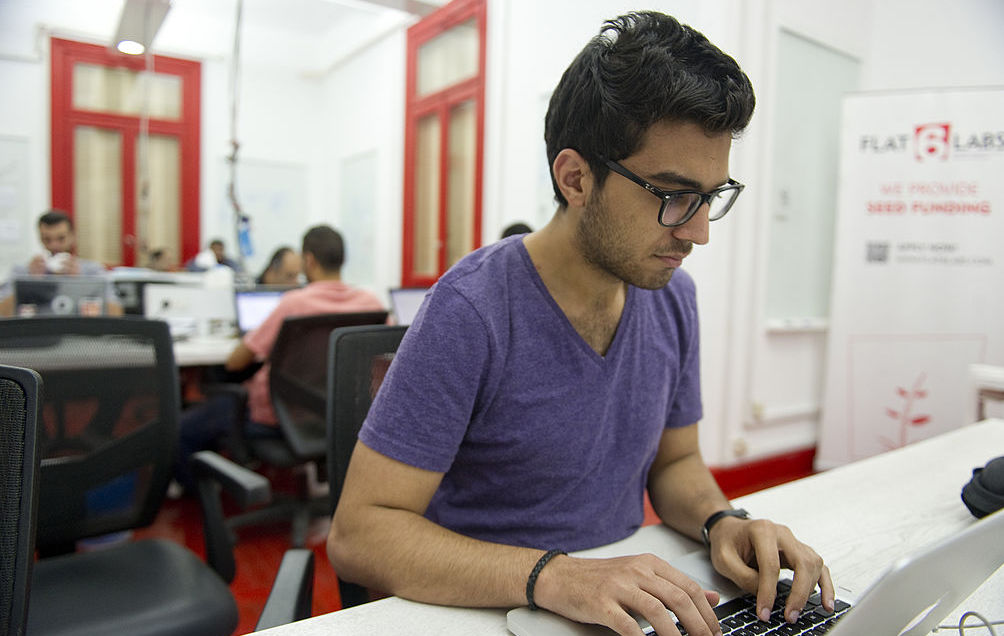
    Social entrepreneur, Amr Sobhy, CEO of Pushbots, works in the office space at Flat6Labs on November 7, 2012 in Cairo, Egypt.
  • Analysis
  • How can Egypt capitalize on its start-up boom?

    There has been a largely overlooked yet significant trend in entrepreneurship in Egypt, the Arab world’s most populous country. Much of this has been concentrated in the country’s two main economic centers, Cairo and Alexandria, but there are also signs of a broader and more inclusive trend. Despite this boom, few start-ups seem to have left much of a mark beyond the early development stages. A lack of access to finance has long been recognized as a key obstacle, yet the approaches taken by the government and international development lenders have proven largely ineffective. If this, along with other obstacles, can be addressed, the country’s nascent start-up scene could become a catalyst for economic development.

    February 20, 2020

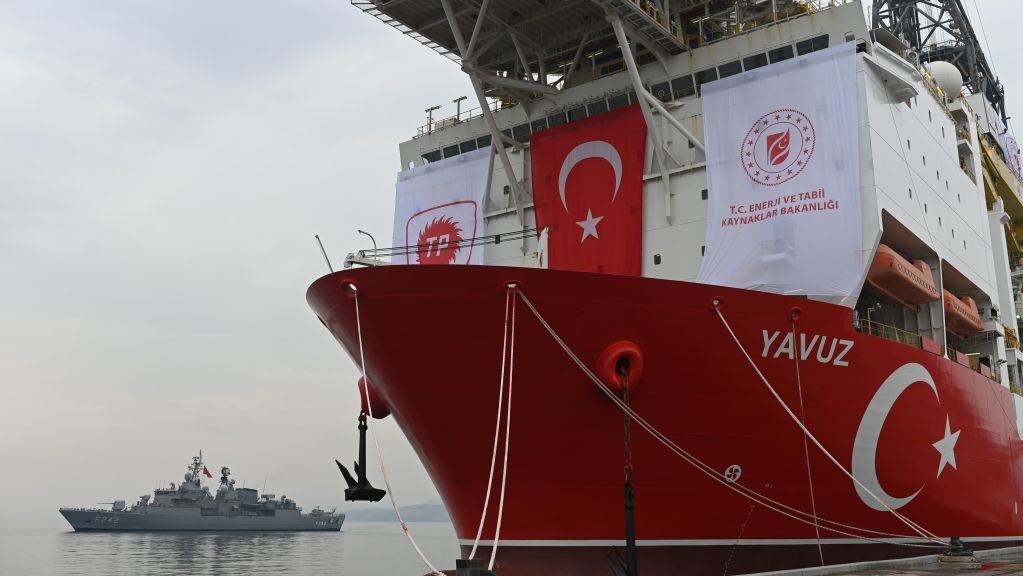
    Turkey’s eastern Mediterranean quagmire
    A picture taken at the port of Dilovasi, outside Istanbul, on June 20, 2019 shows the drilling ship 'Yavuz' scheduled to search for oil and gas off Cyprus, next to a warship.
  • Analysis
  • Turkey’s eastern Mediterranean quagmire

    The eastern Mediterranean has become an increasingly important focus for Turkey’s foreign and security policy, but the interlocking of new issues like energy politics and sovereignty rights with old problems like Cyprus has created significant challenges for Ankara.

    February 18, 2020

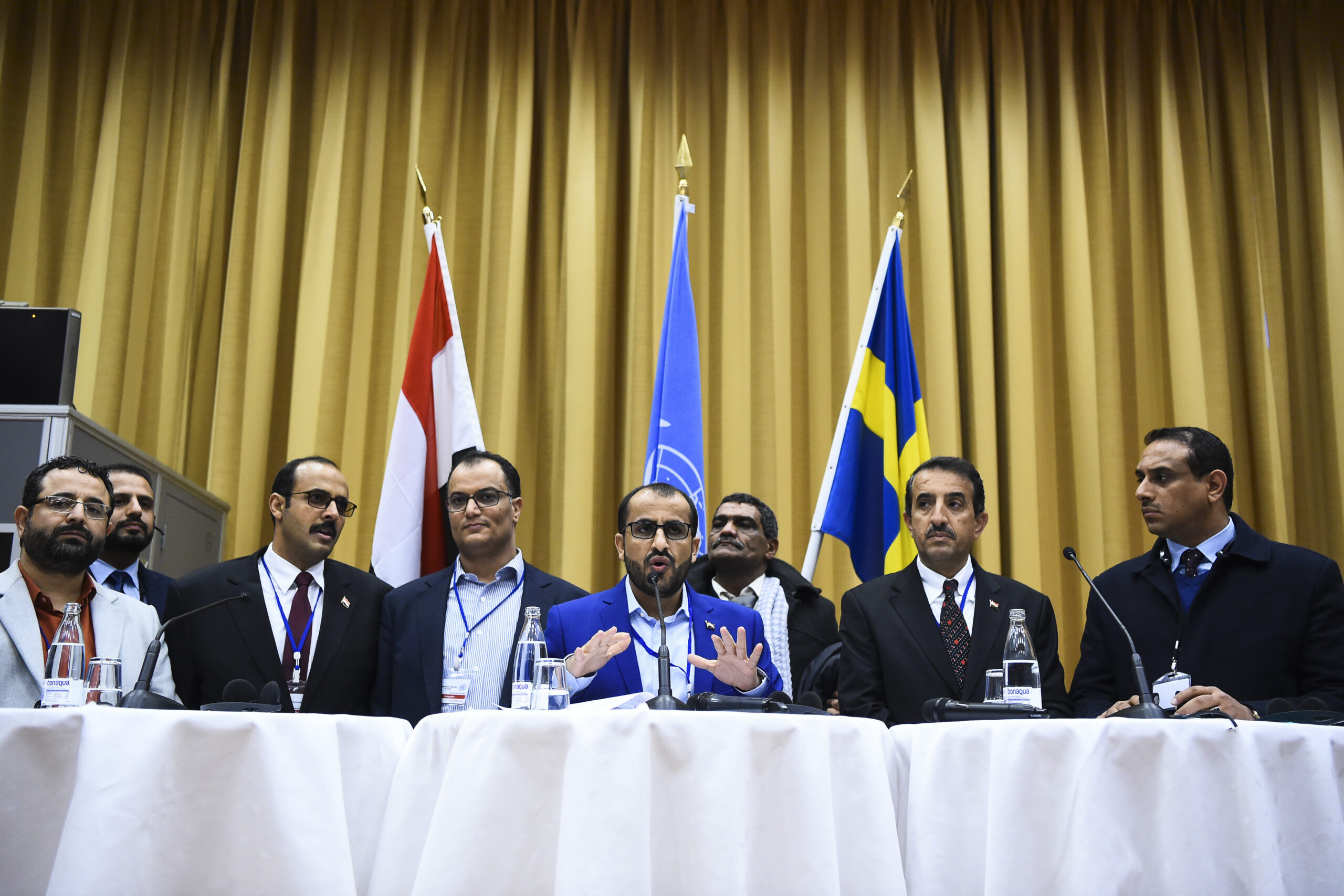
    From Stockholm to Riyadh: Breaking the Yemen peace process deadlock
    Rebel negotiator Mohammed Abdelsalam (C) holds a press conference together with members of the delegation following the peace consultations taking place at Johannesberg Castle in Rimbo, north of Stockholm, Sweden, on December 13, 2018. - Yemen's government and rebels have agreed to a ceasefire in flashpoint Hodeida, where the United Nations will now play a central role, the UN chief said. (Photo by Jonathan NACKSTRAND / AFP) (Photo credit should read JONATHAN NACKSTRAND/AFP via Getty Images)
  • Analysis
  • From Stockholm to Riyadh: Breaking the Yemen peace process deadlock

    Over the past 14 months, there have been moments when it seemed like progress was being made toward de-escalation in Yemen, but there have also been significant setbacks as well. Peace efforts thus far have been largely fragmented and frail, and two primary lessons from the past failures have become clear.

    February 13, 2020

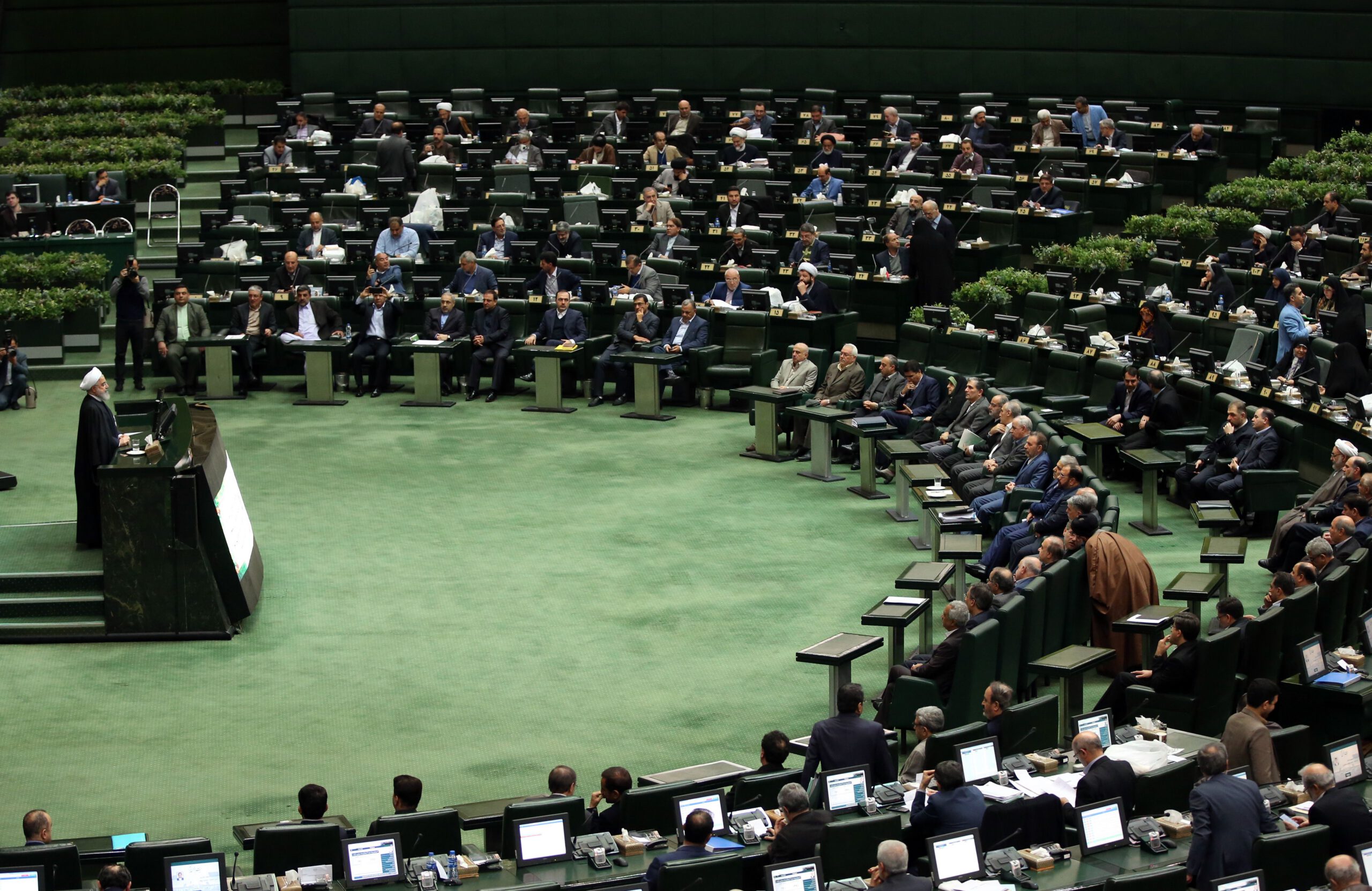
    As Iran heads to the polls, could Rouhani be facing impeachment?
    Iran's President Hassan Rouhani delivers a speech presenting the Islamic republic's new budget for the financial year starting late March 2020 in Tehran on December 8, 2019. - Rouhani described it as a
  • Analysis
  • As Iran heads to the polls, could Rouhani be facing impeachment?

    On Feb. 21, Iranians will be voting to elect a new Majlis, the country’s unicameral Parliament. Viewed from the outside, participating in the electoral system might seem futile. While the Iranian constitution recognizes popular will, as represented by an elected president and Parliament, the whole political system operates under the supreme leader, who, although appointed by an elected clerical body (the Assembly of Experts), is, in effect, answerable to no one. The Majlis does, however, have the power to remove the president — a fate that could potentially await President Hassan Rouhani if the conservatives win a majority in the upcoming elections.
    February 11, 2020

    Green financing in Egypt
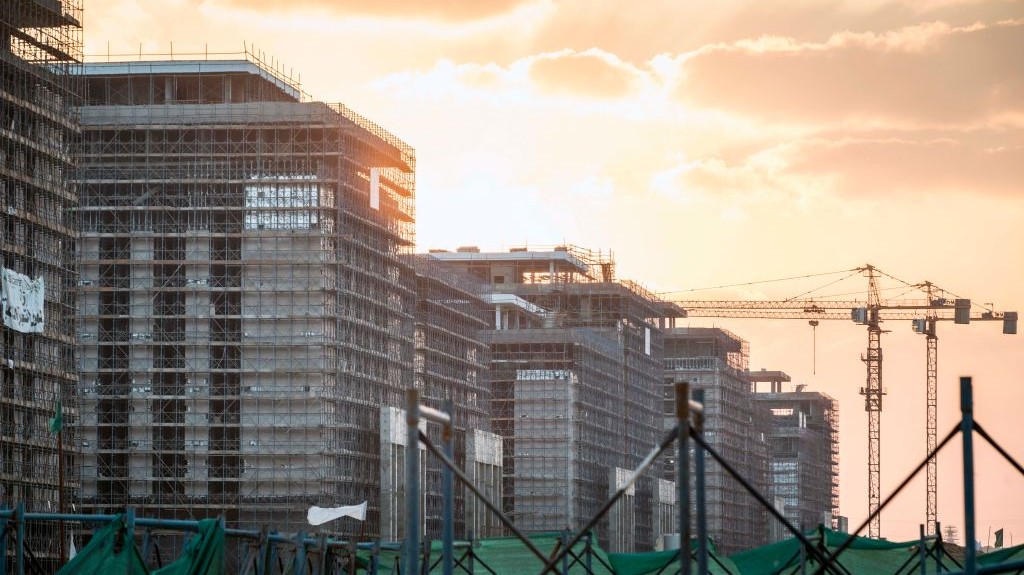
    Construction of ministerial buildings at the governmental district in the new administrative capital, some 50 km east of the capital Cairo, on March 7, 2019.
  • Analysis
  • Green financing in Egypt

    The green movement has been slow to catch on in Egypt, but the January announcement by the Egyptian government that it is finalizing plans to launch the country’s first green bonds could provide the financial incentives to further promote sustainable development. “Sustainability” is one of the fastest growing sectors globally, estimated to reach as much as $12 trillion annually by 2030.

    February 11, 2020

    China plays the long game on Syria
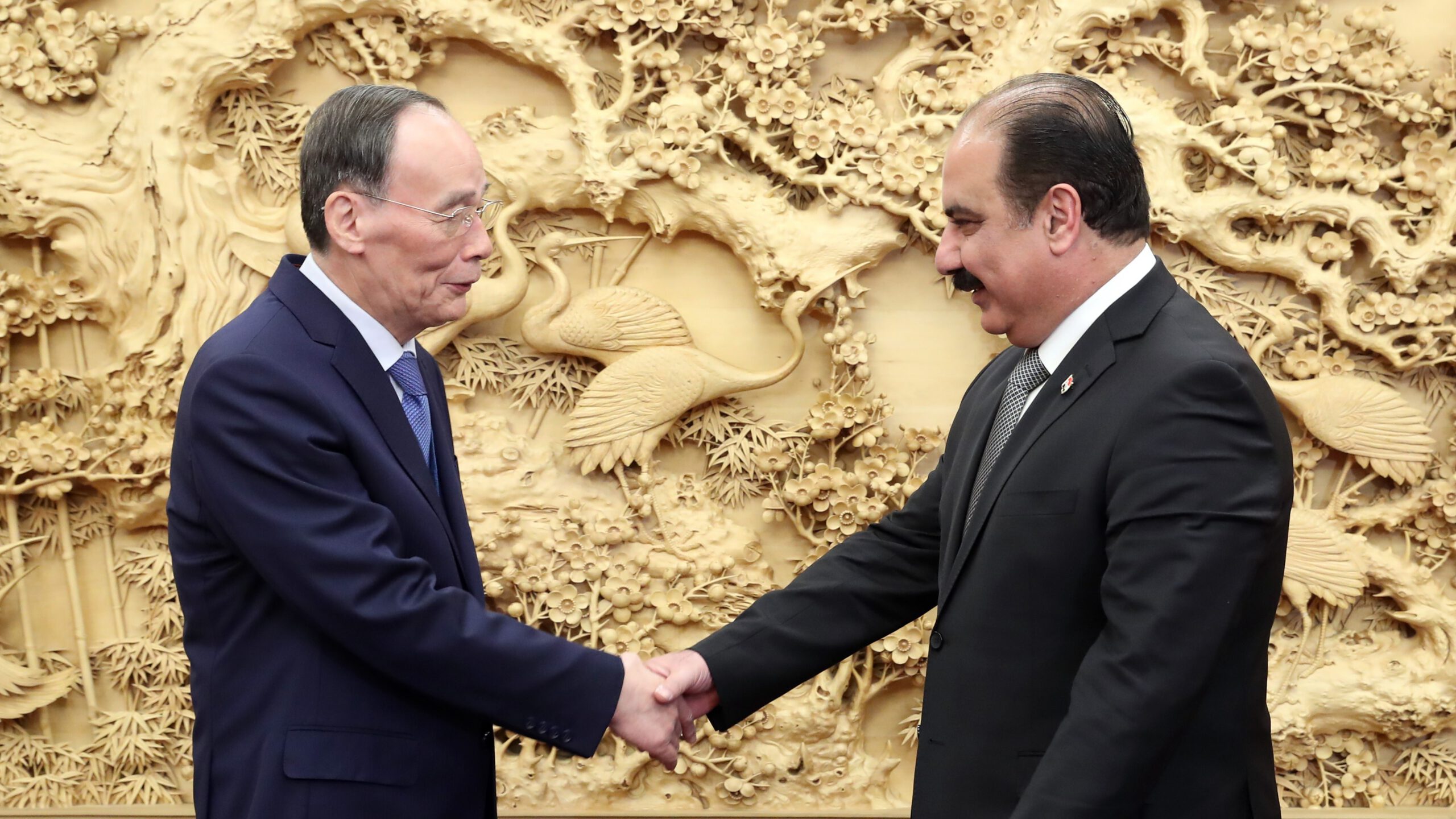
    BEIJING, Nov. 22, 2019 -- Chinese Vice President Wang Qishan meets with a delegation of Syria's Arab Socialist Ba'ath Party, led by Helal Helal, deputy general secretary of the ruling party, in Beijing, capital of China, Nov. 22, 2019.
  • Analysis
  • China plays the long game on Syria

    Since the beginning of the Syrian civil war in 2011, many analysts have examined the role played by a handful of key outside actors, such as Russia, Iran, Turkey, and the member states of the Gulf Cooperation Council (GCC). Yet China has received comparatively little attention in most discussions about the Syrian crisis. A deeper look at Sino-Syrian relations and Beijing’s policies vis-à-vis Syria is long overdue as this bilateral relationship is set to become increasingly important to both China’s ambitious foreign policy as well as the Syrian government’s vision for reconstruction and redevelopment.

    February 10, 2020

    Damascus battles economic collapse as the Syrian pound plummets
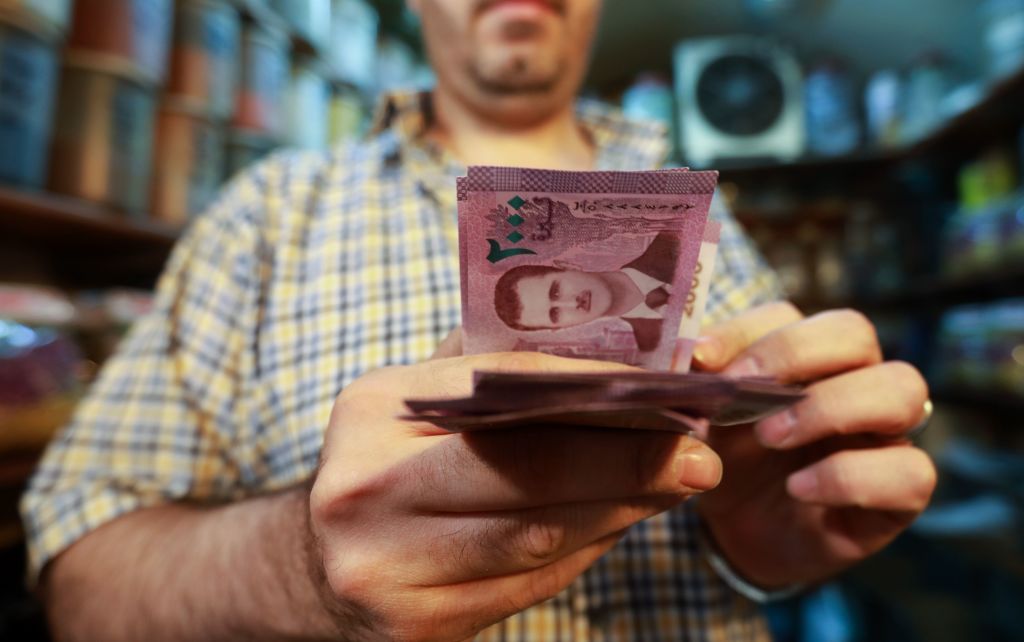
    A merchant counts Syrian pound notes, bearing a portrait of the Syrian President Bashar al-Assad, at the Bzourieh market in the centre of the Syrian capital Damascus on September 11, 2019.
  • Analysis
  • Damascus battles economic collapse as the Syrian pound plummets

    Faced with the threat of further sanctions, a volatile situation in neighboring Lebanon, and a brutally tough winter, the only thing currently rising from the embers of war-torn Syria is the value of the dollar against the struggling Syrian pound. This marks the beginning of a dangerous new phase in the Syrian conflict as the government, fresh from its eight-year-long war for survival, tries to fend off an economic collapse from within. 

    In Syria, we’re getting counter-terrorism all wrong
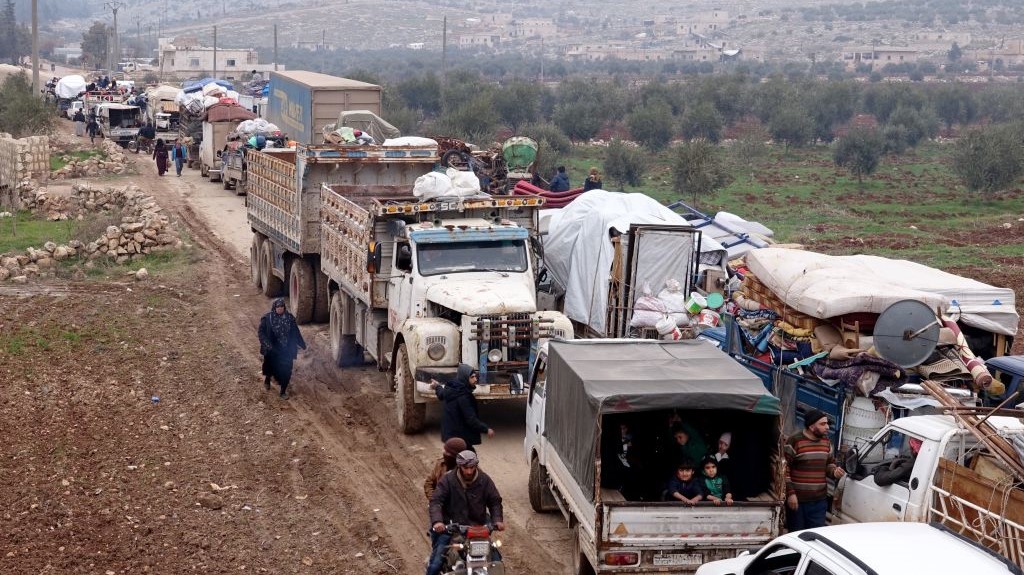
    Syrian families, who have been forced to displace due to the ongoing attacks carried out by Assad regime and Russia, are seen on their way to safer zones with their belongings, at Atme camps in Idlib, Syria on January 19, 2020.
  • Analysis
  • In Syria, we’re getting counter-terrorism all wrong

    While proclamations of ISIS’s defeat were certainly premature, international policy and attention on countering terrorism in Syria has since declined — as if to suggest that the job is done. In fact, as 2020 sets in, the world seems to be getting counter-terrorism all wrong in Syria, in three interlinked ways.