Sri Lanka’s Easter Sunday Bombings: Moving Forward
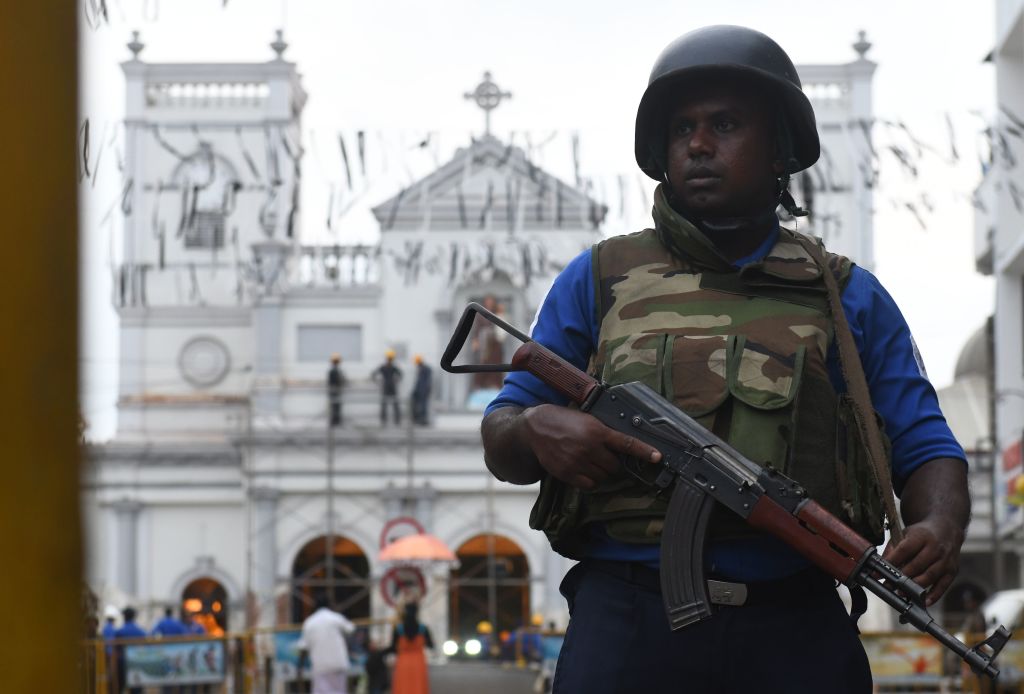
On Easter Sunday (April 21), a series of devastating terror attacks struck popular churches and high-end hotels in Sri Lanka. These tragic events rocked the nation and reverberated across Asia and beyond. This article discusses the circumstances surrounding the bombings and the authorities’ initial responses to them, and suggests ways to help reduce the risk of extremist violence in Sri Lanka.
How will the end of US sanctions waivers impact Iran and global energy markets?
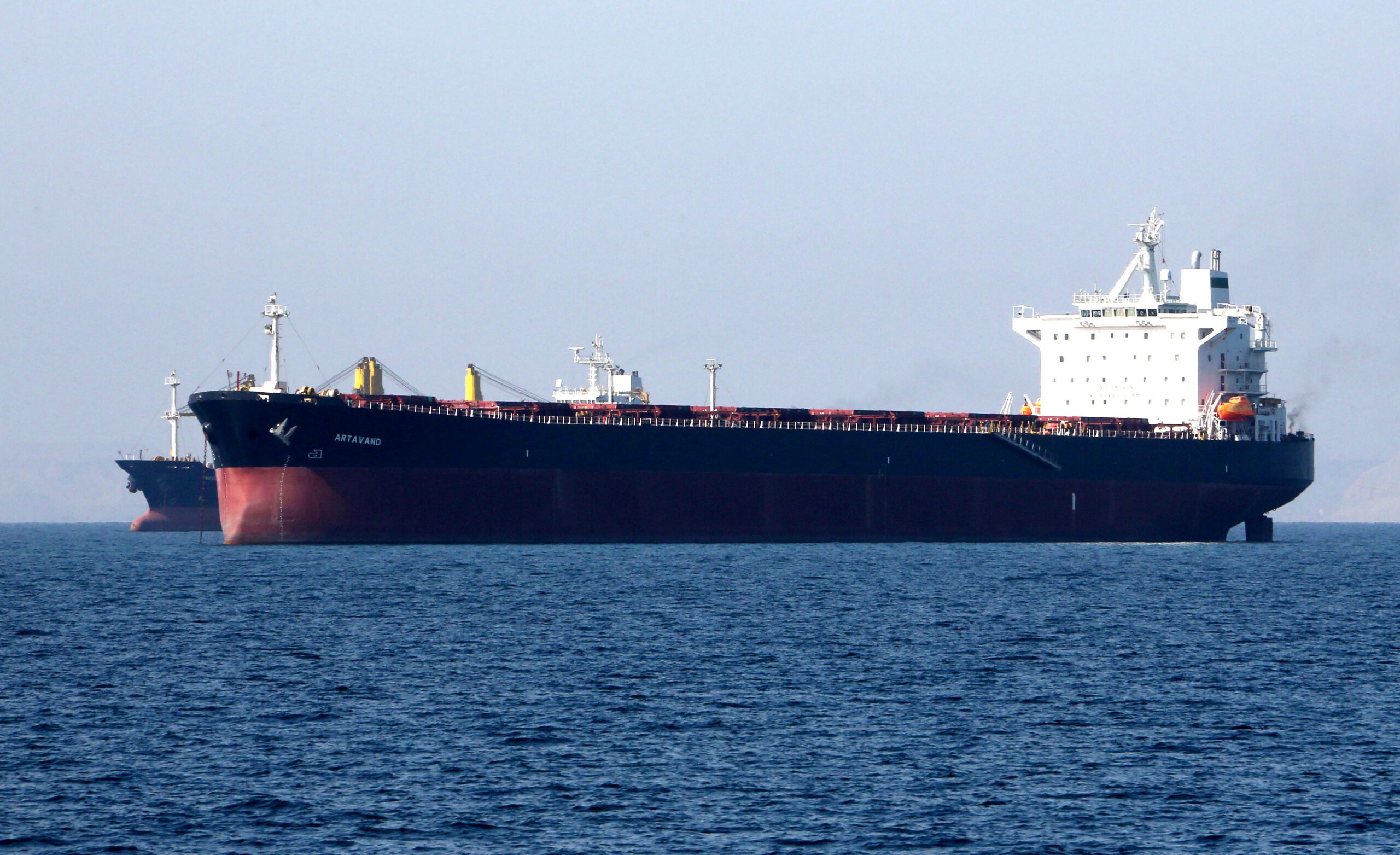
The Trump administration’s decision on April 22 to stop waiving sanctions on eight countries that purchase Iranian crude sent oil prices to their highest levels in six months and resulted in defiance and hand-wringing from the three biggest buyers. Meanwhile, Iran said it would retaliate by shutting the Strait of Hormuz, a move that would make it difficult for other Persian Gulf countries to get their crude to market.
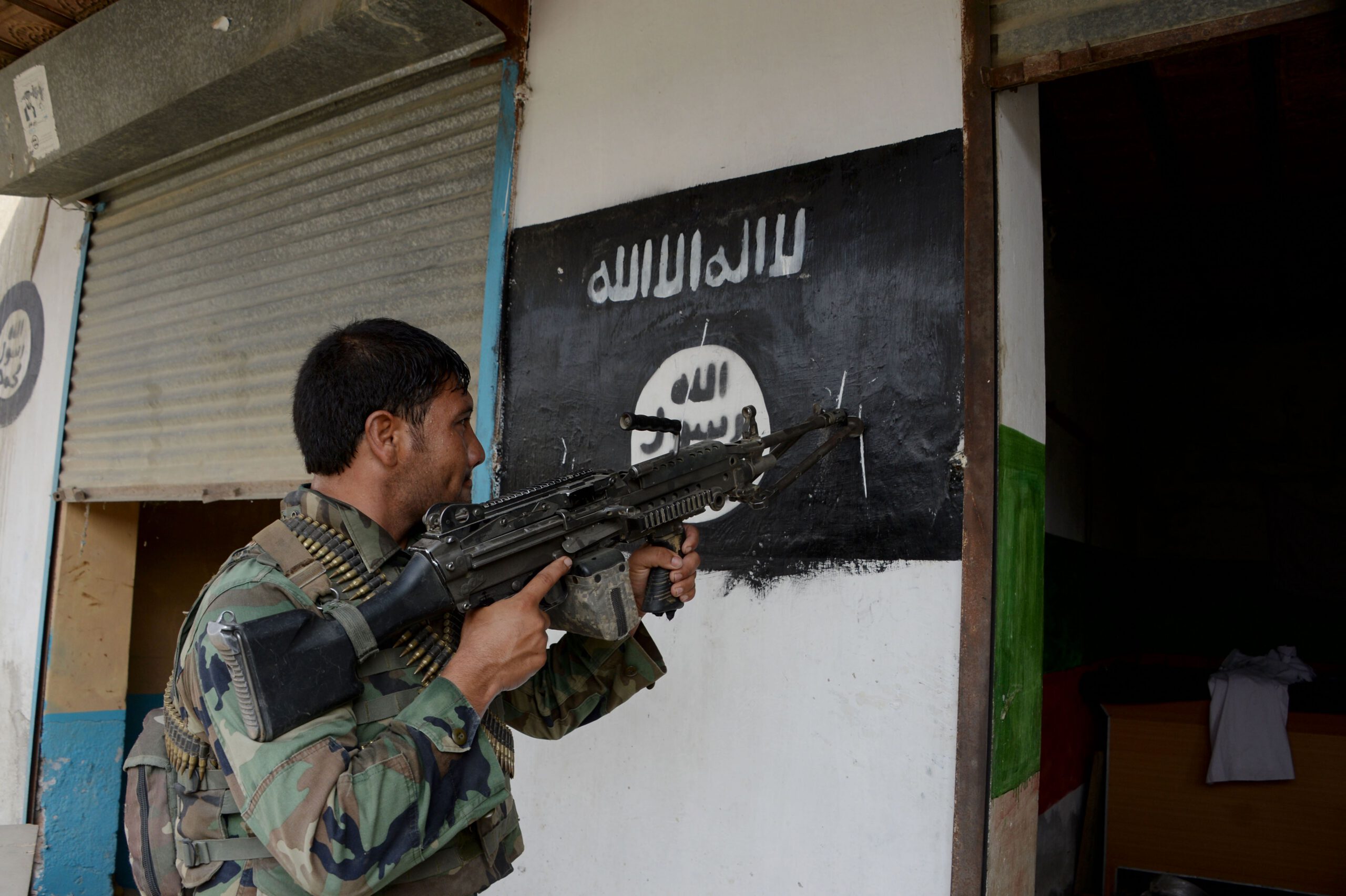
The rise of ISIS post-2013 changed how we perceive jihadism, but it also transformed how jihadists perceive themselves and how they behave. ISIS’s brutality and indiscriminate violence created unprecedented fragmentation within the jihadi movement, leading to critical self-reflection and changes in codes of conduct. This paper examines how three different jihadi groups – the Afghan Taliban, al-Qaeda in the Indian Sub-Continent, and Tehreek- e-Taliban Pakistan (or the Pakistani Taliban) – responded to the challenges presented by ISIS.
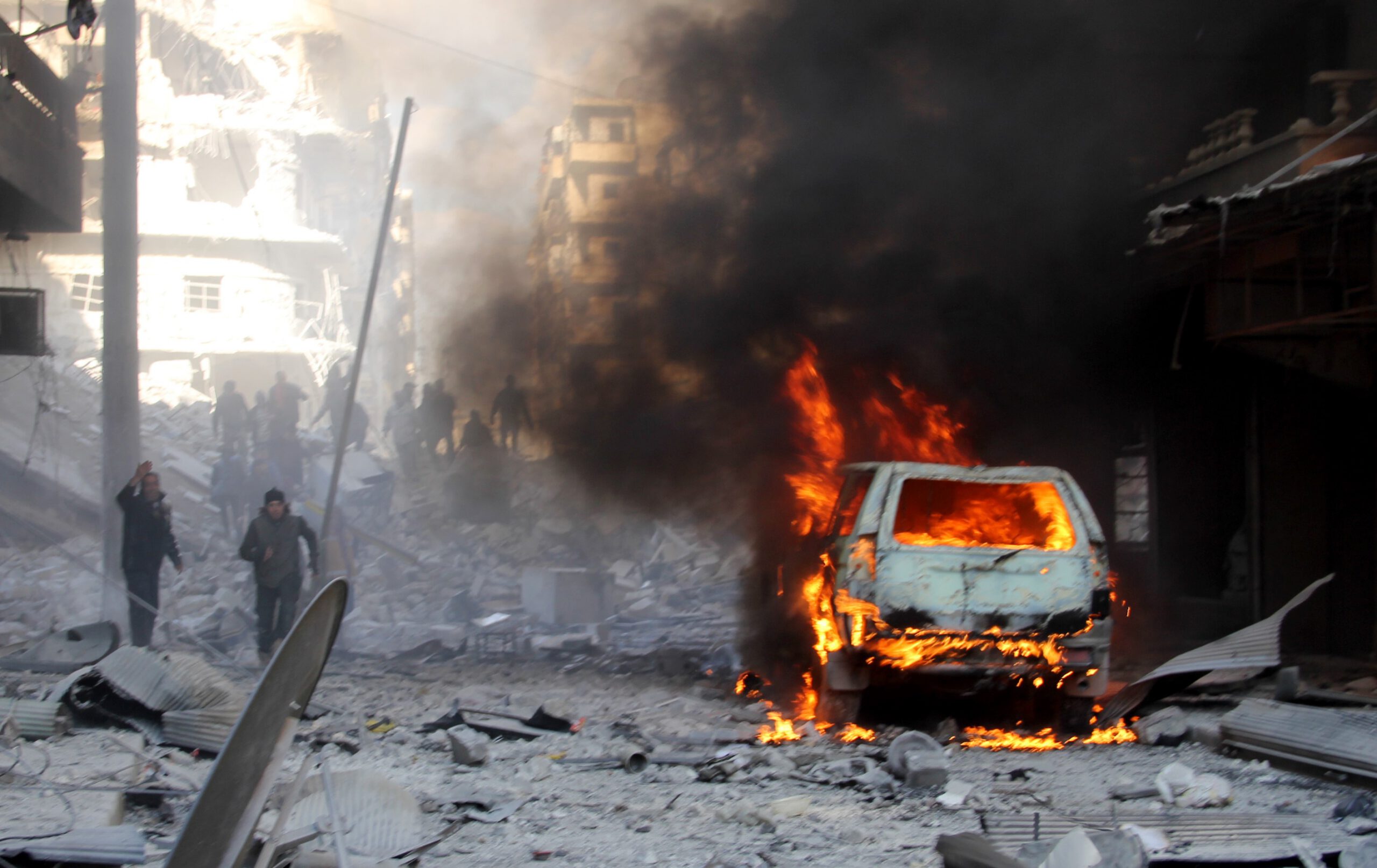
The Syrian Civil War: A New Stage, but Is It the Final One?
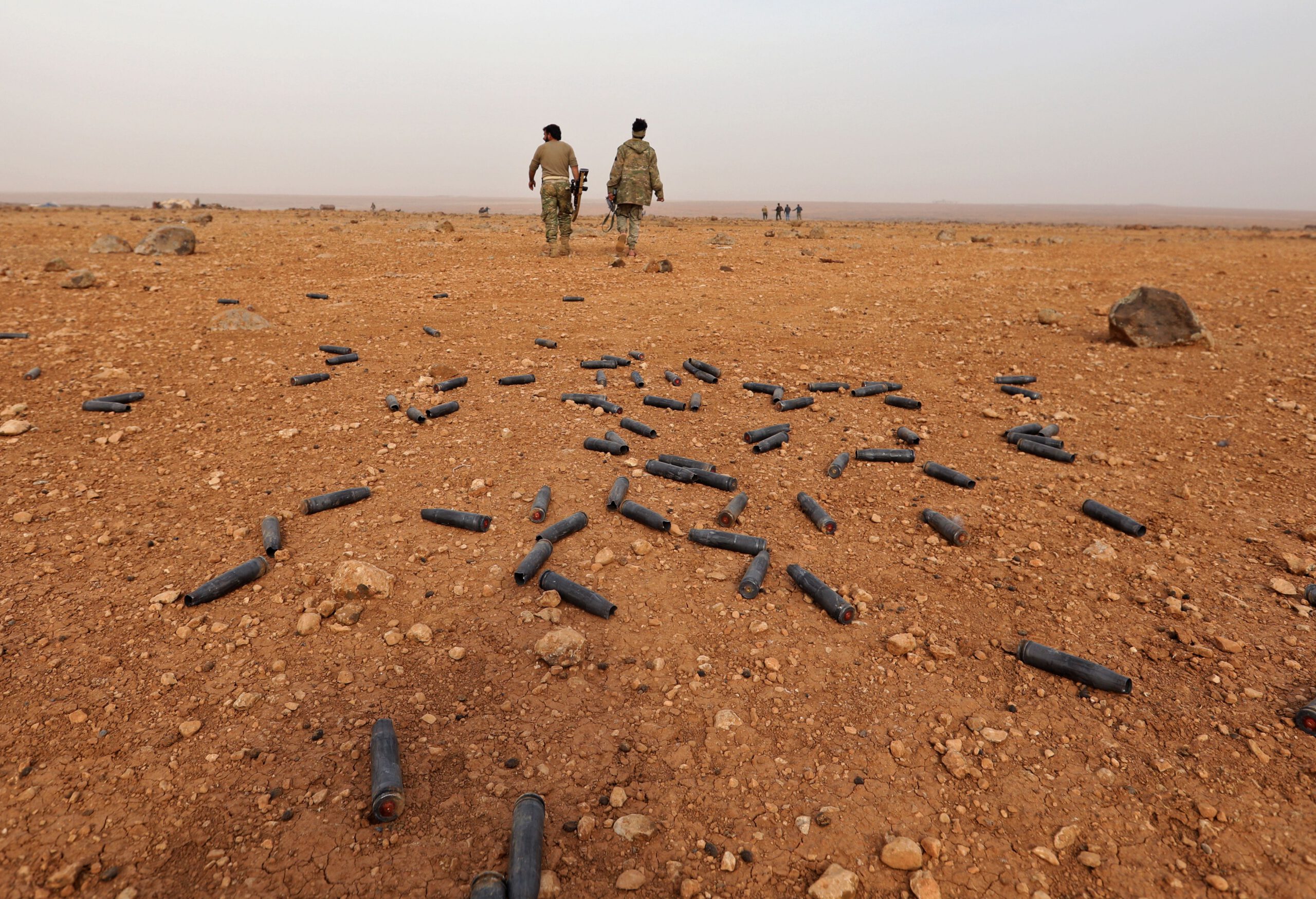
Eight years on, the Syrian civil war is finally winding down. The government of Bashar al-Assad has largely won, but the cost has been steep. The economy is shattered, there are more than 5 million Syrian refugees abroad, and the government lacks the resources to rebuild. The country remains divided into three zones, each in the hands of a different group and supported by foreign forces. The Syrian government will not accept partition and is ultimately likely to reassert its control in the other two zones.
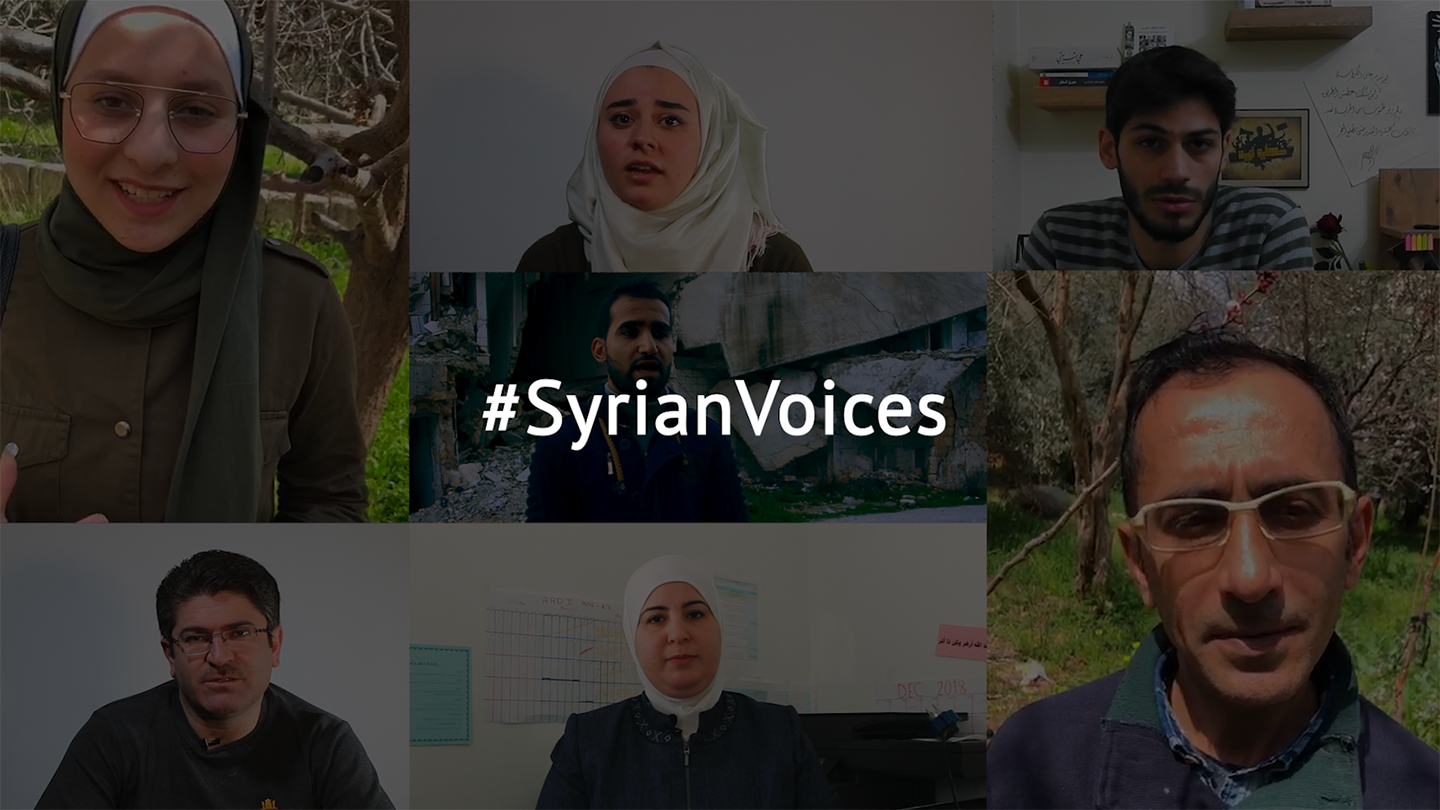
The Voices of Syria project is an undertaking by the Middle East Institute, in partnership with Syrian civil society, to better inform the general public and to guide policymakers toward a more holistic view of the situation in Syria by leveraging the voices of the unheard and their hopes and aspirations.
Turkey, which lies at the crossroads of Europe and Asia, has emerged in recent years as an important geopolitical actor not just within the surrounding region but in the global arena as well. Turkey’s foreign and economic policy horizons today extend to the Far East. These essays explore the development of cultural, political, and economic links between Turkey and Asia.
Monday Briefing: New Arab uprisings echo earlier revolts
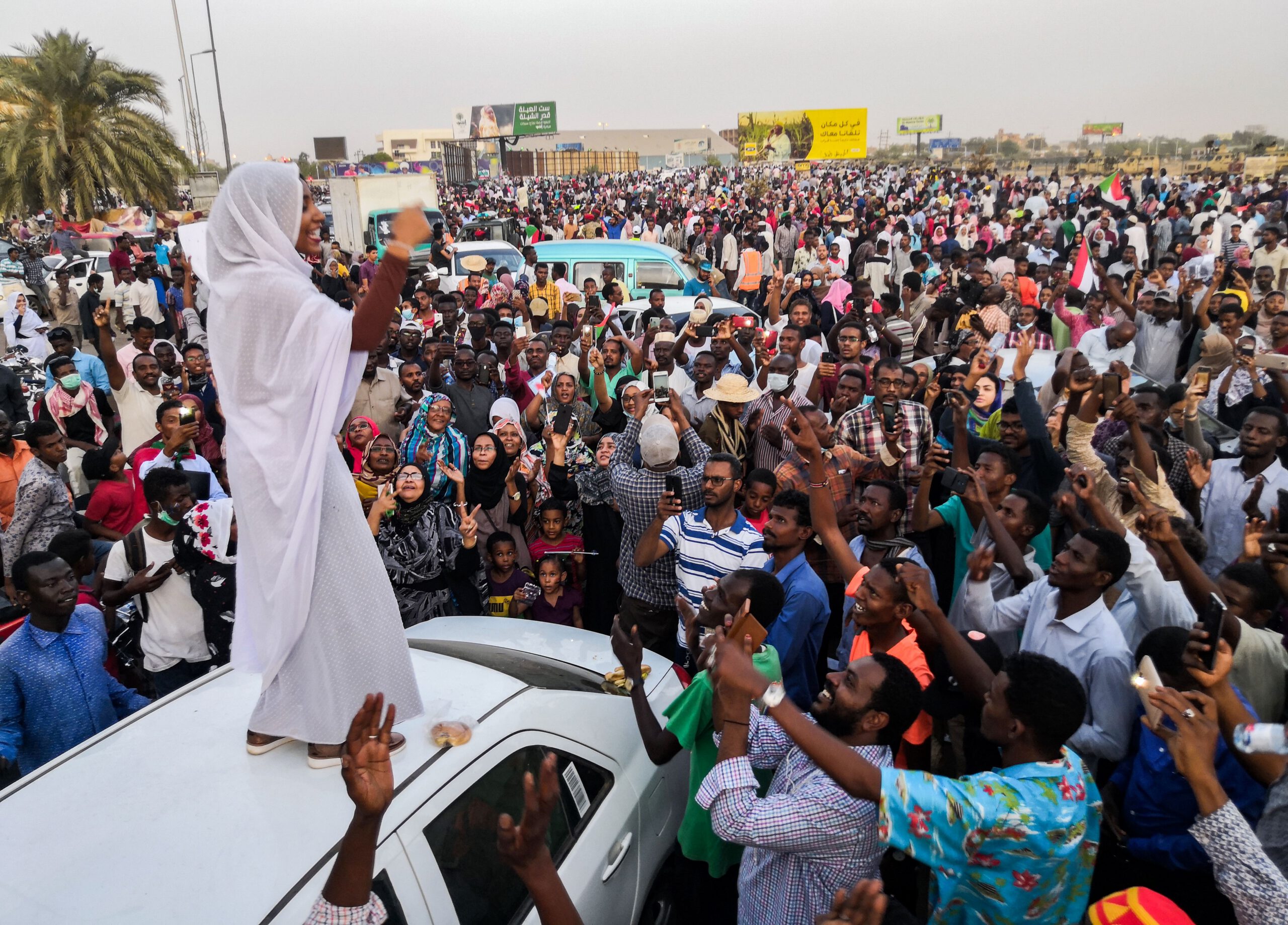
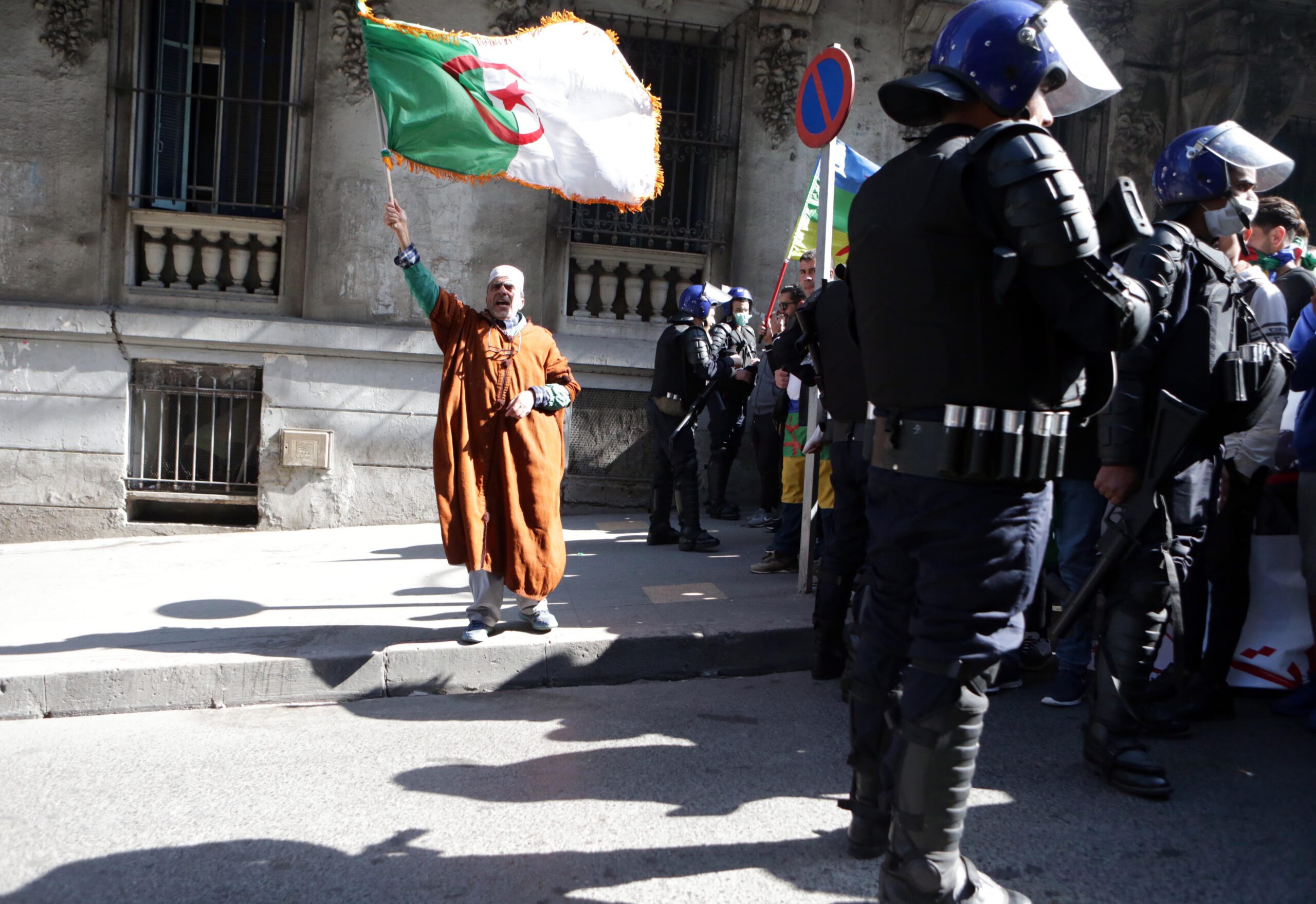
In this week’s Monday Briefing, MEI experts Paul Salem, Jonathan M. Winer, Robert S. Ford, Mirette F. Mabrouk, and Charles Schmitz provide analysis on recent and upcoming events including the current uprisings in Algeria and Sudan, General Hifter’s effort to take Tripoli, the hirak protest movement in Algeria, the strategic partnership between Egypt and the U.S., and cracks in the coalition of President Hadi in Yemen.
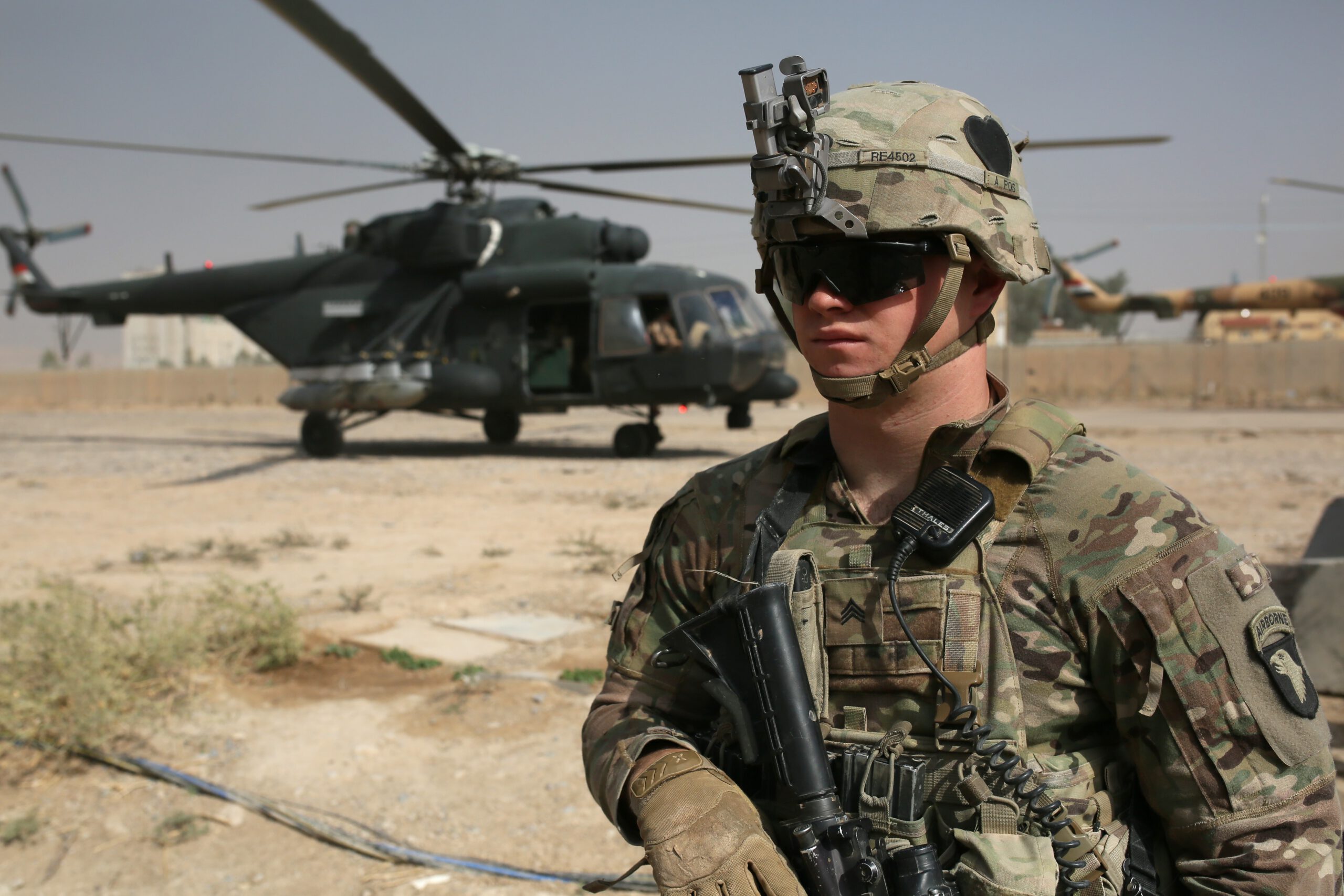
Despite the many obstacles, the U.S. and Iraq continue to work together to combat the threat of ISIS, and security elites in Baghdad and Washington understand the importance and value of the relationship. Yet, populists on both sides have repeatedly tested the others’ will in a dangerous game of chicken.
Car Bombs as Weapons of War: ISIS's Development of SVBIEDs, 2014-19
The suicide vehicle-borne improvised explosive device (SVBIED) has been one of ISIS’s most powerful and versatile weapons. The group consistently adapted its SVBIED designs based on operational environment and other factors, with modifications in armor, payload organization, color, and detonation technology. ISIS’s research and development of SVBIED technology presents a continued threat, even after the collapse of the territorial caliphate, due to the group’s ability to share and export its designs, enabling nascent ISIS provinces halfway around the world to launch powerful attacks on unsuspecting communities.
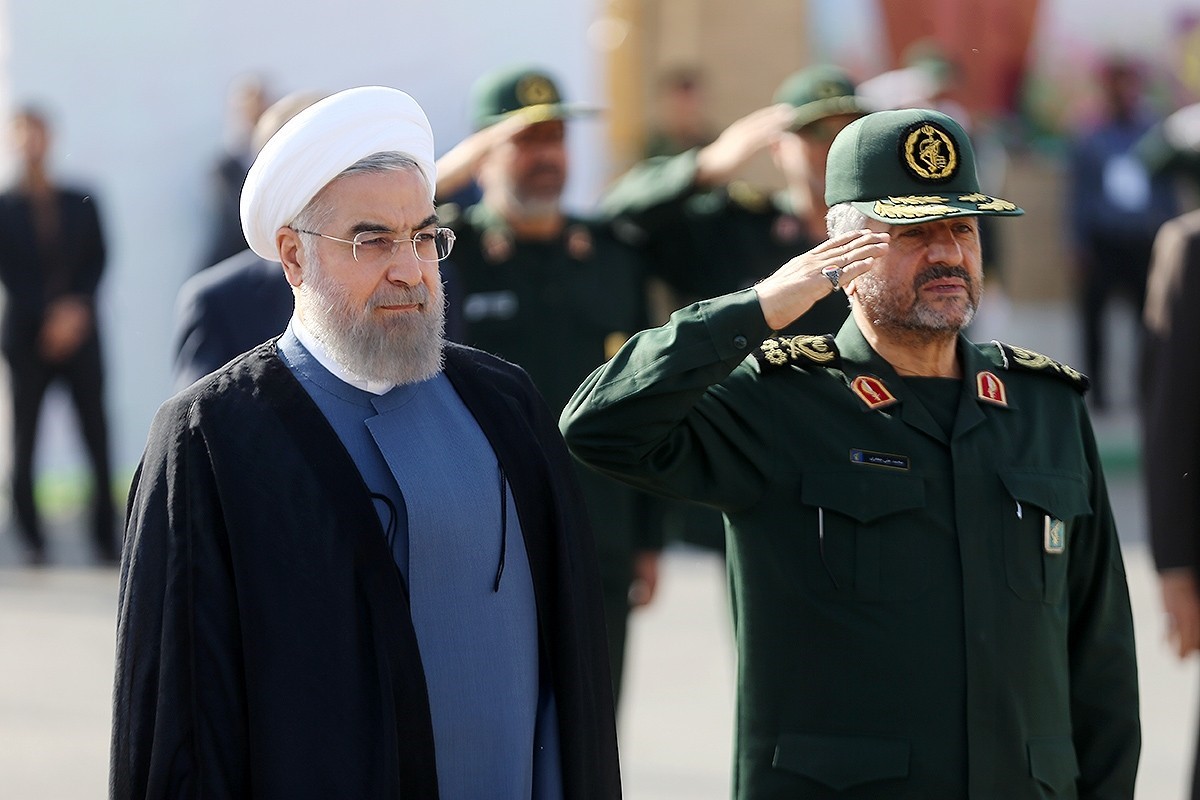
Monday Briefing: US IRGC terrorist designation and the view from Tehran
In this week’s Monday Briefing, MEI experts Alex Vatanka, Emadeddin Badi, Yousef Munayyer, Randa Slim, and Shahrokh Fardoust provide analysis on recent and upcoming events including the IRGC’s designation as a terrorist group, the battle for control of Tripoli in Libya, the impact of Israel’s elections on the Palestinian crisis, Iraqi PM Abdul-Mahdi’s first official visit to Iran, and the spring meetings of the World Bank and IMF in DC.
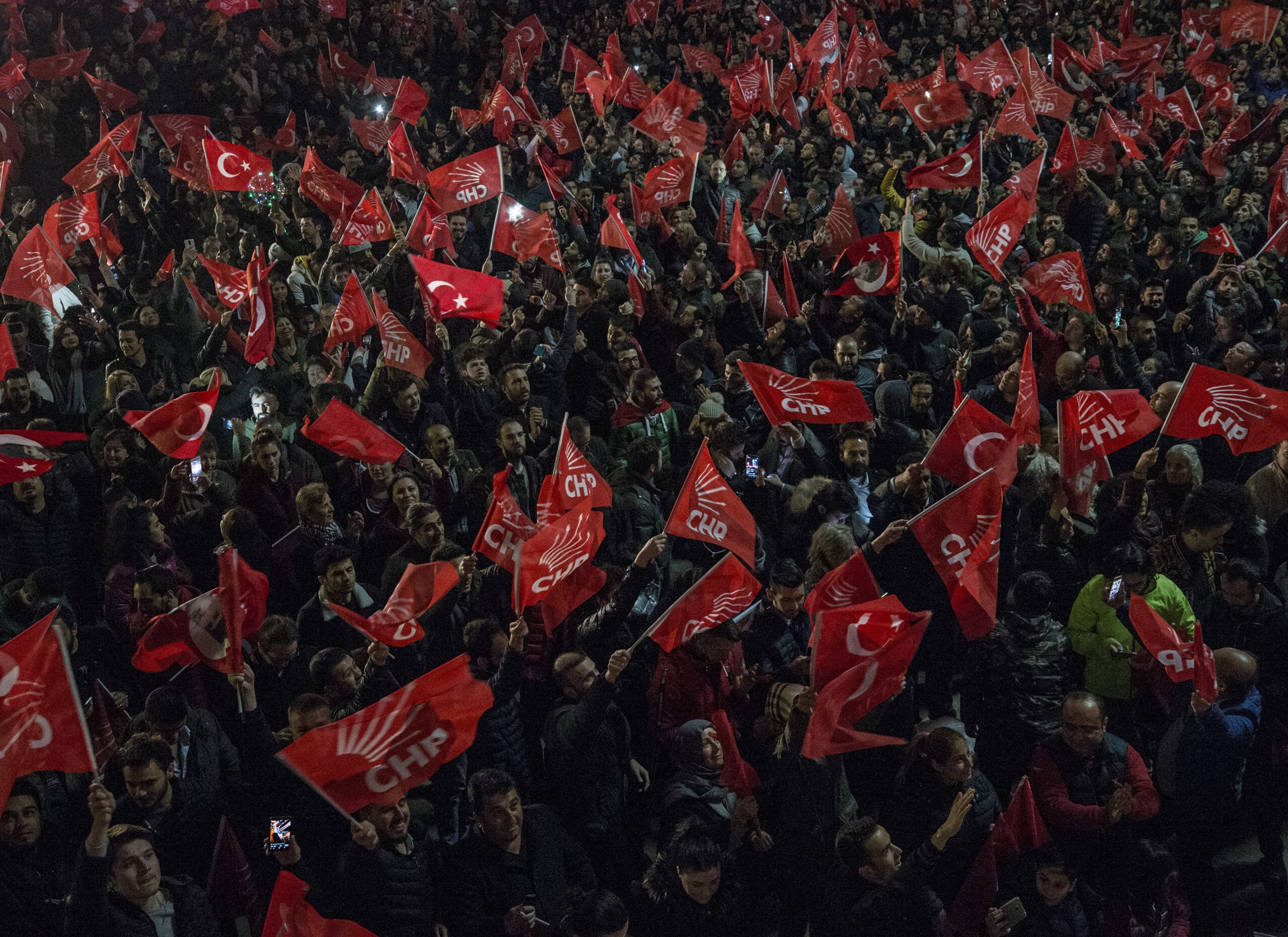
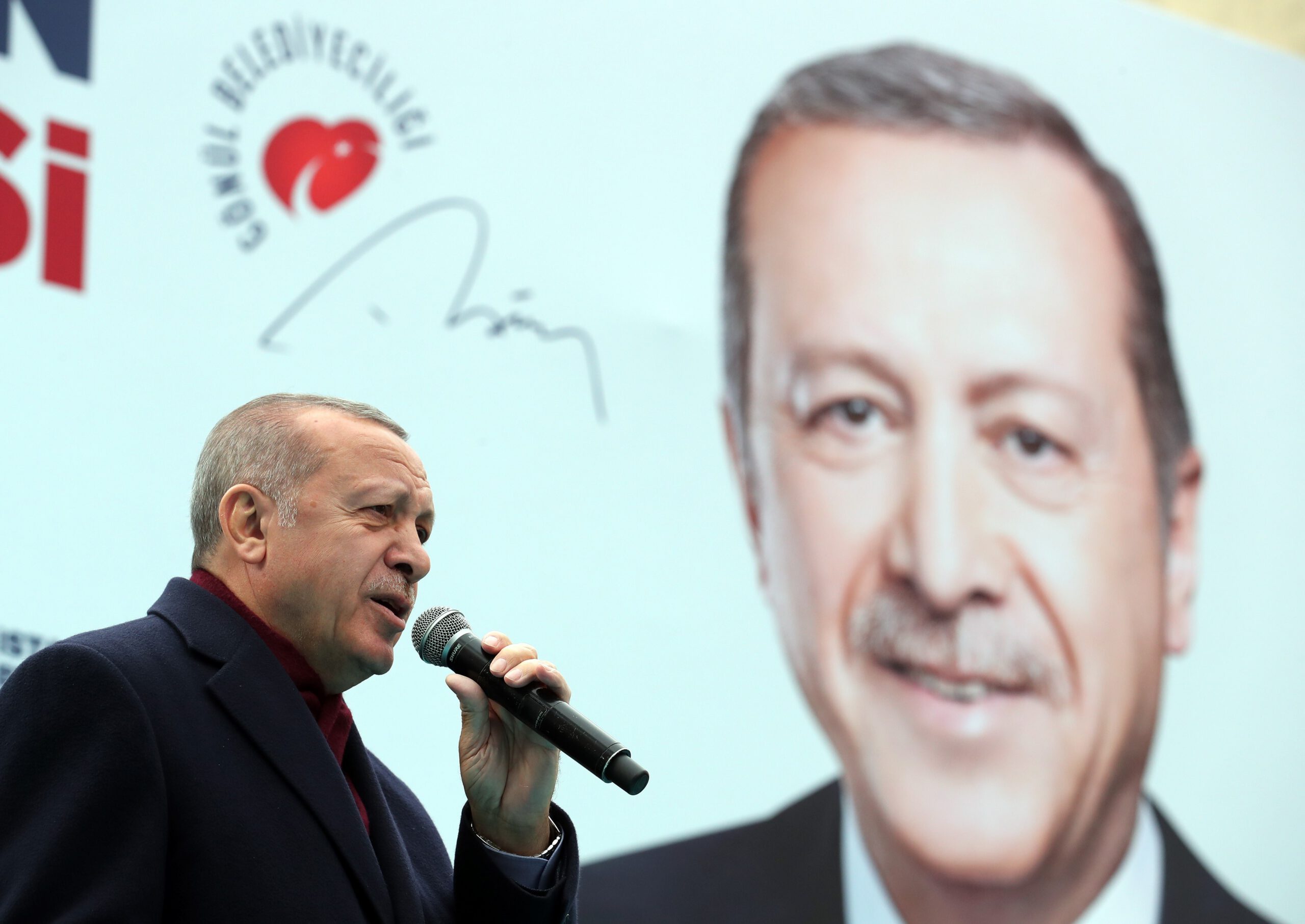
Invincible no more? Turkey’s Erdogan suffers election defeat
25 years ago, Turkish Islamists’ march to power began in the country’s capital, Ankara, and its largest city, Istanbul, when the ruling Justice and Development Party’s predecessor, the Welfare Party, captured the two municipalities. The loss of these cities in Sunday’s local elections could well mark the beginning of their descent.
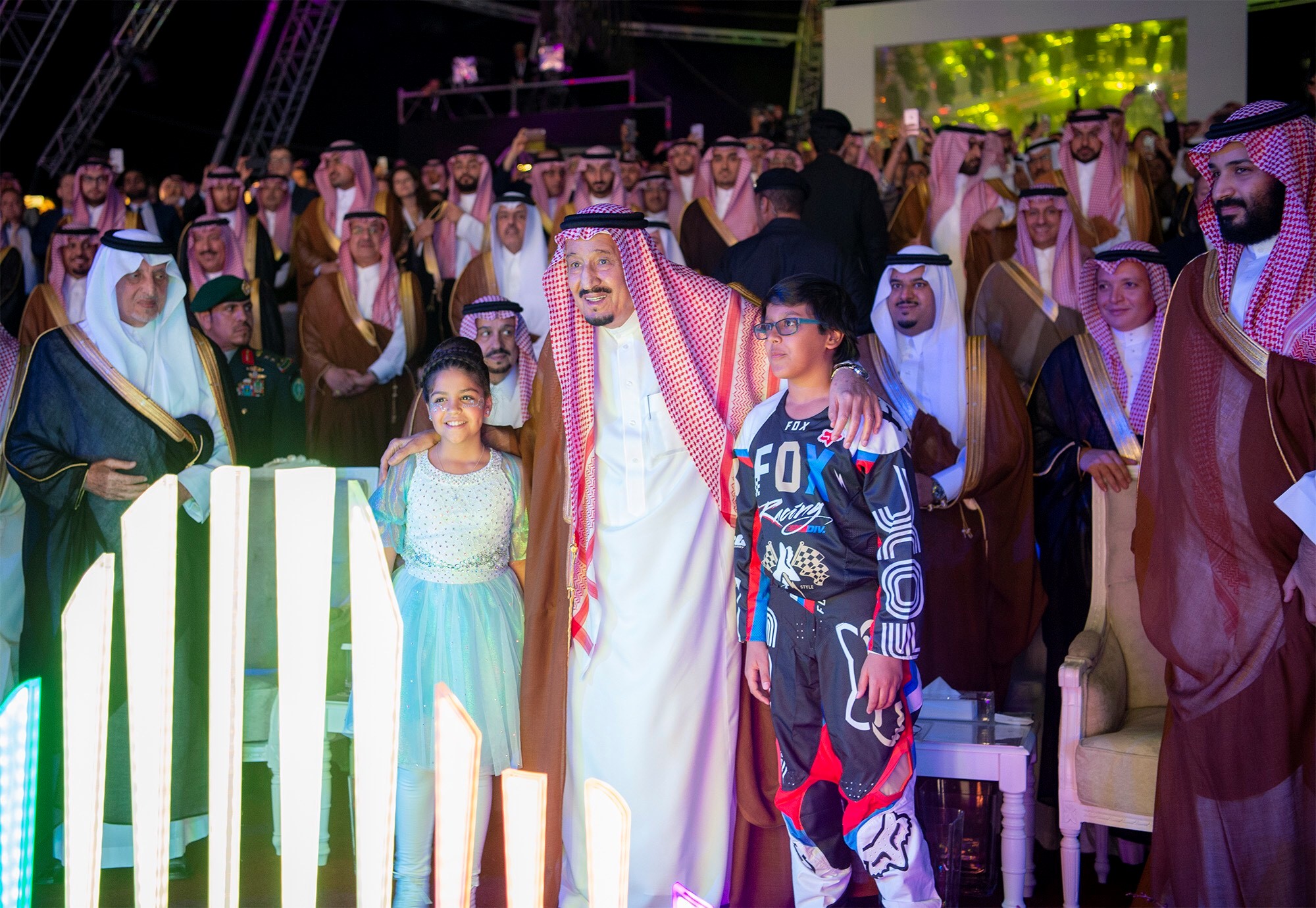
In this week’s Monday Briefing, MEI experts Robert S. Ford, Mirette F. Mabrouk, Nathan Stock, Marvin G. Weinbaum, and Jean-François Seznec provide analysis on recent and upcoming events including the government shakeup in Algeria, Egyptian President el-Sissi’s visit to Washington, rocket attacks from Gaza, Imran Khan’s war against poverty, and a $69 billion merger between Saudi Arabia’s oil and chemical giants.
Turkey’s municipal elections are in fact not local but a national referendum on the continued rule of President Recep Tayyip Erdogan. With his complete domination of every aspect of Turkey’s politics and media, as well as military, judicial, and educational institutions, it would be foolish to underestimate his ability to emerge a winner on March 31.
Where is ISIS today? | The end of the ISIS Caliphate
ISIS’s self-proclaimed Caliphate in Syria and Iraq came to an end on March 23, when the Syrian Democratic Forces, backed by the U.S.-led international coalition, liberated the town of Baghouz after a tough six week battle. In some respects however, the military victory against ISIS was the easy part.