Syria's Republican Guard: Growth and fragmentation
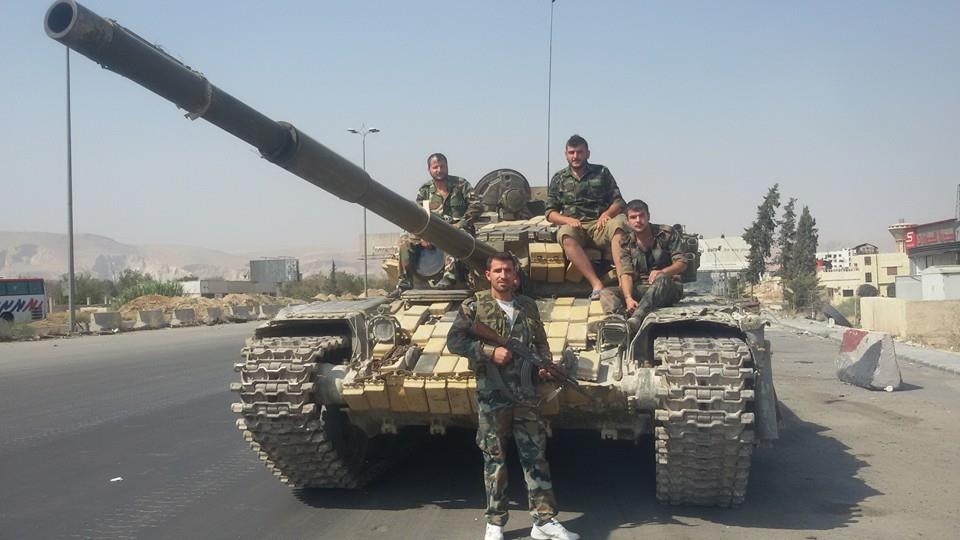
The Syrian Republican Guard (RG) has served as the backbone of the regime’s fighting forces since protests first broke out across the country in 2011.This report uses publicly available Facebook posts to piece together the history of the five regiments, six brigades, and 46 battalions identified as now belonging to the RG. Featuring an order of battle, command structure, and battalion commander profiles, this report stands as the most comprehensive record of the RG to date.
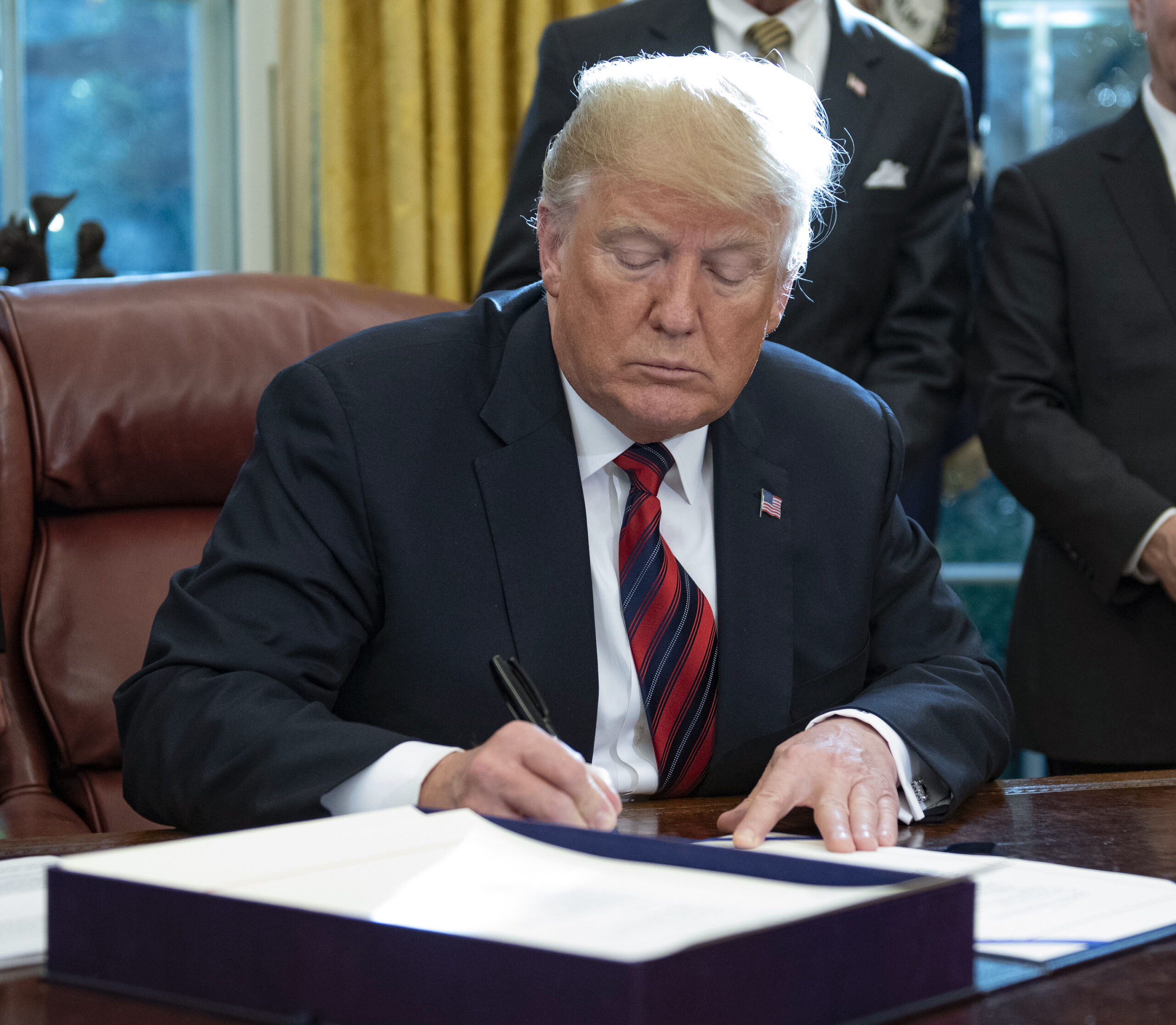
In this week’s Monday Briefing, MEI experts discuss recent and upcoming events including the coming changes in Trump’s administration, Iran’s hesitation in the US-China battle over Huawei , the ongoing Sweden talks on Yemen, results of the latest GCC summit, and questions over the legitimacy of the Afghan elections.
As fighting gives way to governing, Syria faces new challenges
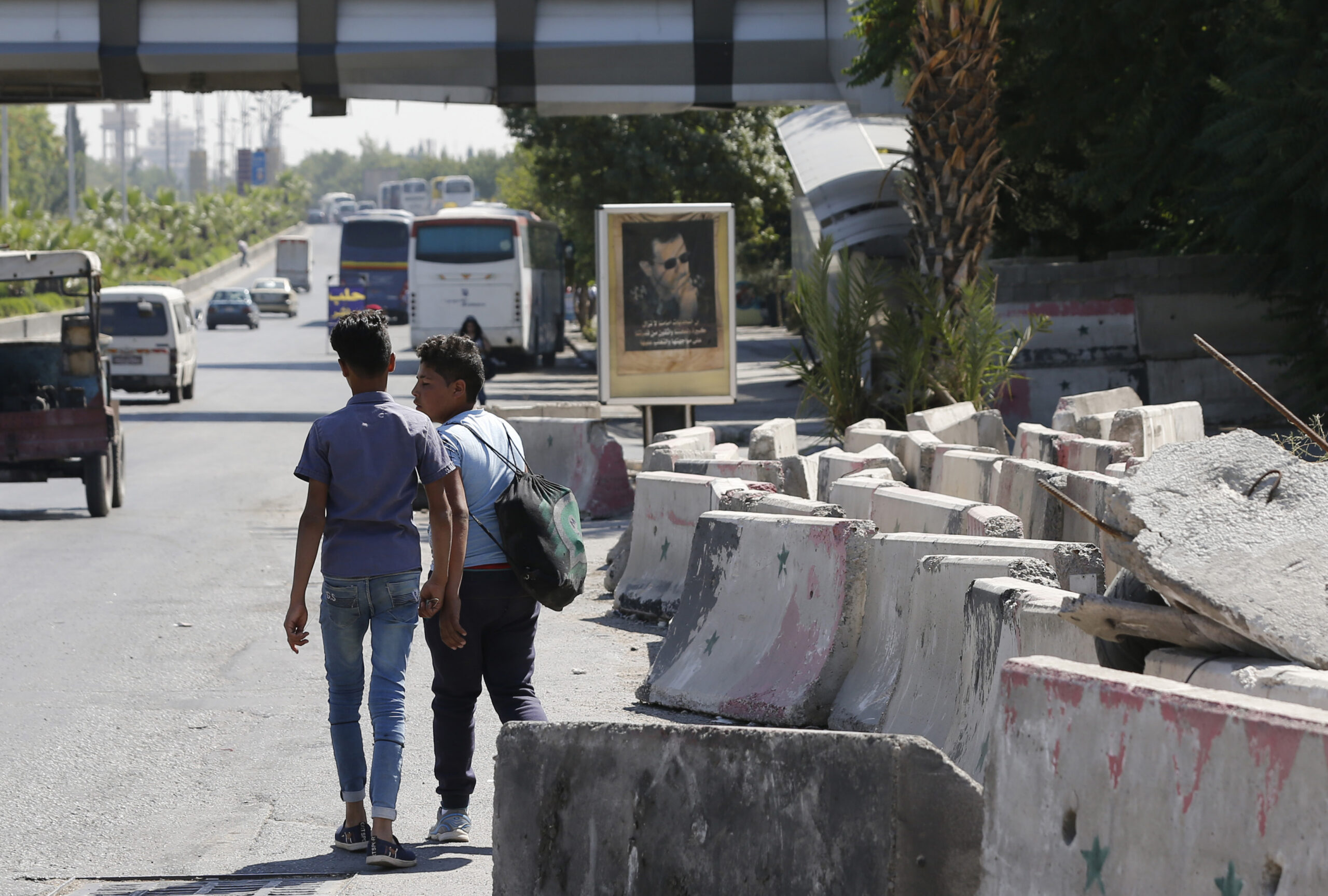
As the Syrian government begins to shift its focus to postwar governance, it faces unexpected new challenges and growing criticism from citizens voicing their frustration through social media and other channels.
Geneva conference lays out challenges in Afghanistan
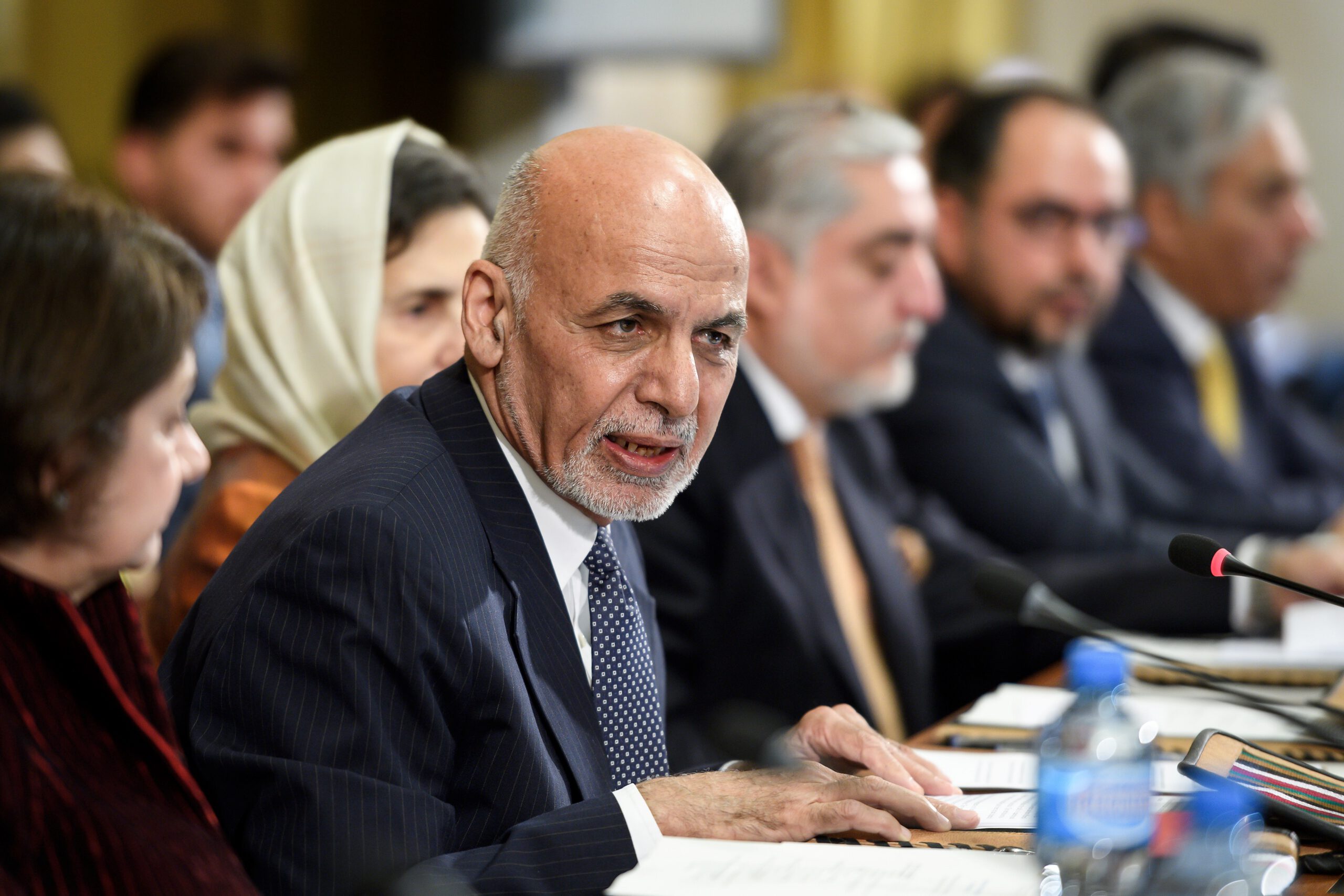
Held on Nov. 27-28, the two-day Geneva conference on Afghanistan voiced both challenges and prospects for Afghanistan’s economic and political stability.
Moscow faces new challenges in Idlib "de-escalation zone"
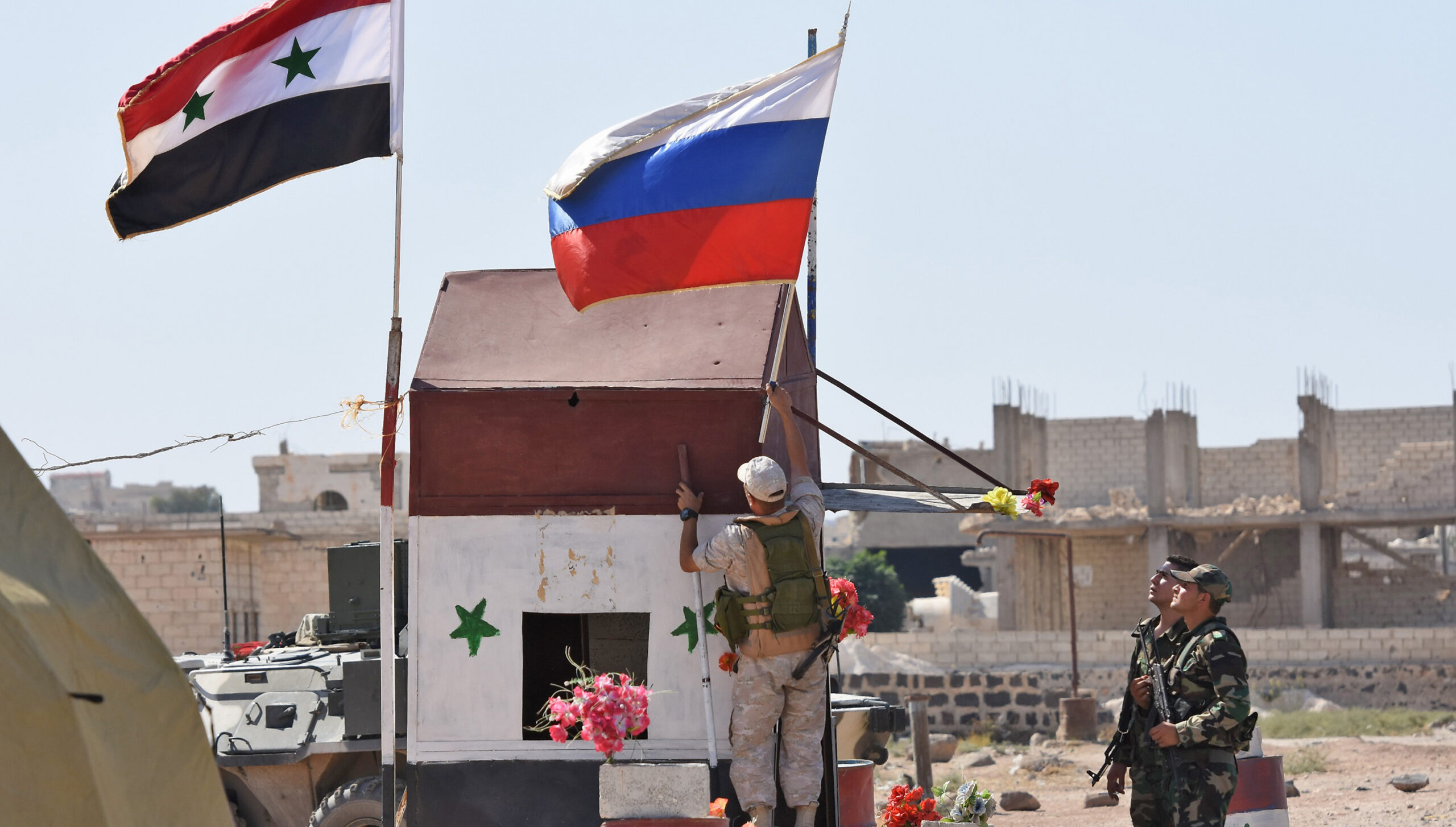
“De-escalation” zones have been a key part of Russia’s policy in Syria over the past 18 months, but the situation in Idlib, the fourth and final zone, has proven a much greater challenge than the others.
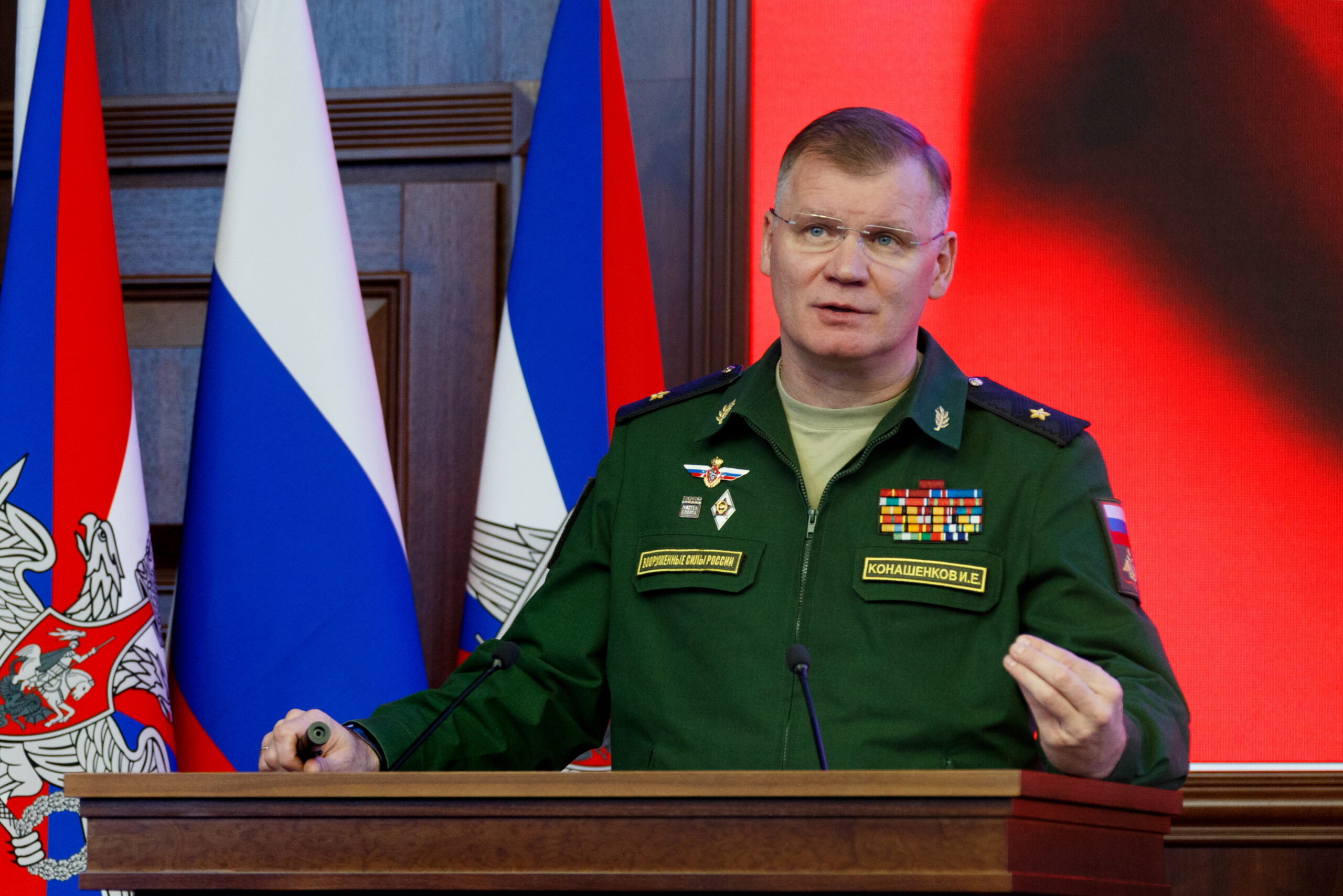
Monday Briefing: Russians launch air strikes after alleged gas attack
In this week’s Monday Briefing, MEI experts discuss recent and upcoming events including Russian air strikes in Aleppo, the elections in Bahrain, the growing international interest in Egypt’s offshore energy finds, and the appointment of a new Afghan team of negotiators for peace talks.
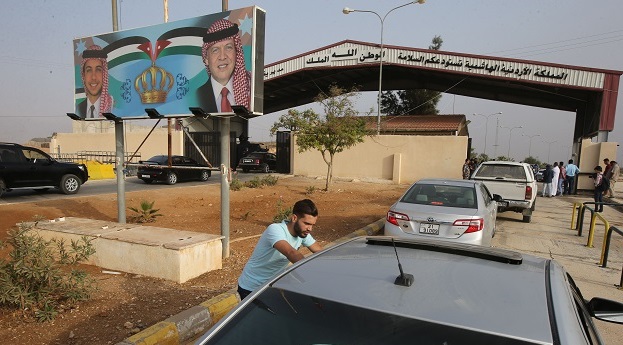
Border opportunities: Reviving the Jordan-Syria free trade zone
The reopening of the Naseeb-Jaber border crossing offers an opportunity to address the pressing political, economic, and humanitarian challenges confronting Jordan.
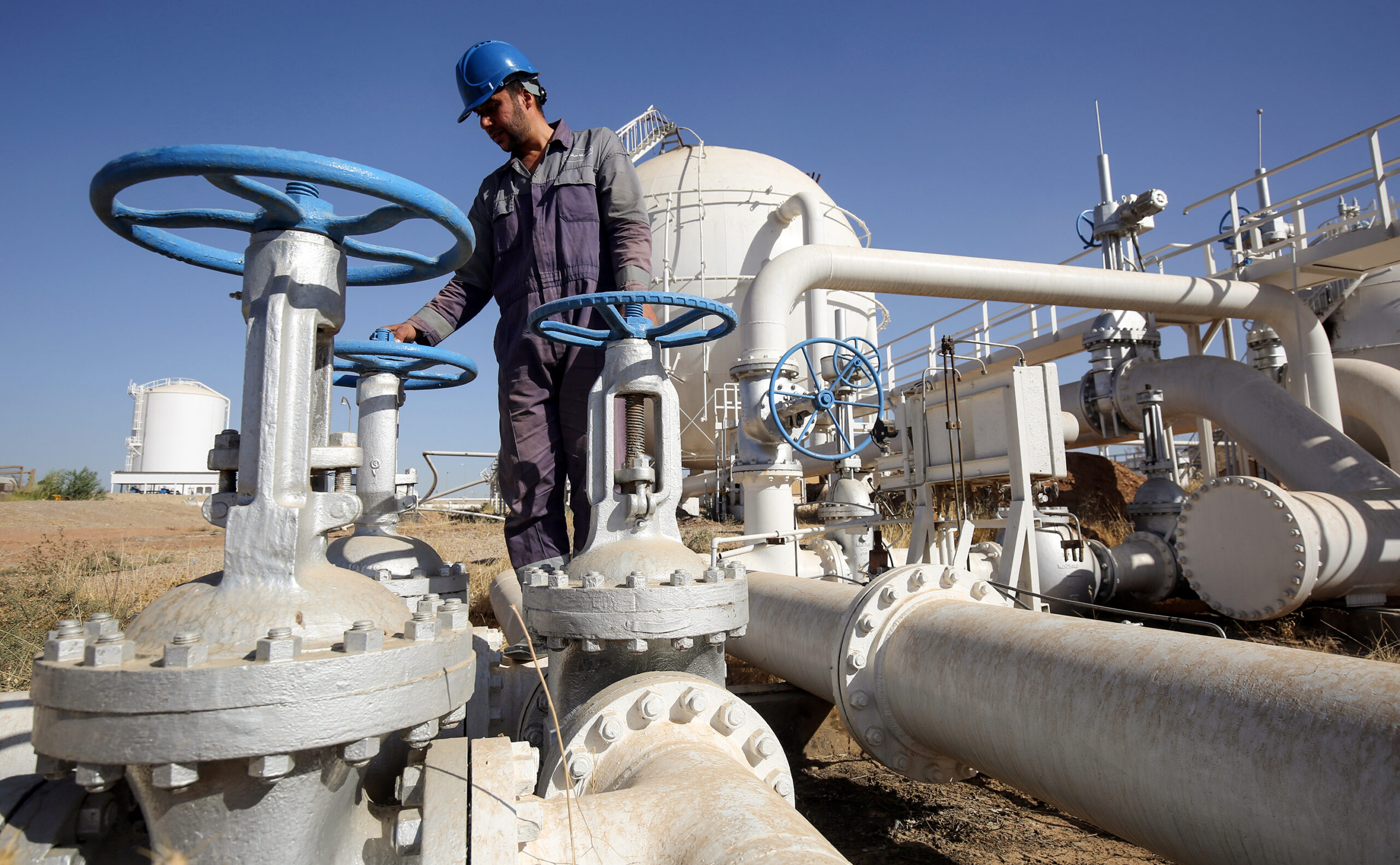
In this week’s Monday Briefing, MEI experts discuss recent and upcoming events including the Iraq-Kurdistan pipeline deal, how the YPG partnership affects US-Turkey ties, and the new Russia-Turkey gas pipeline.
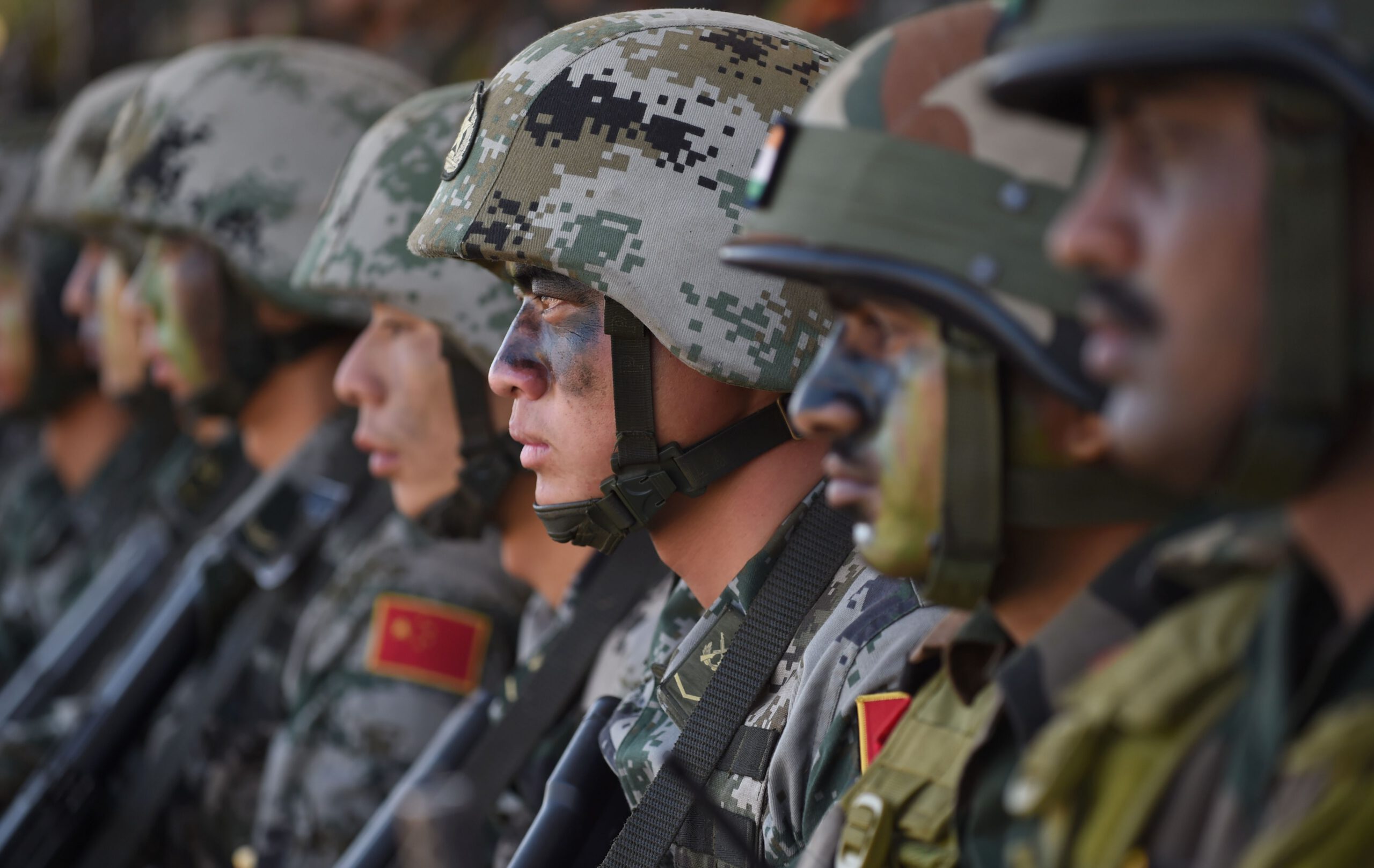
A new approach in Afghanistan: China and India take steps toward cooperation
While there have been promising recent signs of Indian-Chinese cooperation in Afghanistan, Beijing’s “all-weather” friendship with Islamabad and Pakistan’s concerns about Indian involvement in the country remain obstacles to closer ties.
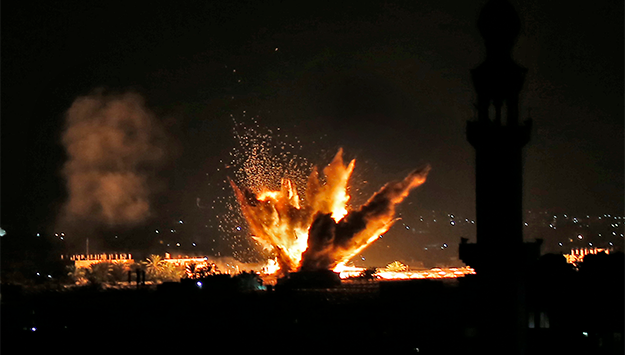
In this week’s Monday Briefing, MEI experts discuss recent and upcoming events including the Gaza flare-up and its threat to Egyptian-led negotiations, Russian-hosted Afghan peace talks, the ground offensive in Hodeidah, and rapid escalation in northwestern Syria.
Syria's war economy exacerbates divide between rich and poor
Now that armed conflict has ended in most provinces, the war is no longer an excuse for Syria’s growing wealth divide, and discontent is on the rise in government-controlled areas.
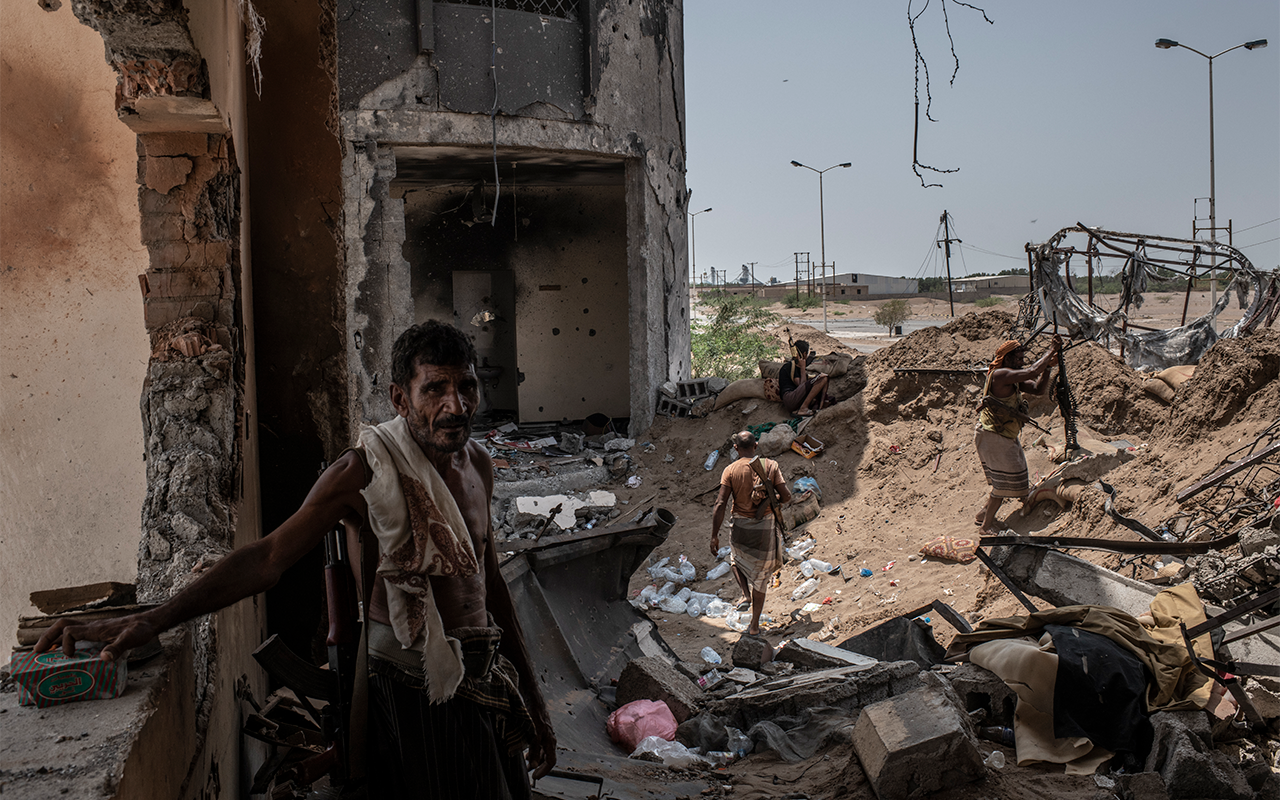
In this week’s Monday Briefing, MEI experts discuss recent and upcoming events including the ongoing conflict in Yemen, the potential impact of the midterm elections on US Middle East policy, U.S.-Turkey rapprochement, escalating tensions in northern Syria, the upcoming Palermo conference on Libya, and the potential for political fallout in Pakistan and peace talks in Afghanistan.
The Tiger Forces: Pro-Assad fighters backed by Russia
The Tiger Forces is a Syrian Air Intelligence-affiliated militia fighting for the Syrian government and backed by Russia. While often described as the Syrian government’s elite fighting force, this research portrays a starkly different picture. The Tiger Forces are the largest single fighting force on the Syrian battlefield, with approximately 24 groups comprised of some 4,000 offensive infantry units as well as a dedicated artillery regiment and armor unit of unknown size. Beyond these fighters are thousands of additional so-called flex units, affiliated militiamen who remain largely garrisoned in their hometowns along the north Hama and Homs borders until called on to join offensives as needed.
In this week’s Monday Briefing, MEI experts Alex Vatanka, Marvin G. Weinbaum, and Charles Lister provide analysis on recent and upcoming events including Iran’s decision to sell its oil in the private sector, the prime minister of Pakistan’s search for foreign aid, and the Syrian summit in Istanbul.
The primacy of praxis: Clerical authority in the Syrian conflict
A close look at the competing claims, actors, and movements for authority within the Syrian civil war reveals three distinct periods of political and religious influence: that of Syrian scholars, who were the first to inject religious language into the revolution; that of Salafi scholars predominantly from the Gulf; and lastly, that of jihadi organizations like ISIS and Hay’at Tahrir al-Sham, who were active on the ground.