الضباب الكثيف للتكتيكات والدعاية في سياسة ترامب الخارجية
كشفت المحادثة المسربة على تطبيق Signal بين كبار المسؤولين في الإدارة الأمريكية حول الضربات العسكرية ضد الحوثيين عن المشاكل الأساسية في نهج ترامب 2.0 الناشئ للأمن القومي: ميل قوي إلى إعطاء الأولوية للتكتيكات والدعاية في إدارة شؤون الدولة دون إطار استراتيجي واضح وعملي للتعامل مع أكبر التحديات في العالم والشرق الأوسط.
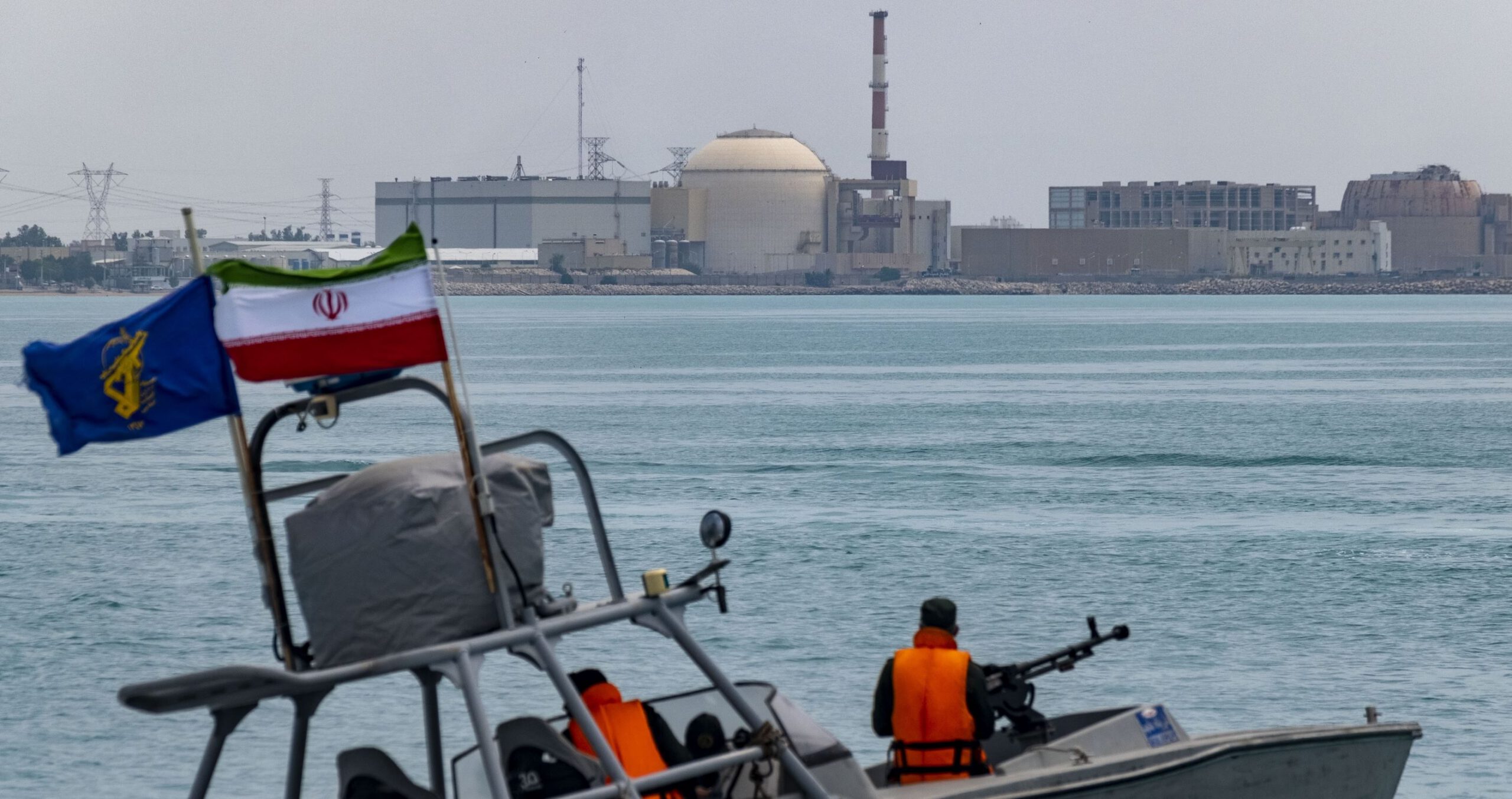
تقوم إيران بتخزين ما يكفي من اليورانيوم المخصب القريب من الدرجة العسكرية لصنع سلاح نووي في غضون أسابيع أو أشهر، وليس سنوات. والرئيس دونالد ترامب، الذي انسحب في عام 2018 من الاتفاق النووي الذي كان من شأنه تأجيل هذه الإمكانية، يناشد الآن إجراء مفاوضات مع طهران. لكن في الشرق الأوسط، لا تقتصر المسألة النووية على إيران وحدها.
Reimagining Syria: A Roadmap for Peace and Prosperity Beyond Assad
The work of the Syria Strategy Project and the considerable policy recommendations found in this report present a realistic and holistic vision for Syria’s recovery and reintegration into the international system.
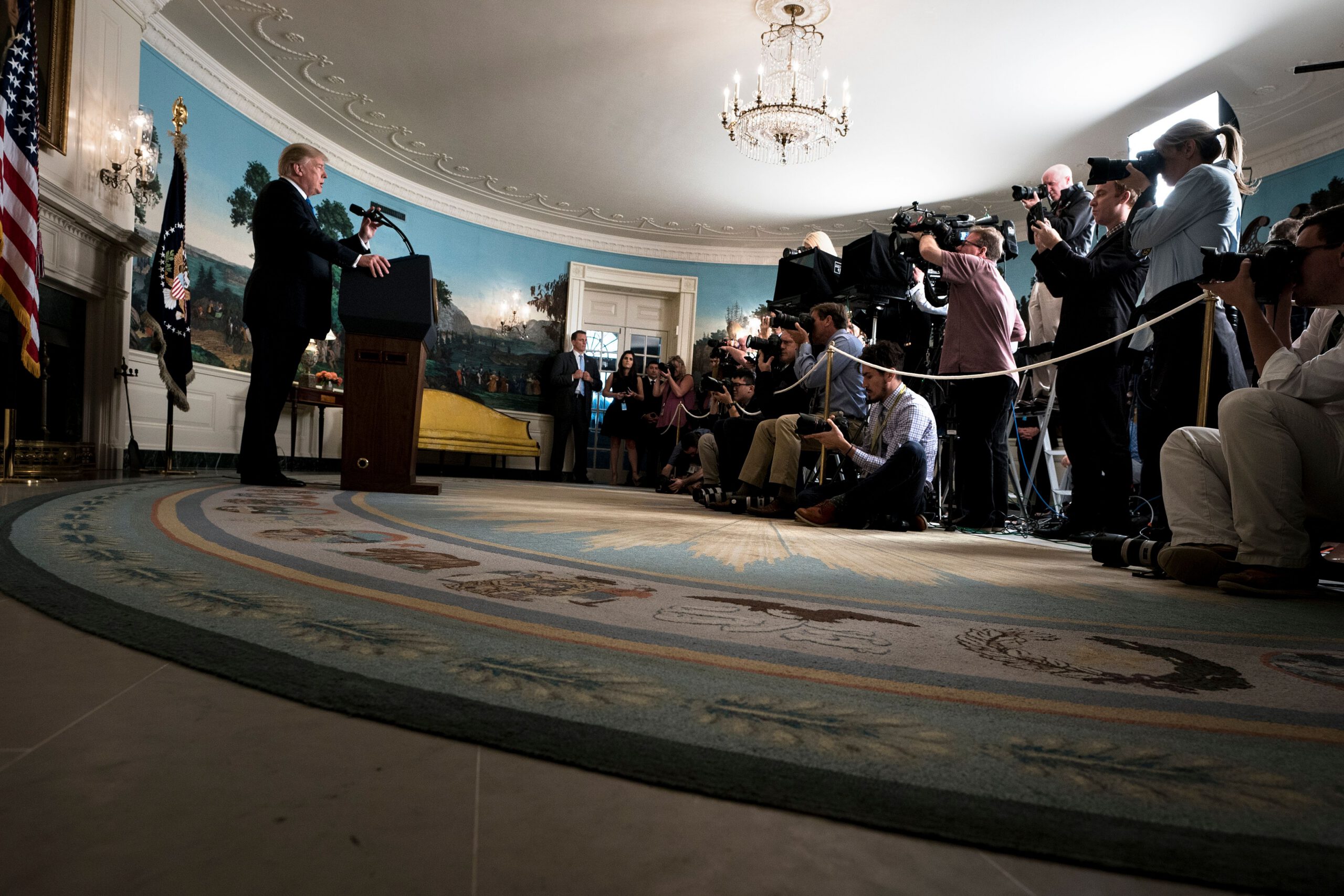
Trump brings his foreign policy improv act to the Middle East
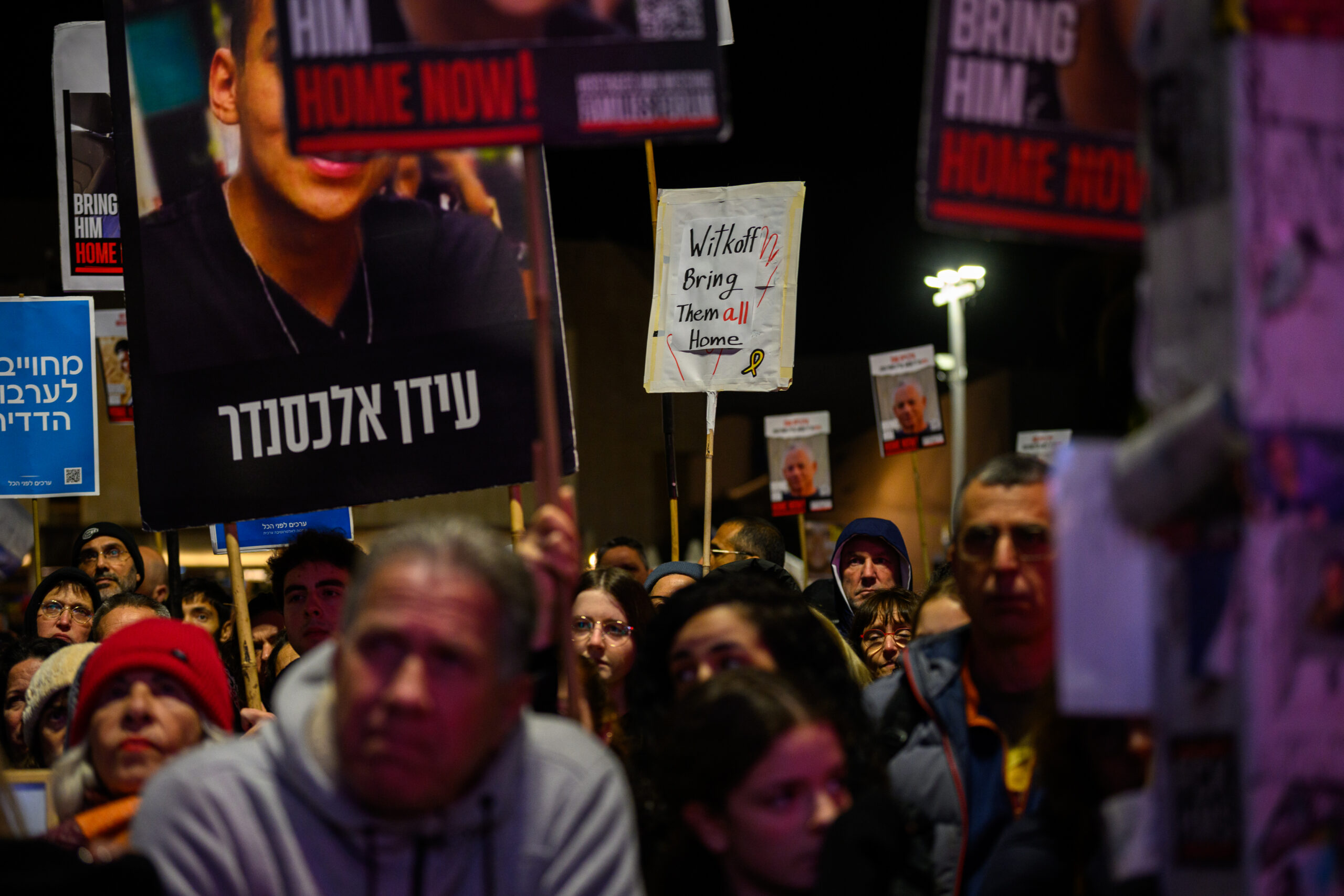
While most media attention was focused on its global economic policy moves, the Trump administration continued to keep the Middle East high on its agenda this past week, with the president sending a letter to Iran’s supreme leader and his team directly engaging with the Palestinian group Hamas. This continued engagement on the region’s top two strategic questions, Iran and Arab-Israel affairs, contrasted with America’s hands-off approach to Syria, which saw some troubling violence.
The national dialogue in Syria: A step forward or a concerning trajectory?
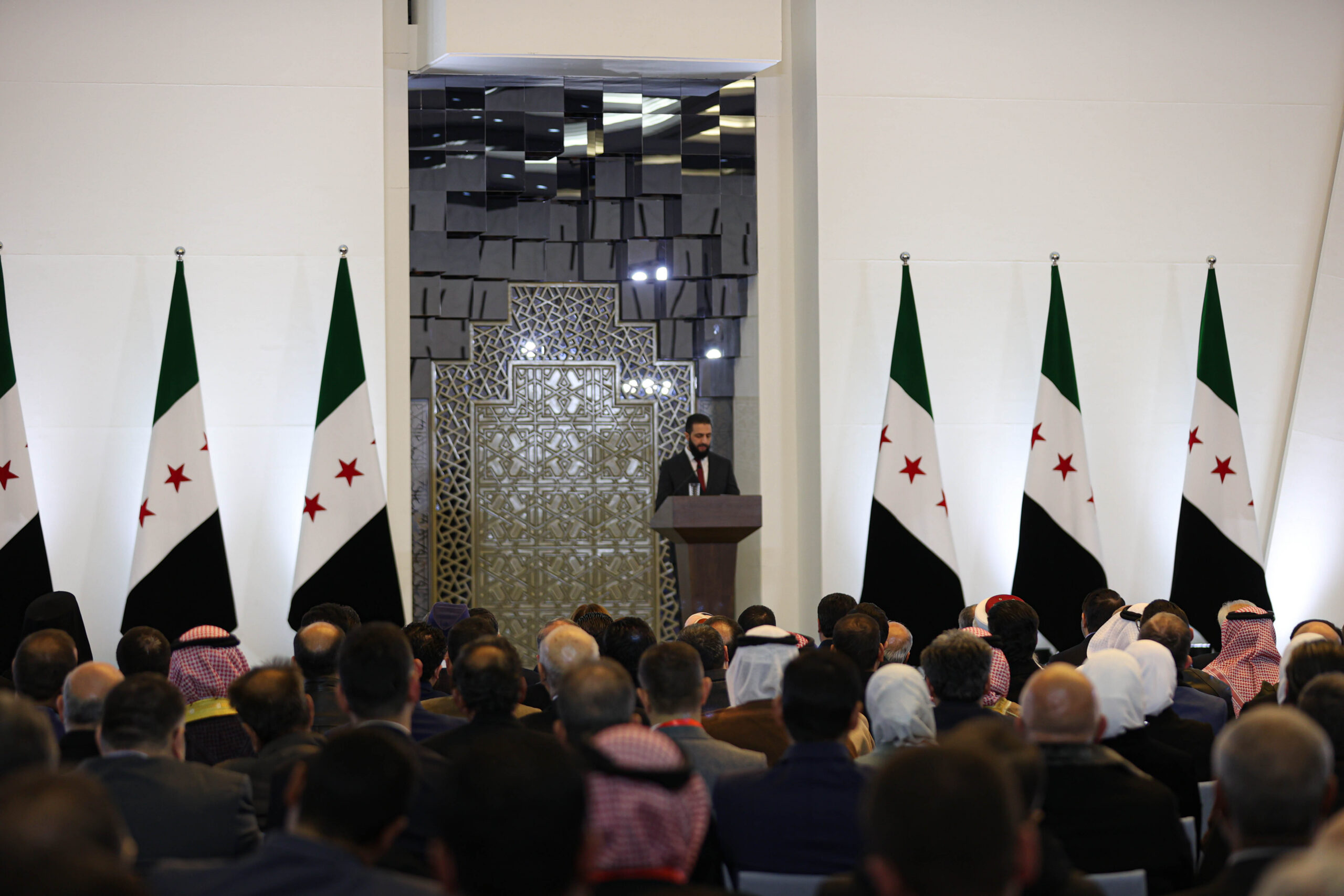
Syria’s national dialogue, held in Damascus at the end of February, was intended to chart the country’s future, one that would have been unthinkable just three months earlier. However, the process and outcomes of the dialogue were flawed, left critical questions unanswered, and raised new concerns.
Trump’s mixed messages and actions on the Arab-Israeli front
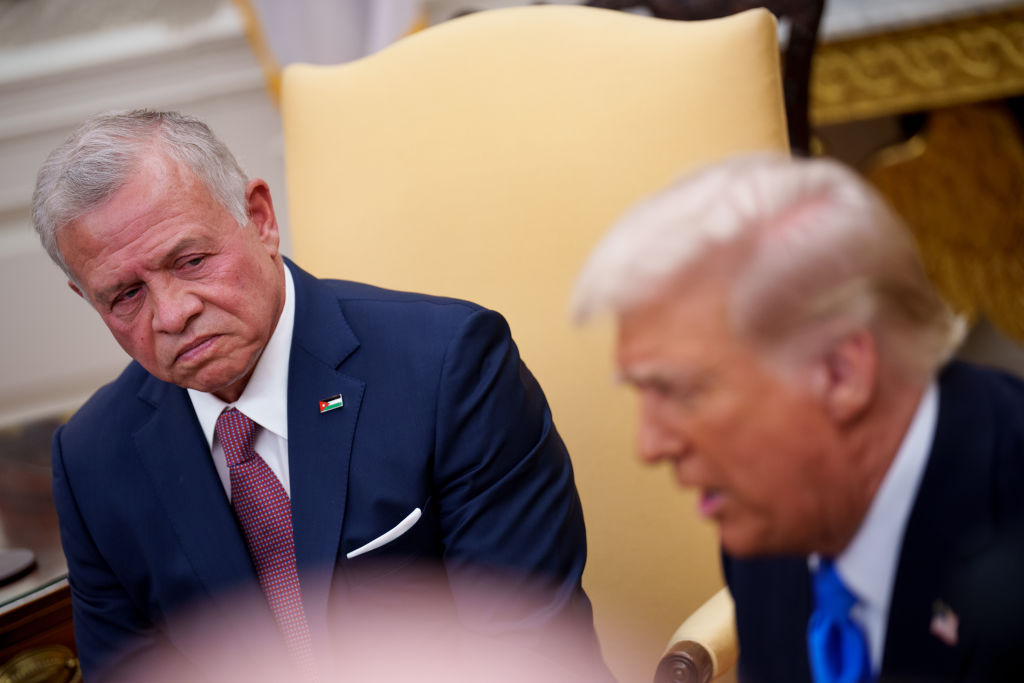
Some analysts try to explain Trump’s Middle East rhetoric as an effort to provoke a new type of conversation and to break the mold. But one unconventional source that helps explain Trump’s tactics is pro wrestling, in which the actions are understood to be illusory but still prompt a response from all sides.
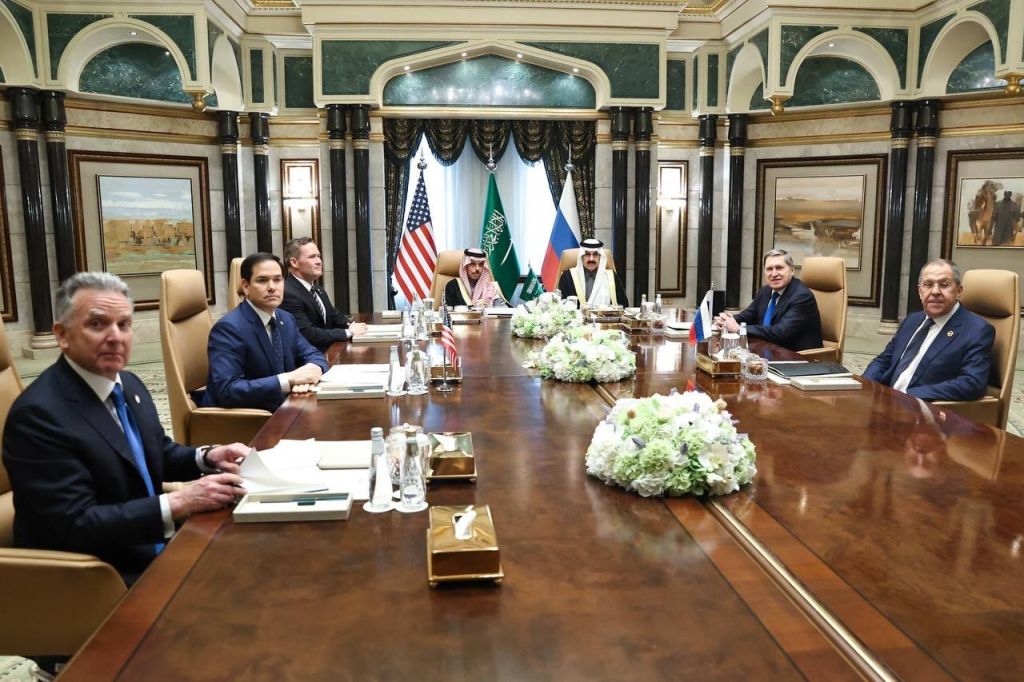
Trump’s diplomatic gambit in the Middle East at one month
This massive distraction of the Trump administration’s Gaza non-plan and the even more serious move of dismantling America’s ability to shape and influence events abroad together carry three risks for the Middle East.
إعادة توازن استراتيجية روسيا في منطقة البحر الأبيض المتوسط: من إظهار القوة إلى التراجع إلى المنطقة الرمادية
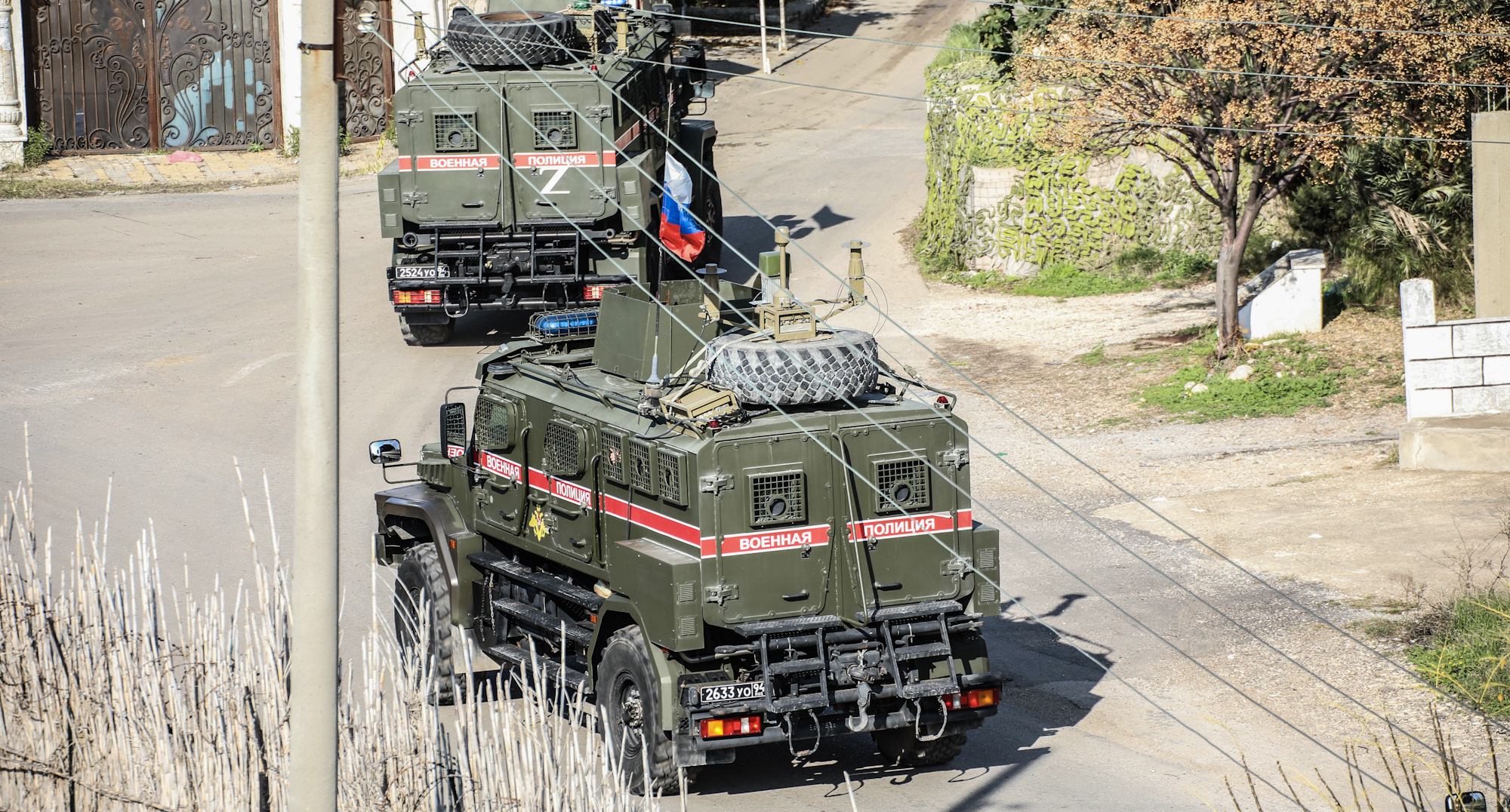
سيكون من الصعب للغاية على موسكو الحفاظ على قواعدها العسكرية في سوريا أو إيجاد موقع بديل في البحر الأبيض المتوسط. وجزء من المشكلة في السعي وراء الخيار الأخير، خاصة إذا كان في ليبيا، هو أنه سيتطلب تحولاً كاملاً في نموذج الوجود العسكري الروسي — من قواعد أكثر تقليدية مصممة لفرض الردع من خلال إظهار العلم في المنطقة إلى بناء عملية عسكرية ولوجستية داخل "منطقة رمادية" أمنية.
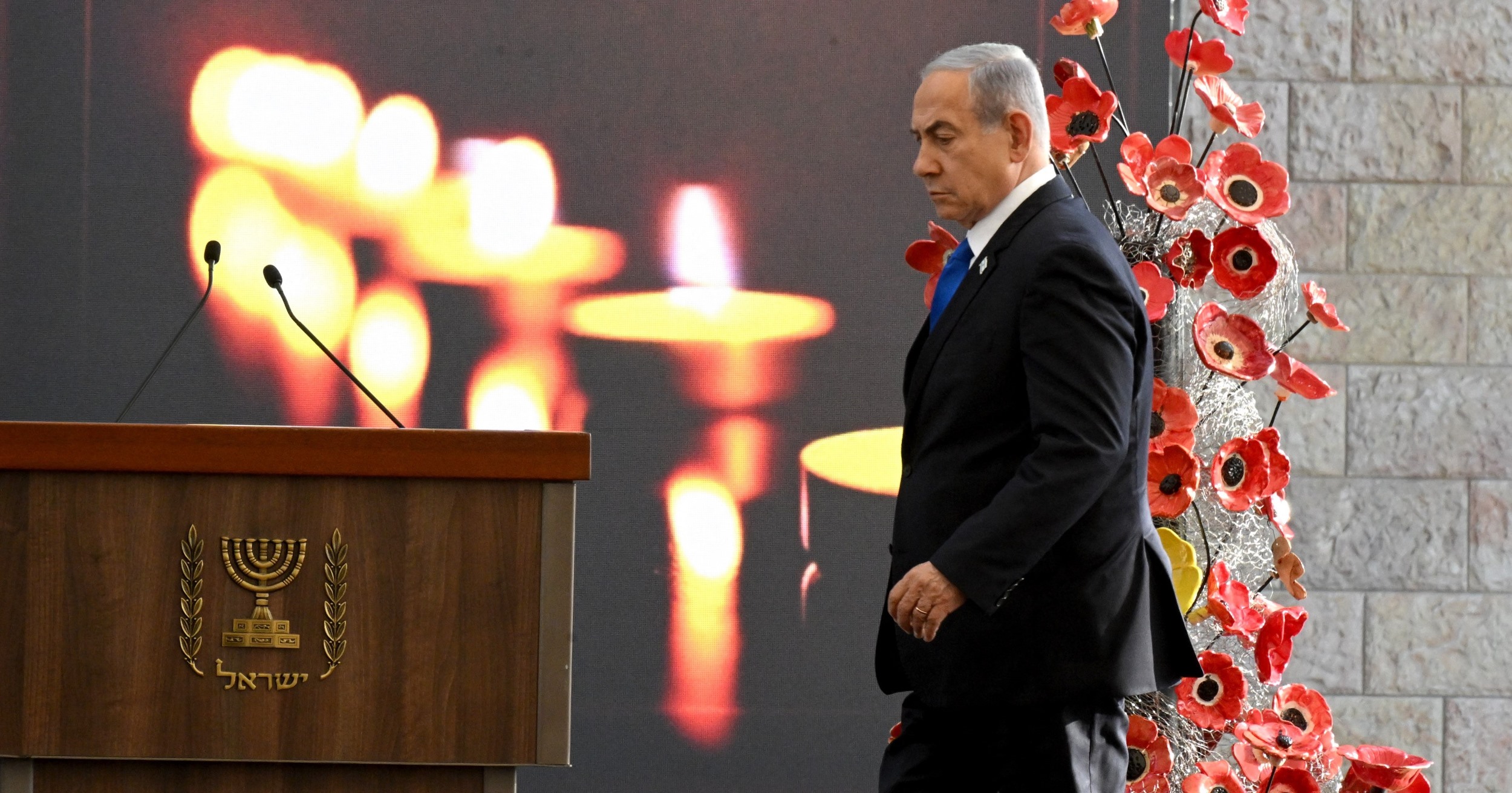
Israeli Prime Minister Benjamin Netanyahu faces a potentially disastrous showdown within the next month that could shake his hold on power, unless he manages to deter the strongly held positions of the foreign and domestic politicians and political forces on which he is dependent.
ما وراء "الضغط الأقصى" في سياسة الولايات المتحدة تجاه إيران: الاستفادة من الشركاء الإقليميين لاحتواء تصرفات إيران وتشكيل خياراتها المستقبلية
في ولايته الثانية، يواجه الرئيس دونالد ترامب منطقة الشرق الأوسط التي تشهد اضطرابات متعددة الأوجه وجمهورية إيران الإسلامية التي تمر حالياً بأضعف وأكثر مواقفها عزلة منذ تأسيس النظام في عام 1979. ومع ذلك، وبعيداً عن الخضوع الدائم، تواصل طهران الاقتراب من بناء سلاح نووي، وتحاول الحفاظ على شبكتها الإقليمية من الوكلاء والحلفاء غير الحكوميين. يواجه ترامب الآن خيارًا استراتيجيًا مهمًا بشأن سياسة إيران. يحلل هذا التقرير ثلاث ديناميات شاملة: التغيرات الاستراتيجية في الشرق الأوسط في 2023-2024؛ وتأثير هذه التغيرات على إيران وشبكة محور المقاومة؛ وموقف إيران الحالي ومكانتها في الداخل وفي المنطقة. ويختتم التقرير بسلسلة من التوصيات الاستراتيجية للإدارة الجديدة.
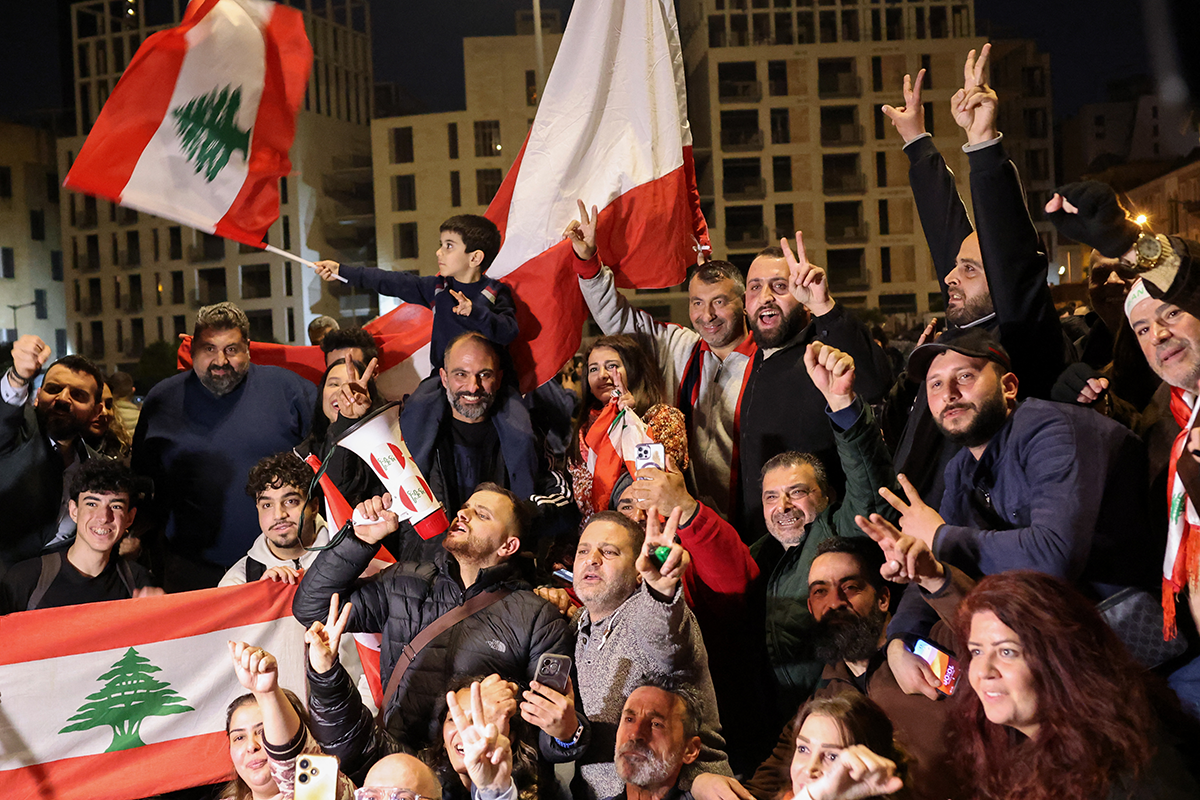
The election of President Joseph Aoun and Prime Minister Nawaf Salam is a political breakthrough in Lebanon and a harbinger of what could happen in a country long dismissed as unsalvageable. Beirut’s new leadership reflects the aspiration of a majority of the Lebanese people to live in a functioning state free from the dual drivers of its failure: political violence and pervasive corruption. Those leaders must now deliver on their commitment to establish a state committed and accountable to its people and rise to meet the responsibility that comes with holding the promise of a nation’s future.
Will Damascus-SDF negotiations lead to agreement or escalation?
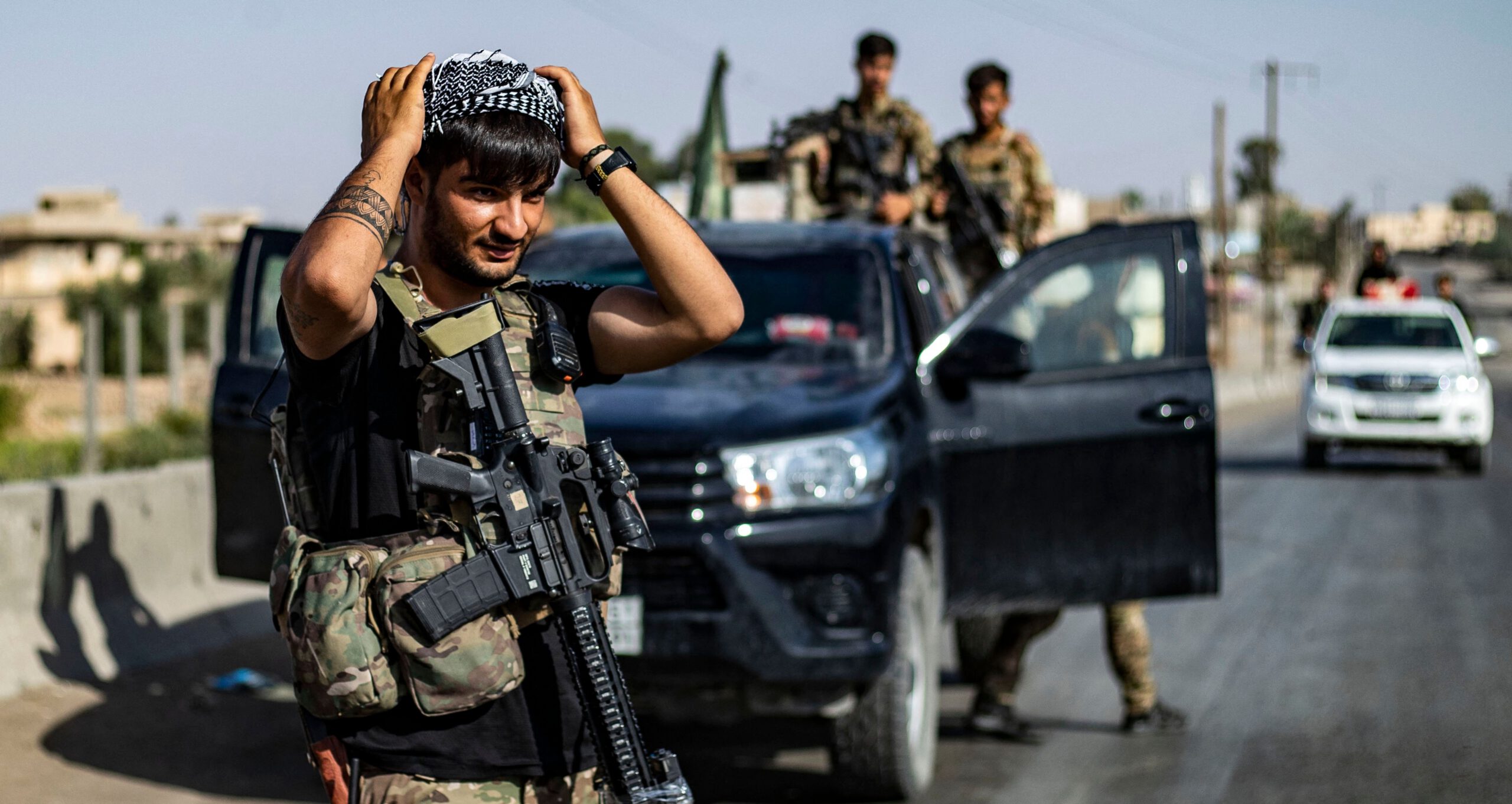
It is becoming apparent that negotiations between the new leadership in Damascus and the Syrian Democratic Forces (SDF) face significant obstacles due to disagreements over military structure and administrative demands. These issues reflect the difficulty of reaching a mutual understanding between the two parties. As these challenges persist, there is growing talk of a potential military escalation in eastern Syria, amid residents’ fears and international mediation efforts to contain the crisis and achieve progress in the negotiations.
Syria’s first post-Assad protests broke out on Dec. 25 after a video claiming to show the destruction of an Alawite shrine spread rapidly across Facebook. The video was quickly debunked as several weeks old, the shrine only partially damaged, and the damage occurring during the capture of Aleppo city rather than in an act of sectarian vandalism. But those first hours were enough to stir up the widespread fears lingering just below the surface among Syria’s Alawite minority, bringing many Alawites (as well as Sunnis) to the streets to denounce sectarianism.
A different Middle East: How should Washington respond?
A very different Middle East will greet President-elect Trump this month compared to the region he experienced during his first term. However, there are opportunities to advance American interests for a more stable and less conflictual Middle East, which might not require the kind of intense US commitment we have seen over the last quarter-century.