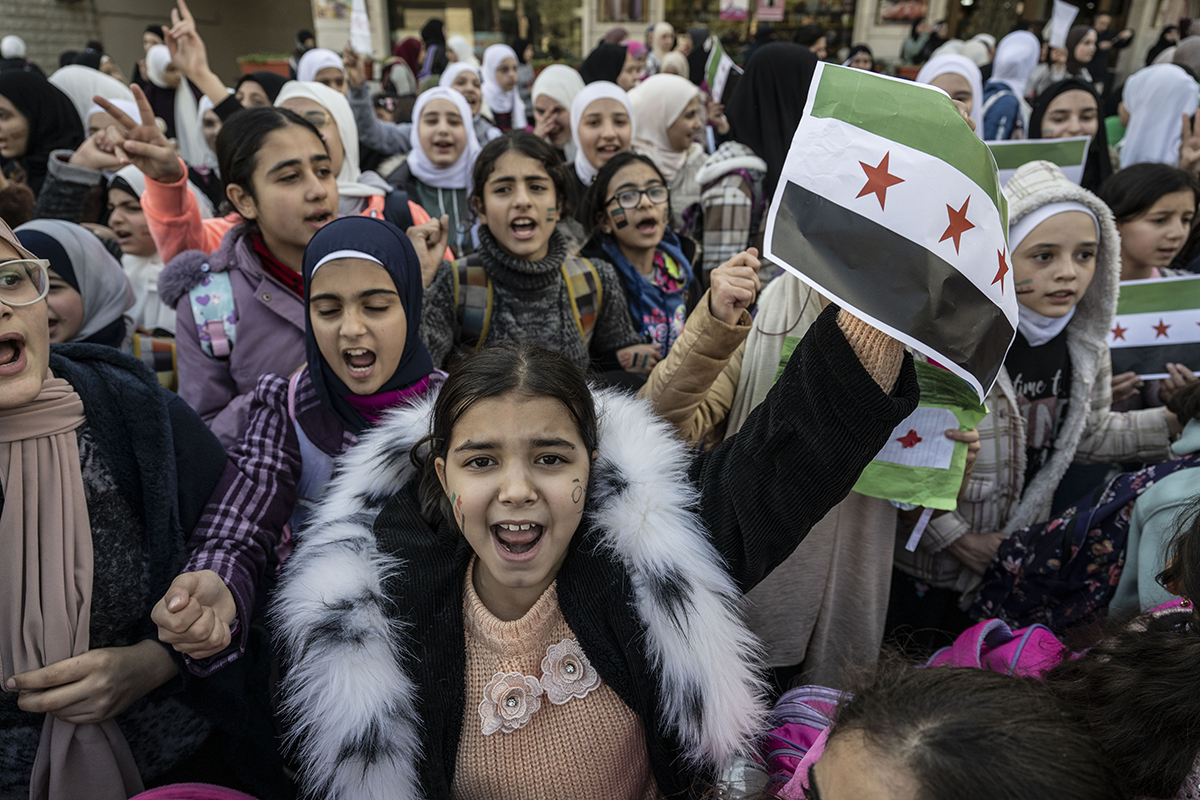
In only six days, a broad coalition of advancing opposition forces coordinated by Hayat Tahrir al-Sham has captured all of Idlib province, almost all of Aleppo province, and a sizeable stretch of northern Hama — a humiliating defeat for Bashar al-Assad and illustrative of the fragility of regime rule in Syria.
How might US-Israeli relations evolve under the Trump administration?
MEI Senior Fellow for Israeli Affairs Nimrod Goren and Associate Research Professor Ilai Saltzman discuss potential shifts in US policy, the outlook for Israeli politics in 2025, and the challenges to advancing peace on the Israeli-Palestinian front. Tune in for expert insights on what lies ahead.
Reshaping the public discourse is key to restoring support for Israeli-Palestinian peace
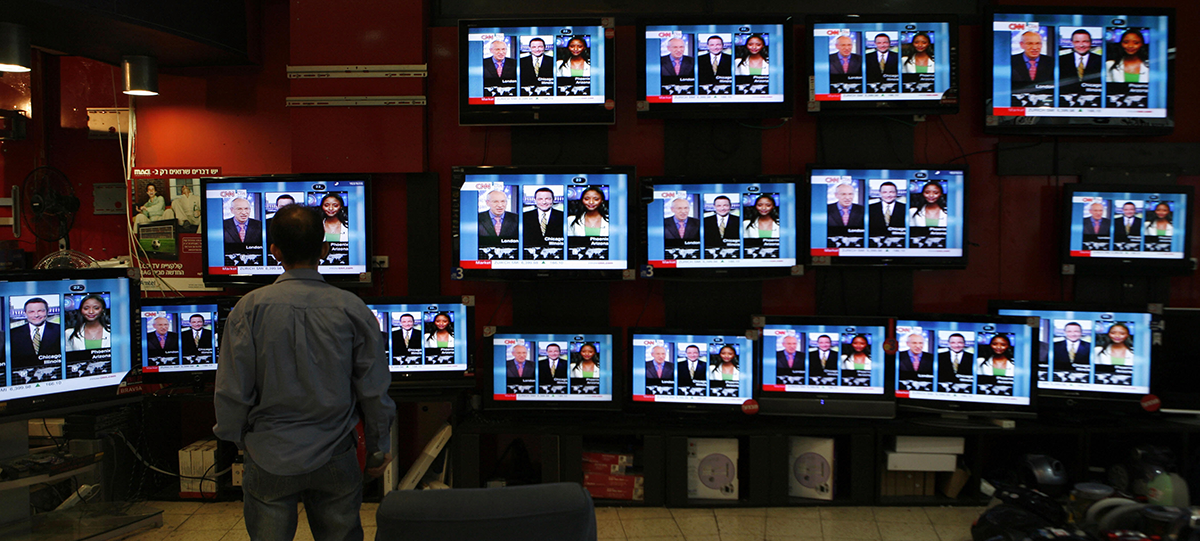
Supporters of peace, both local civil society actors and international partners, need to make a sustained effort to promote conflict resolution by shifting the public discourse of traditional and new media outlets, especially in Israel.
After Oct. 7, Israeli and Palestinian civil societies’ pro-peace role is more important than ever
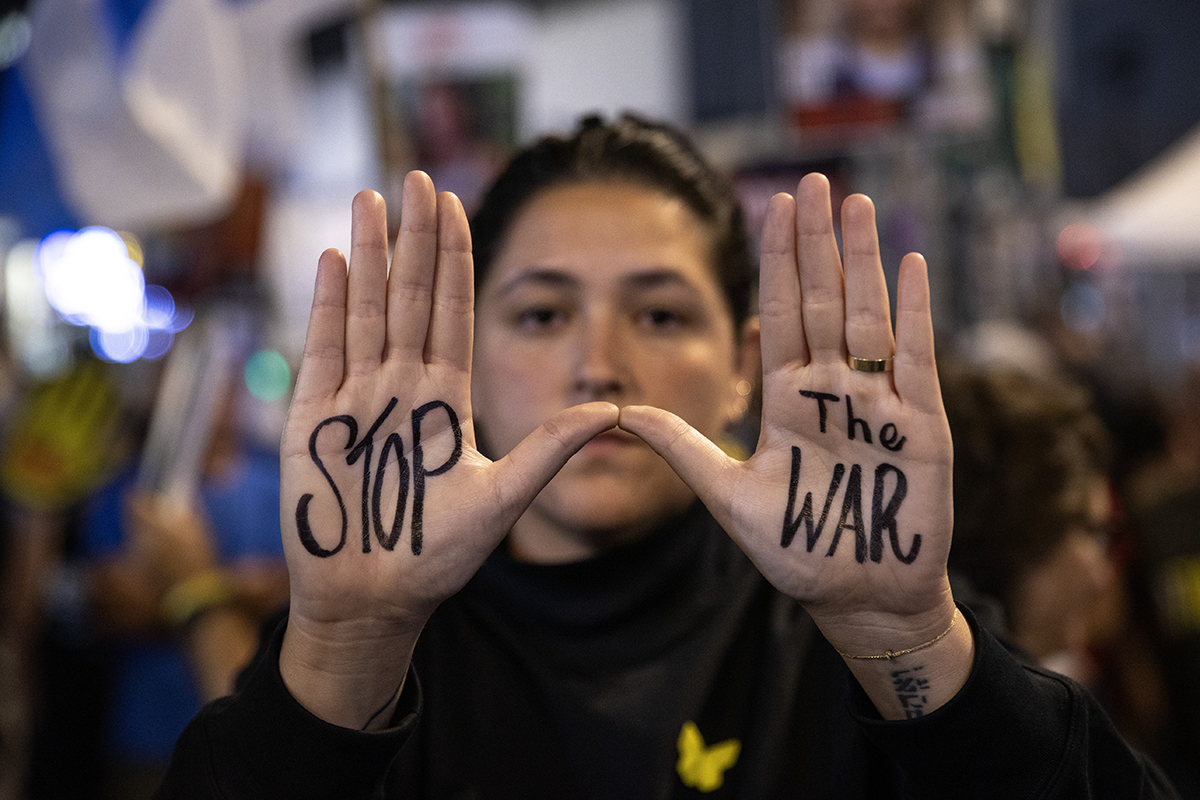
The devastating conflict that erupted on Oct. 7, 2023, dealt a near-fatal blow to efforts by Israeli and Palestinian civil society organizations, leaving both sides feeling as though they have returned to square one. The unprecedented violence and severity of the war have profoundly altered the consciousness of both Israelis and Palestinians, reinforcing a sense of existential struggle. Efforts to engage the public must contend with a hardening of positions and sentiment.
Over the past month, Iran and its regional network of allies and proxies – the Axis of Resistance – has suffered a string of dramatic losses and defeats. What is the future of the Axis and its members, and what can the US and its allies do to confront and disrupt this Iranian-led network?
MEI Managing Editor Matthew Czekaj speaks to Meir Javedanfar and Alex Vatanka on Iran’s role in keeping its network of proxies together and the conflicting interests that may force the country to rethink its antagonistic regional strategy.
'Fight big or think big': How the Middle East can pull back from the brink
If war is the continuation of politics by other means and every conflict is a symptom of a deeper unresolved contradiction, the violence of the past year – as well as the current direct confrontation between Israel and Iran – are the result of two deep and unresolved political problems.
These are the denial of Palestinians’ basic rights amid long-term Israeli occupation and Iran’s rejection of the basic rules of international law, as well as its insistence on maintaining a string of militias in broken Arab states from Lebanon to Yemen.
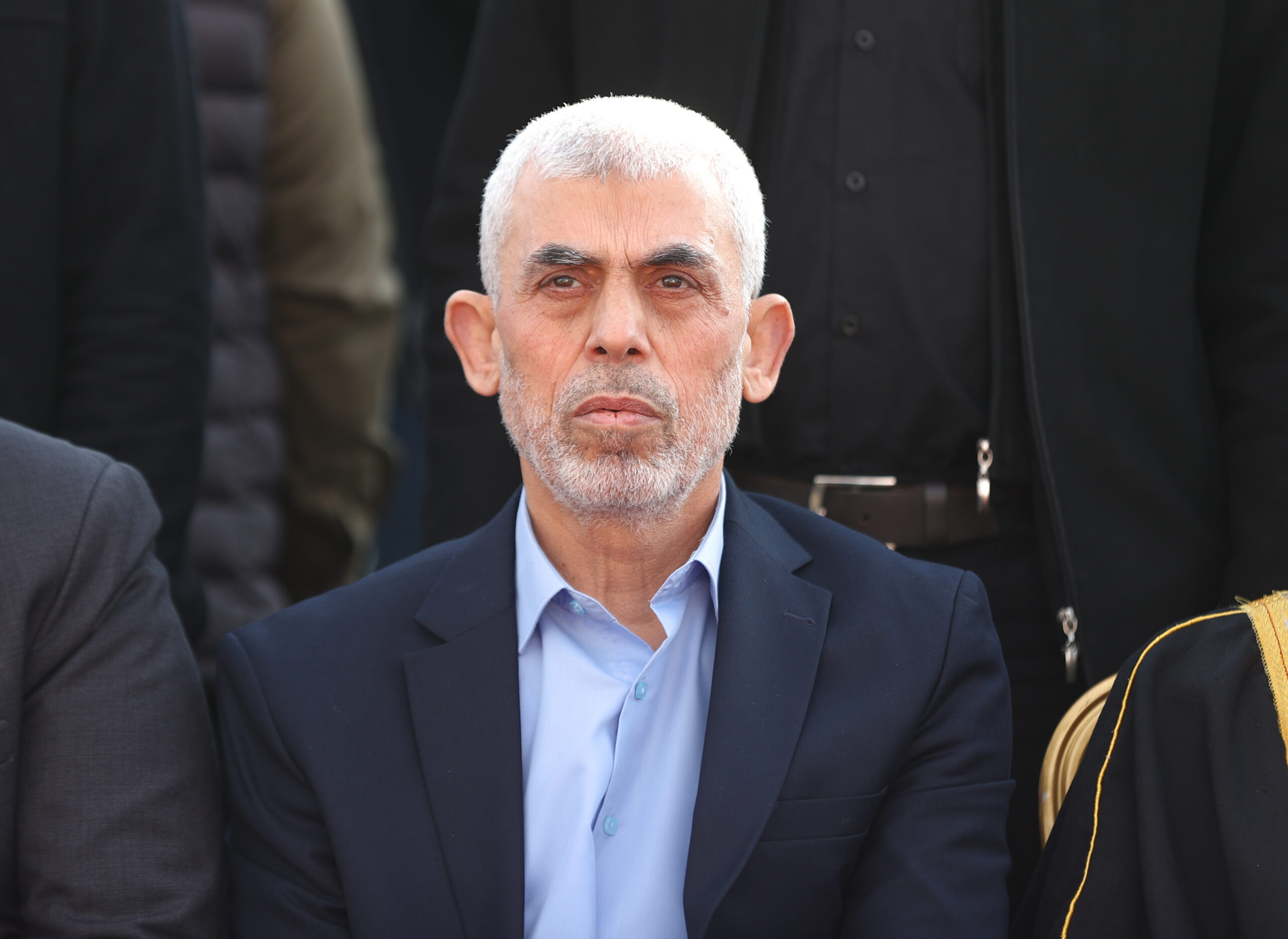
Israel has confirmed the death of Yahya Sinwar, chairman of the Hamas Political Bureau and Hamas leader in the Gaza Strip. Sinwar was one of the chief architects behind Hamas’ attack on Israel on Oct. 7, 2023, and has been a key Israeli target throughout the Gaza war.
A year ago, in the wake of Hamas’s Oct. 7 attack, U.S. President Joe Biden traveled to Tel Aviv and met with Israeli Prime Minister Benjamin Netanyahu to reiterate his administration’s unwavering support for Israel. Biden’s embrace of Netanyahu was rooted in the belief that only positive inducements and constant reassurances—both militarily and diplomatically—could restrain Israel’s actions in Gaza. In reality, though, this “bear hug” diplomacy has resulted in an unmitigated failure.