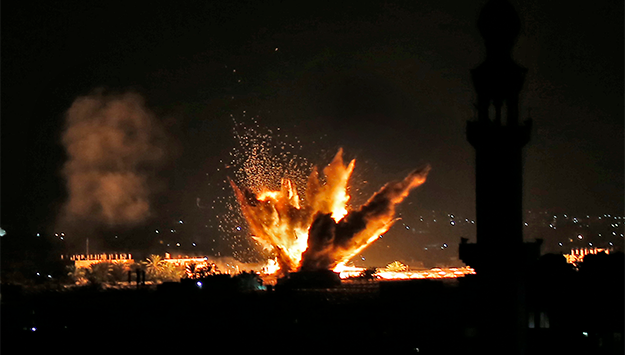
In this week’s Monday Briefing, MEI experts discuss recent and upcoming events including the Gaza flare-up and its threat to Egyptian-led negotiations, Russian-hosted Afghan peace talks, the ground offensive in Hodeidah, and rapid escalation in northwestern Syria.
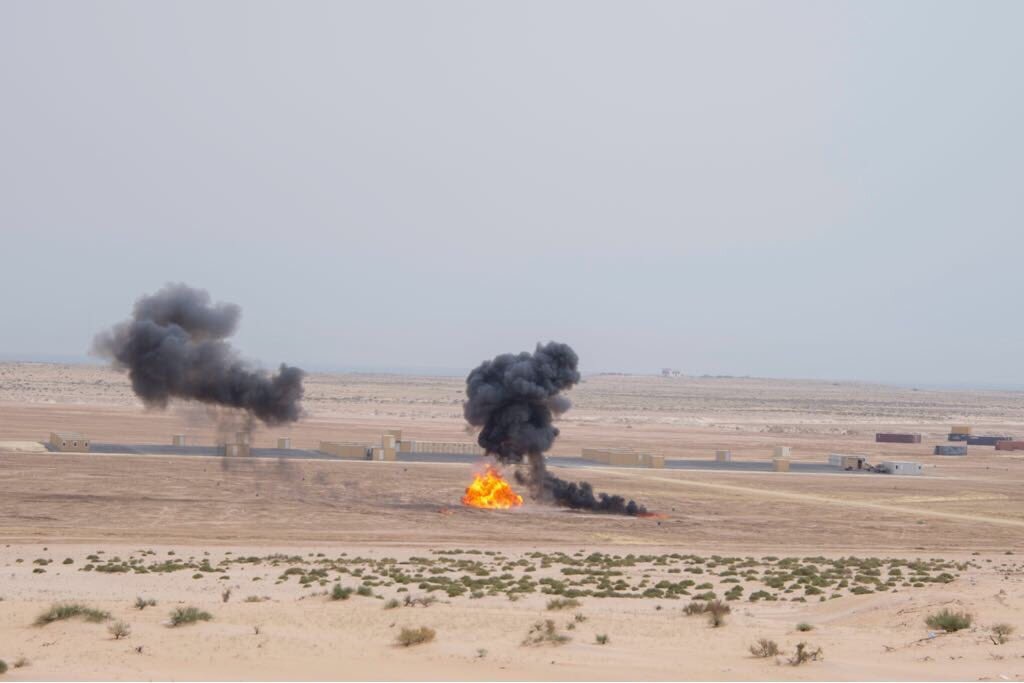
As naval, air, and ground units from Bahrain, Egypt, Jordan, Kuwait, Saudi Arabia, and the UAE conduct war games in western Egypt this month, many speculate that this could represent the birth of the so-called “Arab NATO.”
New Iran sanctions: U.S. goals, E.U. countermeasures, and Tehran’s reactions
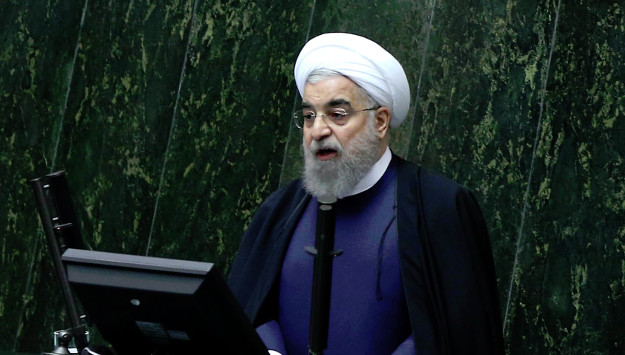
On November 5, the Trump administration re-imposed the full scope of U.S. sanctions on Iran, nearly six months after it unilaterally withdrew from the 2015 nuclear accord, also known as the Joint Comprehensive Plan of Action (JCPOA). The stringent sanctions target Iran’s energy, shipping and banking sectors and make it difficult, if not impossible, for foreign companies to continue to do business with the Islamic Republic. The Treasury Department reinstated all sanctions removed under the JCPOA, and blacklisted 300 new entities and individuals, in what the Treasury called it the “largest ever single-day action targeting the Iranian regime.”
Iraq’s Imam Ali Brigade militiamen vow to fight in Yemen next
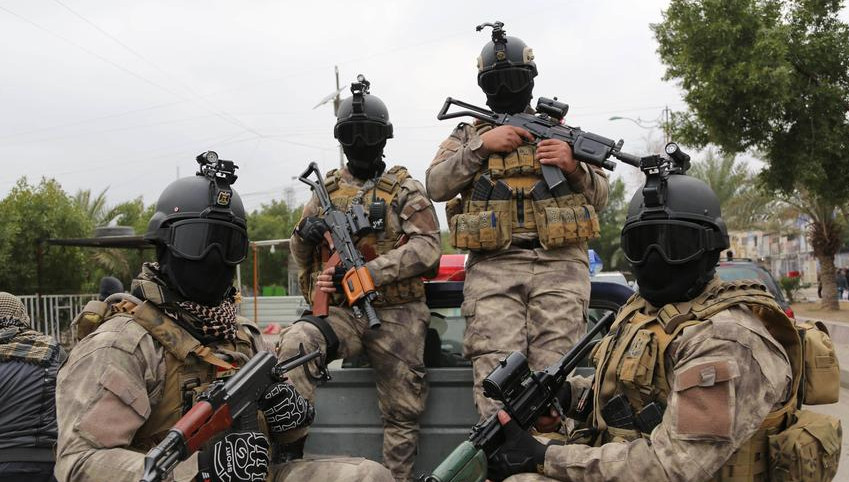
In a recent video circulating on Iraqi social media, a man appears to be showing off rows of militiamen in the background as they conduct combat drills. He begins by giving an overhead view of several fighters of the Imam Ali Brigade, an Iranian-supported militia group within Iraq’s Popular Mobilization Force (PMF), marching in formation as they receive training. Before concluding the clip, he declares “Ila al-Yaman Insha’llah” (to Yemen, God willing).
The cross-currents shaping Washington’s Iranian oil policy
Although the Trump administration has said it will issue temporary waivers to some major importers of Iranian oil, further declines in Iran’s exports are likely after sanctions come into effect on Nov. 4.
MEI’s Alex Vatanka and Jean-Francois Seznec join host Paul Salem to discuss the impact of incoming U.S. sanctions on Iranian energy exports on Iran’s economy, the Gulf, and energy markets in general.
In this week’s Monday Briefing, MEI experts Alex Vatanka, Marvin G. Weinbaum, and Charles Lister provide analysis on recent and upcoming events including Iran’s decision to sell its oil in the private sector, the prime minister of Pakistan’s search for foreign aid, and the Syrian summit in Istanbul.
The stakes behind the story: How Egypt’s media covered the Khashoggi case
As the Khashoggi drama became to big to ignore, Egypt’s state-owned and private media coverage of the story confirmed that Egypt could not afford to harm its ties with Saudi Arabia.
Iran-backed Houthi rebels step up persecution of Baha’i minority in Yemen
Earlier last week, Iranian-backed Houthi authorities arrested 24 Baha’is on charges of espionage and apostasy, which are punishable by death. Amongst those arrested are eight women, a teenage girl, and 15 men that hold leadership positions in the Baha’i community in Yemen. The charges – including accusations of being agents for Israel, the U.S., and the U.K –were formalized during their trial, which took place secretly and without a prior notice on September 15. Followers of the faith claim that they have been subjected to increasing harassment since the Houthis’ rise to power in 2014, and they attribute that to Iran’s influence over the rebel movement.
It was a busy week for Middle East policy as President Trump touched on a range of key issues at the United National General Assembly in New York, including Iran sanctions, the intra-GCC dispute, OPEC policy, Saudi domestic reforms, and the Middle East peace process, among others. Gerald Feierstein, MEI’s director for policy research, programs and government relations, and Ahmad Majidyar, director for MEI’s IranObserved program, join host Paul Salem to break down what was said, as well as what issues were left off the agenda.
Iran under Sanctions: India and China over a Barrel
Bearish and bullish factors are both at play in the global oil market, weighing on prices. The next big date on the calendar is November 4 — the point at which the 180-day wind-down period ends and U.S. sanctions on the Iranian energy sector are to be reinstated. Two days later, the U.S. midterm elections are due to take place.
In this week’s Monday Briefing, MEI experts Jonathan M. Winer, Robert S. Ford, and Alex Vatanka provide analysis on recent and upcoming events including political turmoil in Libya, the meeting between Turkey and Russia to discuss the fate of Idlib province, and Iran’s attempts to forge new relationships to offset U.S. sanctions.
In this week’s Monday Briefing, MEI experts Charles Lister, Randa Slim, Jean-François Seznec, and Mirette F. Mabrouk provide analysis on recent and upcoming events including escalating tensions in Idlib, protests in Basra and their implications for Iraqi politics, a Saudi sovereign wealth fund’s loan to help make up for Aramco IPO revenue, and Egypt’s diplomatic outreach to China.
Can the US and Turkey mend fences in Manbij? | Monday Briefing
In this week’s Monday Briefing, MEI experts Gonul Tol, Robert S. Ford, Bilal Y. Saab, and Mirette F. Mabrouk provide analysis on recent and upcoming events including Turkey-U.S. cooperation in Syria amid diplomatic tensions, talks between U.S. and Russian officials on Syria policy, the implications of a new Iranian fighter jet, and Egypt’s revitalized work in regional diplomacy.
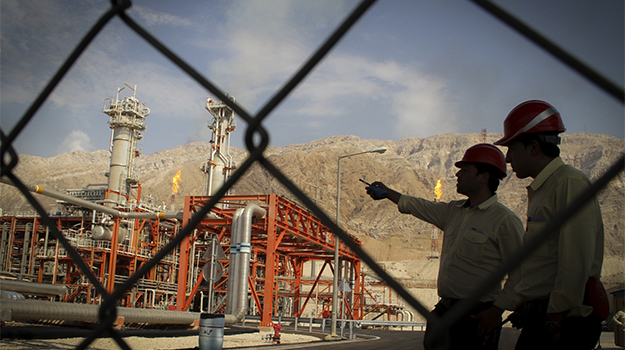
Last week, major news outlets reported that China National Petroleum Corporation had acquired French oil and gas company Total’s share in the development of Iran’s South Pars gas field, citing an elusive article published by Iranian state news agency IRNA.