Bonus Episode: Previewing Israel’s First Post-October 7 Election
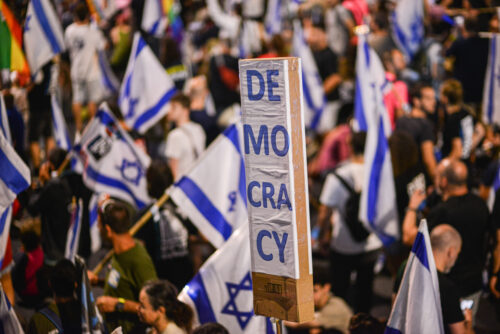
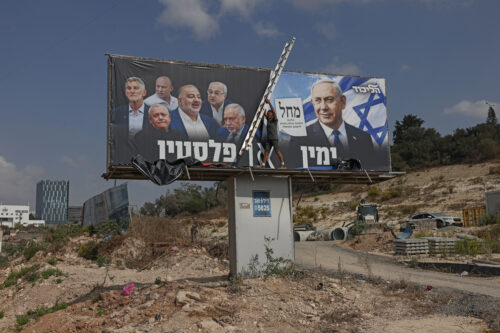
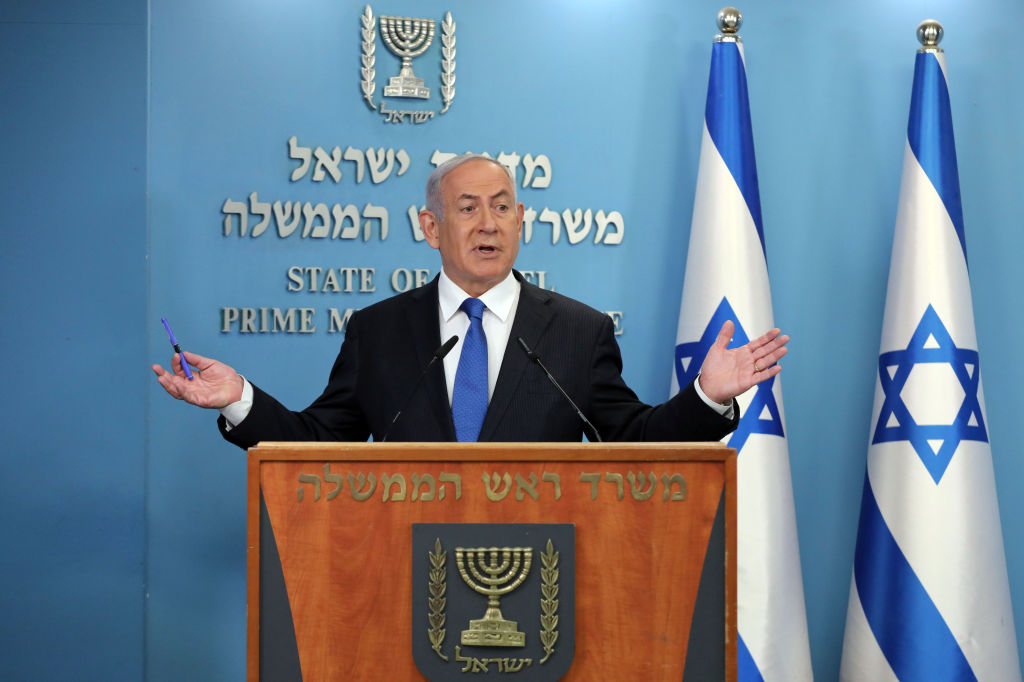
Israel is preparing to hold what may be its most consequential election in decades. On October 27, Prime Minister Benjamin Netanyahu will face his first electoral test since October 7, 2023. In this bonus episode of Middle East Focus, we present the audio from a recent MEI webinar, hosted in Israel on the eve of the vote. Senior Fellow Natan Sachs is joined by Dr. Shira Efron, Distinguished Chair for Israel Policy and senior fellow at the RAND Corporation, and Neri Zilber, veteran journalist and Financial Times correspondent. They explore what’s at stake in this historic election and how different outcomes could reshape Israel’s domestic politics and the wider region.
Israel Was Built on Hope. This Election May Be Our Last Chance to Save It
Israel’s national anthem, Hatikva, means “the hope.” Israel is not just another country, but the culmination of a 2,000-year-old dream of national redemption. The rebirth of the Jewish people’s ancestral homeland, just three years after the Holocaust, was a miraculous triumph of hope over all odds.
Today, that hope has been shattered and the elections on October 27 have become the most consequential in Israel’s history.
One striking thing about US President Donald Trump’s endorsement of Israeli Prime Minister Benjamin Netanyahu this past week is how isolated he was in making this call. The Israeli Prime Minister has become a widely detested figure worldwide following Israel’s war in Gaza—where Israel committed war crimes. This disdain was clearly on display in New York in September when dozens of diplomats streamed out of the hall during Netanyahu’s speech.
Since 1967, Israeli settlements in the West Bank have been a contested feature of the Israeli-Palestinian conflict. The ultimate disposition of the settlements and ongoing activity related to their growth have repeatedly defied agreement in negotiations over a resolution to the conflict.
The Houthis are a political-military faction and Zaydi religious movement founded in northwestern Yemen in the 1980s. A key member of Iran’s Axis of Resistance with links to other militant organizations in the Arabian Peninsula and the Horn of Africa, the group has continued to pose a threat to Western interests on a global scale.
The India-Middle East-Europe Economic Corridor (IMEC) is a proposed multinational infrastructure initiative aimed at upgrading connectivity between the three regions through integrated trade, energy, and digital networks. Announced at the G20 summit in New Delhi in September 2023, IMEC is envisioned partially as a counterweight to China’s international infrastructure project, the Belt and Road Initiative.
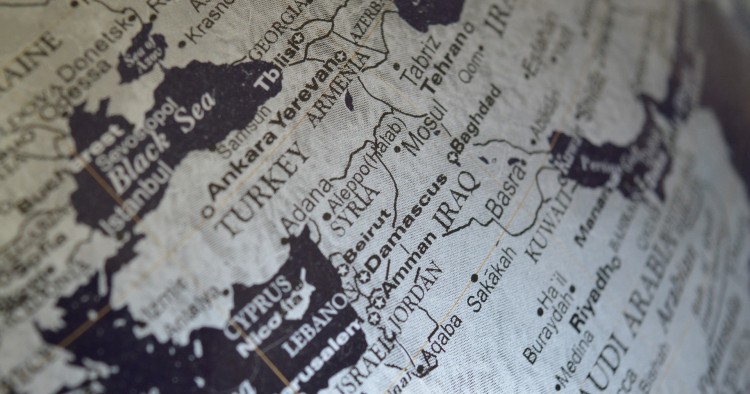
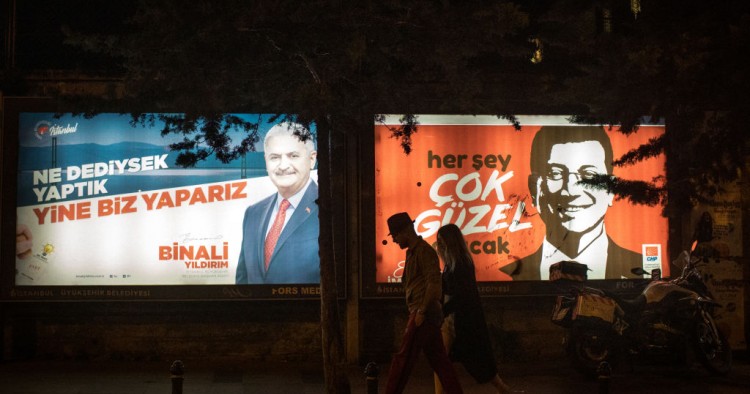
After a decade of post-Arab Spring isolation, Turkey’s leaders have recognized that their ambition to position the country as an agenda-setter on the world stage requires active engagement in all directions. President Recep Tayyip Erdoğan’s consolidation of executive authority has centralized foreign policy decision-making and tied it to his domestic political priorities, transforming the country’s revisionist approach to one shaped primarily by personal and pragmatic interests.
MEI Senior Fellow Brian Katulis engages friends, colleagues, and policy experts in casual conversations on the most important happenings in the Middle East.
As the people of Iran and the region rise up against the regime in Tehran, it is time to prepare for what comes next and imagine what could lead to the region’s next renaissance: a Middle Eastern cooperative organization.
In recent years, Saudi Arabia and China have publicly announced several joint nuclear projects in the Kingdom, including one to extract uranium from seawater, with the stated goal of helping the world’s largest oil producer develop a nuclear energy program or become a uranium exporter. This article discusses China’s reported involvement in Saudi Arabia’s nascent nuclear program.
The Impact of Middle East Regional Competition on Security and Stability in the Horn of Africa
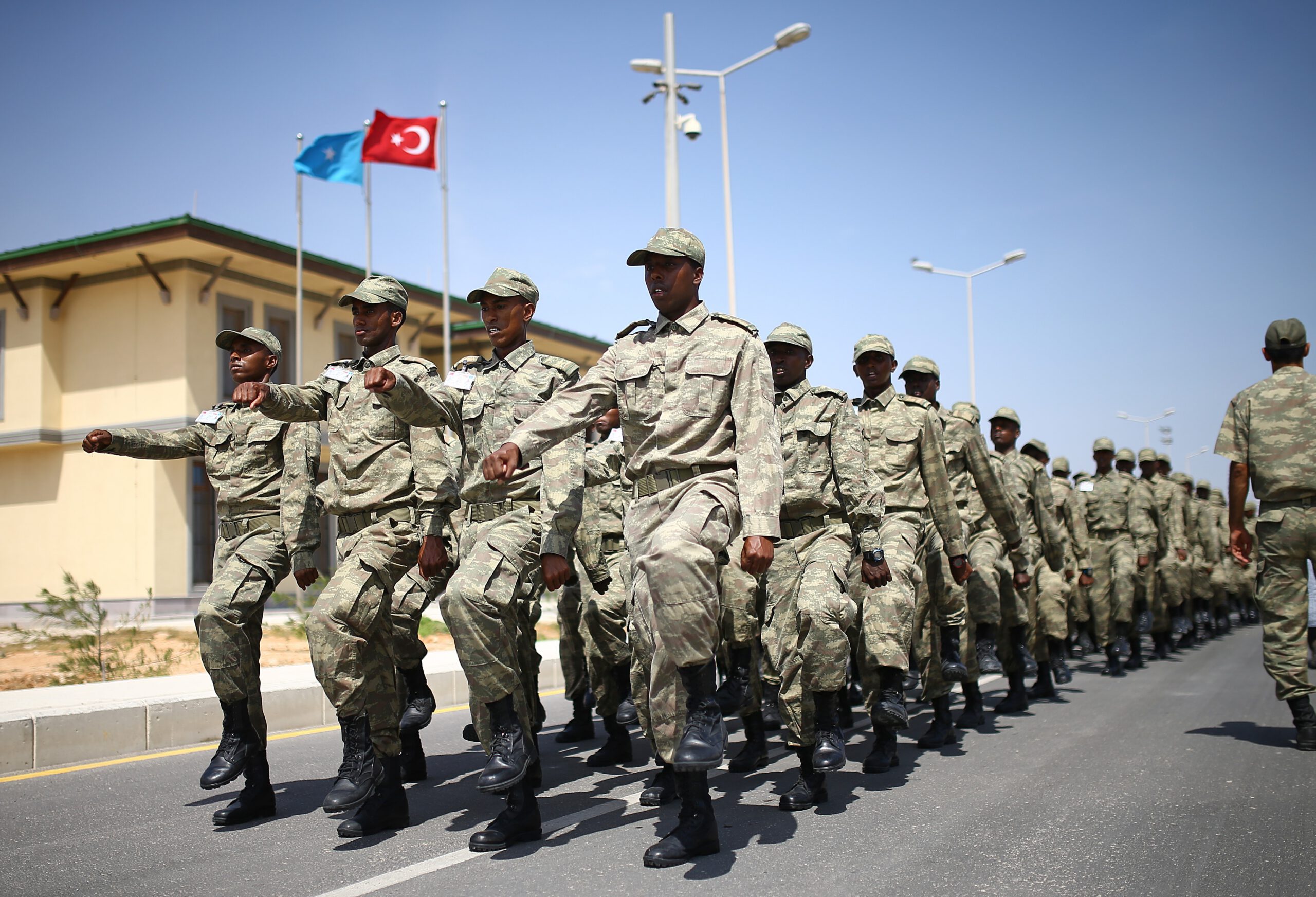
The relationship between the Middle East and the Horn of Africa is centuries-old and complex. While the world’s attention is focused mainly on the “great power competition” in the region, primarily between the U.S. and China, the Horn of Africa has also become a central battleground for influence among competing regional players, principally Saudi Arabia, the UAE, Turkey, Qatar, Iran, and Egypt. As they pursue their interests in the region, from Ethiopia and Sudan to Somalia and Djibouti, these competing states are the main drivers of tension and instability in the Horn of Africa.
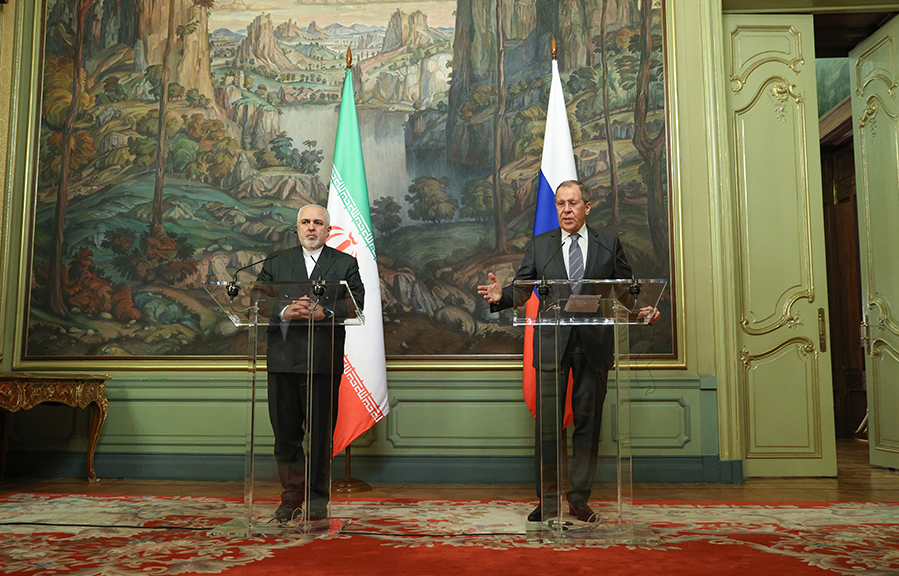
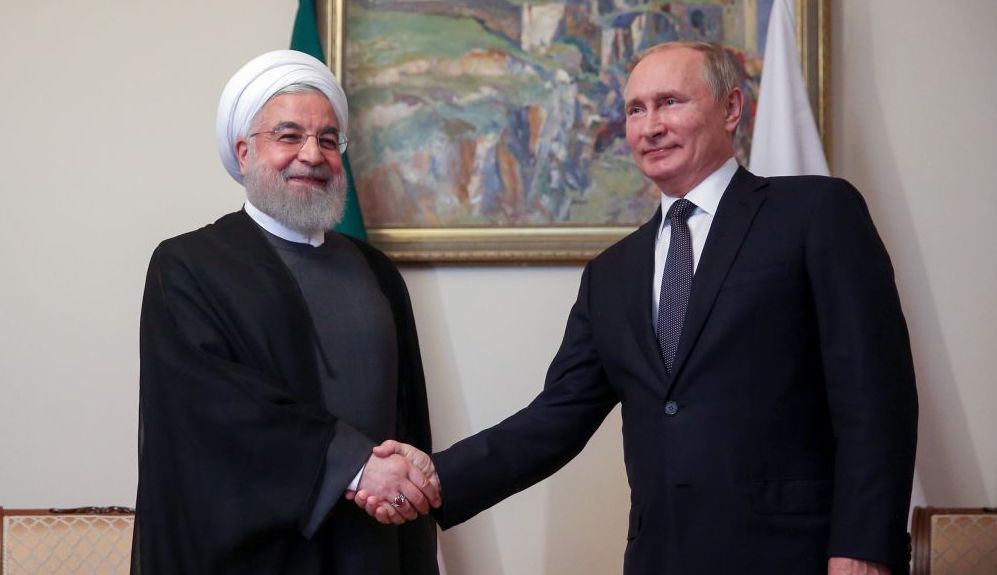
As Tehran looks East, can it forge stronger ties with Moscow?
Iran’s high leadership has come to a consensus on an eastward shift in its foreign policy, and Russia is a salient part of that. Recent indications suggest that, at least for now, the Russians do not want to enlarge their footprint in Iran. Yet Iran wants a more proactive Russia.
Jordan’s apparent neutrality conceals deeper discomfort with UAE-Israel deal
The leaders of the Hashemite Kingdom of Jordan have traditionally been known as masters at staying as neutral as possible, especially when it comes to inter-Arab relations. This was on clear display in Amman’s response to the recent UAE-Israel rapprochement.
Russia, Iran, and economic integration on the Caspian
In recent weeks, reports of a potential 25-year, $400-billion deal between Iran and China have dominated the conversation about Tehran’s options for freeing itself from the punishing U.S.-imposed sanctions regime on the country. But China is not alone in seeing an embattled Iran as a major geopolitical and commercial opportunity — Russia too has ambitions of strengthening ties with Iran.
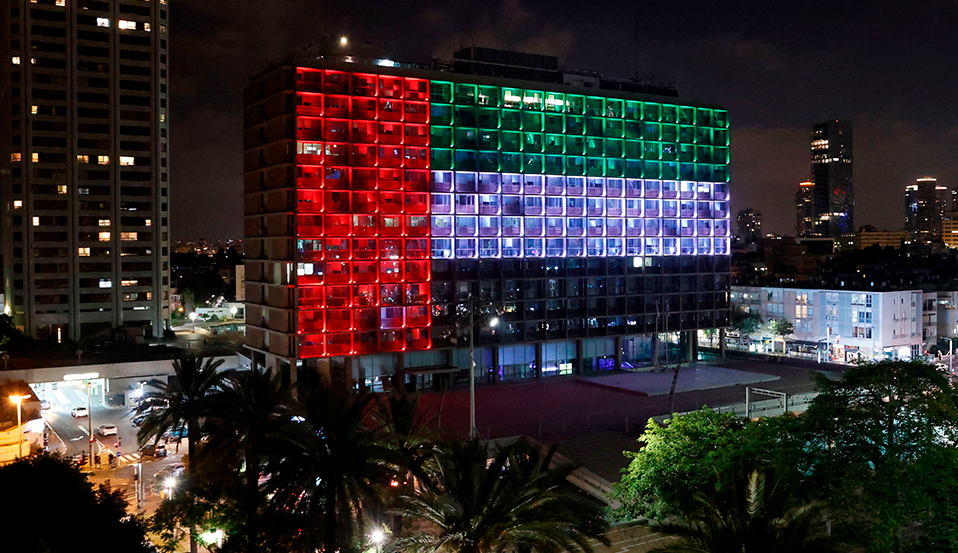
Special briefing: Regional reactions to the Israel-UAE deal
On Aug. 13, Israel and the United Arab Emirates (UAE) reached an agreement for “full normalization of relations,” ostensibly in return for an Israeli suspension of formal annexation of parts of the occupied West Bank. U.S. President Donald Trump announced the deal, which he called “a significant step towards building a more peaceful, secure, and prosperous Middle East.” To better understand the agreement and how it is being perceived across the region, we asked seven MEI experts to weigh in with their thoughts.
Turkey’s democratic resilience under populist authoritarian rule
After almost two decades of rule by the AKP and its leader President Recep Tayyip Erdogan, Turkey has experienced major institutional, political, and social transformations, including a dramatic autocratization in recent years. There is another side to the story, however, one that still gives us hope for the re-establishment of democracy and the rule of law in the near future.
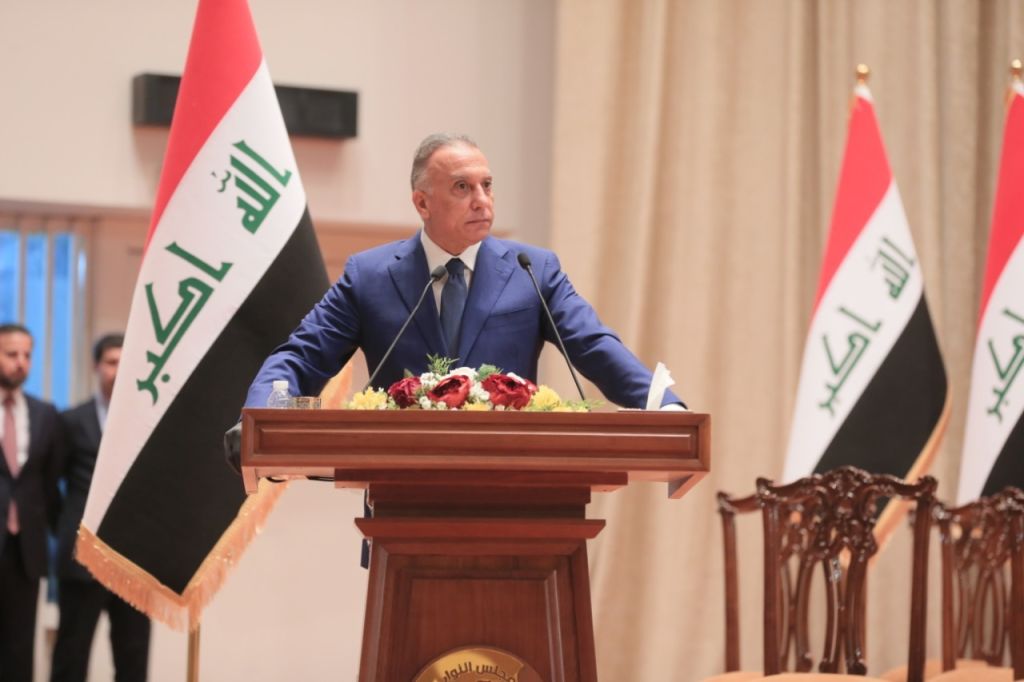
عندما يتعلق الأمر ببغداد، على واشنطن أن تنظر إلى ما هو أبعد من الأمن والدينامية الإقليمية
نجحت حكومة رئيس الوزراء العراقي مصطفى الكاظمي بحذر في اجتياز اختبارها الذي دام 100 يوم، وهو تقليد عمره عشر سنوات للقادة العراقيين، إذ يُتوقع منهم تحسين الخدمات في إطار زمني قصير للغاية.
فقد تم دفع الكاظمي إلى القيادة في أعقاب ما أصبح فعليًا أول انتفاضة شعبية كبيرة في العراق بعد التحول الديمقراطي عام 2003، وهي الانتفاضة التي أطاحت بسلفه عادل عبد المهدي.
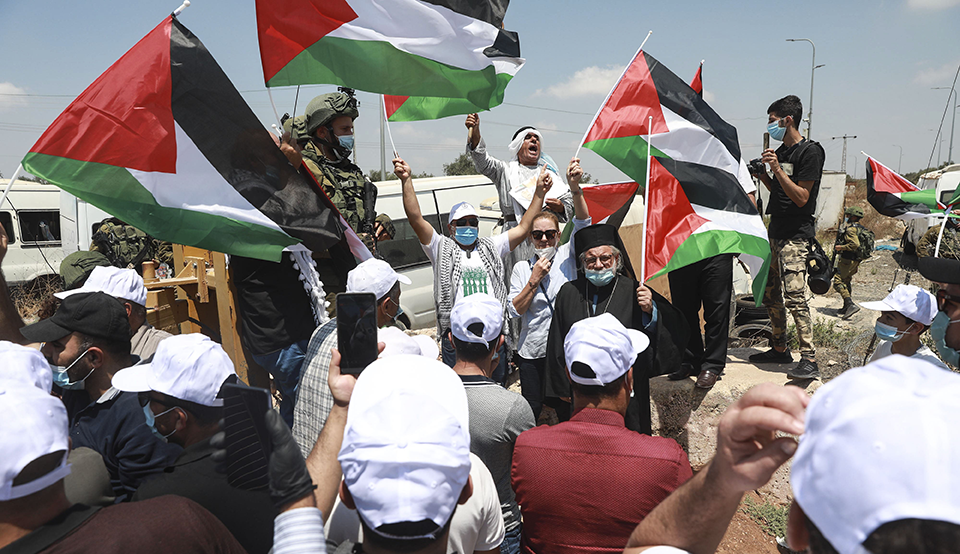
The agreement signed yesterday by Israel and the United Arab Emirates (UAE), in which the two countries agreed to a “full normalization of relations” in return for Israel suspending moves to formally annex parts of the West Bank, has reminded the Palestinians that they cannot count on the Arab states to deliver their freedom or safeguard their rights.
In historic deal with the UAE, Israel is the biggest winner
No matter how one reads the diplomatic deal announced Thursday between Israel and the United Arab Emirates—and there will surely be many supporters and detractors given its historic nature—there is one conclusion that seems irrefutable: Israel was the biggest victor.
Looking to repair ties, Pakistan’s Gen. Bajwa heads to Saudi Arabia
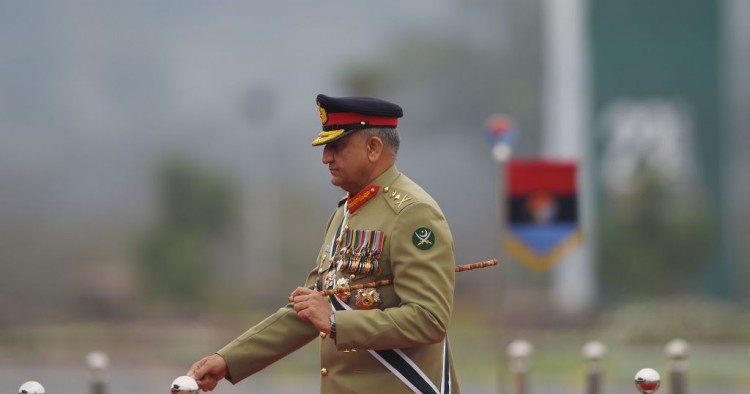
All is not well in Pakistan-Saudi relations, which seem to have gone into a tailspin. In order to repair the fractured ties with one of the country’s strongest allies, Pakistan’s army has swung into action and its chief, Gen. Qamar Javed Bajwa, will travel to Saudi Arabia for talks this weekend.
MEI’s Paul Salem and Ross Harrison join host Alistair Taylor to discuss the complexity and limitations of US diplomacy with Iran, and how the upcoming US presidential election impacts the state of play. Salem and Harrison examine the issue in depth in their recent article for The National Interest, “The Layers and Limits of Diplomacy With Iran.”
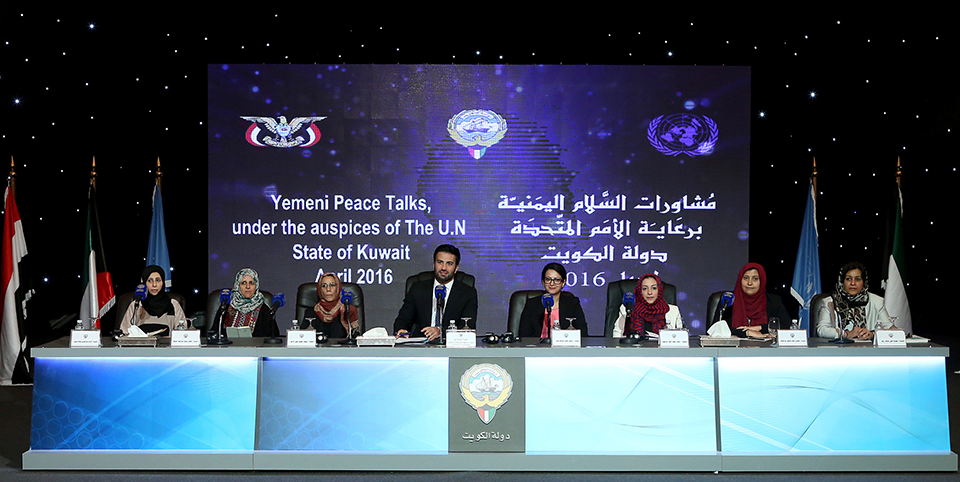
When the Saudi-led coalition launched military operations against the Houthi insurgents on March 26, 2015, all of the Gulf Cooperation Council (GCC) states, except for Oman, joined the multinational force. As has become clear, each of the Arab Gulf sheikdoms has its own national interests and unique history of relations with Yemen and Yemeni factions, and these have shaped their changing perceptions of the war over the past five and a half years. Kuwait’s role in Yemen’s multidimensional conflict is a case in point.
The oldest peer-reviewed publication dedicated to the study of the modern Middle East, MEI’s flagship journal covers politics, society, and culture in the region.