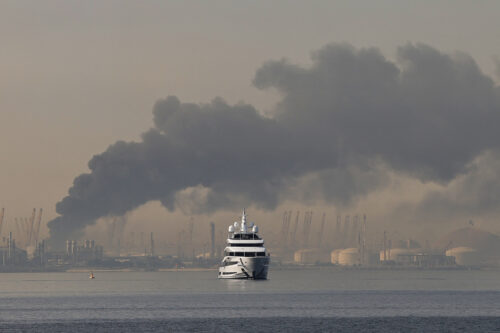
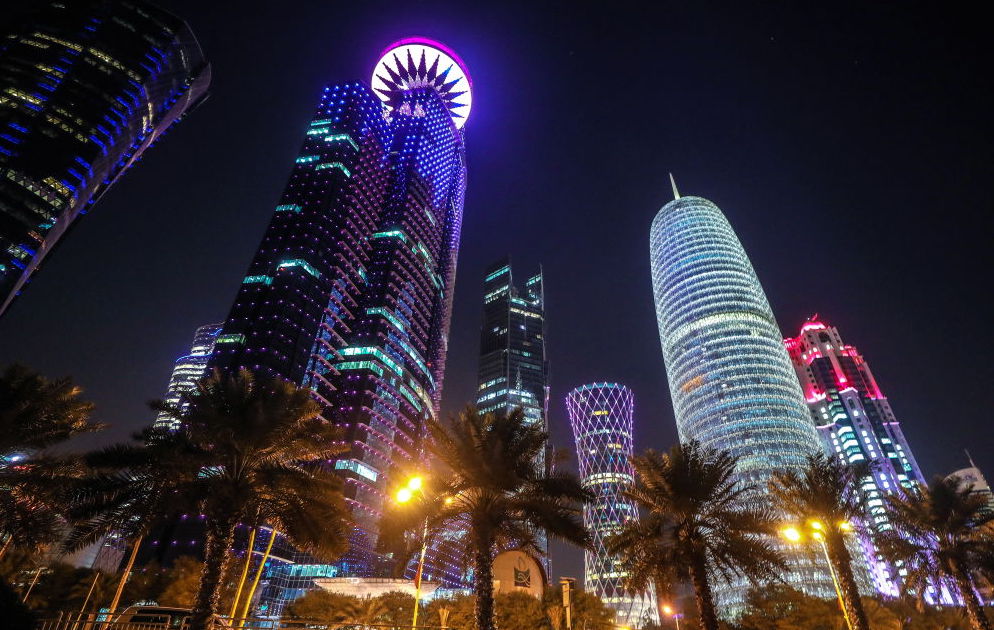
Geopolitical influence over trade increasingly rests on controlling the systems that make them work. The Middle East illustrates the stakes. US ports, cable corridors, cloud facilities, artificial intelligence (AI) investments, and maritime routes connect regional economies to global commerce while exposing them to external decisions and disruptions. For the United States, the challenge is to translate technological advantage into resilient networks rather than rely on centrality that can itself become a source of vulnerability and coercion.
Bonus Episode: Previewing Israel’s First Post-October 7 Election
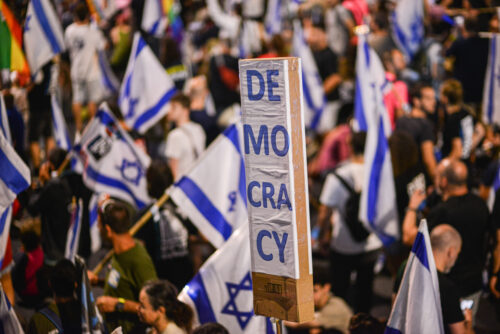
Israel is preparing to hold what may be its most consequential election in decades. On October 27, Prime Minister Benjamin Netanyahu will face his first electoral test since October 7, 2023. In this bonus episode of Middle East Focus, we present the audio from a recent MEI webinar, hosted in Israel on the eve of the vote. Senior Fellow Natan Sachs is joined by Dr. Shira Efron, Distinguished Chair for Israel Policy and senior fellow at the RAND Corporation, and Neri Zilber, veteran journalist and Financial Times correspondent. They explore what’s at stake in this historic election and how different outcomes could reshape Israel’s domestic politics and the wider region.
Israel Was Built on Hope. This Election May Be Our Last Chance to Save It
Israel’s national anthem, Hatikva, means “the hope.” Israel is not just another country, but the culmination of a 2,000-year-old dream of national redemption. The rebirth of the Jewish people’s ancestral homeland, just three years after the Holocaust, was a miraculous triumph of hope over all odds.
Today, that hope has been shattered and the elections on October 27 have become the most consequential in Israel’s history.
Since 1967, Israeli settlements in the West Bank have been a contested feature of the Israeli-Palestinian conflict. The ultimate disposition of the settlements and ongoing activity related to their growth have repeatedly defied agreement in negotiations over a resolution to the conflict.
The Houthis are a political-military faction and Zaydi religious movement founded in northwestern Yemen in the 1980s. A key member of Iran’s Axis of Resistance with links to other militant organizations in the Arabian Peninsula and the Horn of Africa, the group has continued to pose a threat to Western interests on a global scale.
The India-Middle East-Europe Economic Corridor (IMEC) is a proposed multinational infrastructure initiative aimed at upgrading connectivity between the three regions through integrated trade, energy, and digital networks. Announced at the G20 summit in New Delhi in September 2023, IMEC is envisioned partially as a counterweight to China’s international infrastructure project, the Belt and Road Initiative.
After a decade of post-Arab Spring isolation, Turkey’s leaders have recognized that their ambition to position the country as an agenda-setter on the world stage requires active engagement in all directions. President Recep Tayyip Erdoğan’s consolidation of executive authority has centralized foreign policy decision-making and tied it to his domestic political priorities, transforming the country’s revisionist approach to one shaped primarily by personal and pragmatic interests.
MEI Senior Fellow Brian Katulis engages friends, colleagues, and policy experts in casual conversations on the most important happenings in the Middle East.
Middle East Conflict and COVID-19 – A View from 2025
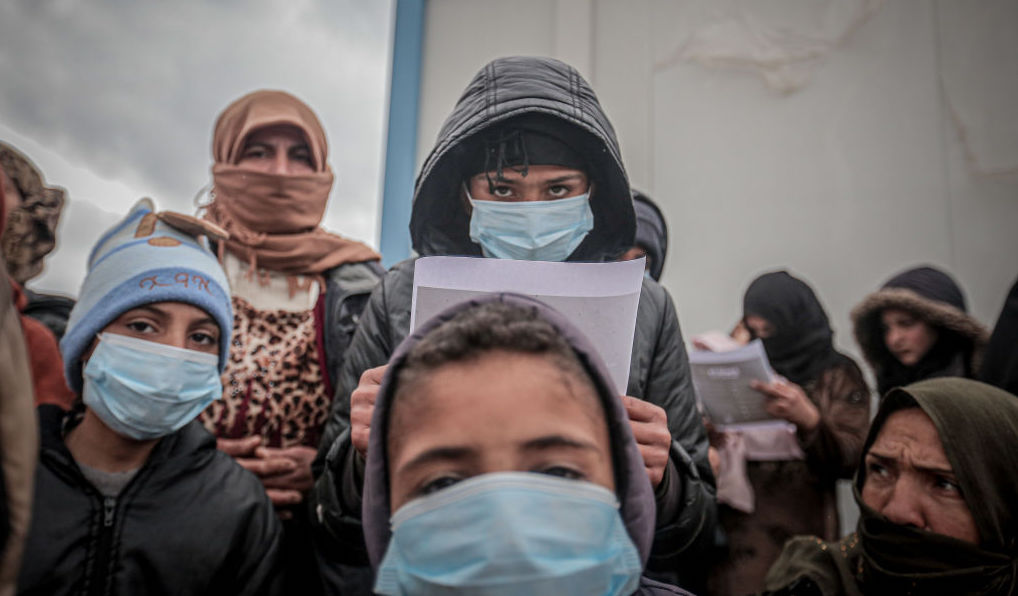
Conflict and instability have been constant features of the Middle East for decades. Over the most recent decade, four civil wars and fraught relationships between the major regional powers have been pushing the region toward a potentially perilous political and economic future. We know that the COVID-19 crisis is disrupting the status quo on nearly everything, including regional conflict. What we do not know is how that disruption today might worsen — or improve — the trendlines of those conflicts as we head toward 2025. In this MEI Strategic Foresight Initiative paper we employ a scenario-based methodology to explore this question.
In Brief: Middle East Conflict and COVID-19 – A View from 2025
Our ongoing analysis in MEI’s Strategic Foresight Initiative examines scenarios built around different combinations of drivers of change related to the COVID-19 pandemic. We used the scenarios to analyze what conflict in the region could look like in 2025, as we believe that how these drivers change the dynamics of the Iran-Saudi Arabia rivalry and the civil wars could be a primary determinant of what the region is like in that timeframe and beyond. Our study posited differences in the health response of governments, the economic response from governments, and the social dynamics of populations to the COVID-19 crisis. Rather than consider them as independent forces of change, our foresight analysis focuses on the interaction between these drivers.
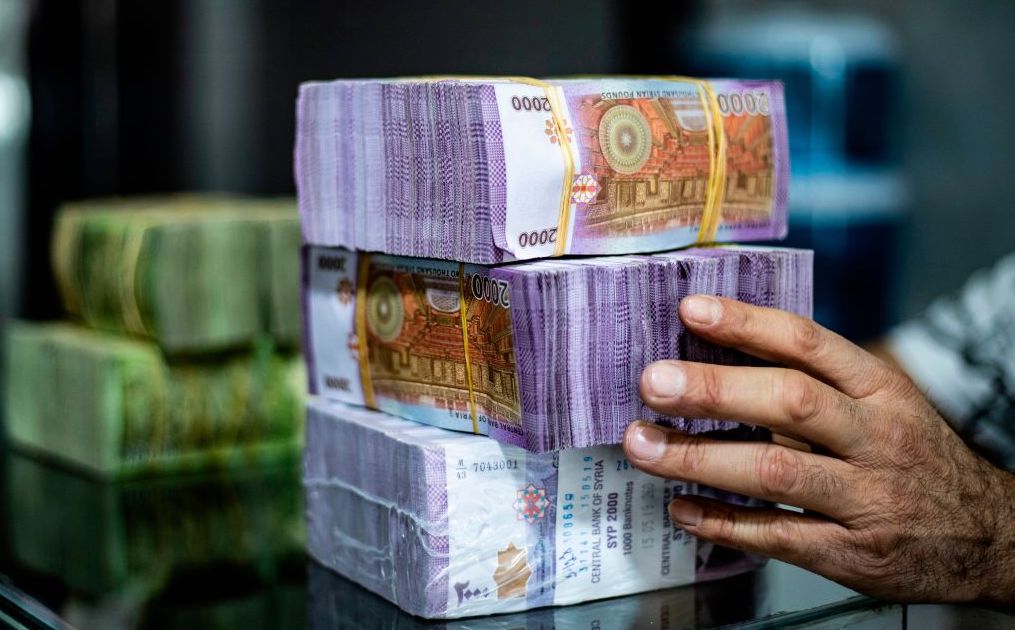
Rampant inflation adds to Syria’s economic turmoil
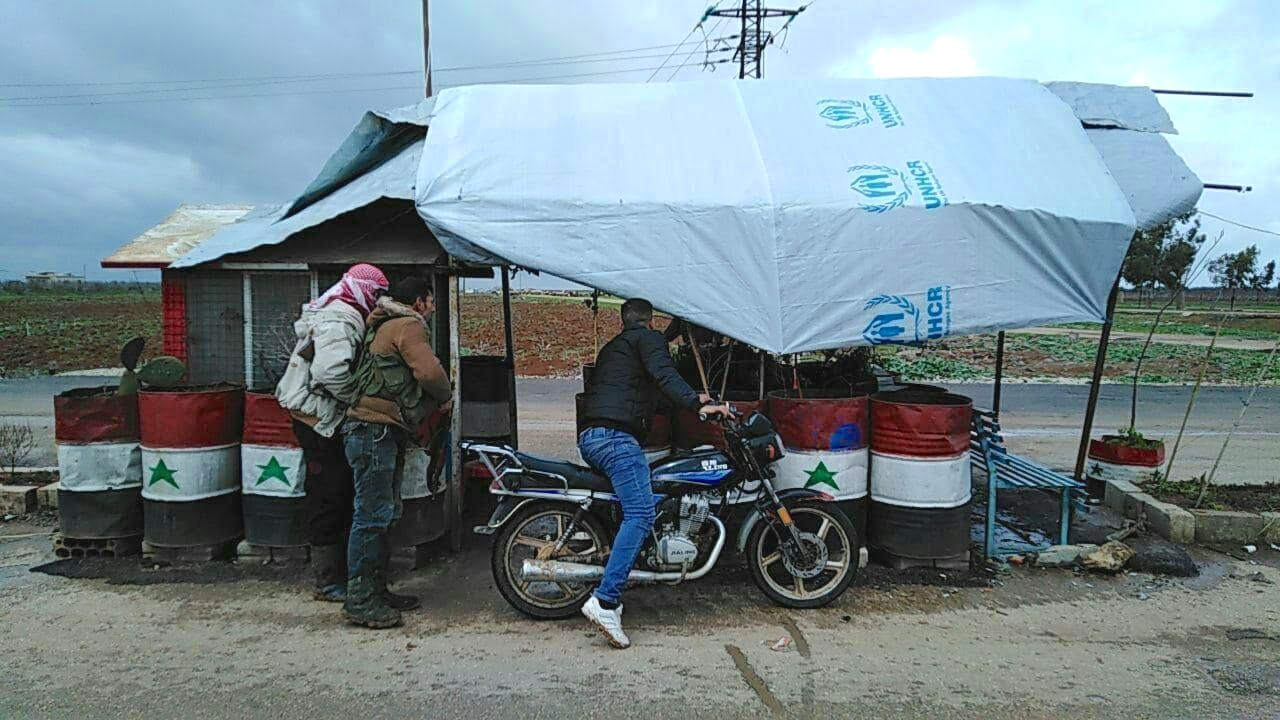
The Syrian economy is entering its most fragile phase yet in the country’s nine-year-long conflict. After being devastated by the fighting, constrained by biting Western sanctions, and ravaged by widespread corruption, it is now witnessing the sharpest rise in inflation in its history.
Japan-Libya Relations: A Window on Japan’s Diplomacy in the Middle East and North Africa
The story of Japan’s relationship with Libya, which Tokyo often maintained even as other countries were shunning former Libyan dictator Muammar al-Qadhafi as a pariah, predates the latest outreach by many decades. This story provides a fascinating window into Japanese diplomacy in the Middle East and North Africa (MENA) more broadly. More specifically, the story of Japan-Libya relations shows how Tokyo often pursued its own interests in the MENA region despite the preferences of the United States, with which Japan has a longstanding security alliance.
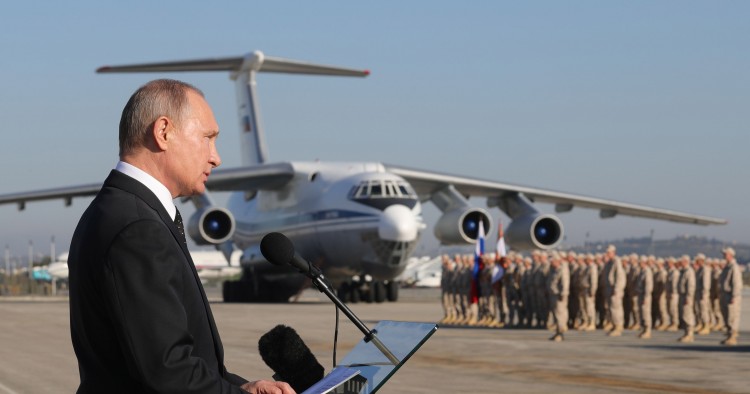
Why is Russia seeking to expand its military bases in Syria?
While Russia is currently struggling with the consequences of COVID-19 at home, its foreign policy projections suggest it is also bracing itself for the post-pandemic world.
Quickly attributing or blaming a country for a cyber incident without technical analysis, proof, and government officials willing to go on record only inflames an already tense situation.
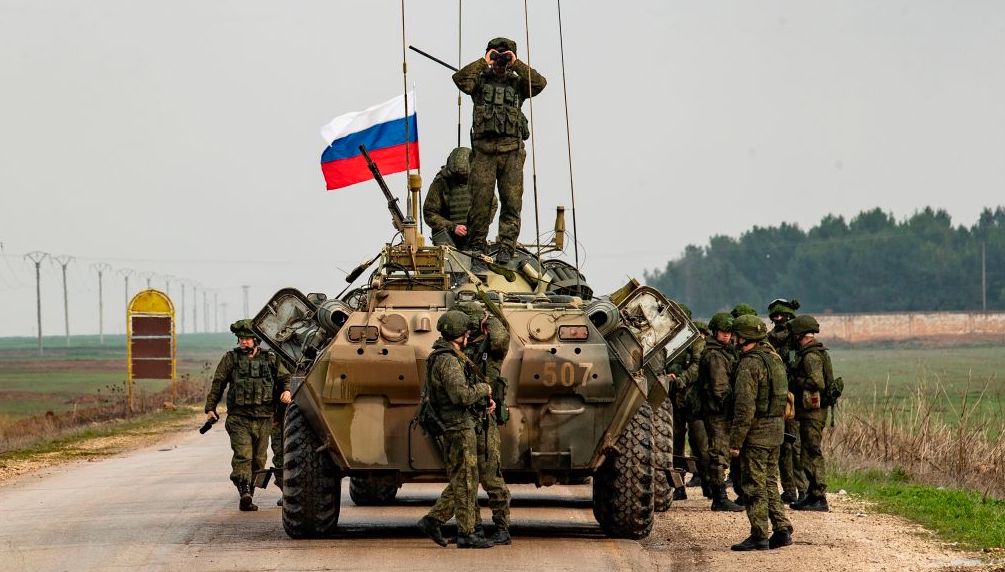
Russia’s involvement in the Middle East: Building sandcastles and ignoring the streets
The collapse of the OPEC+ deal and the diplomatic impasse in Syria reveal the intrinsic fragility of Russia’s gains in the Middle East. Building relations with the region’s autocratic leaders and maintaining a status quo based on a personalistic approach might be effective for some time, but in the long run the Kremlin’s strategy fails to institutionalize relations and thus will be unable to protect them from disruption.
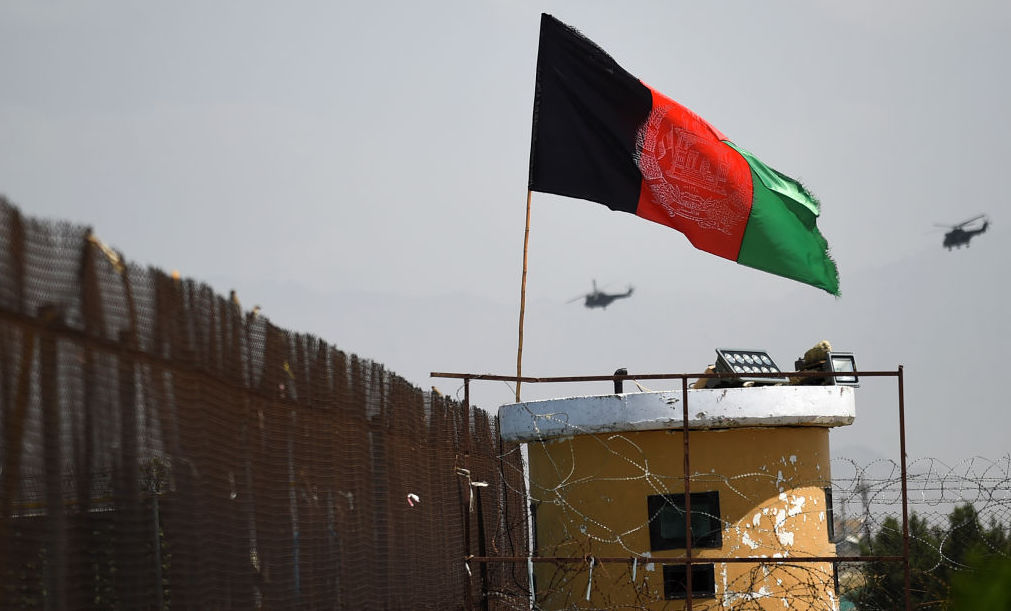
The spread of the virus, unease about a cease-fire, peace talks, and the American withdrawal leave the Afghan people gripped with a heightened sense of uncertainty.
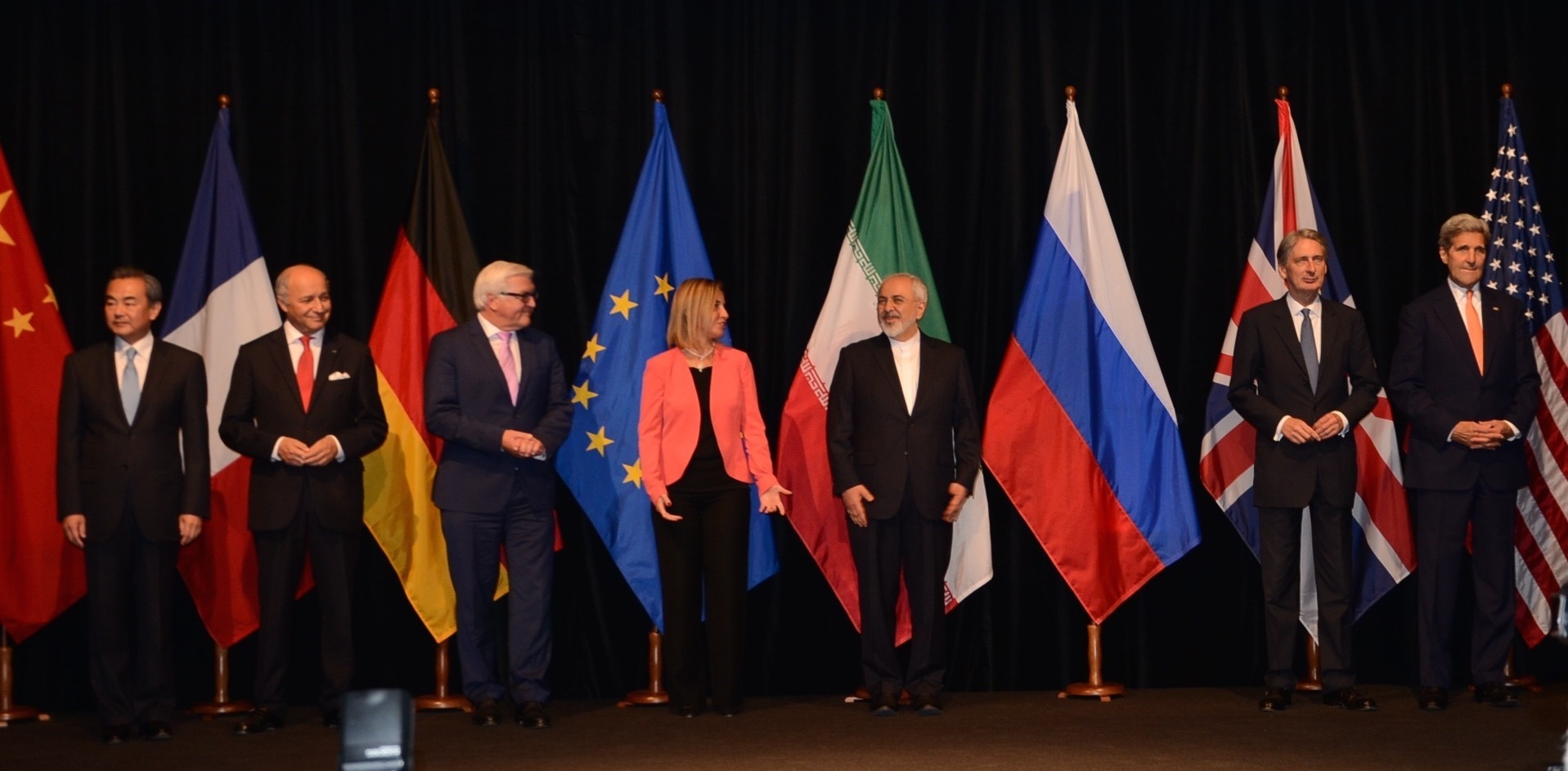
US-Iranian relations remain on track for escalation
Iran is currently facing an incredibly unlucky alignment of pressure sources that are interrelated and will force the regime to engage in risky or experimental behavior, most likely in 2020. The COVID-19 epidemic simply exacerbates the combined challenges of a regime squeezed by an international sanctions network and a restive population reaching a breaking point with economic hardship. A continued acceptance of the status quo is untenable; thus, the regime will likely begin to undertake various initiatives in the coming months, more likely military than diplomatic in nature, that could force the United States to ease the isolation of the country.
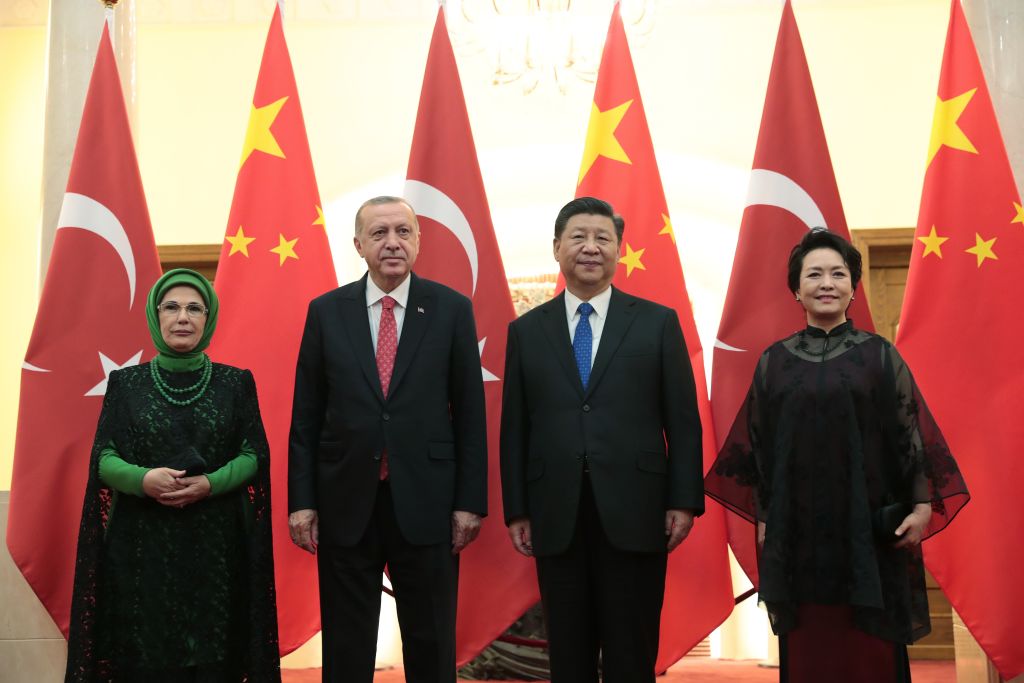
The Middle Kingdom and the Middle Corridor: Prospects for China-Turkey ties
As part of Beijing’s broader strategy of seeking out new markets and cultivating strategic partnerships with countries beyond its backyard, China has been seeking to expand its economic and political ties with Black Sea states. While Beijing’s involvement in the region is still at a nascent stage, it has already prompted fears that its economic engagement masks a political agenda that could hurt Western interests.
Patriarchy and the pandemic: Rethinking “women’s work” in a post-COVID world
The current COVID-19 pandemic has had an unprecedented global impact. In many ways, everyone has been affected by this collective crisis, and everyone is at risk. However, both the virus and its aftermath discriminate strongly against women and girls.
How the battle over energy will reshape Eurasia relationships
The conflict between Turkey and the anti-Turkey bloc is hurting everyone’s energy interests, making an investment in the region costlier for energy companies. Without compromises on all sides, everyone stands to lose.
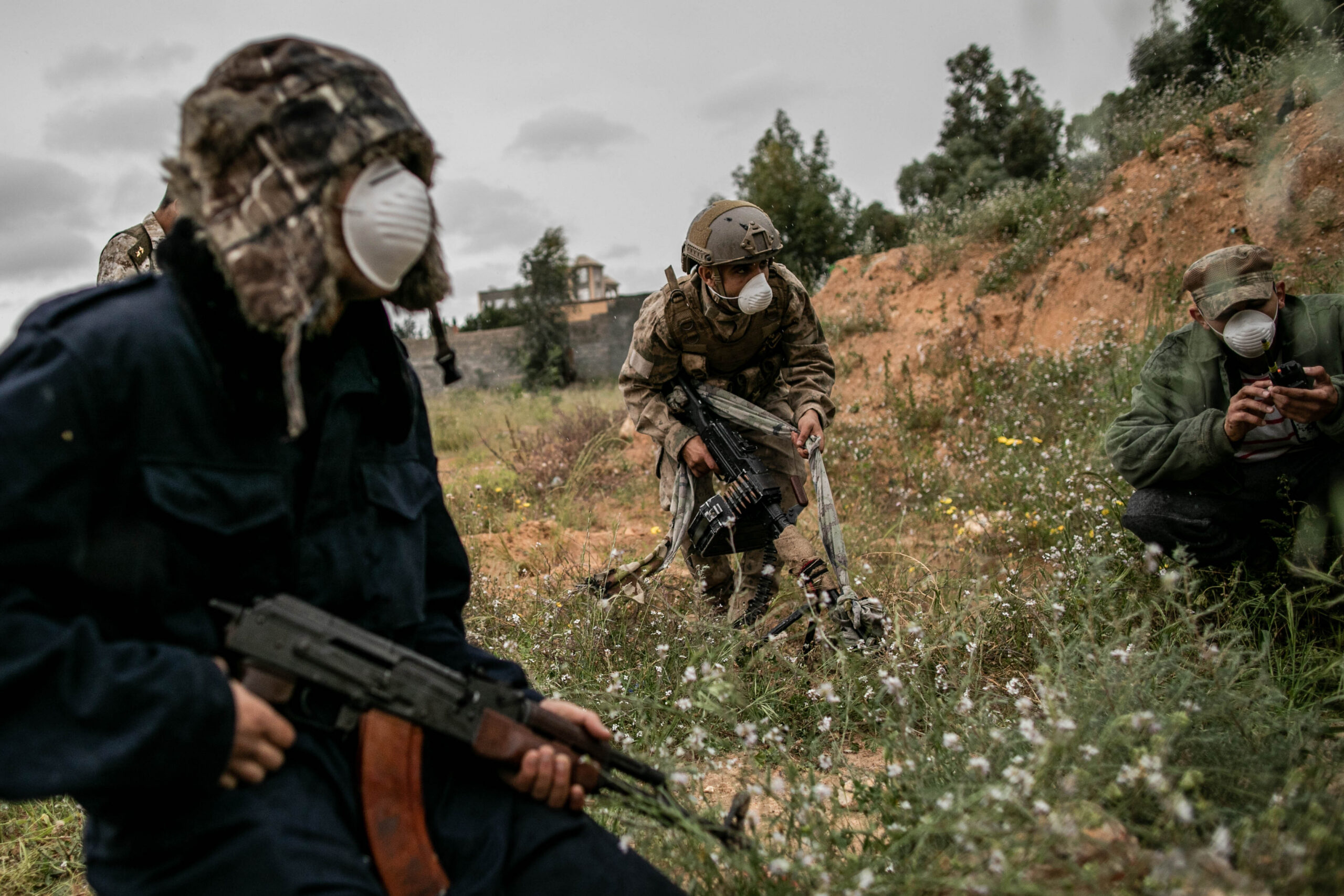
MEI’s Gonul Tol and Jonathan Winer join host Alistair Taylor to discuss the state of the conflict in Libya, where the internationally recognized Government of National Accord (GNA) forces supported by Turkey have made significant gains in recent weeks over Khalifa Haftar’s Libyan National Army (LNA) forces, which are backed by Russia, the UAE, Egypt, and France.
The oldest peer-reviewed publication dedicated to the study of the modern Middle East, MEI’s flagship journal covers politics, society, and culture in the region.