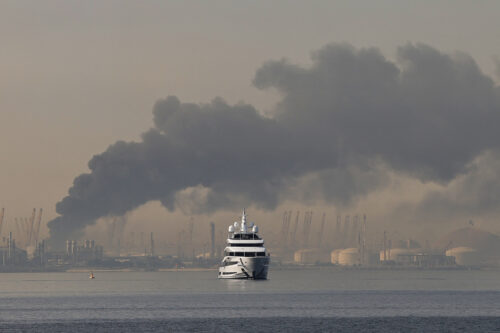
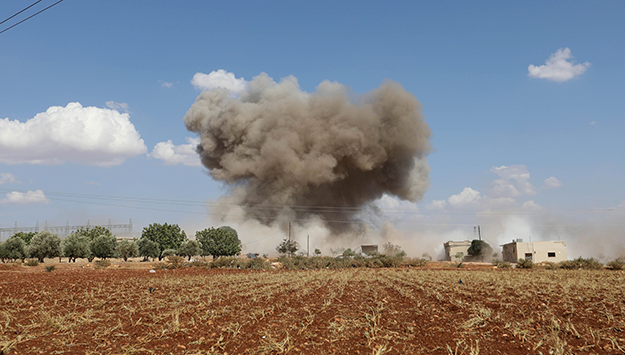
In recent weeks, the Iran-backed Houthis have fired missiles and drones deep into Saudi Arabia, striking high-profile targets, including Riyadh’s airport and Aramco’s headquarters. The attacks follow a rapid Houthi offensive in September to seize key parts of Yemen’s Red Sea coast, which Saudi-backed government forces are now trying to roll back. Fatima Abo Alasrar, an affiliated scholar at MEI and non-resident scholar at the Arab Gulf States Institute, joins hosts Alistair Taylor and Matthew Czekaj to unpack the latest phase of the conflict. They discuss what the Houthis want, Riyadh’s calculus and search for allies, and how this campaign ties into Iran’s confrontation with the United States.
Geopolitical influence over trade increasingly rests on controlling the systems that make them work. The Middle East illustrates the stakes. US ports, cable corridors, cloud facilities, artificial intelligence (AI) investments, and maritime routes connect regional economies to global commerce while exposing them to external decisions and disruptions. For the United States, the challenge is to translate technological advantage into resilient networks rather than rely on centrality that can itself become a source of vulnerability and coercion.
Bonus Episode: Previewing Israel’s First Post-October 7 Election
Israel is preparing to hold what may be its most consequential election in decades. On October 27, Prime Minister Benjamin Netanyahu will face his first electoral test since October 7, 2023. In this bonus episode of Middle East Focus, we present the audio from a recent MEI webinar, hosted in Israel on the eve of the vote. Senior Fellow Natan Sachs is joined by Dr. Shira Efron, Distinguished Chair for Israel Policy and senior fellow at the RAND Corporation, and Neri Zilber, veteran journalist and Financial Times correspondent. They explore what’s at stake in this historic election and how different outcomes could reshape Israel’s domestic politics and the wider region.
Since 1967, Israeli settlements in the West Bank have been a contested feature of the Israeli-Palestinian conflict. The ultimate disposition of the settlements and ongoing activity related to their growth have repeatedly defied agreement in negotiations over a resolution to the conflict.
The Houthis are a political-military faction and Zaydi religious movement founded in northwestern Yemen in the 1980s. A key member of Iran’s Axis of Resistance with links to other militant organizations in the Arabian Peninsula and the Horn of Africa, the group has continued to pose a threat to Western interests on a global scale.
The India-Middle East-Europe Economic Corridor (IMEC) is a proposed multinational infrastructure initiative aimed at upgrading connectivity between the three regions through integrated trade, energy, and digital networks. Announced at the G20 summit in New Delhi in September 2023, IMEC is envisioned partially as a counterweight to China’s international infrastructure project, the Belt and Road Initiative.
After a decade of post-Arab Spring isolation, Turkey’s leaders have recognized that their ambition to position the country as an agenda-setter on the world stage requires active engagement in all directions. President Recep Tayyip Erdoğan’s consolidation of executive authority has centralized foreign policy decision-making and tied it to his domestic political priorities, transforming the country’s revisionist approach to one shaped primarily by personal and pragmatic interests.
MEI Senior Fellow Brian Katulis engages friends, colleagues, and policy experts in casual conversations on the most important happenings in the Middle East.
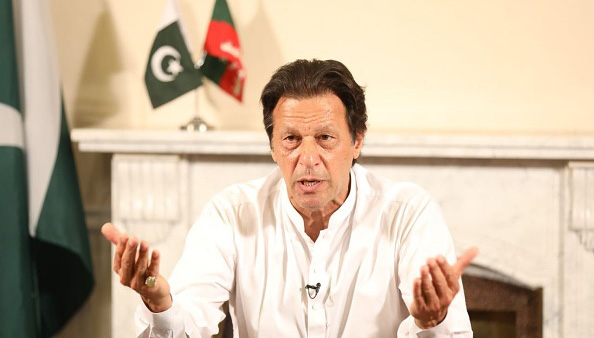
The U.S.’s troubled relationship with Pakistan continues to be eroded by crisis after crisis. Leave alone the pretense of any strategic convergence, the two countries are finding it difficult to maintain even a transactional relationship. If events surrounding a short visit by U.S. Secretary of State Mike Pompeo to Islamabad are any indicator, it will not be easy to reduce the trust gap in bilateral ties.
Iran under Sanctions: India and China over a Barrel
Bearish and bullish factors are both at play in the global oil market, weighing on prices. The next big date on the calendar is November 4 — the point at which the 180-day wind-down period ends and U.S. sanctions on the Iranian energy sector are to be reinstated. Two days later, the U.S. midterm elections are due to take place.
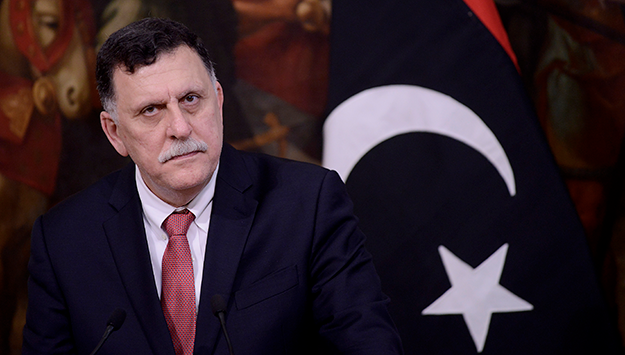
In this week’s Monday Briefing, MEI experts Jonathan M. Winer, Robert S. Ford, and Alex Vatanka provide analysis on recent and upcoming events including political turmoil in Libya, the meeting between Turkey and Russia to discuss the fate of Idlib province, and Iran’s attempts to forge new relationships to offset U.S. sanctions.
Tunisian jihadism five years after Ansar al-Sharia
Jihadism in Tunisia is currently at its greatest nadir since the 2011 revolution, which overthrew former President Zine al-Abidine Ben ‘Ali and subsequently provided a space for Tunisian jihadism to grow. Ansar al-Sharia in Tunisia (AST) and later ISIS and Katibat ‘Uqbah Bin Nafi (KUBN) emerged as the most prominent such groups in Tunisia.
The jihadist threat is not new to the Maghreb. However, the fallout of the 2011 Arab uprisings has fundamentally altered the political and security environment of North African countries. While states such as Egypt, Libya, and Tunisia witnessed an increase in deaths from jihadist attacks, others like Algeria and Morocco experienced a reduced impact.
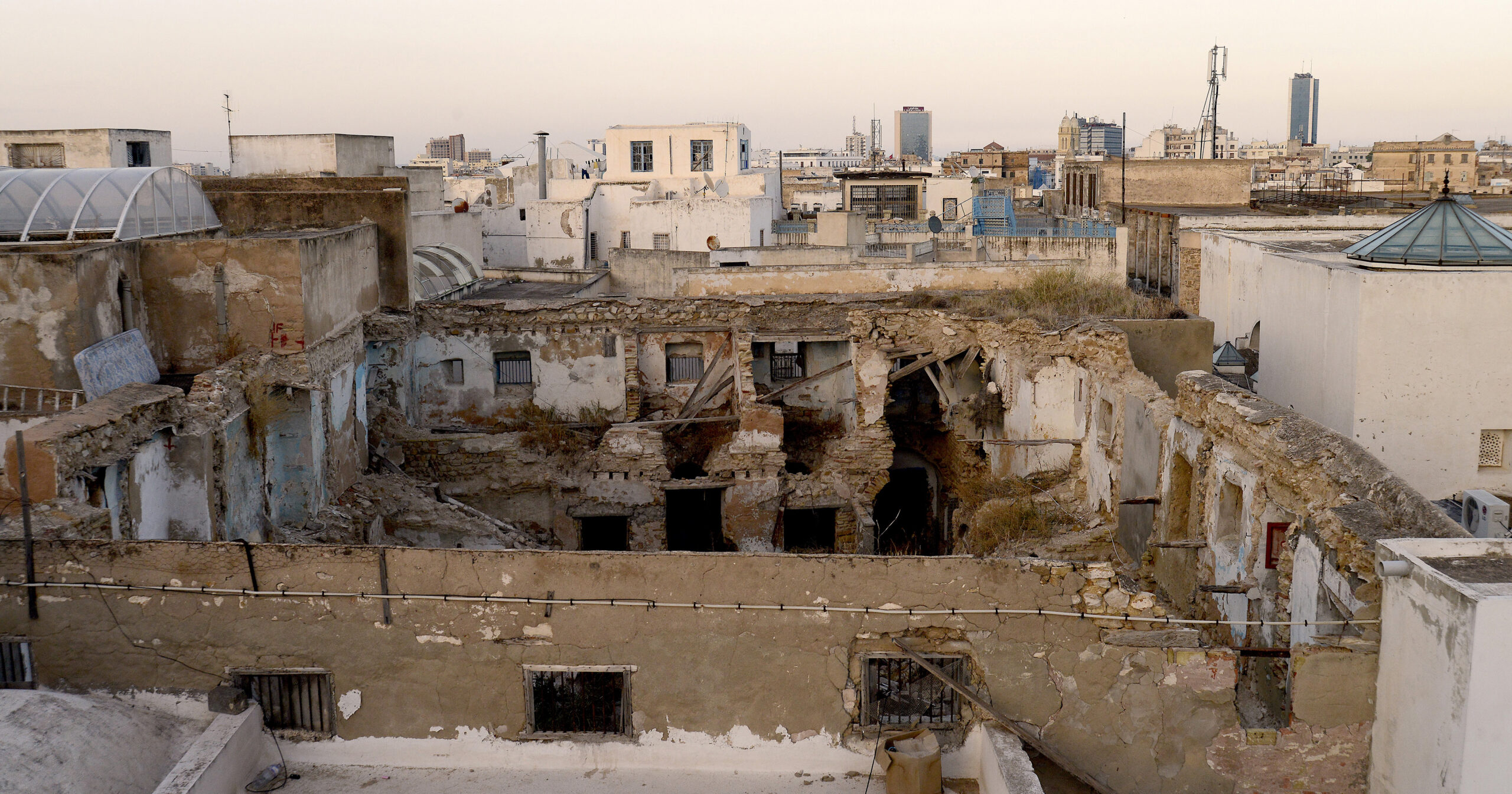
Tunisia, where the Arab uprisings began seven years ago, continues to face many difficulties in its transition on the economic, political and security fronts. Emir Sfaxi, a Tunisian public policy consultant and Fulbright scholar, and Bill Lawrence, professor of political science and international affairs at the George Washington University’s Elliott School of International Affairs, join host Paul Salem to discuss the country’s trajectory.
In this week’s Monday Briefing, MEI experts Charles Lister, Randa Slim, Jean-François Seznec, and Mirette F. Mabrouk provide analysis on recent and upcoming events including escalating tensions in Idlib, protests in Basra and their implications for Iraqi politics, a Saudi sovereign wealth fund’s loan to help make up for Aramco IPO revenue, and Egypt’s diplomatic outreach to China.
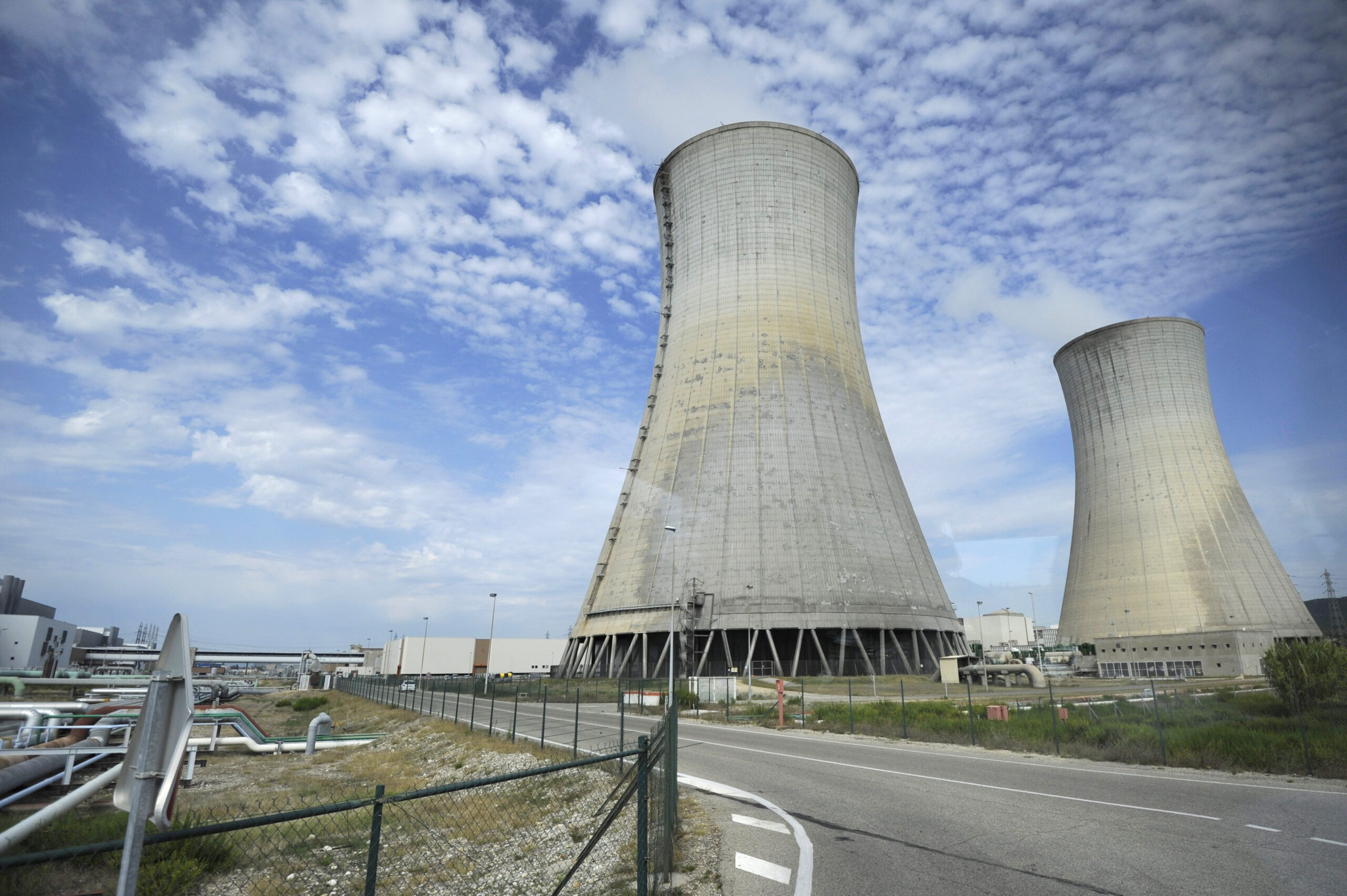
Saudi Arabia’s nuclear energy program is barely in its infancy but has already spurred much controversy. Amid a regional standoff between Saudi Arabia and Iran and provocative comments from Saudi leaders, some observers worry that the program is little more than a pretext for developing nuclear weapons. Others, however, point to what they see as legitimate peaceful motivations for the program. They note that as a member in good standing of the U.N.
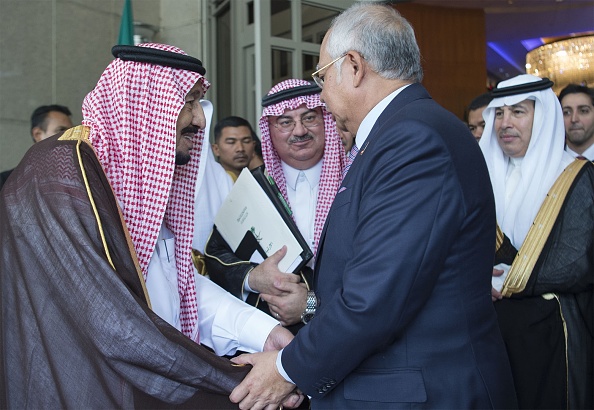
For decades Malaysia’s Islamic identity has strongly factored into the latter’s ties with GCC members. Kuala Lumpur has long engaged the Arab Persian Gulf monarchies closely on issues of major ideological and geopolitical importance to the wider Arab/Islamic world from the Soviet Union’s invasion of Afghanistan to the unresolved question of Palestine. This article discusses the challenges Malaysia faces in preserving and further nurturing its long-standing relations with the GCC countries.
Millions of landmines scattered across the Middle East have remained a persistent threat to civilians long after the wars in which they were deployed came to a close. However the recent conflicts in Iraq, Syria, Libya and Yemen have made the problem much worse. Steve Priestley, global director of operations for mine action at Janus Global Operations, joins Paul Salem to discuss the challenges facing demining operations, and some of the technological innovations that could help.
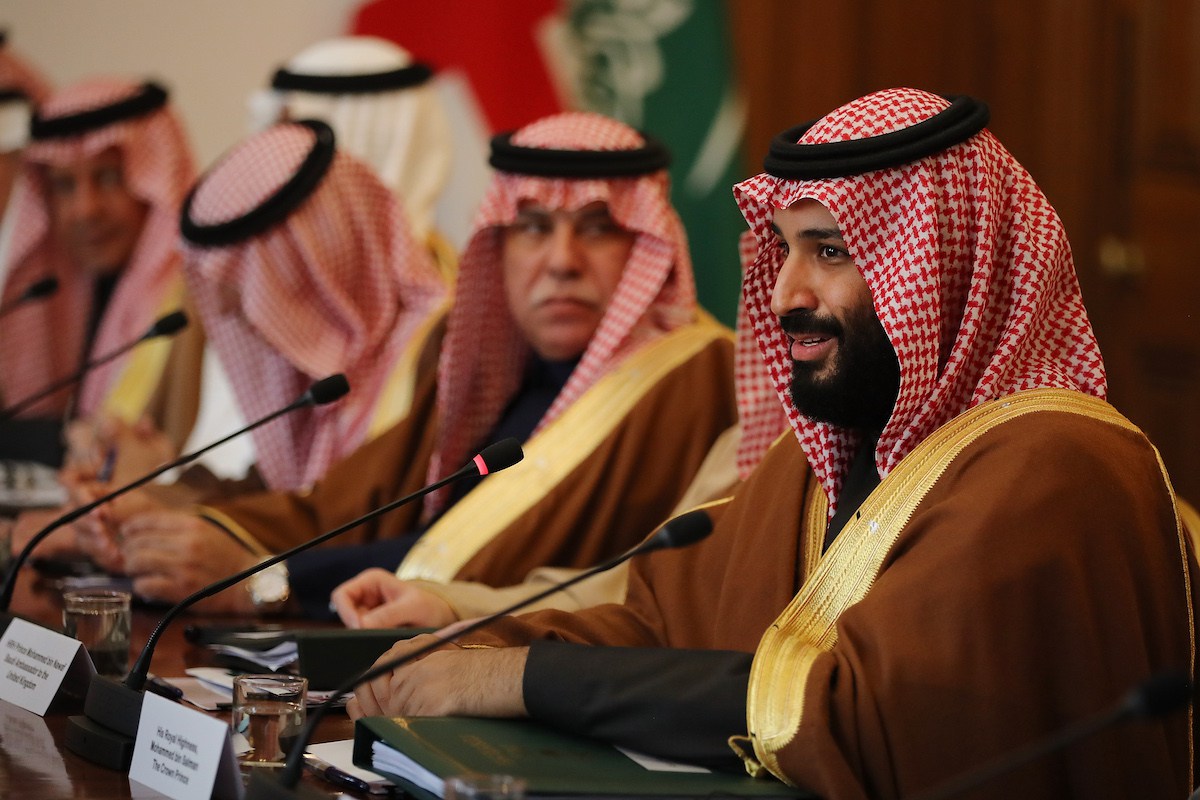
No Saudi official has been more applauded and vilified at the same time than Mohamed bin Salman, the Crown Prince and de facto ruler of Saudi Arabia. That is not surprising, given the transformational nature of the project he’s leading at home, which is bound to create both winners—those who wish to open up the kingdom—and losers—those who wish more or less to preserve the status quo.
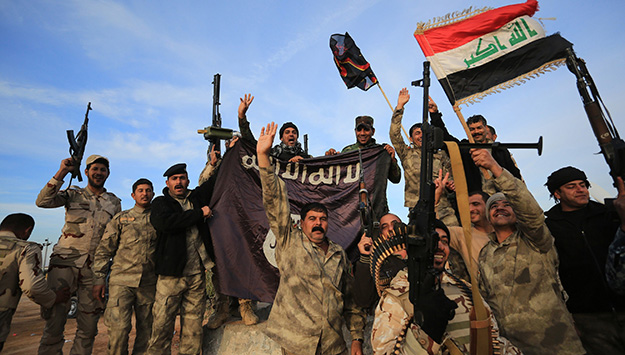
This paper examines ISIS’s actions, publications, and communications to determine its insurgency strategies and long-term organizational outlook, emphasizing sources that have been largely overlooked by forces fighting the group.
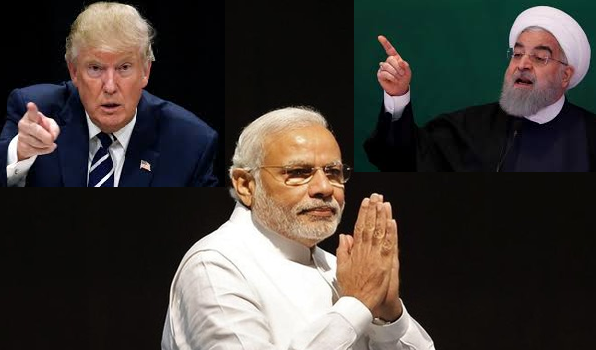
India finds itself in a precarious situation. On one hand, Delhi does not want to antagonize the United States, with which it has developed a strong relationship over the past two decades. On the other hand, India has had a long-standing generally positive relationship with Iran that it is keen to maintain and in fact build upon. This essay examines the economic, domestic political, and international challenges that the Trump administration’s “maximum pressure” approach poses for India.
In 2010, Lebanon had published the National Wind Atlas a report undertaken by the U.N. Development Programme that catalogued Lebanon’s extensive wind resources. This report inspired local policy makers in Lebanon to pursue wind generation projects. The mean potential of wind was estimated to be 6.1 gigawatts, a shocking amount given Lebanon’s size.
The oldest peer-reviewed publication dedicated to the study of the modern Middle East, MEI’s flagship journal covers politics, society, and culture in the region.