Curb Your Enthusiasm: Why the Midterms Might Not Change Much in US Middle East Policy
With less than a week before the midterm elections in the United States, the spotlight is on the economy and cultural divides. US foreign policy remains mostly on the sidelines, but this year’s inconclusive Iran war and its effect on America’s economy have shaped the broader political environment in this electoral cycle.
The Multiple Costs of the US–Iran War – From Hormuz to Europe and South Asia: The Widening Economic and Political Geography of the Conflict
Wars are decided by those who hold military power, but their costs are increasingly borne by those who have little or no voice in the decisions that start them. The US–Iran war shows this imbalance very clearly. Its economic consequences have gone far beyond the battlefield and have disrupted energy markets, trade routes, food supplies, public finances and investment in the Gulf, Europe, Africa and Asia. The most striking feature of the conflict, however, is not only the size of the damage but its very unequal distribution.
In recent weeks, the Iran-backed Houthis have fired missiles and drones deep into Saudi Arabia, striking high-profile targets, including Riyadh’s airport and Aramco’s headquarters. The attacks follow a rapid Houthi offensive in September to seize key parts of Yemen’s Red Sea coast, which Saudi-backed government forces are now trying to roll back. Fatima Abo Alasrar, an affiliated scholar at MEI and non-resident scholar at the Arab Gulf States Institute, joins hosts Alistair Taylor and Matthew Czekaj to unpack the latest phase of the conflict. They discuss what the Houthis want, Riyadh’s calculus and search for allies, and how this campaign ties into Iran’s confrontation with the United States.
Since 1967, Israeli settlements in the West Bank have been a contested feature of the Israeli-Palestinian conflict. The ultimate disposition of the settlements and ongoing activity related to their growth have repeatedly defied agreement in negotiations over a resolution to the conflict.
The Houthis are a political-military faction and Zaydi religious movement founded in northwestern Yemen in the 1980s. A key member of Iran’s Axis of Resistance with links to other militant organizations in the Arabian Peninsula and the Horn of Africa, the group has continued to pose a threat to Western interests on a global scale.
The India-Middle East-Europe Economic Corridor (IMEC) is a proposed multinational infrastructure initiative aimed at upgrading connectivity between the three regions through integrated trade, energy, and digital networks. Announced at the G20 summit in New Delhi in September 2023, IMEC is envisioned partially as a counterweight to China’s international infrastructure project, the Belt and Road Initiative.
After a decade of post-Arab Spring isolation, Turkey’s leaders have recognized that their ambition to position the country as an agenda-setter on the world stage requires active engagement in all directions. President Recep Tayyip Erdoğan’s consolidation of executive authority has centralized foreign policy decision-making and tied it to his domestic political priorities, transforming the country’s revisionist approach to one shaped primarily by personal and pragmatic interests.
MEI Senior Fellow Brian Katulis engages friends, colleagues, and policy experts in casual conversations on the most important happenings in the Middle East.
Iran-Backed Groups Threaten Violence in Kirkuk after Kurdish Vote
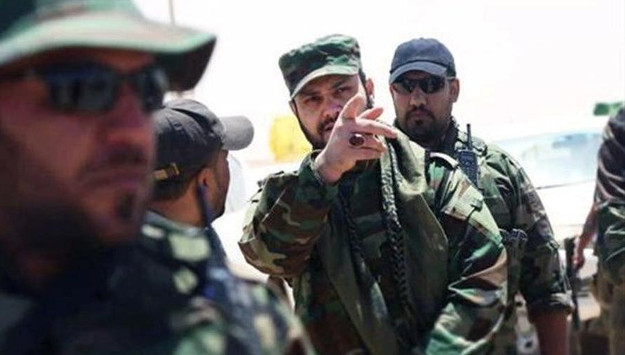
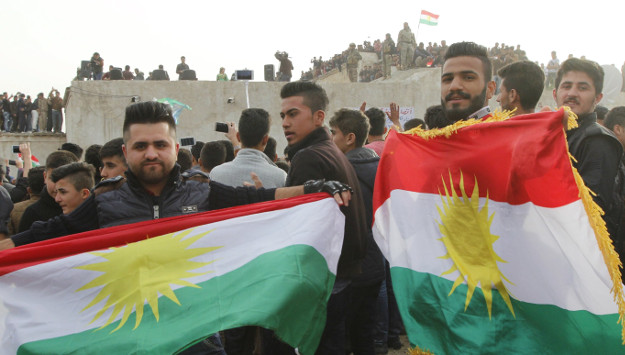
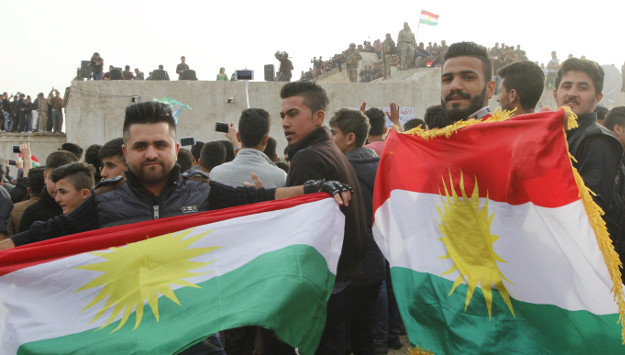
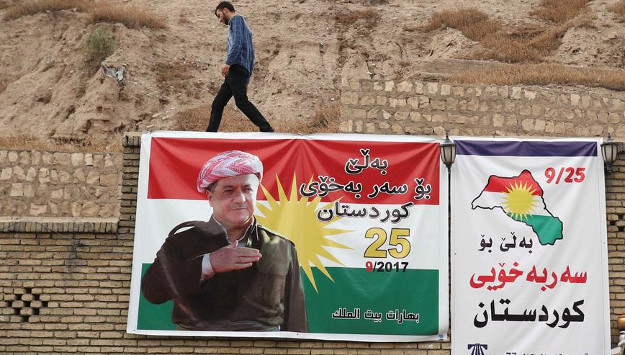
An Iraqi militia group today accused the Kurdish peshmerga forces of having “occupied” the province of Kirkuk and stressed that his forces are ready to “liberate disputed regions” in Iraq. “The Iraqi government should act with determination to liberate Kirkuk from separatist paramilitaries before it is too late,” Harakat al-Nujaba, an Iranian-sponsored group fighting in Iraq and Syria, said in a statement as Iraqi Kurds were casting their ballots for an independence referendum.
Iran Rejects Kurdish Vote, Mulls Options against Erbil
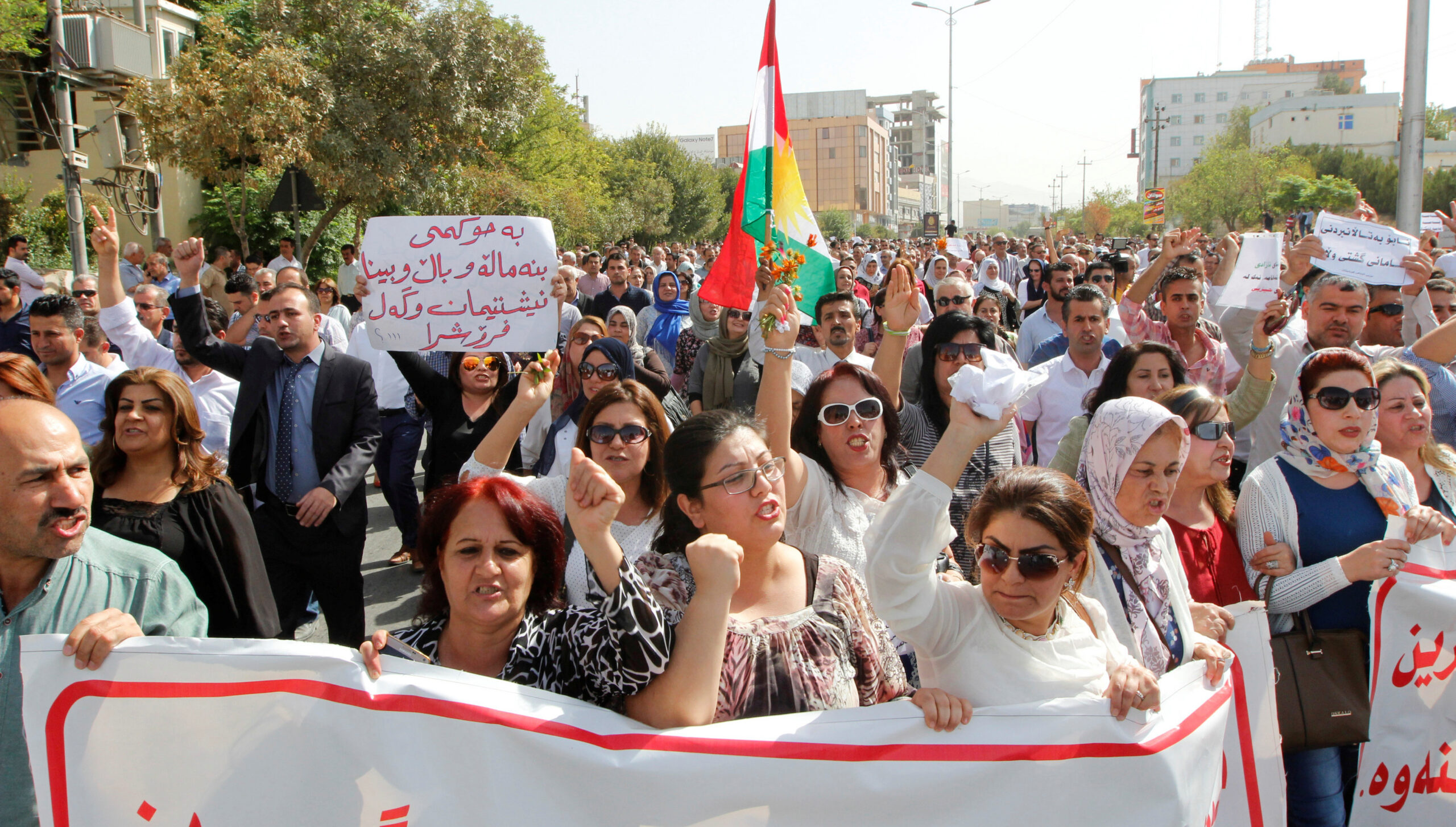
Iranian leaders strongly denounced today’s referendum vote for the Iraqi Kurdistan region and warned that the move could have serious ramifications for Iraq and the broader region.
Article in Fars News Agency Hints Tehran May Be Open to Macron’s Proposal
An analysis article in Iran’s Fars News Agency suggests that Tehran may be open to French President Emmanuel Macron’s proposal to “supplement” the Iran nuclear deal if such negotiations are to start near the year 2025. But it stressed that Tehran will under no circumstances hold talks about the country’s missile program. “At present, the French proposal seeks to address two issues: the sunset provision about Iran’s nuclear activities after 2025 and the country’s missile program.
Iran Unveils New Ballistic Missile in Show of Defiance to Trump
Iran today unveiled a new ballistic missile with a range of 2,000 kilometer and capable of carrying multiple warheads, Iran’s Tasnim News Agency reported today.
Iran-Backed Militia Leader: We Will Block “Israeli Project” in Iraqi Kurdistan
Qais al-Khazali, the leader of Iran-backed Iraqi militia group Asa’ib Ahl al-Haq, has accused the Kurdistan Regional Government of executing an “Israeli project” by dividing Iraq and warned that his forces will not allow it to happen. “The enemies of Imam Hussein raised the flag of the homosexuals in Erbil at the wishes of the Israelis,” he said in a speech to his followers.
While much of the international dialogue concerning the Kurdistan Region of Iraq’s independence referendum has concerned will of “Kurdish people,” the media and international community have ignored the fact that the Kurds themselves are deeply divided on the issue.
Iran-Backed Militia Commander Warns of Bloodshed over Kurdish Referendum
A prominent Iranian-sponsored Iraqi militia group has rejected a U.N.-sponsored initiative on the Iraqi Kurdistan and warned that Erbil’s plan to hold an independence referendum is a “foreign conspiracy” that will destabilize Iraq. Earlier today, the political bureau of Asaib Ahl al-Haq, a unit within Iraq’s Popular Mobilization Forces (P.M.F.), issued a statement calling for unity in Iraq and rejected a U.N.-sponsored initiative on Kurdistan.
P.M.F. Forces Participate in Hawija Offensive ahead of Kurdish Referendum Vote
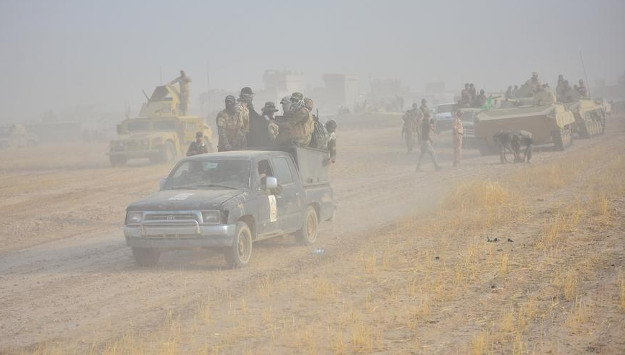
On Thursday, Abu Mahdi al-Muhandis, the operational chief commander of Iraq’s Popular Mobilization Forces, announced the start of the first phase of a military operation to liberate the town of Hawija in the disputed province of Kirkuk. The P.M.F. vice-chairman explained that the offensive began from four main fronts: the Iraqi security forces and P.M.F. paramilitary troops will first capture al-Shirqat, a Sunni Arab town in Salahuddin Province, and then advance into Hawija.
U.S. Forces to Leave al-Tanf Military Base, Fars News Agency
American troops and U.S.-backed Syrian rebel forces plan to vacate the strategic military base in al-Tanf region along Syria’s border with Iraq and Jordan, Iran’s Fars News Agency reports. Quoting an unidentified military official, F.N.A. adds that the U.S. military is seeking to hand over the base to a rebel group. It also referred to a report in a Jordanian newspaper which claimed the U.S. has decided to leave al-Tanf but has not yet set a withdrawal timetable.
Iranian leaders have reacted angrily to President Donald Trump’s speech at the United Nations General Assembly and threatened retaliatory measures if Washington leaves the Iran nuclear deal and imposes new sanctions on the Islamic Republic. Under pressure from hardliners in Tehran, President Hassan Rouhani delivered a fiery rebuke of Trump’s anti-Iran remarks and warned that Tehran would respond decisively if Washington violates the Joint Comprehensive Plan of Action – the nuclear accord Iran signed with world powers in July 2015.
Kurdish Referendum a Reaction to Iraqi Government’s Failure to Implement Constitution
The upcoming independence referendum in Iraqi Kurdistan is partially a consequence of politicization of the Kurdish constitutional demands by Iraqi political leaders. The Kurdistan Regional Government (K.R.G.) was officially recognized by the Iraqi state when Saddam Hussein’s regime fell in 2003 and the new government installed a federal system. In 2004, the Transitional Administrative Law established the Iraqi Transitional Government, and officially recognized the K.R.G. for the first time in the history of the Iraqi state.
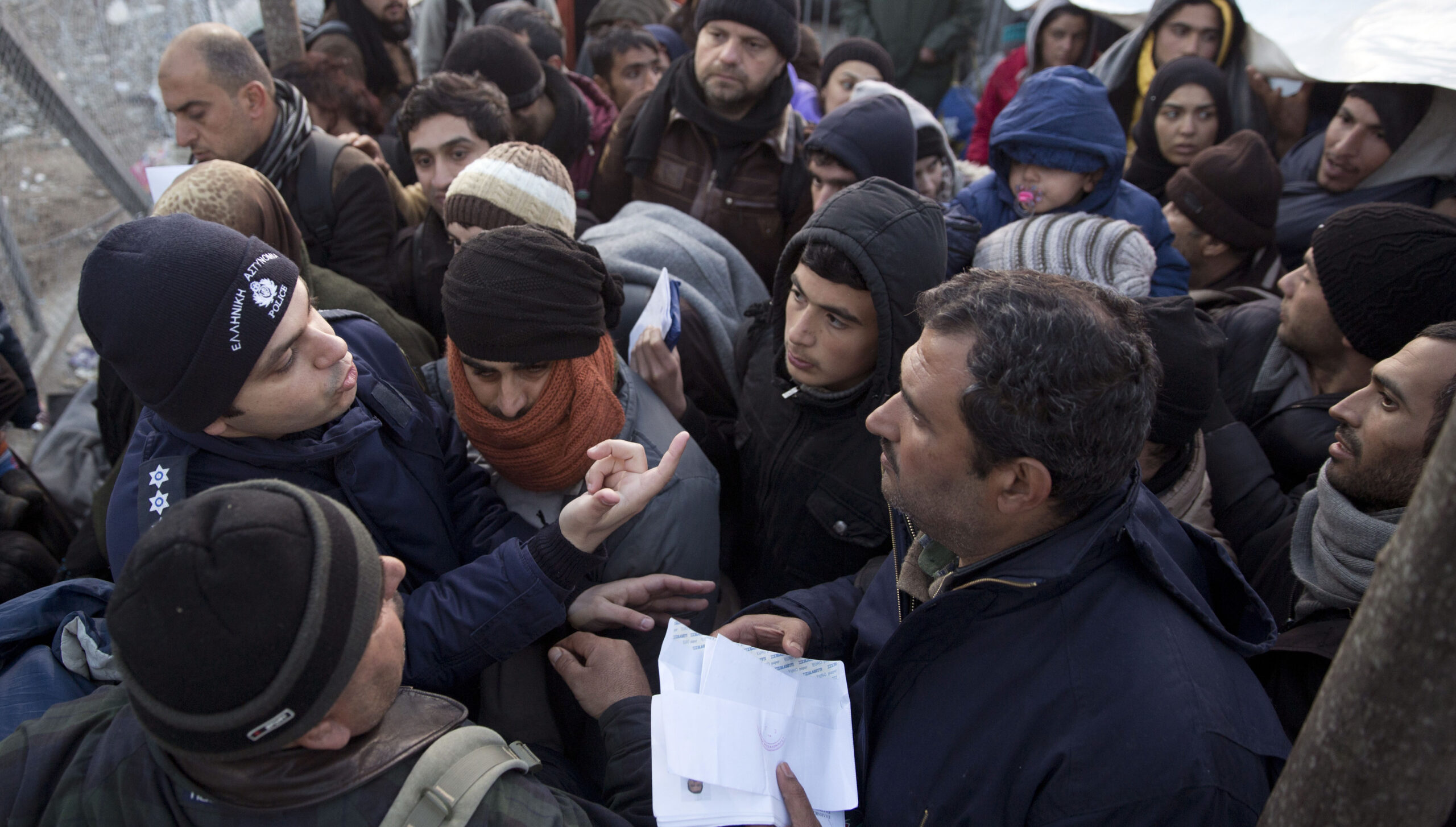
Recent surveys conducted in Europe indicate a rise in Islamophobia since 2015, namely since the beginning of the refugee crisis. Islamophobic incidents have been taking place across the whole continent, even in places where Muslim communities are almost absent, for example, in some Central European states. Islamophobia is exacerbated by some European governments and right-wing politicians who openly express anti-Muslim opinions.
Al-Qaeda in the Indian Subcontinent (AQIS): Renewing Efforts in India
On September 4, 2014 Al-Qaeda Central (AQC) announced the formation of a new regional affiliate called “Qaedat al-Jihad fi’shibhi al-qarrat al-Hindiya,” or Al-Qaeda in the Indian Subcontinent (AQIS). Recently, AQIS has been ramping up its efforts to increase its presence in India. This article examines AQIS’ renewed ambitions and activities in India.
Iranian Leaders Reject Macron’s Proposal to Supplement Nuclear Deal
Iranian leaders today rejected France’s President Emmanuel Macron’s suggestion that the Iran nuclear accord could be supplemented to address Iran’s ballistic missile program and Iranian nuclear program after 2025.
The oldest peer-reviewed publication dedicated to the study of the modern Middle East, MEI’s flagship journal covers politics, society, and culture in the region.