Curb Your Enthusiasm: Why the Midterms Might Not Change Much in US Middle East Policy
With less than a week before the midterm elections in the United States, the spotlight is on the economy and cultural divides. US foreign policy remains mostly on the sidelines, but this year’s inconclusive Iran war and its effect on America’s economy have shaped the broader political environment in this electoral cycle.
The Multiple Costs of the US–Iran War – From Hormuz to Europe and South Asia: The Widening Economic and Political Geography of the Conflict
Wars are decided by those who hold military power, but their costs are increasingly borne by those who have little or no voice in the decisions that start them. The US–Iran war shows this imbalance very clearly. Its economic consequences have gone far beyond the battlefield and have disrupted energy markets, trade routes, food supplies, public finances and investment in the Gulf, Europe, Africa and Asia. The most striking feature of the conflict, however, is not only the size of the damage but its very unequal distribution.
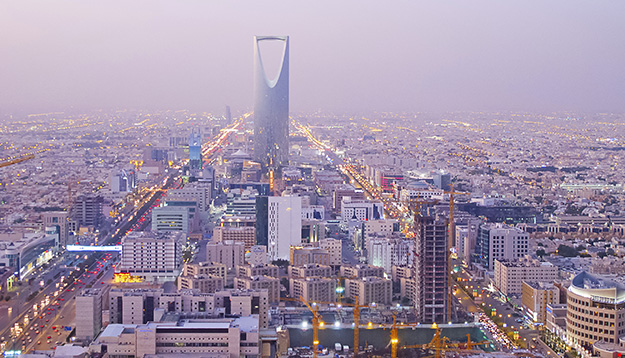
In recent weeks, the Iran-backed Houthis have fired missiles and drones deep into Saudi Arabia, striking high-profile targets, including Riyadh’s airport and Aramco’s headquarters. The attacks follow a rapid Houthi offensive in September to seize key parts of Yemen’s Red Sea coast, which Saudi-backed government forces are now trying to roll back. Fatima Abo Alasrar, an affiliated scholar at MEI and non-resident scholar at the Arab Gulf States Institute, joins hosts Alistair Taylor and Matthew Czekaj to unpack the latest phase of the conflict. They discuss what the Houthis want, Riyadh’s calculus and search for allies, and how this campaign ties into Iran’s confrontation with the United States.
Since 1967, Israeli settlements in the West Bank have been a contested feature of the Israeli-Palestinian conflict. The ultimate disposition of the settlements and ongoing activity related to their growth have repeatedly defied agreement in negotiations over a resolution to the conflict.
The Houthis are a political-military faction and Zaydi religious movement founded in northwestern Yemen in the 1980s. A key member of Iran’s Axis of Resistance with links to other militant organizations in the Arabian Peninsula and the Horn of Africa, the group has continued to pose a threat to Western interests on a global scale.
The India-Middle East-Europe Economic Corridor (IMEC) is a proposed multinational infrastructure initiative aimed at upgrading connectivity between the three regions through integrated trade, energy, and digital networks. Announced at the G20 summit in New Delhi in September 2023, IMEC is envisioned partially as a counterweight to China’s international infrastructure project, the Belt and Road Initiative.
After a decade of post-Arab Spring isolation, Turkey’s leaders have recognized that their ambition to position the country as an agenda-setter on the world stage requires active engagement in all directions. President Recep Tayyip Erdoğan’s consolidation of executive authority has centralized foreign policy decision-making and tied it to his domestic political priorities, transforming the country’s revisionist approach to one shaped primarily by personal and pragmatic interests.
Iran Plans to Launch Several Satellites into Space, including 1st Sensor-Operational Satellite
Iranian officials claim that the country has made significant progress in designing and producing satellites and is planning on launching several satellites into space in the near future.
Iran Says It's Ready to Send Troops to Syria to Monitor Ceasefire
Iran’s Foreign Ministry said on Monday that the Islamic Republic is prepared to deploy troops to Syria to monitor the ceasefire, Iranian media reported. Foreign Ministry Spokesman Bahram Ghassemi added that Iran, Russia and Turkey are holding talks to discuss the implementation of the ceasefire and de-escalation zones in Syria. “If the required grounds are provided, there would be a need to deploy forces who can monitor the ceasefire,” the Iranian spokesman said.
Senior Iranian Clerics: “Shadow of War over Iran Expanding” with new U.S.-Arab Partnership
Senior Iranian clerics at Friday prayers across the country today denounced the creation of an “Arab NATO” by the United States and its regional allies to fight terrorism and contain Iran’s regional ambitions.
Iran-Supported Iraqi Paramilitaries Make Further Gains in Western Mosul
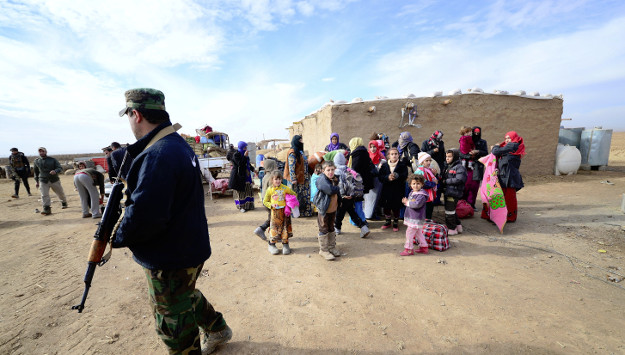
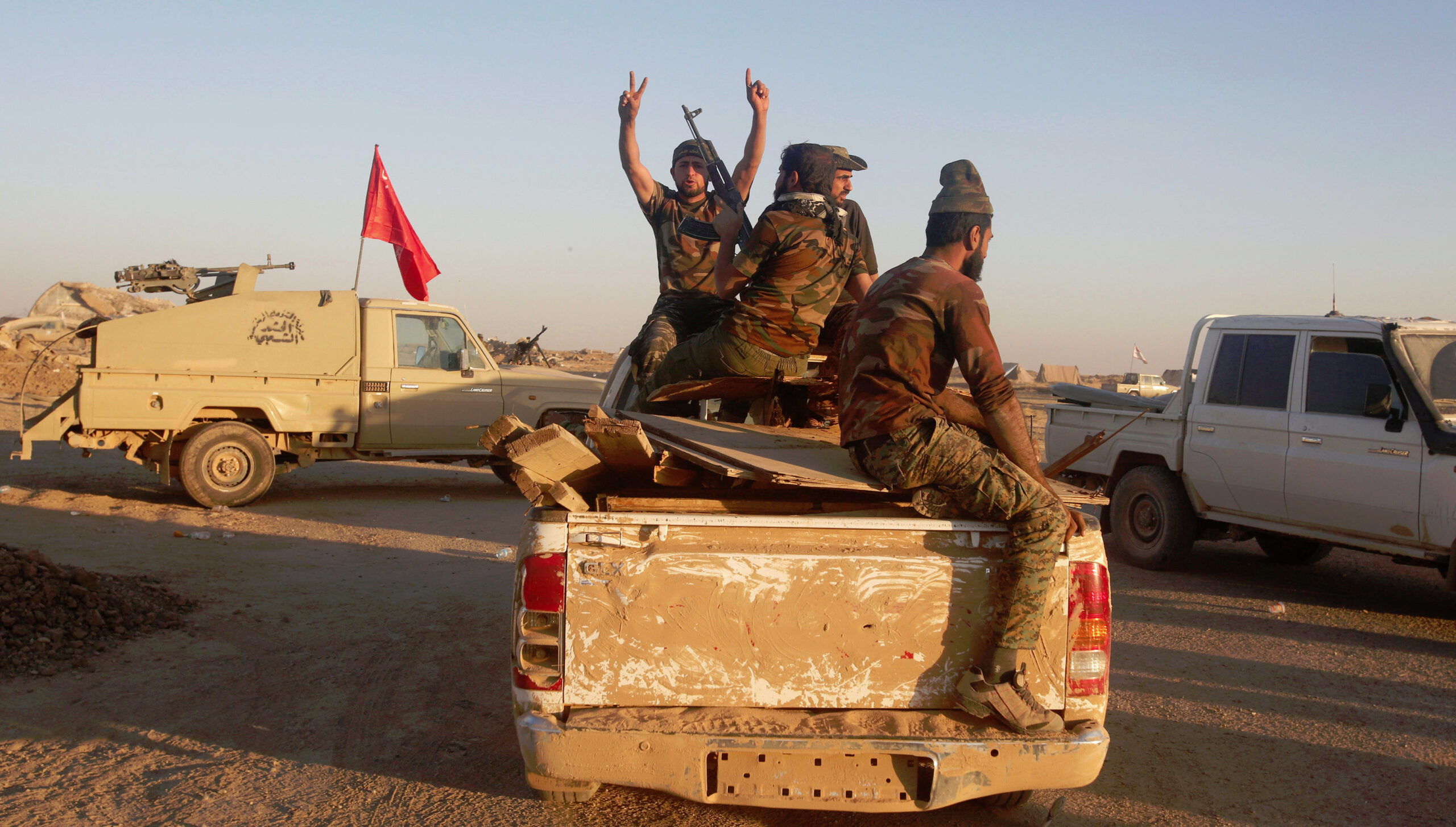
The Iraqi Popular Mobilization Forces today seized nine villages around al-Qairawan region in western Mosul from the Islamic State, the Iranian media reports. According to a P.M.F. statement, the paramilitary forces “managed to reach the Sinjar mountains and block the road that connects Sinjar to al-Ba’aj.
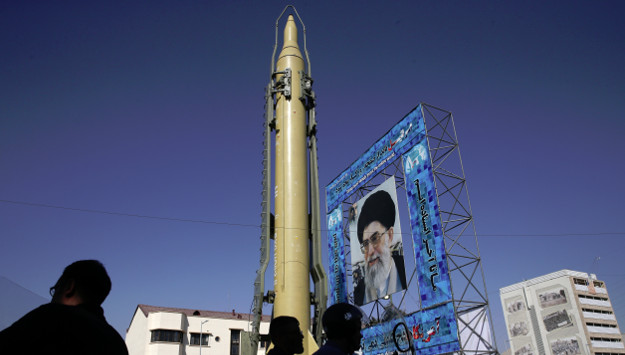
The Iranian defense minister today claimed that the country has achieved self-sufficiency in the field of producing military hardware, particularly ballistic missiles, the Iranian media reported.
The Destabilizing Role of Missiles in the Middle East
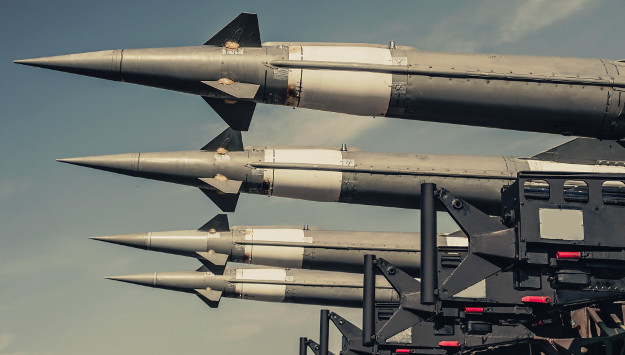
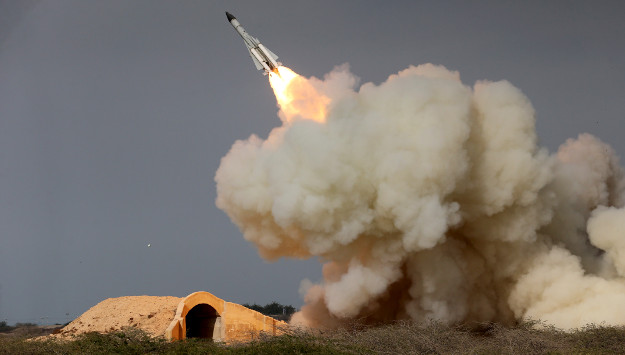
The destabilizing role of ballistic and cruise missiles in the Middle East has stood out since the end of the Second World War: more than 90 percent of the well-over 5,000 missiles fired in combat have taken place in the Middle East.[1] Moreover, because offensive missiles have become so prominent a feature of wars in the Middle East, missile defenses have begun to play a major role in countering growing offensive missile arsenals.
IranObserved: Presidential Election and Foreign Policy
May 23, 2017 – Ahmad Majidyar, director of the IranObserved project at the Middle East Institute, joins host Paul Salem to discuss Hassan Rouhani’s reelection as president, the election’s implications for U.S.-Iran relations during the Trump presidency, and Iran’s broader strategy in regional conflicts.
I.R.G.C. Unveils New Underground Missile Production Factory despite U.S. Warning
The commander of Iran’s Islamic Revolution Guards Corps (I.R.G.C.) Aerospace Force today revealed that the country has recently built a third underground ballistic missile production factory, the
Iran Paper: Are New U.S. Sanctions a Declaration of War against Iran?
The U.S. Senate Relations Committee today approved a new set of sanctions against Iran for its ballistic missile program, support for terrorism, and human rights abuses.
Iran-Supported Iraqi Groups Marching ahead in Western Mosul
The Iraqi Popular Mobilization Forces (P.M.F.) have seized eight villages from the Islamic State in western Mosul, the Iranian media reports. According to Iraqi officials, the paramilitary forces have also launched operations in northern Ba’aj and have secured the control of the main road linking al-Adaniyah district and the two of al-Ba’aj. According to a P.M.F.
Worries in Tehran about Close U.S.-Arab Partnership to Contain Iran
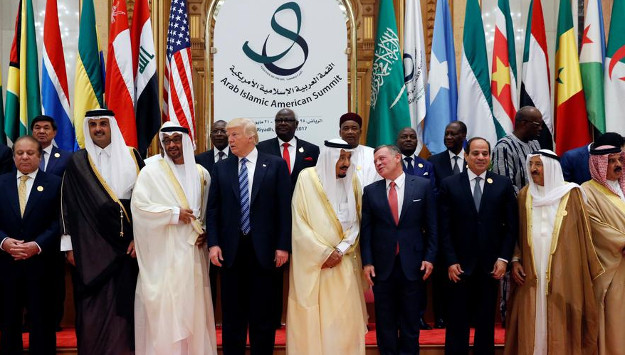
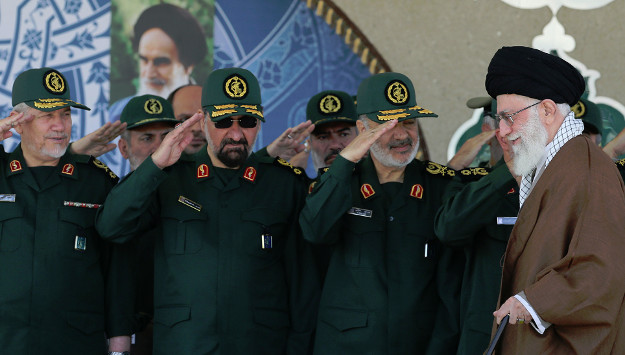
The deputy commander of the Islamic Revolution Guards Corps (I.R.G.C.) said that President Donald Trump’s statements at the Riyadh summit was only a confession to Iran’s superior power in the region. “50 world leaders gathered in Saudi Arabia and their only word was that Iran enjoys an uncontrollable power, and it is an honor for us (Iran),” Brigadier General Hossein Salami stressed. He warned that any actions against Iran would have dire consequences.
The election of Emmanuel Macron is certainly bad news for terrorist organizations in the Middle East. At the same time, it is unlikely that France will modify its attitude in regards to larger regional challenges, for instance, the ongoing Syrian civil war, the Israeli-Palestinian conflict, or the cold war between Iran and Saudi Arabia.
Iranian-Backed Forces Advancing to Southeast Syria despite U.S. Warning
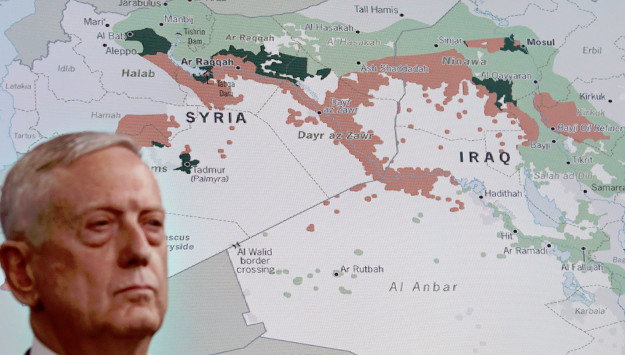
The U.S. air strike last week targeting Iranian-led forces in southern Syria signaled escalating tension between Washington and Tehran over the six-year conflict in Syria. The U.S. military said it carried out the raid because an Iran-directed convoy was advancing toward a “de-confliction zone” near the al-Tanf region, where the U.S. military is training Syrian opposition forces to fight the Islamic State. The militia forces reportedly did not respond to U.S. warnings. The air strike – the first such action by the U.S.
تُعد المجلة الرئيسية لمعهد الشرق الأوسط أقدم مطبوعة محكّمة مكرّسة لدراسة الشرق الأوسط الحديث، وتغطي المجلة الرئيسية في المعهد السياسة والمجتمع والثقافة في المنطقة.