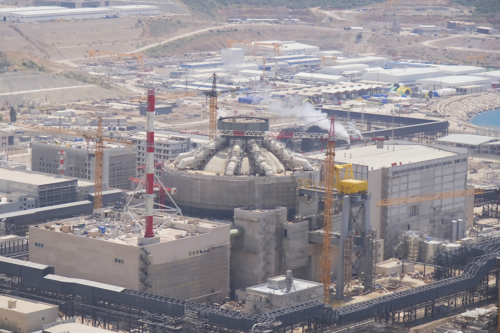
As a result of the Iran war, Turkish thinking about nuclear weapons appears to be shifting. Iran’s emergent ability to threaten regional states (and possible determination to acquire a nuclear weapon itself), growing concern about Israeli aggressiveness, doubts about US security guarantees, and greater Saudi nuclear autonomy are all pushing Ankara to consider a future nuclear option.
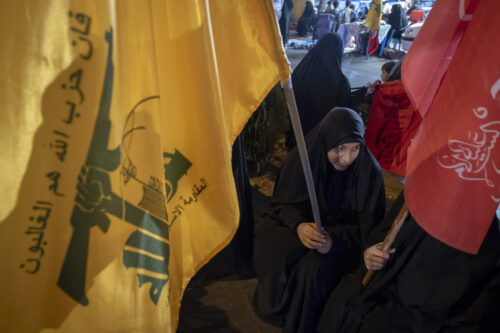
Hizballah: The murderers of elected Lebanese politicians, the killers of peacekeepers, the thugs of the streets they dominated because all other militias had disarmed, the agents of destruction of their own communities on behalf of foreign paymasters reigning 1,000 miles away from Beirut, the brainwashers of children into an ideology of “resistance” that only invited invasion. That’s the Hizballah that today is begging the Lebanese state to return to them the 1,000 pounds of explosives so rudely taken from them by Lebanese soldiers doing their job at a checkpoint in the Bekaa Valley.
Many of the immediate consequences of the Israeli-American war with Iran are already clear. The further emergence of drones and missiles as dominant weapons of war; the danger to the global economy from the threats to vital chokepoints such as the Strait of Hormuz and the Bab el-Mandeb; and the inadequacy of US weapons procurement, among other issues, have garnered widespread and entirely merited attention.
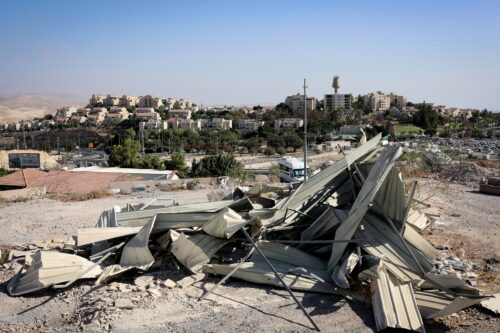
Since 1967, Israeli settlements in the West Bank have been a contested feature of the Israeli-Palestinian conflict. The ultimate disposition of the settlements and ongoing activity related to their growth have repeatedly defied agreement in negotiations over a resolution to the conflict.
The Houthis are a political-military faction and Zaydi religious movement founded in northwestern Yemen in the 1980s. A key member of Iran’s Axis of Resistance with links to other militant organizations in the Arabian Peninsula and the Horn of Africa, the group has continued to pose a threat to Western interests on a global scale.
The India-Middle East-Europe Economic Corridor (IMEC) is a proposed multinational infrastructure initiative aimed at upgrading connectivity between the three regions through integrated trade, energy, and digital networks. Announced at the G20 summit in New Delhi in September 2023, IMEC is envisioned partially as a counterweight to China’s international infrastructure project, the Belt and Road Initiative.
After a decade of post-Arab Spring isolation, Turkey’s leaders have recognized that their ambition to position the country as an agenda-setter on the world stage requires active engagement in all directions. President Recep Tayyip Erdoğan’s consolidation of executive authority has centralized foreign policy decision-making and tied it to his domestic political priorities, transforming the country’s revisionist approach to one shaped primarily by personal and pragmatic interests.
MEI Senior Fellow Brian Katulis engages friends, colleagues, and policy experts in casual conversations on the most important happenings in the Middle East.
It has now been more than two weeks since fighting flared up along the frontlines of the Nagorno-Karabakh conflict. Far from being a small skirmish like the fighting was in July, the current fighting is taking place along the entire frontline. The Republic of Georgia is located right in the middle of this current storm. One only has to look at a map to see Georgia’s predicament.
“Diplomacy of attrition”: How will the Russia-Turkey stand-off in Nagorno-Karabakh play out?
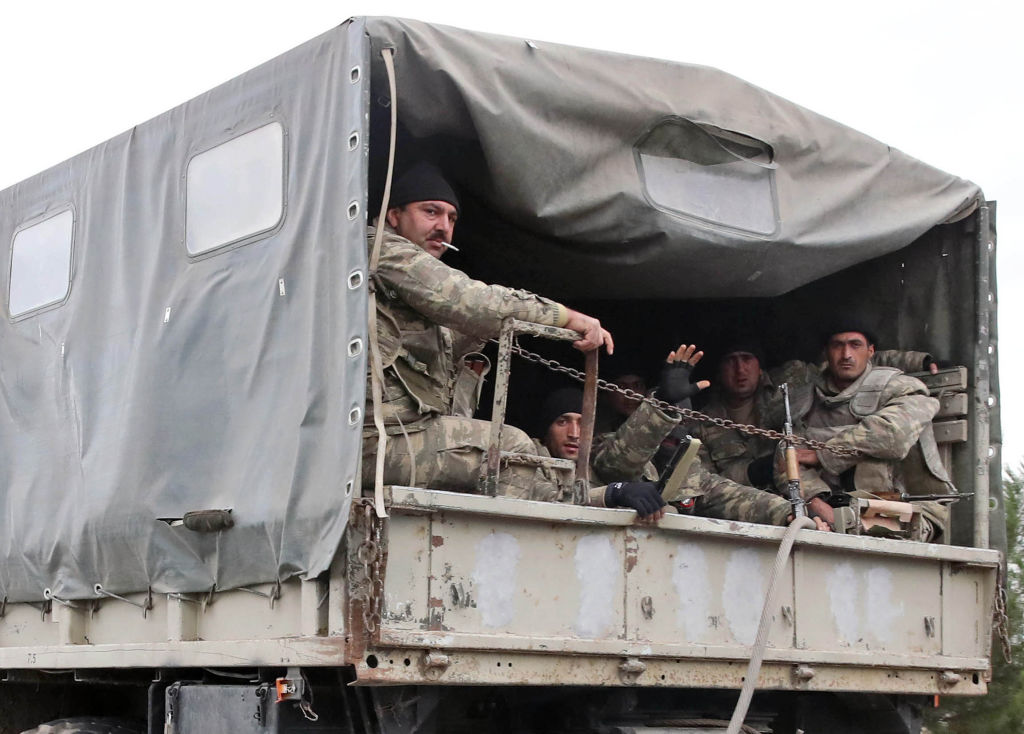
Over the past few years, both Russia and Turkey have played key roles in the world’s hottest conflict zones. Usually on opposite sides and often on the verge of a direct confrontation, Moscow and Ankara have demonstrated a knack for brinkmanship and crisis management through diplomacy. While both sides have suffered casualties, they pulled back before any fight got too big. On Sept. 27 the latest in a series of conflicts emerged when fighting broke out again between Azerbaijan and Armenia over the disputed territory of Nagorno-Karabakh. With Turkey and Russia on opposite sides once more, the flare-up in the South Caucasus will be a major test of whether their relationship will bend or break.
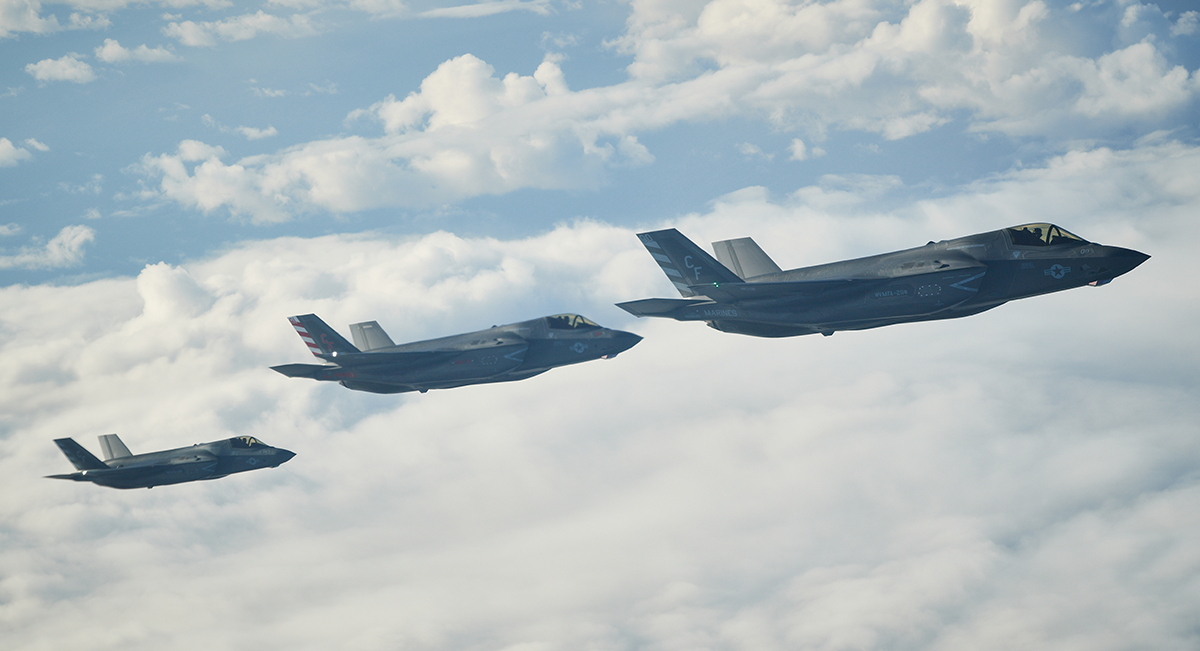
It was only a matter of time before another Arab partner joined the UAE in asking to buy F-35 fighter jets. On Wednesday, Reuters reports, Qatar formally submitted its own request.
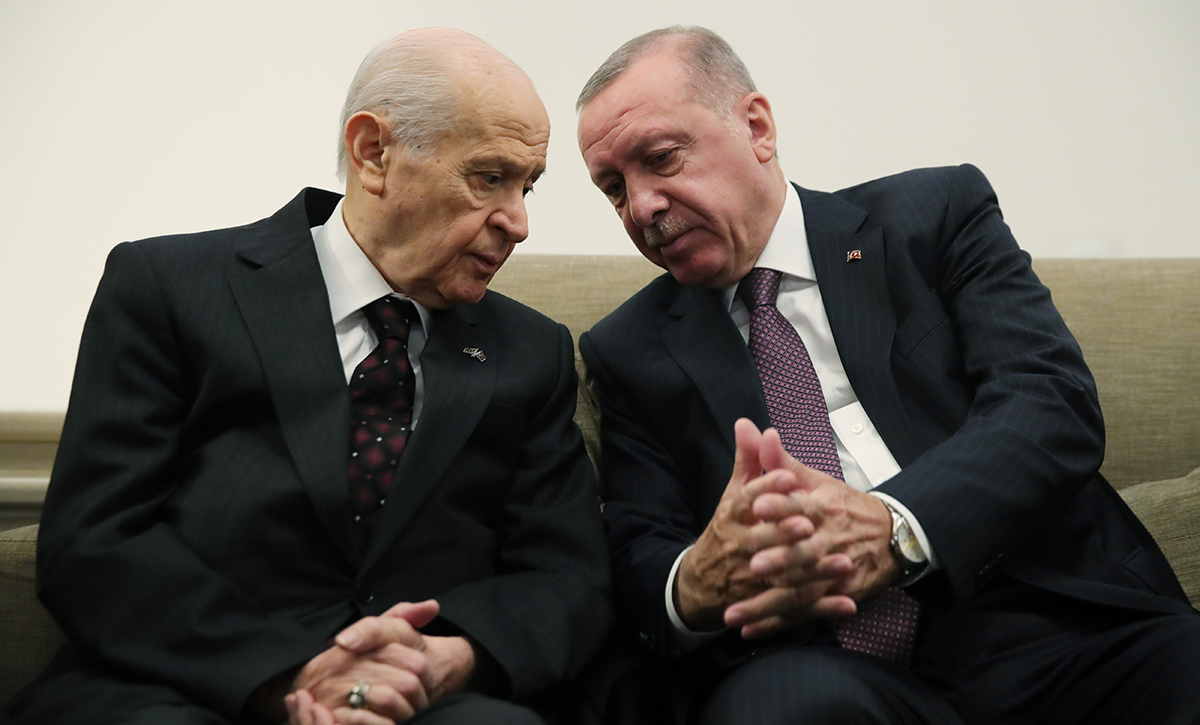
For those following Turkey, there is no doubt about who calls the shots. From the economy and landscape to the arts and sports, everything reflects the will and vision of one man: President Recep Tayyip Erdogan. To his supporters and many of his detractors, he is invincible and answers to no one but God. In reality, however, Erdogan has become increasingly reliant on Devlet Bahceli, the head of the hard-right MHP, who is playing a growing role in shaping his policies. And as Erdogan loses ground in the polls, Bahceli’s sway only increases.
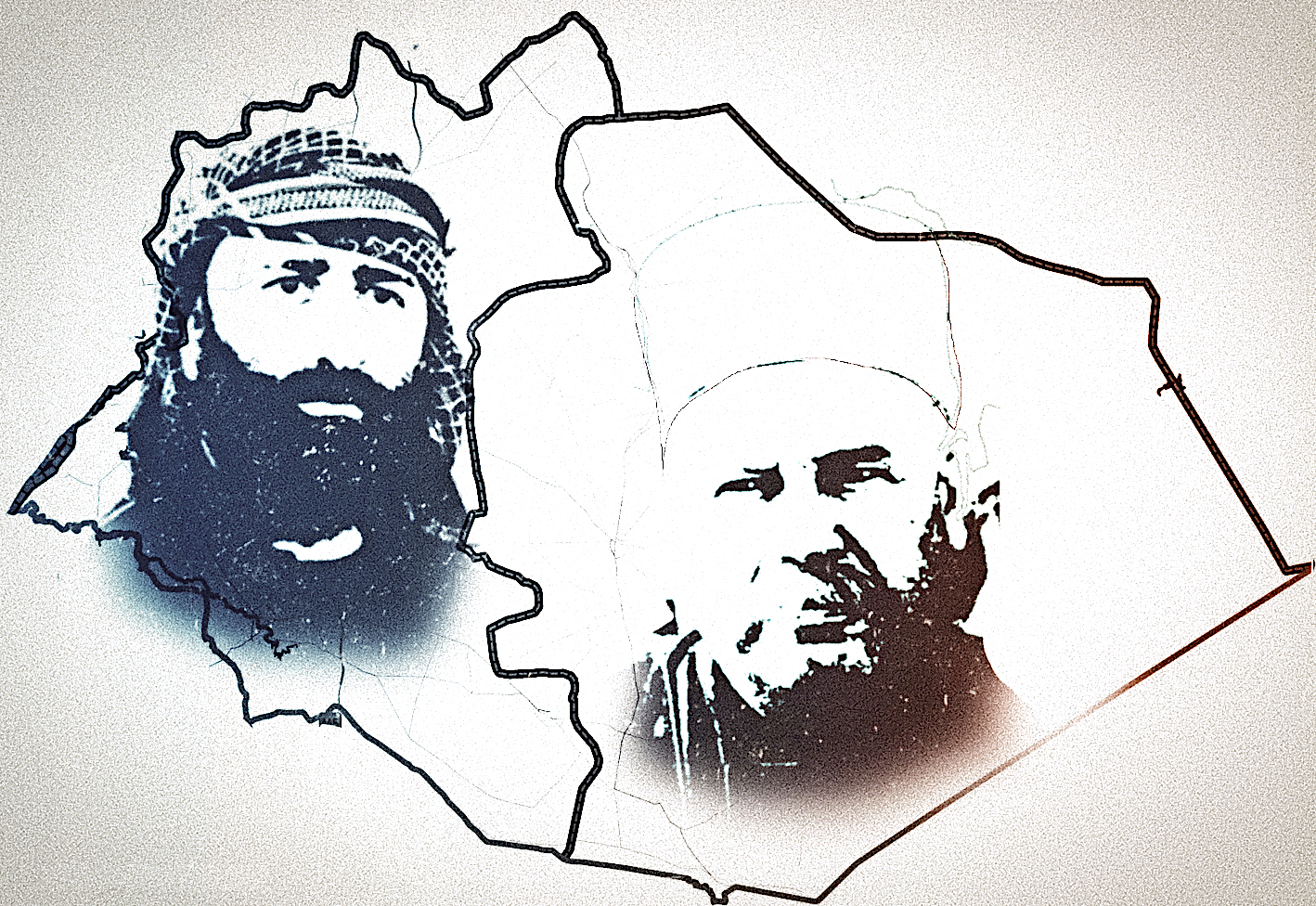
Southern Syria: “Sibling feud” or engineered violence?
The significant increase in tit-for-tat kidnappings between Daraa governorate and As-Suwayda governorate has become a defining characteristic of volatile southern Syria. Contrary to the belief of many, instances of kidnappings between the “plain” (Daraa) and “mount” (As-Suwayda) of Hauran, which have been occurring since at least 2011, are not driven by Sunni-Druze sectarian hatred. Rather, the deteriorating economy, decline of agriculture, unemployment, desperate poverty, and abundance of weapons are the core factors pushing many individuals to participate in criminal groups and engage in profit kidnapping, drug dealing, and gun running.
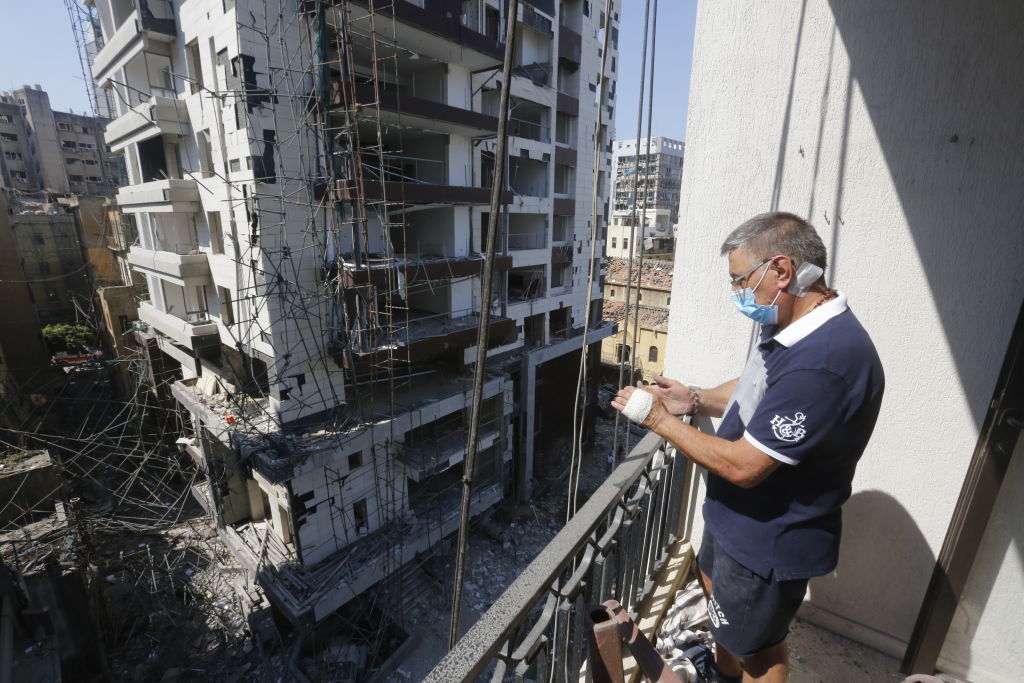
I expected that coming back to my homeland would be heart-wrenching. As I stood amid Beirut’s devastation, I watched shell-shocked citizens sweep up the remains of their homes and businesses. The cataclysm of the August 4 blast that destroyed the port, took or ruined the lives of multitudes and laid waste to much of the city, coincided almost exactly with the 100th anniversary of modern Lebanon’s founding in 1920. I wondered if history was now conspiring to bury Lebanon, or if there was still a path forward beyond survival, towards revival and renewal.
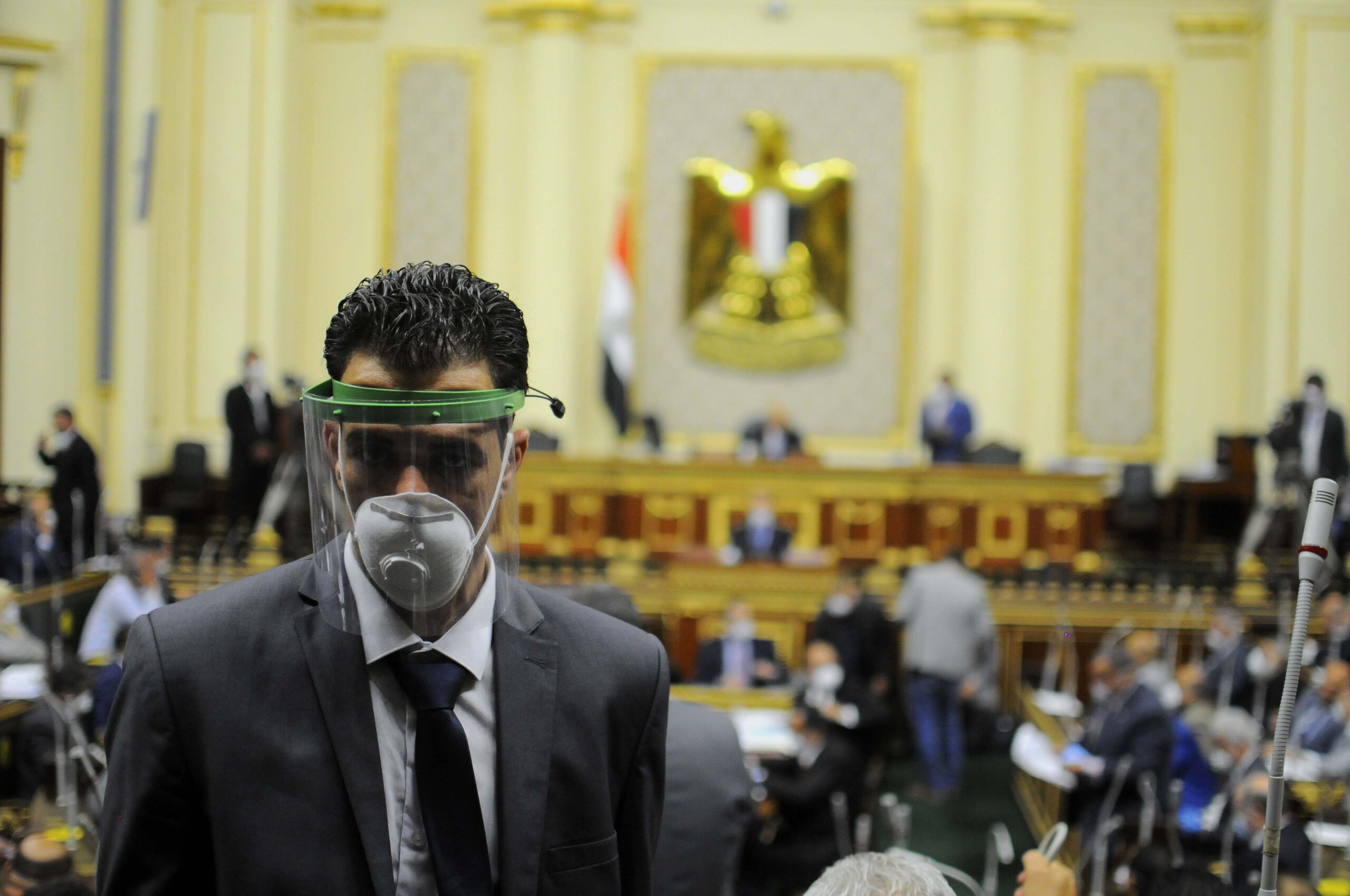
Egypt is not alone in having been knocked into a pit by the fallout from the COVID-19 pandemic, but it will have to dig itself out on its own. However, if Egypt is going to do so, it needs to rethink its approach to development, starting with looking for the silver lining to the pandemic. Is it possible to address existing issues that have been brought home by the exceptional circumstances? In this report, contributors dissect the weaknesses that make Egypt particularly vulnerable to external threats and examine ways in which to address these vulnerabilities and shore up the economy and the business and developmental environment.
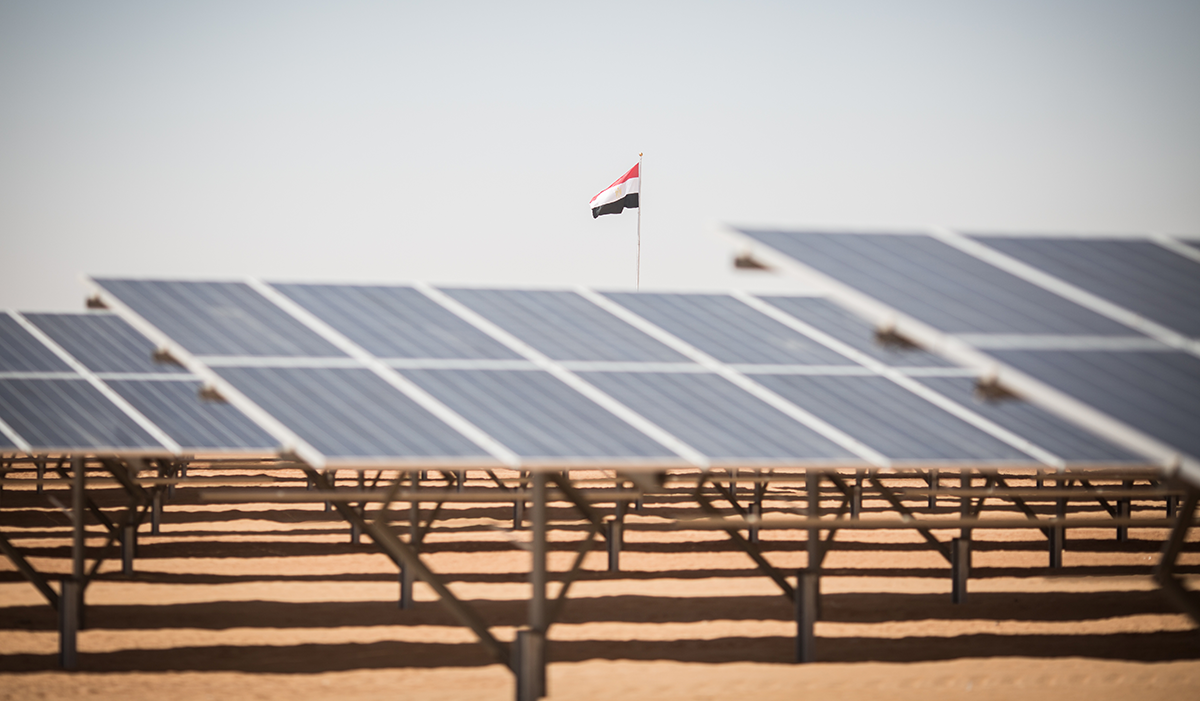
With its successful turnaround, strategic location, and extensive infrastructure, Egypt is repositioning itself as a regional energy hub for not only Europe and the Middle East, but also for Africa. It is useful to reflect on the successful transformation of Egypt’s energy sector while also evaluating where the sector stands today and how it will react to the twin challenges of the COVID-19 global pandemic and the oil price shock.
Omar Samad and Marvin Weinbaum join host Alistair Taylor to discuss what to expect from the intra-Afghan talks underway in Doha, the ongoing violence on the ground in Afghanistan, and the challenges facing Afghan security forces as the US continues its troop drawdown.
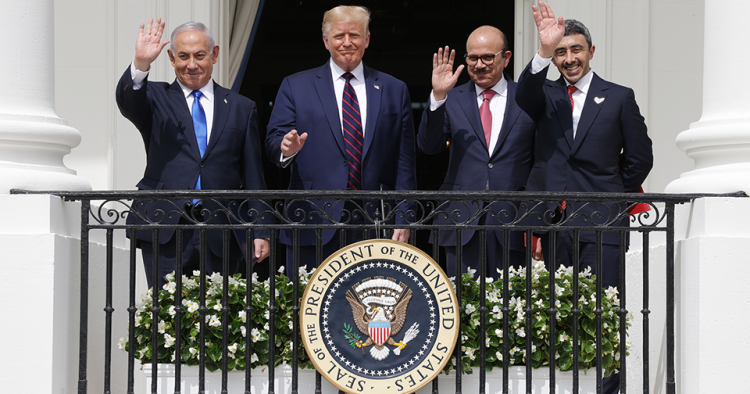
On Sept. 13, Bahrain recognized Israel at a ceremony attended by US President Donald Trump at the White House. With the stroke of a pen, Bahrain became the fourth Arab state to have forged official ties with Israel, following in the footsteps of Egypt (1979), Jordan (1994), and most recently, the UAE (Aug. 13, 2020).
Jordan: US security assistance and border defense capacity building
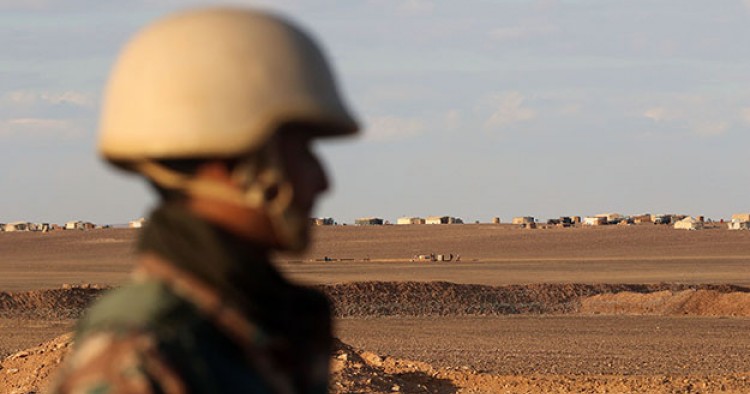
The Department of Defense (DoD) border security assistance programs in the Middle East region have helped partner countries to defend their borders against terrorist militia groups and other transnational security threats in the region. These programs set the standard for how the US military can foster long-term stability in the Middle East, while gradually drawing down its presence in the region.
Towering Ambitions: Egypt and China Building for the Future
Over the past decade, Egypt and China — the former a traditional US partner and the latter America’s strategic competitor — have forged ever-deeper ties. During that time, Beijing has sought to leverage its relationship with Egypt to advance the Belt and Road Initiative (BRI), while Cairo has looked to China as a critical partner in the revitalization of the Egyptian economy. Entering 2020, Egypt was one of the fastest-growing emerging markets, and the Sino-Egyptian economic relationship was thriving. However, the fallout from the pandemic could undermine Egypt’s recent success in restoring growth and regaining investor confidence. It could also test the resilience and delay the further expansion of Sino-Egyptian economic ties.
Are the treaties with the UAE and Bahrain in any way comparable to previous genuine milestones, like the agreements with Egypt and Jordan? Can we realistically see them as helping to lead the way to a brighter future, at least as far as Israel’s conflicts with its neighbors are concerned? The answer is almost certainly “not really.”
Escalation and Regional Risks in a New Karabakh War
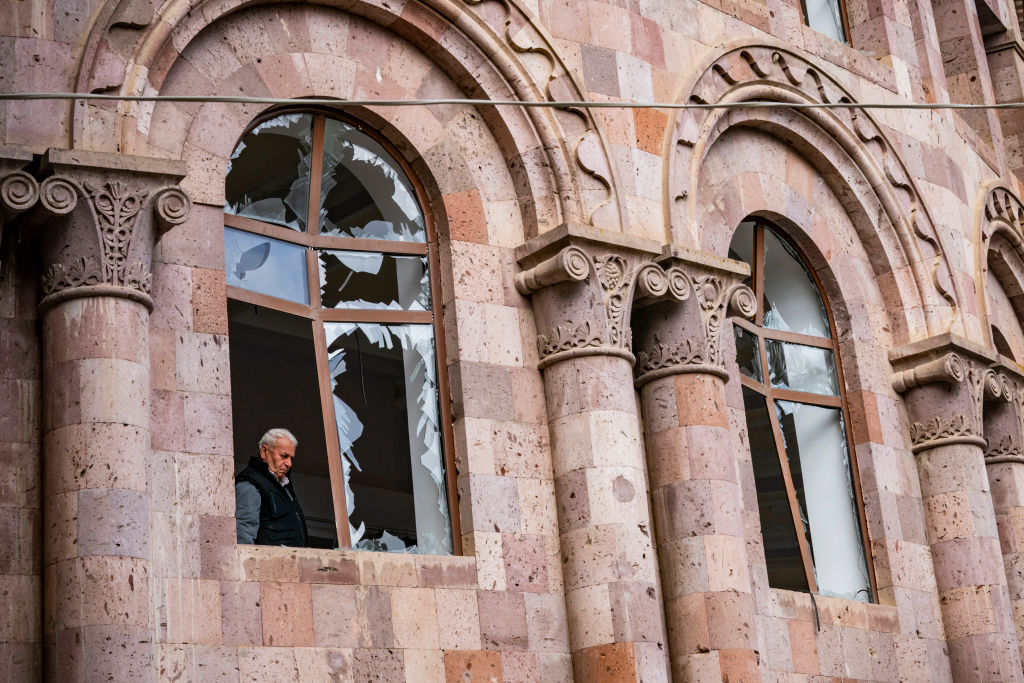
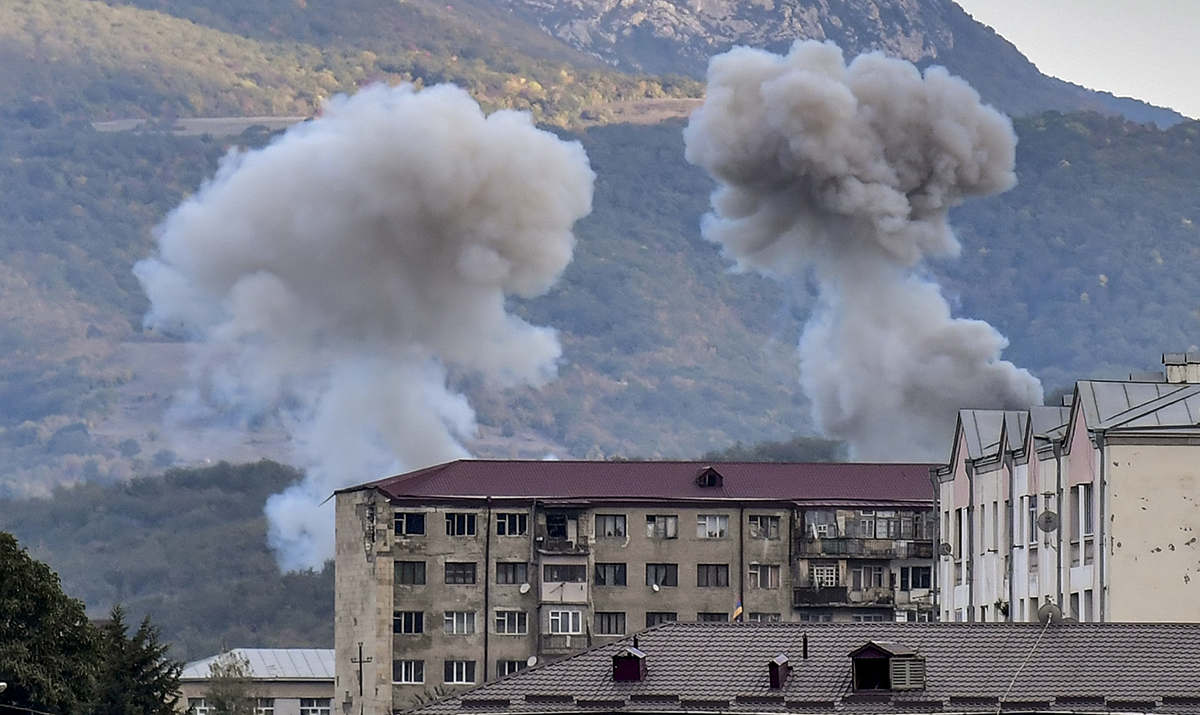
Fierce fighting between Azerbaijani and Armenian forces represents a dramatic escalation in longstanding tensions, with the two countries on an all-out war footing following over a week of battle. Although the fighting has already dramatically eclipsed previous spikes in violence since the 1994 ceasefire, the most recent conflagration shows no signs of abating anytime soon, and raises the specter of even greater escalation among regional and global powers.
In the recently released Showtime documentary “Kingdom of Silence” by Alex Gibney and Lawrence Wright, I made the statement that with hindsight the U.S. may have been better off never having occupied Afghanistan. That comment has brought some questions and responses, so let me be clear about what I mean and why.
The oldest peer-reviewed publication dedicated to the study of the modern Middle East, MEI’s flagship journal covers politics, society, and culture in the region.