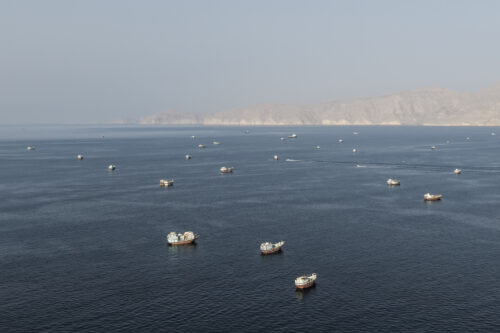
Crude oil is flowing out of the Gulf again, but the market is no better prepared for another disruption in the Strait of Hormuz. It has assembled a temporary system for managing one. Crude exports from the Gulf, excluding Iran, returned to pre-war levels in September, while total Gulf shipments reached 15.5 million barrels a day, more than 80% of the pre-conflict volume.
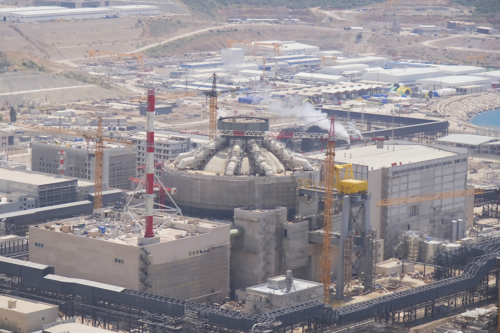
As a result of the Iran war, Turkish thinking about nuclear weapons appears to be shifting. Iran’s emergent ability to threaten regional states (and possible determination to acquire a nuclear weapon itself), growing concern about Israeli aggressiveness, doubts about US security guarantees, and greater Saudi nuclear autonomy are all pushing Ankara to consider a future nuclear option.
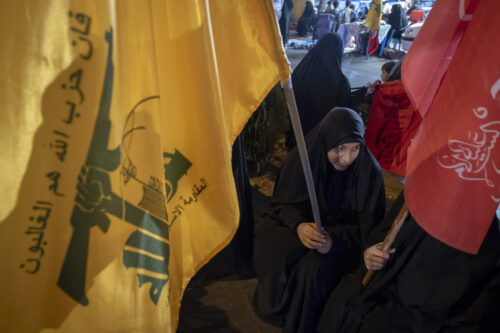
Hizballah: The murderers of elected Lebanese politicians, the killers of peacekeepers, the thugs of the streets they dominated because all other militias had disarmed, the agents of destruction of their own communities on behalf of foreign paymasters reigning 1,000 miles away from Beirut, the brainwashers of children into an ideology of “resistance” that only invited invasion. That’s the Hizballah that today is begging the Lebanese state to return to them the 1,000 pounds of explosives so rudely taken from them by Lebanese soldiers doing their job at a checkpoint in the Bekaa Valley.
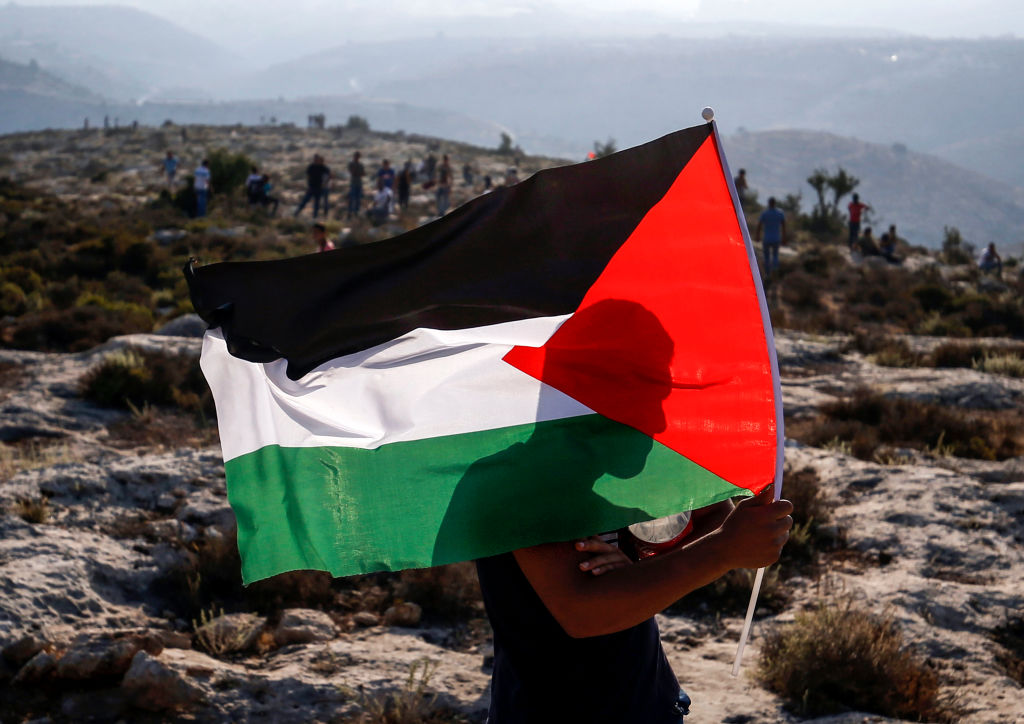
Since 1967, Israeli settlements in the West Bank have been a contested feature of the Israeli-Palestinian conflict. The ultimate disposition of the settlements and ongoing activity related to their growth have repeatedly defied agreement in negotiations over a resolution to the conflict.
The Houthis are a political-military faction and Zaydi religious movement founded in northwestern Yemen in the 1980s. A key member of Iran’s Axis of Resistance with links to other militant organizations in the Arabian Peninsula and the Horn of Africa, the group has continued to pose a threat to Western interests on a global scale.
The India-Middle East-Europe Economic Corridor (IMEC) is a proposed multinational infrastructure initiative aimed at upgrading connectivity between the three regions through integrated trade, energy, and digital networks. Announced at the G20 summit in New Delhi in September 2023, IMEC is envisioned partially as a counterweight to China’s international infrastructure project, the Belt and Road Initiative.
After a decade of post-Arab Spring isolation, Turkey’s leaders have recognized that their ambition to position the country as an agenda-setter on the world stage requires active engagement in all directions. President Recep Tayyip Erdoğan’s consolidation of executive authority has centralized foreign policy decision-making and tied it to his domestic political priorities, transforming the country’s revisionist approach to one shaped primarily by personal and pragmatic interests.
MEI Senior Fellow Brian Katulis engages friends, colleagues, and policy experts in casual conversations on the most important happenings in the Middle East.
Water scarcity is a global concern that disproportionately affects the Middle East. Mirette Mabrouk, director of MEI’s Egypt program, joins host Alistair Taylor to discuss steps Egypt has taken to manage its own water resources, and what more needs to be done to mitigate the impact of climate change.
Debates about populism often lump Turkey’s President Recep Tayyip Erdogan together with Donald Trump in the US, Vladimir Putin in Russia, and Viktor Orban in Hungary. All four are kindred spirits who have used the same tactics to gain and hold onto power. They stir up fear, divide societies, fuel social conflict, criminalize the opposition, and create internal and external enemies. On the issue of refugees, however, Erdogan has been the epitome of liberalism, setting him apart from his fellow populists.
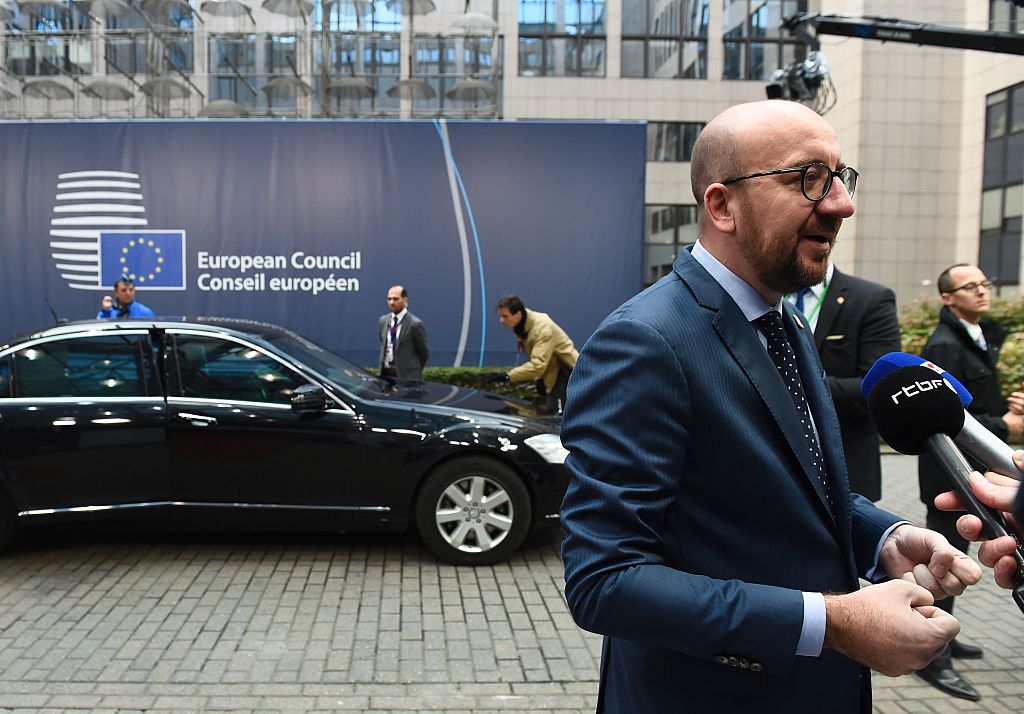
What will the European Council's new president mean for EU-MENA relations?
While some changes may be in the offing, for now most signs suggest that regional leaders should expect neither new opportunities, nor new challenges, but more likely a broad continuity of existing EU policy toward the region.
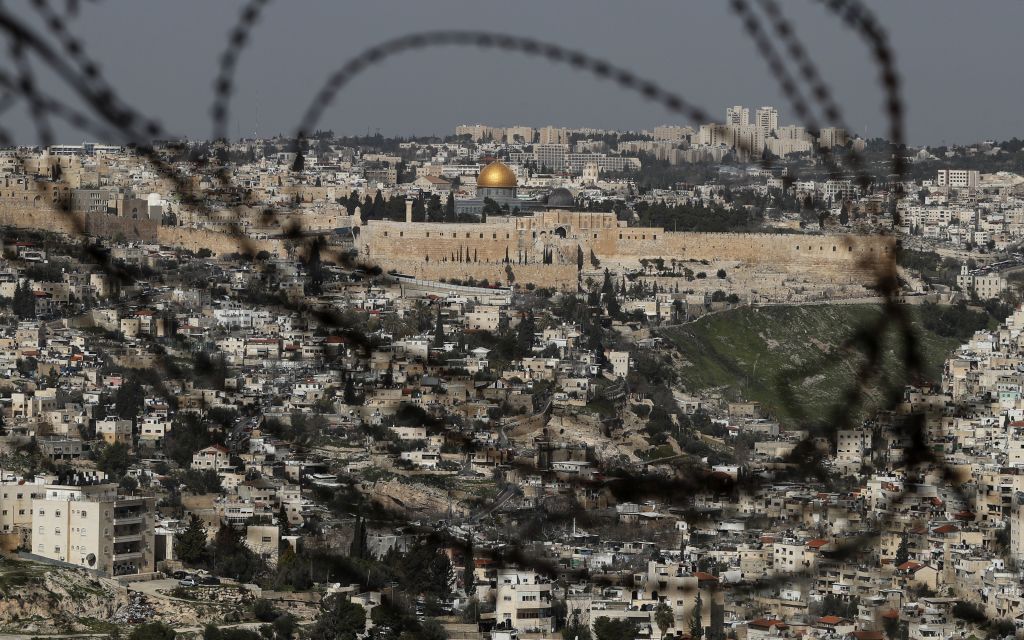
There Is No "Status Quo": Drivers of Violence in the Israeli-Palestinian Conflict
The Israeli-Palestinian conflict remains a destabilizing element in an already volatile Middle East. The Palestinians are too weak to wrest their independence from Israel. But as long as their right to self-determination is denied, they are likely to engage in regular violence targeting Israel. Absent outside intervention, Israel is powerful enough that it can suppress Palestinian demands for freedom — but it is not able to completely pacify the Palestinians. Thus, the conflict continues, punctuated every few years by rounds of more significant violence.
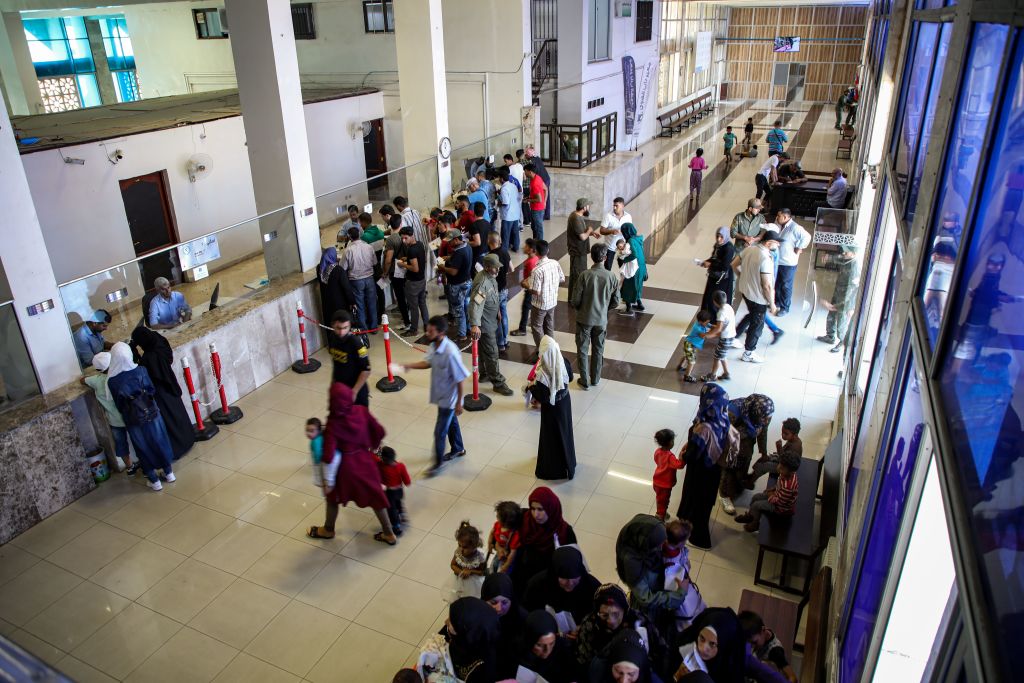
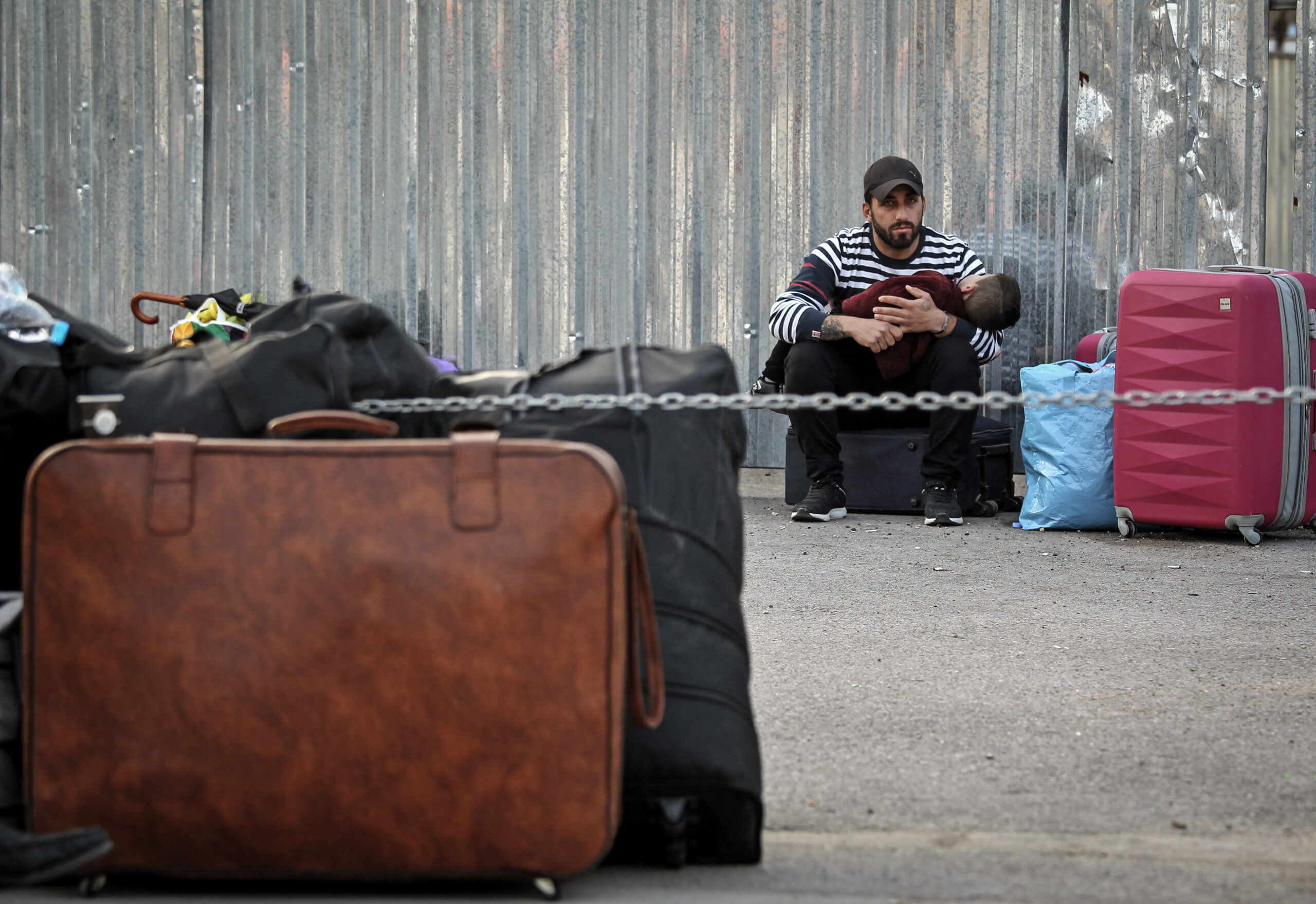
International Politics of Syrian Refugee Return: The Case of Lebanon
There are three sets of actors whose involvement has significantly affected the Syrian refugee situation in Lebanon: UN agencies, humanitarian organizations, and key regional countries (notably, Iran) and major powers (especially the US, EU, and Russia). This article briefly examines the international politics of Syrian refugee return in the case of Lebanon.
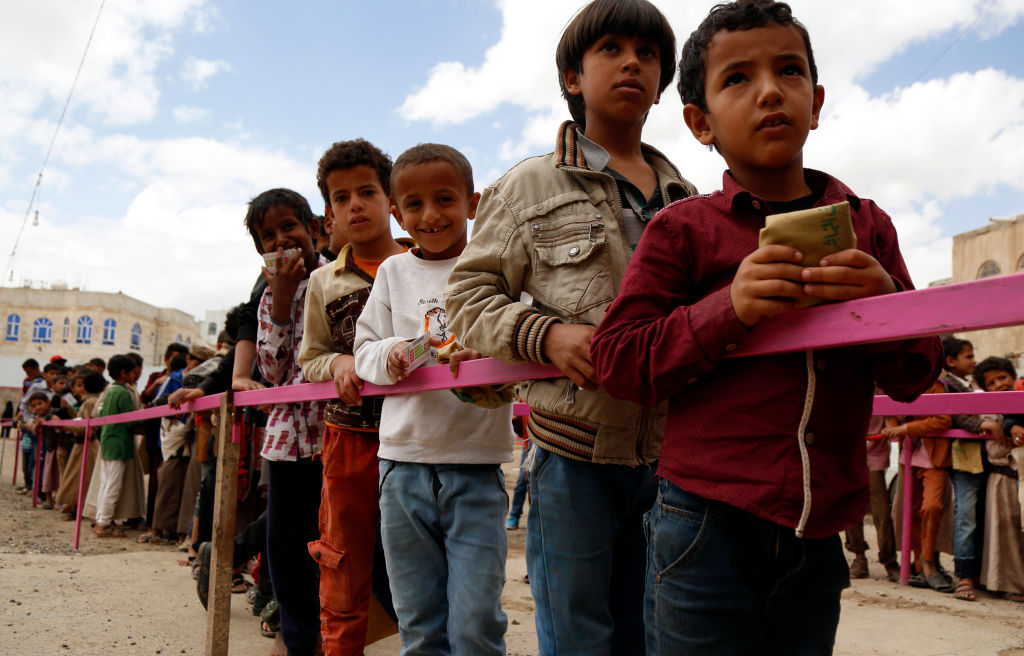
The end is not near: Sleepwalking through human and military security crises in MENA
The Middle East and North Africa (MENA) is shouldering the world’s largest humanitarian caseload and most severe crises of undernourishment since World War II. Tens of millions of people in five MENA countries are struggling with chronic hunger, and millions of them are on the brink of famine. MENA has also been grappling with the world’s longest chain of consecutive regional wars every decade since the mid-20th century, now spanning nearly 75 years.
Monday Briefing: A mixed record for PM Khan’s first year in office
This week’s briefing on recent news and upcoming events in the region featuring Arif Rafiq, Ibrahim Jalal, Michael Sexton and Eliza Campbell, and Alex Vatanka.
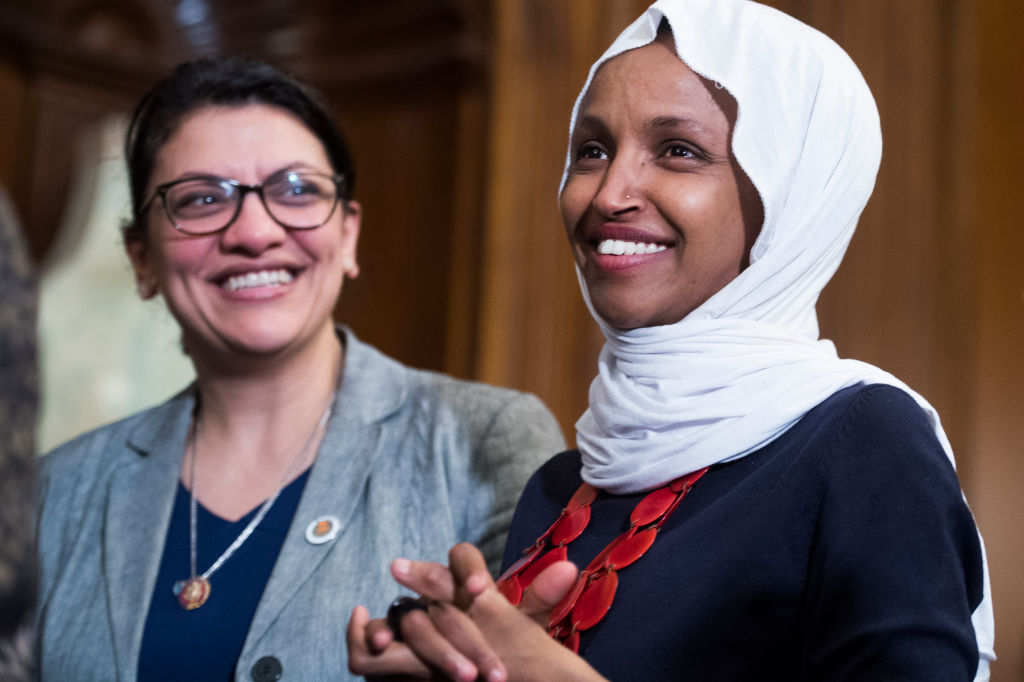
The current Rashida Tlaib/Ilhan Omar debacle has received more attention from every quarter than virtually anything other than a war. All the usual suspects have weighed in with (mostly) predictable comments, generally in the context of the long-running “special relationship” between Israel and the U.S. The two domestic political contexts are often mentioned only in passing. With all respect to those who have tried to take a longer or strategic view, I would suggest that it really boils down to the political calculations of just two men, President Donald Trump and Prime Minister Benjamin Netanyahu.
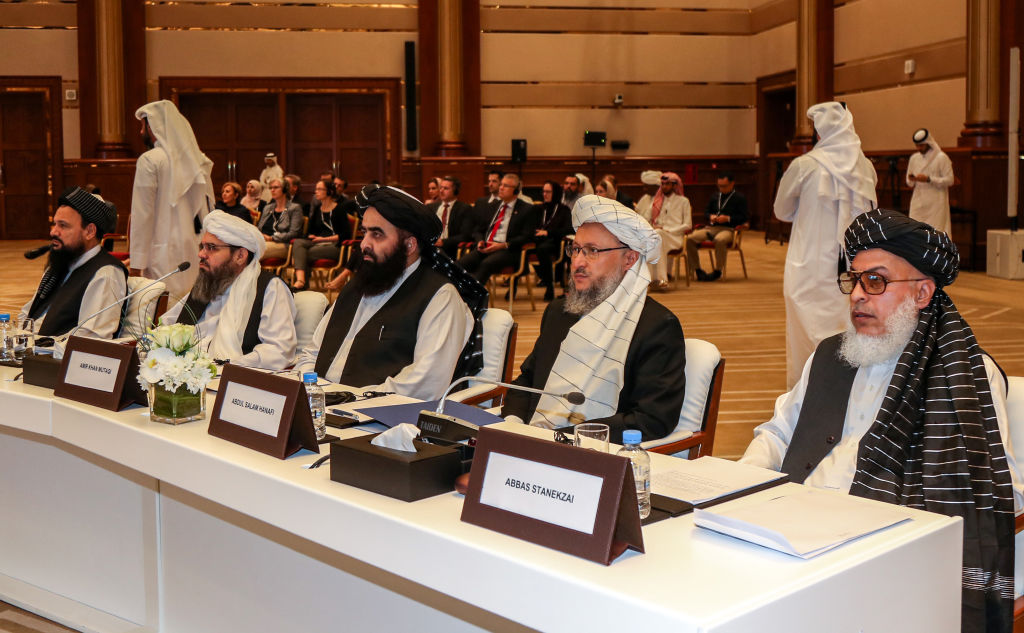
Much has been written about the ongoing direct peace talks between U.S. Special Representative Zalmay Khalilzad and an Afghan Taliban delegation headed by Mullah Sher Mohammad Abbas Stanikzai in Doha, Qatar. This article takes a closer look at the challenges to negotiating with the Afghan Taliban and lays out six reasons why the prospects for peace in Afghanistan still seem bleak.
The uneasy triangle between Turkey, the US, and the YPG
Turkey and the US recently announced an agreement for establishing a safe zone in northern Syria to serve as a buffer between Turkey and the YPG, which is seen by Ankara as a terrorist group and by Washington as a partner in the fight against ISIS. MEI’s Gonul Tol and Charles Lister join host Alistair Taylor to discuss how this policy may impact dynamics on the ground.
Ambassador Friedman: Palestinians already have autonomy
Autonomy is normally given to a specific cultural or national group as part of a political agreement. For Palestinians, the idea that autonomy is the goal of talks is unhelpful because they already have autonomy.
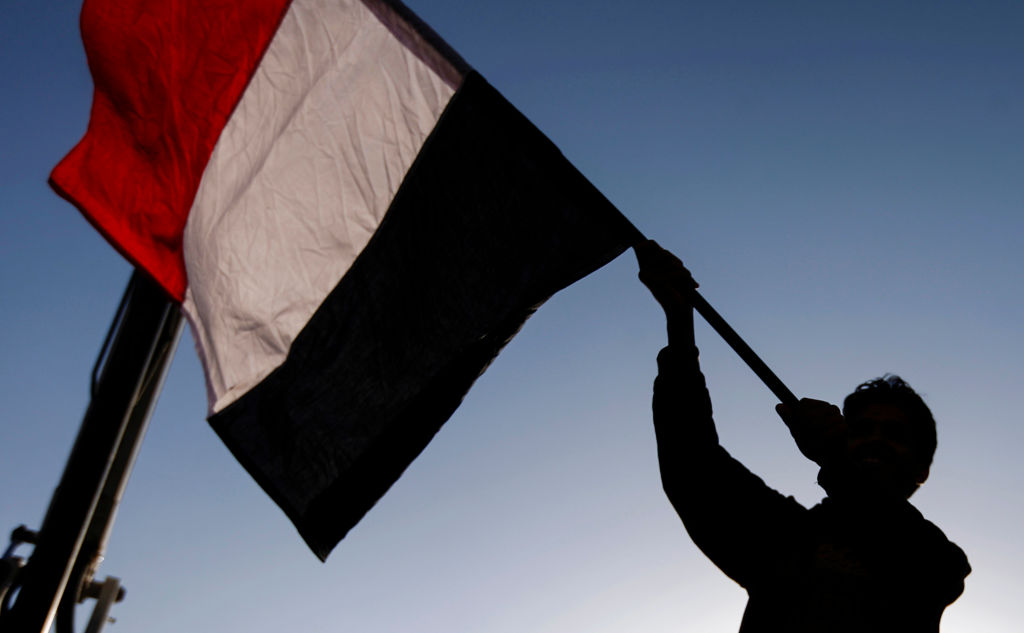
After more than four years of fighting, the war in Yemen continues to drag on. Although the rival parties came to a deal at the end of 2018 in Stockholm, they have failed to fully abide by its terms due to ambiguity about the future Yemeni state. Currently, there are multiple, rival authorities in different regions of the country, and the individuals in power disagree whether there should be one state, two states, or multiple states. They also disagree whether the future states of Yemen should be independent or linked through a federal or confederal system of government. Profound questions about the country’s future remain unanswered, and before negotiations can move forward the parties will likely need to address the elephant in the room: the future structure of Yemen as a state.
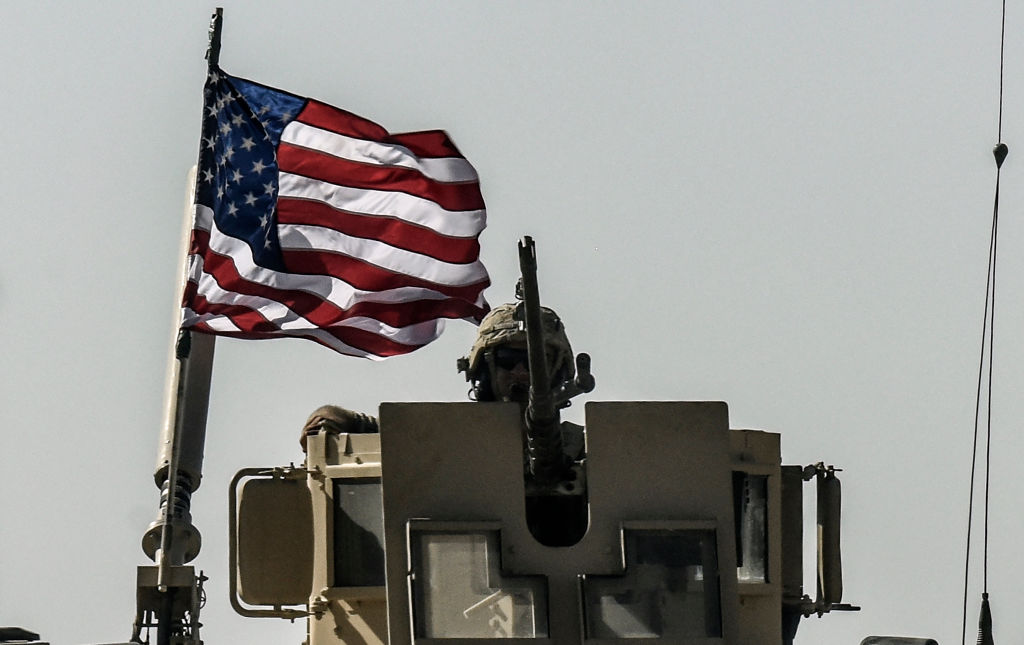
Leaving Syria won’t make things any better — for the US or Syria
Responding to Daniel Serwer’s “not so progressive case for withdrawing from Syria,” Charles Lister makes the case that the U.S. should remain in Syria — at the very least for long enough to secure conditions in which a realistic set of objectives could be achieved, including the existing counter-ISIS mission.
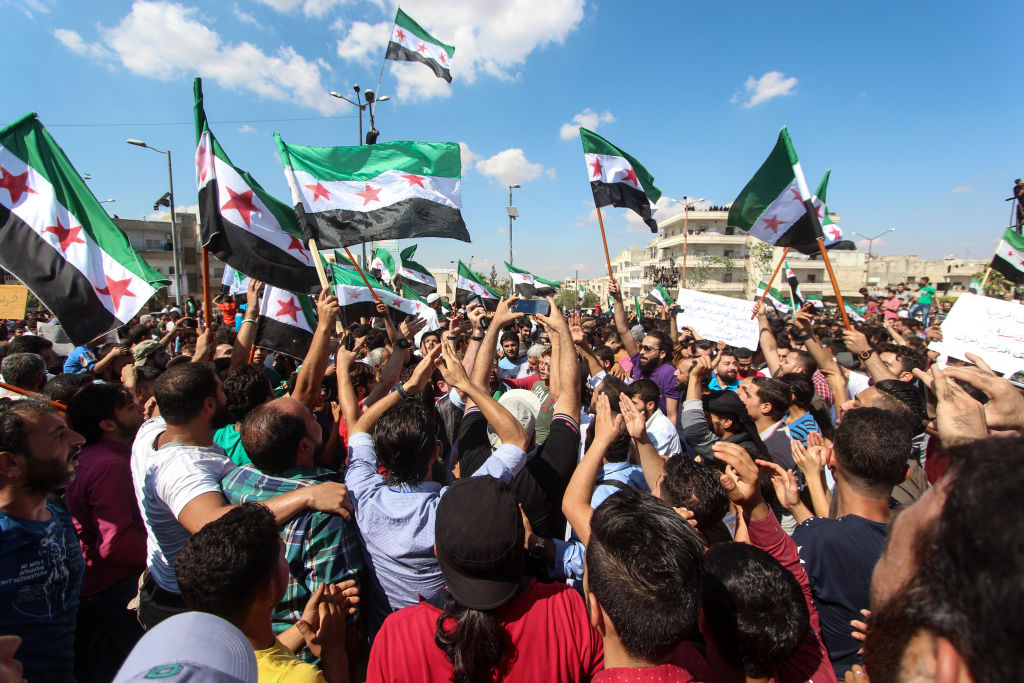
Over eight years ago, Syrian men, women, and children took to the streets, often holding hands or clutching roses, calling for political reform. Wahed, Wahed, Wahed, al-Shaab al-Suri Wahed, they chanted — “One, One, One, the Syrian People are One!” But the regime did not listen; instead, we were shot at, gassed, and later bombed. As regime violence escalated, the uprising gradually militarized and what had been a local movement driven by society soon became a vicious conflict driven in large part by foreign governments. Then came al-Qaeda, ISIS, and Hezbollah and soon enough, the lives, thoughts, and desires of ordinary Syrians mattered little.
The oldest peer-reviewed publication dedicated to the study of the modern Middle East, MEI’s flagship journal covers politics, society, and culture in the region.