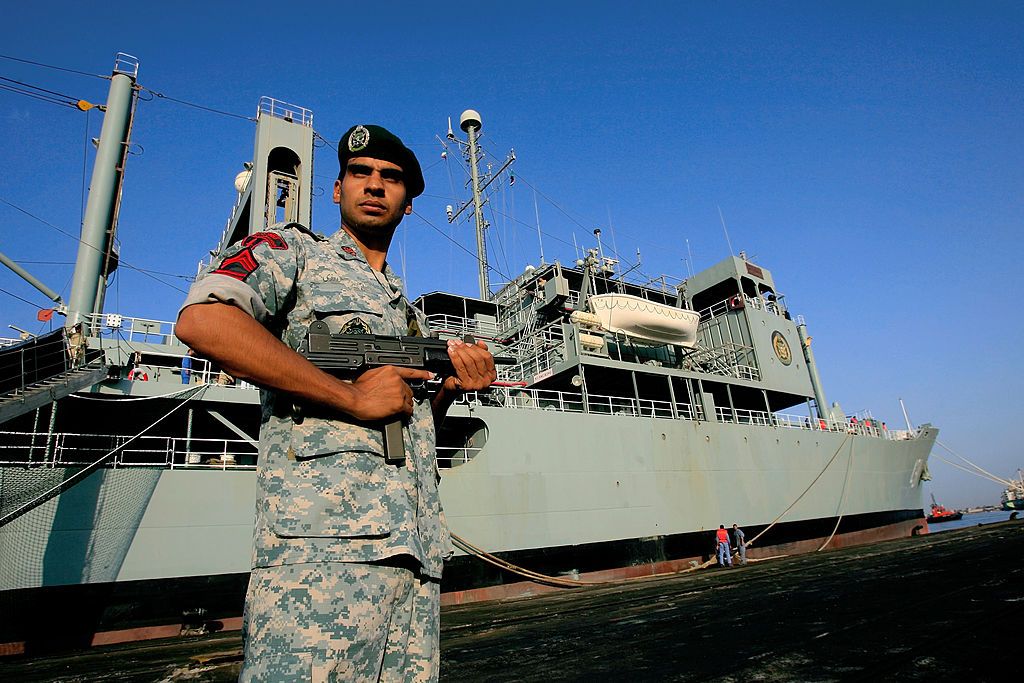
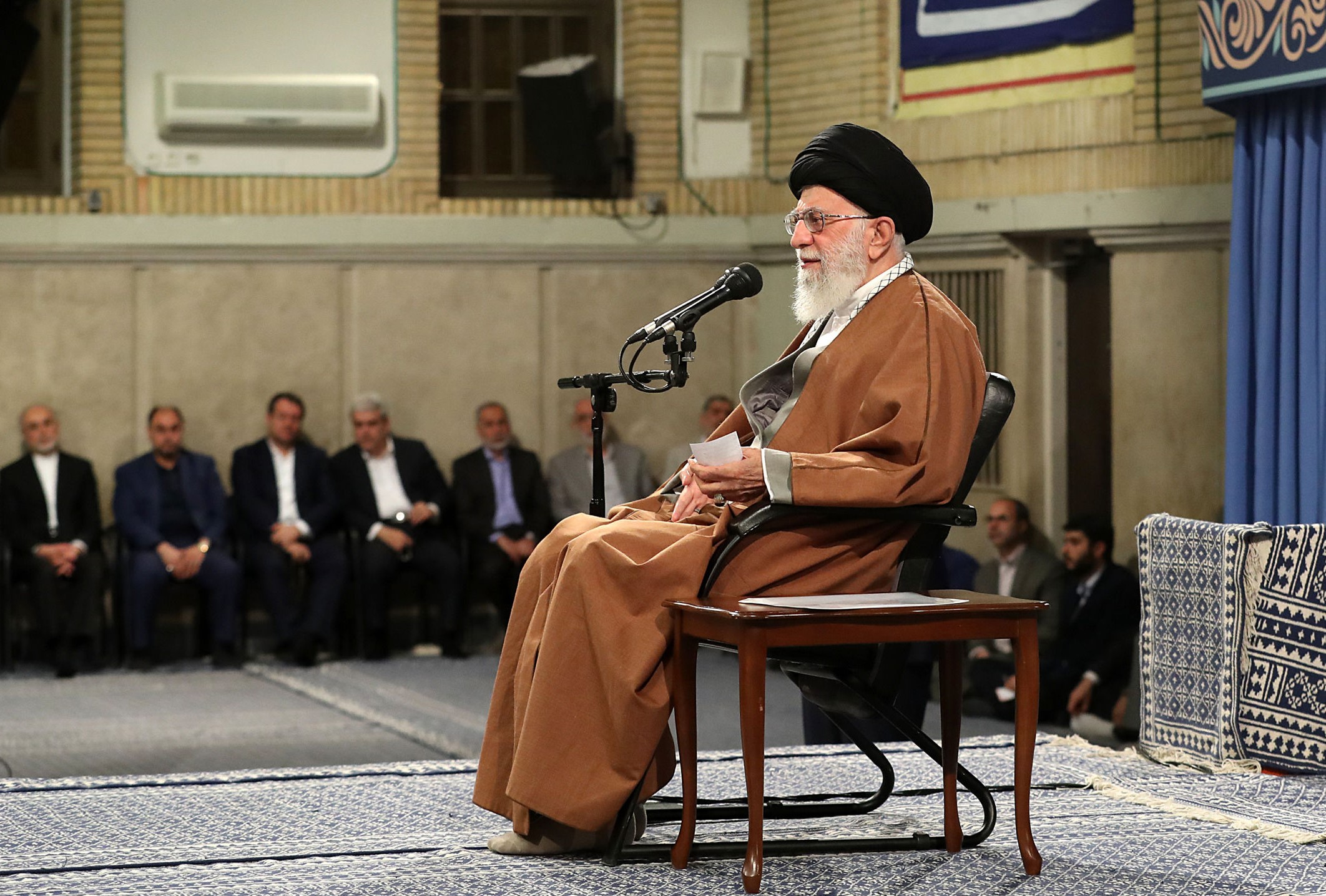
Washington says it doesn’t know who runs Iran. Tehran insists its leadership is united. MEI Senior Fellow Alex Vatanka joins hosts Alistair Taylor and Matthew Czekaj to sort out where the truth lies. They look at the small circle of political and military figures now steering the war effort in Tehran: who they are, how they make decisions, and how unified they really are. They also discuss the current state of US-Iran negotiations, the role of the upcoming midterm elections in the United States, and how the Islamic Republic is preparing for a potential renewal of conflict afterward.
Crude oil is flowing out of the Gulf again, but the market is no better prepared for another disruption in the Strait of Hormuz. It has assembled a temporary system for managing one. Crude exports from the Gulf, excluding Iran, returned to pre-war levels in September, while total Gulf shipments reached 15.5 million barrels a day, more than 80% of the pre-conflict volume.
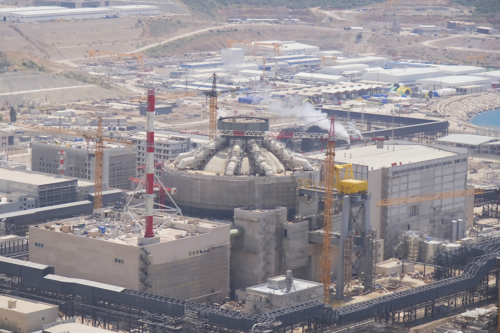
As a result of the Iran war, Turkish thinking about nuclear weapons appears to be shifting. Iran’s emergent ability to threaten regional states (and possible determination to acquire a nuclear weapon itself), growing concern about Israeli aggressiveness, doubts about US security guarantees, and greater Saudi nuclear autonomy are all pushing Ankara to consider a future nuclear option.
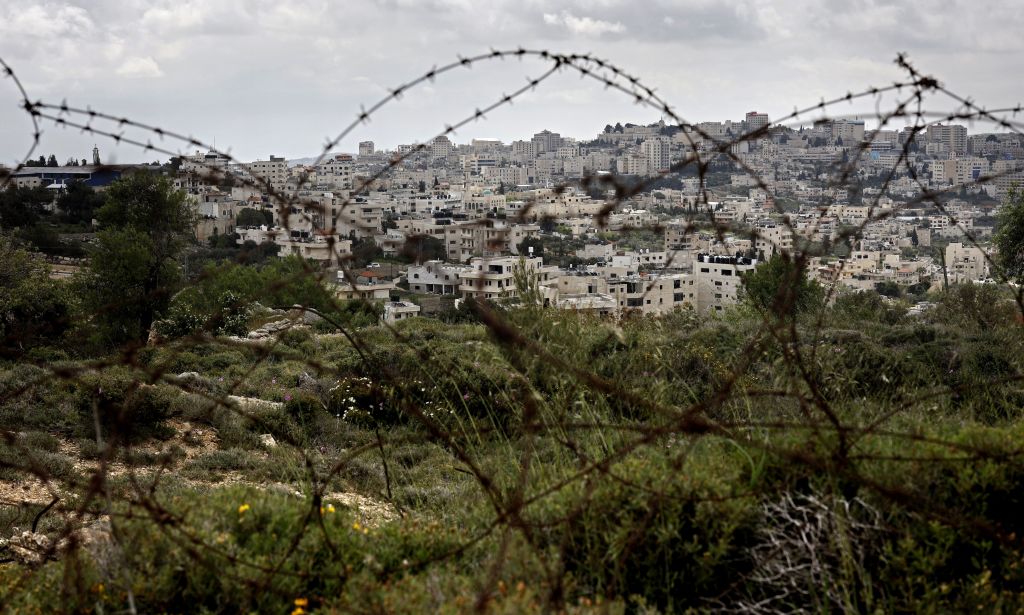
Since 1967, Israeli settlements in the West Bank have been a contested feature of the Israeli-Palestinian conflict. The ultimate disposition of the settlements and ongoing activity related to their growth have repeatedly defied agreement in negotiations over a resolution to the conflict.
The Houthis are a political-military faction and Zaydi religious movement founded in northwestern Yemen in the 1980s. A key member of Iran’s Axis of Resistance with links to other militant organizations in the Arabian Peninsula and the Horn of Africa, the group has continued to pose a threat to Western interests on a global scale.
The India-Middle East-Europe Economic Corridor (IMEC) is a proposed multinational infrastructure initiative aimed at upgrading connectivity between the three regions through integrated trade, energy, and digital networks. Announced at the G20 summit in New Delhi in September 2023, IMEC is envisioned partially as a counterweight to China’s international infrastructure project, the Belt and Road Initiative.
After a decade of post-Arab Spring isolation, Turkey’s leaders have recognized that their ambition to position the country as an agenda-setter on the world stage requires active engagement in all directions. President Recep Tayyip Erdoğan’s consolidation of executive authority has centralized foreign policy decision-making and tied it to his domestic political priorities, transforming the country’s revisionist approach to one shaped primarily by personal and pragmatic interests.
MEI Senior Fellow Brian Katulis engages friends, colleagues, and policy experts in casual conversations on the most important happenings in the Middle East.
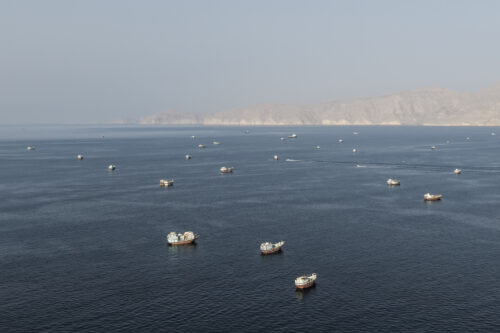
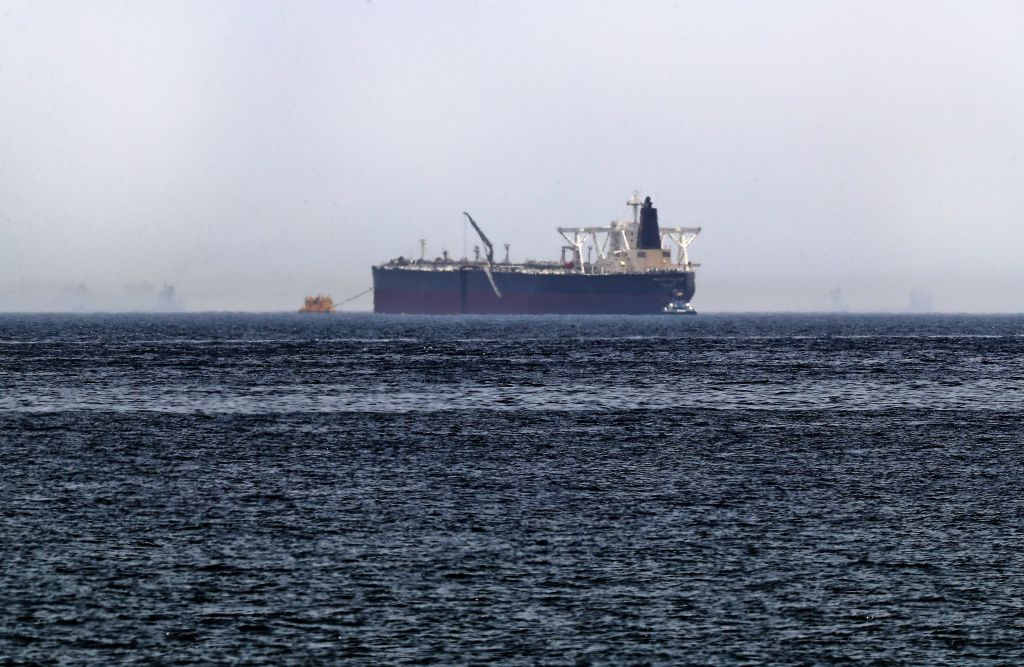
Monday Briefing: Ships sabotaged in the Gulf amid rising tensions with Iran
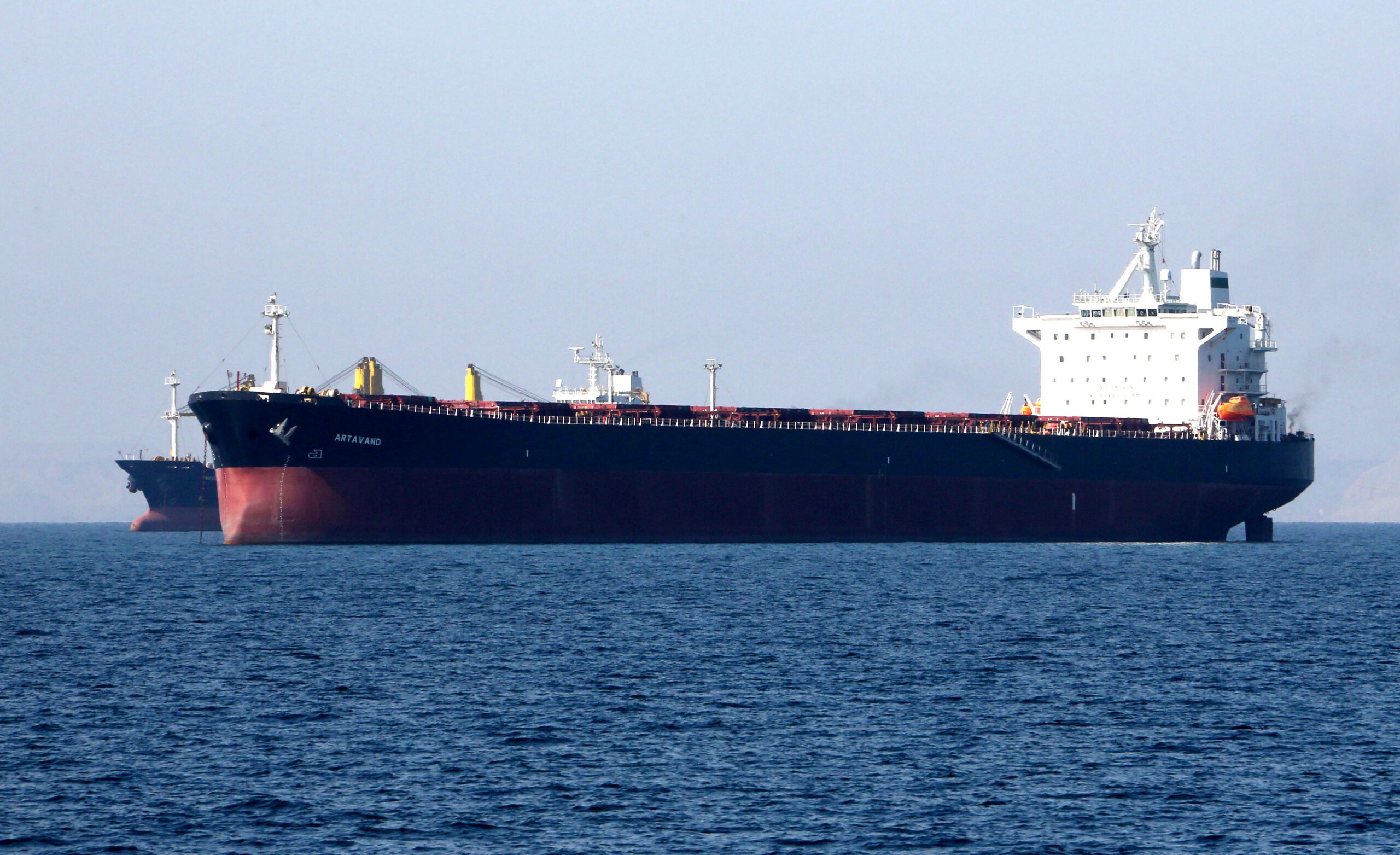
In this week’s Monday Briefing, MEI experts Alex Vatanka, Robert S. Ford, Jonathan M. Winer, and Gonul Tol provide analysis on recent and upcoming events including the sabotage this weekend of four ships off the coast of the UAE, the recent escalation of fighting in northwestern Syria, efforts to negotiate a ceasefire in Libya, and mounting concerns about Turkey’s economic health.
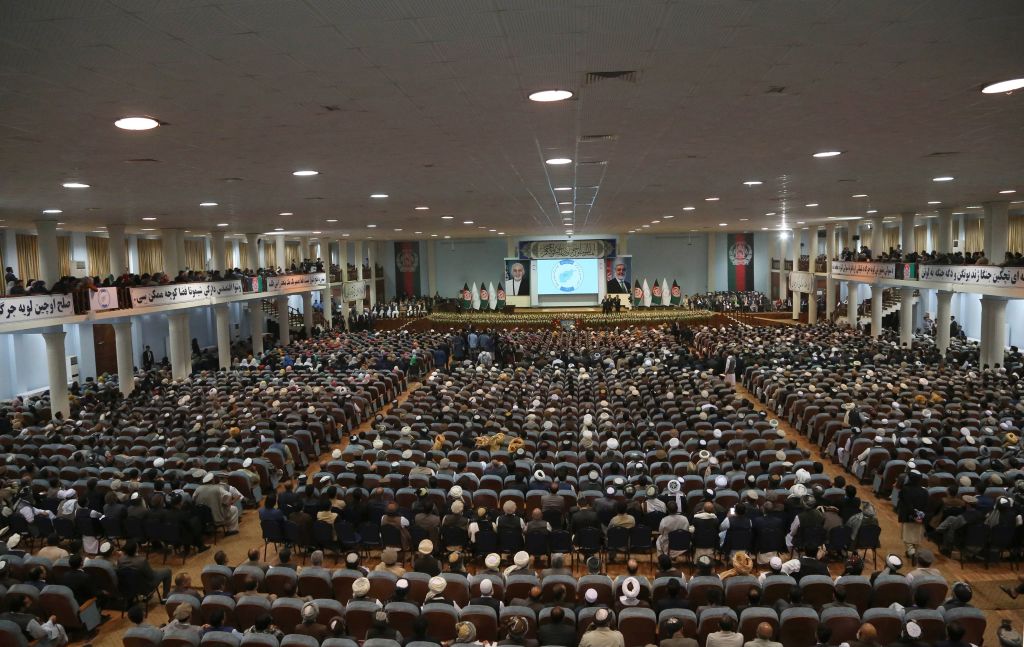
U.S. Special Representative Zalmay Khalilzad is holding talks with the Afghan Taliban to make sure the guns fall silent in Afghanistan. But getting the Taliban to agree on a ceasefire and engage in an intra-Afghan dialogue is severely testing Khalilzad’s negotiating skills; the fifth round of talks in Doha lasted for 16 days. If the intra-Afghan dimension cannot be made to work, it will likely lead to not only a more complicated political process, but also a far more dangerous one.
Much analysis of the geopolitical ramifications of President Omar al-Bashir’s ouster last month has focused on how Sudan fits into the larger struggle between the Middle East’s Sunni powers, but Iran is also part of the equation as well. Saudi and Emirati leaders have a number of objectives in Sudan and preventing the Islamic Republic from re-establishing a foothold in Africa is one of them. Indeed, Riyadh and Abu Dhabi are determined to ensure that Khartoum remains firmly in the anti-Iranian camp, following its realignment between 2014 and early 2016.
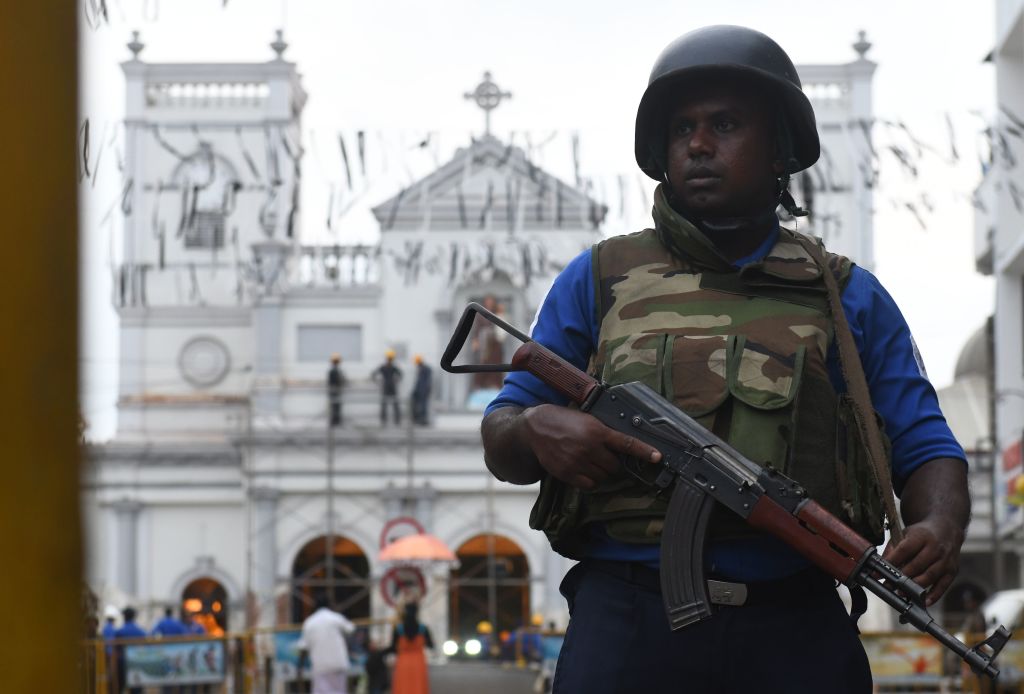
Sri Lanka’s Easter Sunday Bombings: Moving Forward
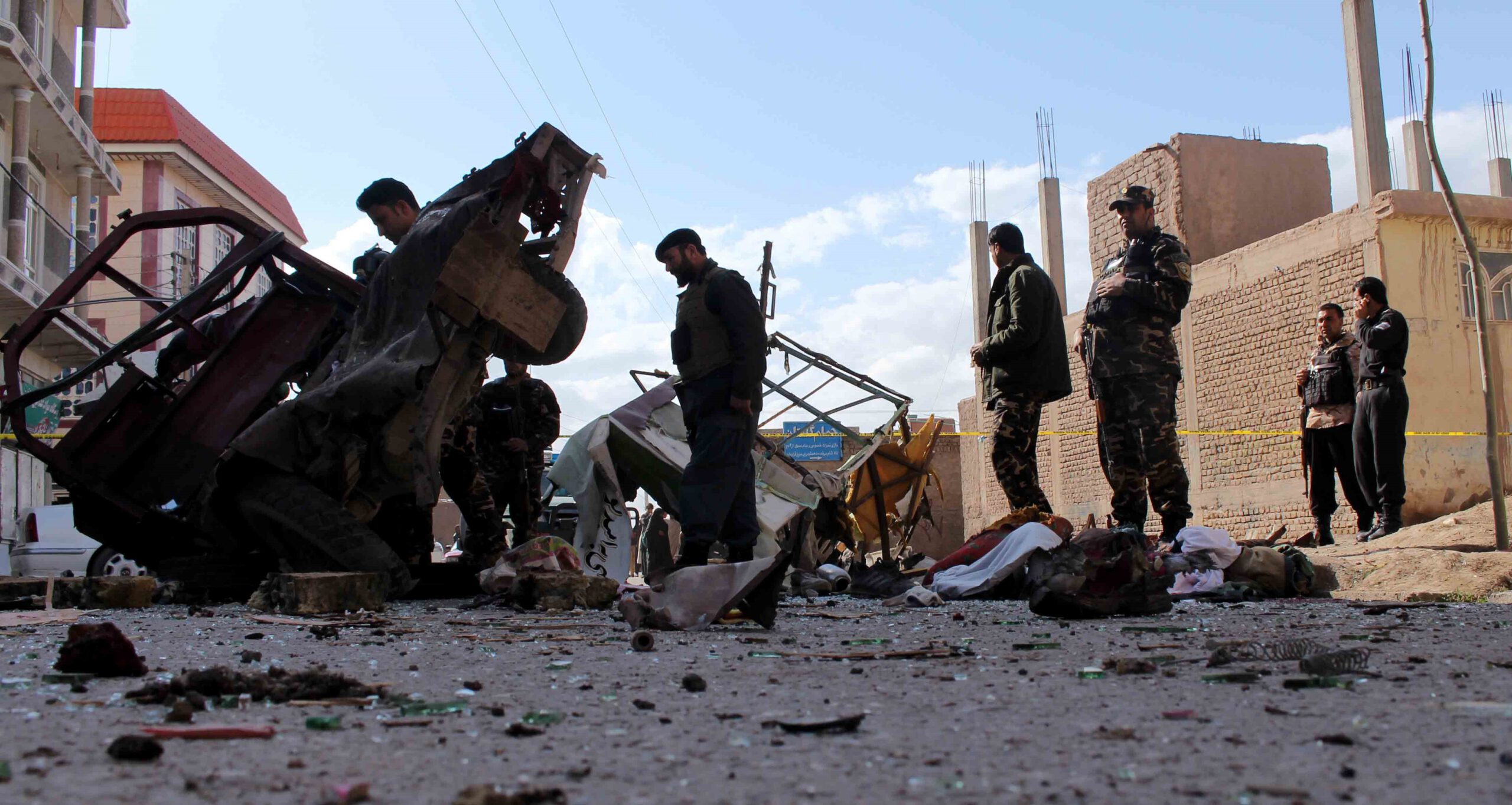
On Easter Sunday (April 21), a series of devastating terror attacks struck popular churches and high-end hotels in Sri Lanka. These tragic events rocked the nation and reverberated across Asia and beyond. This article discusses the circumstances surrounding the bombings and the authorities’ initial responses to them, and suggests ways to help reduce the risk of extremist violence in Sri Lanka.
With elections set for the fall, Tunisian voters are searching for leaders to emerge who can tackle issues of political fragmentation, long standing economic problems, growing protests, and a volatile regional environment with civil war in Libya on one side and political upheaval in Algeria on the other. Sarah Yerkes, a fellow with the Carnegie Endowment’s Middle East program, and Sharan Grewal, postdoctoral fellow at the Brookings Center for Middle East Policy, join host Alistair Taylor to discuss.
Monday Briefing: Troubled paths ahead for US and Iran
In this week’s Monday Briefing, MEI experts Paul Salem, Randa Slim, and Marvin G. Weinbaum provide analysis on recent and upcoming events including the anniversary of the US withdrawal from the Iran nuclear deal, the economic crisis in Lebanon, and ongoing peace talks in Afghanistan.
Larry Schwartz, former deputy assistant secretary in the State Department’s Bureau of Near Eastern Affairs, and Domenic DiGiovanni, vice president of Red Arch, join host Alistair Taylor to discuss the illegal theft and smuggling of cultural artifacts from the Middle East, and what regional governments and international partners can do to help preserve the region’s cultural heritage.
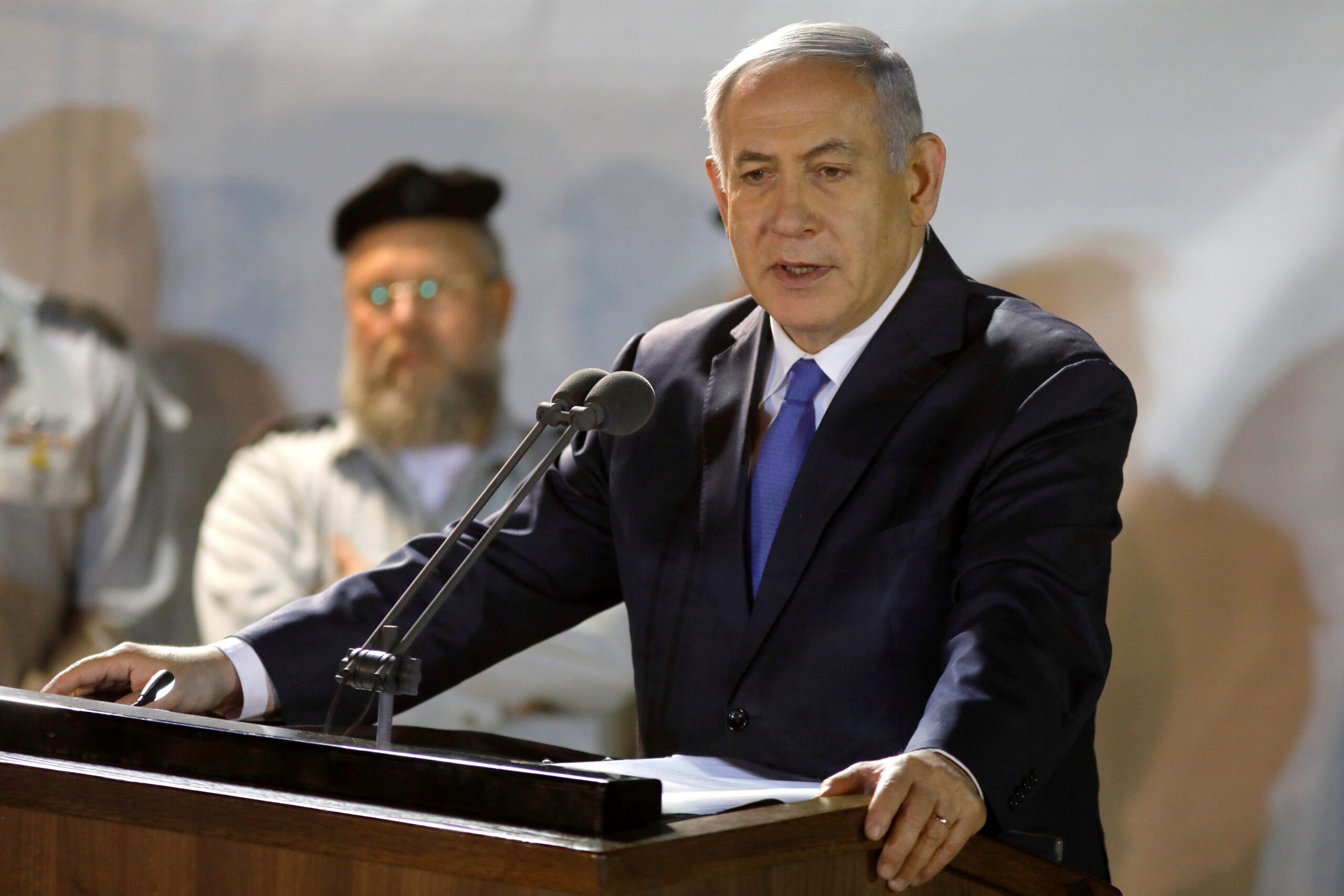
In the days before his recent election victory, Prime Minister Benjamin Netanyahu raised the prospect of Israel’s formal annexation of the West Bank settlement areas where close to half a million Israelis reside. For more than half a century Israeli governments of all parties and constellations have been enthusiastic partners in policies of occupation and settlement of territories conquered in the Arab-Israeli war of 1967.
Following a brief lull on the Israel-Syria front earlier this year, Tel Aviv has once again resorted to striking Iranian assets to its north. While a direct confrontation between the IDF and Syrian forces seems unlikely, the path forward for Israel and Syria is unclear.
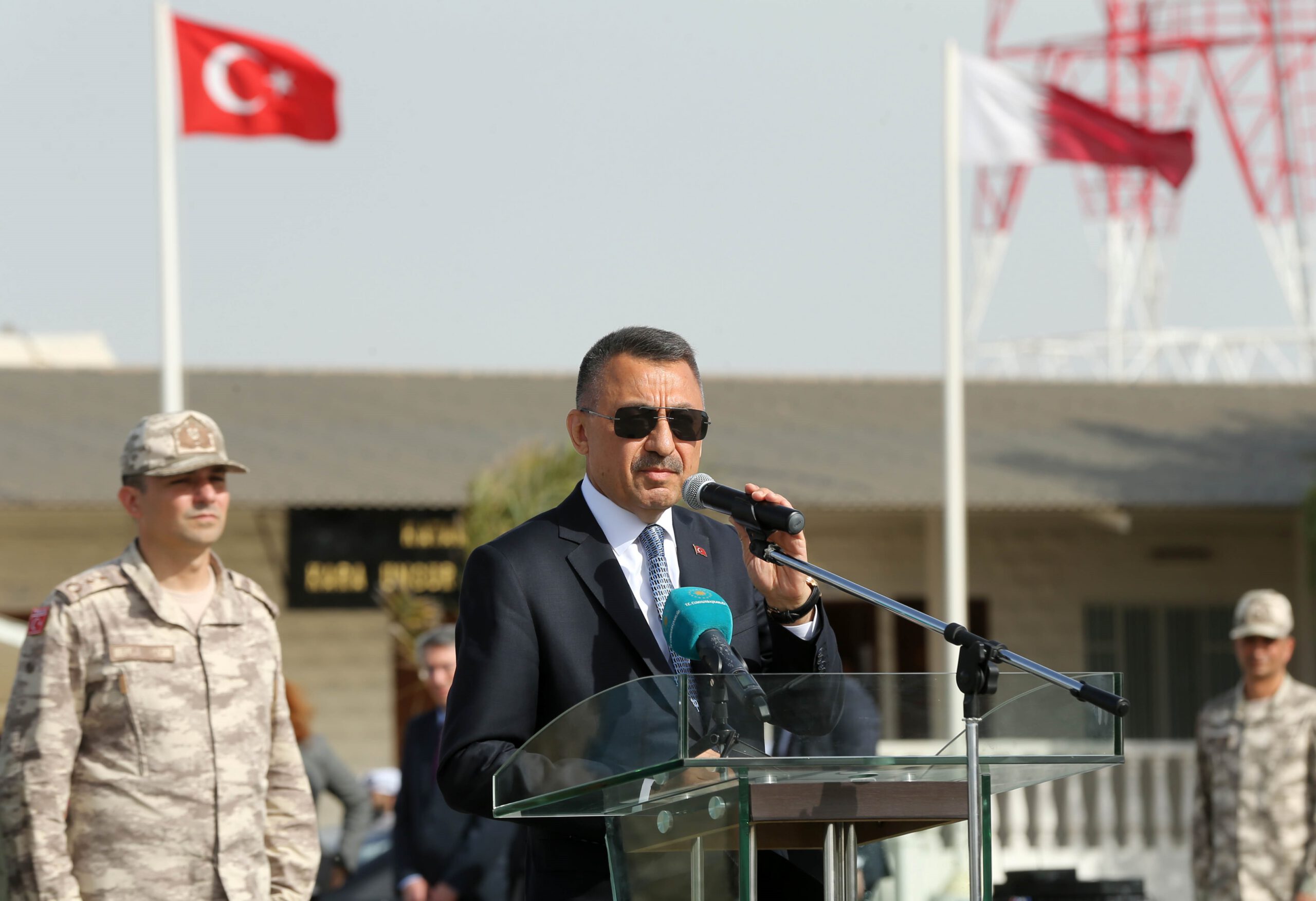
The recent arrest in Turkey of two suspects accused of spying for the United Arab Emirates highlights the growing divide between the two countries. Although the original cause of the rift – diverging views of the Muslim Brotherhood – has become less relevant in recent years, the enmity between the two nations endures.
How will the end of US sanctions waivers impact Iran and global energy markets?
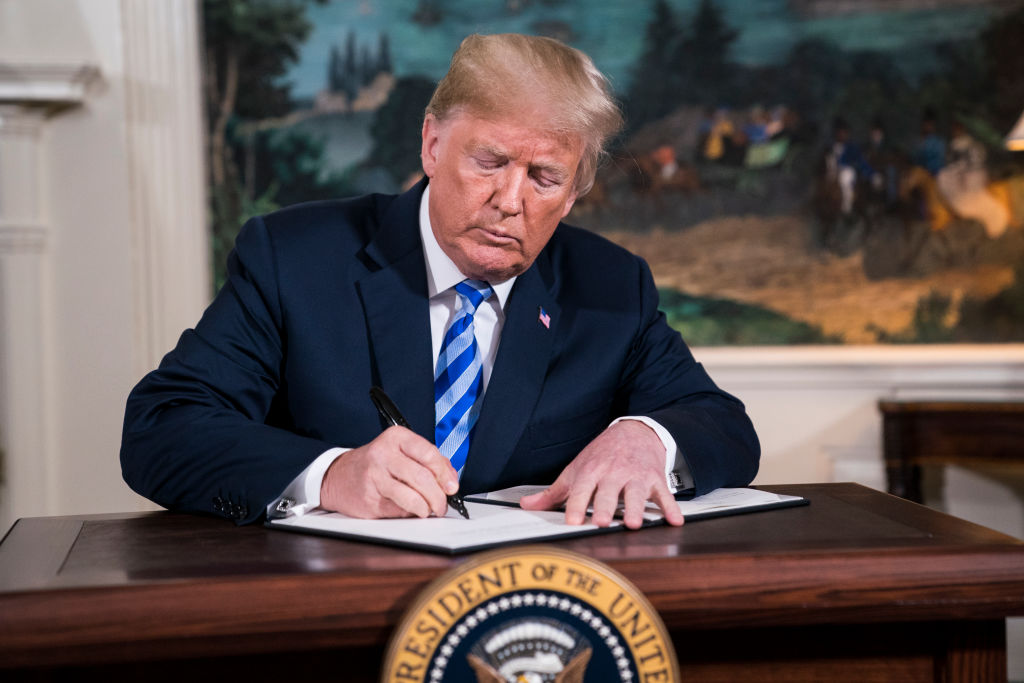
The Trump administration’s decision on April 22 to stop waiving sanctions on eight countries that purchase Iranian crude sent oil prices to their highest levels in six months and resulted in defiance and hand-wringing from the three biggest buyers. Meanwhile, Iran said it would retaliate by shutting the Strait of Hormuz, a move that would make it difficult for other Persian Gulf countries to get their crude to market.
Monday Briefing: Conflict is far from over in Syria
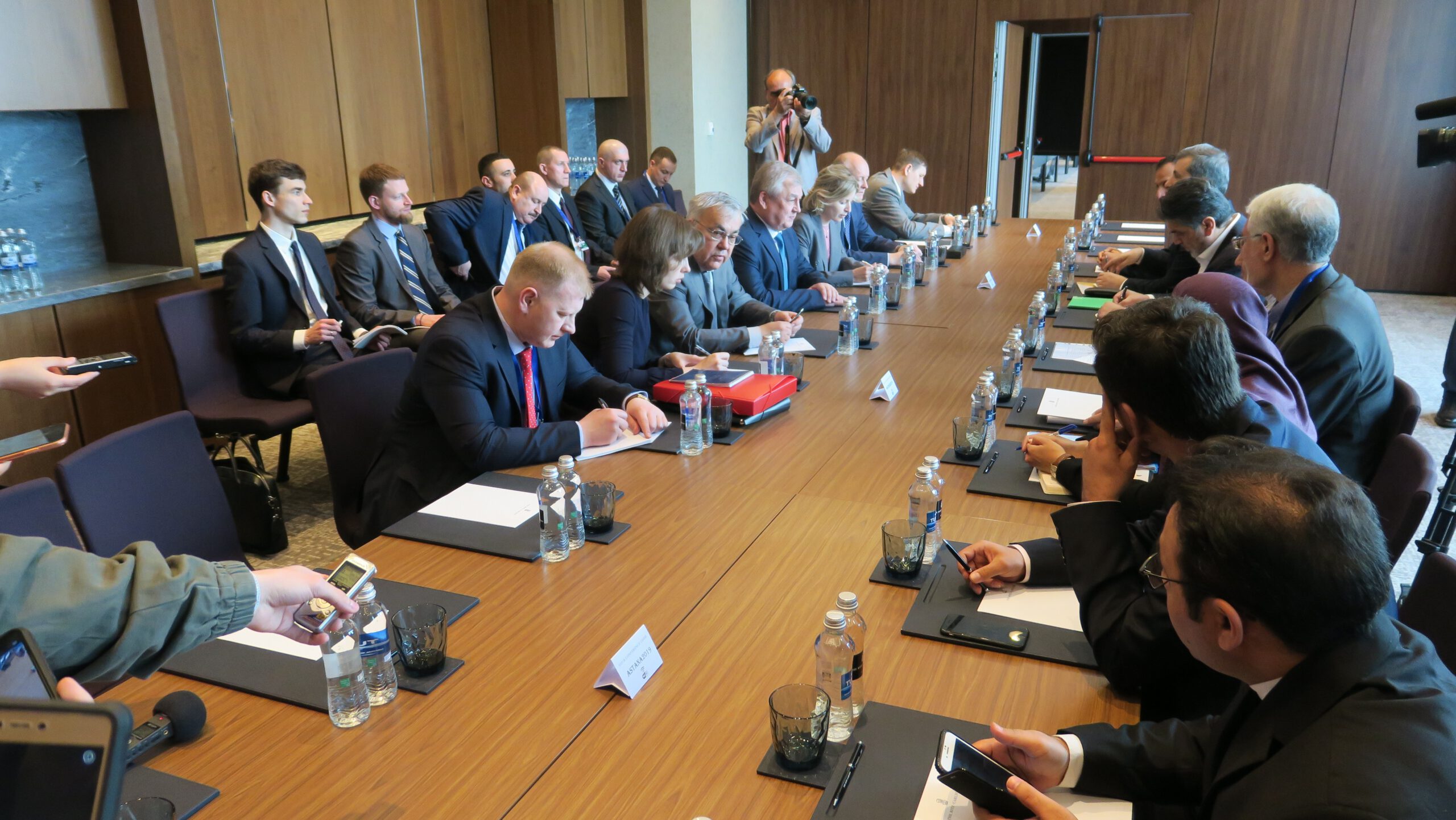
In this week’s Monday Briefing, contributors Charles Lister, Gerald Feierstein, Ruba Husari, Guney Yildiz, Mirette F. Mabrouk, and John Calabrese provide analysis on recent and upcoming events including the failure of the twelfth rounds of Syria peace talks in Astana, negotiations over Yemen’s strategic port of Hodeida, a new report on Iraq’s oil production potential, ongoing US-Turkey talks about a buffer zone in Syria, Egypt’s recently passed constitutional amendments, and Beijing’s second Belt and Road Forum.
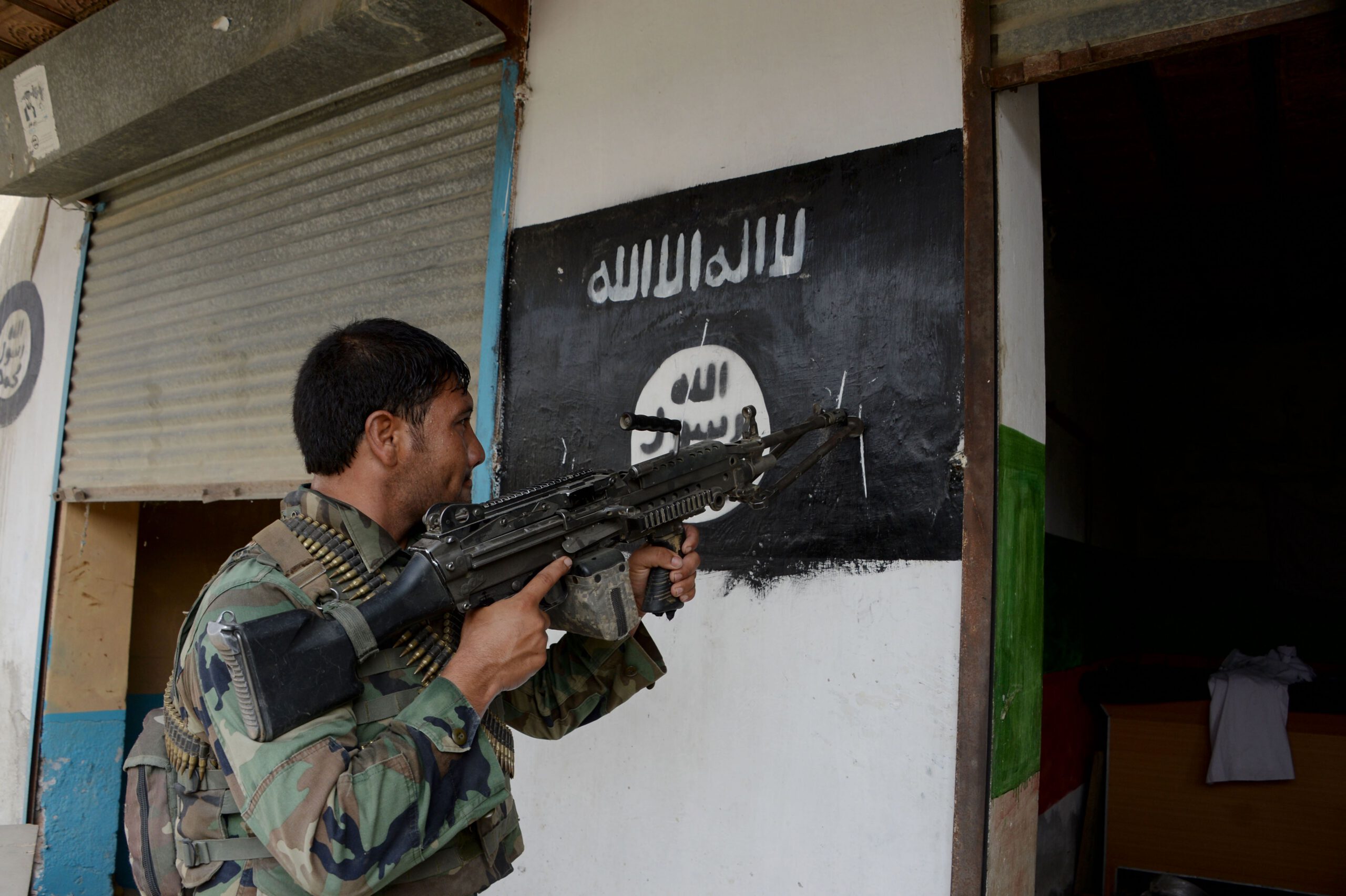
The rise of ISIS post-2013 changed how we perceive jihadism, but it also transformed how jihadists perceive themselves and how they behave. ISIS’s brutality and indiscriminate violence created unprecedented fragmentation within the jihadi movement, leading to critical self-reflection and changes in codes of conduct. This paper examines how three different jihadi groups – the Afghan Taliban, al-Qaeda in the Indian Sub-Continent, and Tehreek- e-Taliban Pakistan (or the Pakistani Taliban) – responded to the challenges presented by ISIS.
The oldest peer-reviewed publication dedicated to the study of the modern Middle East, MEI’s flagship journal covers politics, society, and culture in the region.