Washington says it doesn’t know who runs Iran. Tehran insists its leadership is united. MEI Senior Fellow Alex Vatanka joins hosts Alistair Taylor and Matthew Czekaj to sort out where the truth lies. They look at the small circle of political and military figures now steering the war effort in Tehran: who they are, how they make decisions, and how unified they really are. They also discuss the current state of US-Iran negotiations, the role of the upcoming midterm elections in the United States, and how the Islamic Republic is preparing for a potential renewal of conflict afterward.
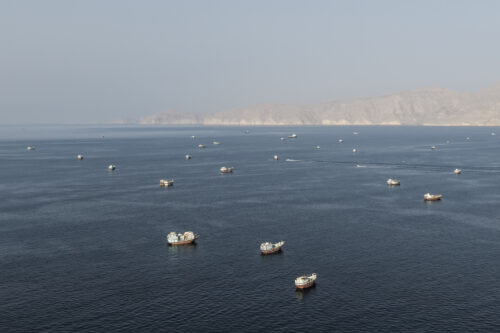
Crude oil is flowing out of the Gulf again, but the market is no better prepared for another disruption in the Strait of Hormuz. It has assembled a temporary system for managing one. Crude exports from the Gulf, excluding Iran, returned to pre-war levels in September, while total Gulf shipments reached 15.5 million barrels a day, more than 80% of the pre-conflict volume.
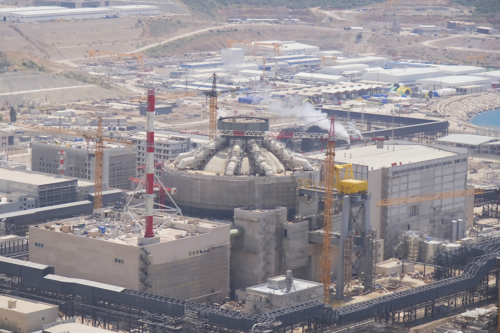
As a result of the Iran war, Turkish thinking about nuclear weapons appears to be shifting. Iran’s emergent ability to threaten regional states (and possible determination to acquire a nuclear weapon itself), growing concern about Israeli aggressiveness, doubts about US security guarantees, and greater Saudi nuclear autonomy are all pushing Ankara to consider a future nuclear option.
Since 1967, Israeli settlements in the West Bank have been a contested feature of the Israeli-Palestinian conflict. The ultimate disposition of the settlements and ongoing activity related to their growth have repeatedly defied agreement in negotiations over a resolution to the conflict.
The Houthis are a political-military faction and Zaydi religious movement founded in northwestern Yemen in the 1980s. A key member of Iran’s Axis of Resistance with links to other militant organizations in the Arabian Peninsula and the Horn of Africa, the group has continued to pose a threat to Western interests on a global scale.
The India-Middle East-Europe Economic Corridor (IMEC) is a proposed multinational infrastructure initiative aimed at upgrading connectivity between the three regions through integrated trade, energy, and digital networks. Announced at the G20 summit in New Delhi in September 2023, IMEC is envisioned partially as a counterweight to China’s international infrastructure project, the Belt and Road Initiative.
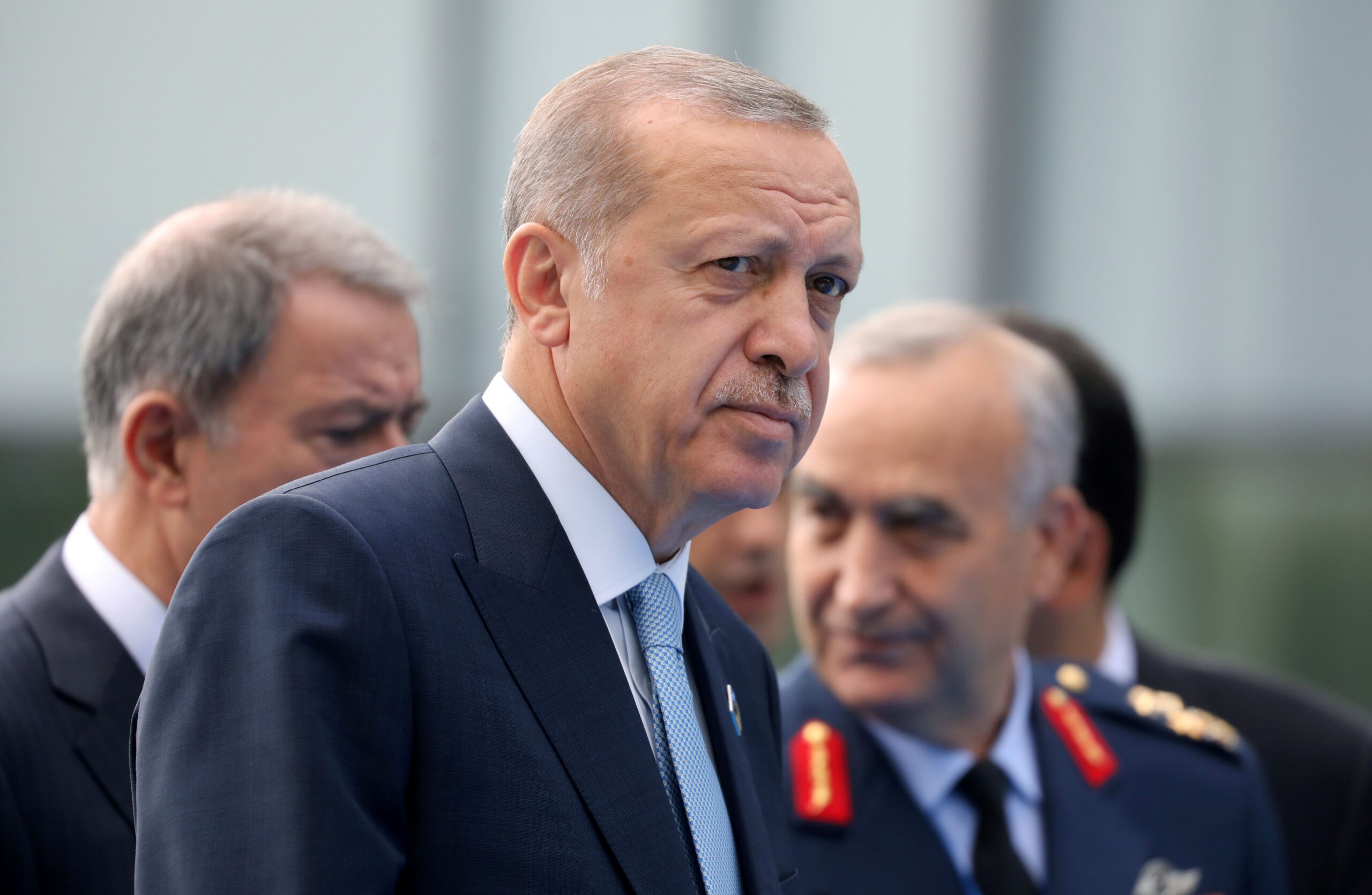
After a decade of post-Arab Spring isolation, Turkey’s leaders have recognized that their ambition to position the country as an agenda-setter on the world stage requires active engagement in all directions. President Recep Tayyip Erdoğan’s consolidation of executive authority has centralized foreign policy decision-making and tied it to his domestic political priorities, transforming the country’s revisionist approach to one shaped primarily by personal and pragmatic interests.
MEI Senior Fellow Brian Katulis engages friends, colleagues, and policy experts in casual conversations on the most important happenings in the Middle East.
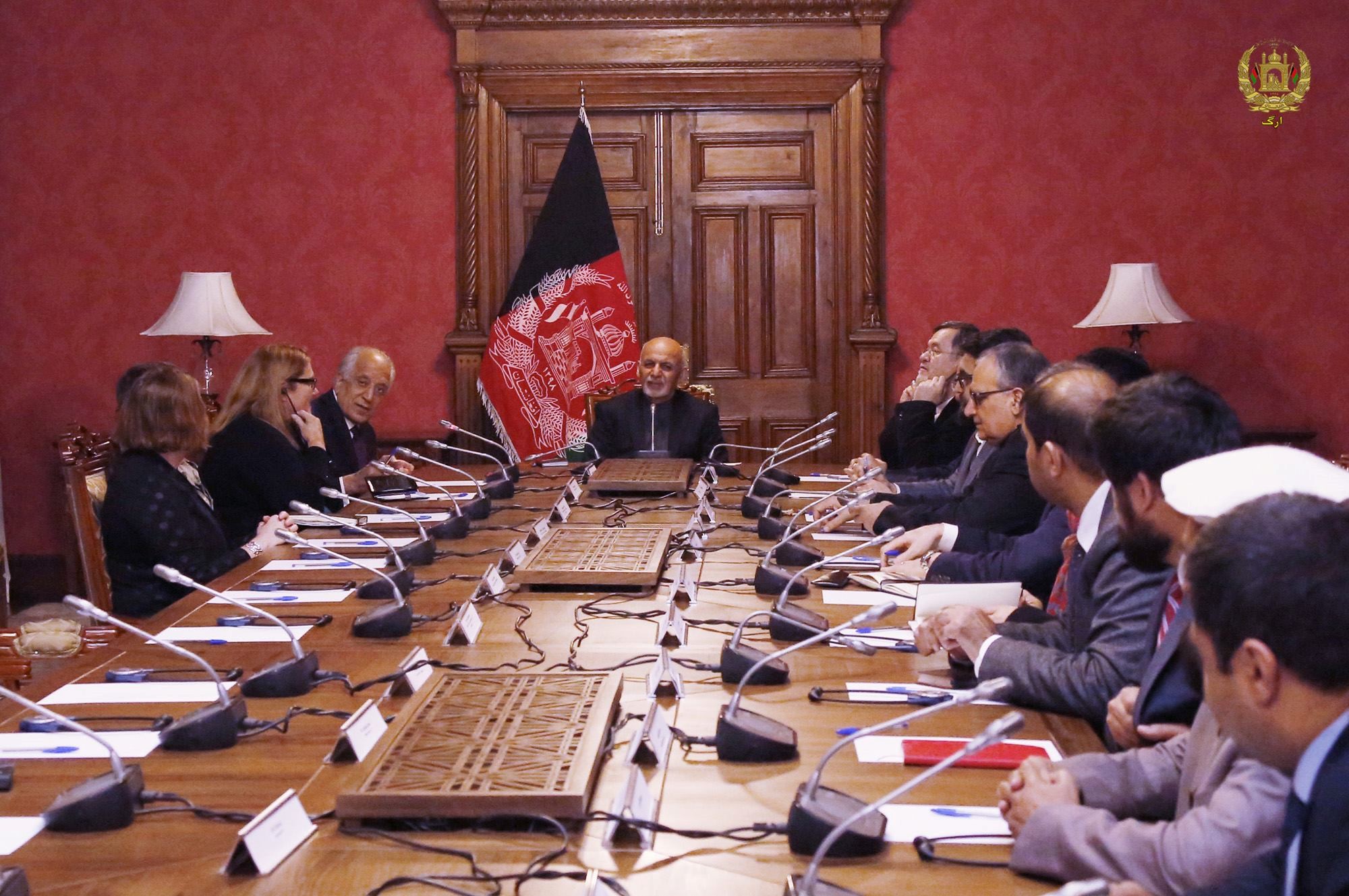
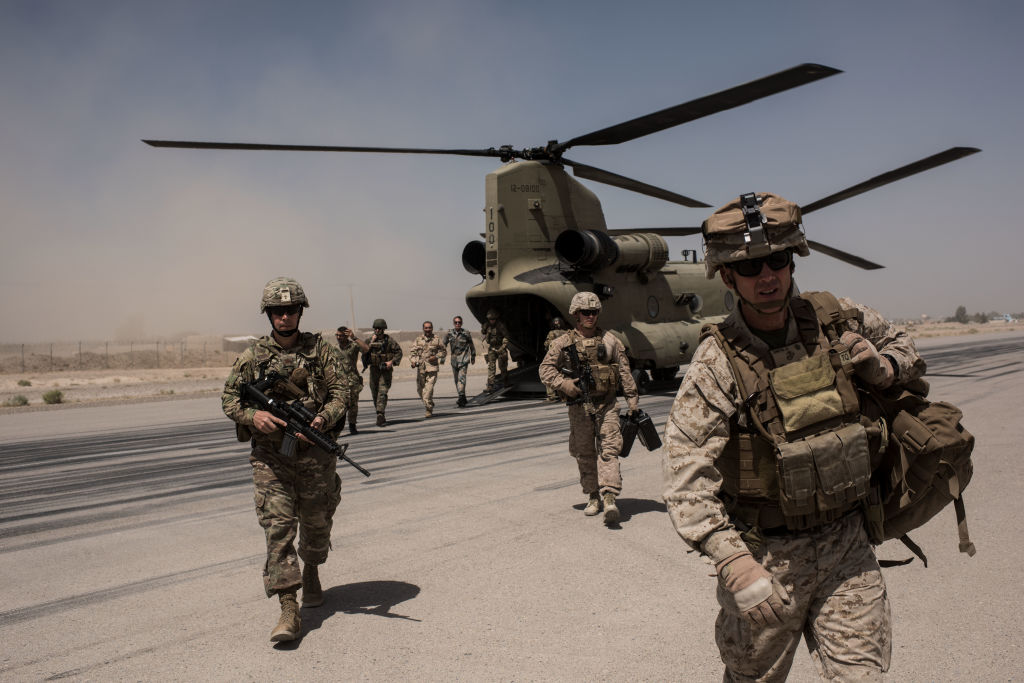
Monday Briefing: US-Taliban talks progress, but major obstacles remain
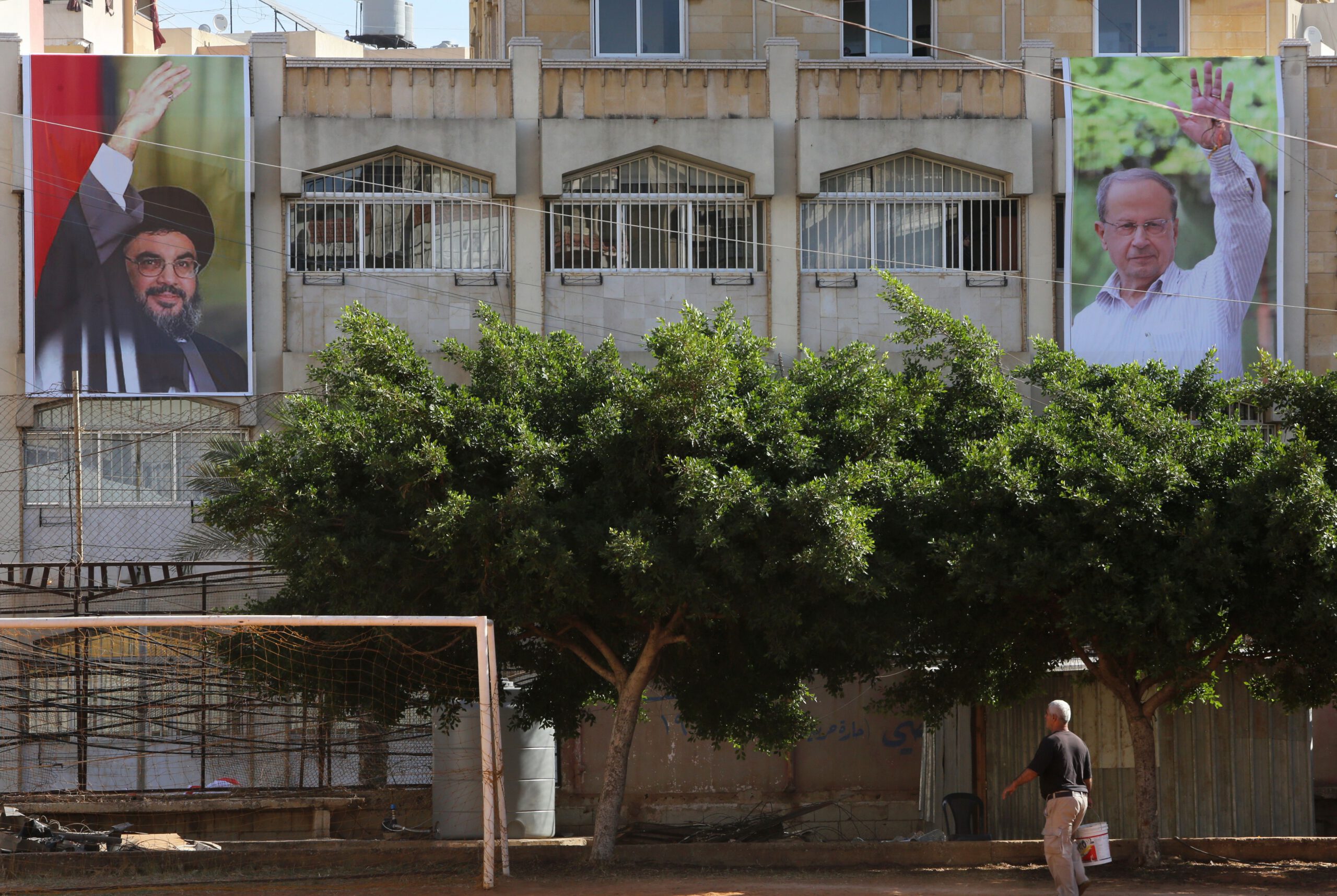
In this week’s Monday Briefing, MEI experts Ahmad Majidyar, Marvin G. Weinbaum, Randa Slim, Paul Salem, and Guney Yildiz provide analysis on recent and upcoming events including U.S. negotiations with the Taliban in Afghanistan, a warning sent to Israel by Hezbollah leader Hassan Nasrallah, the Sudanese president’s appeal for external support, Turkish-Syrian diplomacy, and Pakistan’s acceptance of Gulf aid.
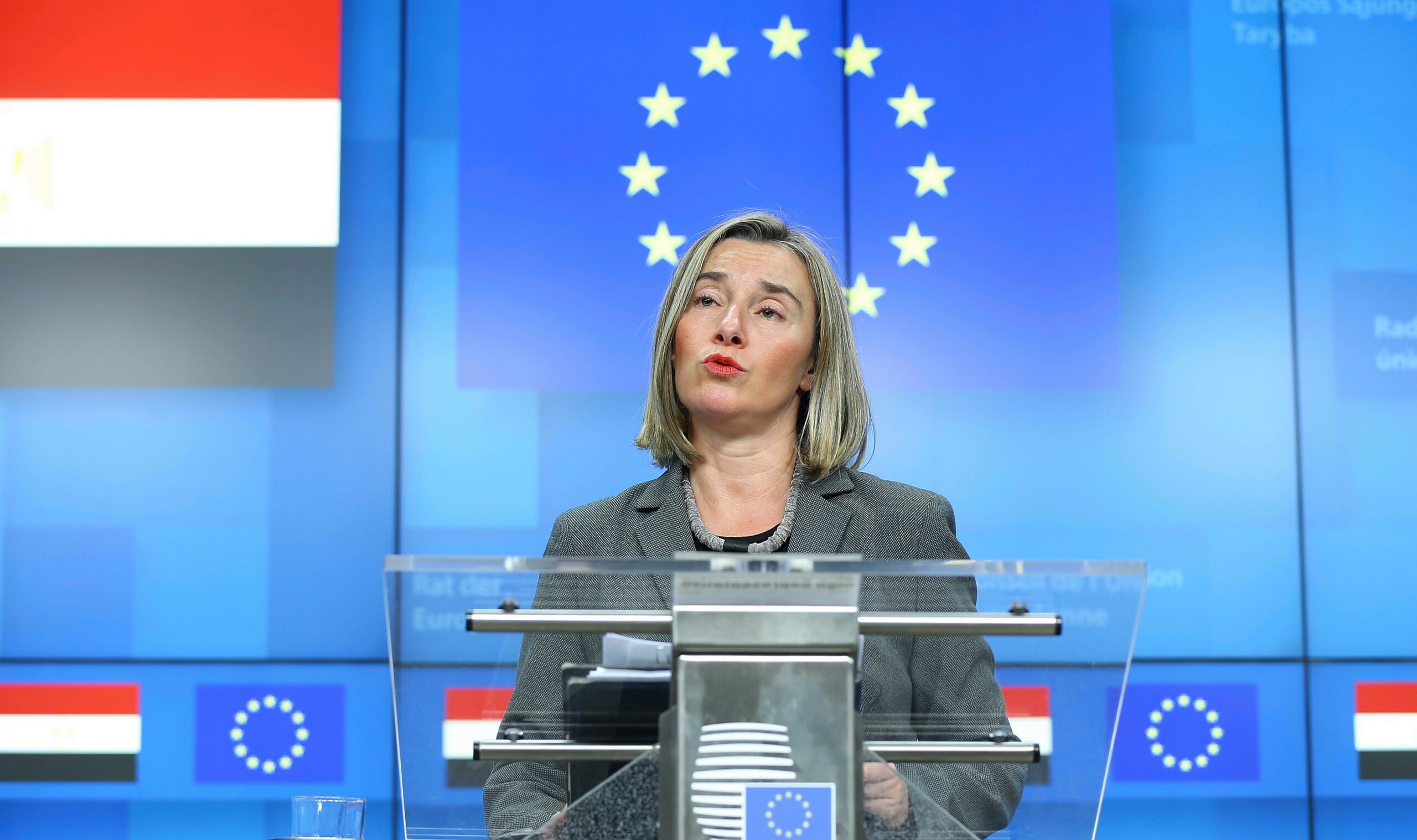
The EU and the Middle East: In Search of a Strategy
Since 1993, the EU has not adopted any comprehensive document to form the basis for its diplomatic and economic actions toward the Middle East, rendering the union less influential in the region today. The question remains, however, as to whether this attitude is in line with the bloc’s global ambitions.
Zmkin Ali and Mac Skelton of the Institute of Regional and International Studies (IRIS) at the American University of Iraq Sulaimani, join host Alistair Taylor for a discussion on Iraq’s political climate, Baghdad’s relations with Erbil in the aftermath of the 2017 referendum, and other regional dynamics.
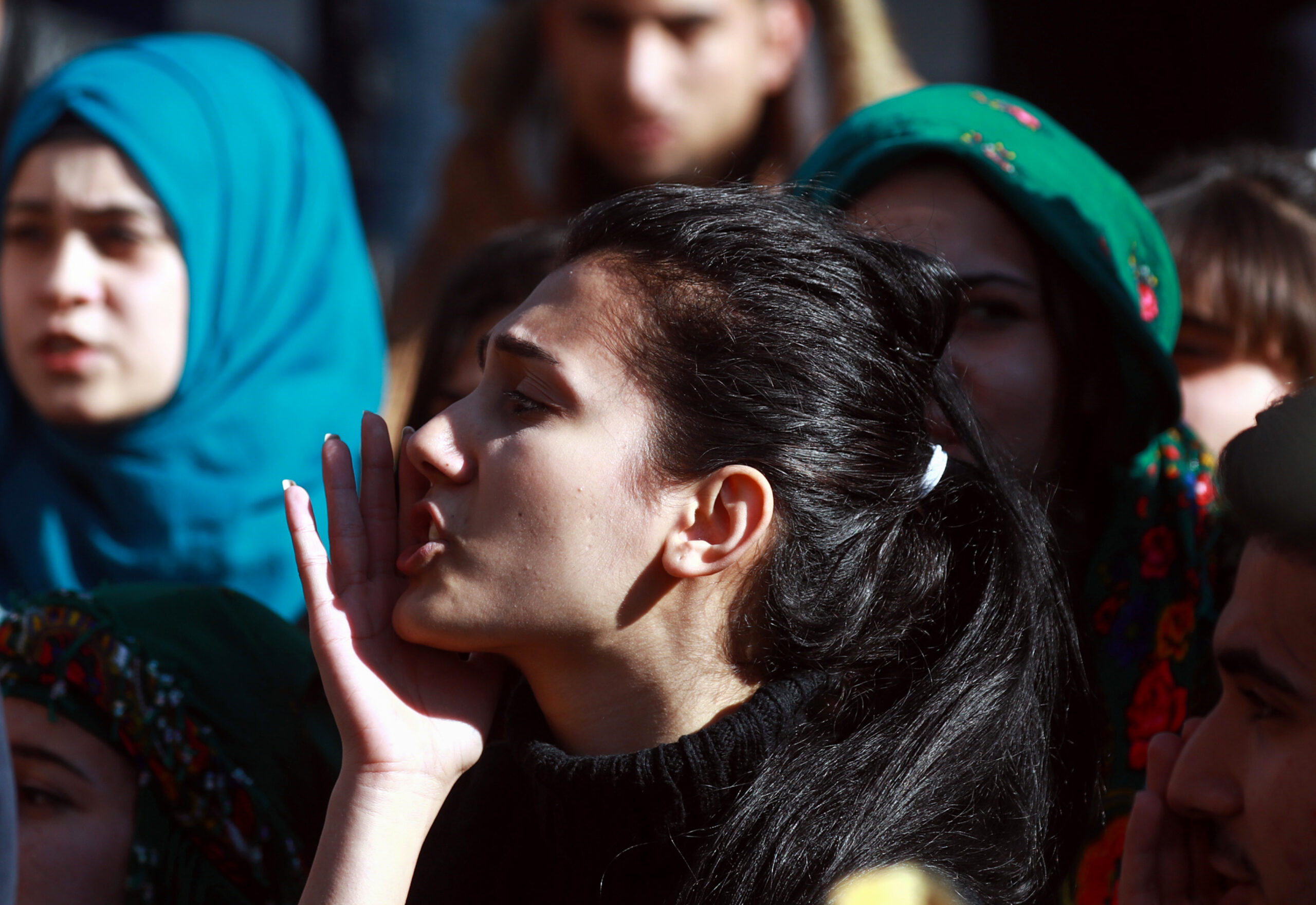
Feud between Turks and Kurds only adds to Syrian quagmire
This article was published by The Hill on January 23, 2019.
Once again, Turks and Kurds are squaring off to fight. Turks and Kurds have clashed with one another for nearly 1,000 years. The Kurds were in the Middle East first, with roots stretching back millennia. The Turks arrived in historical times and absorbed most Kurds into the Ottoman Empire.
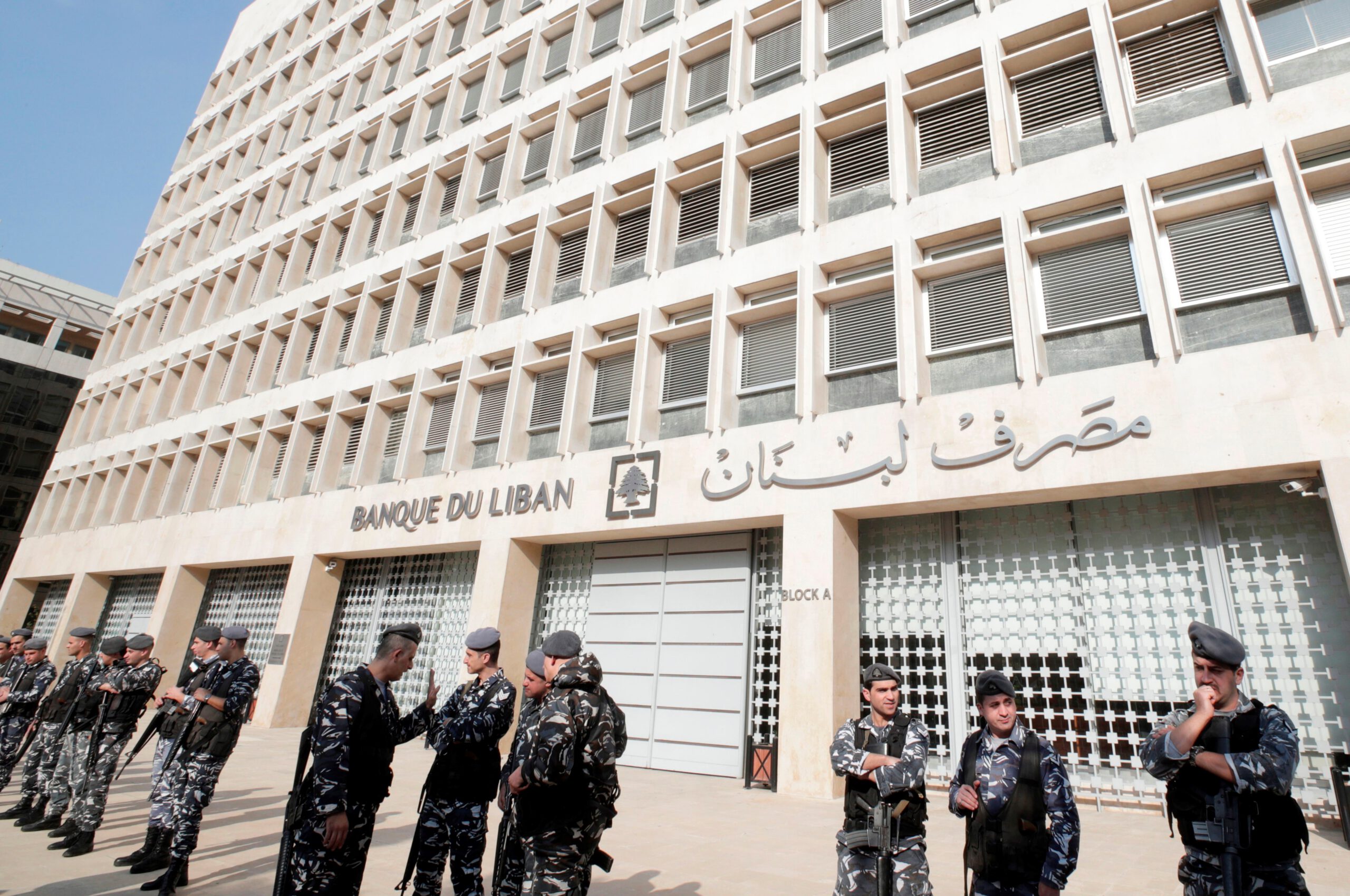
Security sector reform and the Internal Security Forces in Lebanon
Donor-backed reform efforts in the Lebanese Internal Security Forces have shown good results in a jurisdiction in Beirut. While imperfect and limited in scope, these results are encouraging, as obstacles to the provision of fair and effective policing in Lebanon are myriad.
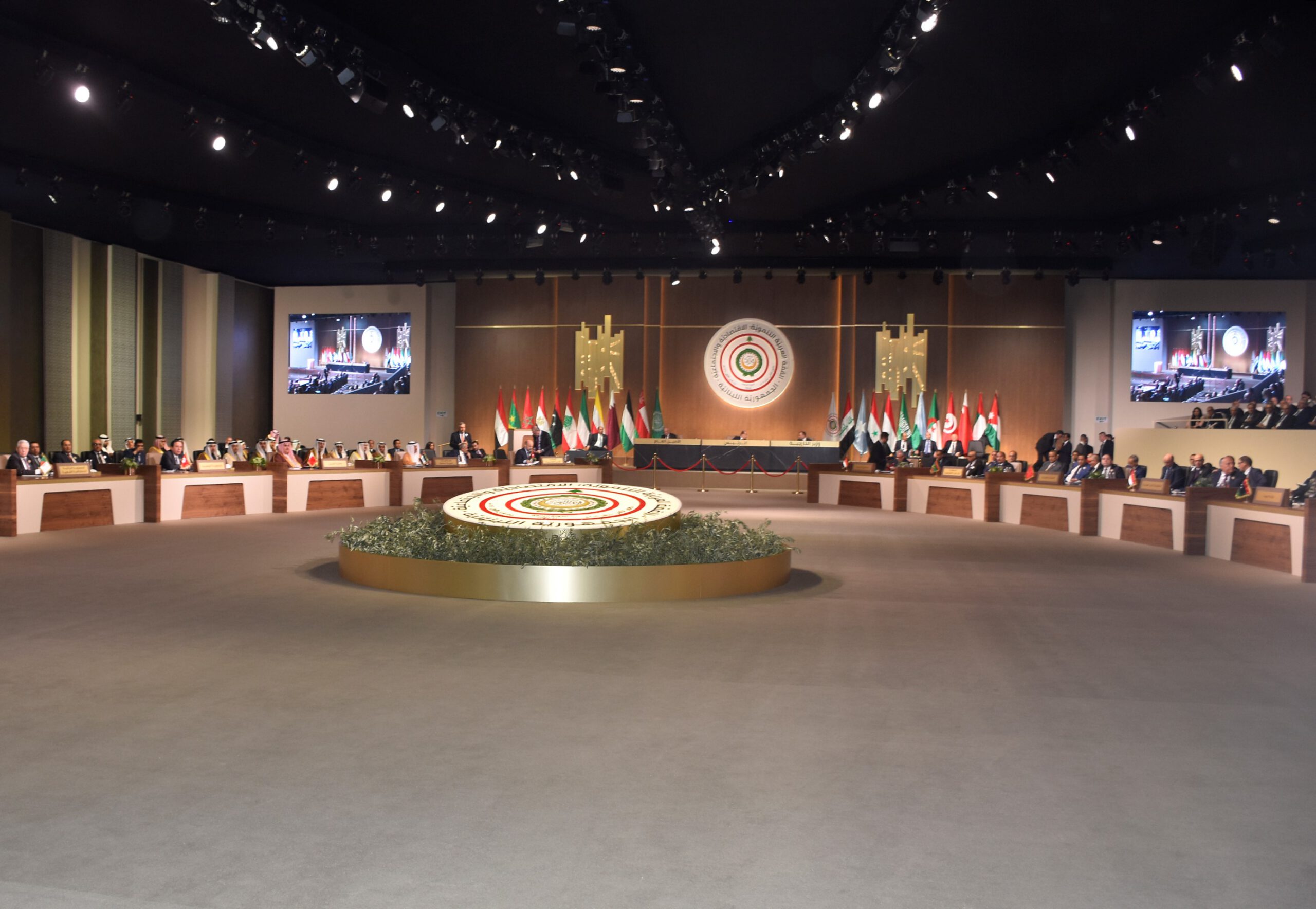
Weekly Briefing: Failed Arab Economic Summit in Beirut underscores divisions
In this week’s Weekly Briefing, contributors Paul Salem, Marvin G. Weinbaum, William Lawrence, Ruba Husari, and Jean-François Seznec provide analysis on recent and upcoming events including the Arab Economic Summit held in Beirut this weekend, Afghanistan’s upcoming presidential elections, strikes in Tunisia, the Trump administration’s next steps on Iranian oil policy, and Saudi Aramco’s $10B bond issue.
The Politics of Combating Infectious Diseases in Southeast Asia and the Middle East
This article compares the local responses to the 2012-2018 outbreak of Middle East Respiratory Syndrome (MERS) to that of the Avian Influenza outbreak in Southeast Asia from 2003-2015. How well do countries cope with the spread of new and deadly diseases? Why are some countries better at addressing the problem than others? And, what does this tell us about larger questions concerning states’ abilities to provide public goods (in this case health security) to their citizens and about global systems to prevent pandemics? What this comparison demonstrates is that countries with the ‘strongest’ state capacity to make and implement policy are best able to confront disease outbreaks.
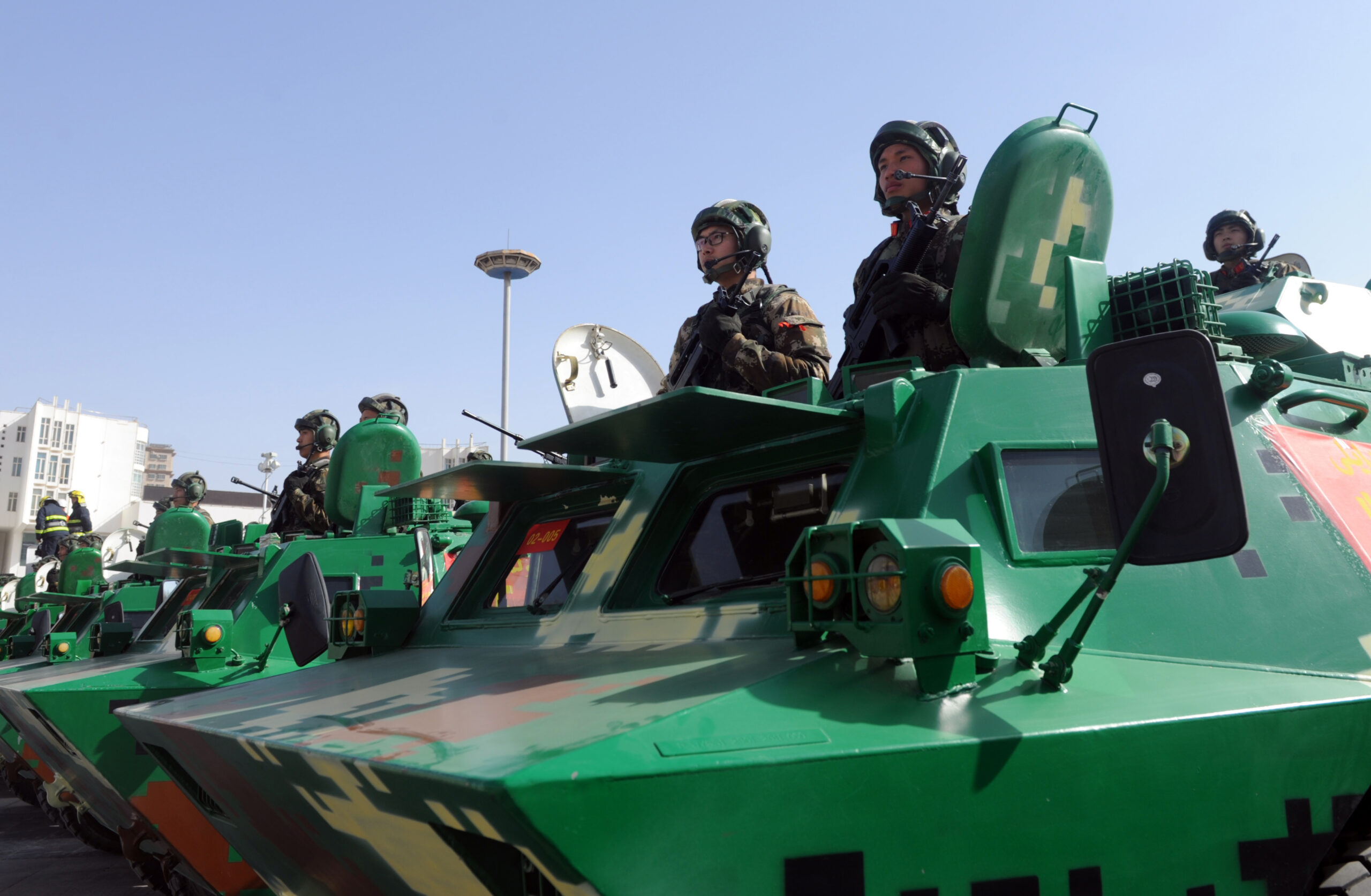
Arab Gulf states silent on China’s Xinjiang crackdown
Unlike other cases of repression against Muslims around the world, such as Myanmar, the Gulf monarchies have been silent about the “cultural cleansing” taking place in China’s Xinjiang Province.
Lebanese President Michel Aoun and Hezbollah remain at loggerheads over the formation of a new government. The dispute has now entered its eighth month and the country is slowly tiptoeing towards a financial crisis.
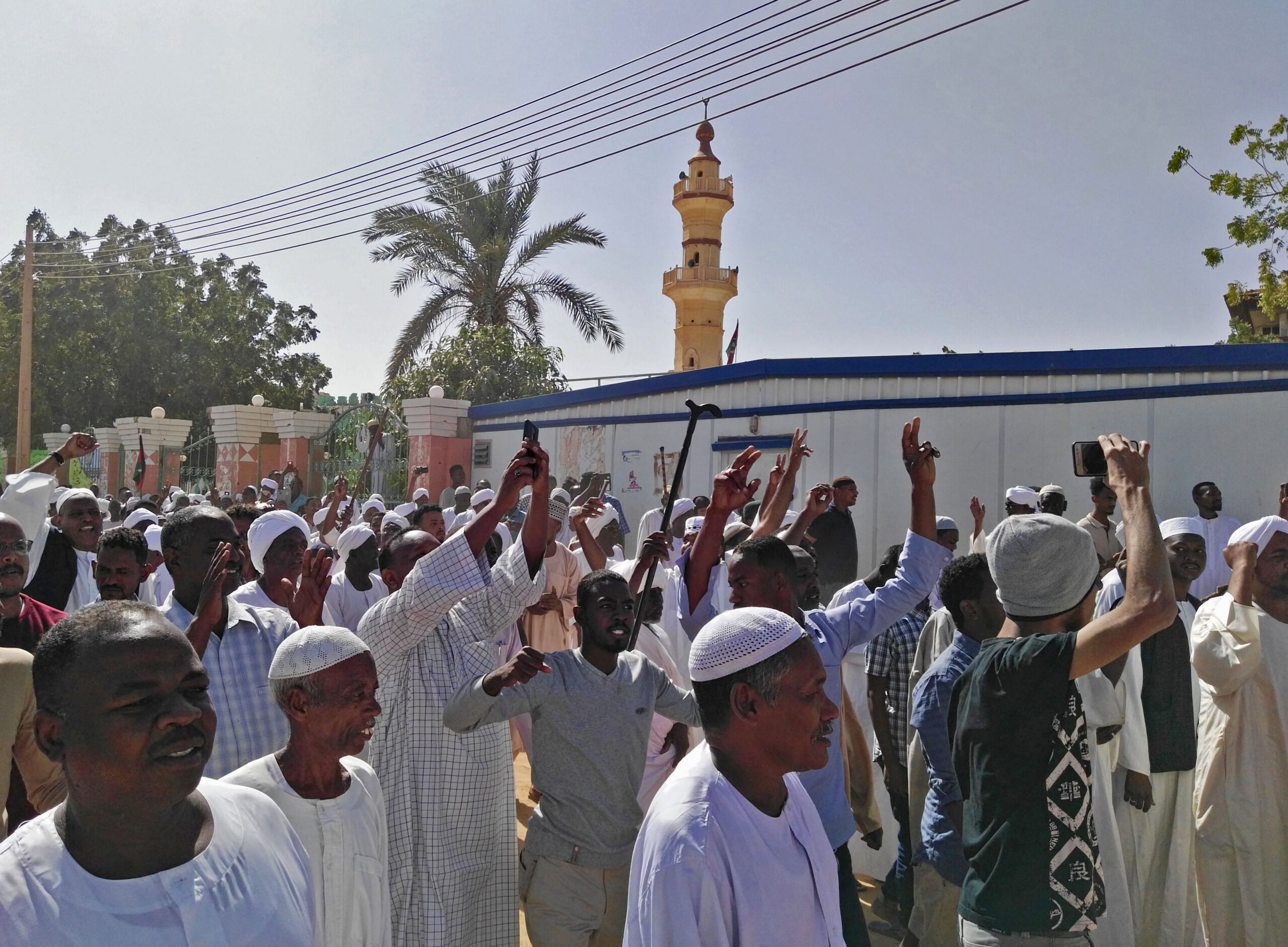
Sudan has faced a wave of protests in recent weeks amid an economic crisis and calls for a change in leadership. Nisrin Elamin, a doctoral candidate in anthropology at Stanford, and Rania Biraq, a Sudanese activist who has been participating in the protests, join host Alistair Taylor to discuss the situation, its parallels to the Arab Spring, and scenarios going forward.
After Syria, Russia vies for influence in the Palestinian sphere
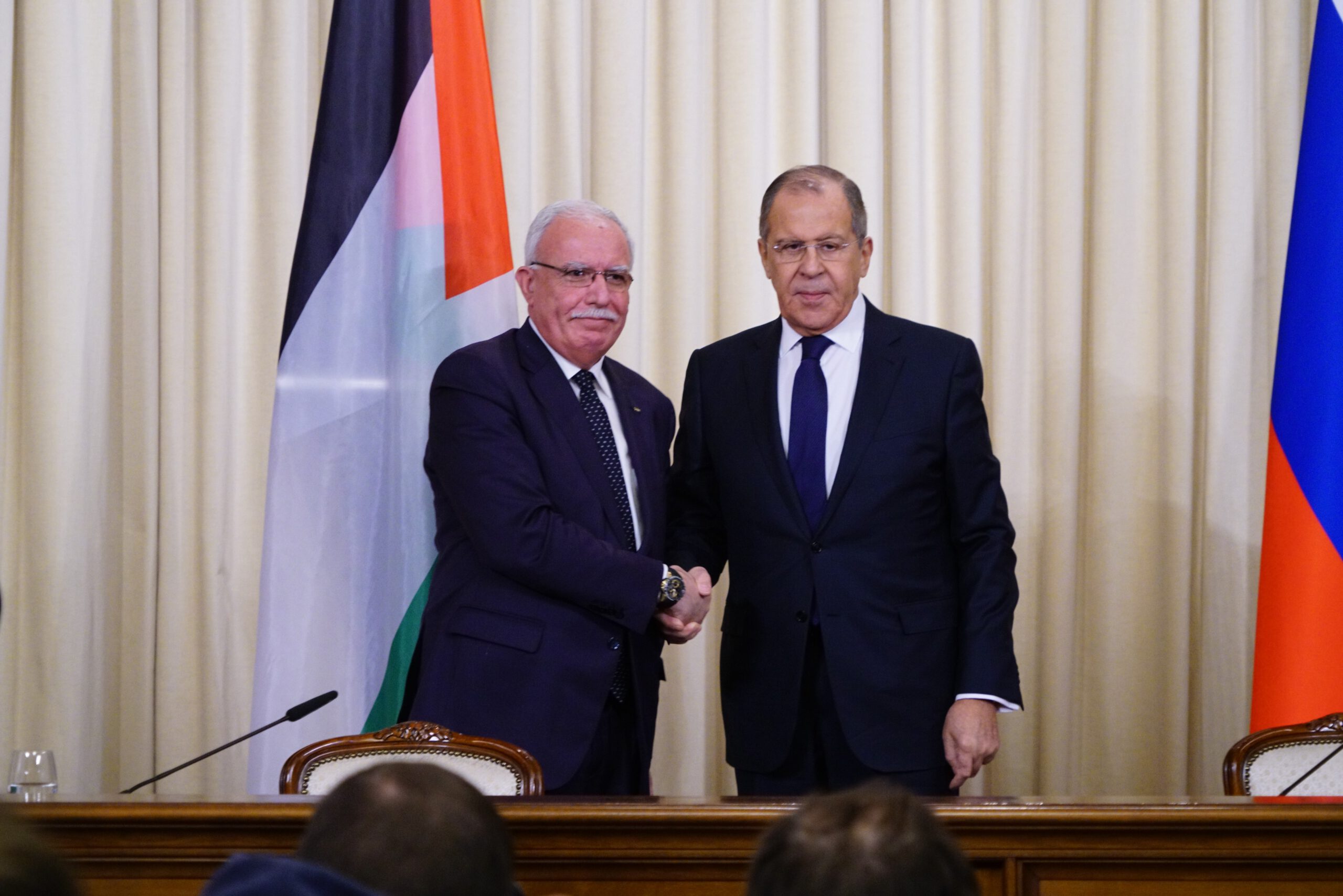
Moscow has renewed its offer to act as an independent, third-party mediator between Israel and the Palestinians as Palestinians grow wary of the Trump administration and question Washington’s traditional role as Mideast peace broker following President Donald Trump’s recognition of Jerusalem as Israel’s capital in December 2017.
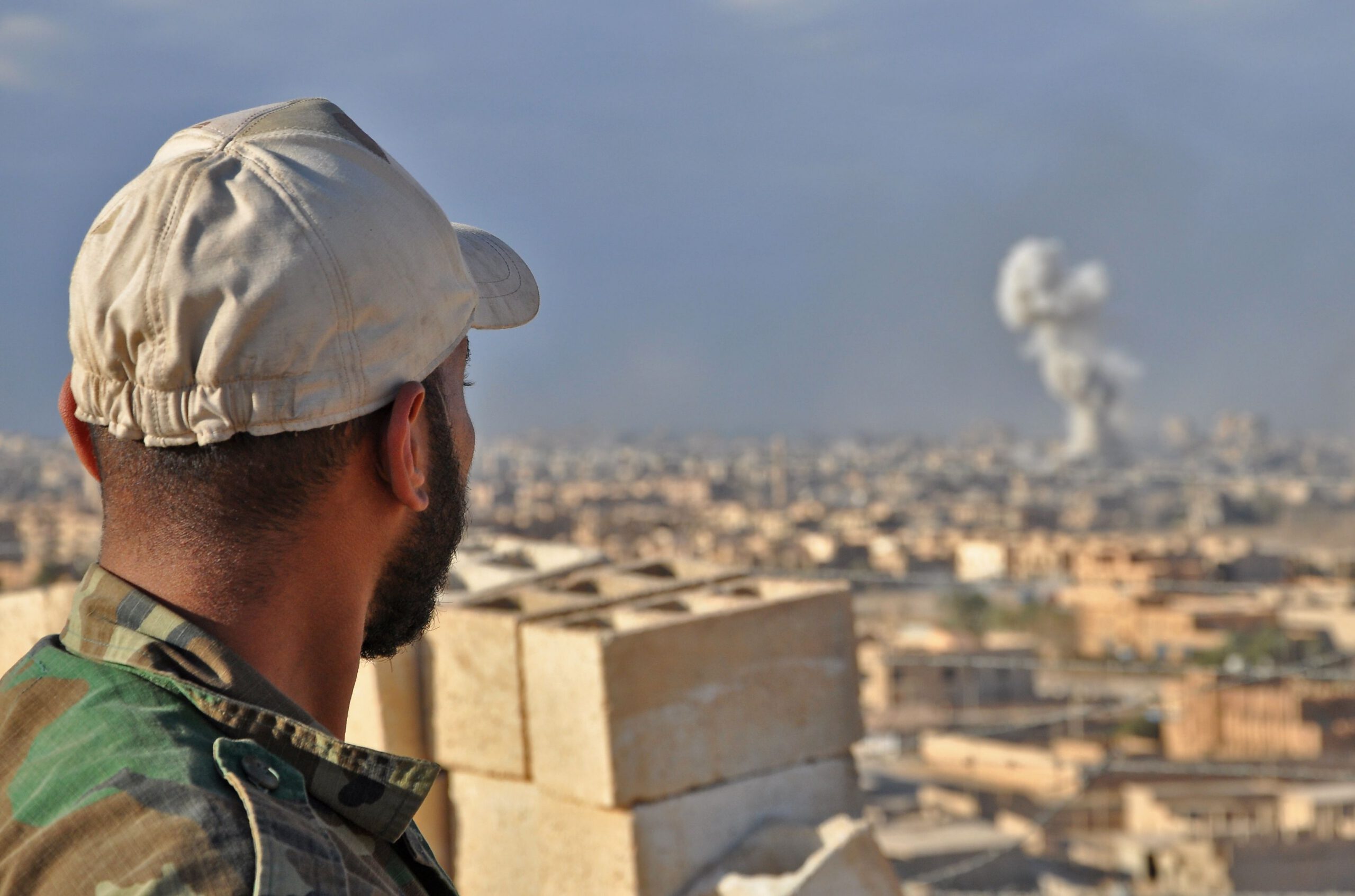
The fight over the spoils of war in Deir ez-Zor heats up
In recent months fighting has repeatedly broken out between Syrian and Iranian-backed militias around Deir ez-Zor, initially over control of taxes and smuggling routes, but increasingly the conflict has taken on a strategic dimension as well.
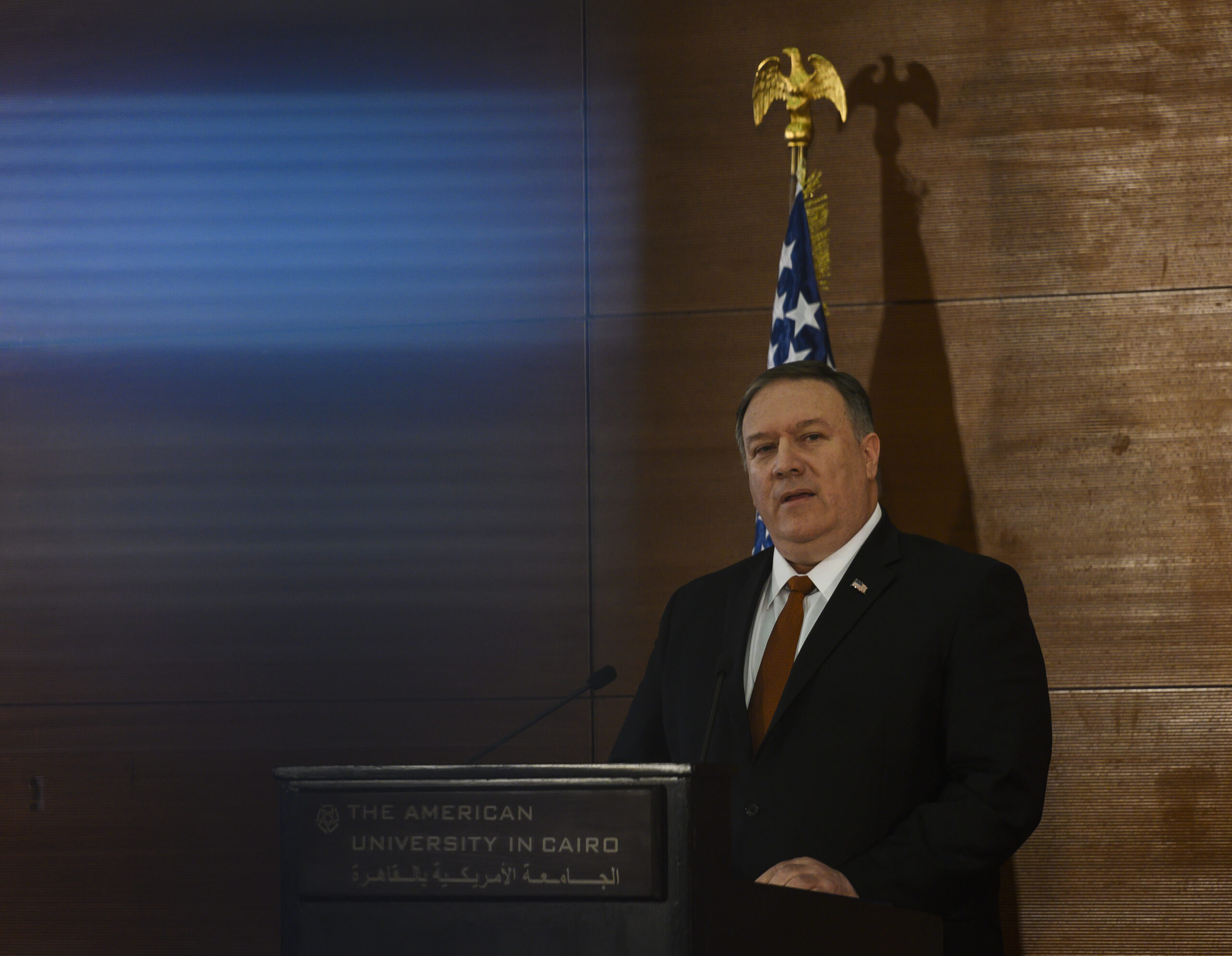
Weekly Briefing: Pompeo’s visit raises more questions than it answers
In this week’s Monday Briefing, MEI experts Gerald Feierstein, Paul Salem, Alex Vatanka, W. Robert Pearson, and Mirette F. Mabrouk provide analysis on recent and upcoming events including Secretary of State Mike Pompeo’s recent visit to the Middle East, recent protests in Sudan, Iranian outreach to Baghdad, President Trump’s discussion with President Erdogan on treatment of the Kurds, and the first meeting of the East Mediterranean Gas Forum.
The oldest peer-reviewed publication dedicated to the study of the modern Middle East, MEI’s flagship journal covers politics, society, and culture in the region.