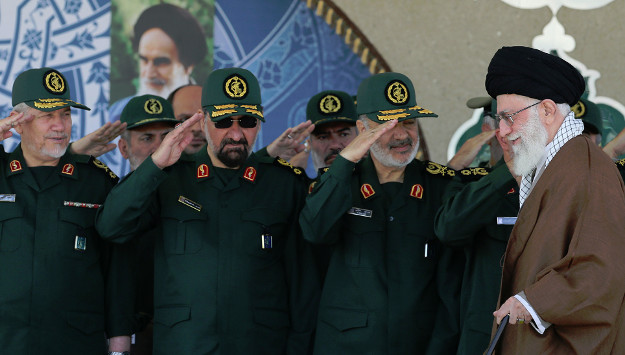
Washington says it doesn’t know who runs Iran. Tehran insists its leadership is united. MEI Senior Fellow Alex Vatanka joins hosts Alistair Taylor and Matthew Czekaj to sort out where the truth lies. They look at the small circle of political and military figures now steering the war effort in Tehran: who they are, how they make decisions, and how unified they really are. They also discuss the current state of US-Iran negotiations, the role of the upcoming midterm elections in the United States, and how the Islamic Republic is preparing for a potential renewal of conflict afterward.
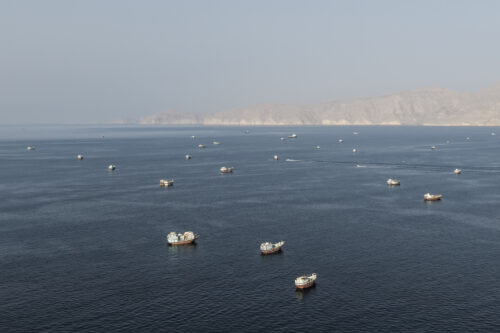
Crude oil is flowing out of the Gulf again, but the market is no better prepared for another disruption in the Strait of Hormuz. It has assembled a temporary system for managing one. Crude exports from the Gulf, excluding Iran, returned to pre-war levels in September, while total Gulf shipments reached 15.5 million barrels a day, more than 80% of the pre-conflict volume.
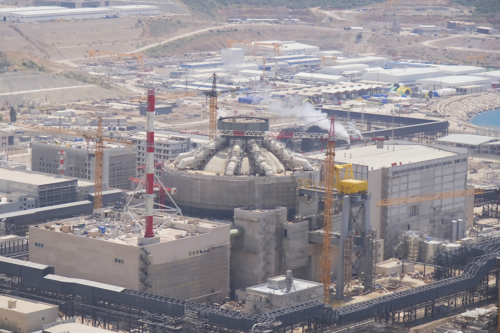
As a result of the Iran war, Turkish thinking about nuclear weapons appears to be shifting. Iran’s emergent ability to threaten regional states (and possible determination to acquire a nuclear weapon itself), growing concern about Israeli aggressiveness, doubts about US security guarantees, and greater Saudi nuclear autonomy are all pushing Ankara to consider a future nuclear option.
Since 1967, Israeli settlements in the West Bank have been a contested feature of the Israeli-Palestinian conflict. The ultimate disposition of the settlements and ongoing activity related to their growth have repeatedly defied agreement in negotiations over a resolution to the conflict.
The Houthis are a political-military faction and Zaydi religious movement founded in northwestern Yemen in the 1980s. A key member of Iran’s Axis of Resistance with links to other militant organizations in the Arabian Peninsula and the Horn of Africa, the group has continued to pose a threat to Western interests on a global scale.
The India-Middle East-Europe Economic Corridor (IMEC) is a proposed multinational infrastructure initiative aimed at upgrading connectivity between the three regions through integrated trade, energy, and digital networks. Announced at the G20 summit in New Delhi in September 2023, IMEC is envisioned partially as a counterweight to China’s international infrastructure project, the Belt and Road Initiative.
After a decade of post-Arab Spring isolation, Turkey’s leaders have recognized that their ambition to position the country as an agenda-setter on the world stage requires active engagement in all directions. President Recep Tayyip Erdoğan’s consolidation of executive authority has centralized foreign policy decision-making and tied it to his domestic political priorities, transforming the country’s revisionist approach to one shaped primarily by personal and pragmatic interests.
MEI Senior Fellow Brian Katulis engages friends, colleagues, and policy experts in casual conversations on the most important happenings in the Middle East.
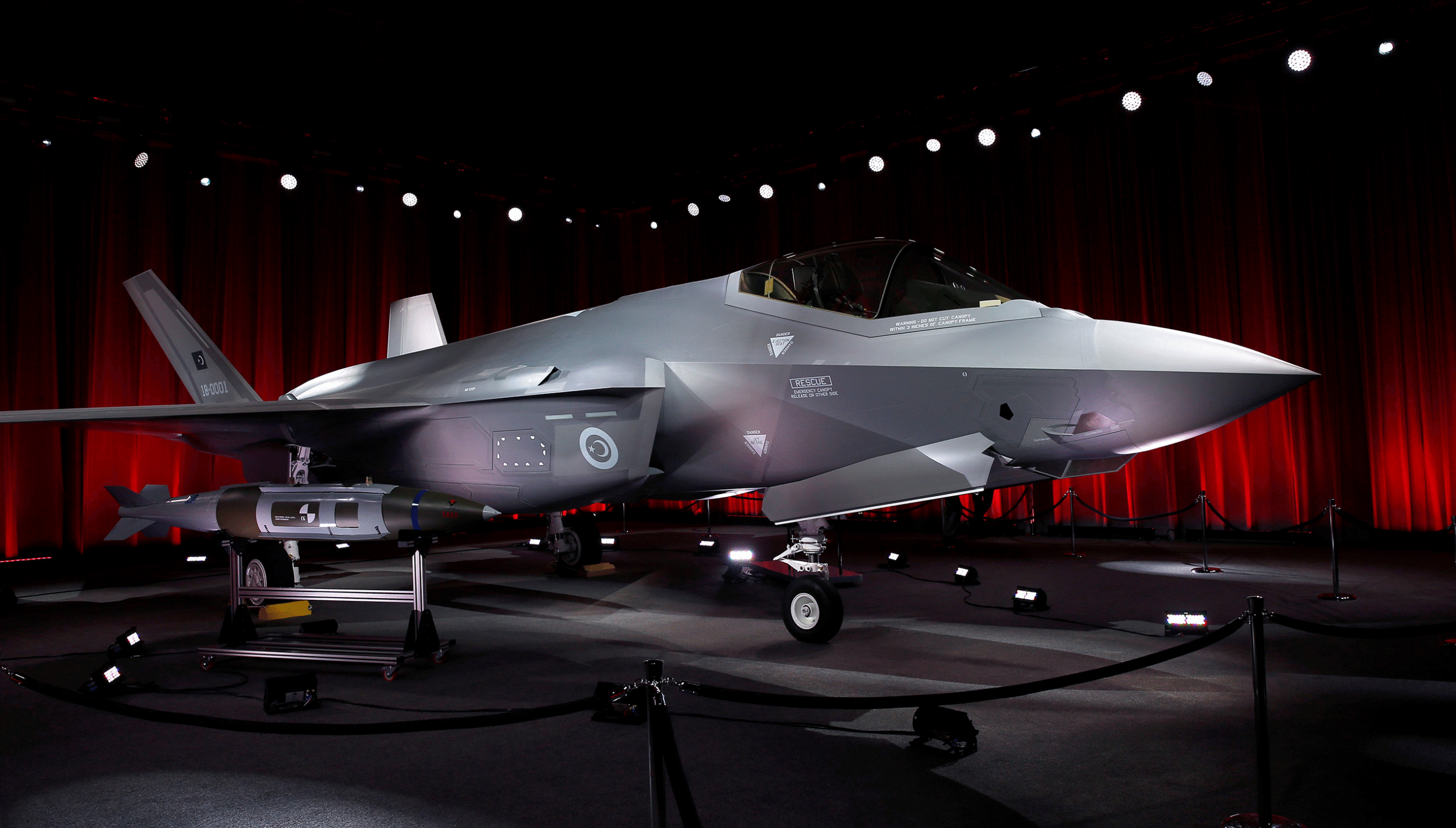
In this week’s Monday Briefing, MEI experts Bilal Y. Saab, Randa Slim, and Gerald Feierstein provide analysis on recent and upcoming events including Washington’s concerns about F-35 sales to Turkey, Iraq’s vote recount amidst mounting violence, and the king of Jordan’s visit to the White House to discuss Trump’s Israeli-Palestinian peace plan.
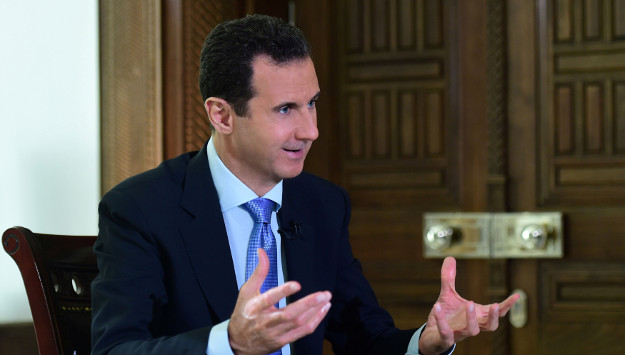
Assad says Iran, like Russia, can set up military bases in Syria if needed
In an interview with a state-run Iranian TV channel, Syrian President Bashar al-Assad said that the evolving dynamics in southern and northern Syria would not alter “strategic” relations between Damascus and Tehran and emphasized that his government would be open to permitting Iran to establish military bases on the Syrian soil if needed. “After the liberation of Ghouta, a plan to advance toward southern Syria was discussed.
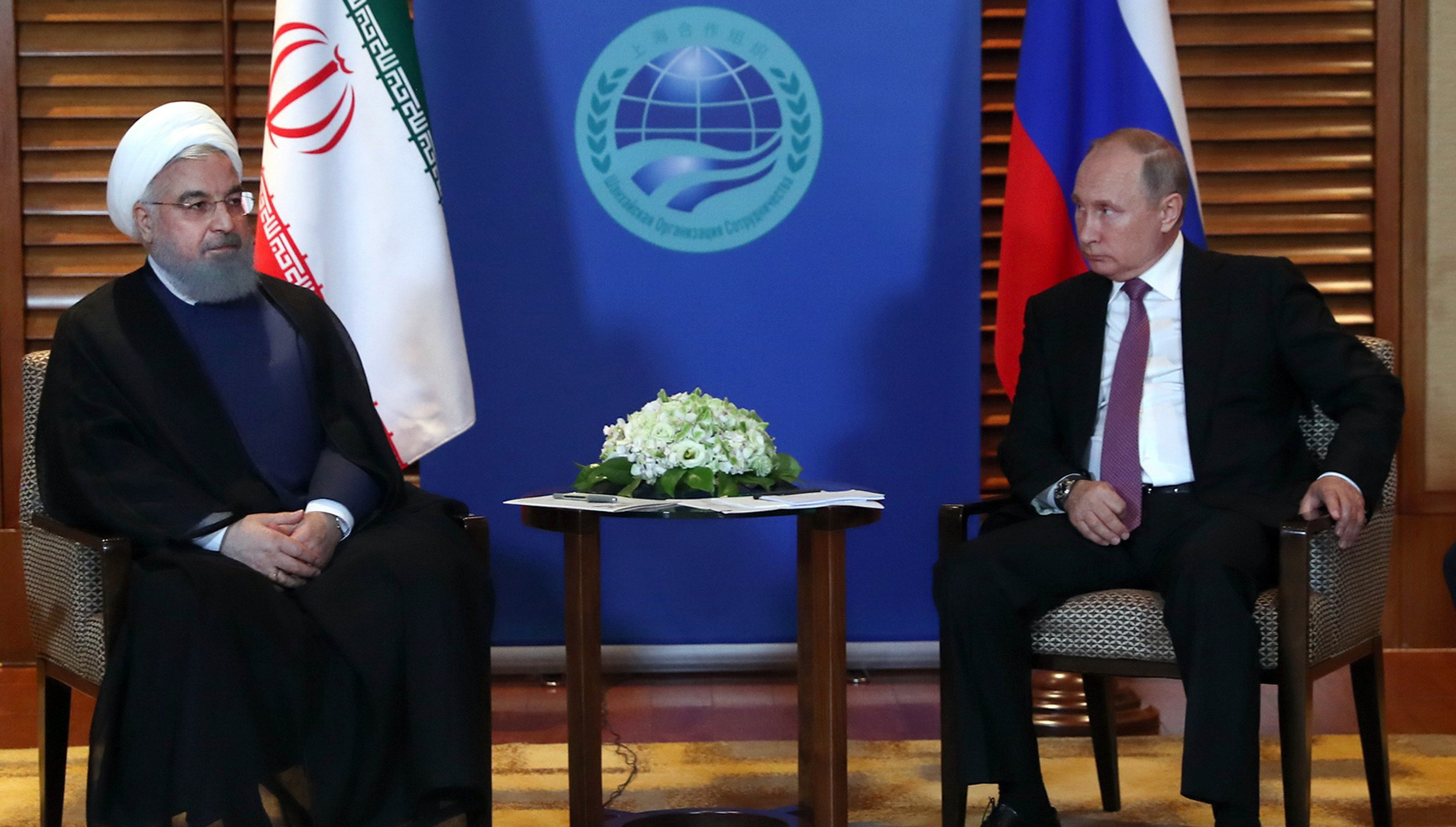
As international companies leave Iran under U.S. pressure, the Iranian government is scrambling to salvage as much foreign investment as possible. The top leadership in Tehran believes the solution is to engage with Russia, China, and the “east” to replace the West’s hesitant commitment to the Iranian market. But this eastward approach is a pipe dream, and there is plenty of history to prove it.
Worries of economic downturn loom large as Turkish voters head into a critical election for the president and members of parliament on June 24. MEI’s Gonul Tol and W. Robert Pearson join host Paul Salem to analyze the myriad issues facing voters, and the prospects for President Recep Tayyip Erdoğan and his ruling AK party.
Sadr’s top aide says relations with Iran to remain strong, calls for exit of U.S. troops
Muqtada al-Sadr will maintain close relations with Iran and wants the United States to withdraw all its troops from Iraq and the Middle East, a top aide to the Iraqi cleric was quoted as saying in an
Locating Oman in India’s Strategic Engagements with the Gulf
Indian Prime Minister Narendra Modi’s visit to Oman in April 2017 injected some much-needed vitality into the bilateral relationship. Since then, India-Oman cooperation has intensified, particularly in the defense and security spheres.
The battle for Hodeida and the humanitarian crisis in Yemen
Aid groups are warning that a major offensive underway to capture the strategic port of Hodeida could make Yemen’s humanitarian crisis even worse. Basma Alloush (Norwegian Refugee Council), Farea Al-Muslimi (Sana’a Center for Strategic Studies), and Gerald Feierstein (MEI), join host Paul Salem to assess the situation.
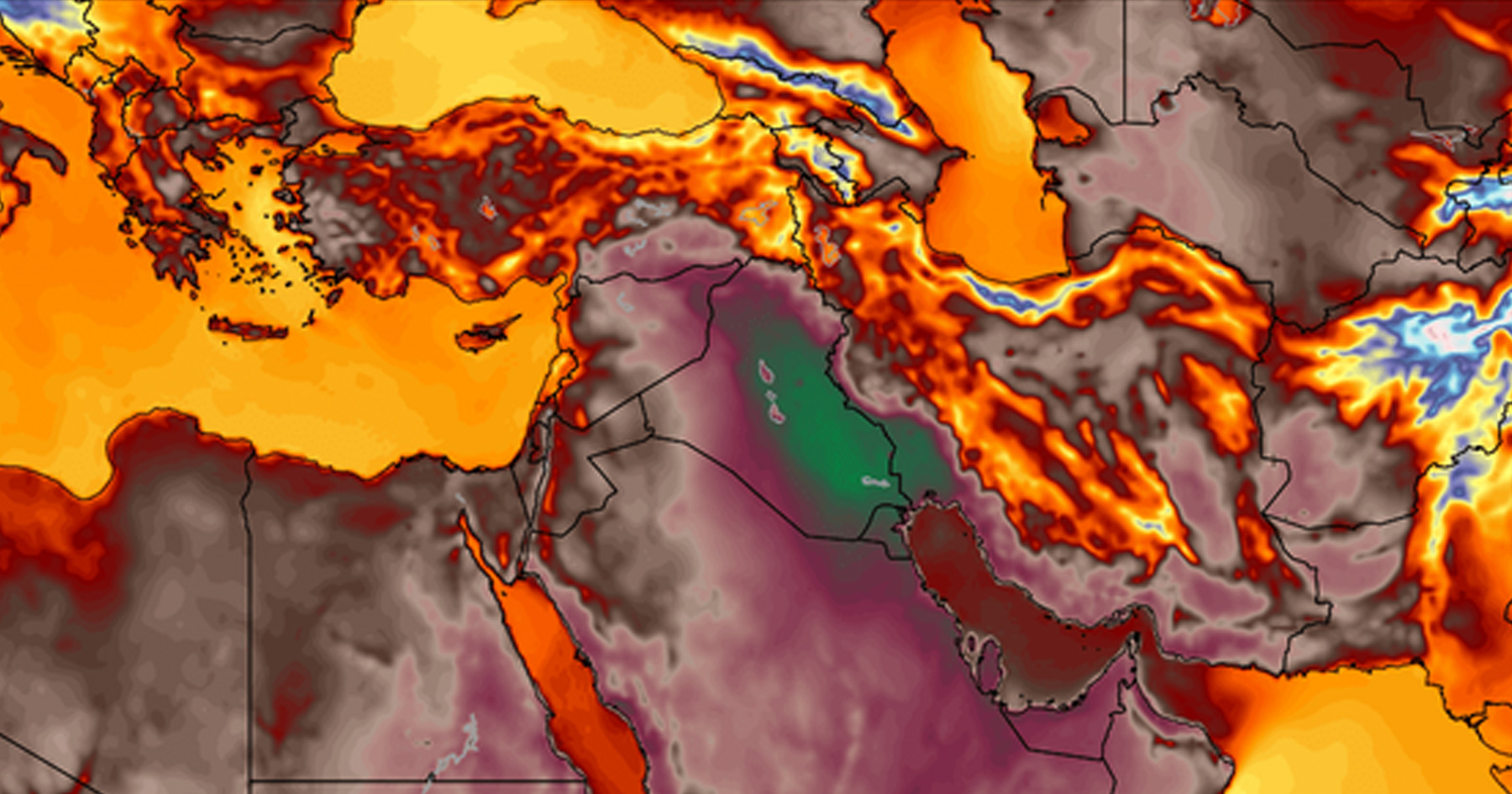
Home to twelve of the world’s driest countries, the Middle East faces a growing water crisis threatening agriculture and regional security. How are governments responding, and what more needs to be done to mitigate the affects of water scarcity?
India and the Middle East: Common Areas of Action on the Sendai Framework
Over the past 25 years, the world has seen a rise in the frequency of natural disasters in rich and poor countries alike. Today, there are more people at risk from natural hazards than ever, with those in developing countries particularly at risk. This essay series explores measures that have been taken, and could be taken, in order to improve responses to the threat or occurrence of natural disasters in the MENA and Indo-Pacific regions.
The Manbij deal and the state of US-Turkish cooperation in Syria
Can a deal to withdraw U.S.-backed Kurdish forces from the contested Syrian town of Manbij help to break the tension between opposing Turkish and American strategies in Syria? MEI’s Gonul Tol and Charles Lister join host Paul Salem to discuss.
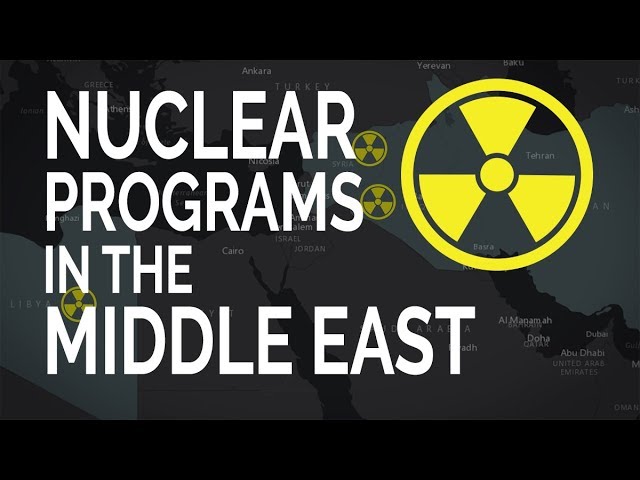
The Middle East is going nuclear, and not just Iran. As several countries across the region pursue nuclear programs to meet soaring domestic energy demands, the risk of nuclear proliferation also increases. MEI’s Bilal Saab explains the security risks.
One Country, One Province: China’s External Industrial Policy in the Middle East
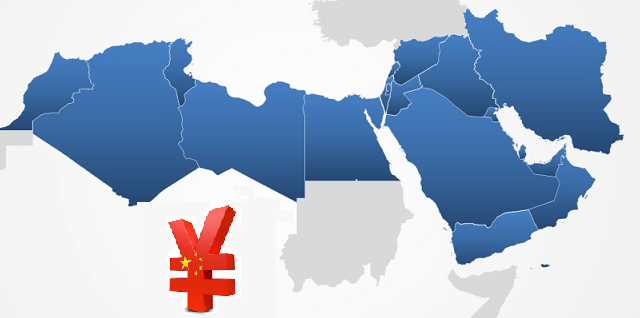
China is currently deploying a policy of industrial transfer in the Middle East. This is an external trade and industry policy, a transplanting of domestic economic institutions in external geographies. The financing of this China geo-industrial policy will reshape the Central Asia-Middle East-Africa trade and production nexus in the coming decade.
Several countries have engaged in a flurry of diplomatic moves in recent days to prevent combat between Israeli and Iranian forces in southern Syria from escalating into full-scale war. MEI senior fellows Robert Ford and Charles Lister join host Paul Salem to discuss these moves and the state of the Syrian conflict.
Pompeo’s sanction threats and Iran’s energy sector
Secretary of State Mike Pompeo threatened Iran with the “strongest sanctions in history” following the U.S. exit from the nuclear deal and outlined twelve demands as conditions for striking a new treaty between the two countries. MEI’s Rauf Mammadov and Ahmad Majidyar join Paul Salem to discuss the implications of this policy and take a closer look at Iran’s oil and energy sector amid the sanction threats.
The oldest peer-reviewed publication dedicated to the study of the modern Middle East, MEI’s flagship journal covers politics, society, and culture in the region.