Bonus Episode: Previewing Israel’s First Post-October 7 Election
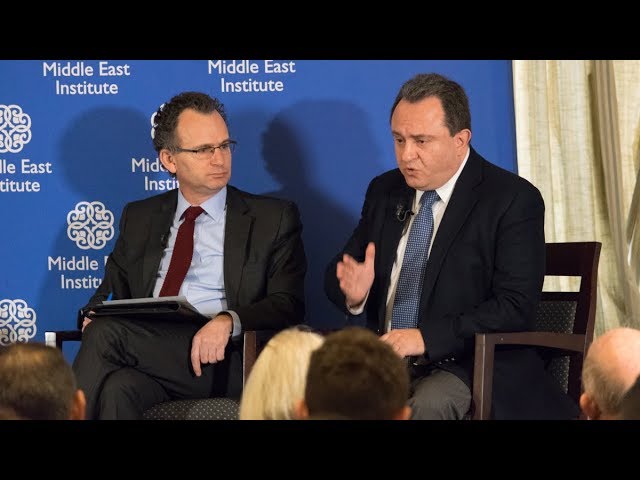
Israel is preparing to hold what may be its most consequential election in decades. On October 27, Prime Minister Benjamin Netanyahu will face his first electoral test since October 7, 2023. In this bonus episode of Middle East Focus, we present the audio from a recent MEI webinar, hosted in Israel on the eve of the vote. Senior Fellow Natan Sachs is joined by Dr. Shira Efron, Distinguished Chair for Israel Policy and senior fellow at the RAND Corporation, and Neri Zilber, veteran journalist and Financial Times correspondent. They explore what’s at stake in this historic election and how different outcomes could reshape Israel’s domestic politics and the wider region.
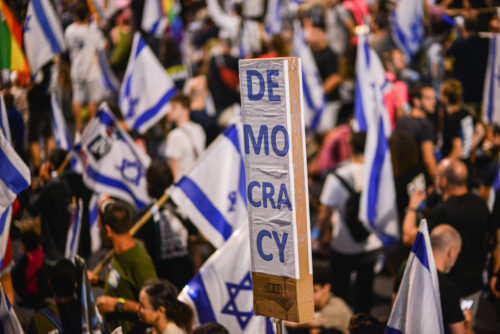
Israel Was Built on Hope. This Election May Be Our Last Chance to Save It
Israel’s national anthem, Hatikva, means “the hope.” Israel is not just another country, but the culmination of a 2,000-year-old dream of national redemption. The rebirth of the Jewish people’s ancestral homeland, just three years after the Holocaust, was a miraculous triumph of hope over all odds.
Today, that hope has been shattered and the elections on October 27 have become the most consequential in Israel’s history.
Washington says it doesn’t know who runs Iran. Tehran insists its leadership is united. MEI Senior Fellow Alex Vatanka joins hosts Alistair Taylor and Matthew Czekaj to sort out where the truth lies. They look at the small circle of political and military figures now steering the war effort in Tehran: who they are, how they make decisions, and how unified they really are. They also discuss the current state of US-Iran negotiations, the role of the upcoming midterm elections in the United States, and how the Islamic Republic is preparing for a potential renewal of conflict afterward.
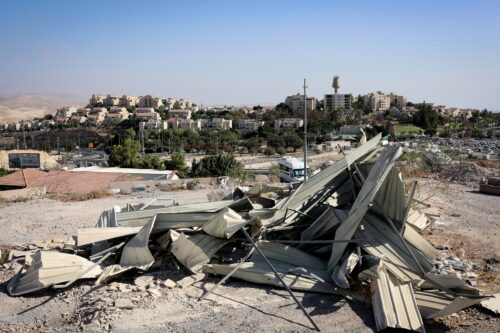
Since 1967, Israeli settlements in the West Bank have been a contested feature of the Israeli-Palestinian conflict. The ultimate disposition of the settlements and ongoing activity related to their growth have repeatedly defied agreement in negotiations over a resolution to the conflict.
The Houthis are a political-military faction and Zaydi religious movement founded in northwestern Yemen in the 1980s. A key member of Iran’s Axis of Resistance with links to other militant organizations in the Arabian Peninsula and the Horn of Africa, the group has continued to pose a threat to Western interests on a global scale.
The India-Middle East-Europe Economic Corridor (IMEC) is a proposed multinational infrastructure initiative aimed at upgrading connectivity between the three regions through integrated trade, energy, and digital networks. Announced at the G20 summit in New Delhi in September 2023, IMEC is envisioned partially as a counterweight to China’s international infrastructure project, the Belt and Road Initiative.
After a decade of post-Arab Spring isolation, Turkey’s leaders have recognized that their ambition to position the country as an agenda-setter on the world stage requires active engagement in all directions. President Recep Tayyip Erdoğan’s consolidation of executive authority has centralized foreign policy decision-making and tied it to his domestic political priorities, transforming the country’s revisionist approach to one shaped primarily by personal and pragmatic interests.
MEI Senior Fellow Brian Katulis engages friends, colleagues, and policy experts in casual conversations on the most important happenings in the Middle East.
Violent extremism: historical patterns and precedents, ancient and modern
Middle Eastern history is often portrayed as a succession of empires and political orders harassed and occasionally brought down by violent opponents–usually labeled as terrorists at the time. This was true in ancient times as well as modern. And today’s violent extremist groups resurrect historical narratives and grievances to fuel contemporary conflict.
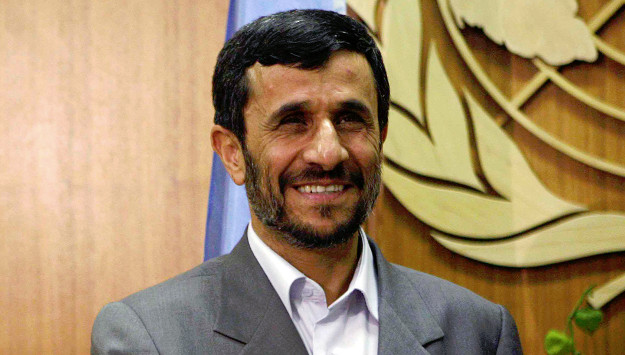
Ahmadinejad reveals Quds Force secrets after aide sent to jail
Former Iranian President Mahmoud Ahmadinejad’s relations with the regime have reached a new low since the Judiciary imprisoned his associates Hamid Baqaei and Esfandiar Rahim-Mashaei on embezzlement charges. Reacting to the Judiciary’s ruling, Ahmadinejad disclosed the charges against Baqaei in detail, which shed light on the operational mode of the Quds Force of the Islamic Revolution Guards Corps (IRGC QF).
Transnational Shiite clergy’s challenge to the Islamic Republic
The March 6 arrest of Hossein Shirazi, son of prominent Iraqi Persian cleric Ayatollah Sadeq Shirazi, has triggered protests by non-Iranian Shiites – signifying the inherent tensions between the Iranian state and transnational Shiite clergy institutions.
Protesters chant antigovernment slogans at Isfahan Friday prayer
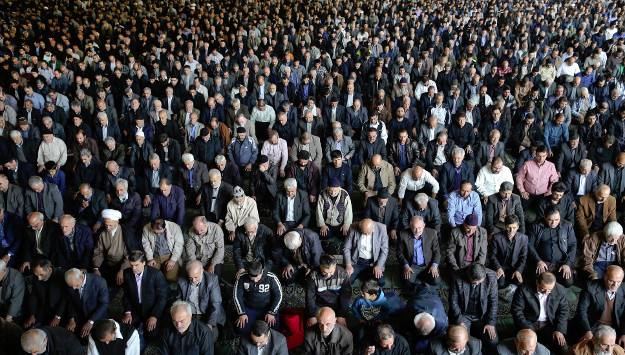
Earlier today, worshippers in the central Iranian province of Isfahan used the occasion of Friday prayers to protest against the government. According to Radio Farda, the protesters turned their back to the Friday prayer leader as a gesture of disdain and chanted anti-regime slogans.
Iran, Turkey, Russia discuss Syria as violence rages unabated
The foreign ministers of Iran, Turkey and Russia today held a trilateral meeting in Astana, Kazakhstan’s capital, to discuss the Syrian conflict. In a statement after the meeting, the three sides stressed that they will work together to seek a political settlement to end the seven-year war and protect Syria’s sovereignty and territorial integrity.
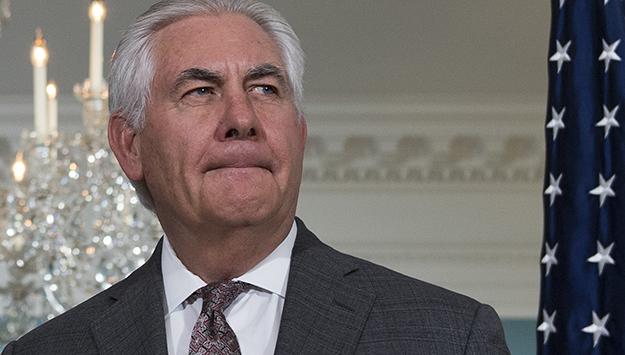
Rex Tillerson’s exit and what’s next for US-Middle East policy
Outgoing Secretary of State Rex Tillerson had long been at odds with President Trump on key issues in the Middle East, from the intra-GCC dispute between Qatar and other member states, to the recognition of Jerusalem as Israel’s capital and the Iran nuclear deal. MEI fellows Gerald Feierstein, Charles Lister and Alex Vatanka join host Paul Salem to discuss how his replacement may impact these and other regional policy issues.
Iraq’s Vice-President calls on Iran to stop meddling in Iraqi internal affairs
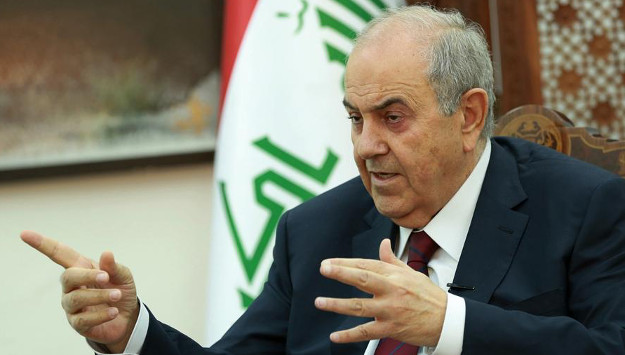
Iraq’s Vice President Ayad Allawi has called on Iran to stop interference in the Iraqi internal affairs, Fars News Agency, which is affiliated with Iran’s Revolutionary Guards, reported.
Iran’s top clerical body rules out missile negotiation with West
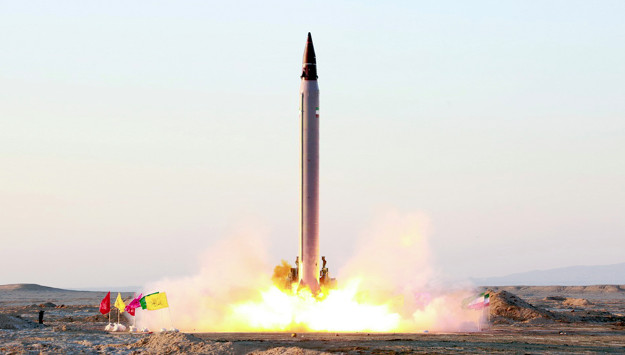
Iran’s Assembly of Experts has said that Tehran will not negotiate with Western powers over its defense matters and called on the government to further enhance the country’s ballistic missile program.
Afghans see Iran’s hand in Taliban’s latest gains in western Afghanistan
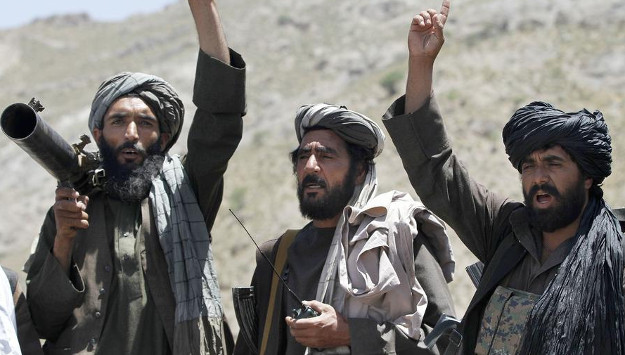
On Monday, the Taliban briefly overrun a district in western Afghanistan’s Farah Province bordering Iran, just days after the insurgents killed several Afghan security forces in another district in the province. With Farah teetering on the brink of collapse, Afghan officials blame the Islamic Revolution Guards Corps (IRGC) for aiding the Taliban insurgents in western Afghanistan in an effort to torpedo construction projects and undermine stabilization efforts by the US-led coalition in the region.
Saudi Arabia’s Crown Prince Mohammed bin Salman will land in the U.S. on March 19 as part of a three week, multi-city tour. It’s his first extended foreign travel, which has already taken him to London, since being named Saudi heir apparent in June 2017.
Tillerson's departure and the future of US policy in the Middle East
Rex Tillerson’s unhappy tenure at State Department ends with a whimper – Gerald Feierstein
Rex Tillerson was never an easy fit for the Trump administration. His management of the State Department was a source of constant frustration for the career staff as well as Capitol Hill. On policy issues, Tillerson hewed more closely than Trump to establishment Republican positions. Allied with Secretary of Defense Mattis and National Security Advisor McMaster, Tillerson often acted as an anchor against the president’s more aggressive impulses.
The plight of the Iranian dual national, dozens of whom have been detained by Iranian authorities in the past two decades, was tragically brought back into the headlines with the death of Kavous Seyed Emami. The 63-year-old Iranian-Canadian founder of the Persian Wildlife Heritage Foundation, who died in solitary confinement at Evin Prison on Feb. 9, had been imprisoned with other environmentalists on trumped-up charges of “espionage.”
The oldest peer-reviewed publication dedicated to the study of the modern Middle East, MEI’s flagship journal covers politics, society, and culture in the region.