Bonus Episode: Previewing Israel’s First Post-October 7 Election
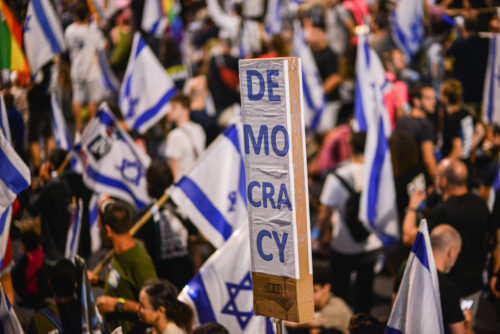
Israel is preparing to hold what may be its most consequential election in decades. On October 27, Prime Minister Benjamin Netanyahu will face his first electoral test since October 7, 2023. In this bonus episode of Middle East Focus, we present the audio from a recent MEI webinar, hosted in Israel on the eve of the vote. Senior Fellow Natan Sachs is joined by Dr. Shira Efron, Distinguished Chair for Israel Policy and senior fellow at the RAND Corporation, and Neri Zilber, veteran journalist and Financial Times correspondent. They explore what’s at stake in this historic election and how different outcomes could reshape Israel’s domestic politics and the wider region.
Israel Was Built on Hope. This Election May Be Our Last Chance to Save It
Israel’s national anthem, Hatikva, means “the hope.” Israel is not just another country, but the culmination of a 2,000-year-old dream of national redemption. The rebirth of the Jewish people’s ancestral homeland, just three years after the Holocaust, was a miraculous triumph of hope over all odds.
Today, that hope has been shattered and the elections on October 27 have become the most consequential in Israel’s history.
Washington says it doesn’t know who runs Iran. Tehran insists its leadership is united. MEI Senior Fellow Alex Vatanka joins hosts Alistair Taylor and Matthew Czekaj to sort out where the truth lies. They look at the small circle of political and military figures now steering the war effort in Tehran: who they are, how they make decisions, and how unified they really are. They also discuss the current state of US-Iran negotiations, the role of the upcoming midterm elections in the United States, and how the Islamic Republic is preparing for a potential renewal of conflict afterward.
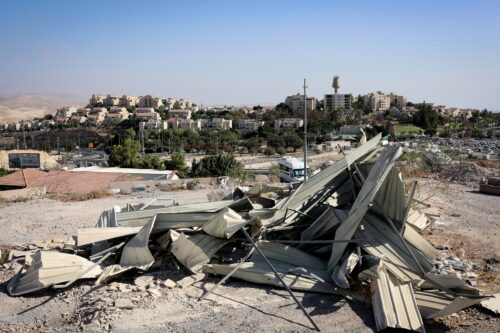
Since 1967, Israeli settlements in the West Bank have been a contested feature of the Israeli-Palestinian conflict. The ultimate disposition of the settlements and ongoing activity related to their growth have repeatedly defied agreement in negotiations over a resolution to the conflict.
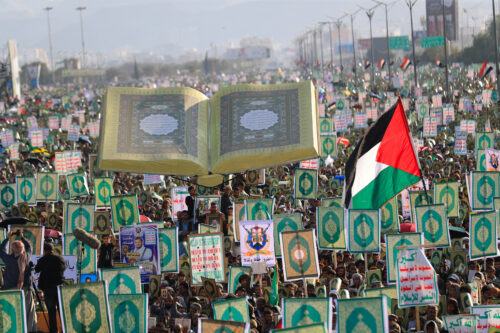
The Houthis are a political-military faction and Zaydi religious movement founded in northwestern Yemen in the 1980s. A key member of Iran’s Axis of Resistance with links to other militant organizations in the Arabian Peninsula and the Horn of Africa, the group has continued to pose a threat to Western interests on a global scale.
The India-Middle East-Europe Economic Corridor (IMEC) is a proposed multinational infrastructure initiative aimed at upgrading connectivity between the three regions through integrated trade, energy, and digital networks. Announced at the G20 summit in New Delhi in September 2023, IMEC is envisioned partially as a counterweight to China’s international infrastructure project, the Belt and Road Initiative.
After a decade of post-Arab Spring isolation, Turkey’s leaders have recognized that their ambition to position the country as an agenda-setter on the world stage requires active engagement in all directions. President Recep Tayyip Erdoğan’s consolidation of executive authority has centralized foreign policy decision-making and tied it to his domestic political priorities, transforming the country’s revisionist approach to one shaped primarily by personal and pragmatic interests.
MEI Senior Fellow Brian Katulis engages friends, colleagues, and policy experts in casual conversations on the most important happenings in the Middle East.
Iran-Backed Al-Hashd al-Turkmani Group Playing Major Role in Tal Afar
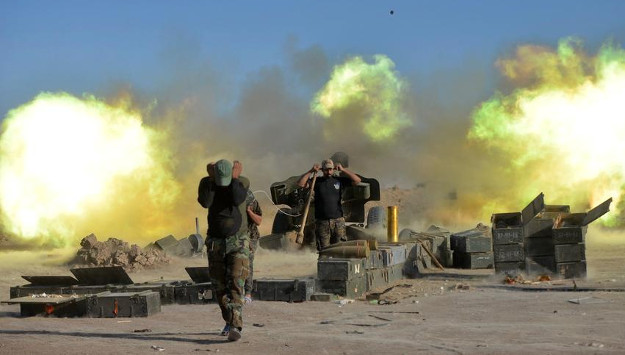
A senior commander of the Iraqi Popular Mobilization Force (P.M.F.) has announced that forces from al-Hashd al-Turkmani will play a major role in the military operation to liberate the city of Tal Afar from the Islamic State, Iran’s Fars News Agency reported today. Abu Mahdi al-Muhandis, the chief operational commander and deputy head of the P.M.F., made the statement after meeting with the leaders of Hashd al-Turkmani, a P.M.F. unit close to Iran and strongly anti-American.
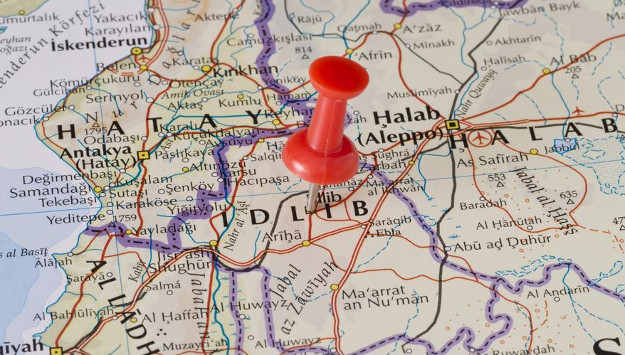
Turkey’s “Three Options” in Idlib amid Growing Tehran-Ankara Cooperation
Turkey has three options to tackle a looming threat to its national security emanating from the situation in Syria’s Idlib Province, according to an an
The Middle East Dialogue, a regional Track 1.5 group in which officials and non-officials from the region and beyond meet to discuss current issues in their personal capacities, met May 12-13 in Malta. Read the full report (PDF).
Tehran Raises Concern about Haley's Vienna Visit, Rules Out Inspection of Military Sites
Iran’s Foreign Minister Javad Zarif has warned that U.S. Ambassador to U.N. Nikki Haley’s visit to Vienna is aimed at undermining the Joint Comprehensive Plan of Action (J.C.P.O.A.) – the nuclear deal Iran signed with world powers two years ago. In a letter to International Atomic Energy Agency (I.A.E.A.) Director-General Yukiya Amano, Zarif asked the international watchdog not to disclose any sensitive and secretive information about Iran’s nuclear activities to Haley or any other third party.
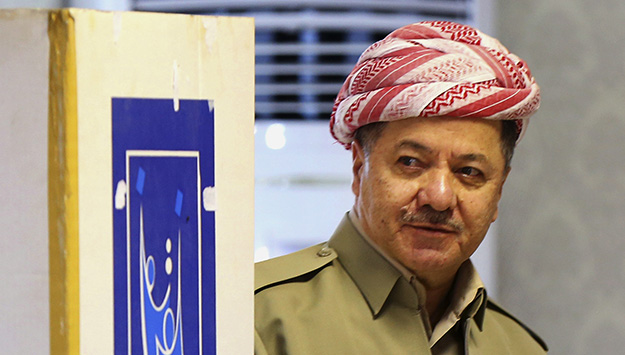
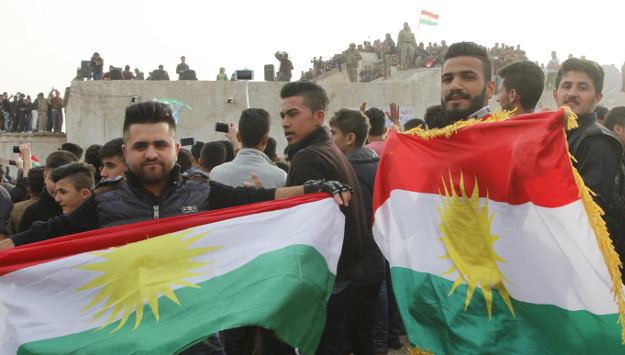
Iraqi Kurdistan’s democratic future and stability is at risk, and one party and family is especially closely linked to the crisis. In recent years, the Barzani family and the Kurdistan Democratic Party (K.D.P.) have consolidated power while displaying indifference to rule of law when facing critics or uncooperative minorities. This creeping autocracy should urgently concern those hoping to see a stable new democracy in a troubled region. On September 25, the Kurdish region is due to hold its independence referendum.
Last night Donald J. Trump became the third consecutive U.S. president to ensure that his successor will also need to wage war in Afghanistan. This is justifiably frustrating to the American public, but unfortunately appropriate to the threats at hand.
Online and Traditional Forms of Protest Mobilization: Morocco’s Rif Protests and Beyond
When investigating the relative role that social media and other factors can play in the mobilization of popular demonstrations, the recent Rif protests, which some have perceived as having the potential to spark a “second Arab Spring” in Morocco, are interesting to look at. These protests suggest that large-scale popular demonstrations might often result from a combination of both online mobilization and much more traditional mobilization strategies employed by charismatic movement leaders. In this sense, the Rif protests also contradict assumptions about the presumed role of “diffuse leadership,” which emerged in the context of the Arab Spring.
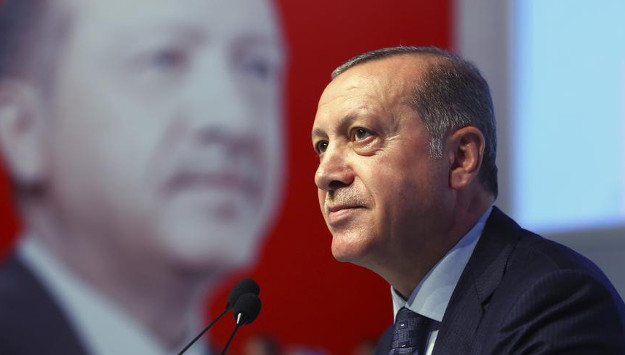
I.R.G.C. Rejects Erdogan’s Claim on Possible Joint Operations in Northern Iraq
Iran’s Islamic Revolution Guards Corps (I.R.G.C.) today rejected a claim by Turkish President Recep Tayyip Erdogan that the two countries were planning to launch a joint military operation against Kurdish militants in the region, the Iranian media reported. “We have not planned any operations outside the Islamic Republic of Iran’s borders,” said a statement released by the Guards on Tuesday.
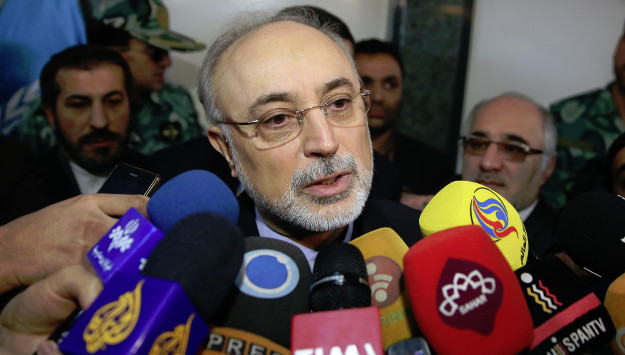
Top Iranian Nuclear Official: We Can Resume 20% Enrichment within Days
The top Iranian nuclear official has warned that his country can resume high-level uranium enrichment within days if the Trump administration annuls the nuclear agreement Tehran signed with world powers two years ago. “This is not an empty threat,” Ali Akbar Salehi said in a Tuesday interview with the Islamic Republic of Iran Broadcasting, backing President Hassan Rouhani’s similar remarks last week.
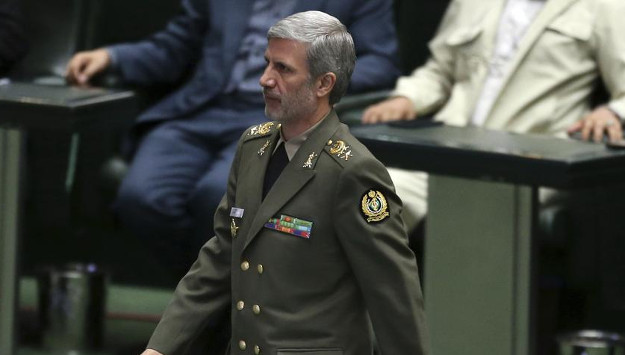
New Iranian Defense Minister Reiterates Support for Quds Force and “Resistance Front”
The new Iranian defense minister has reiterated that he will continue to support the Quds Force and the “resistance front” and will only further enhance the country’s controversial missile program and other defense capabilities.
I.R.G.C. Outlet: K.R.G.’s Independence Plan Places Region at Risk
The Iraqi Kurdistan Regional Government’s decision to hold an independence referendum next month would further strain relations between Erbil and Baghdad and risks triggering intra-Kurdish violence, warns an article in Iran’s Tasnim News Agency, which is affiliated with the Islamic Revolution Guards Corps (I.R.G.C.).
Monday Briefing | Abbas Hoping for a Commitment from Kushner on MidEast Peace
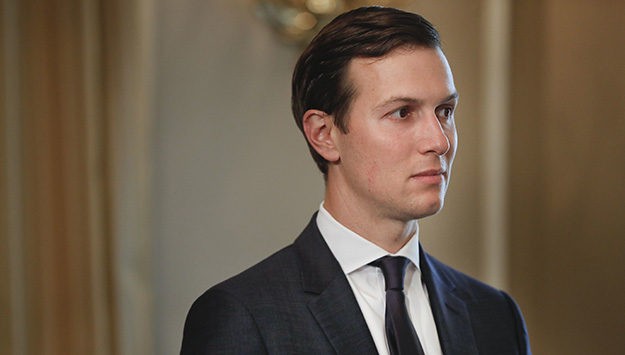
In this week’s Monday Briefing, MEI experts Yousef Munayyer, Paul Salem, Ahmad Majidyar, Alex Vatanka, and Gonul Tol provide analysis on recent and upcoming events including the upcoming trip by the U.S. delegation headed by Jared Kushner to Israel/Palestine, Iraq’s anti-ISIS operation in Tal Afar, President Trump’s upcoming announcement on U.S. military strategy in Afghanistan, Iran’s efforts to find a role in China’s One Belt, One Road project, and Turkey’s rocky relations with Germany.
Iran-Backed Groups Playing “Extensive Role” in Tal Afar Operation
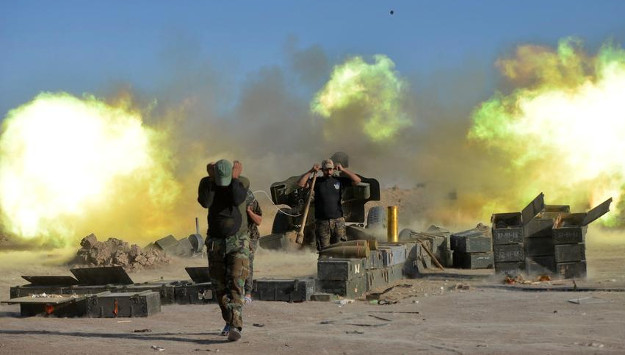
Iraqi Popular Mobilization Forces (P.M.F.) commanders say their paramilitary forces are actively participating in the recently-launched military operation to liberate the city of Tal Afar from the Islamic State, the Iranian media report. The Badr Organization, a powerful Iranian-supported P.M.U. group, announced on Sunday that its forces have captured “mountainous regions” in northwestern parts of Tal Afar. A report in Fars News Agency, which is affiliated with the Islamic Revolution Guards Corps, said P.M.F.
The oldest peer-reviewed publication dedicated to the study of the modern Middle East, MEI’s flagship journal covers politics, society, and culture in the region.