Bonus Episode: Previewing Israel’s First Post-October 7 Election
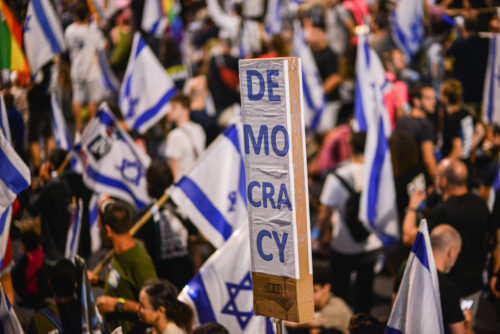
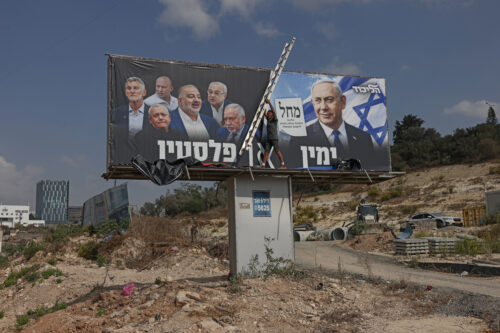
Israel is preparing to hold what may be its most consequential election in decades. On October 27, Prime Minister Benjamin Netanyahu will face his first electoral test since October 7, 2023. In this bonus episode of Middle East Focus, we present the audio from a recent MEI webinar, hosted in Israel on the eve of the vote. Senior Fellow Natan Sachs is joined by Dr. Shira Efron, Distinguished Chair for Israel Policy and senior fellow at the RAND Corporation, and Neri Zilber, veteran journalist and Financial Times correspondent. They explore what’s at stake in this historic election and how different outcomes could reshape Israel’s domestic politics and the wider region.
Israel Was Built on Hope. This Election May Be Our Last Chance to Save It
Israel’s national anthem, Hatikva, means “the hope.” Israel is not just another country, but the culmination of a 2,000-year-old dream of national redemption. The rebirth of the Jewish people’s ancestral homeland, just three years after the Holocaust, was a miraculous triumph of hope over all odds.
Today, that hope has been shattered and the elections on October 27 have become the most consequential in Israel’s history.
One striking thing about US President Donald Trump’s endorsement of Israeli Prime Minister Benjamin Netanyahu this past week is how isolated he was in making this call. The Israeli Prime Minister has become a widely detested figure worldwide following Israel’s war in Gaza—where Israel committed war crimes. This disdain was clearly on display in New York in September when dozens of diplomats streamed out of the hall during Netanyahu’s speech.
Since 1967, Israeli settlements in the West Bank have been a contested feature of the Israeli-Palestinian conflict. The ultimate disposition of the settlements and ongoing activity related to their growth have repeatedly defied agreement in negotiations over a resolution to the conflict.
The Houthis are a political-military faction and Zaydi religious movement founded in northwestern Yemen in the 1980s. A key member of Iran’s Axis of Resistance with links to other militant organizations in the Arabian Peninsula and the Horn of Africa, the group has continued to pose a threat to Western interests on a global scale.
The India-Middle East-Europe Economic Corridor (IMEC) is a proposed multinational infrastructure initiative aimed at upgrading connectivity between the three regions through integrated trade, energy, and digital networks. Announced at the G20 summit in New Delhi in September 2023, IMEC is envisioned partially as a counterweight to China’s international infrastructure project, the Belt and Road Initiative.
After a decade of post-Arab Spring isolation, Turkey’s leaders have recognized that their ambition to position the country as an agenda-setter on the world stage requires active engagement in all directions. President Recep Tayyip Erdoğan’s consolidation of executive authority has centralized foreign policy decision-making and tied it to his domestic political priorities, transforming the country’s revisionist approach to one shaped primarily by personal and pragmatic interests.
MEI Senior Fellow Brian Katulis engages friends, colleagues, and policy experts in casual conversations on the most important happenings in the Middle East.
Iranian Cleric Admits I.R.G.C. Provides Weapons to Houthis in Yemen
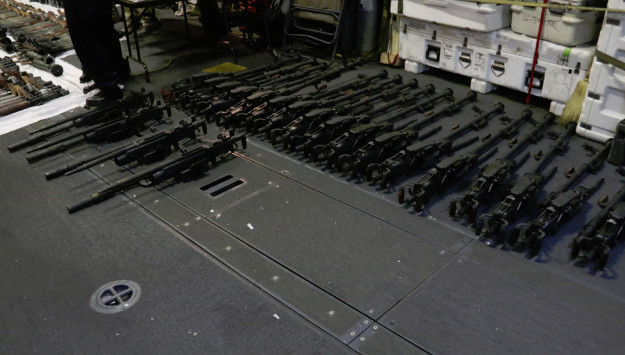
A senior Iranian cleric, who reportedly advises Supreme Leader Ali Khamenei, has in a rare video admitted that Iran provides weapons to the Houthi rebels in Yemen.
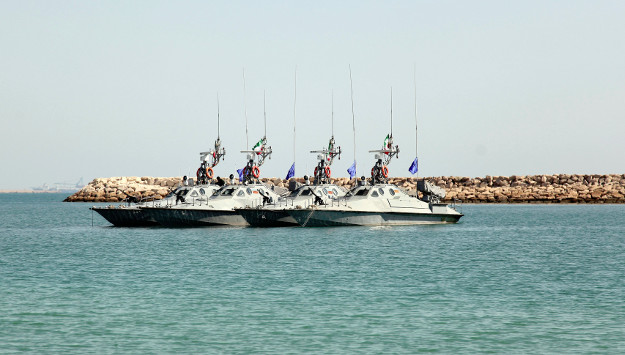
Iran Unveils New Domestically-Built Military Equipment
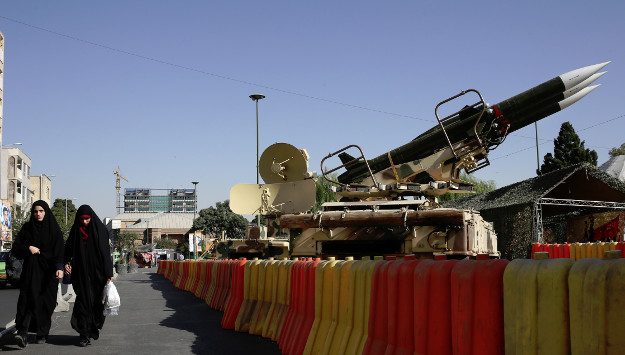
Iran unveiled a series of domestically-made military equipment on Thursday, during a ceremony on Thursday which was attended by President Hassan Rouhani and Defense Minister Brigadier General Hossein Dehqan.
An Evolution of Rohingya Persecution in Myanmar: From Strategic Embrace to Genocide
This essay discusses the persecution of, and violence committed against, Rohingya. The authors argue that recent waves of state-directed violence communal destruction, far from being a new phenomenon, have been occurring since 1978 and are part of a process of “slow-burning genocide.”
Since its inception in 1993, the Sharjah Biennial has become the biggest art event in the Arab world. It is an enormous cultural podium whose breadth, scope, and ambition is unrivaled in the region. Encompassing new commissioned pieces, film screenings, video and audio installations, and copious talks throughout its lengthy duration, the Sharjah Biennial has transcended its fine arts origins to evolve into a global endeavor.
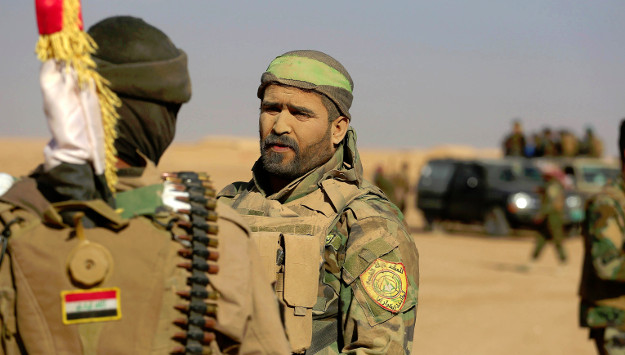
Iran-Supported Iraqi Militia Leaders Ramps up Anti-American Propaganda
A prominent Iran-backed Iraqi militia commander has accused the United States of providing weapons and food to Islamic State fighters trapped in western Mosul, according to Fars News Agency, an Iranian outlet affiliated with the Islamic Revolution Guards Corps (I.R.G.C.).
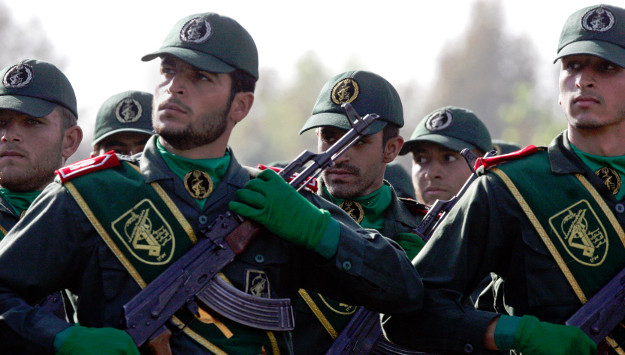
I.R.G.C. Hailed as “Strategic Asset” for Iran and “Regional Islamic Resistance” on Its 38th Anniversary
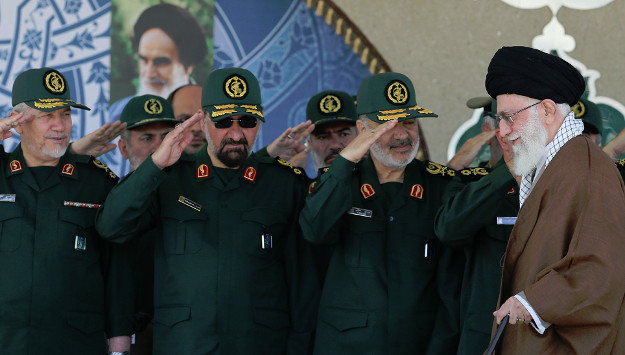
Marking the 38th anniversary of the creation of the Islamic Revolution Guards Corps (I.R.G.C.), the Iranian Armed Forces General Staff said Wednesday that the country’s elite force has turned into a “strategic asset” and a “defense shield” not only for Iran but also for the “Islamic Resistance in the region
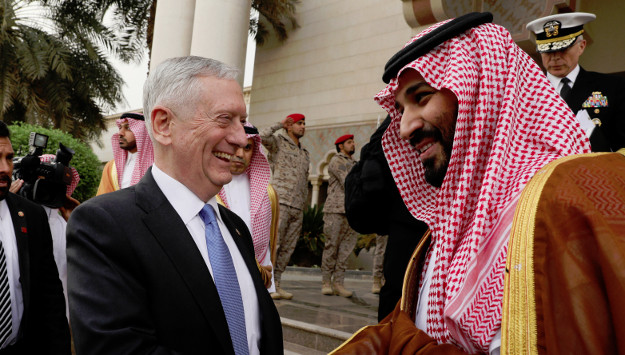
Defense Secretary Mattis’ Remarks in Riyadh Angers Tehran
U.S. Defense Secretary Jim Mattis’ remarks about Iran’s destabilizing influence in the Middle East prompted an angry reaction from Tehran. The Iranian defense minister rejected the allegations by the top U.S.
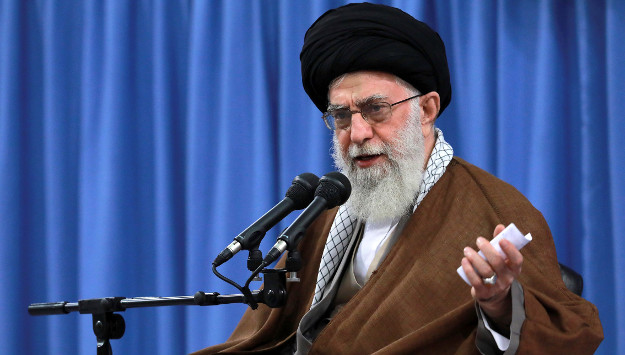
Khamenei Urges Iranian Leaders to Counter “Enemies’ Scare Tactics”
Supreme Leader Ali Khamenei warned Wednesday that Iran’s “enemies” use intimidation and scare tactics to achieve their goals, and called on political and military lea
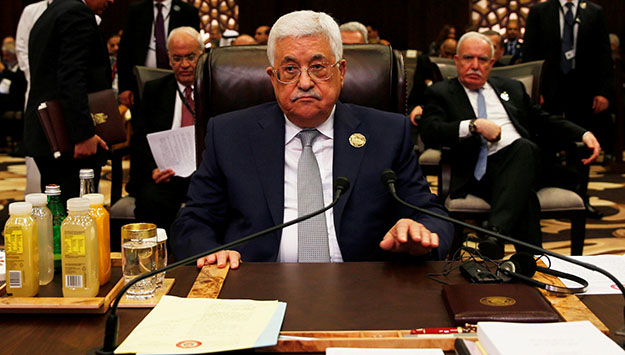
For the first time in three years, Mahmoud Abbas will meet with an American president in the White House. The meeting, expected in early-May, will also be the first between Abbas and President Donald Trump, and will serve to shape the relationship both men, and those they represent, have in the years ahead.
While Abbas might be inclined to be more pliant as an early show of goodwill, he will still seek demonstrations of seriousness from the Israelis, brokered by Washington, before agreeing to re-engage in peace talks.
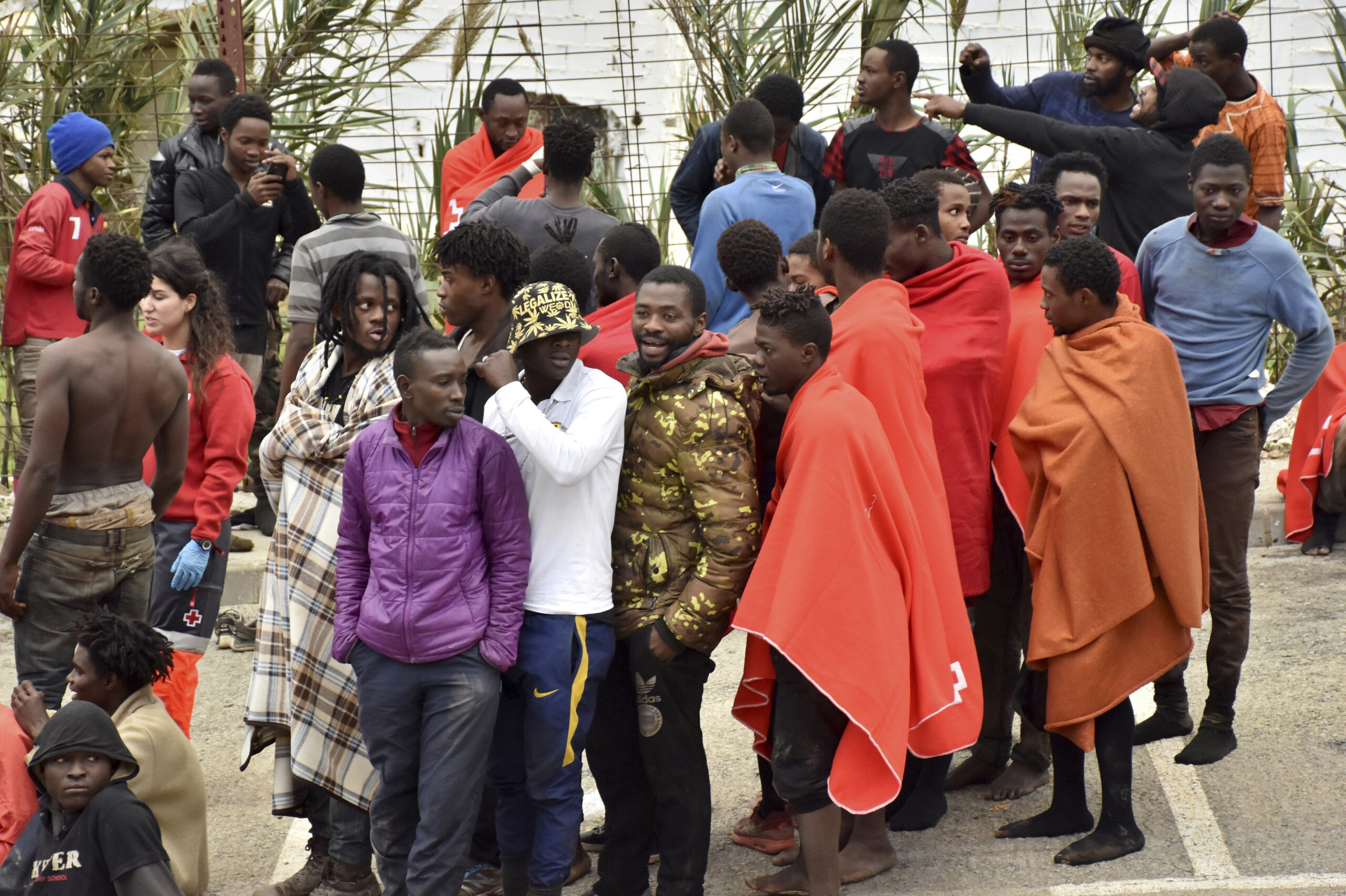
Morocco's Triple Role in the Euro-African Migration System
This essay discusses Morocco’s changing role within the Euro-African migration system — that of a source, transit, and final destination country. It briefly addresses the responsibilities and responses of Moroccan authorities in dealing with the phenomenon of irregular migration, in particular as it relates to Morocco’s role as a destination country.
The oldest peer-reviewed publication dedicated to the study of the modern Middle East, MEI’s flagship journal covers politics, society, and culture in the region.