Bonus Episode: Previewing Israel’s First Post-October 7 Election
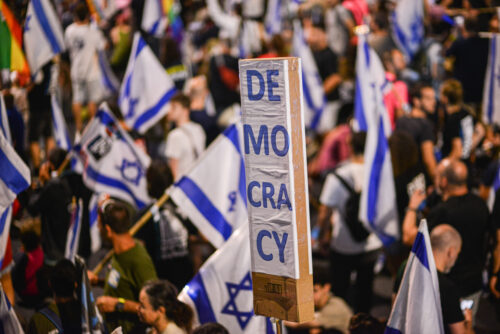
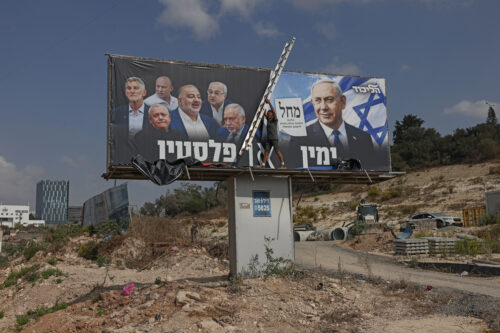
Israel is preparing to hold what may be its most consequential election in decades. On October 27, Prime Minister Benjamin Netanyahu will face his first electoral test since October 7, 2023. In this bonus episode of Middle East Focus, we present the audio from a recent MEI webinar, hosted in Israel on the eve of the vote. Senior Fellow Natan Sachs is joined by Dr. Shira Efron, Distinguished Chair for Israel Policy and senior fellow at the RAND Corporation, and Neri Zilber, veteran journalist and Financial Times correspondent. They explore what’s at stake in this historic election and how different outcomes could reshape Israel’s domestic politics and the wider region.
Israel Was Built on Hope. This Election May Be Our Last Chance to Save It
Israel’s national anthem, Hatikva, means “the hope.” Israel is not just another country, but the culmination of a 2,000-year-old dream of national redemption. The rebirth of the Jewish people’s ancestral homeland, just three years after the Holocaust, was a miraculous triumph of hope over all odds.
Today, that hope has been shattered and the elections on October 27 have become the most consequential in Israel’s history.
One striking thing about US President Donald Trump’s endorsement of Israeli Prime Minister Benjamin Netanyahu this past week is how isolated he was in making this call. The Israeli Prime Minister has become a widely detested figure worldwide following Israel’s war in Gaza—where Israel committed war crimes. This disdain was clearly on display in New York in September when dozens of diplomats streamed out of the hall during Netanyahu’s speech.
Since 1967, Israeli settlements in the West Bank have been a contested feature of the Israeli-Palestinian conflict. The ultimate disposition of the settlements and ongoing activity related to their growth have repeatedly defied agreement in negotiations over a resolution to the conflict.
The Houthis are a political-military faction and Zaydi religious movement founded in northwestern Yemen in the 1980s. A key member of Iran’s Axis of Resistance with links to other militant organizations in the Arabian Peninsula and the Horn of Africa, the group has continued to pose a threat to Western interests on a global scale.
The India-Middle East-Europe Economic Corridor (IMEC) is a proposed multinational infrastructure initiative aimed at upgrading connectivity between the three regions through integrated trade, energy, and digital networks. Announced at the G20 summit in New Delhi in September 2023, IMEC is envisioned partially as a counterweight to China’s international infrastructure project, the Belt and Road Initiative.
After a decade of post-Arab Spring isolation, Turkey’s leaders have recognized that their ambition to position the country as an agenda-setter on the world stage requires active engagement in all directions. President Recep Tayyip Erdoğan’s consolidation of executive authority has centralized foreign policy decision-making and tied it to his domestic political priorities, transforming the country’s revisionist approach to one shaped primarily by personal and pragmatic interests.
MEI Senior Fellow Brian Katulis engages friends, colleagues, and policy experts in casual conversations on the most important happenings in the Middle East.
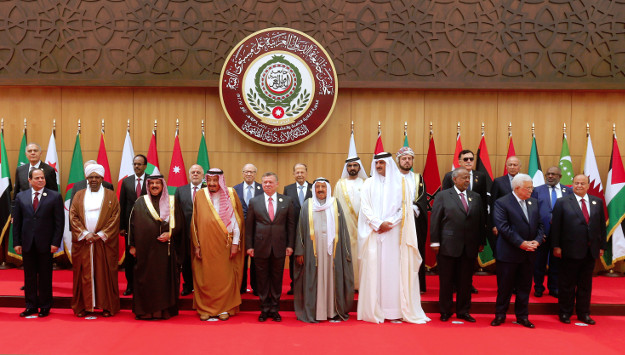
Iran Rejects Arab Leaders’ Call for Dialogue on Disputed Islands
Iran’s Foreign Ministry has rejected a request by Arab leaders to negotiate with the United Arab Emirates for a peaceful settlement to the three disputed islands of Greater Tunb, Lesser Tunb and Abu Musa.
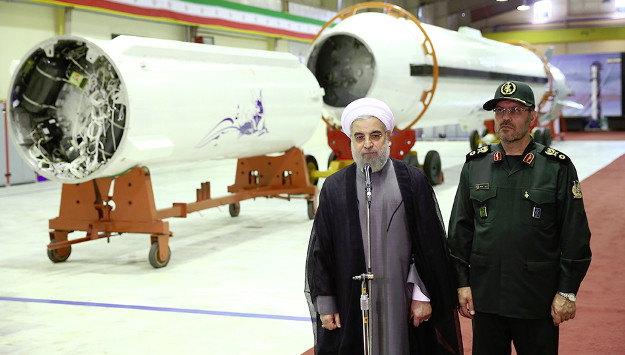
Iran’s Defense Minister Calls on U.S. Naval Forces to Leave Gulf Region
Iran’s Defense Minister Hossein Dehghan on Thursday depicted the U.S. naval forces in the Persian Gulf as armed intruders and called on Washington to leave the region. “What are the Americans doing in the Persian Gulf?
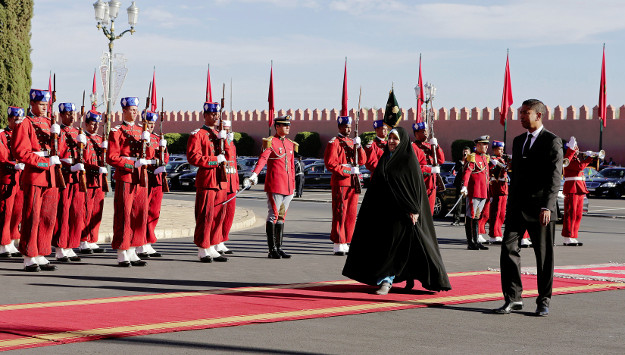
Moroccan Officials Accuse Iran of Spreading Shiism in the Sunni Kingdom
Moroccan officials have reportedly accused Iran of undermining sectarian harmony in the North African country. According to al-Quds al-Araby, Iran is pushing a “Shiite agenda” by recruiting thousands of young Moroccans in cities such as Hasima, which, according to the news outlet, has witnessed several anti-government protests in recent months.
Shiite Mobilization and the Transformation of Sectarian Militancy in Pakistan
Historically in Pakistan, Shiite militancy has remained reactive and selective. But with thousands of Pakistani Shiites being recruited and trained by Tehran, the landscape of sectarian militancy is likely to undergo a momentous transformation with a possibility of a head-on confrontation between militant fronts of the two opposing sects. This essay assesses the future impact of Shiite mobilization in Pakistan on the country and how it could transform the local sectarian conflict by fueling radicalization and increasing prospects for ISIS to penetrate and exploit local militant groups to its favor.
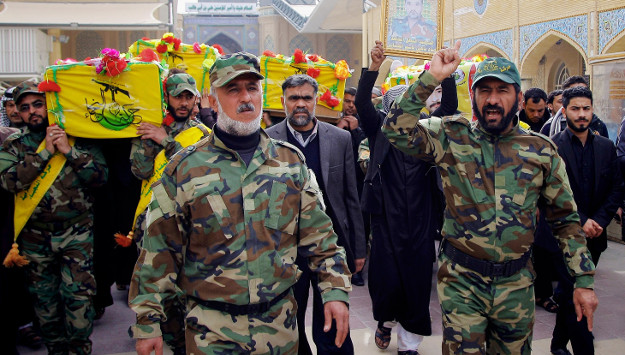
Iran-Backed Militia Group Calls for Collective Action to Reclaim Golan Heights, Destroy Israel
Over the past six years, Iran has played a key role in propping up the embattled regime of Bashar al-Assad in Syria, by sending Islamic Revolution Guards Corps (I.R.G.C.) military personnel as well as recruiting, funding, training and leading an extensive network of Iraqi, Lebanese, Pakistani and Afghan Shiite militia forces.
Authorities in Iran Intensify Crackdown on Christian Converts
The Appeals Court in Tehran has upheld a five-year jail term for Christian convert Ebrahim Firoozi for his alleged missionary activities in Iran, the Center for Human Right
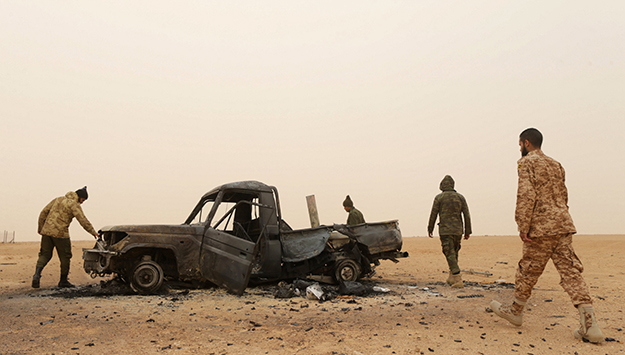
A common theme among many postcolonial countries in the Middle East is the difficulty of placing various religious and ethnic groups under the same state’s flag. Libya is different, as its people are overwhelmingly Sunni Arab. Nevertheless, tribal politics have instilled serious divisions in the country. The friction coalesces around two of the three primary regions of Libya, Cyrenaica in the east and Tripolitania in the west (the third historic province of Libya, Fezzan, is to the south of Tripolitania and tends to align its views with its northern neighbor).
Enhancing India-Oman Economic Engagement: Four Promising Initiatives
India’s interests and capabilities extend well beyond the sub-continent. This essay is part of a series that explores the geopolitical dimensions, economic ties, transnational networks, and other aspects of India’s links with the Middle East (West Asia) — a region that plays a vital role in India’s economy and its future. More ...
With ISIS Losing Ground in Mosul, Iran-Backed Militias Turn Attention to Iraqi Rivals
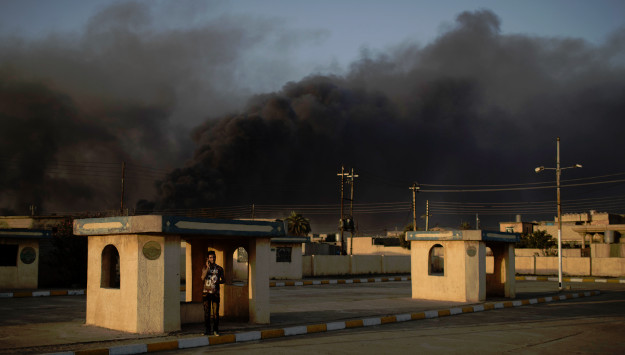
A prominent Iran-backed Iraqi militia commander has warned peshmerga forces loyal to the Kurdish Regional Government (KRG) to withdraw from the northern Iraqi town of Sinjar and stressed that the Popular Mobilization Forces (PMF) will not allow any parts of Nineveh Province to be incorporated into the Iraqi
Kayhan Editor: U.S. and Allies Trying to Weaken Iran's Regime by Empowering "Moderates"
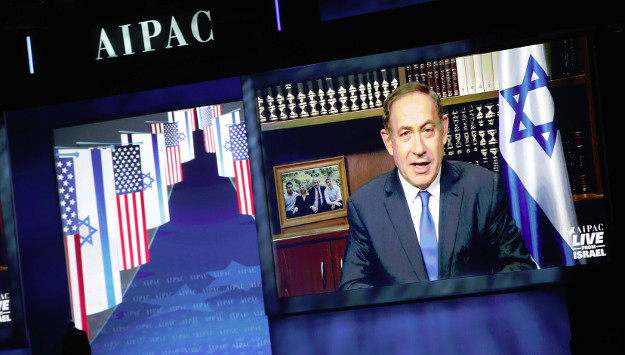
Hossein Shariatmadari, the editor-in-chief of hardline Kayhan newspaper, claims that an assessment of speeches by U.S. politicians at the annual policy conference of the American Israel Public Affairs Committee (AIPAC) this week shows America and its allies are afraid of the Islamic Republic’s power.
Renewal U.N. Special Rights Rapporteur’s Mandate Unnerves Iran’s Judiciary Chief
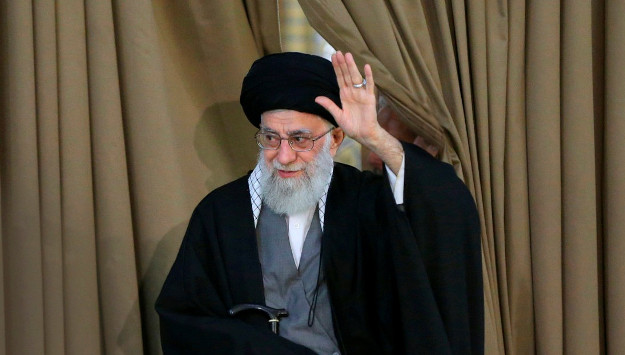
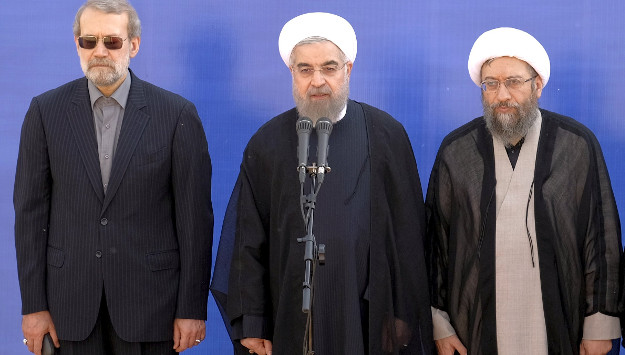
Iran’s Judiciary Chief Ayatollah Sadeqh Larijani has criticized the U.N. Human Rights Council for renewing the mandate of the Special Rapporteur on the human rights situation in Iran for another year. “Unfortunately, the United Nations’ human rights bodies have become a tool to pressure independent states,” Larijani said in a meeting with high-ranking judiciary officials in Tehran.
The oldest peer-reviewed publication dedicated to the study of the modern Middle East, MEI’s flagship journal covers politics, society, and culture in the region.