تمت ترجمة هذا النص بواسطة الذكاء الاصطناعي وقد يحتوي على أخطاء.
تخطي إلى المحتوى

الأبحاث والتعليقات

اقرأ الأبحاث والتحليلات والتعليقات المتعمقة من زملاء وخبراء معهد الشرق الأوسط عن الشرق الأوسط. 

Trump’s South Caucasus Peacemaking Is His Most Successful, but It Remains Unfinished
  • تعليق
  • Trump’s South Caucasus Peacemaking Is His Most Successful, but It Remains Unfinished

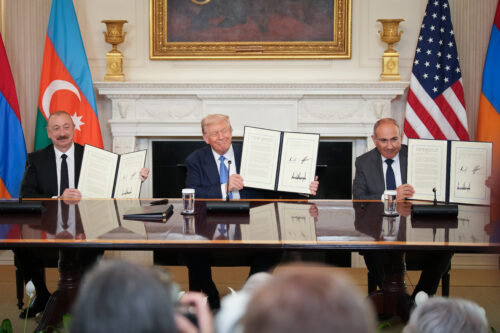
    Of all the fronts in President Trump’s peacemaking agenda, the South Caucasus has delivered the most concrete results. The August 2025 Washington Declaration, signed between Armenia and Azerbaijan and witnessed by Trump, marked an important step toward peace in the region. The two sides initialed a peace agreement and advanced plans to unblock regional connectivity, including through the establishment of the Trump Route for International Peace and Prosperity (TRIPP), which would connect Azerbaijan to its Nakhijevan exclave through southern Armenia. Implementation of TRIPP has since made notable progress, but construction has yet to start. A breakthrough on those two tracks would, in turn, unlock Armenia–Türkiye normalization, transforming a long-fractured region into an area of trade and interdependence.
    The Iran War Was Always About Regime Change
  • تعليق
  • The Iran War Was Always About Regime Change

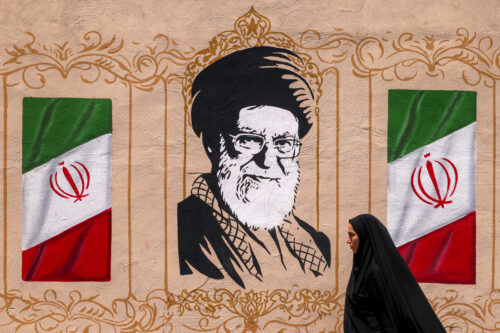
    Wars don’t just end. They get interpreted, reinterpreted, and turned into strategic doctrine. That is what happened after the Iran-Iraq War of the 1980s, a conflict that saw the United States back Tehran’s Iraqi adversaries. The war taught Tehran three lessons it never unlearned: that Washington wants the Islamic Republic gone, that Iran stands essentially alone in the world, and that it cannot survive a direct, overt fight with the U.S. and Israel.

    Iran’s New War Cabinet Is Really an Old One
  • التحليل
  • Iran’s New War Cabinet Is Really an Old One

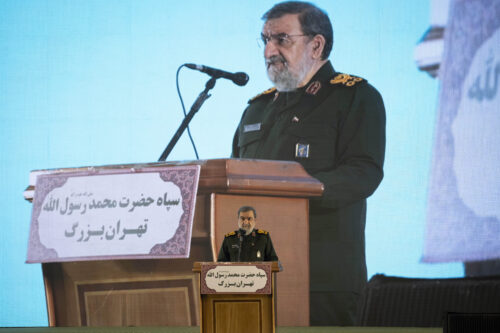
    Within 48 hours this week, Iran filled six of the most important posts in its battered military and security establishment. Read together with the biographies and mandates behind them, the appointments show how Tehran is drawing lessons from successive wars and preparing for a prolonged period of insecurity, without proving it has abandoned negotiation.

    Additional Research & Commentary

    معلومات أساسية

    Israeli Settlements in the West Bank
  • معلومات أساسية
  • Israeli Settlements in the West Bank

    Since 1967, Israeli settlements in the West Bank have been a contested feature of the Israeli-Palestinian conflict. The ultimate disposition of the settlements and ongoing activity related to their growth have repeatedly defied agreement in negotiations over a resolution to the conflict.

    June 9, 2026

    The Houthis
  • معلومات أساسية
  • The Houthis

    The Houthis are a political-military faction and Zaydi religious movement founded in northwestern Yemen in the 1980s. A key member of Iran’s Axis of Resistance with links to other militant organizations in the Arabian Peninsula and the Horn of Africa, the group has continued to pose a threat to Western interests on a global scale.

    May 15, 2026

    The India-Middle East-Europe Economic Corridor
  • معلومات أساسية
  • The India-Middle East-Europe Economic Corridor

    The India-Middle East-Europe Economic Corridor (IMEC) is a proposed multinational infrastructure initiative aimed at upgrading connectivity between the three regions through integrated trade, energy, and digital networks. Announced at the G20 summit in New Delhi in September 2023, IMEC is envisioned partially as a counterweight to China’s international infrastructure project, the Belt and Road Initiative.

    June 3, 2026

    Turkish Foreign Policy
  • معلومات أساسية
  • Turkish Foreign Policy

    After a decade of post-Arab Spring isolation, Turkey’s leaders have recognized that their ambition to position the country as an agenda-setter on the world stage requires active engagement in all directions. President Recep Tayyip Erdoğan’s consolidation of executive authority has centralized foreign policy decision-making and tied it to his domestic political priorities, transforming the country’s revisionist approach to one shaped primarily by personal and pragmatic interests.

    April 23, 2026

    المدونات الصوتية

    التركيز على الشرق الأوسط

    البودكاست الأسبوعي الرائد لمعهد الشرق الأوسط حول السياسة الخارجية الأمريكية والقضايا السياسية والاجتماعية المعاصرة في الشرق الأوسط.

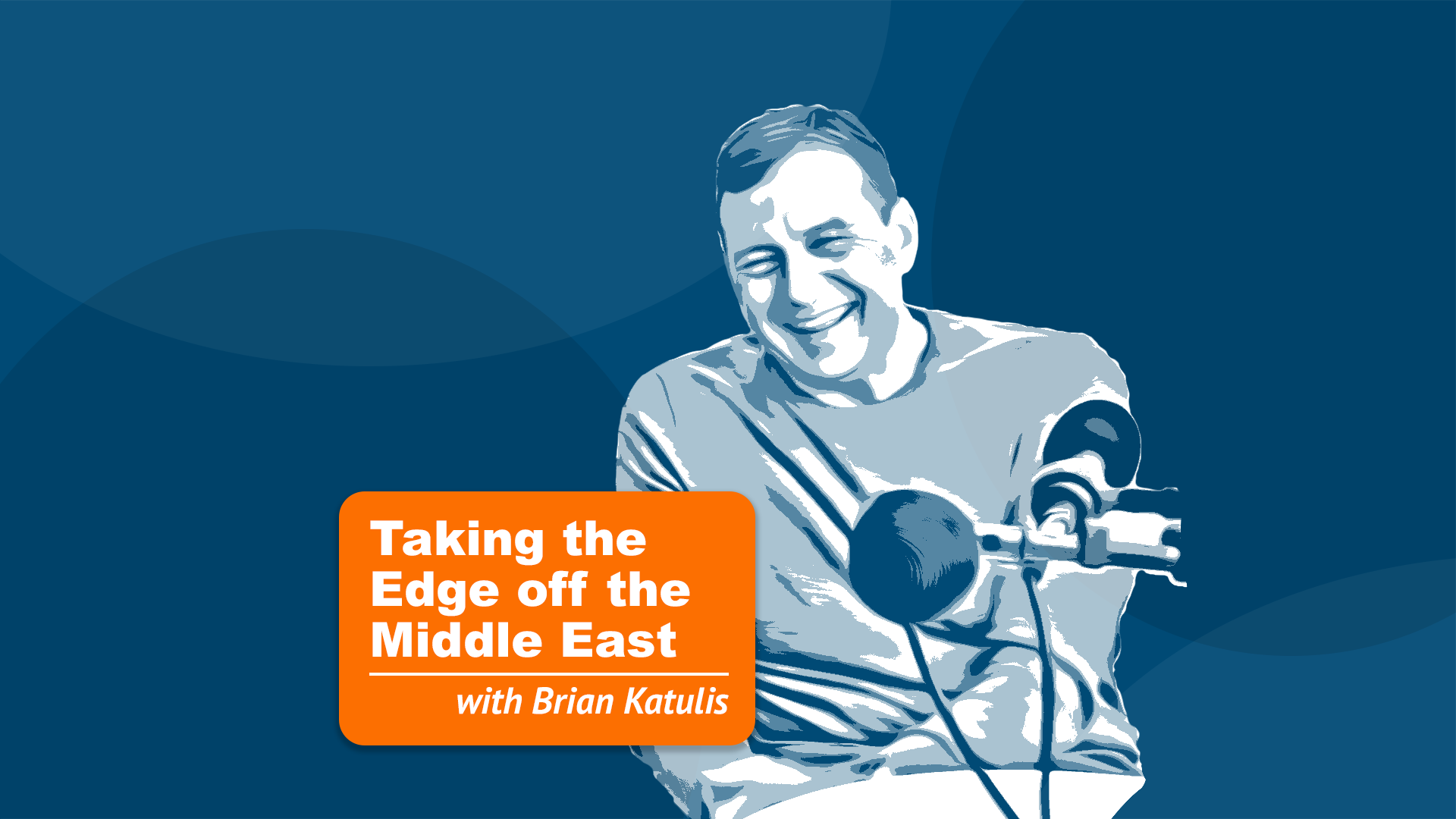
    إزالة الحافة من الشرق الأوسط

    براين كاتوليس، زميل أول في معهد الشرق الأوسط كاتوليس يشارك الأصدقاء والزملاء وخبراء السياسة في محادثات غير رسمية حول أهم الأحداث في الشرق الأوسط. 

    إعادة التفكير في الديمقراطية

    زميل أول في معهد الشرق الأوسط غونول تول تستضيف كبار العلماء وقادة الفكر حول اتجاهات الديمقراطية العالمية وحالة النظام الدولي الليبرالي. 

    تصفية حسب
    8783 Results
    Russia’s Military Campaign in Syria Contradicts Push for Geneva Compromise
  • التحليل
  • Russia’s Military Campaign in Syria Contradicts Push for Geneva Compromise

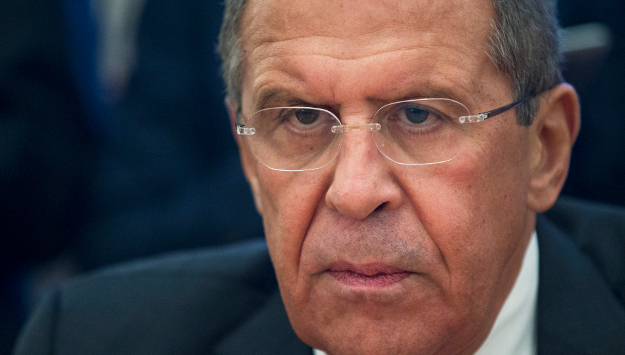
    On the eve of the third round of Syrian peace talks, it is becoming clear that the political track is far removed from the military trajectories on the ground. While diplomats scurry to draw up agendas for Geneva III, and opposition delegates argue over representation, the war in Syria continues on its own course seemingly oblivious to the murmurs around it.

    January 28, 2016

    Myanmar: The Transition from Social Control to Social Contract
    معهد الشرق الأوسط
  • التحليل
  • Myanmar: The Transition from Social Control to Social Contract

    This essay explores the complexity of the change process to civilianize Myanmar. It demonstrates that the new Myanmar leadership’s intent to enter into a social contract with its citizens requires an analysis of the mechanisms of social control, which is the evolution of the means of power rather than its nature. The essay shows how the model of totalitarian normality has functioned in practice in Myanmar for over five decades marked by ongoing ethnic conflicts, sectarian violence and ruthless repression of civil society.

    January 28, 2016

    Gulf Decisionmakers' Perceptions of Security Ties with China
    معهد الشرق الأوسط
  • التحليل
  • Gulf Decisionmakers' Perceptions of Security Ties with China

    The essays featured here are the products of a workshop series analyzing China’s position in the context of Gulf security, organized by the Department of International Affairs and the Center for Humanities and Social Sciences of Qatar University under the direction of Dr. Imad Mansour.  

    January 28, 2016

    Iran’s Renewable Energy Potential
  • التحليل
  • Iran’s Renewable Energy Potential

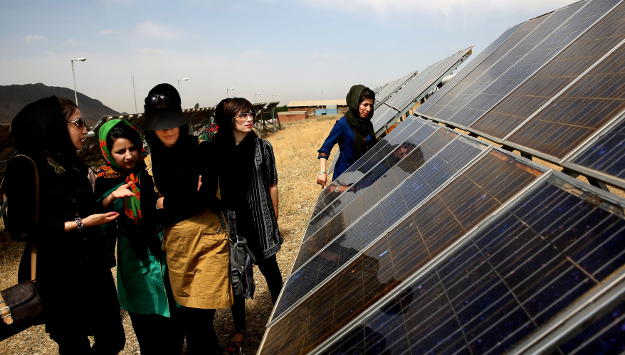
    Boasting the fourth largest oil reserve and the second largest supply of natural gas in the world, Iran is a global hydrocarbons behemoth. Nevertheless, Iranian policymakers have shown great interest in renewable energy (R.E.) sources to improve energy security, reduce internal dependence on hydrocarbons, and meet its projected growth in electricity demand. The fulfillment of these objectives is not only realistic and desirable, but also probable for the Iranian government as it has an advantageous topography for renewables.

    January 26, 2016

    The Rise and Growth of Hezbollah and the Militarization of the Sunni-Shiite Divide in Lebanon
    معهد الشرق الأوسط
  • التحليل
  • The Rise and Growth of Hezbollah and the Militarization of the Sunni-Shiite Divide in Lebanon

    This essay tracks the origins of the Sunni-Shiite divide which, in the case of Lebanon, lay dormant until the creation of its modern day political structure. It argues that the country’s sectarian tensions mounted as a result of the installation of an Islamic republic in Iran, and the establishment of Hezbollah as an instrument in the pursuit of leading power status in the Middle East.

    January 26, 2016

    Libyan Unity Government Efforts Need International Support
  • التحليل
  • Libyan Unity Government Efforts Need International Support

    The international community is getting ready to put major assets behind Libyan efforts to restore their country’s official unity under a Government of National Accord (GNA). During recent weeks, statements from the United Nations, major European governments and the United States suggest that planning and coordination are underway to shore up the unity government.  Key Arab governments are also showing awareness that their own national security is under threat due to the prolonged stalemate in Libyan politics.

    January 25, 2016

    The State and Security in Asia
    معهد الشرق الأوسط
  • التحليل
  • The State and Security in Asia

    While there are a surprisingly large number of regionally-based political initiatives of one sort or another, some with a specific mandate to address security issues, East Asia’s potential to act collectively is a function of the countries that compose it. The willingness of the members to act in concert is constrained by some very specific, historically contingent factors that continue to cast a long shadow over contemporary events. Trying to make sense of why it has proved so difficult to resolve or even talk about some of the region’s most enduring security problems involves looking at the general trajectory of historical development that has made East Asia a region like no other.

    January 21, 2016

    Sectarian Divide and Rule in Bahrain: A Self-Fulfilling Prophecy?
    معهد الشرق الأوسط
  • التحليل
  • Sectarian Divide and Rule in Bahrain: A Self-Fulfilling Prophecy?

    This essay reveals how decades of sectarian government policy, including divide and rule tactics and discrimination against Bahraini Shiʿa in the workforce and provision of government services, have strengthened sectarian affiliations at the expense of the more inclusive narrative of Bahraini nationalism.

    January 19, 2016

    Shoot Film, Not Bullets: Yemenis Turn to Art to Cope with Conflict
  • التحليل
  • Shoot Film, Not Bullets: Yemenis Turn to Art to Cope with Conflict

    Yemen’s war is a forgotten catastrophe. Peter Maurer, the president of the International Committee of the Red Cross, stated in August: “Yemen after five months looks like Syria after five years.” All too commonly, civilians are bearing the brunt of the violence in Yemen. According to the United Nations, more than 2,700 people have been killed and more than 5,000 wounded. Schools, hospitals, and roads have been destroyed by the Saudi-led air campaign.

    January 15, 2016

    Saudi Tensions Boost Iran’s Hardliners
  • التحليل
  • Saudi Tensions Boost Iran’s Hardliners

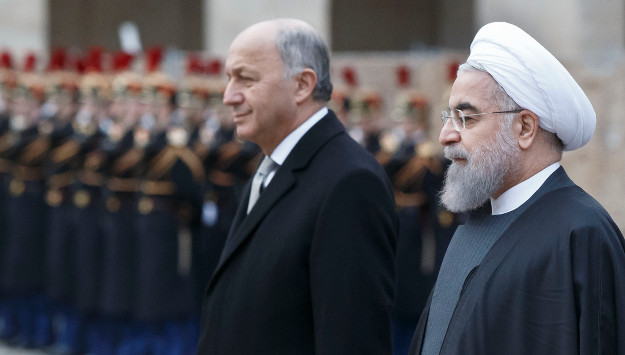
    Saudi Arabia’s execution of prominent Shi’a cleric, Sheikh Nimr al-Nimr, is a gift in disguise to Iran’s hardliners seeking to undermine President Hassan Rouhani’s administration, and rally support ahead of key elections in February.

    Although Saudi officials have insisted Iran is interfering in its internal affairs with its vociferous condemnation of the execution, Iranians, particularly the hardliners, saw the act as a direct provocation.

    اقرأ مجلة الشرق الأوسط

    تُعد المجلة الرئيسية لمعهد الشرق الأوسط أقدم مطبوعة محكّمة مكرّسة لدراسة الشرق الأوسط الحديث، وتغطي المجلة الرئيسية في المعهد السياسة والمجتمع والثقافة في المنطقة.