تمت ترجمة هذا النص بواسطة الذكاء الاصطناعي وقد يحتوي على أخطاء.
تخطي إلى المحتوى

الأبحاث والتعليقات

اقرأ الأبحاث والتحليلات والتعليقات المتعمقة من زملاء وخبراء معهد الشرق الأوسط عن الشرق الأوسط. 

Trump’s Family Business Deals Risk Further Undermining the Credibility of US Middle East Policy
  • التحليل
  • Trump’s Family Business Deals Risk Further Undermining the Credibility of US Middle East Policy

    President Trump’s family businesses are once again in the spotlight as a new financial disclosure showed they earned $2 billion in income in 2025 — a dramatic increase on the year before, with much of it coming from Gulf entities, raising emoluments concerns. Mounting perceptions of corruption, combined with unresolved crises in Iran and Israel-Palestine, are eroding trust among key partners in the Middle East. With the 2026 midterms approaching, these entanglements could represent a major political vulnerability and further undermine America’s already-strained standing in the region.

    Do the Gulf States Need a New Playbook?
  • Podcast
  • Do the Gulf States Need a New Playbook?

    After the US-Israel-Iran war — and the strikes that followed the cease-fire — the Gulf states find themselves dangerously exposed. Host Alistair Taylor is joined by MEI Associate Fellow Gregory Gause to discuss the war’s impact on the Gulf, their partnership with the United States, and whether the turmoil of recent months will push Gulf leaders to reassess their alliances and international engagement.

    July 2, 2026

    Additional Research & Commentary

    معلومات أساسية

    The Houthis
  • معلومات أساسية
  • The Houthis

    The Houthis are a political-military faction and Zaydi religious movement founded in northwestern Yemen in the 1980s. A key member of Iran’s Axis of Resistance with links to other militant organizations in the Arabian Peninsula and the Horn of Africa, the group has continued to pose a threat to Western interests on a global scale.

    May 15, 2026

    The Abraham Accords
    الصورة من تصوير أليكس وونغ/Getty Images
  • معلومات أساسية
  • The Abraham Accords

    تقدم هذه الوثيقة المعلوماتية لمحة عامة عن كيفية التوصل إلى اتفاقيات أبراهام، والمصالح الأمريكية المعنية، وعواقبها الاقتصادية والاستراتيجية، وآفاق التوسع في المستقبل.

    17 نوفمبر 2025

    Turkish Foreign Policy
  • معلومات أساسية
  • Turkish Foreign Policy

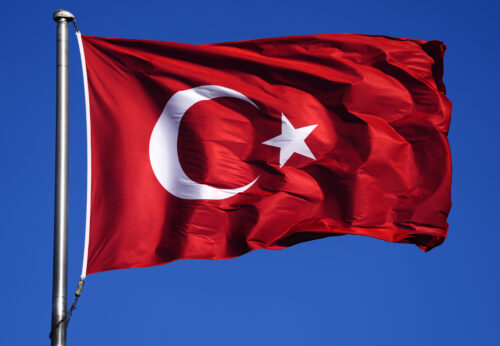
    After a decade of post-Arab Spring isolation, Turkey’s leaders have recognized that their ambition to position the country as an agenda-setter on the world stage requires active engagement in all directions. President Recep Tayyip Erdoğan’s consolidation of executive authority has centralized foreign policy decision-making and tied it to his domestic political priorities, transforming the country’s revisionist approach to one shaped primarily by personal and pragmatic interests.

    April 23, 2026

    الصحراء الغربية: لماذا لا يزال الصراع مهمًا
  • Video
  • الصحراء الغربية: لماذا لا يزال الصراع مهمًا

    مع دخول نزاع الصحراء الغربية عقده الخامس، لا يزال النزاع الإقليمي دون حل وغير معروف إلى حد كبير. تحلل إنتصار فقير من معهد الشرق الأوسط (MEI) التاريخ المعقد للصحراء الغربية والمطالبات المتنافسة من قبل المغرب والجمهورية العربية الصحراوية الديمقراطية. وتبحث في التطورات الأخيرة، مثل اعتراف الرئيس ترامب بسيادة المغرب على الإقليم وانهيار وقف إطلاق النار الذي دام 30 عامًا، بالإضافة إلى الأسئلة الجوهرية التي لا تزال دون إجابة بعد نصف قرن.

    7 أغسطس 2025

    المدونات الصوتية

    التركيز على الشرق الأوسط

    البودكاست الأسبوعي الرائد لمعهد الشرق الأوسط حول السياسة الخارجية الأمريكية والقضايا السياسية والاجتماعية المعاصرة في الشرق الأوسط.

    إزالة الحافة من الشرق الأوسط

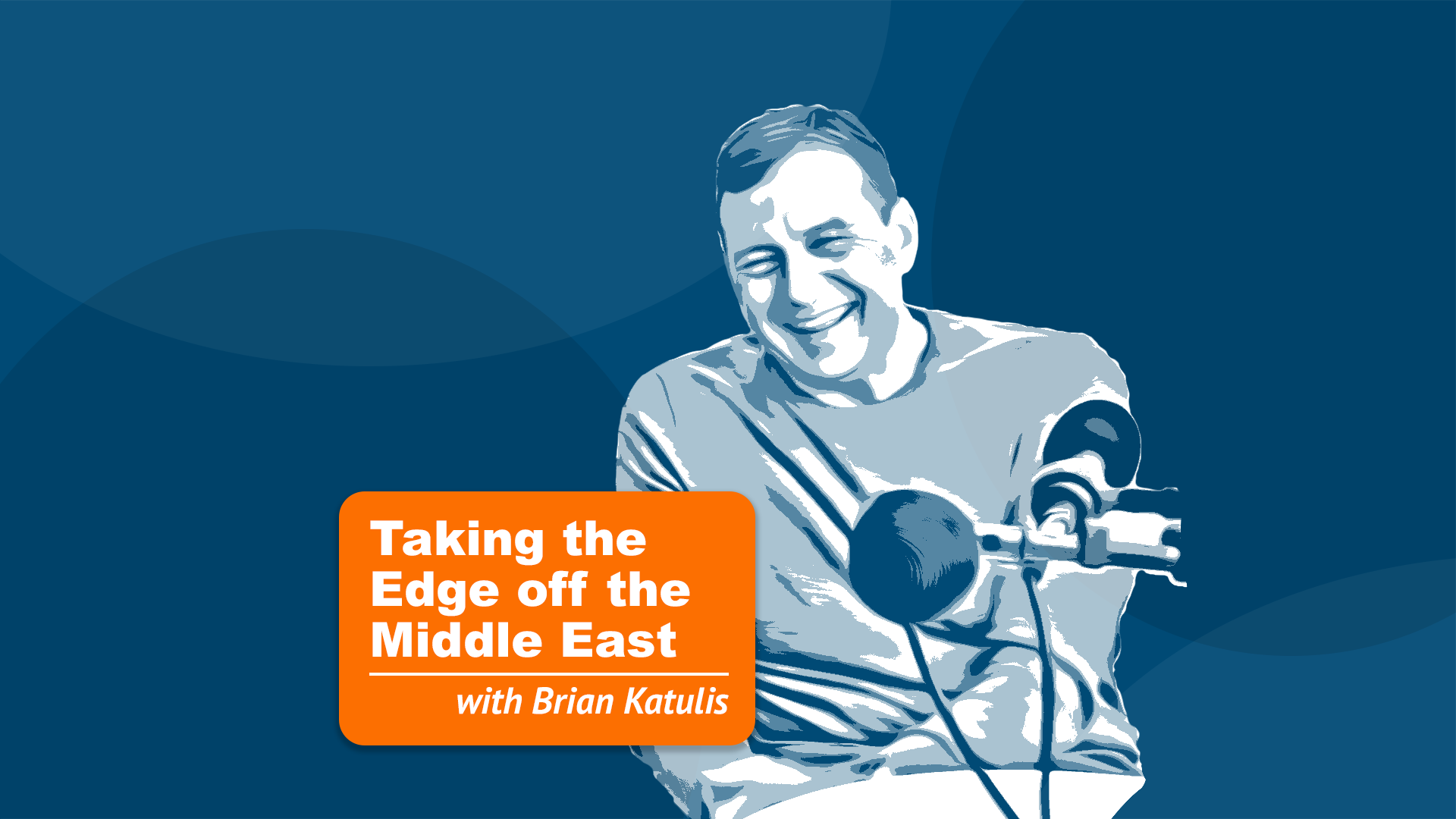
    براين كاتوليس، زميل أول في معهد الشرق الأوسط كاتوليس يشارك الأصدقاء والزملاء وخبراء السياسة في محادثات غير رسمية حول أهم الأحداث في الشرق الأوسط. 

    إعادة التفكير في الديمقراطية

    زميل أول في معهد الشرق الأوسط غونول تول تستضيف كبار العلماء وقادة الفكر حول اتجاهات الديمقراطية العالمية وحالة النظام الدولي الليبرالي. 

    تصفية حسب
    8748 Results
    Congress Must Step Up on Libya
    معهد الشرق الأوسط
  • التحليل
  • Congress Must Step Up on Libya

    The greatest threat to U.S. national security is Congress’s abdication of its constitutional responsibilities. Nothing could make this point more clear than the current discussion of whether Washington should bear the lion’s share of the costs and risks of a no-fly zone over Libya.

    March 16, 2011

    A Two State Peace: Defining the Border
    معهد الشرق الأوسط
  • Podcast
  • A Two State Peace: Defining the Border

    The Obama administration's efforts to win a settlement freeze as a confidence-building measure have failed, and the U.S.has not presented a new vision for resuming the moribund peace process. Nevertheless, many analysts now recommend shifting the diplomatic focus to negotiations to define the border between Israel and the future state of Palestine. Resolving the border would address the issues of settlements and Jerusalem as well as potential land swaps between the two states.

    March 11, 2011

    Egyptians Want Freedom, Not an Islamic Republic
    معهد الشرق الأوسط
  • التحليل
  • Egyptians Want Freedom, Not an Islamic Republic

    When Egyptians, fed up with corruption, dictatorship, and lousy government, pushed President Hosni Mubarak out the door, some worried whether the burst of enthusiasm for free, open elections and democracy would be squelched by Islamist groups like Egypt’s Muslim Brotherhood. History teaches that the real question isn’t who starts revolution, but who wins it. What begins as a quest for democracy can produce a new dictatorship.

    Popular Revolt in Yemen: Implications for Democracy and US Foreign Policy
    معهد الشرق الأوسط
  • Podcast
  • Popular Revolt in Yemen: Implications for Democracy and US Foreign Policy

    The Middle East Institute is proud to host Janet Sanderson, Christopher Boucek and Charles Schmitz for a discussion about the challenges facing Yemeni President Abullah Ali Saleh as he confronts a third month of anti-government protests and growing calls for secession from southern separatists. Sanderson will examine US policy toward the Saleh government in the face of demands for reform, while Schmitz will examine the respective players in Yemen's protest movement and the government's response to their demands.

    March 10, 2011

    Popular Revolt in Yemen: Implications for Democracy and US Foreign Policy
    معهد الشرق الأوسط
  • Video
  • Popular Revolt in Yemen: Implications for Democracy and US Foreign Policy

    The Middle East Institute is proud to host Janet Sanderson, Christopher Boucek and Charles Schmitz for a discussion about the challenges facing Yemeni President Abullah Ali Saleh as he confronts a third month of anti-government protests and growing calls for secession from southern separatists. Sanderson will examine US policy toward the Saleh government in the face of demands for reform, while Schmitz will examine the respective players in Yemen's protest movement and the government's response to their demands.

    March 10, 2011

    Protracted Mass Displacement in Afghanistan and Iraq
    معهد الشرق الأوسط
  • Video
  • Protracted Mass Displacement in Afghanistan and Iraq

    The Middle East Institute, in partnership with the Fondation Pour le Recherche Strategique, is proud to host Dr. Susanne Schmeidl and Dr. Geraldine Chatelard for a discussion of situations of protracted mass displacement in Afghanistan and Iraq. Funded by the European Commission, the project aims to generate policy recommendations that will strengthen transatlantic cooperation to respond to the refugee crises in the above-mentioned countries. The event will feature the findings of the two project team leaders, based on more than two dozen field-research papers.

    March 1, 2011

    Protracted Mass Displacement in Afghanistan and Iraq, An EU-sponsored Project
    معهد الشرق الأوسط
  • Podcast
  • Protracted Mass Displacement in Afghanistan and Iraq, An EU-sponsored Project

    The Middle East Institute, in partnership with the Fondation Pour le Recherche Strategique, is proud to host Dr. Susanne Schmeidl and Dr. Geraldine Chatelard for a discussion situations of protracted mass displacement in Afghanistan and Iraq. Funded by the European Commission, the project aims to generate policy recommendations that will strengthen transatlantic cooperation to respond to the refugee crises in the above-mentioned countries. The event will feature the findings of the two project team leaders, based on more than two dozen field-research papers.

    March 1, 2011

    Israel After Egypt: Opportunities and Challenges for Peace
    معهد الشرق الأوسط
  • Podcast
  • Israel After Egypt: Opportunities and Challenges for Peace

    The Middle East Institute is proud to host the Honorable Robert Wexler and Dr. Yoram Peri for a discussion about the challenges facing Israel and the Middle East peace process in the wake of the resignation of Egyptian president Hosni Mubarak. Some in Israel, including former Israeli Prime Minister Ehud Olmert, argue that current events in the region make it imperative that Israel move quickly to secure a peace treaty with the Palestinians. Others insist Israel proceed with caution, given the increased instability in the region.

    February 23, 2011

    After the People's Revolution: An Examination of the Egyptian Military
    معهد الشرق الأوسط
  • Podcast
  • After the People's Revolution: An Examination of the Egyptian Military

    The Middle East Institute is proud to host Dr. Graeme Bannerman and Col. Joseph Engelhardt for an in-depth look at the Egyptian military and its anticipated role in the wake of the resignation of Egyptian President Hosni Mubarak. Bannerman and Engelhardt have had extensive interaction with members of the Egyptian military over the past thirty years.

    February 18, 2011

    Covering Egypt, Covering Islam: What the Media Get Wrong (and Occasionally Right)
    معهد الشرق الأوسط
  • Video
  • Covering Egypt, Covering Islam: What the Media Get Wrong (and Occasionally Right)

    Drawing on over thirty years' experience covering Middle Eastern and Islamic issues, mostly for the BBC, Roger Hardy argues that the media have all too often shown a chronic lack of understanding of Islam and Muslim societies – and by distorting or sensationalizing Muslim issues have made it harder to combat extremism and win the 'war of ideas.' As Arab and Muslim protesters take to the streets of Cairo and the Arab world, Hardy examines if coverage and understanding of the Muslim world has deepened or improved.

    February 17, 2011

    Covering Egypt, Covering Islam: What the Media Get Wrong (and Occasionally Right)
    معهد الشرق الأوسط
  • Podcast
  • Covering Egypt, Covering Islam: What the Media Get Wrong (and Occasionally Right)

    Drawing on over thirty years' experience covering Middle Eastern and Islamic issues, mostly for the BBC, Roger Hardy argues that the media have all too often shown a chronic lack of understanding of Islam and Muslim societies – and by distorting or sensationalizing Muslim issues have made it harder to combat extremism and win the 'war of ideas.' As Arab and Muslim protesters take to the streets of Cairo and the Arab world, Hardy examines if coverage and understanding of the Muslim world has deepened or improved.

    February 17, 2011

    Kuwait at Fifty
    معهد الشرق الأوسط
  • التحليل
  • Kuwait at Fifty

    *This Policy Insight first appeared as a feature article in the Majalla on February 9, 2011.

    Half a century after independence and two decades since the liberation from Iraqi occupation, Kuwait’s bitter experience with pan-Arabism and ongoing regional power plays have affected its growth. However, since the downfall of Saddam Hussein in 2003, and thanks to robust oil revenues, Kuwait has witnessed an unprecedented boom, albeit amidst raging internal disputes over the need for reform and the future direction of the country.

    Betrayal

    After Mubarak: What Do the Egyptian People Really Want?
    معهد الشرق الأوسط
  • Video
  • After Mubarak: What Do the Egyptian People Really Want?

    The Middle East Institute is proud to host Steven Kull and Shibley Telhami for an examination of Egyptian views and attitudes towards governance and their future. As Egyptian demonstrators celebrate the resignation of President Hosni Mubarak, many wonder what kind of system the Egyptian people really want. How do they view the Muslim Brotherhood? If Egypt were to become more democratic what are we likely to see in terms of its relation with the US, Israel and other countries in the region?

    February 16, 2011

    After Mubarak:What do the Egyptian People Really Want?
    معهد الشرق الأوسط
  • Podcast
  • After Mubarak:What do the Egyptian People Really Want?

    The Middle East Institute is proud to host Steven Kull and Shibley Telhami for an examination of Egyptian views and attitudes towards governance and their future. As Egyptian demonstrators celebrate the resignation of President Hosni Mubarak, many wonder what kind of system the Egyptian people really want. How do they view the Muslim Brotherhood? If Egypt were to become more democratic what are we likely to see in terms of its relation with the US, Israel and other countries in the region?

    February 16, 2011

    اقرأ مجلة الشرق الأوسط

    تُعد المجلة الرئيسية لمعهد الشرق الأوسط أقدم مطبوعة محكّمة مكرّسة لدراسة الشرق الأوسط الحديث، وتغطي المجلة الرئيسية في المعهد السياسة والمجتمع والثقافة في المنطقة.