MINURSO’s Future: What the Security Council’s Choice May Reveal
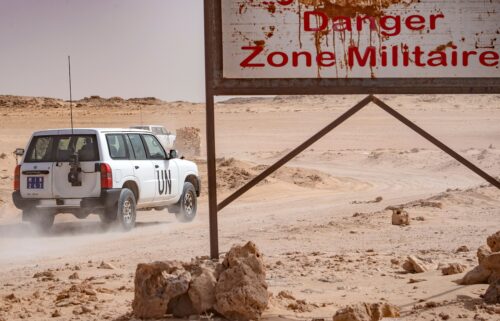
As the United Nations Security Council (UNSC) approaches the October 31 renewal deadline of the UN Monitoring Mission in Western Sahara (MINURSO), the mission’s longer-term future remains uncertain. Another largely unchanged renewal remains a likely immediate outcome. But beyond that holding pattern, three possible scenarios are also on the table.
How Lebanon can be Trump’s first success in a troubled region
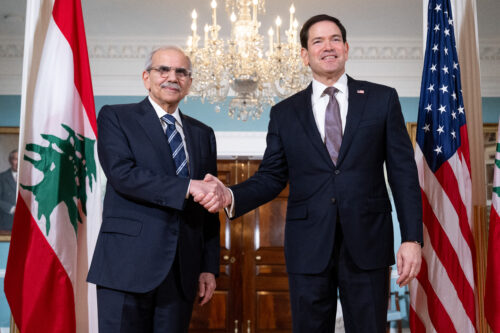
The Trump administration has done more than any of its predecessors to restore sovereignty for a much traumatized nation, Lebanon. The Israel Defense Forces’ operations in 2024 against Hezbollah decimated that organization, long the “A Team” in global terror.
Kim Ghattas on a Murder That Explains the Middle East
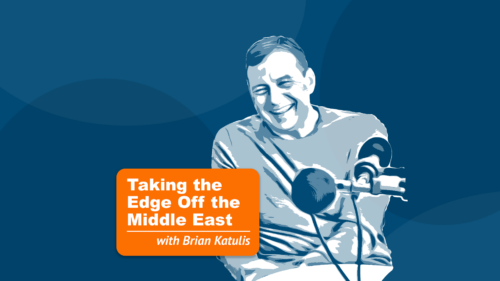
Brian sits down with author and Emmy Award-winning journalist Kim Ghattas to talk about her new book, The Best Kind of American, which tells the story of the 1984 assassination of Malcolm Kerr, then president of the American University of Beirut. They discuss her inspiration for the project, what Kerr’s murder revealed about the Middle East at the time, and why his story still resonates four decades later.
Since 1967, Israeli settlements in the West Bank have been a contested feature of the Israeli-Palestinian conflict. The ultimate disposition of the settlements and ongoing activity related to their growth have repeatedly defied agreement in negotiations over a resolution to the conflict.
The Houthis are a political-military faction and Zaydi religious movement founded in northwestern Yemen in the 1980s. A key member of Iran’s Axis of Resistance with links to other militant organizations in the Arabian Peninsula and the Horn of Africa, the group has continued to pose a threat to Western interests on a global scale.
The India-Middle East-Europe Economic Corridor (IMEC) is a proposed multinational infrastructure initiative aimed at upgrading connectivity between the three regions through integrated trade, energy, and digital networks. Announced at the G20 summit in New Delhi in September 2023, IMEC is envisioned partially as a counterweight to China’s international infrastructure project, the Belt and Road Initiative.
After a decade of post-Arab Spring isolation, Turkey’s leaders have recognized that their ambition to position the country as an agenda-setter on the world stage requires active engagement in all directions. President Recep Tayyip Erdoğan’s consolidation of executive authority has centralized foreign policy decision-making and tied it to his domestic political priorities, transforming the country’s revisionist approach to one shaped primarily by personal and pragmatic interests.
MEI Senior Fellow Brian Katulis engages friends, colleagues, and policy experts in casual conversations on the most important happenings in the Middle East.
US response to Tower 22 attack in Jordan: Less intense, more restrained than anticipated
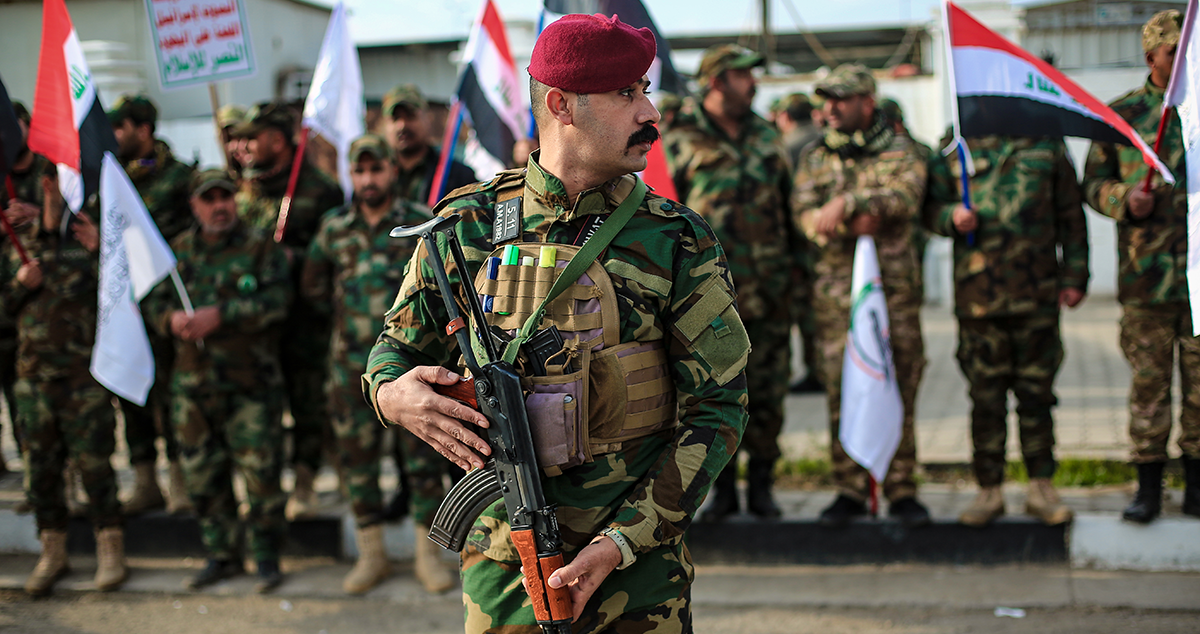
On the evening of Saturday, Feb. 3, local time, US warplanes bombed facilities used by Iranian forces and Iran-backed militias in Syria and Iraq, in retaliation for the death of 3 US service members in a Jan. 28 drone attack on Tower 22, a US military base in northeastern Jordan on the Syrian border. The airstrikes primarily targeted locations in eastern Syria and western Iraq.
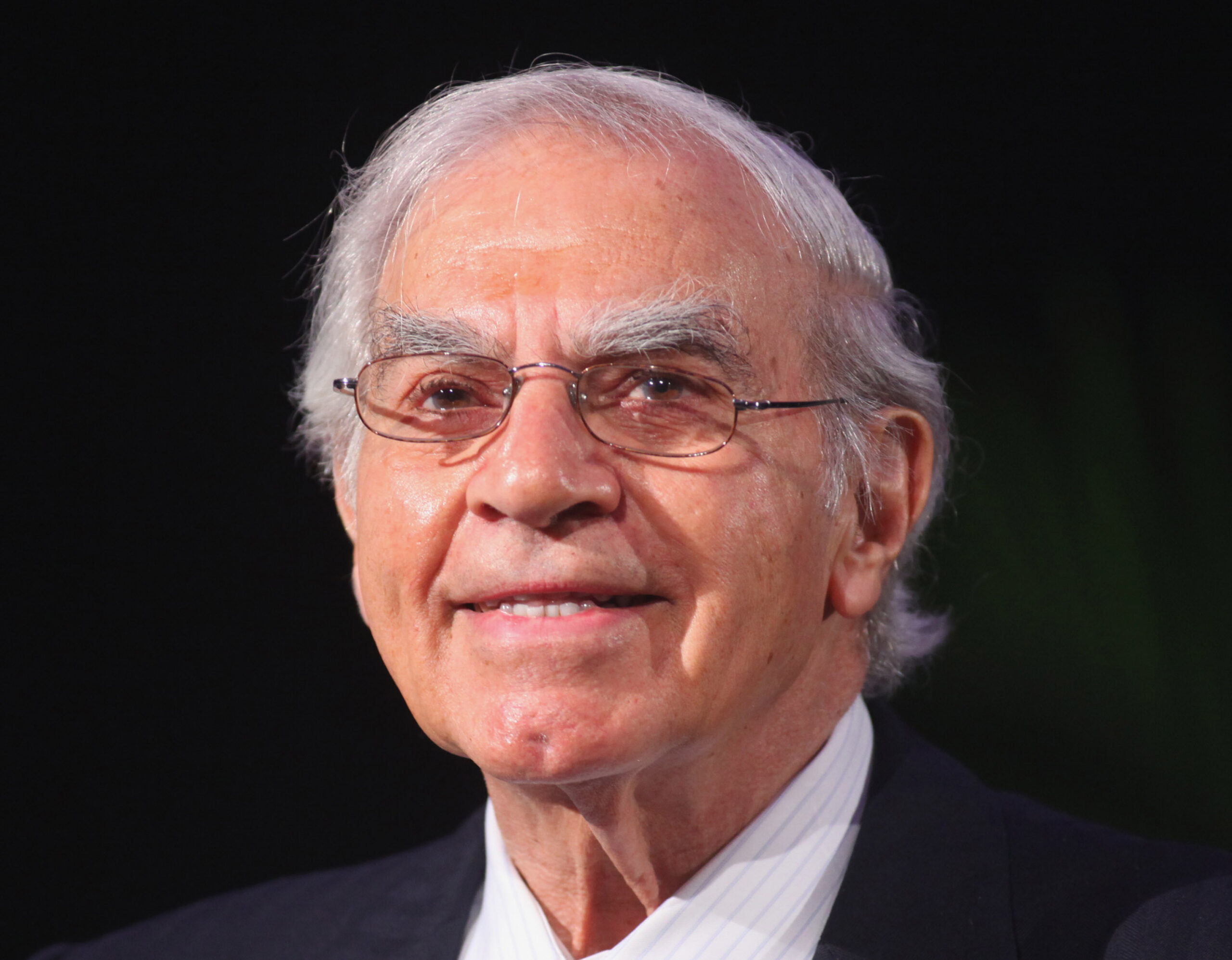
The Middle East Institute (MEI) mourns the loss of Dr. Richard A. Debs, a distinguished member of our International Advisory Council (IAC), who passed away January 28, 2024.
The implications of Red Sea instability on the global LNG market
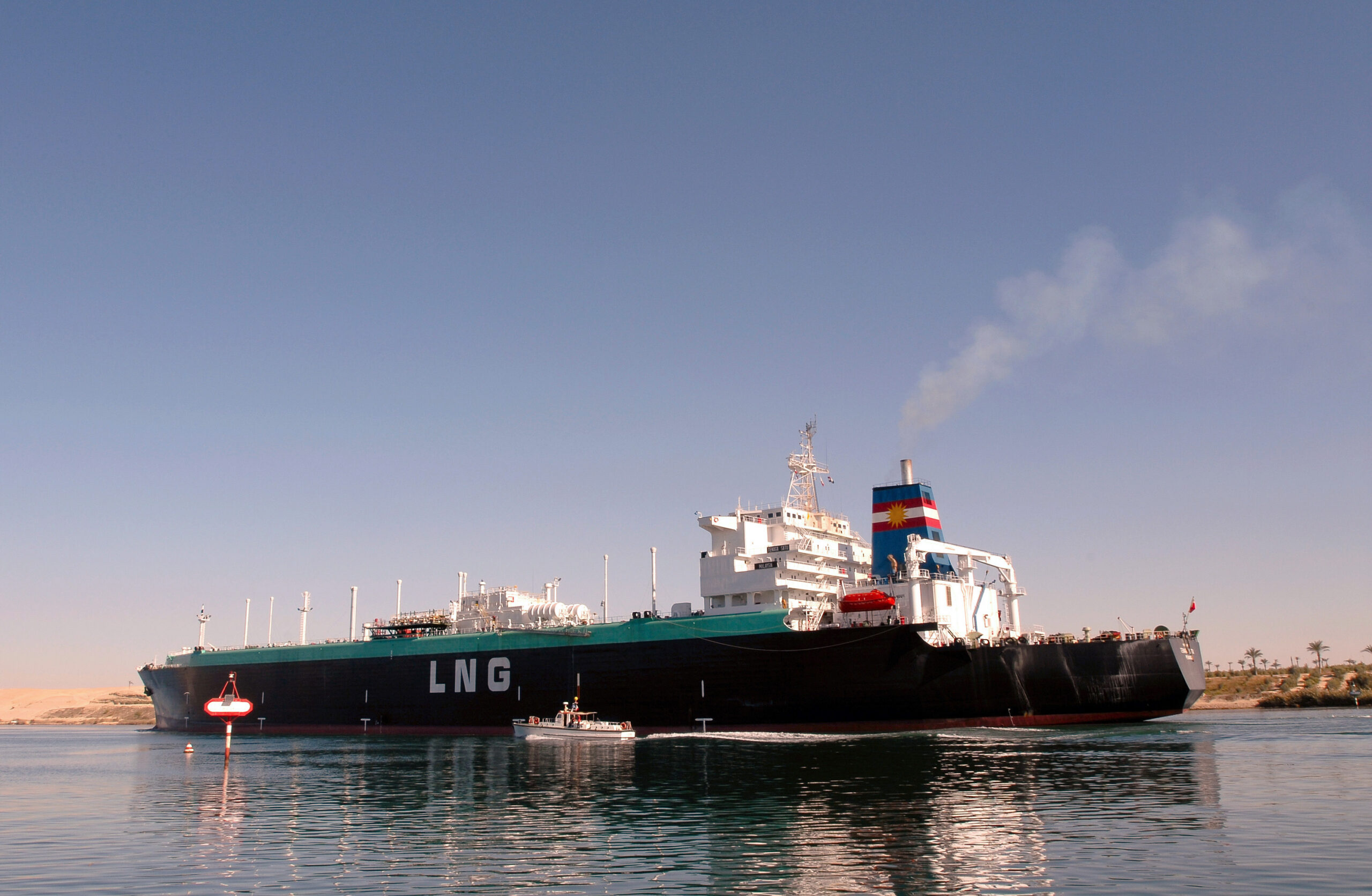
Well over 30 attacks against commercial shipping in the Red Sea have been reported since mid-November 2023, although none have targeted crude oil or liquefied natural gas (LNG) carriers to date. But that is not to say that global energy flows through this critical maritime chokepoint are invulnerable; any harm that came to hydrocarbon carriers traveling into or out of the Red Sea via the Bab el-Mandeb would have far-reaching consequences for international markets.
Azerbaijan and COP29: An opportunity or a challenge?
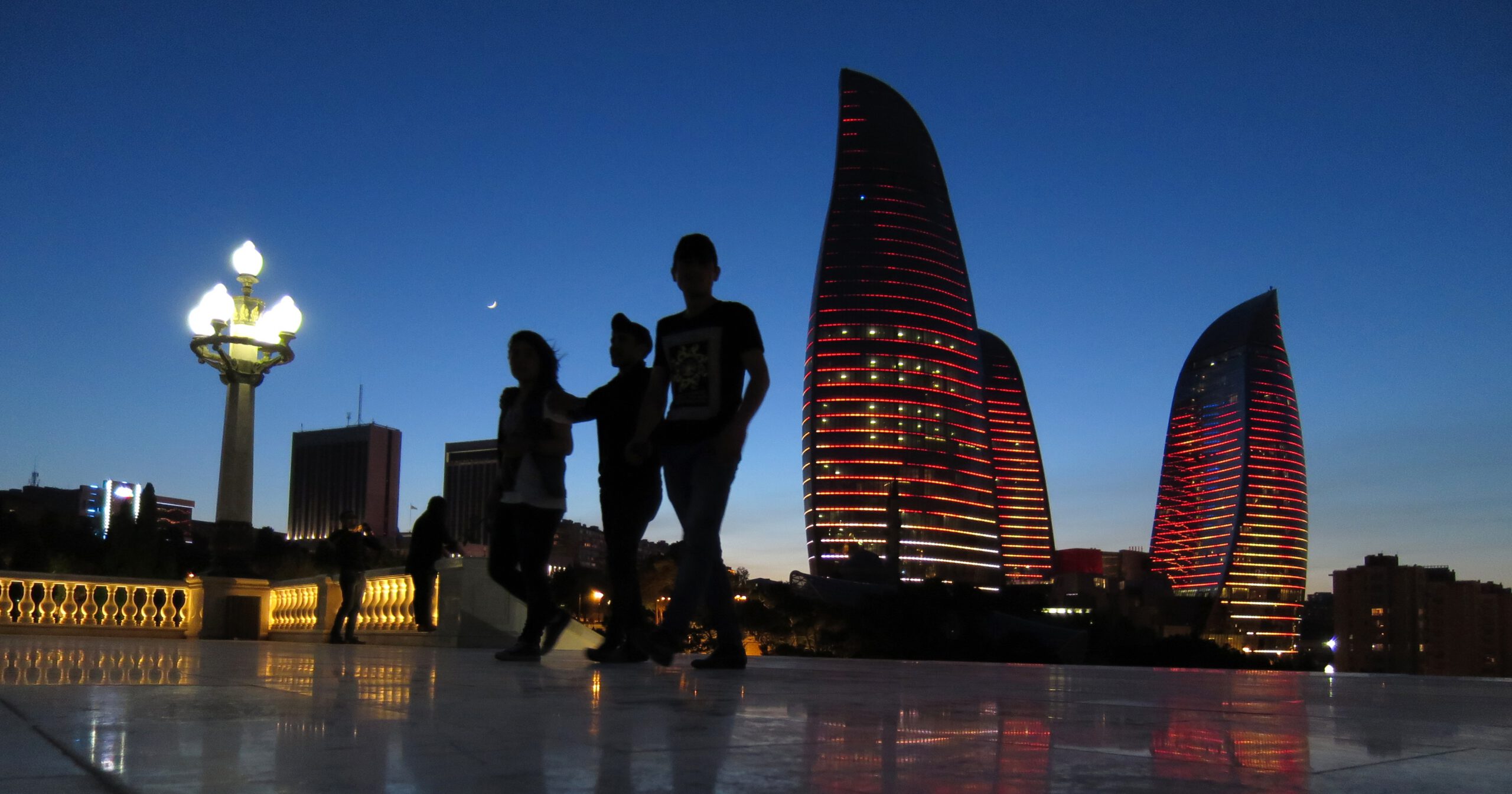
Azerbaijan will host COP29 at the end of this year. Being selected to host the most important international climate event is a major achievement for the South Caucasus country, though the spotlight it brings will come with its own challenges due to Azerbaijan’s poor human rights record and worsening relations with the West.
What to expect as Pakistan goes to the polls for a long-awaited national election
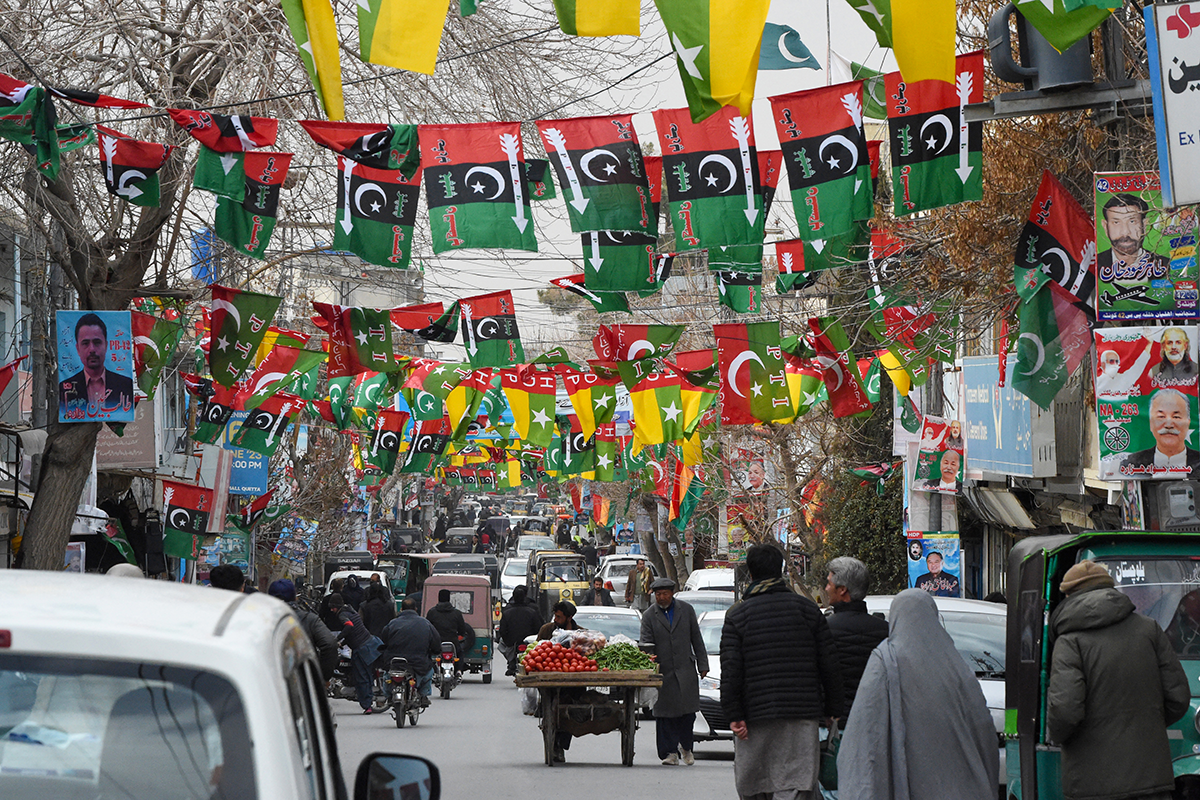
Though delayed by several months, Pakistan is now on the verge of a national election on Feb. 8 that will replace an elected government ousted in April 2022 by an opposition-cum-military alliance.
Women and climate change in MENA: Turning adversity into opportunity
The MENA region is both a climate change hotspot and one of the world’s most gender unequal regions. As a result of gender inequality, women face disproportionate risks from climate change, but there are ways to transform these threats and turn them into opportunities.
On this week’s episode, Director of MEI’s Syria and Countering Terrorism & Extremism Programs Charles Lister and MEI Editor-In-Chief Alistair Taylor talk about US policy toward Syria. The deadly Jan. 28 drone attack on a US military outpost in northeastern Jordan, near the borders with Syria and Iraq, has drawn renewed attention to the US military presence in the area. This comes against a backdrop of regional conflict and escalation.
The road to war with Iran is paved with good intentions and serious miscalculations
Forty-five years after Iran’s February 1979 revolution, American officials continue to struggle to understand this nation of almost 90 million. Rather than trying to solve a crisis that threatens to draw the US into direct conflict with Iran, the Biden administration appears more intent to manage it.
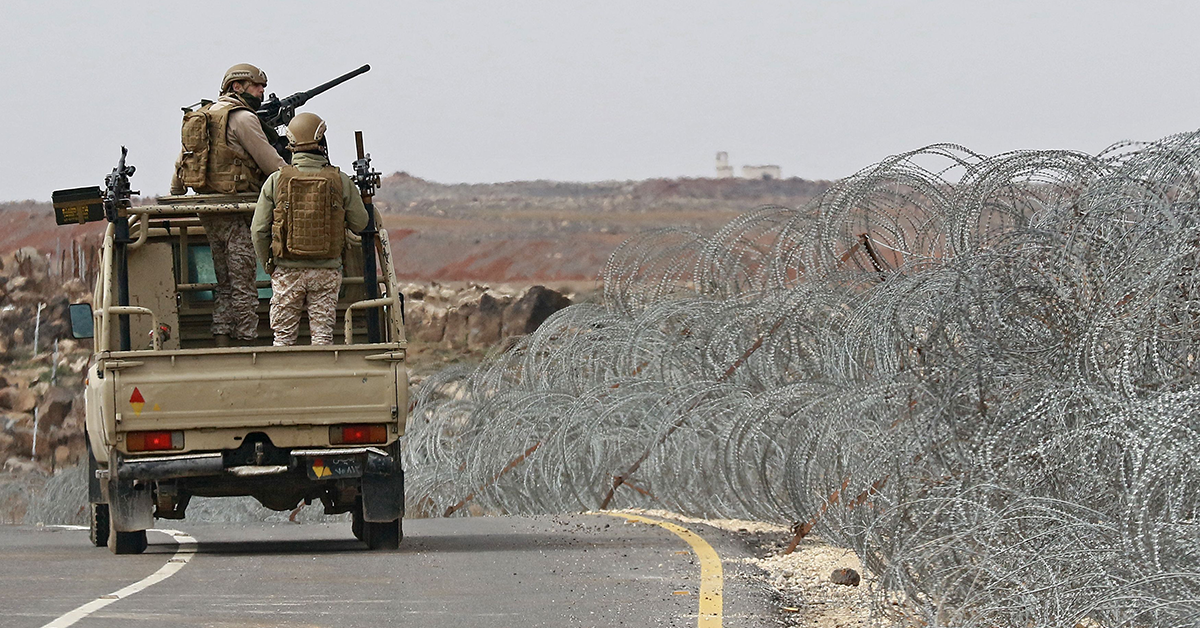
Growing unrest in Syria’s Suwayda as Jordanian airstrikes and civilian deaths increase
As the civilian death toll continues to rise, Jordan has come under growing criticism for its airstrikes in southern Syria’s Suwayda Governorate, aimed at combatting drug trafficking and smuggling operations.
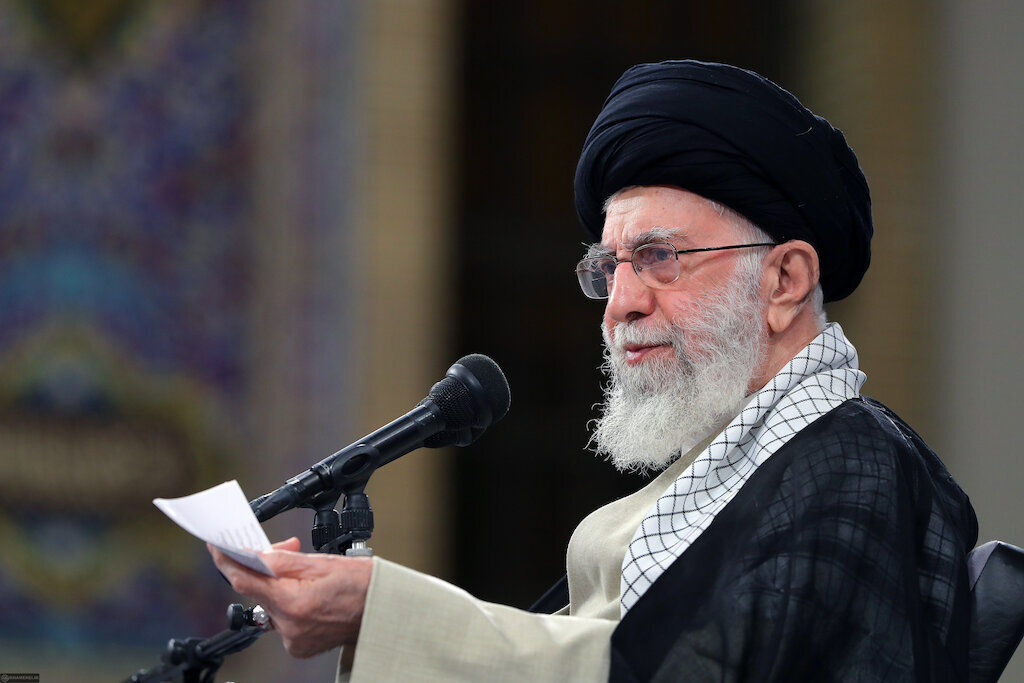
Moving to a post-Khamenei era: The role of the Assembly of Experts
On March 1, 2024, the Islamic Republic of Iran will hold elections for the sixth term of the Assembly of Experts. The major responsibility of this 88-member body is to designate the future supreme leader after the current leader’s death or when he becomes incapable of fulfilling the position’s responsibilities. What role might the Assembly play in a future succession process?
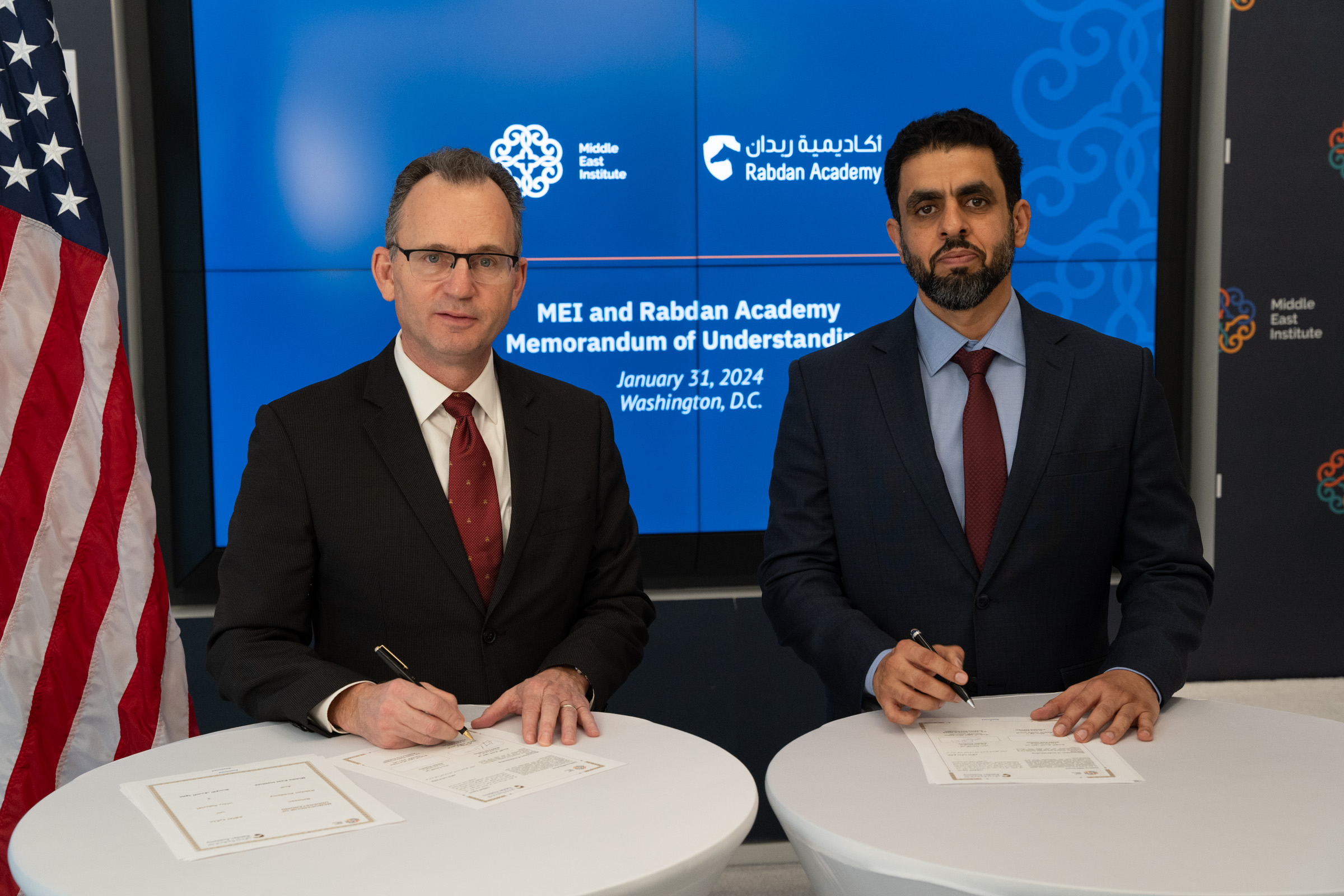
MEI Signs Memorandum of Understanding with Rabdan Academy
(Washington, D.C.) – The Middle East Institute (MEI) is proud to announce the signing of a memorandum of understanding (MoU) with Rabdan Academy, a UAE-based higher education institution specializing in a range of defense and security issues. The MoU outlines plans for the two organizations to explore avenues of cooperation and collaboration on research & analysis, training, and events.
On this week’s episode, President and CEO of the Middle East Institute Paul Salem and Director of MEI’s Conflict Resolution and Track II Dialogues Program Randa Slim speak to MEI’s Editor-in-Chief Alistair Taylor about growing concerns over the potential for large-scale regional escalation as the Gaza war continues.
*Note: This episode was recorded before drone attacks that killed US soldiers in Jordan on 1/28.*
The oldest peer-reviewed publication dedicated to the study of the modern Middle East, MEI’s flagship journal covers politics, society, and culture in the region.