Dr. Stephen J. Blank is Senior Fellow at Foreign Policy Research Institute’s Eurasia Program. He has published over 900 articles and monographs on Soviet/Russian, U.S., Asian, and European military and foreign policies, testified frequently before Congress on Russia, China, and Central Asia, consulted for the Central Intelligence Agency, major think tanks and foundations, chaired major international conferences in the U.S. and in Florence; Prague; and London, and has been a commentator on foreign affairs in the media in the U.S. and abroad. He has also advised major corporations on investing in Russia and is a consultant for the Gerson Lehrmann Group.
Stephen has published or edited 15 books, most recently Russo-Chinese Energy Relations: Politics in Command (London: Global Markets Briefing, 2006). He has also published Natural Allies? Regional Security in Asia and Prospects for Indo-American Strategic Cooperation (Carlisle, PA: Strategic Studies Institute, U.S. Army War College, 2005). He is currently completing a book entitled Light From the East: Russia’s Quest for Great Power Status in Asia to be published in 2014 by Ashgate. Dr. Blank is also the author of The Sorcerer as Apprentice: Stalin’s Commissariat of Nationalities (Greenwood, 1994); and the co-editor of The Soviet Military and the Future (Greenwood, 1992).
The Latest from Stephen Blank
Election 2020: The Future of U.S.-Black Sea Relations
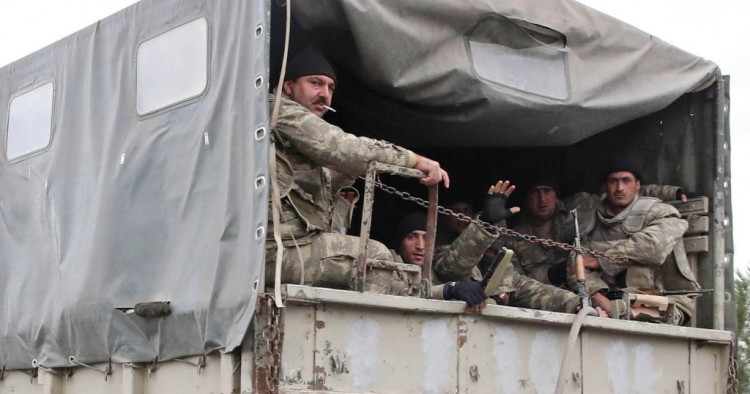
Conflict between Azerbaijan and Armenia: Scope and Implications
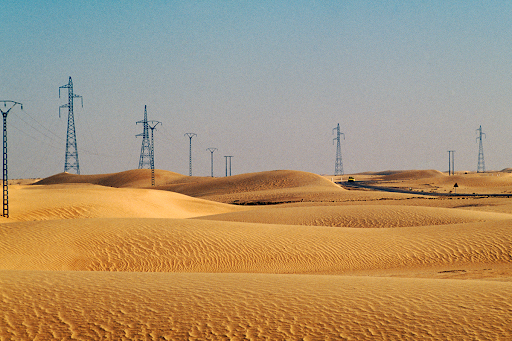
Algeria charts a path for renewable energy sector development
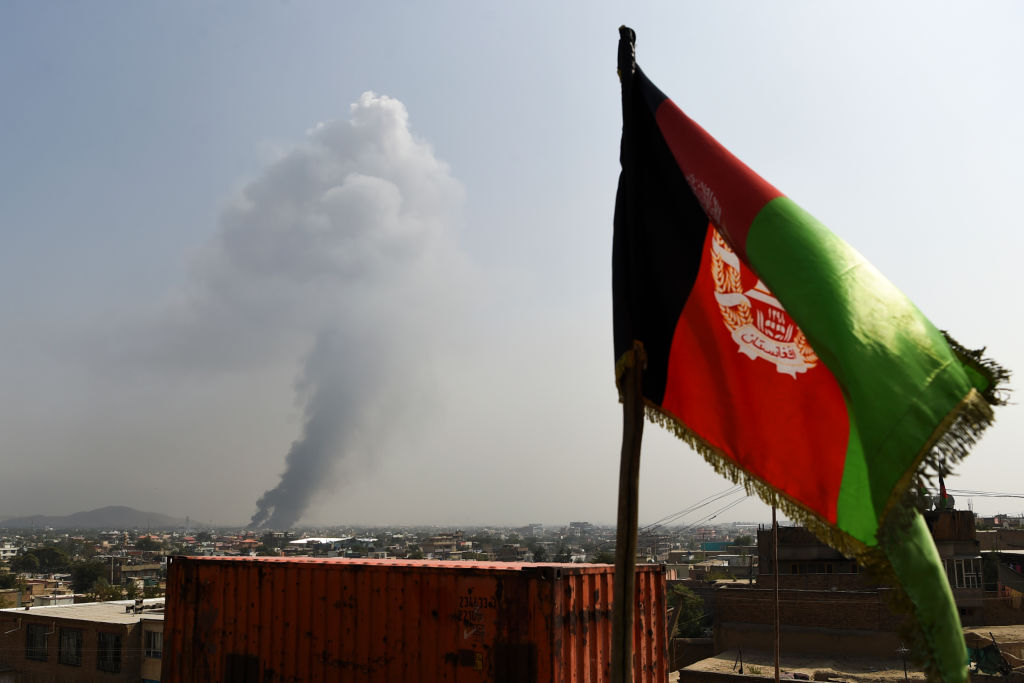
Afghanistan’s Terrorism Challenge: The Political Trajectories of al-Qaeda, the Afghan Taliban, and the Islamic State
Monday Briefing: Secret diplomatic visit to Damascus raises questions about US Syria policy
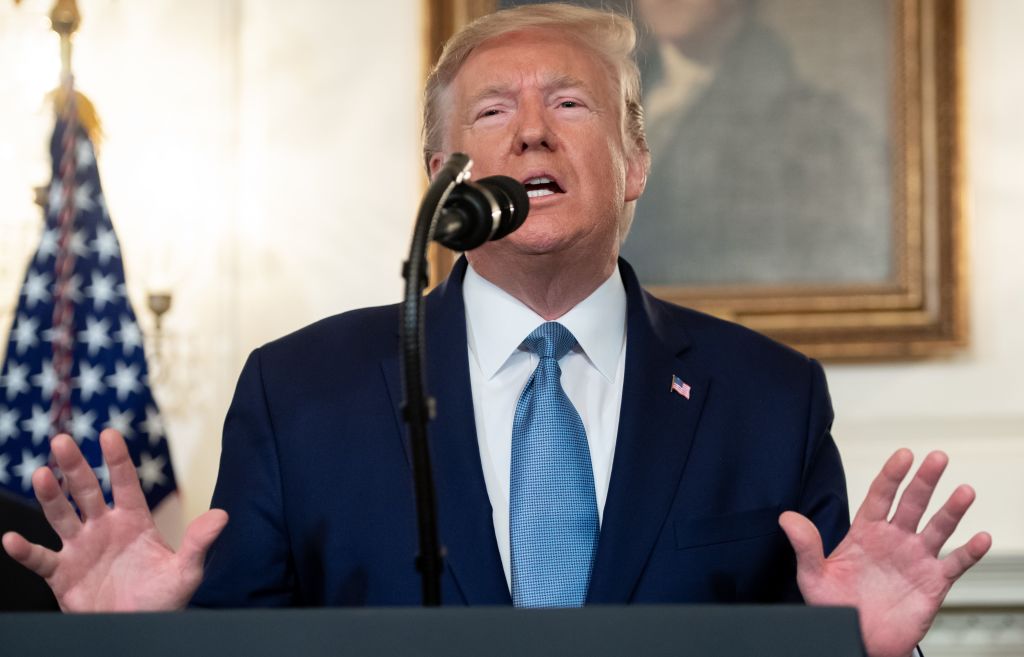
زيارة دبلوماسية سرية لدمشق تثير تساؤلات حول سياسة الولايات المتحدة تجاه سوريا
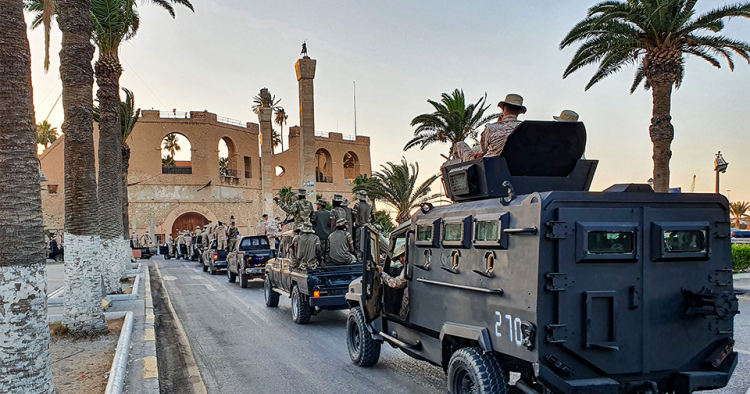
A Fragmented Society: the Internal Dynamics of Libya’s Conflict
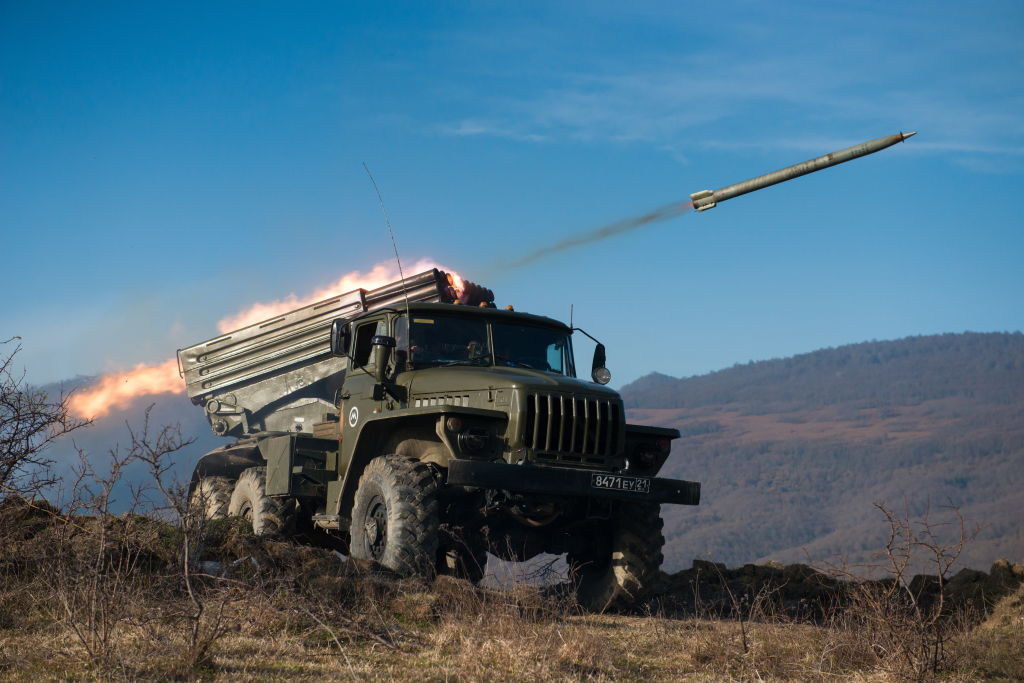
Protracted conflicts and security challenges in the Black Sea
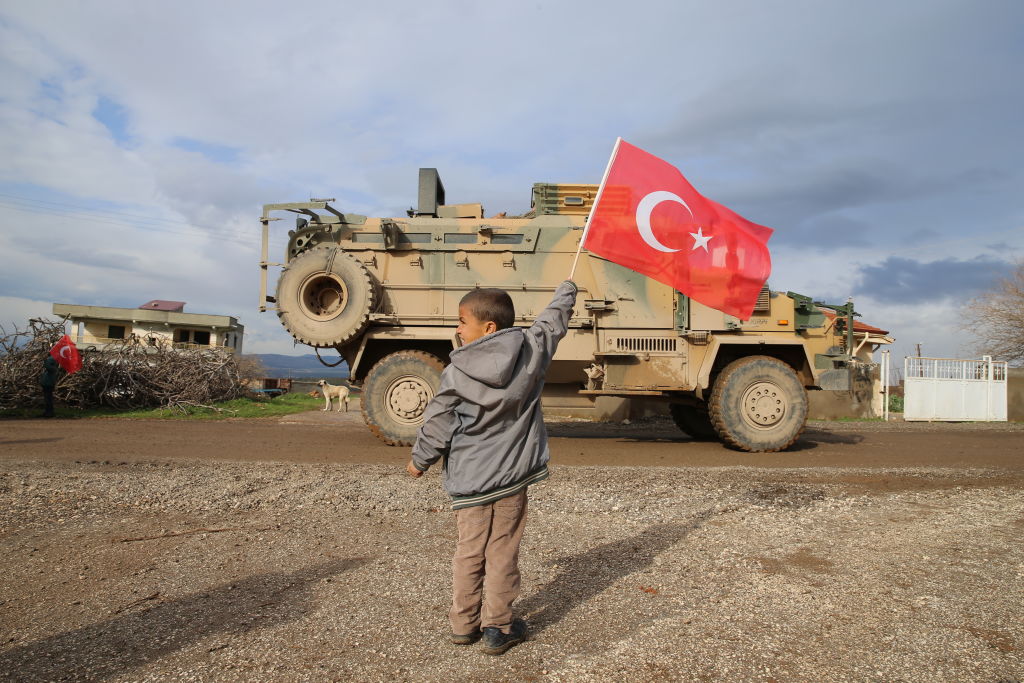
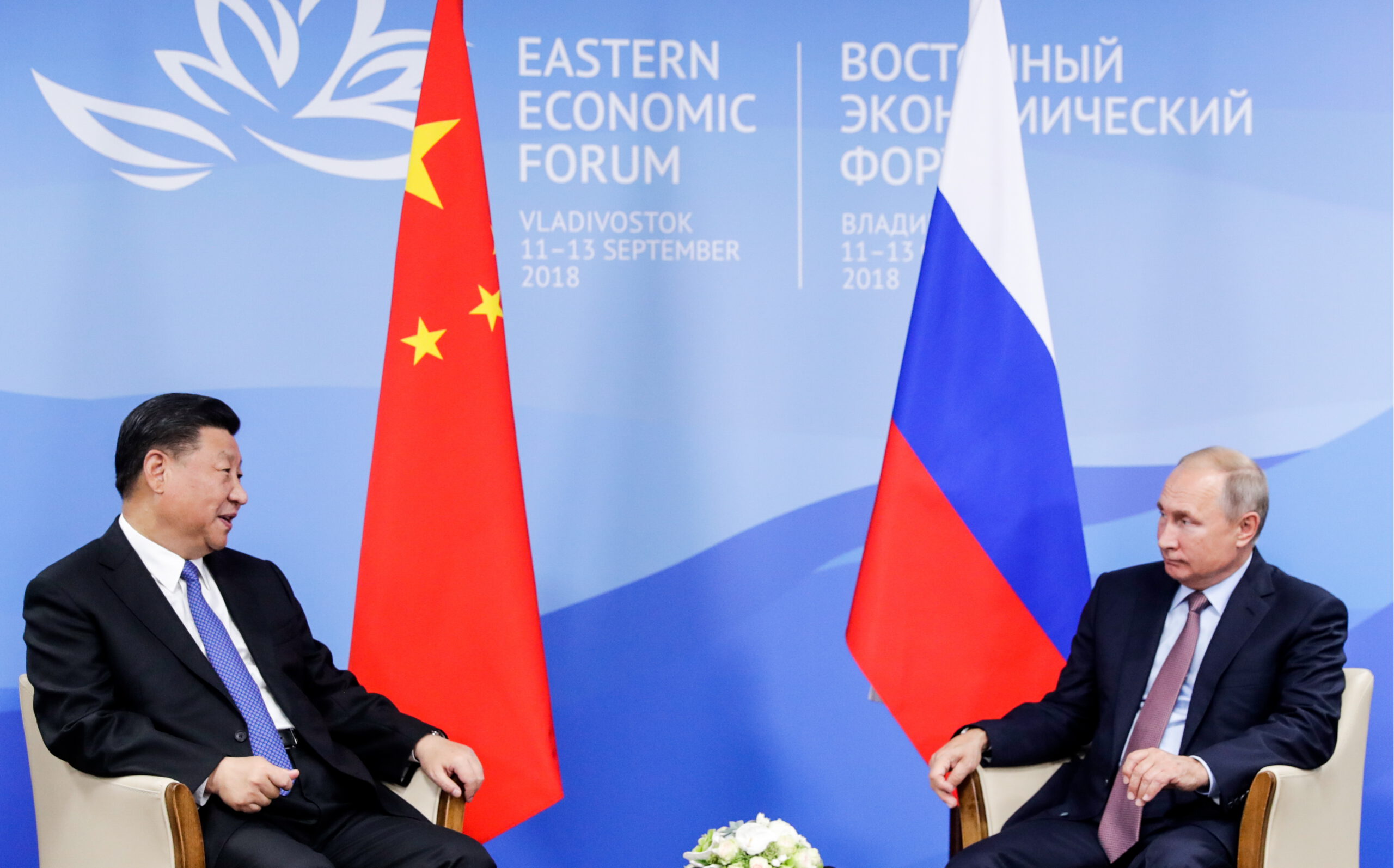
Russia and China: Common interests and rivalry in South Caucasus and Central Asia
US sanctions hurt Syrian civilians — they need to be worth it