Dr. Stephen J. Blank is Senior Fellow at Foreign Policy Research Institute’s Eurasia Program. He has published over 900 articles and monographs on Soviet/Russian, U.S., Asian, and European military and foreign policies, testified frequently before Congress on Russia, China, and Central Asia, consulted for the Central Intelligence Agency, major think tanks and foundations, chaired major international conferences in the U.S. and in Florence; Prague; and London, and has been a commentator on foreign affairs in the media in the U.S. and abroad. He has also advised major corporations on investing in Russia and is a consultant for the Gerson Lehrmann Group.
Stephen has published or edited 15 books, most recently Russo-Chinese Energy Relations: Politics in Command (London: Global Markets Briefing, 2006). He has also published Natural Allies? Regional Security in Asia and Prospects for Indo-American Strategic Cooperation (Carlisle, PA: Strategic Studies Institute, U.S. Army War College, 2005). He is currently completing a book entitled Light From the East: Russia’s Quest for Great Power Status in Asia to be published in 2014 by Ashgate. Dr. Blank is also the author of The Sorcerer as Apprentice: Stalin’s Commissariat of Nationalities (Greenwood, 1994); and the co-editor of The Soviet Military and the Future (Greenwood, 1992).
The Latest from Stephen Blank
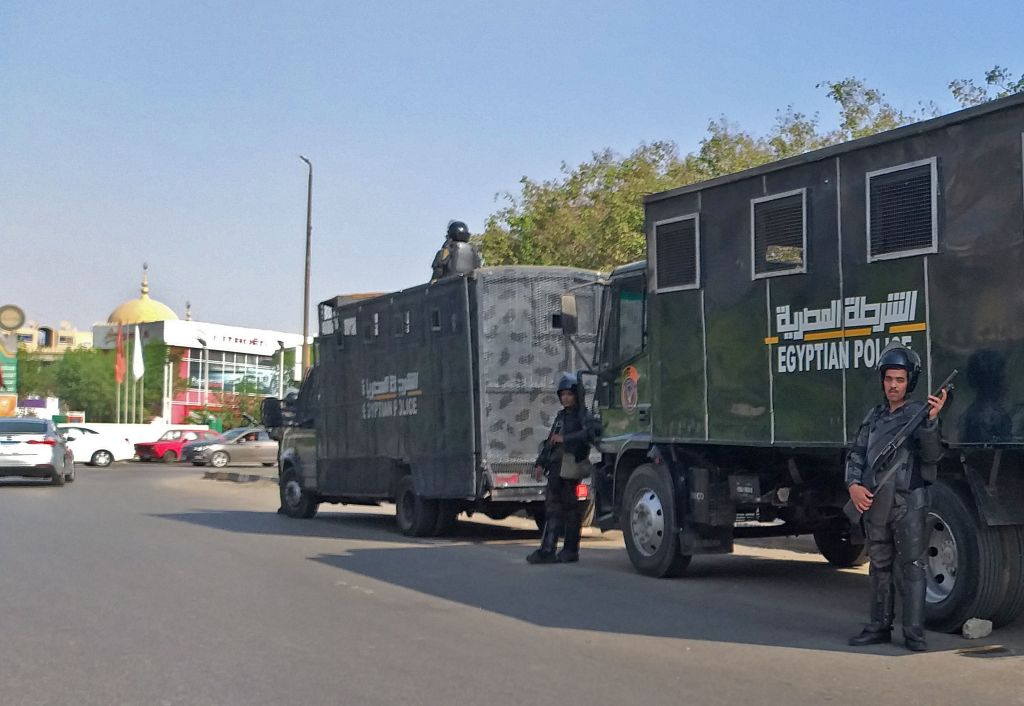
Minor protests in Egypt attract more international than domestic attention
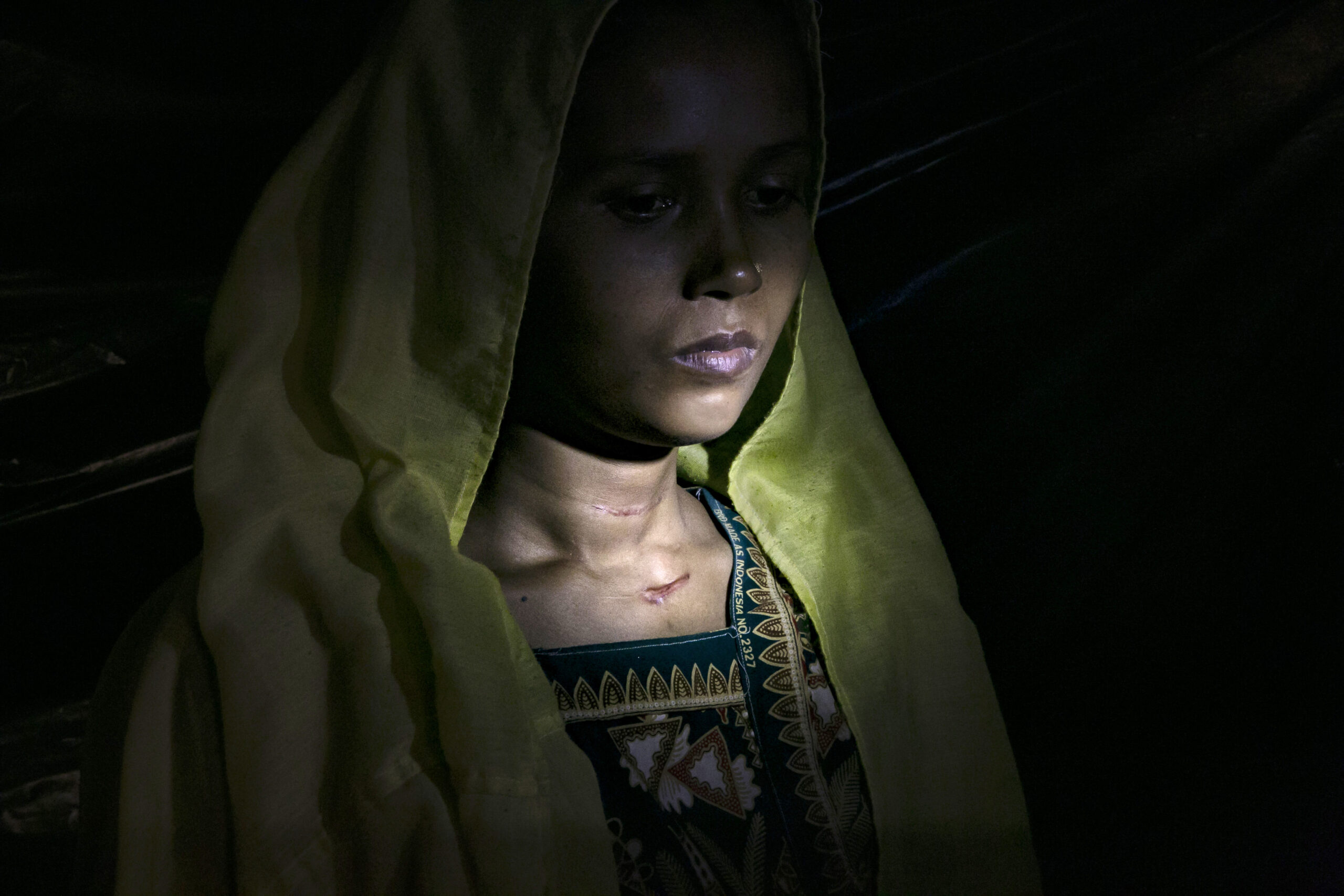
The Mass Rape of Rohingya Muslim Women: An All-Out War Against All Women
Are the Kremlin’s gains in the Middle East sustainable?
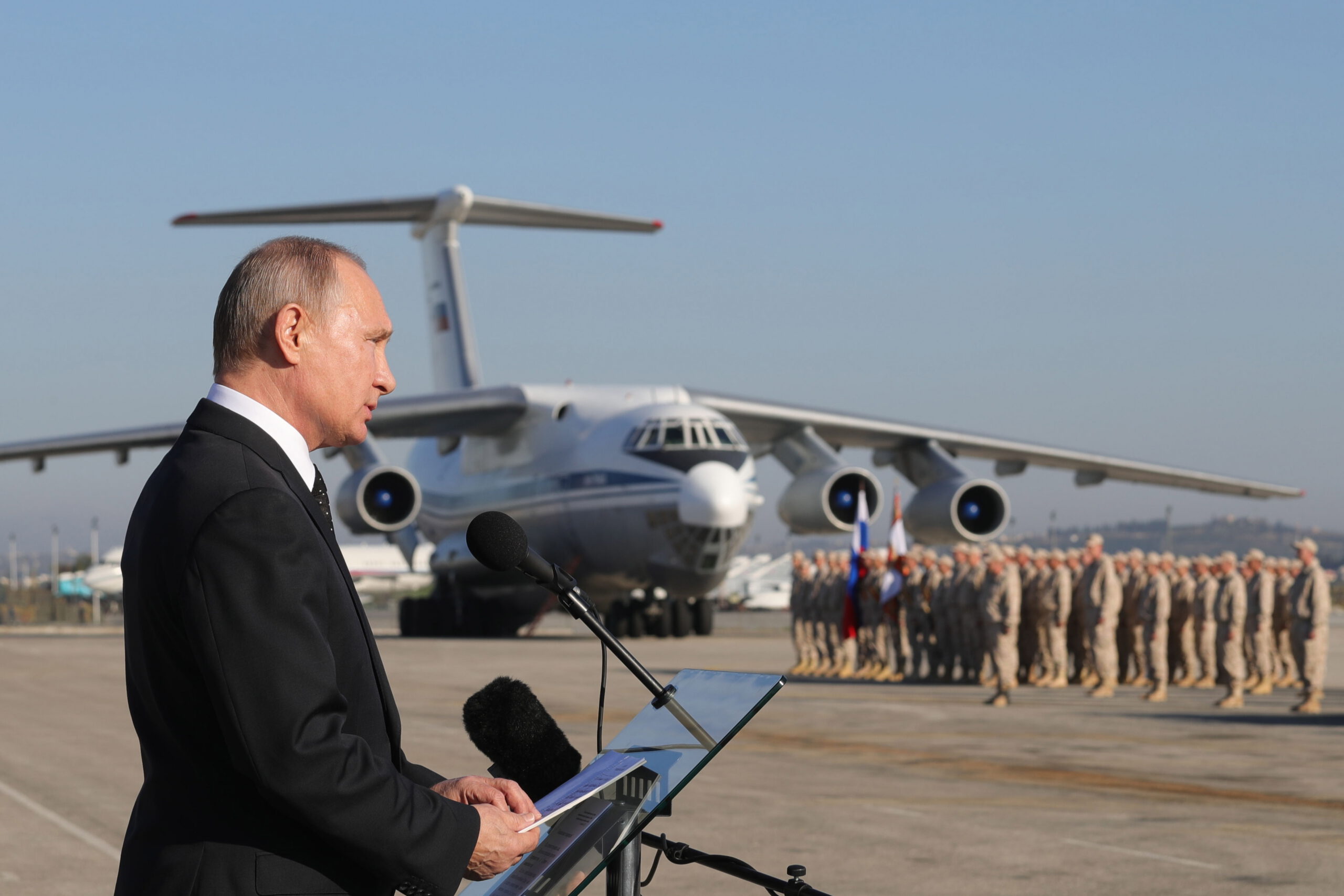
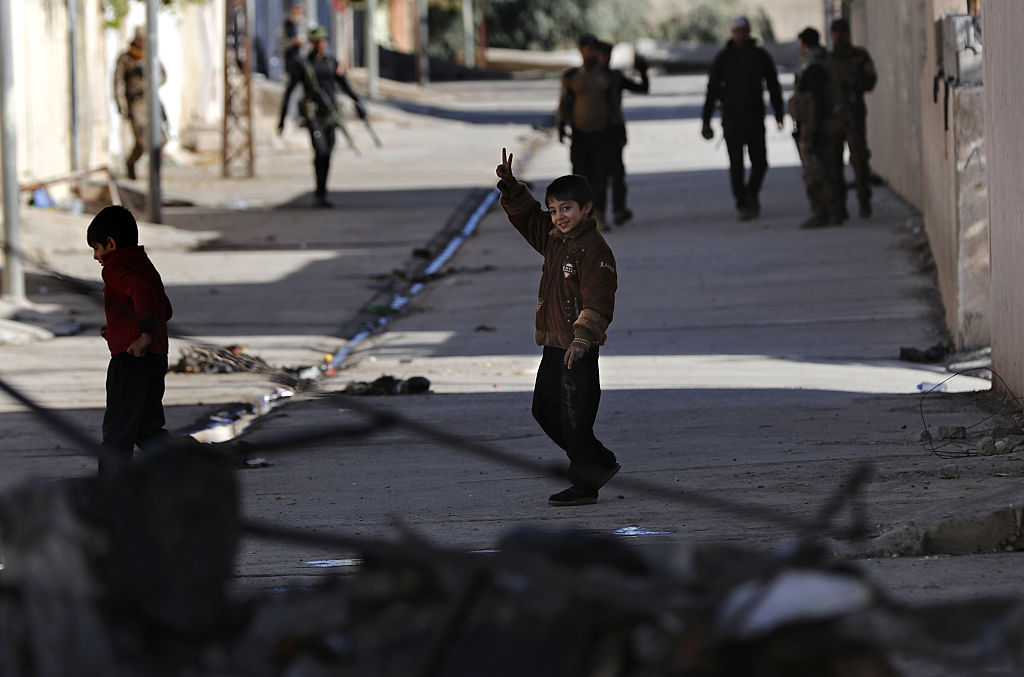
Iraq: Key signs of progress amid ongoing challenges
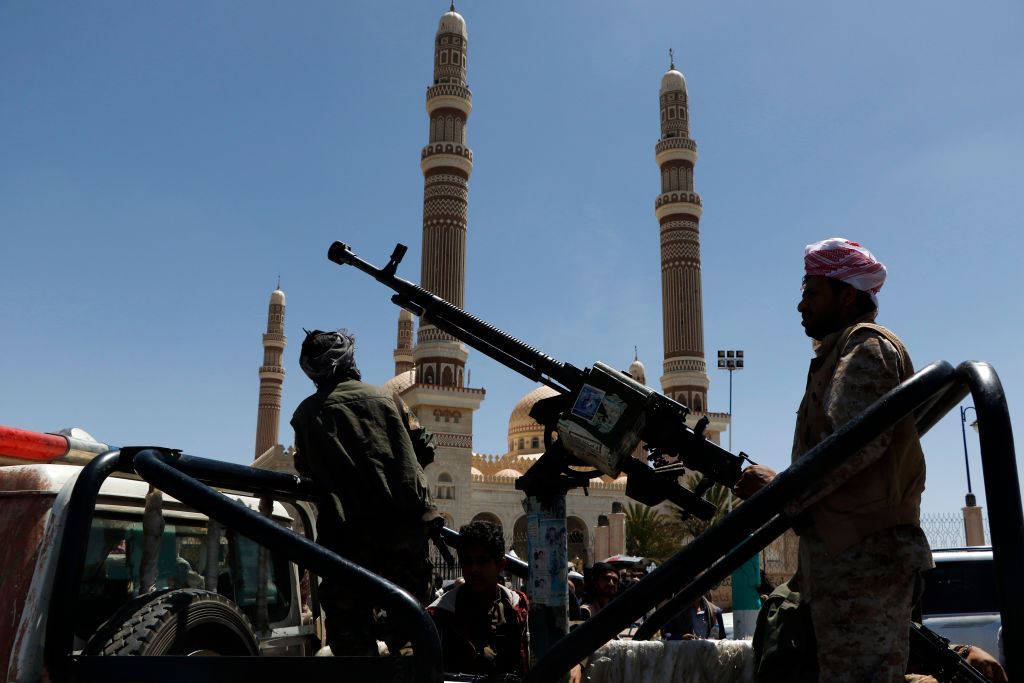
War Crimes in Syria: Identifying Perpetrators and Seeking Justice
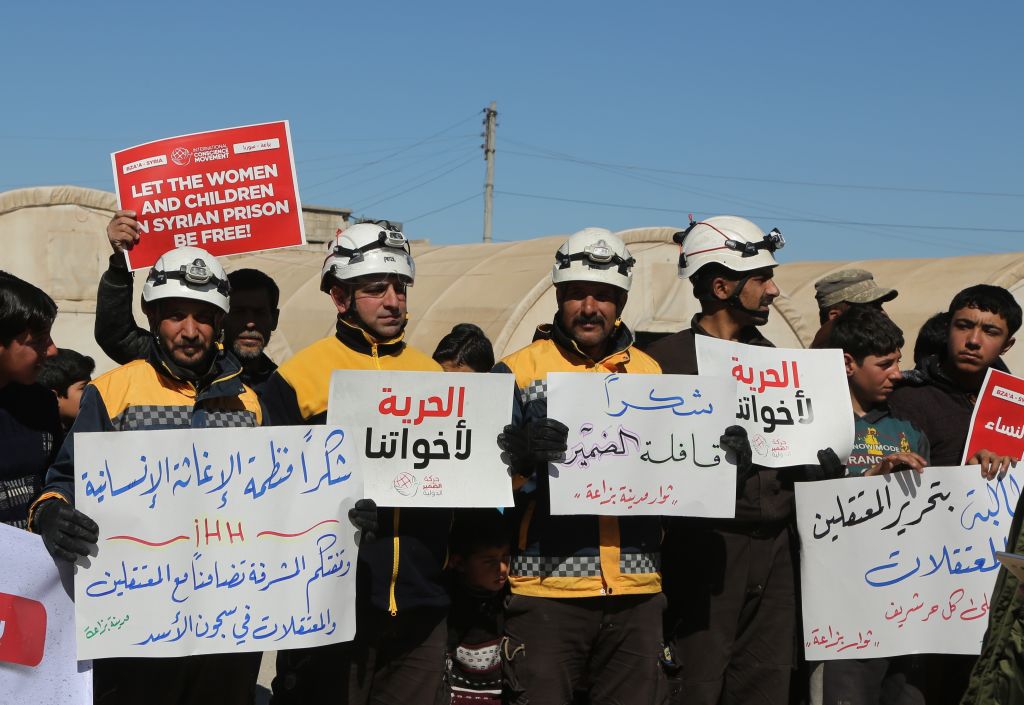
MEI Futures Conference paints challenging picture for the Middle East
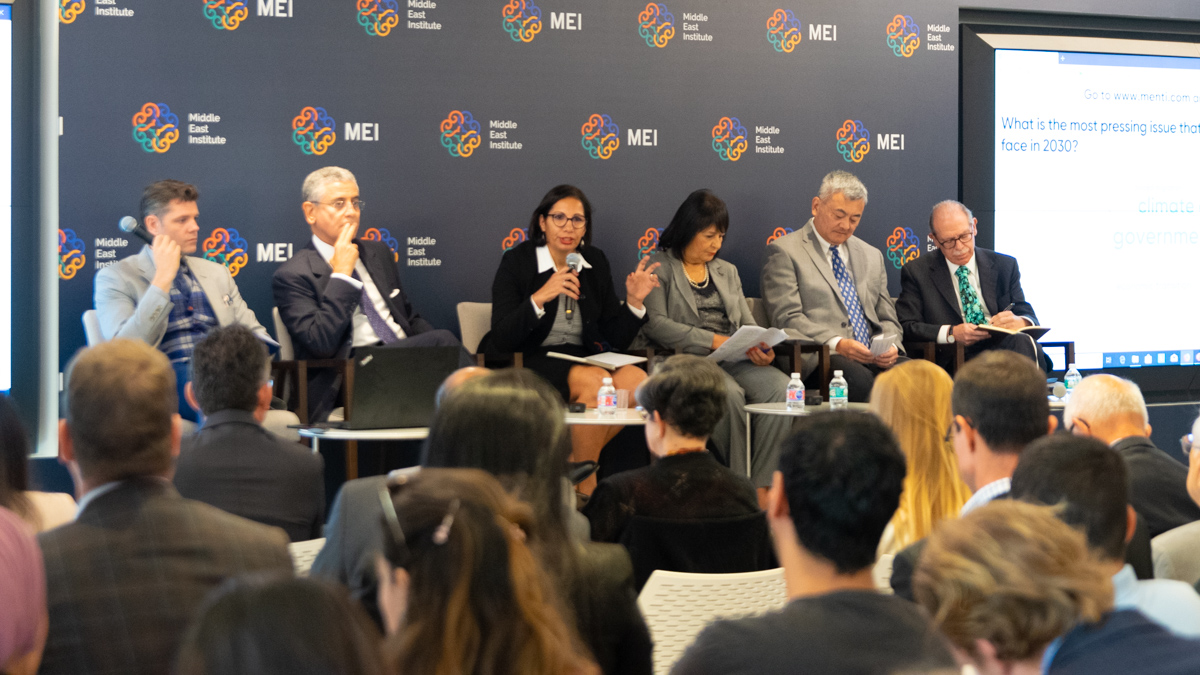
The Syria Study Group gets the problem right, but falls short on solutions
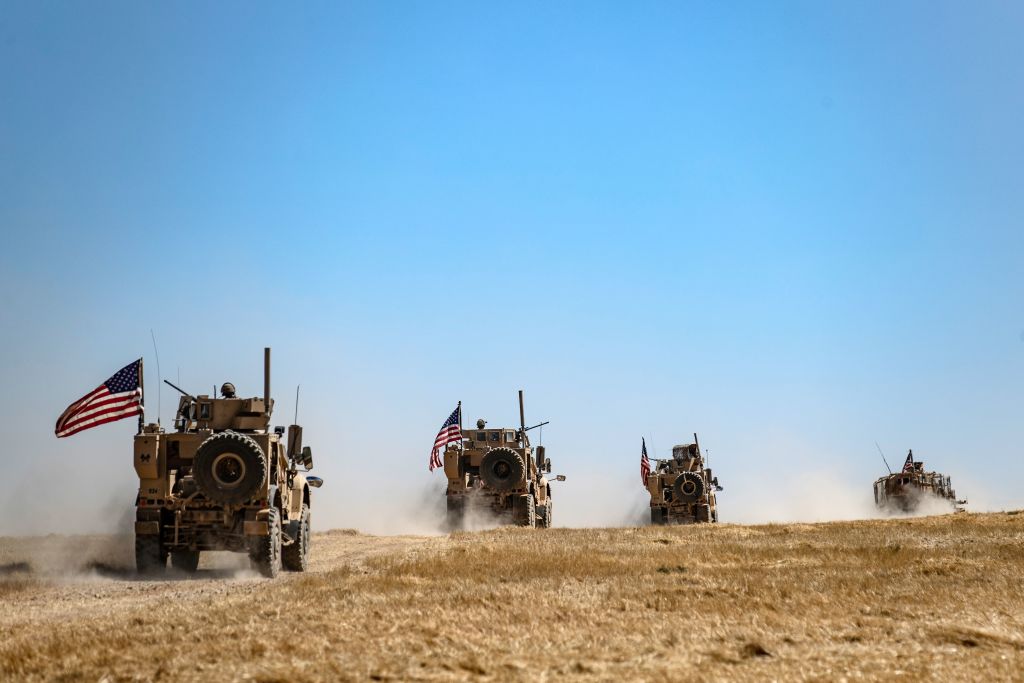
The UN deliberately (albeit mistakenly) accorded sovereignty to post-Gadhafi Libya’s economic institutions
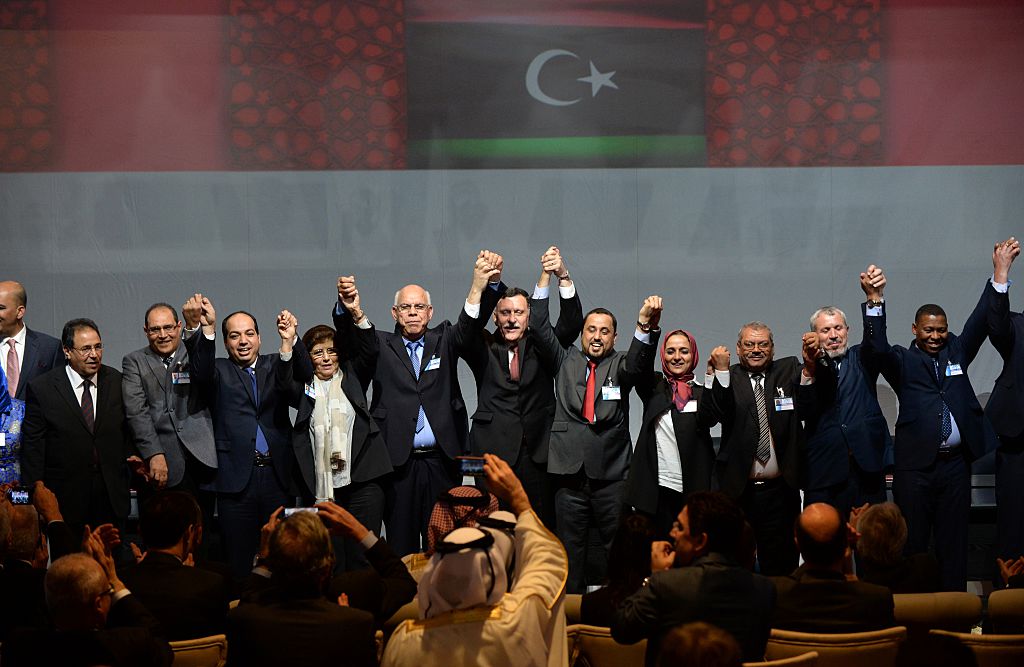
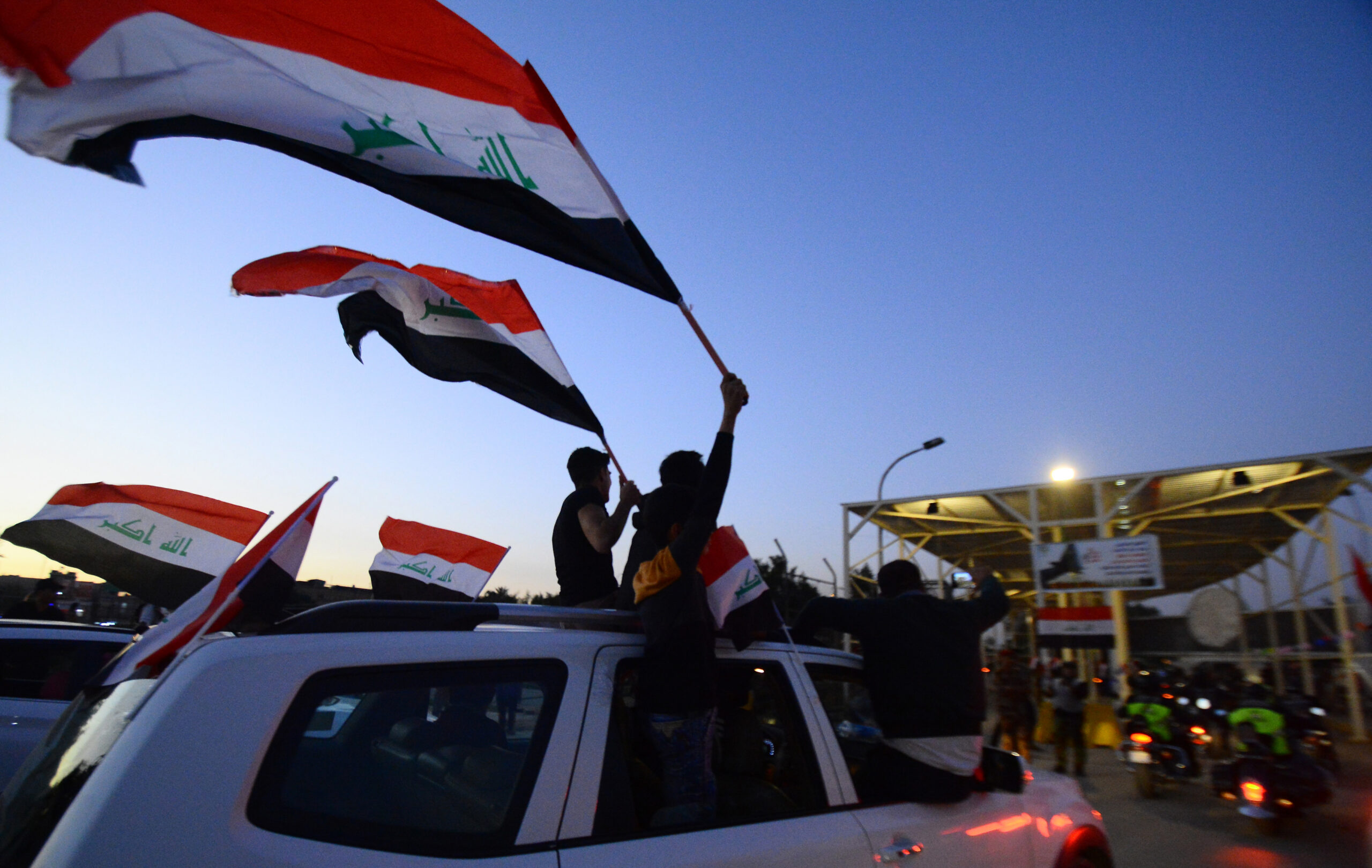
What’s next after the sudden death of the Afghan peace process?
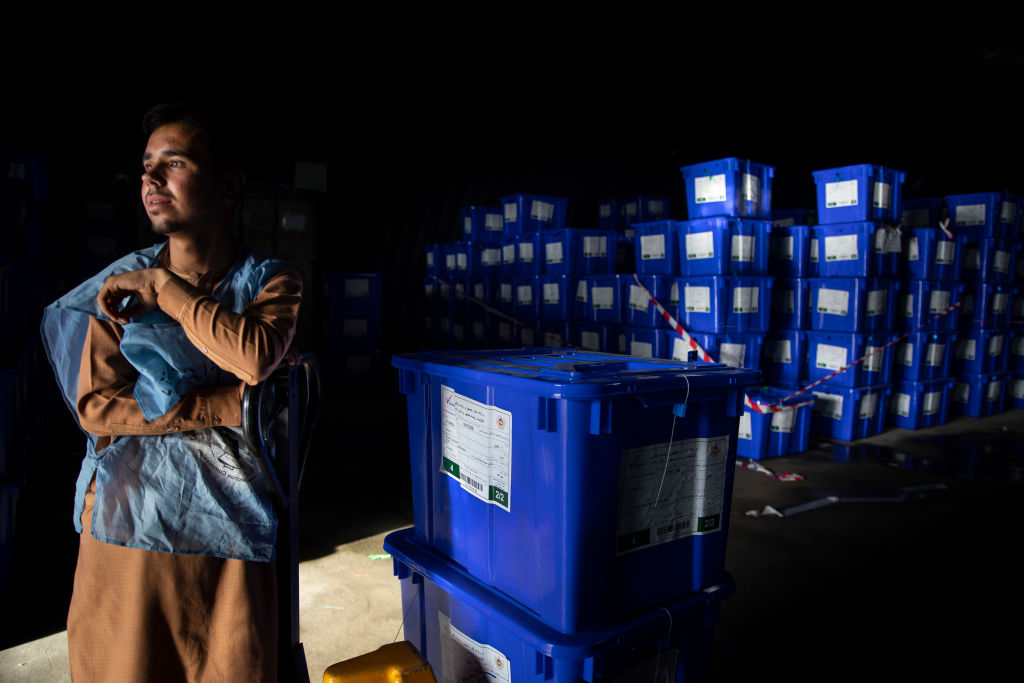
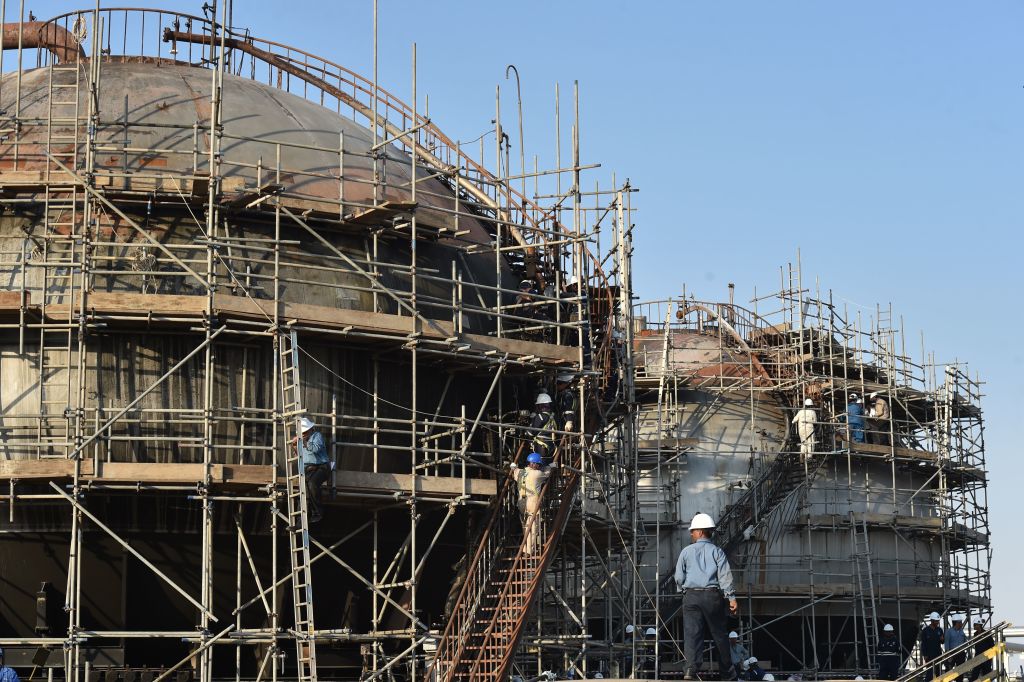
What does the Saudi oil facility attack mean for Russia?
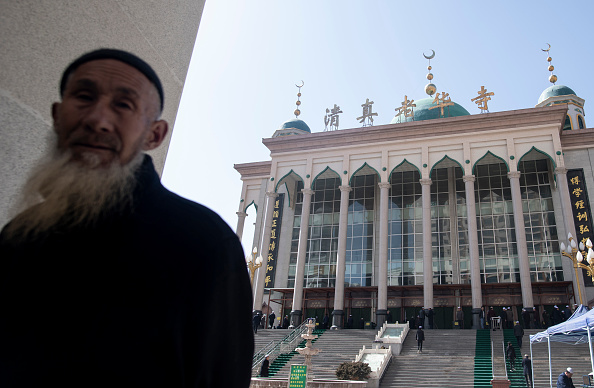
The de-Islamification of Public Space and Sinicization of Ethnic Politics in Xi’s China
Why Iran’s leadership is opposed to US negotiations despite pressure