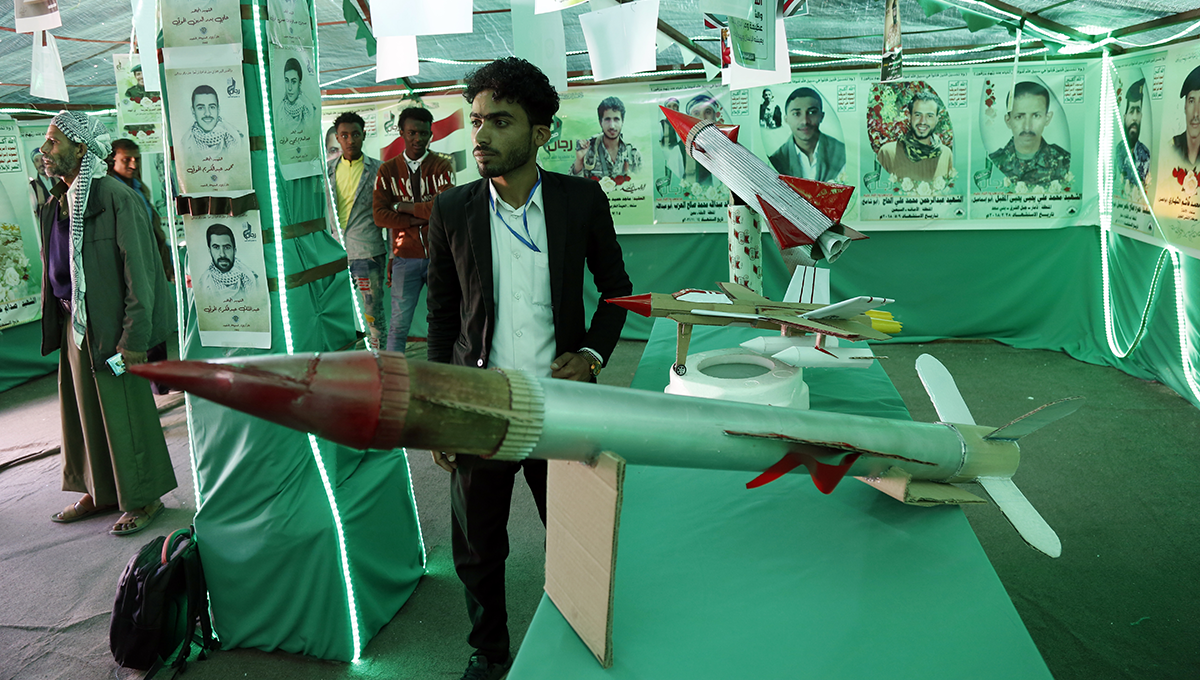
Over the past several weeks, the Houthis have seized the port city of Mokha, Yemen’s western coastline, and several islands in the Bab el-Mandeb Strait, and they are now massing around Marib and Taiz in the first major frontline shift since 2022. MEI Associate Fellow Nadwa Al-Dawsari joins host Matthew Czekaj to unpack the latest developments. Together, they discuss what has allowed the Houthis to advance against Yemeni government forces, the role the militant group plays in Iran’s regional strategy, and what it will take to contain the threat.
I was a teenage Afghan refugee in Pakistan’s tribal areas when the Twin Towers fell. Almost nobody around us understood the politics of what had happened, but we knew that something had changed for good. Afghanistan, which until then had been our private tragedy and our first exile from Taliban rule, had suddenly become the world’s concern, with the United States leading the response.
Though it has fallen out of the headlines because of the Iran war, Syria has had a dramatically consequential summer. Hosts Alistair Taylor and Matthew Czekaj are joined by MEI Senior Fellow Charles Lister to take stock of recent developments: the dissolution of the Kurdish-led Syrian Democratic Forces, Israeli strikes and the friction with Turkey they have exposed, the standoff in Sweida, as well as Damascus’s bid to turn Syria into a trade corridor between the Mediterranean and the Gulf. Is the transition consolidating or fragmenting nearly two years after the fall of the Assad regime?
Russia’s new military: The rise of Prigozhin and the Wagner Group
Kremlin-linked oligarch Yevgeny Prigozhin, founder of the notorious Wagner Group PMC, is taking power away from the traditional Russian military establishment and fostering President Putin’s dependence on his resources and advice. This trend will undoubtedly propel the escalation of the war in Ukraine and possibly inflict irrevocable damage to the future utility of the Russian Armed Forces.
الردع عن طريق الكشف: طريقة رخيصة وناجحة لردع إيران
A vital part of Iran’s long-running grey zone warfare strategy is plausible deniability, as they most often work through proxies in the Middle East. And so the easiest way to keep Iran from taking action is to make sure the Islamic Republic knows the spotlight is on them.
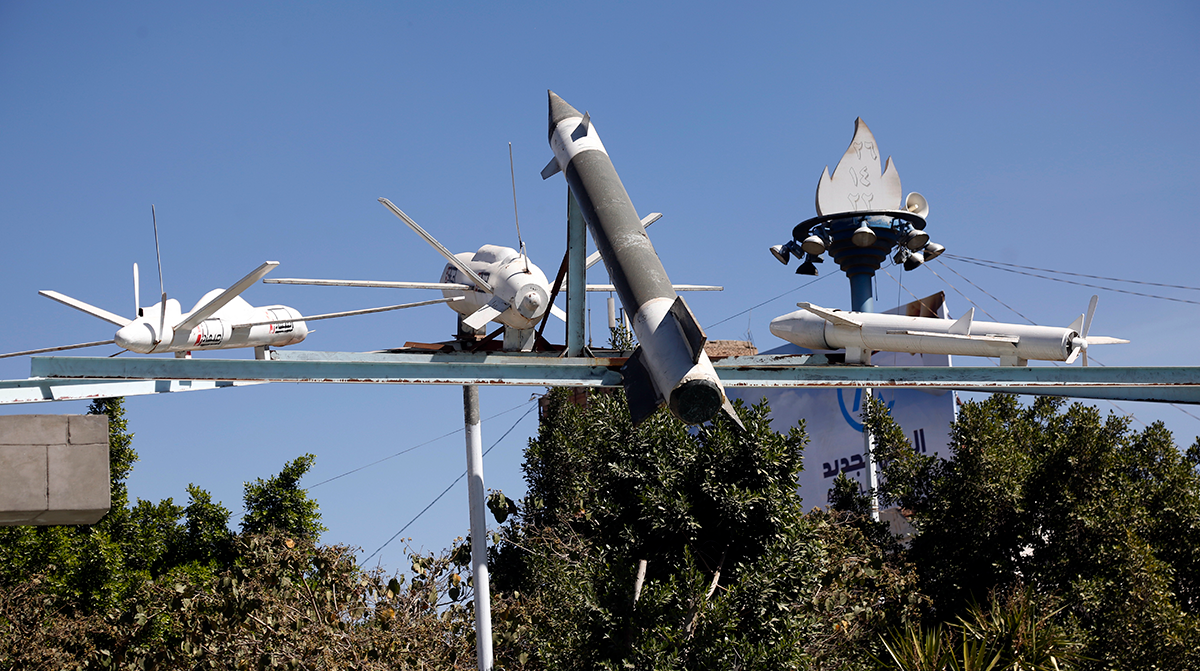
On Nov. 21, the Iranian-backed Houthi militia launched a drone attack against the Dhabba Oil Terminal in Yemen’s Hadramawt Governorate. The threat of further attacks on oil ports and military targets remains high as the militant group tests the tolerance and response of Yemen’s government and the international community while increasing its demands.
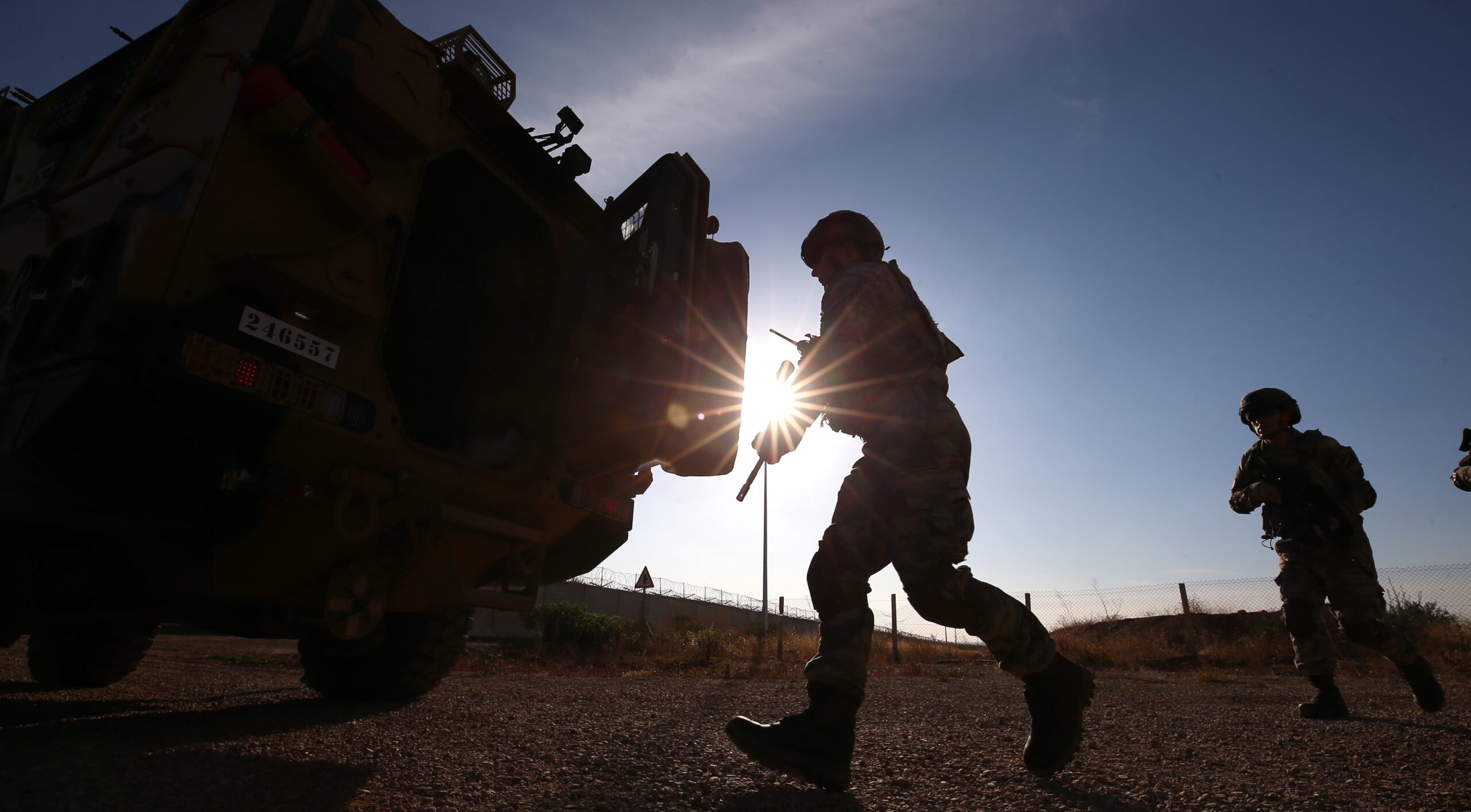
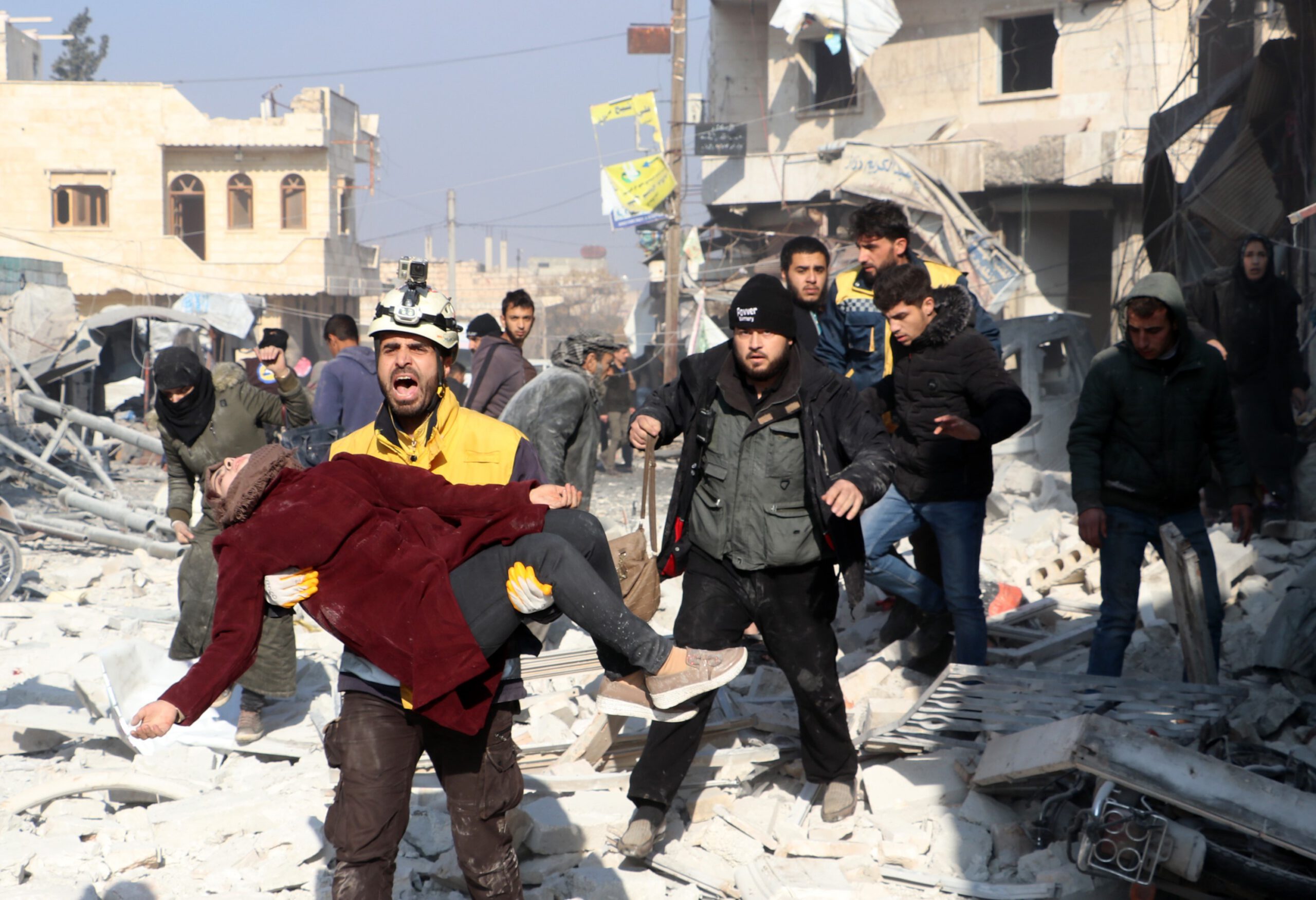
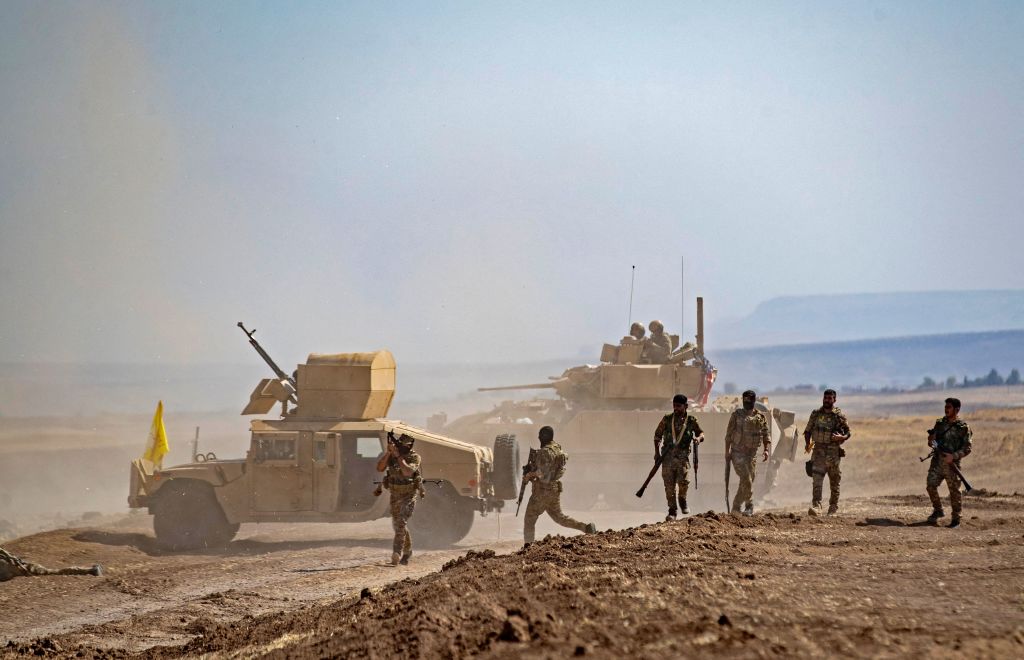
Should the Turkish government make good on its threats to launch yet another military incursion into northern Syria, it would lead to a sharp escalation in violence in a country afflicted by a more-than-decade-long brutal conflict. Not only would Turkey’s military incursion have significant immediate effects on civilians and combatants in Syria, but it could also reverberate further throughout the region and world.
America’s Defence of Its Partners in the Middle East
Under what conditions is the United States likely or unlikely to intervene militarily on behalf of a close partner with which it may have defense arrangements short of a formal alliance? This is an increasingly relevant question for the United States as it engages in strategic competition with China and Russia for regional partners, as well as for resources and broader influence.
The Future-Seeking, Team-Building 5th Fleet Is Busier Than Ever
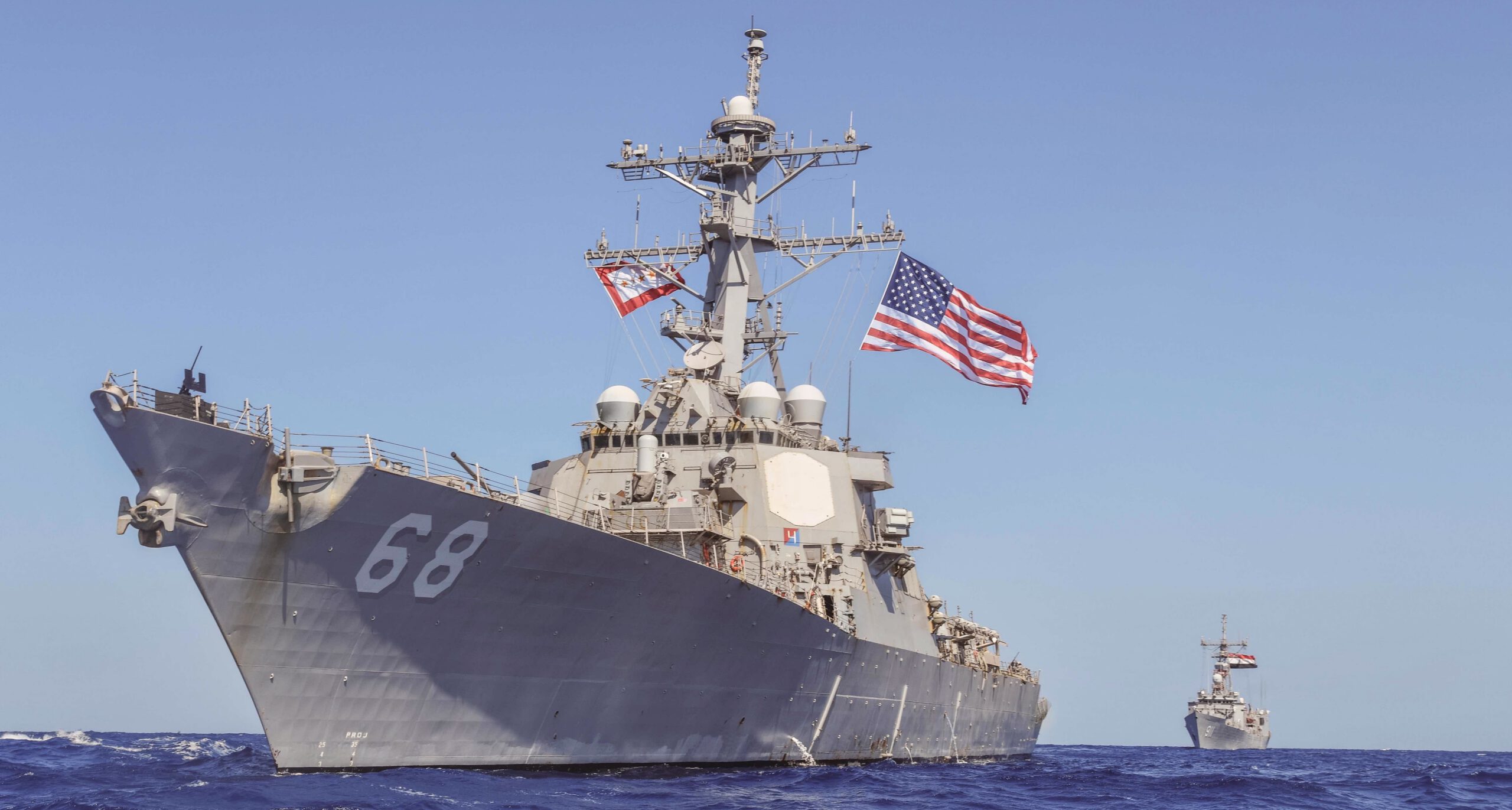
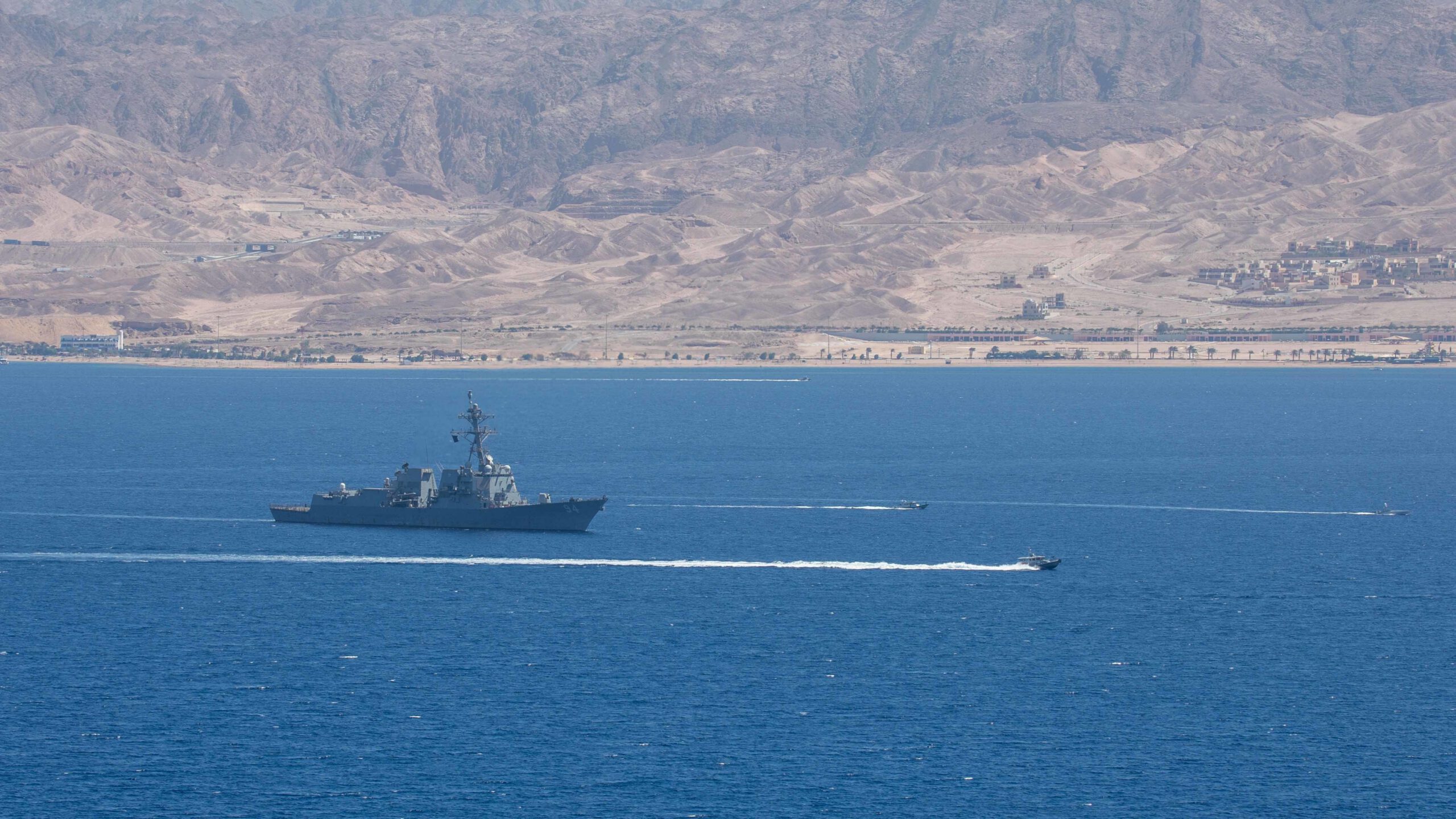
In recent years, the United States has stepped up its efforts to promote a Middle East security order in which cooperation is more widely preached and effectively practiced among like-minded nations. Nowhere has this multilateral approach to regional security been more credible and fruitful than in the maritime domain.
Morocco and Israel: Economic Opportunities, Military Incentives, and Moral Hazards
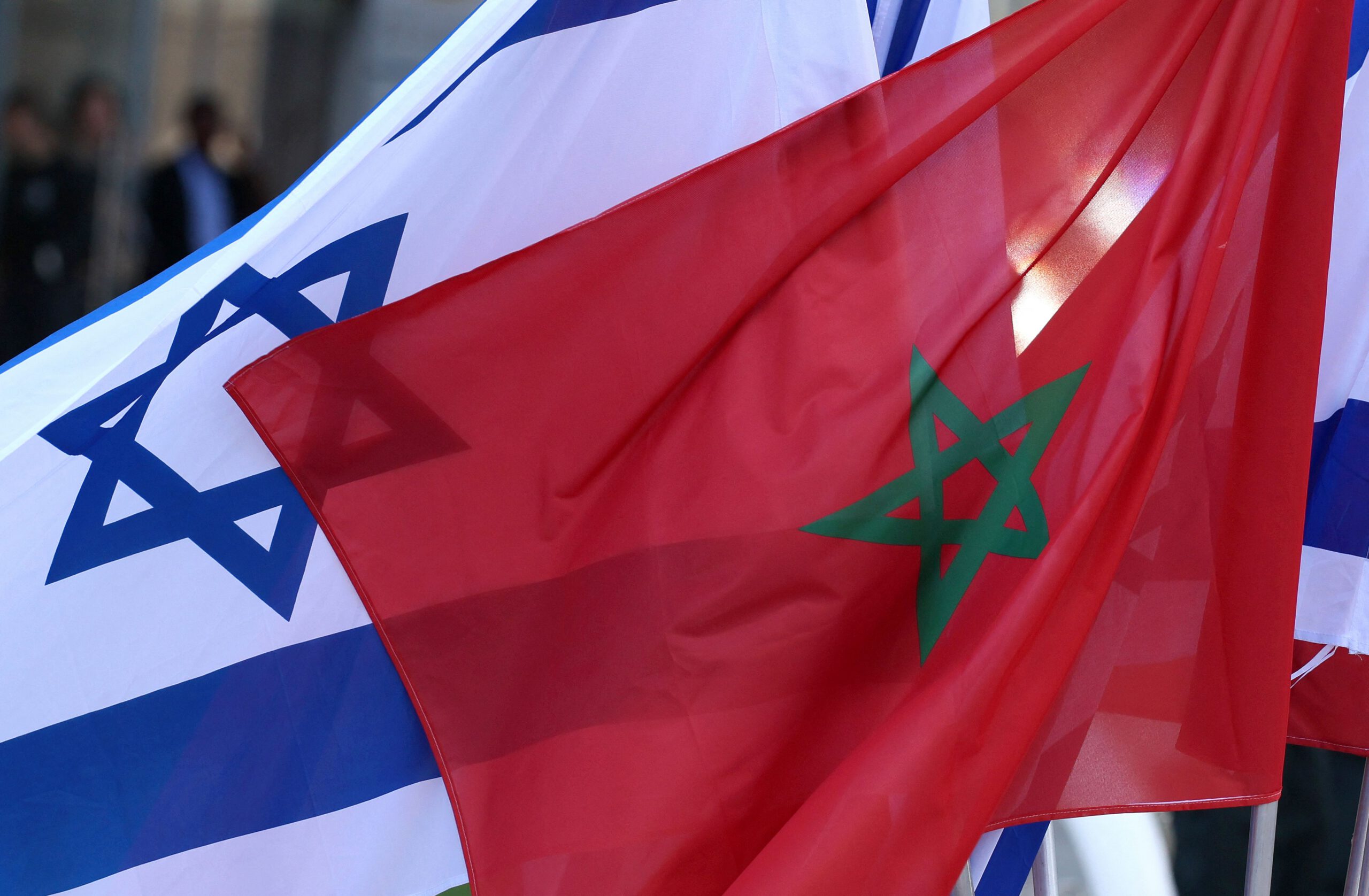
The December 2020 Moroccan-Israeli normalization deal has evolved from a vehicle enabling Morocco to gain long-sought U.S. recognition of its claims on Western Sahara to a broader strategic partnership with Israel. But the relationship further strains relations with neighboring rival Algeria.
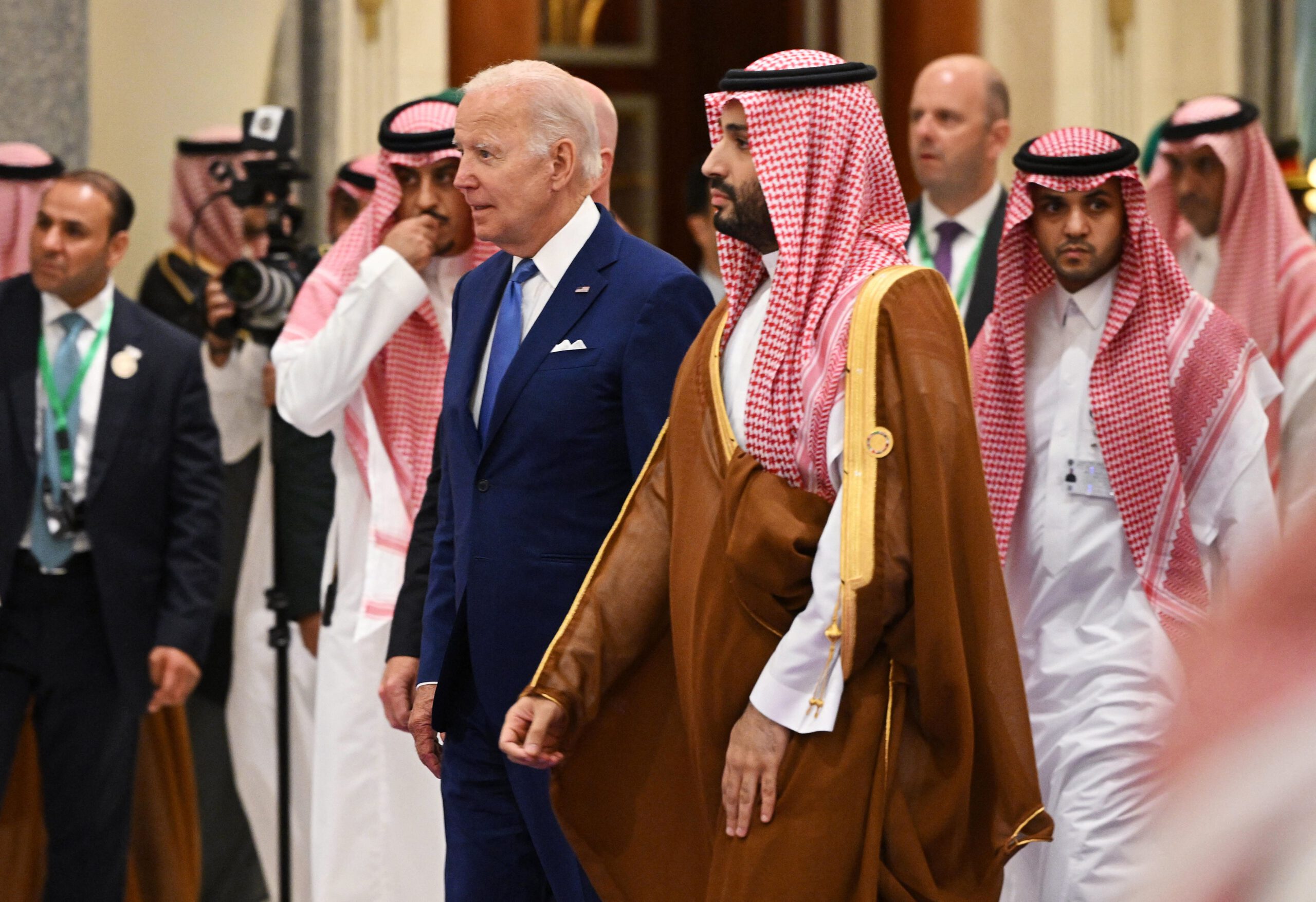
The Biden Administration’s National Security Strategy
The Biden Administration’s National Security Strategy has drawn some criticism for its relatively late release, but what of its actual substance? Today, Alistair Taylor talks with four experts, each with unique insights into the context and strategy of this document with regards to the Middle East, North Africa, and American foreign policy at large.
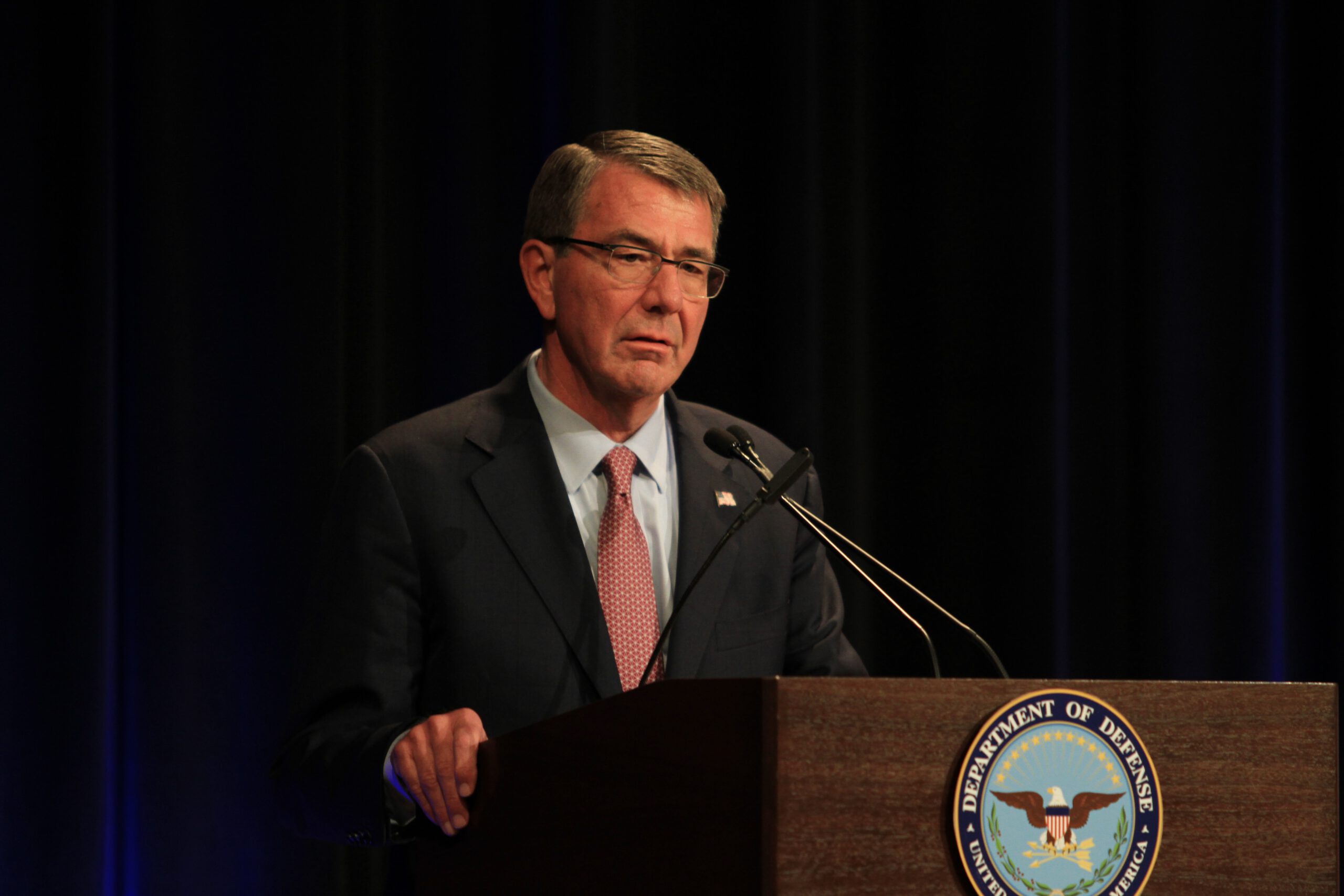
Ashton B. Carter, the 25th U.S. Secretary of Defense, who served under former President Barack Obama, passed away on October 24, 2022. MEI’s scholars react to the news and remember his rich legacy.
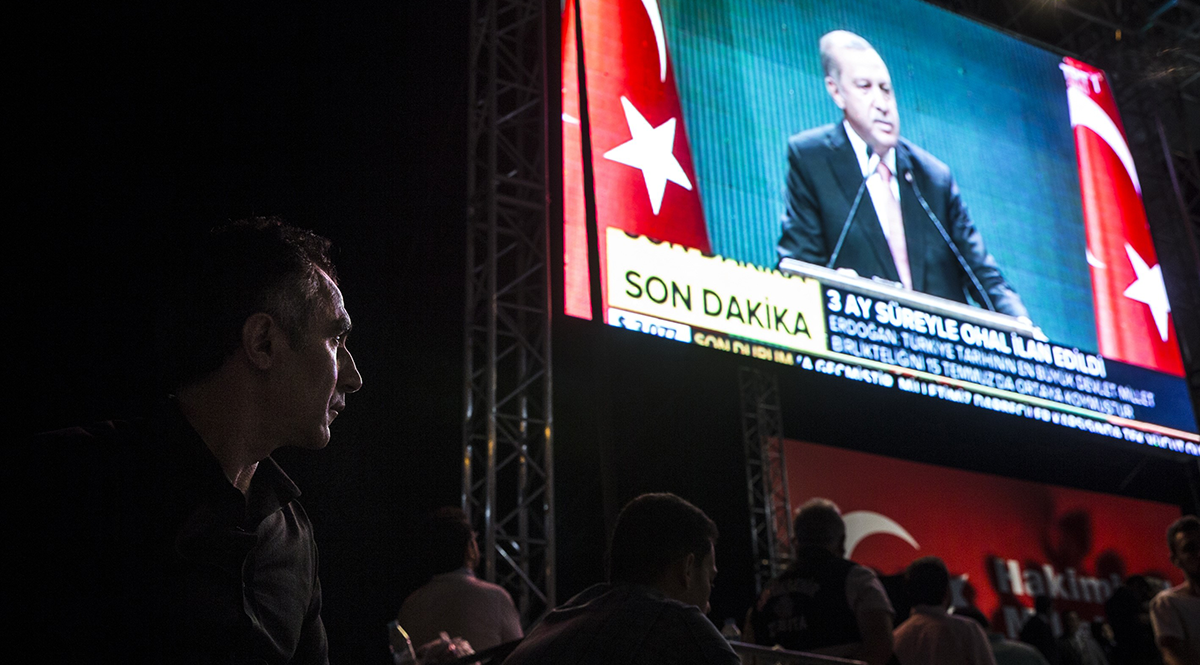
Following the AKP’s rise in 2002, civil-military relations in Turkey began to change significantly. The military’s tutelage over Turkish politics was gradually replaced with the AKP’s control over the Turkish Armed Forces. The July 2016 coup attempt put an end to the military’s prestige and popularity and ushered in a new era, with Erdoğan and his AKP asserting full civilian control over the military. This paper explores the factors that paved the way for the new civil-military relations between 2002 and 2016, reviews how the 2016 coup attempt became an opportunity for the AKP to further eliminate all opposition, and analyzes the impact of the upcoming 2023 elections and the opposition’s stance on civil-military relations.
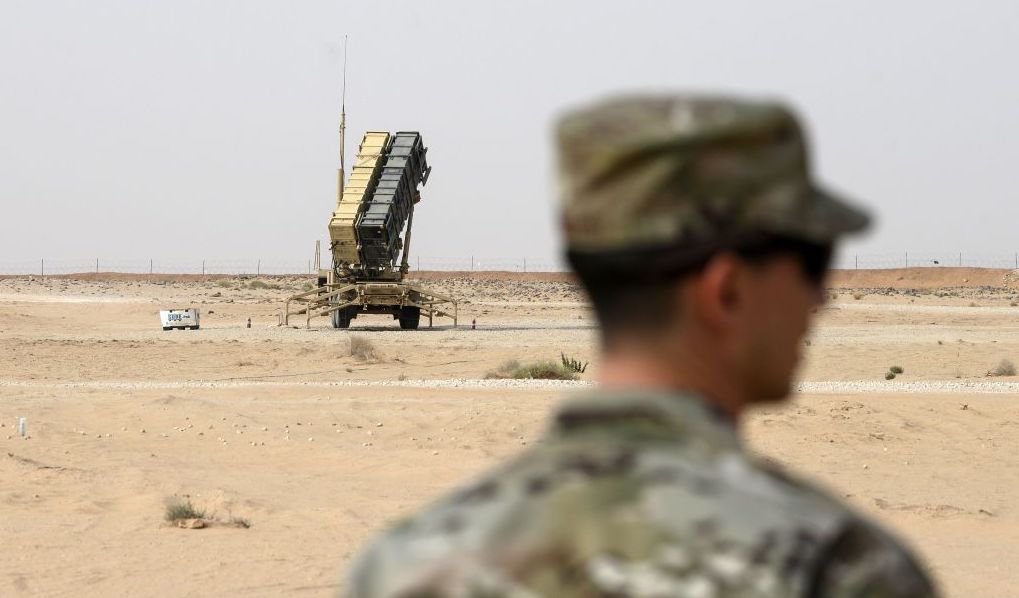
Is Red Sands the future of Middle East defense cooperation?
Drawing comparisons to the U.S. Army’s White Sands Missile Range in New Mexico, the Red Sands Integrated Experimentation Center will increase US-Saudi cooperation to counter two of the greatest threats emanating from Iran and its proxies — drone and missile attacks.