Over the past several weeks, the Houthis have seized the port city of Mokha, Yemen’s western coastline, and several islands in the Bab el-Mandeb Strait, and they are now massing around Marib and Taiz in the first major frontline shift since 2022. MEI Associate Fellow Nadwa Al-Dawsari joins host Matthew Czekaj to unpack the latest developments. Together, they discuss what has allowed the Houthis to advance against Yemeni government forces, the role the militant group plays in Iran’s regional strategy, and what it will take to contain the threat.
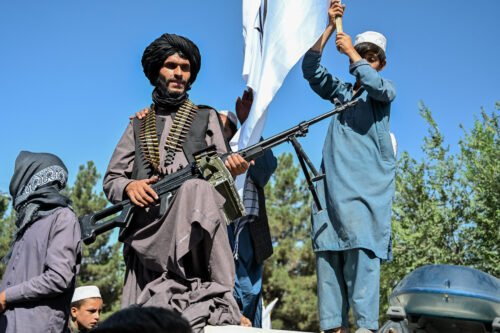
I was a teenage Afghan refugee in Pakistan’s tribal areas when the Twin Towers fell. Almost nobody around us understood the politics of what had happened, but we knew that something had changed for good. Afghanistan, which until then had been our private tragedy and our first exile from Taliban rule, had suddenly become the world’s concern, with the United States leading the response.
Though it has fallen out of the headlines because of the Iran war, Syria has had a dramatically consequential summer. Hosts Alistair Taylor and Matthew Czekaj are joined by MEI Senior Fellow Charles Lister to take stock of recent developments: the dissolution of the Kurdish-led Syrian Democratic Forces, Israeli strikes and the friction with Turkey they have exposed, the standoff in Sweida, as well as Damascus’s bid to turn Syria into a trade corridor between the Mediterranean and the Gulf. Is the transition consolidating or fragmenting nearly two years after the fall of the Assad regime?
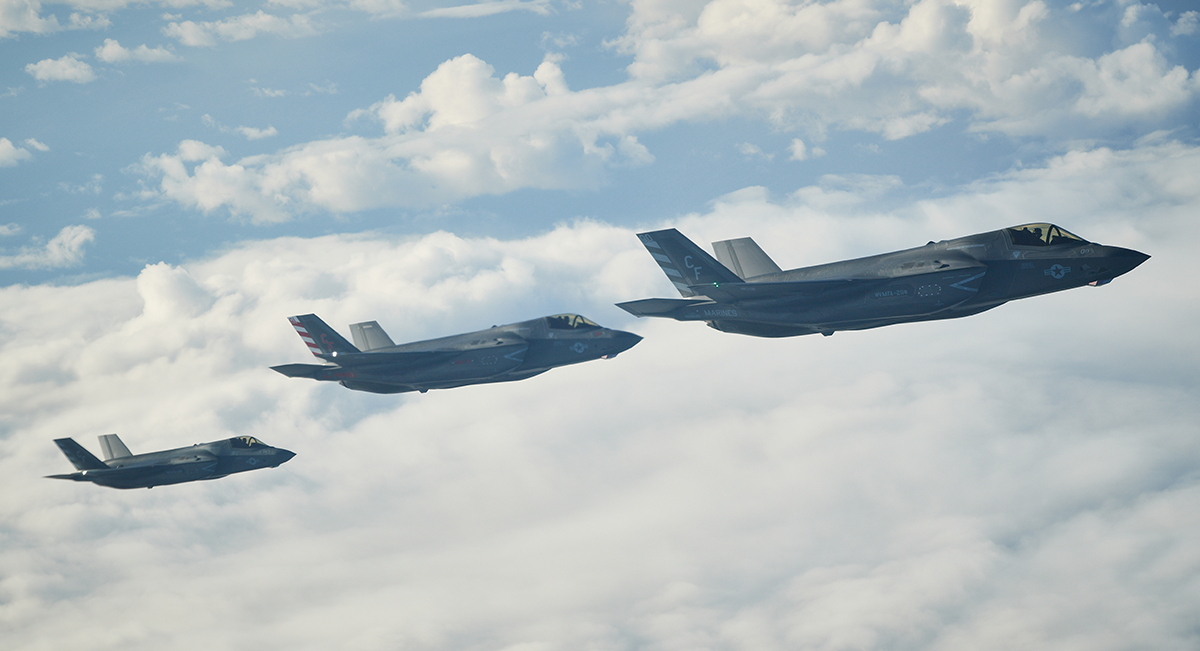
It was only a matter of time before another Arab partner joined the UAE in asking to buy F-35 fighter jets. On Wednesday, Reuters reports, Qatar formally submitted its own request.
Jordan: US security assistance and border defense capacity building
The Department of Defense (DoD) border security assistance programs in the Middle East region have helped partner countries to defend their borders against terrorist militia groups and other transnational security threats in the region. These programs set the standard for how the US military can foster long-term stability in the Middle East, while gradually drawing down its presence in the region.
In the recently released Showtime documentary “Kingdom of Silence” by Alex Gibney and Lawrence Wright, I made the statement that with hindsight the U.S. may have been better off never having occupied Afghanistan. That comment has brought some questions and responses, so let me be clear about what I mean and why.
As the United Arab Emirates (UAE) and Bahrain move forward with their separate processes to normalize relations with Israel, the question that seems to be on the mind of many, both in Washington and in the region, is whether or when the Saudis will follow.
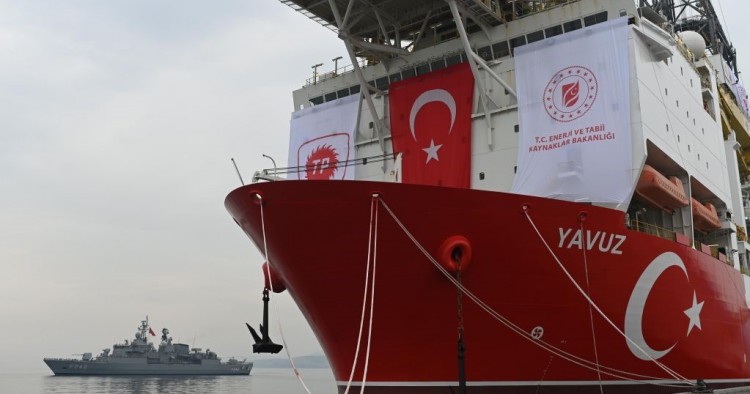
Ideology, and not just energy, explains Turkey's Mediterranean disruptions
Over the next few days, European Union leaders will meet to discuss potential sanctions against Turkey based on Ankara’s aggressive energy claims against EU members Greece and Cyprus. Conflicting interests within the EU itself will likely preclude the bloc from actually imposing sanctions. But at the core of the recent crisis between Greece and Turkey lies a dangerous ideological model—not a mere dispute over energy resources.
Trump, the CIA, and our disorienting Iranian policy ride
Understanding President Donald J. Trump’s position on Iran over the two remaining months until the November election is no feat for the fainthearted. Depending on the source to which one subscribes, Trump is either provoking conflict with Iran or working a secret back channel to secure a deal, both variables purportedly intended to support his election prospects. So which is it? Or can it be both?
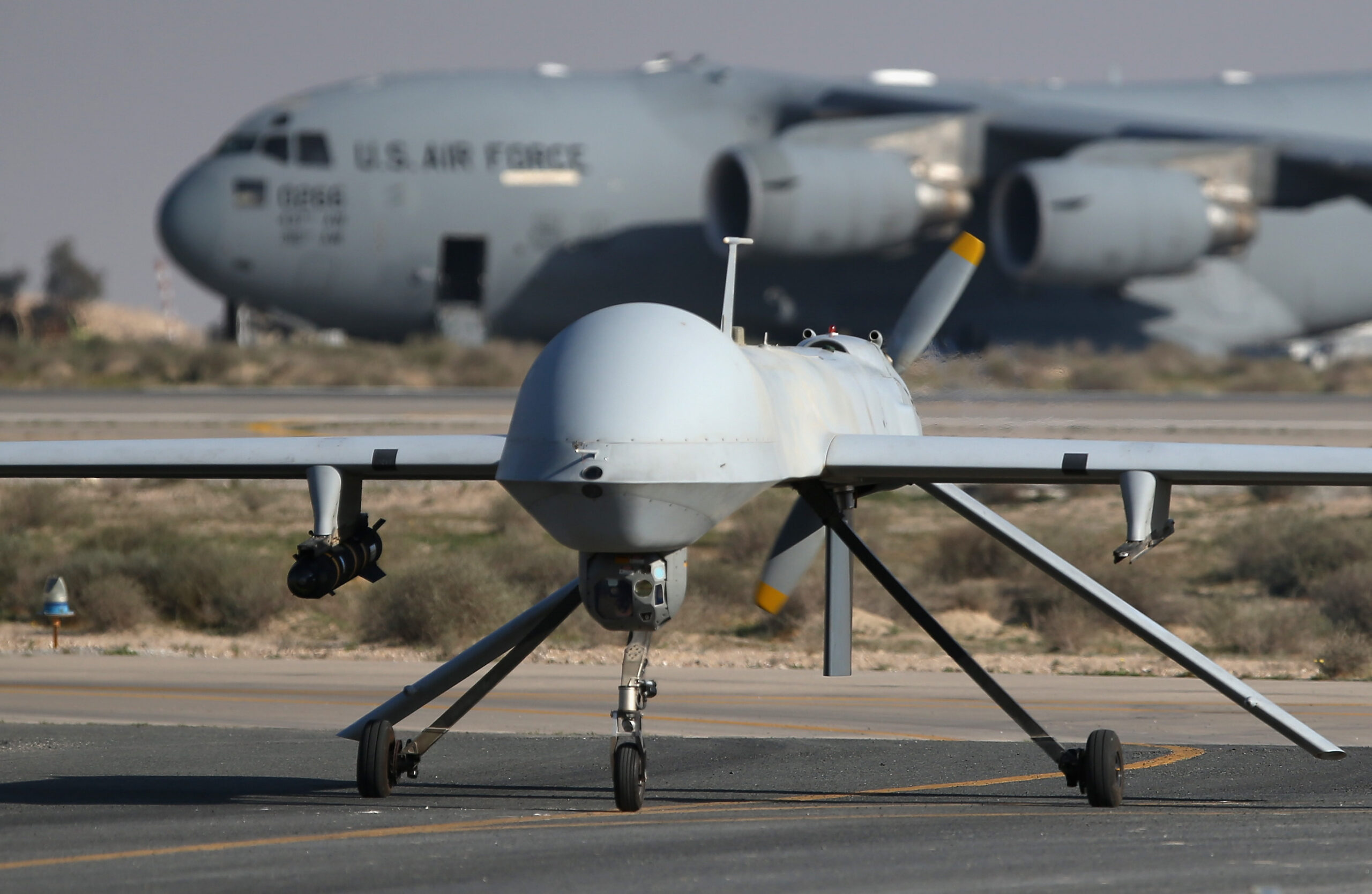
Will COVID-19 hasten the rise of lethal autonomous weapons?
The latest figures from the Pentagon indicate that the total number of COVID-19 cases among members of the U.S. military has topped 60,000 since the onset of the pandemic. COVID-19 and other similar outbreaks could become an increasingly important consideration in the calculus of future military deployments. They could add impetus to the Pentagon’s development of lethal autonomous weapons or at least be cited as a perfect reason to do so. This could, in turn, have significant implications for the future of both U.S. military operations in the Middle East and the U.S. military presence in the region.
Syria Still Matters: Charting a Strategic Approach to Syria Policy
Nine years of conflict in Syria has had a profoundly destabilizing effect on regional and international security. Although overarching dynamics have changed, the crisis is far from over — it is merely evolving. All of the conflict’s root causes remain in place and many have worsened. In controlling less than two-thirds of the country, the Syrian state and its Russian and Iranian backers are increasingly incapable of addressing the many challenges they face: economic collapse and inflation, fledgling insurgencies, a resurgent ISIS, a COVID crisis, and endemic corruption and mismanagement. What happens in Syria never stays in Syria. The United States cannot afford to prematurely withdraw or sustain today’s inconsistent and ill-considered policy — it must step up, re-assert its leverage, strengthen its partners, mobilize its allies, and move determinedly toward protecting American interests and helping to diplomatically resolve the crisis once and for all, creating space for foreign actors, the U.S. included, to depart Syrian soil responsibly.
Election 2020: Challenges and Opportunities for US Policy in the Middle East
In a new briefing book released ahead of the U.S. elections in November, entitled Election 2020: Challenges and Opportunities for US Policy in the Middle East, MEI scholars lay out key issues across the region, highlight the U.S. interests at stake, and provide policy insights and recommendations for the path forward.
Continuity and change in British foreign policy toward Yemen
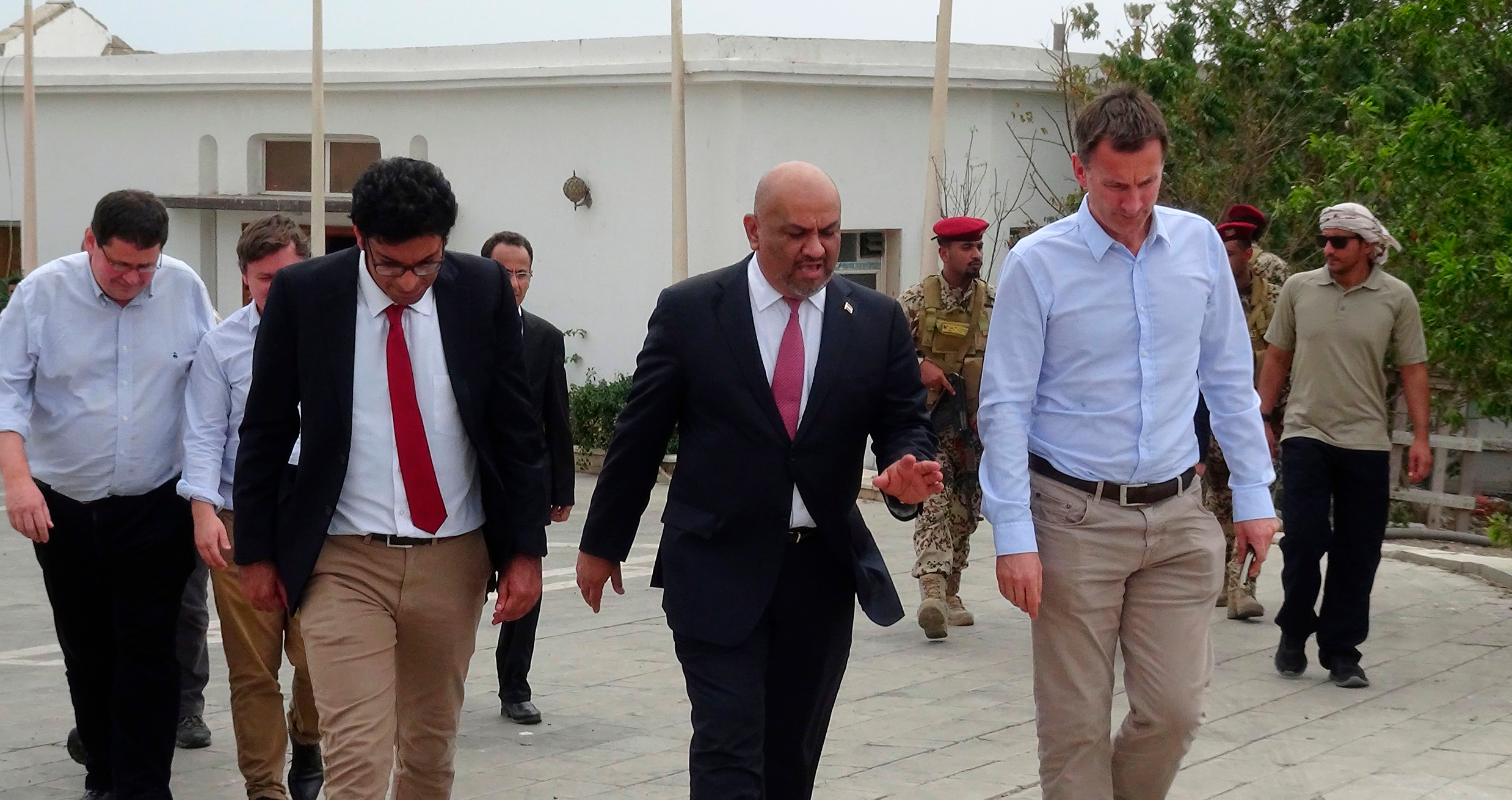
On Feb. 16, 2015, then British Ambassador to Yemen Jane Marriott wrote an article titled “Yemen: the ball is in the Houthis’ court,” asserting that the future of the country and its stability were dependent on the Houthis.
Strategic pause: What explains Russia’s inertia in eastern Syria?
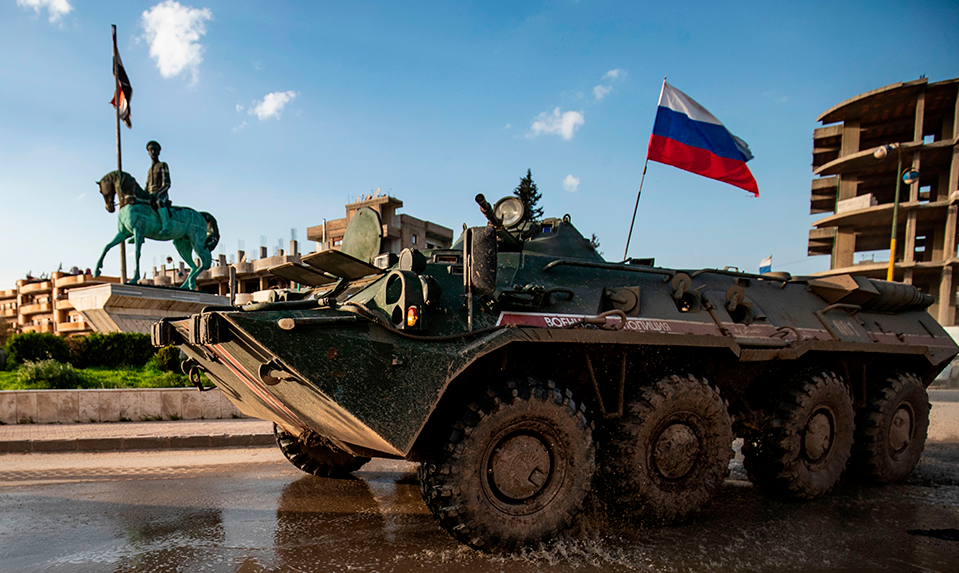
Moscow has been scaling down its activities in eastern Syria and the most likely reason for this inertia lies in Moscow’s reluctance to be associated with actors seeking to erode the quasi-autonomy of the Trans-Euphrates region. Instead, Russia prefers to stand to the side and watch events unfold, while contemplating the right moment to jump in as a mediator and reap the political rewards.