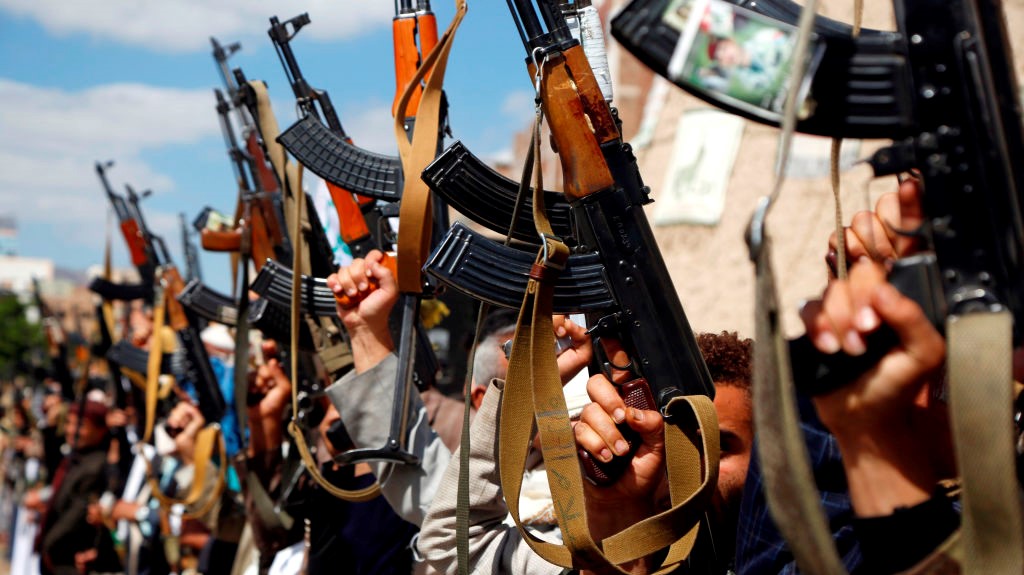
Over the past several weeks, the Houthis have seized the port city of Mokha, Yemen’s western coastline, and several islands in the Bab el-Mandeb Strait, and they are now massing around Marib and Taiz in the first major frontline shift since 2022. MEI Associate Fellow Nadwa Al-Dawsari joins host Matthew Czekaj to unpack the latest developments. Together, they discuss what has allowed the Houthis to advance against Yemeni government forces, the role the militant group plays in Iran’s regional strategy, and what it will take to contain the threat.
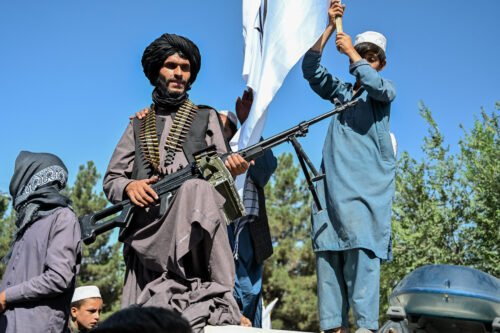
I was a teenage Afghan refugee in Pakistan’s tribal areas when the Twin Towers fell. Almost nobody around us understood the politics of what had happened, but we knew that something had changed for good. Afghanistan, which until then had been our private tragedy and our first exile from Taliban rule, had suddenly become the world’s concern, with the United States leading the response.
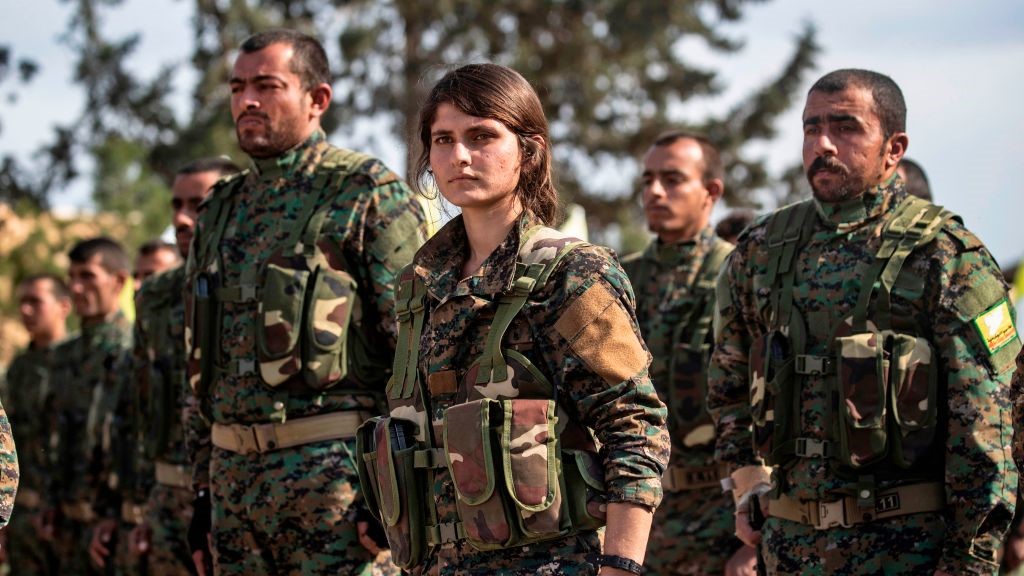
Though it has fallen out of the headlines because of the Iran war, Syria has had a dramatically consequential summer. Hosts Alistair Taylor and Matthew Czekaj are joined by MEI Senior Fellow Charles Lister to take stock of recent developments: the dissolution of the Kurdish-led Syrian Democratic Forces, Israeli strikes and the friction with Turkey they have exposed, the standoff in Sweida, as well as Damascus’s bid to turn Syria into a trade corridor between the Mediterranean and the Gulf. Is the transition consolidating or fragmenting nearly two years after the fall of the Assad regime?
Why Erdogan can't afford to back down over conflict with Assad and Russia
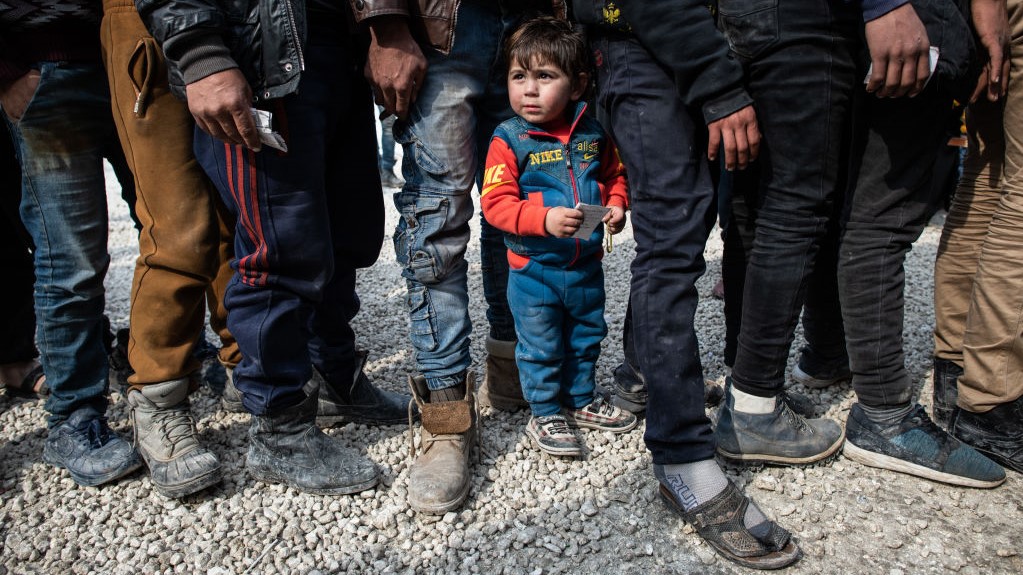
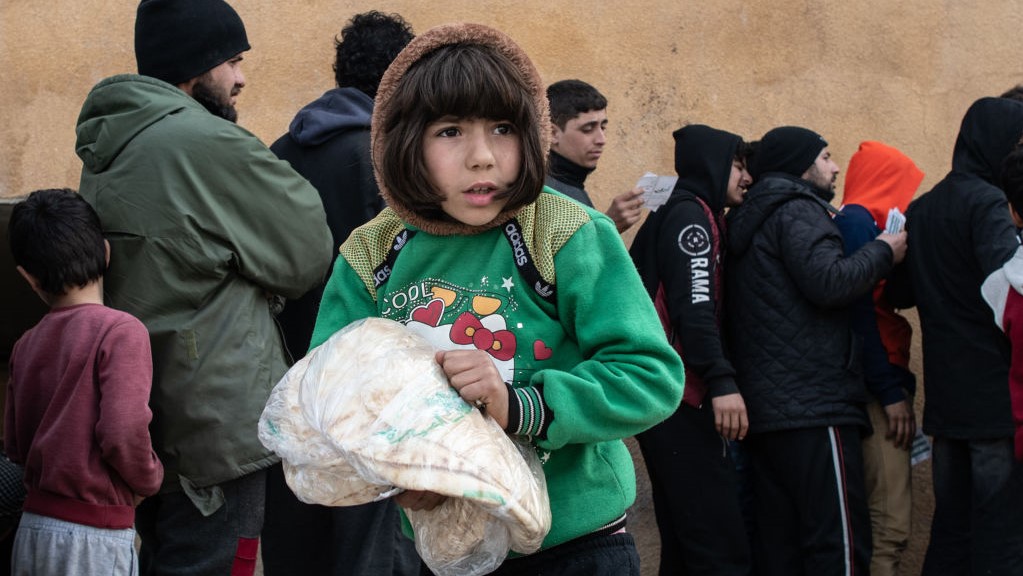
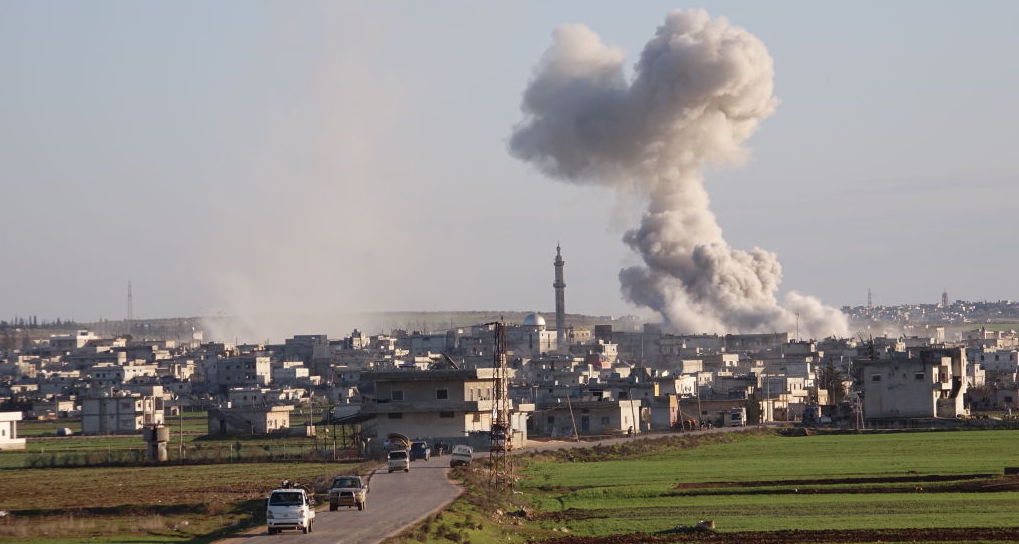
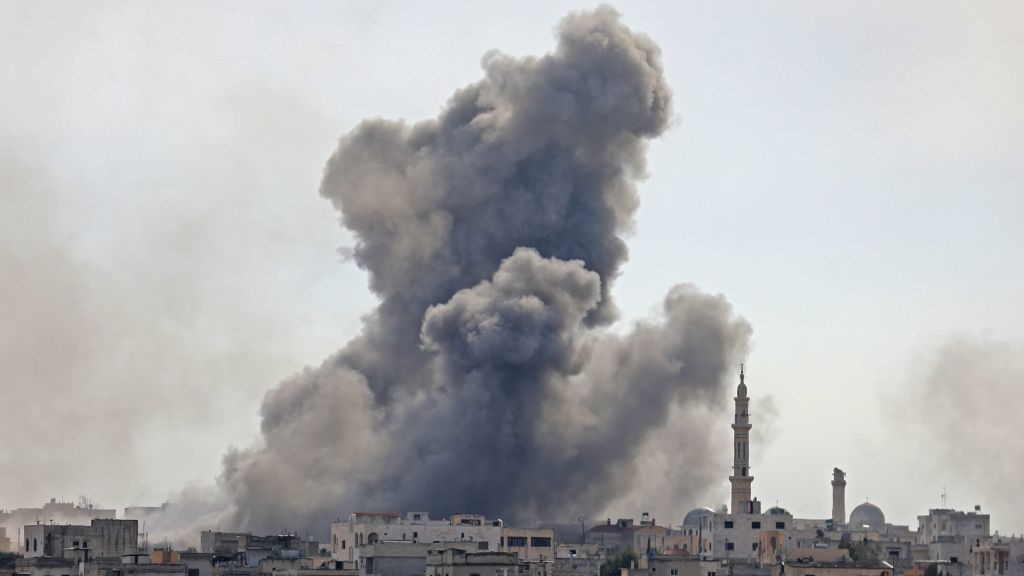
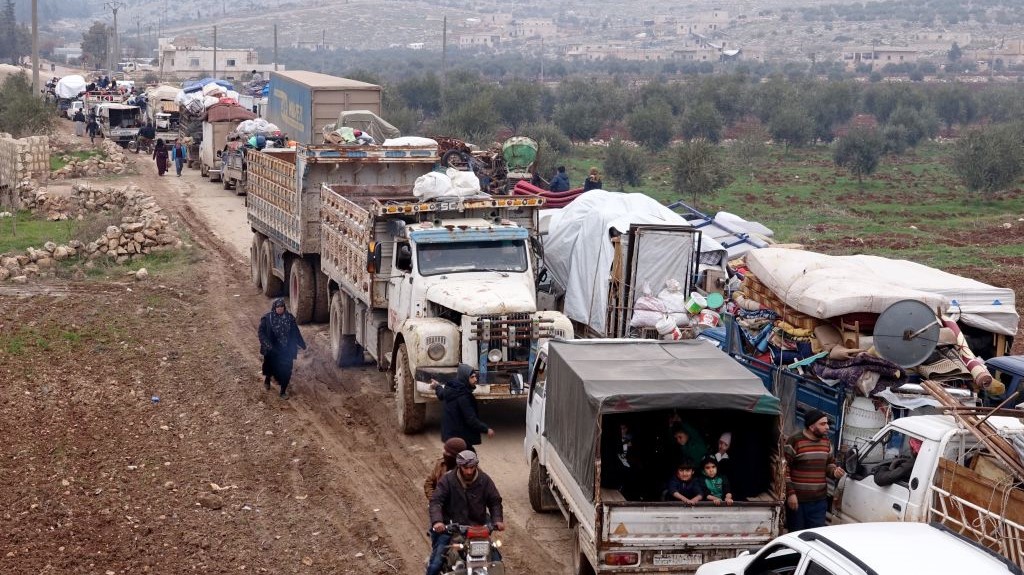
Nearly a million civilians, 81 percent of them women and children, have been displaced from their homes in 90 days in Syria’s northwestern province of Idlib, amid a brutal military campaign by Syria’s Assad regime, Russia and Iran-backed militias.
US and Taliban move closer to a deal, but major questions remain
Whatever else it may do, the pending agreement is intended to provide the political cover for a U.S. departure from Afghanistan at an opportune time with this an election year.
Turkey faces potential Russian blowback on Syria — and tomatoes are only the beginning
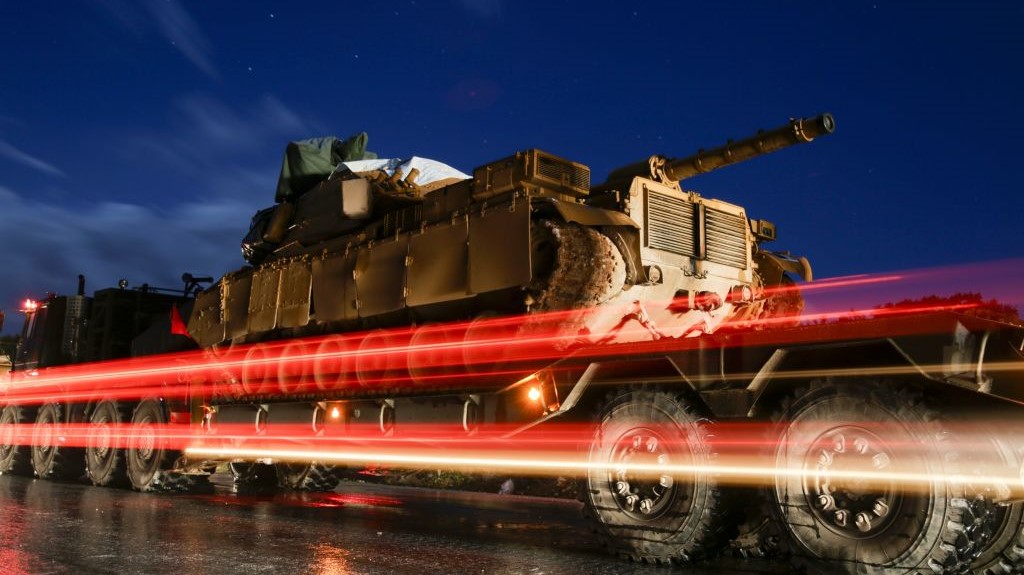
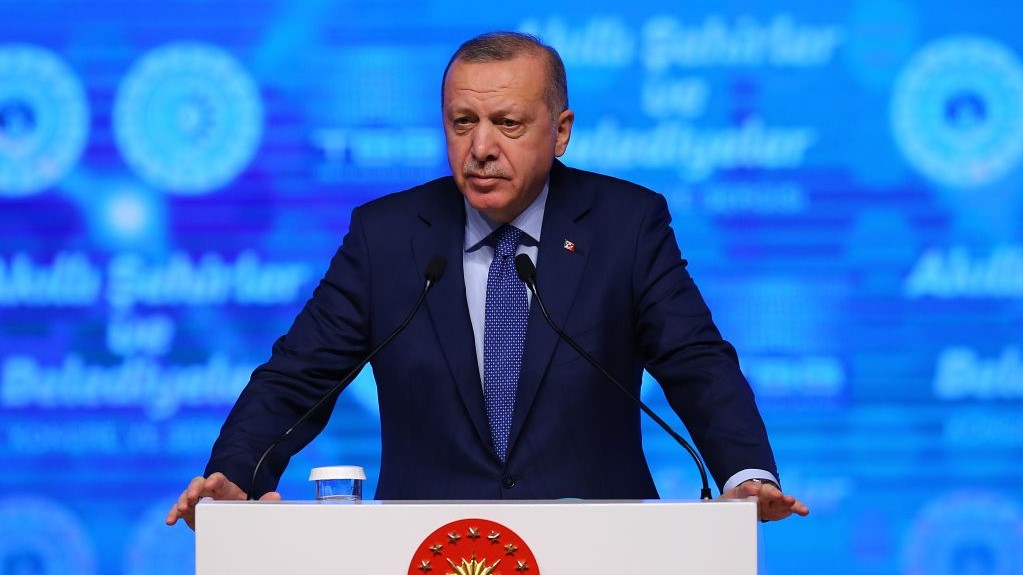
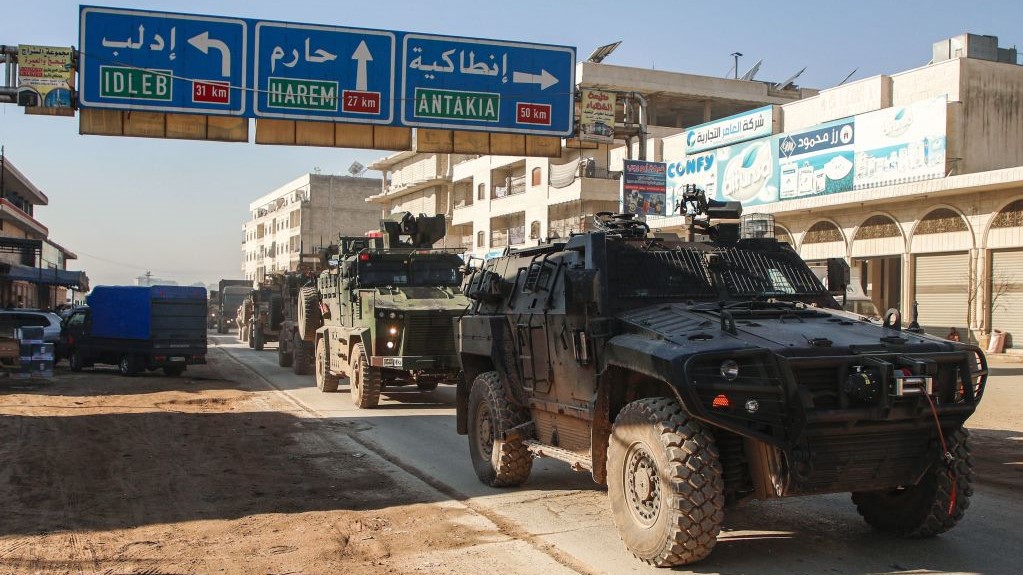
Turkish President Recep Tayyip Erdogan finds himself in a tough spot with Russia as tensions in Syria have escalated dramatically. In a rare direct military confrontation between Turkish and Syrian regime forces, 14 Turkish soldiers and over 100 regime troops were killed in two separate clashes in Idlib over the past 10 days.
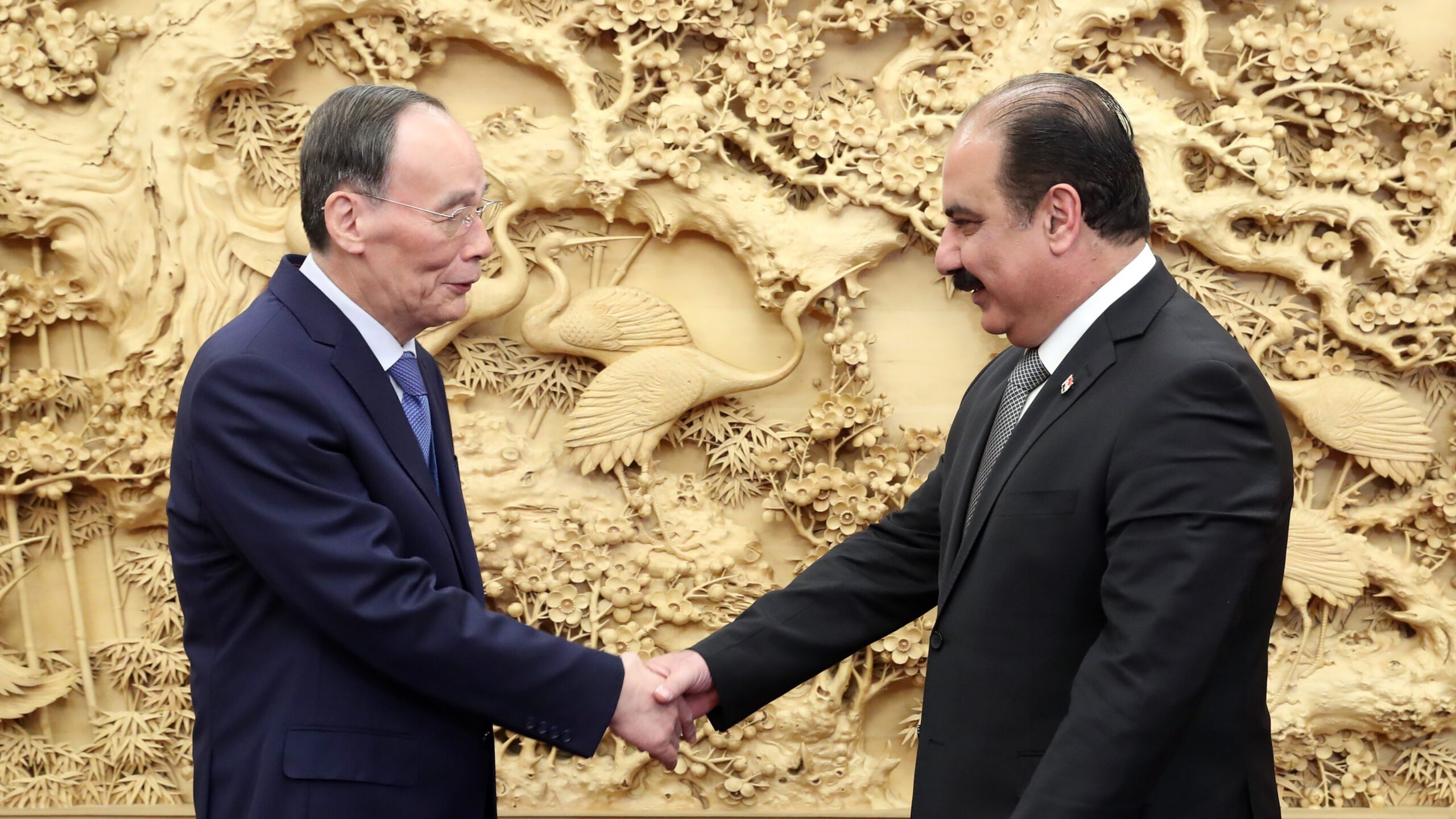
Since the beginning of the Syrian civil war in 2011, many analysts have examined the role played by a handful of key outside actors, such as Russia, Iran, Turkey, and the member states of the Gulf Cooperation Council (GCC). Yet China has received comparatively little attention in most discussions about the Syrian crisis. A deeper look at Sino-Syrian relations and Beijing’s policies vis-à-vis Syria is long overdue as this bilateral relationship is set to become increasingly important to both China’s ambitious foreign policy as well as the Syrian government’s vision for reconstruction and redevelopment.
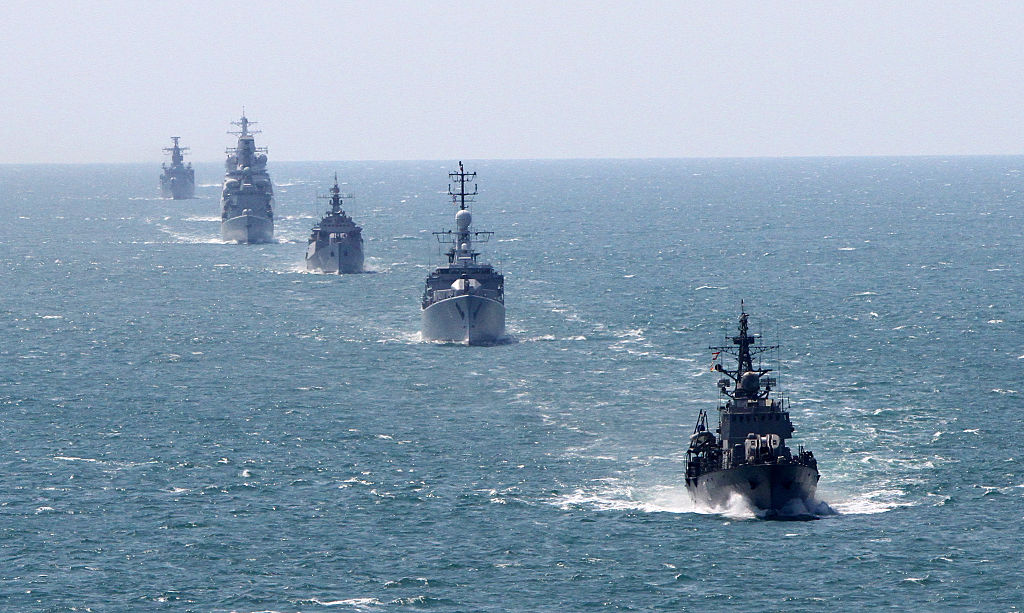
The Black Sea is a very important region for NATO, and has not received the attention it deserves; a separate focused NATO strategy and support for countries in the Black Sea would send a message that the Alliance takes the region seriously.
In Syria, we’re getting counter-terrorism all wrong
While proclamations of ISIS’s defeat were certainly premature, international policy and attention on countering terrorism in Syria has since declined — as if to suggest that the job is done. In fact, as 2020 sets in, the world seems to be getting counter-terrorism all wrong in Syria, in three interlinked ways.
A tale of two partners: Comparing two approaches for partner force operations
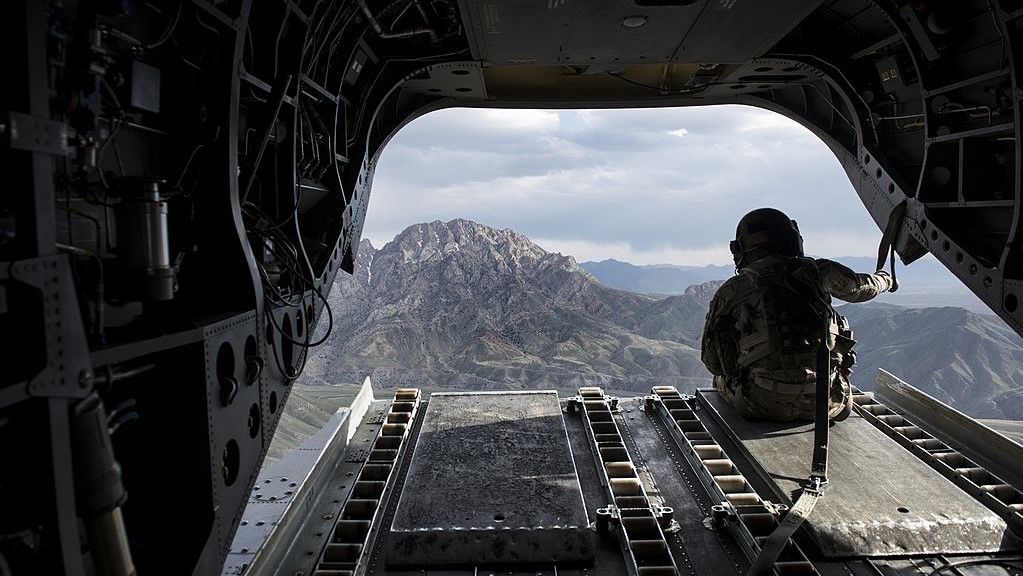
The 2018 National Defense Strategy shapes the way the U.S. military competes with state and non-state adversaries. It specifically calls for improvements in partner force operations (PFO) — especially counter-terrorism (CT) — so that regional partners can keep up CT pressure while America’s special operators shift focus to help the nation gain and maintain an advantage over the near-peer competitors of Russia and China.