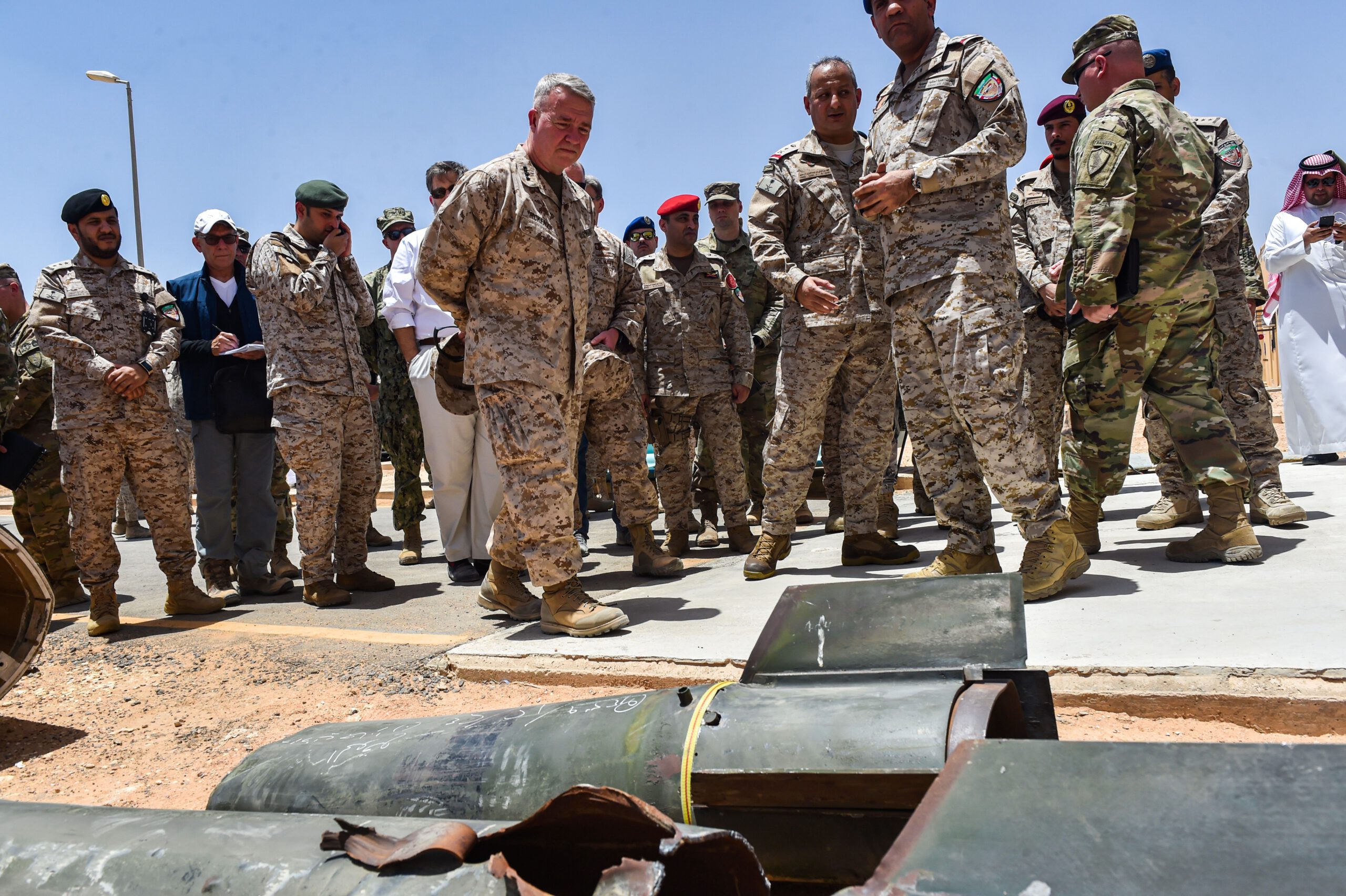
Over the past several weeks, the Houthis have seized the port city of Mokha, Yemen’s western coastline, and several islands in the Bab el-Mandeb Strait, and they are now massing around Marib and Taiz in the first major frontline shift since 2022. MEI Associate Fellow Nadwa Al-Dawsari joins host Matthew Czekaj to unpack the latest developments. Together, they discuss what has allowed the Houthis to advance against Yemeni government forces, the role the militant group plays in Iran’s regional strategy, and what it will take to contain the threat.
I was a teenage Afghan refugee in Pakistan’s tribal areas when the Twin Towers fell. Almost nobody around us understood the politics of what had happened, but we knew that something had changed for good. Afghanistan, which until then had been our private tragedy and our first exile from Taliban rule, had suddenly become the world’s concern, with the United States leading the response.
Though it has fallen out of the headlines because of the Iran war, Syria has had a dramatically consequential summer. Hosts Alistair Taylor and Matthew Czekaj are joined by MEI Senior Fellow Charles Lister to take stock of recent developments: the dissolution of the Kurdish-led Syrian Democratic Forces, Israeli strikes and the friction with Turkey they have exposed, the standoff in Sweida, as well as Damascus’s bid to turn Syria into a trade corridor between the Mediterranean and the Gulf. Is the transition consolidating or fragmenting nearly two years after the fall of the Assad regime?
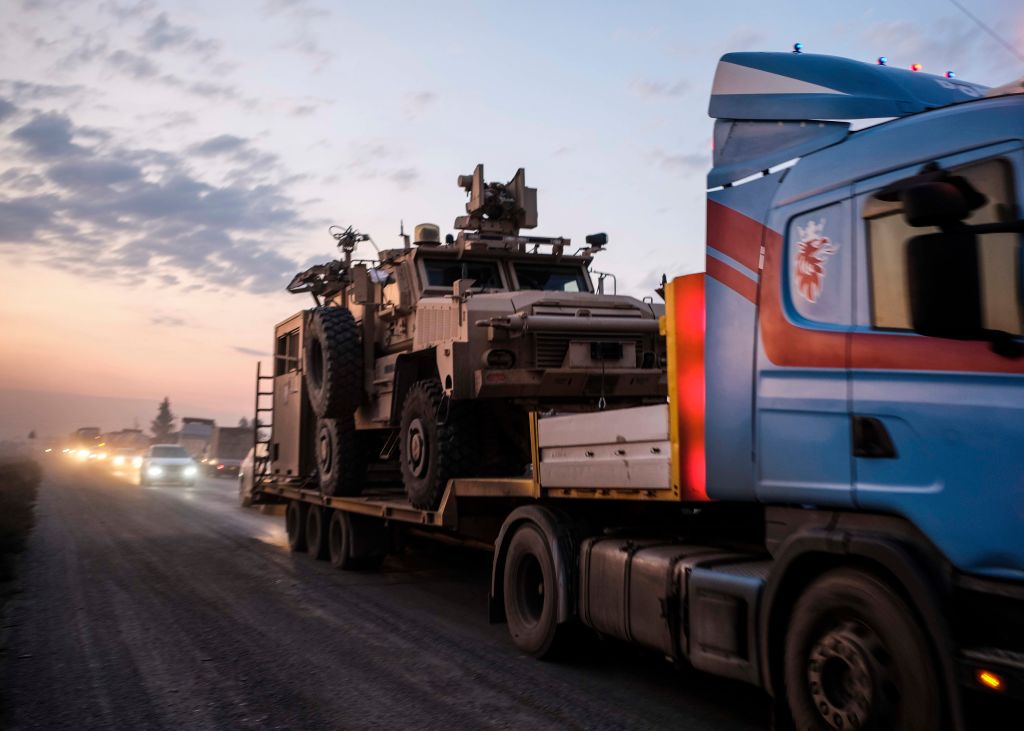
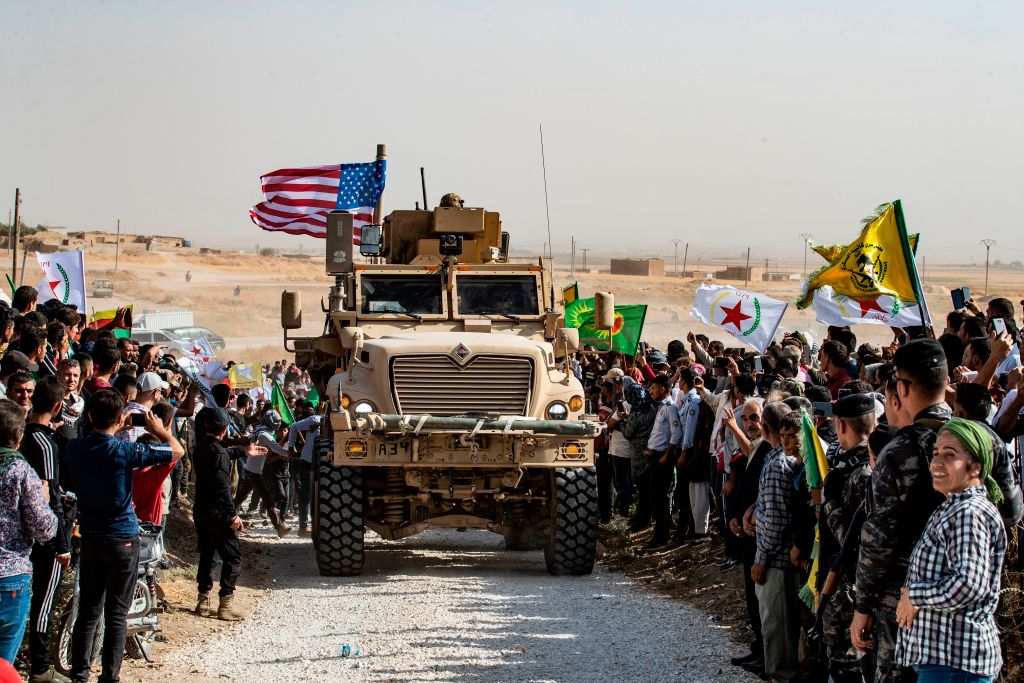
That some in Washington think another about-turn in policy allowing us to stay in negligible numbers, in a smaller piece of territory, would somehow enable us to sustain an anti-ISIS campaign and control Syria’s oil fields is nothing short of a fantasy.
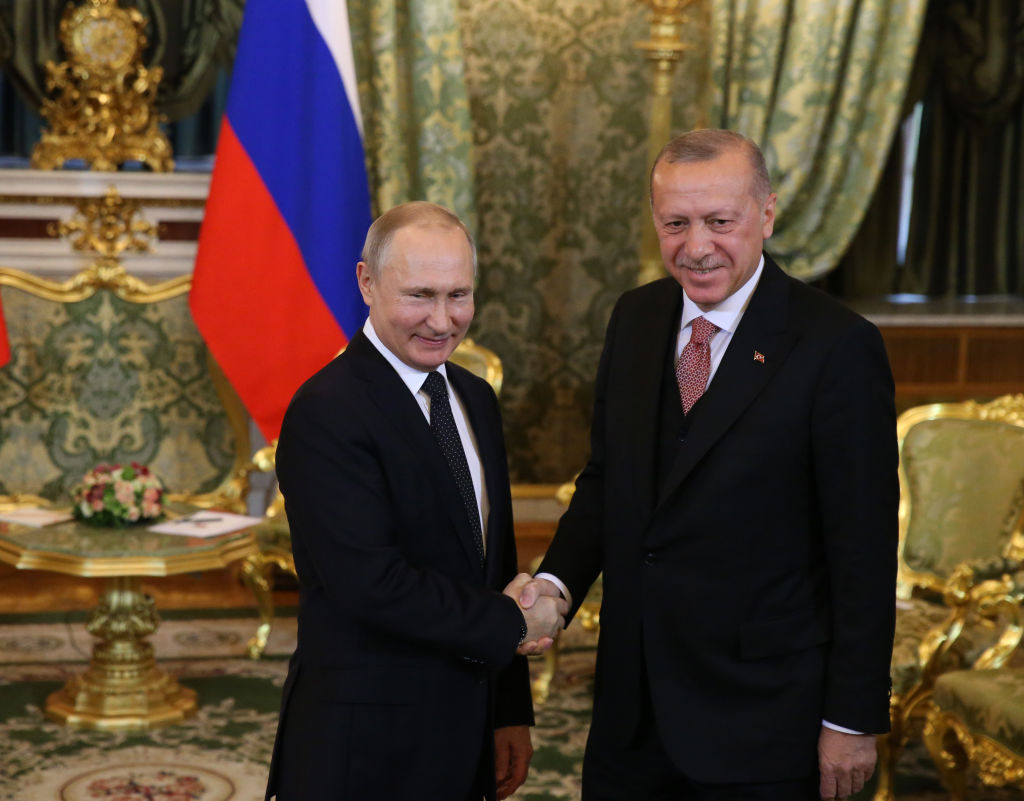
Erdogan heads to Russia for Syria safe zone talks with Putin
To make his case for an expansive safe zone in northern Syria stretching to Iraqi border, Recep Tayyip Erdogan is meeting with Russian President Vladimir Putin in Sochi. Putin might accept a limited Turkish presence in the area for now, but he is unlikely to agree to Turkey’s current plans.
Both Mr. Trump and Mr. Erdogan, each under mounting pressure at home, are trying to solve domestic challenges with a tragedy that will have long-term and unpredictable effects — none of them beneficial for the United States and any friends that remain.
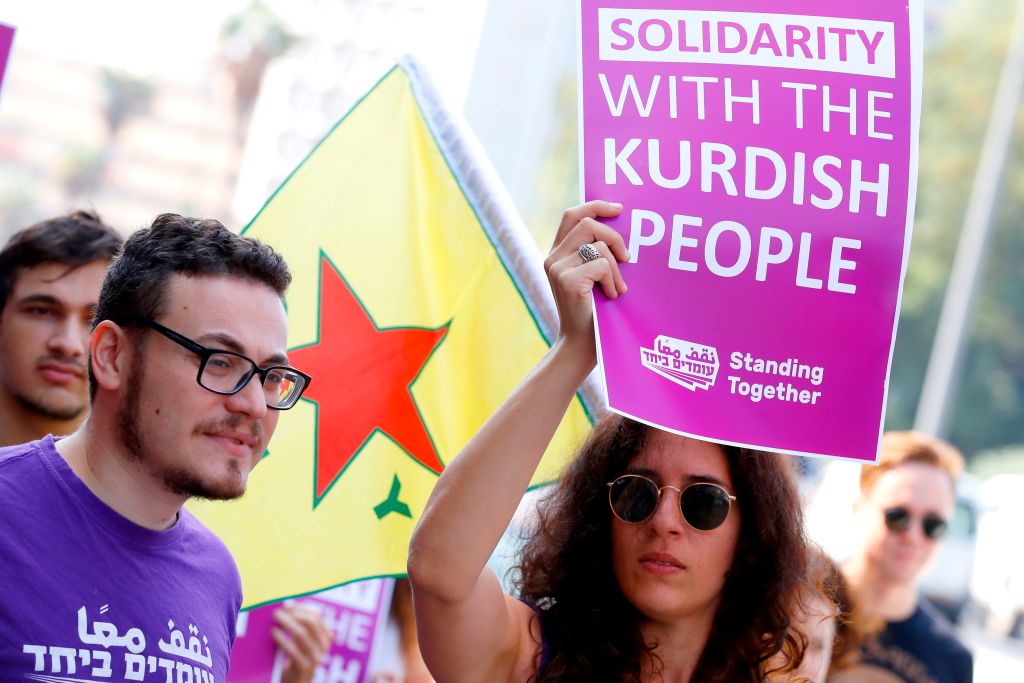
“Ana Kurdi” — suddenly Israelis are feeling Kurdish
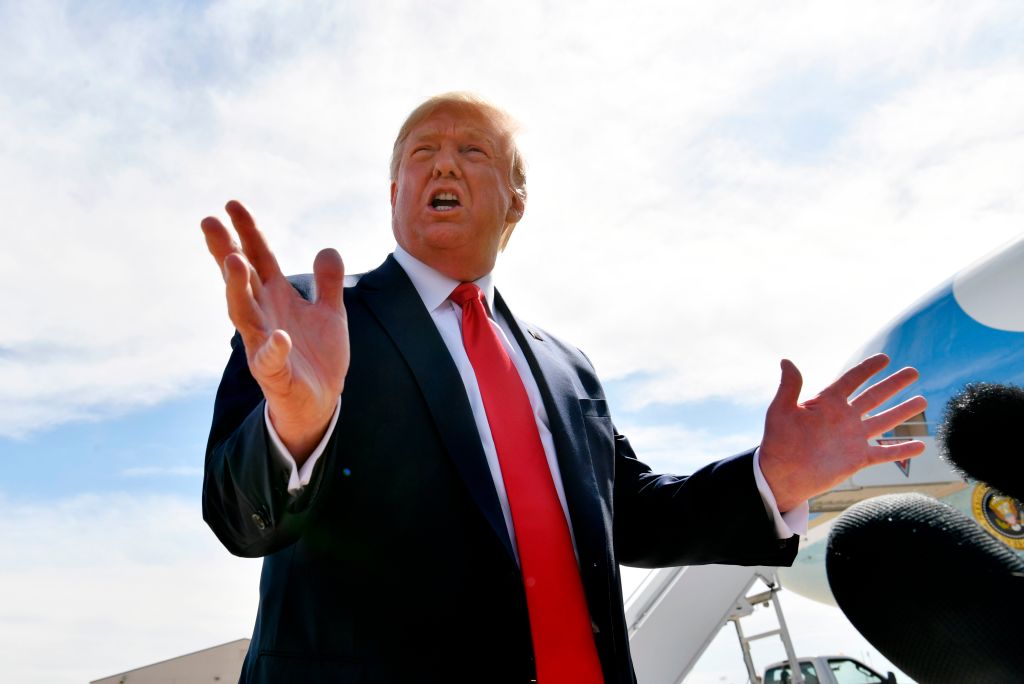
The news of Donald Trump’s sellout to Turkey’s Recep Tayyip Erdogan hit Israel like a lightning storm. Trump has managed to do the unthinkable: unite all Israelis around a geopolitical cause.
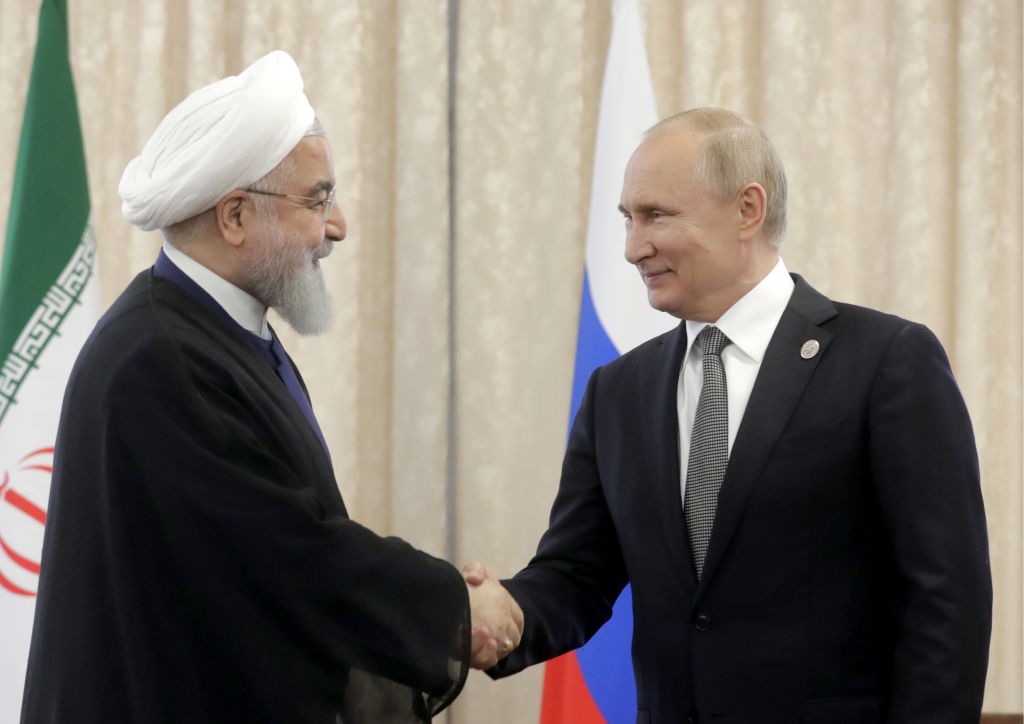
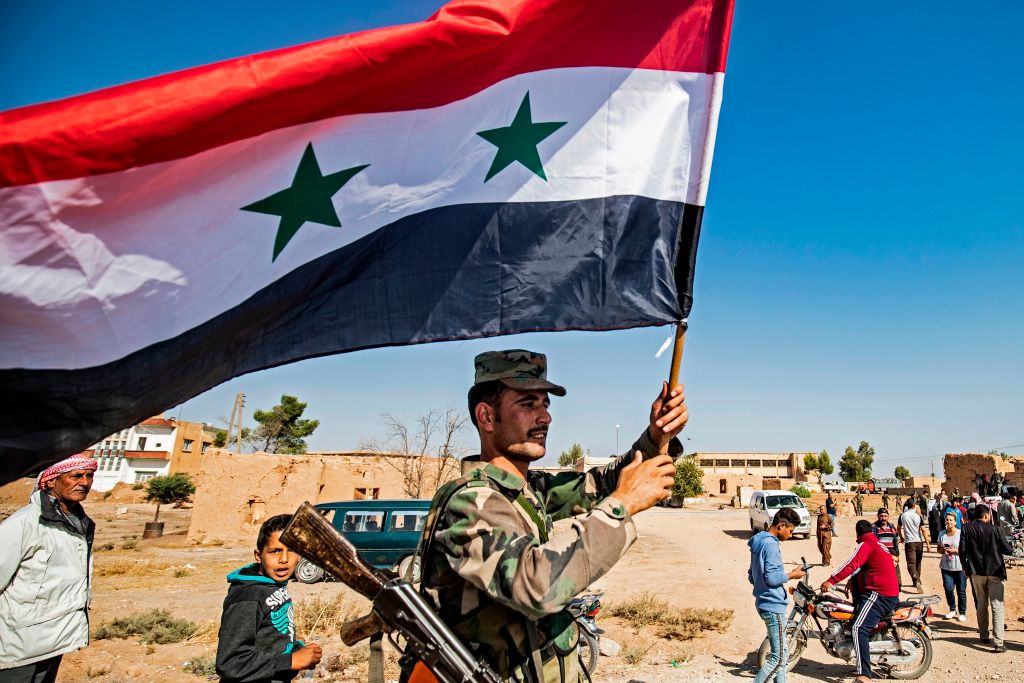
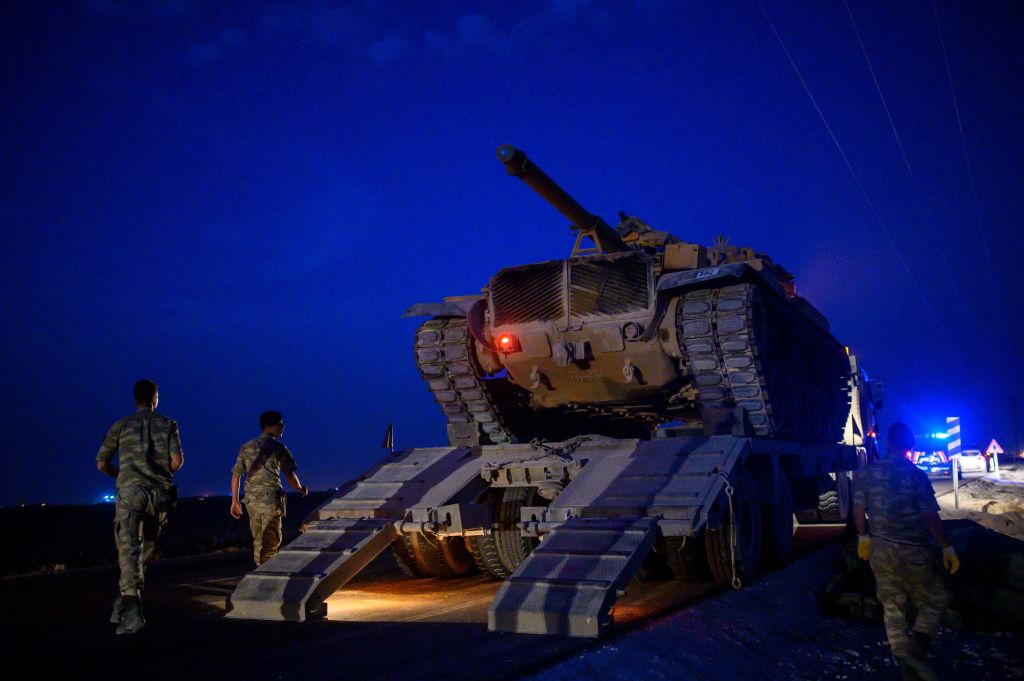
While the Turkish military offensive against the Kurdish-led Syrian Democratic Forces (SDF) in northern Syria might, once again, bring Moscow and Tehran together tactically in support of Assad’s rule and Syrian sovereignty, the two powers have fundamentally different visions for the war-ravaged country’s future.
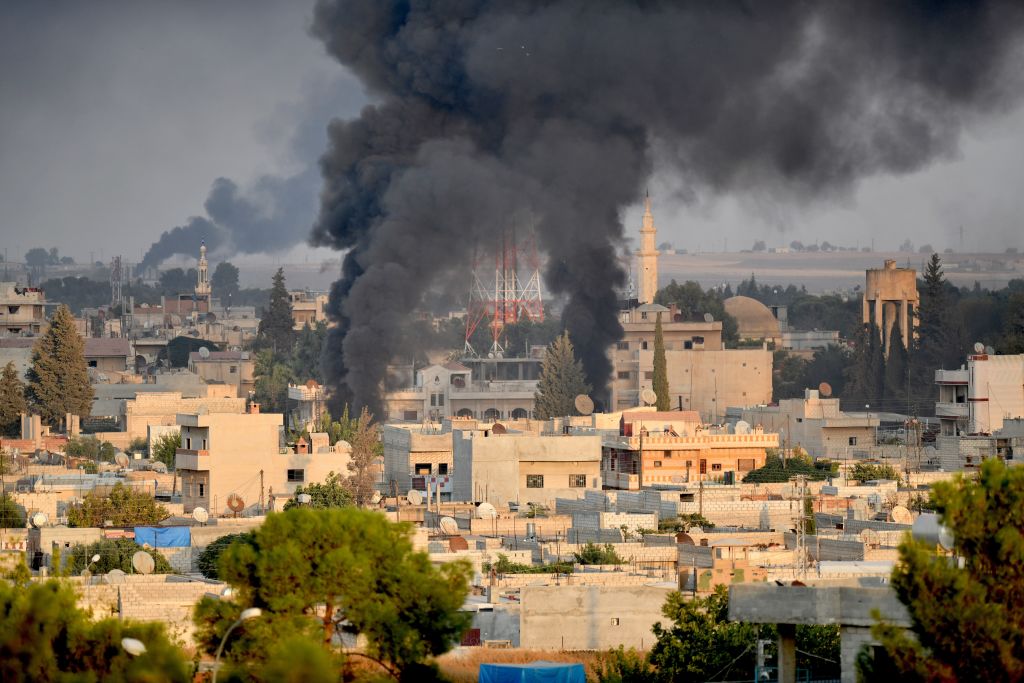
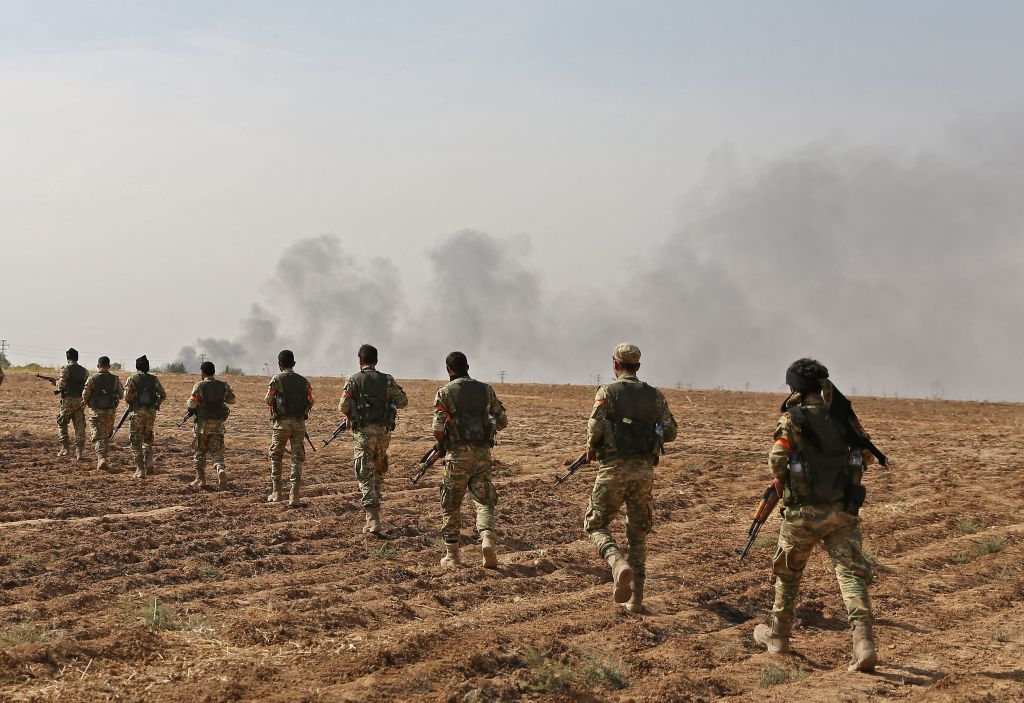
Turkey’s cross-border incursion into northeastern Syria has stirred up a hornet’s nest of instability and threats. If left unchecked, this latest “war within a war” will have deeply destabilizing consequences for many years.
In one fell swoop, the U.S. has found itself evacuating a third of the country; breaking away from a 100,000-strong partner we trained and equipped; and watching it surrender to the regime that we have stood against from day one. In the chaos that has ensued, ISIS prisoners have been let loose, hundreds of thousands of civilians have been displaced, and a once relatively stable northeastern Syria has been thrown into a potentially intractable pit of ethnic, sectarian, and political conflict. The consequences of America’s self-destruction in Syria will be felt for many, many years to come.
The biggest losers from President Trump’s arbitrary decision to allow Turkish forces to enter Syria may end up being pro-revolution Syrians and civilians living in Idlib.
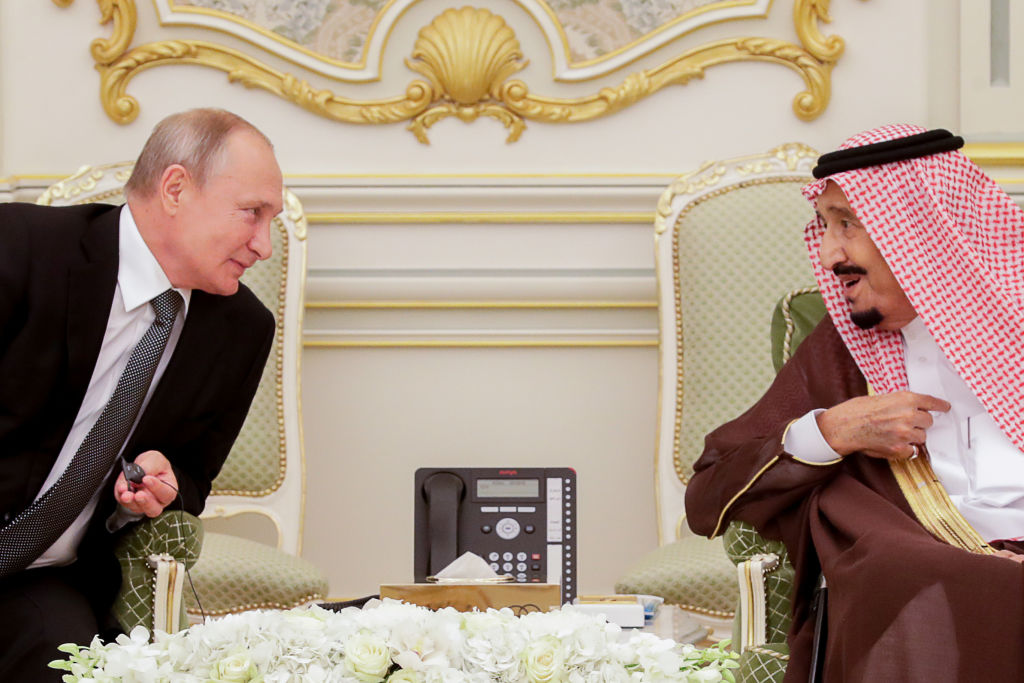
Putin reaps benefits of Trump’s Middle East policy collapse
Putin’s visit to Saudi Arabia and the UAE takes place as the U.S. position in the Middle East collapses in the face of a series of misjudgments and “own-goals” by the Trump administration.
Washington has a hard long-term choice when it comes to Syria. The best chance for an optimal solution through a negotiated political deal was lost years ago. The U.S. now must choose a policy which will yield only a “least-bad” result.
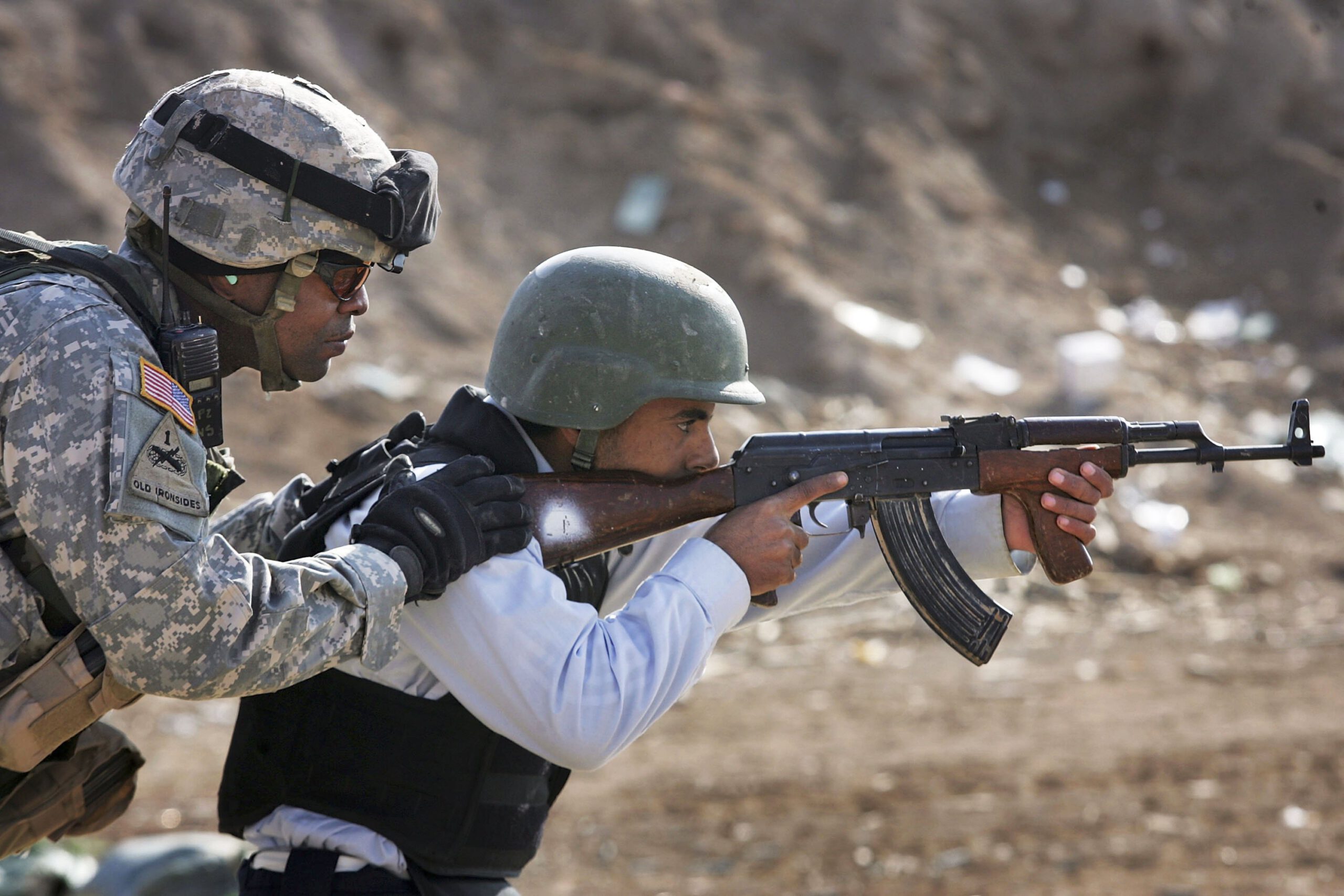
Broken Partnerships: Can Washington Get Security Cooperation Right?
The erosion of U.S. global hegemony in recent years is rarely a matter of dispute among American strategists. The United States has lost its preeminence in part because others, most notably China, have caught up, but also because it has overextended and exhausted itself abroad, leading to budget constraints, rightist populism, and acute political polarization at home.
Trump paves the way for a US withdrawal from Syria — and all that will follow
While President Trump might think he’s protecting American interests by leaving Syria, he’s actually granting ISIS the gift of rebirth. What looks set to follow from this is a dream scenario for the group.