The Americans Are Gone. Will Iraq’s Militias Disarm?
On September 30, the US completed its military withdrawal from Iraq, ending a 12-year-long mission to combat ISIS that began in 2014. The date was also meant to be the deadline for disarming the largely Iranian-backed militias known as the Popular Mobilization Forces (PMF), but Prime Minister Ali al-Zaidi has now pushed that cutoff back to June 30, 2027. MEI Distinguished Diplomatic Fellow Amb. (ret.) Robert S. Ford joins hosts Alistair Taylor and Matthew Czekaj to discuss what the US military withdrawal means for Iraqi security and the nature of the bilateral relationship going forward. They also speak about what it will take for Baghdad to bring the PMF militias to heel, and how Iraq may navigate the post-Iran war era.
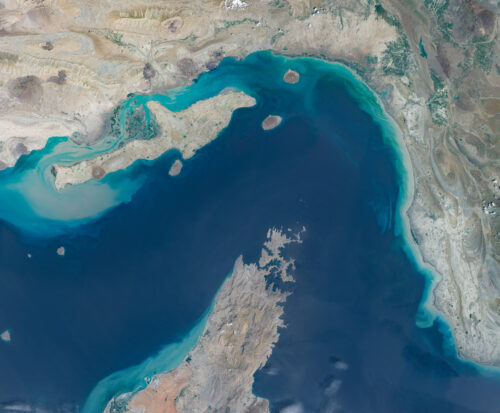
Proponents of the war with Iran have taken recent increases in crude-oil flows through the Strait of Hormuz as proof that the US strategy is finally working. President Trump is so confident in this that he recently rejected a seven-day plan, set forward by Iran’s foreign ministry, to end the war and open the strait. The United States is “winning tremendously,” Trump boasted.
The Mecca Joint Défense Agreement: A New Geometry of Middle Eastern Power?
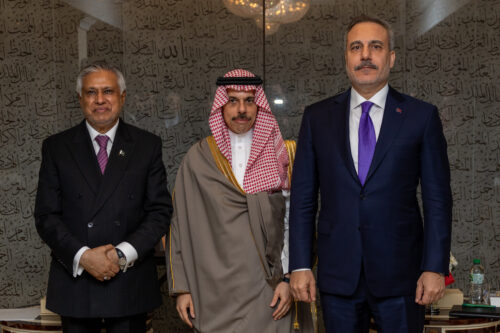
On August 7, 2026, Saudi Arabia, Turkey, and Pakistan signed the Mecca Joint Défense Agreement, a collective-defense pact widely compared to NATO’s Article 5. This essay argues that the comparison is misleading. Mecca borrows NATO’s language of solidarity without yet possessing NATO’s institutional machinery, and the Houthi offensive against Saudi Arabia in September 2026 provided an early and revealing test of what the agreement actually means in practice. Neither Pakistan nor Turkey automatically entered the fight on Saudi Arabia’s behalf, and Washington, despite an initial reluctance to strike directly, remained indispensable through intelligence support and a major proposed F-35 sale. Drawing on realist alliance theory — Hans Morgenthau, Kenneth Waltz, Stephen Walt, Glenn Snyder, and Steven David — and on the precedent of the Central Treaty Organization (CENTO), the essay contends that the Middle East is not dividing into rival blocs but moving from hierarchy toward a looser, overlapping geometry of hedged partnerships, in which American exclusivity is eroding considerably faster than American primacy.
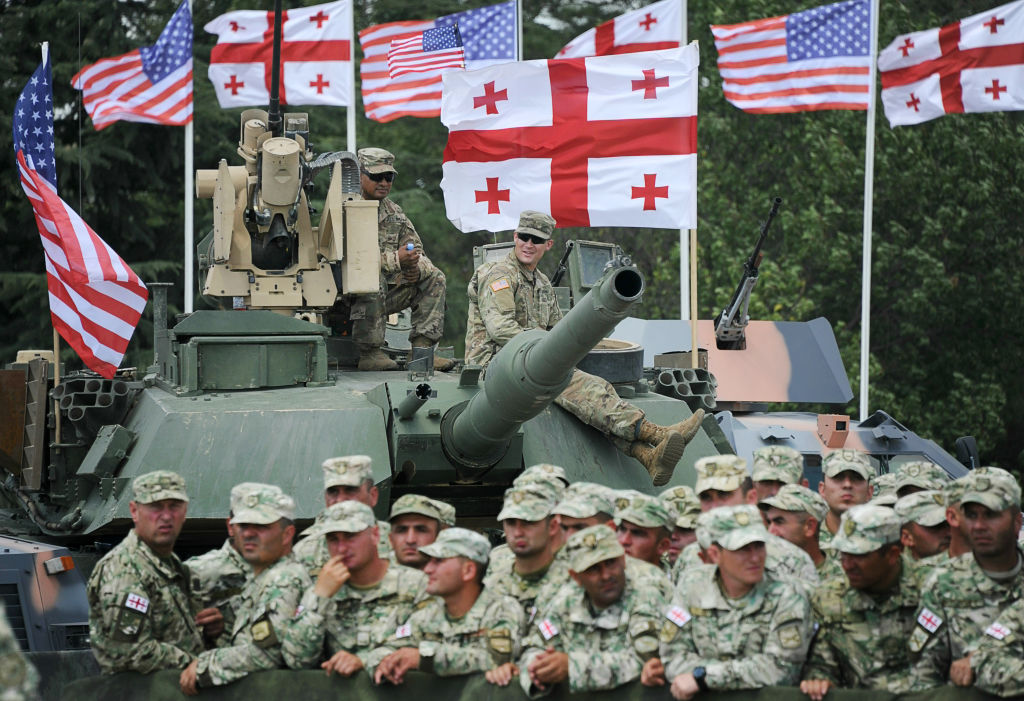
Now is not the time for the West to turn away from Georgia
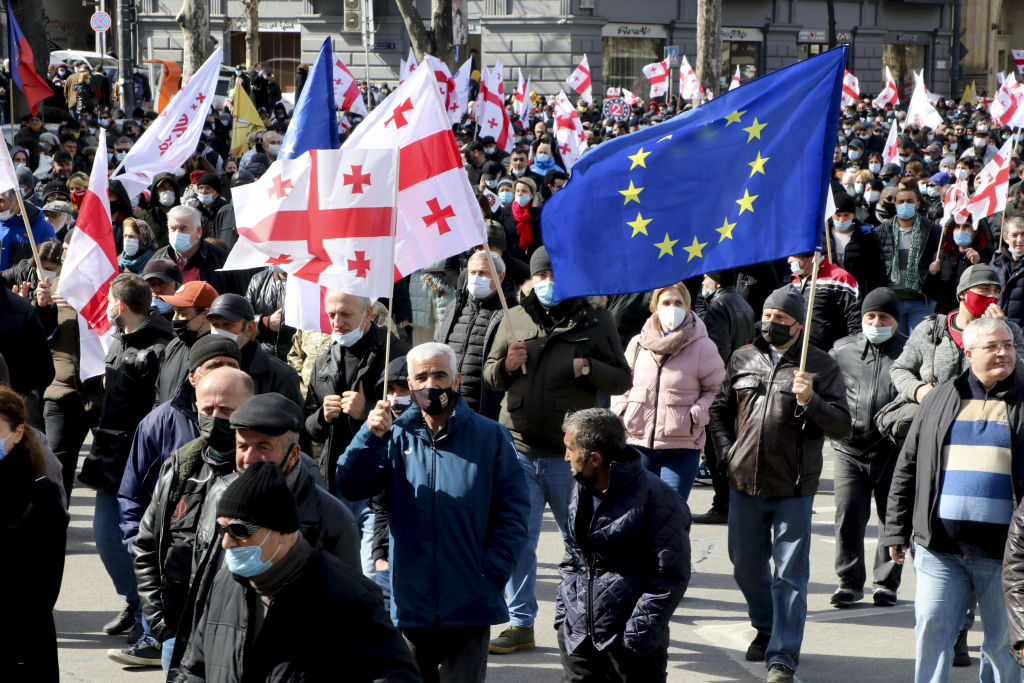
Earlier this week, Georgian law enforcement arrested United National Movement (UNM) party chairman Nika Melia on charges of inciting violence during anti-government demonstrations in 2019. The arrest has left many outraged and is the latest event to deepen political divisions in the country. There are valid arguments as to how the government could have handled Melia’s arrest better. But more important is what’s at stake for the future of Georgia – both domestically and as a member of the international community.
Iran and the Black Sea region: Tehran’s forgotten bridge to Europe
There have been some Iranian advances in building relations with Black Sea states over the last 30 years. However, Tehran’s wavering commitment to deeper ties with its northern neighbors, with the exception of Russia, has considerably reduced the potential footprint Iran could have otherwise had in the Black Sea region. Tehran’s ongoing standoff with the United States, its ideologically driven preoccupation to make advances in the Arab world, and a gradual but clear submission to Russian hegemony has meant that the Black Sea region is a policy matter of secondary importance to decision-makers in Tehran.
The tectonics of Middle Eastern geopolitics: Seismic signs in the Caucasus
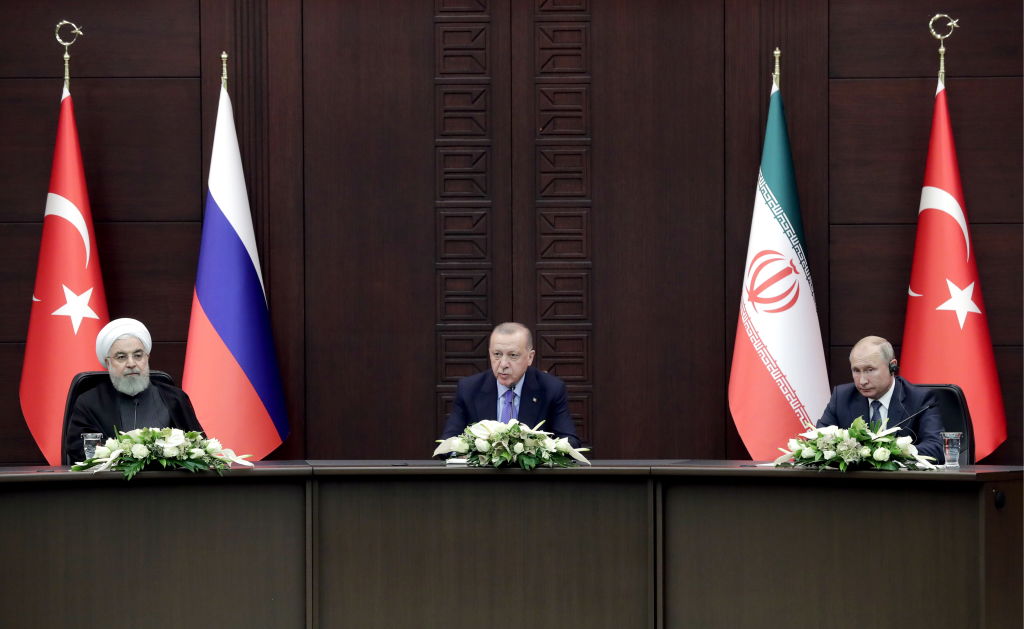
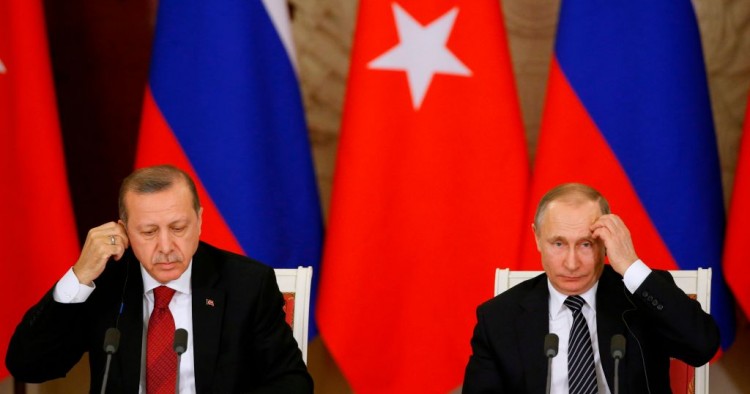
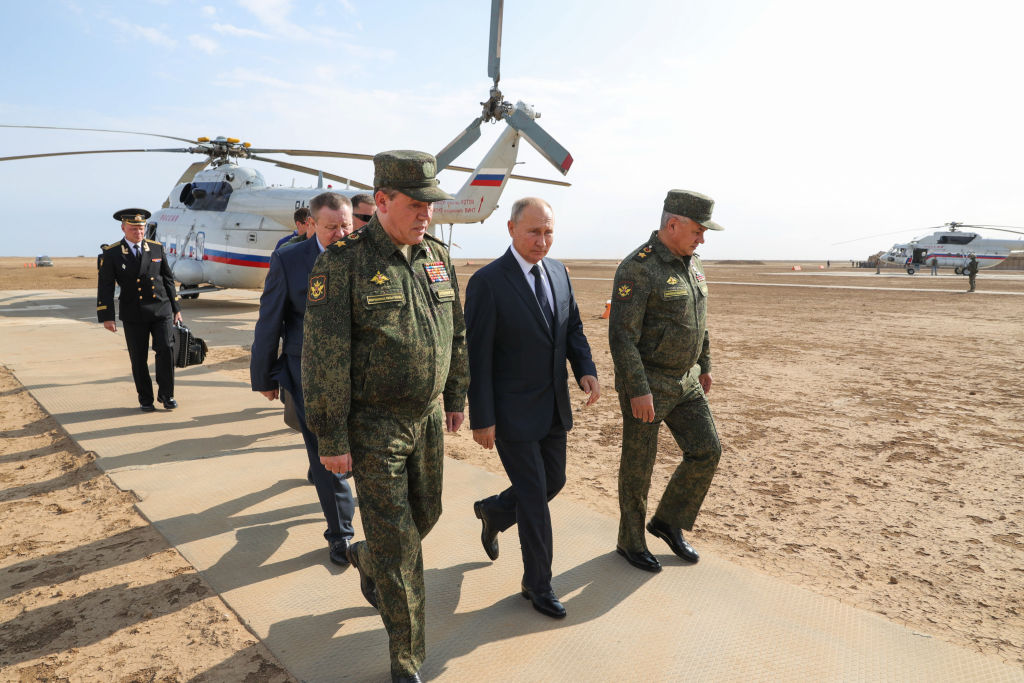
Throughout 2020, the geopolitics between the Middle East and its northern frontier have converged further. Russia, Turkey, and Iran not only compete for influence (as states and through non-state actors) in core countries of the Middle East and North Africa like Syria, Iraq, Libya, Egypt and beyond in the Gulf. They also happen to be the three former imperial powers in the Caucasus – the crucial link between the Black and Caspian Seas on the seam of Europe, the Middle East, and Central Asia.
Turkey-NATO ties are problematic, but there is one bright spot
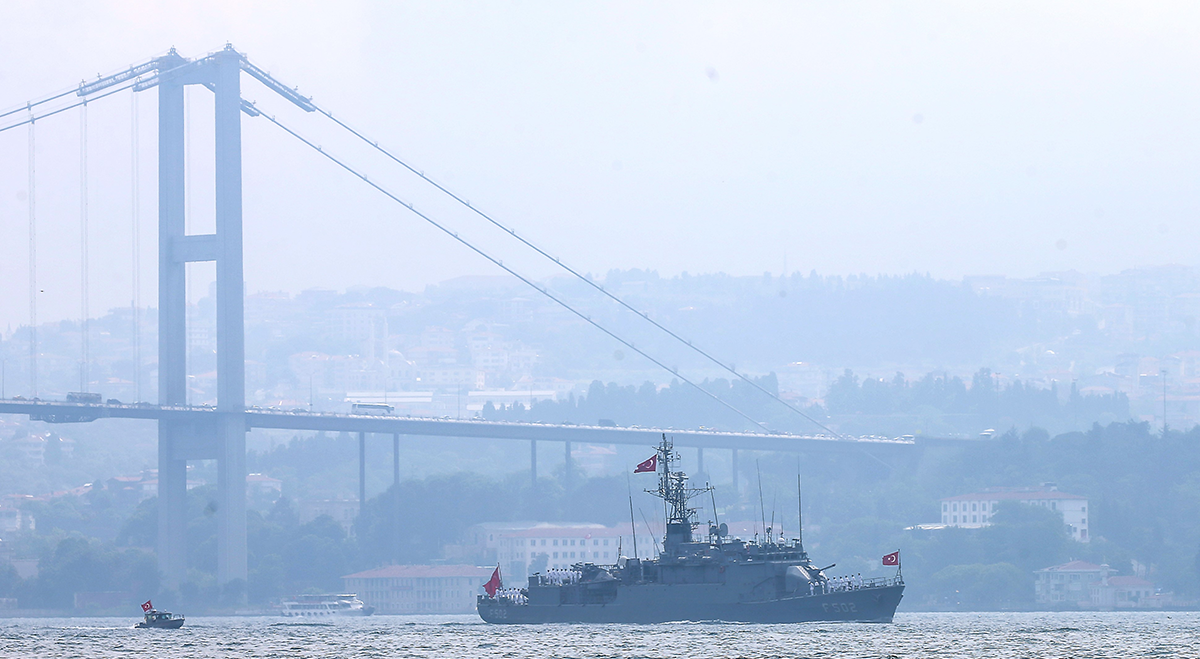
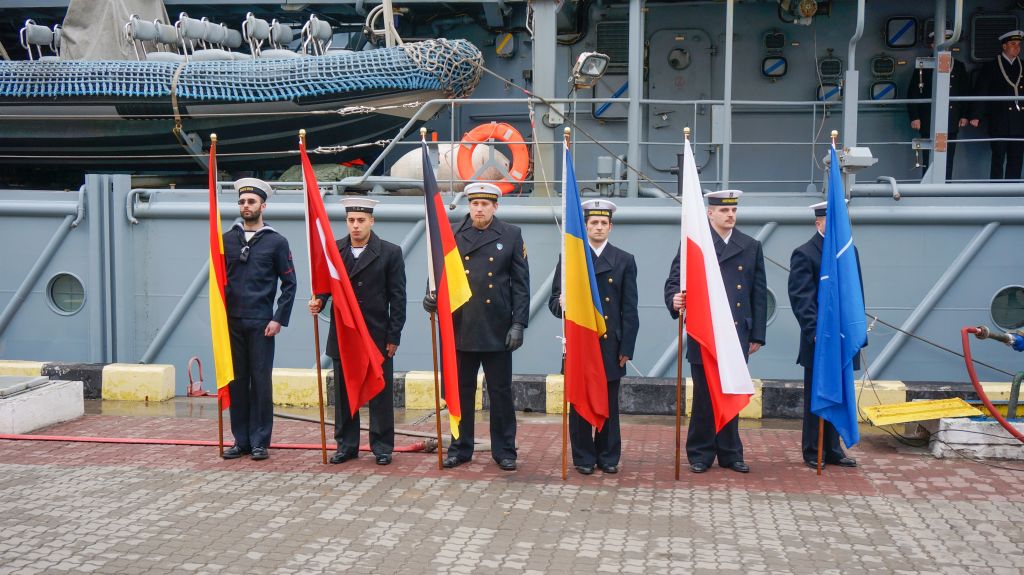
When it comes to Turkey-NATO ties, Ankara is regarded as more of a problem than an ally these days. Not only did it purchase a Russian S-400 air defense system, but its gunboat diplomacy in the eastern Mediterranean also raised the specter of military conflict between NATO allies when Greek and Turkish naval flotillas steamed directly toward each other this past summer. There is one region, however, where Turkey can help NATO efforts: the Black Sea.
Paul Goble, Gonul Tol, and Alex Vatanka join host Alistair Taylor to discuss the Nagorno-Karabakh conflict and the role of Russia, Turkey, and Iran in the South Caucasus.
Georgia’s historic victory: Implications of the ECHR ruling
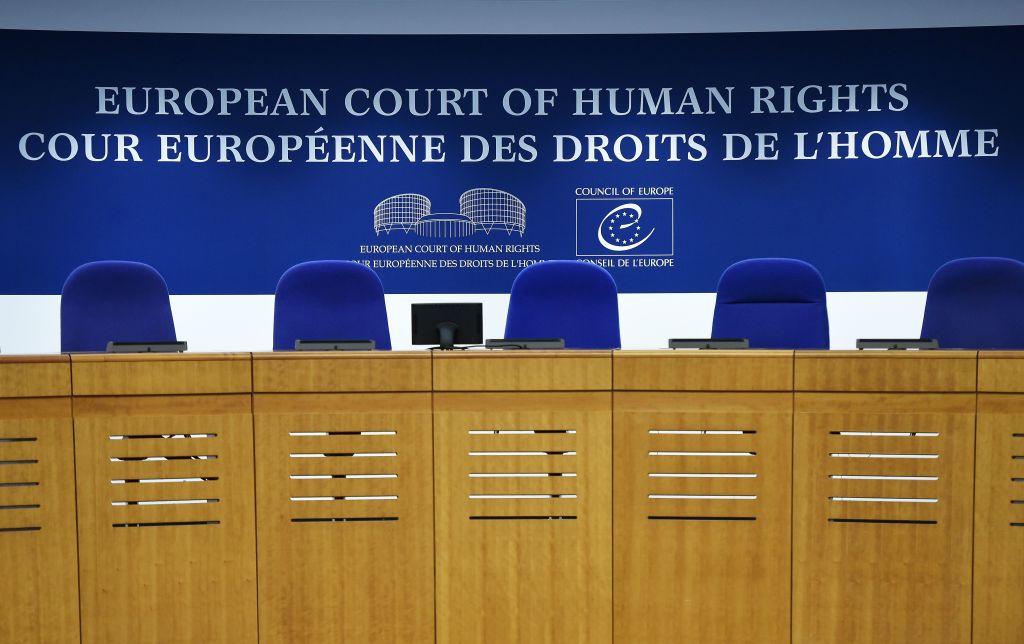
Amidst the pandemic and global economic hardships, Georgia has had an eventful beginning to the year, scoring a long-awaited victory against Russia. On 21 Jan., 2021, the European Court of Human Rights (ECHR) announced its verdict on the interstate case brought by Georgia against Russia, holding Moscow responsible for breaching six articles of the European Convention of Human Rights.
Iran and Turkey: Power dynamics in the South Caucasus
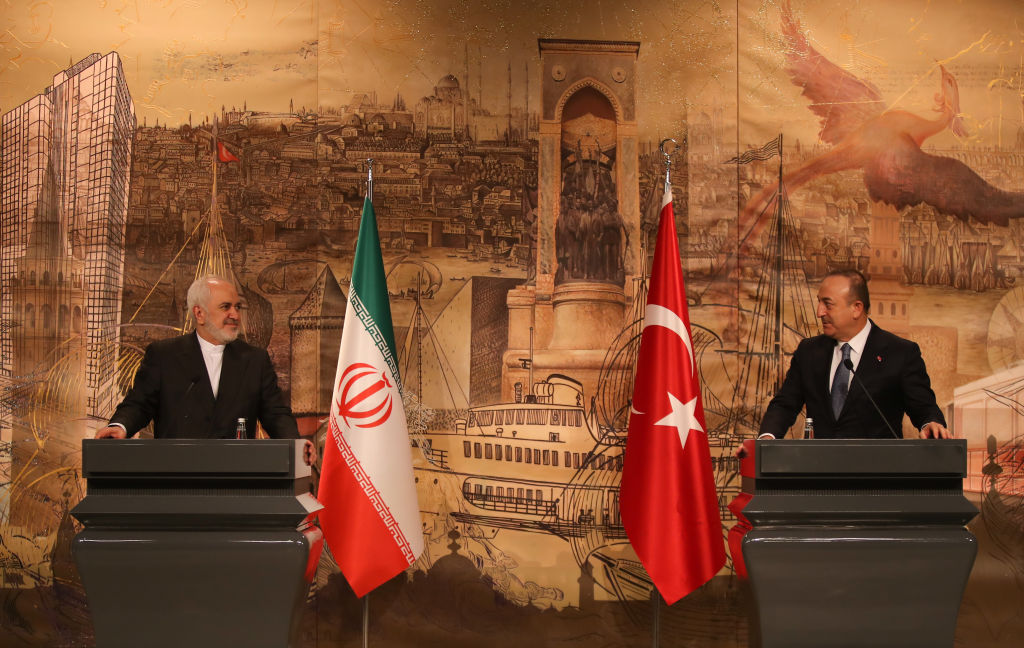
Iran was caught off guard by the July 2020 round of conflict between Armenia and Azerbaijan. Tehran was even more alarmed by the proactive role Moscow and Ankara played during and in the aftermath of the six-week war that ended with the Russian-brokered ceasefire on November 10. In fear of being kept on the sidelines, Iran’s Foreign Minister Javad Zarif embarked on a regional tour last month to Azerbaijan, Armenia, Russia, Georgia and Turkey.
Can President Biden rescue America’s democratic legacy in the Black Sea?
Following a tumultuous period in Washington, during which the Capitol was stormed by rioters and Donald Trump became the first president to be impeached twice, many in the United States and around the world were left feeling concerned and unsettled.As a Georgian who has seen the U.S. play a transformative role in building my country’s young democracy, the attack on Capitol Hill was something I could never have anticipated. My fear stemmed not from feeling unsafe in downtown DC, but rather from the consequences of U.S. instability and fragility on those countries that rely on its support to build democratic institutions and adopt western values.
Biden’s Challenge: Continuing Progress in Eastern Europe Despite Russian Adventurism
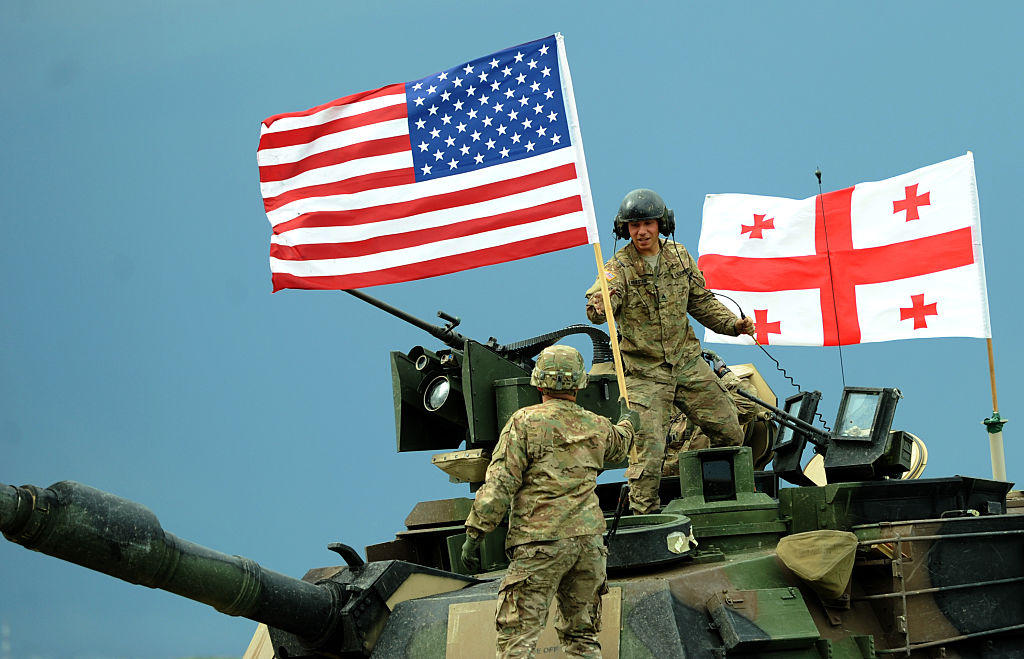
The Biden Administration has a firm foundation upon which to build in Eastern Europe. As part of its focus on great power competition in the region, the Trump Administration sharply increased funding for the European Deterrence Initiative (EDI), covering costs for U.S. troops in Europe and security support for strategic allies, while repositioning some U.S. forces in Europe to the eastern flank. We have made important steps to support our strategic allies in Eastern Europe, but this administration needs to stay the course and increase its focus and commitment to the Black Sea region. Russia must understand the costs of their adventurism in order to prevent further reckless behavior.
Challenges of a Six-Country Regional Cooperation Platform for Georgia
In the aftermath of the second Nagorno-Karabakh war, bolstered by Turkey’s growing influence in the South Caucasus, President Recep Tayyip Erdogan proposed the controversial idea of establishing a six-country regional cooperation platform. Speaking from the Azerbaijani capital Baku, where he was attending victory celebrations, Erdogan noted that new opportunities for regional cooperation are possible for the Caucasus region. Turkey’s leader envisages a platform that would bring Turkey, Russia, Azerbaijan, Iran, Georgia, and Armenia together. In his words, it would provide a win-win opportunity for all sides, including Armenia, which could use the platform as a first positive step toward establishing bilateral relations with Turkey.
The Biden Administration’s Eastern Europe Policy: New Hope for Georgia?
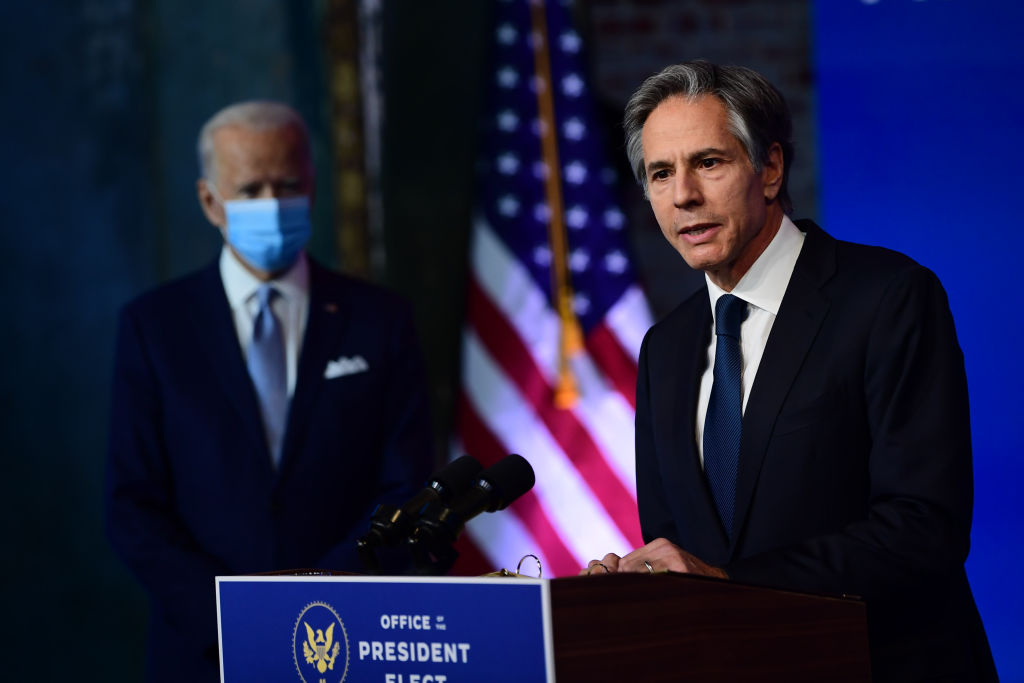
Georgia’s Western future became a central part of U.S. foreign policy last week. During his confirmation hearing, Secretary of State Antony Blinken reiterated that Georgia should join NATO as soon as it meets the criteria. Blinken’s remarks are timely. Georgia faces increasing Russian political pressure and military presence, exacerbated by the recent second Nagorno Karabakh war. At the same time, and following a decade of stalemate, there have been significant breakthroughs in the cases brought by Georgia against Russia in front of the European Court of Human Rights (ECHR) and the International Criminal Court (ICC). With Georgia’s Western path resurfacing on the international agenda, Eastern European countries will be watching to see if the Biden Administration’s foreign policy can make a difference to regional security.
Europe’s energy independence: Opportunities for the Biden Administration
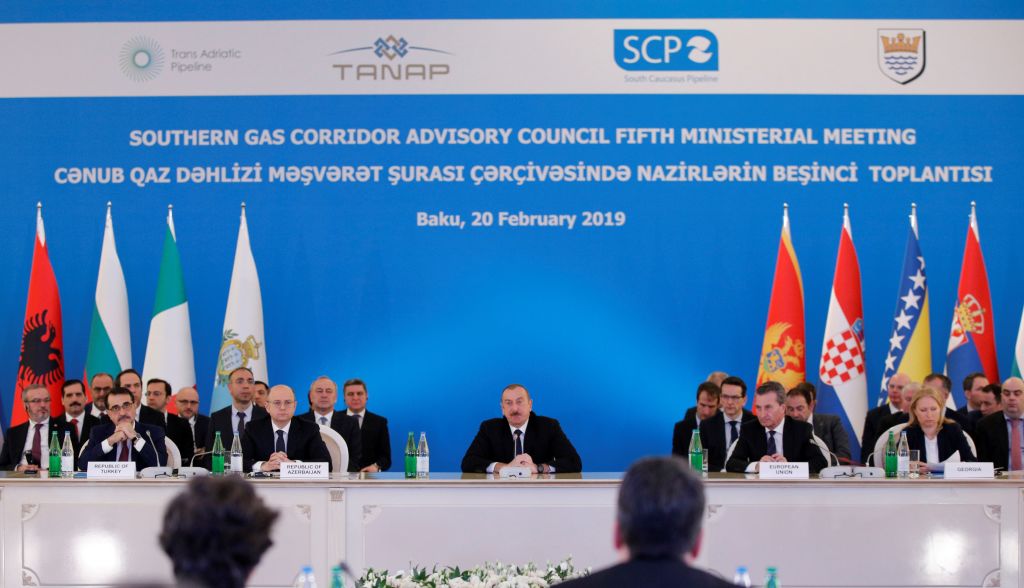
In 1906, the South Caucasus’ first energy pipeline was completed, connecting Baku on the Caspian Sea with Batumi on the Black Sea. More than 115 years later, this pipeline, measuring a mere eight inches in diameter and transporting kerosene, has been replaced with a modern network of natural gas and oil pipelines connecting the heart of Asia with Europe. With proper investment and the correct policies, even more oil, gas, and other goods will be flowing from the Caspian region to Europe and global markets.
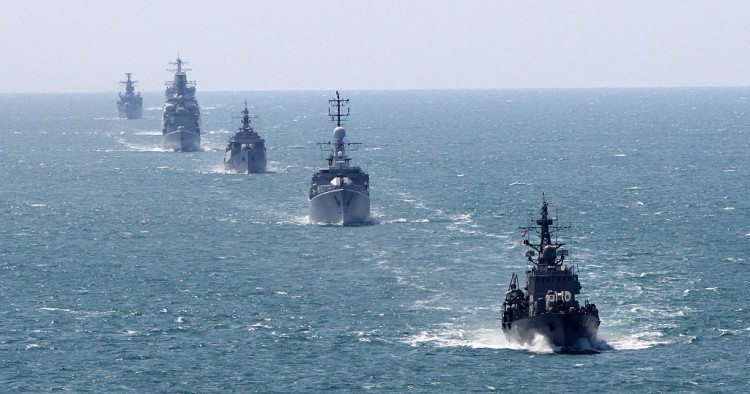
The strategic balance in the Black Sea region has shifted dramatically in Russia’s favor in the past decade. Russian anti-access/area-denial (A2/AD) capabilities in Crimea, and the ongoing modernization of its Black Sea Fleet, enable Russia to threaten its neighbors’access to sea lanes and economic resources and apply coercive pressure via conventional power projection. Littoral states should prioritize addressing the military imbalance to deter Russian coercive actions. Rather than rely on increased U.S. presence, Black Sea states should create a flexible network within NATO or the EU to build their own A2/AD capabilities.
Roadmap for a strengthened NATO-Georgia partnership
In April 2020, NATO Secretary General Jens Stoltenberg appointed an independent Reflection Group with the aim of defining the future of the Alliance. The group recently published an extensive report entitled NATO 2030: United for a New Era.” However, NATO 2030: United for a New Era does not provide further detail or recommendations on how these partnerships should be strengthened and expanded. The Alliance must strengthen and consolidate its partnership with Georgia to ensure its sovereignty and independence and mitigate the risks of further Russia aggression imposed.
The Black Sea: How America Can Avoid a Great-Power Conflict
Many Americans find the whole swath of territory in eastern Europe, near Russia, very far away and hard to conceptualize. This part of the world involves a number of countries, small and large, that are generally not the most frequently discussed in American news nor frequented by American tourists. To make sense of much of this remote region, it can be helpful to take a perspective that centers on the Black Sea and views that body of water as the key point of reference for much of the region. Doing so not only helps clarify what Russia is up to in its near-abroad, but also shines a spotlight on Chinese activity, and what is required of America in response.