The Other MoU: Launching a Europe-Gulf Resilience Initiative After the US-Iran Deal
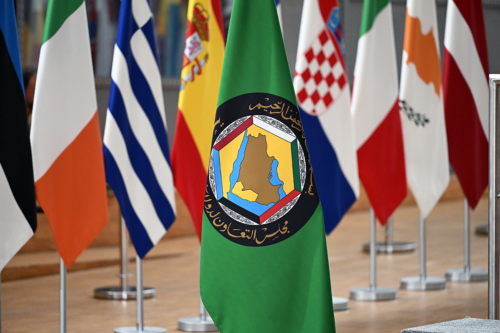
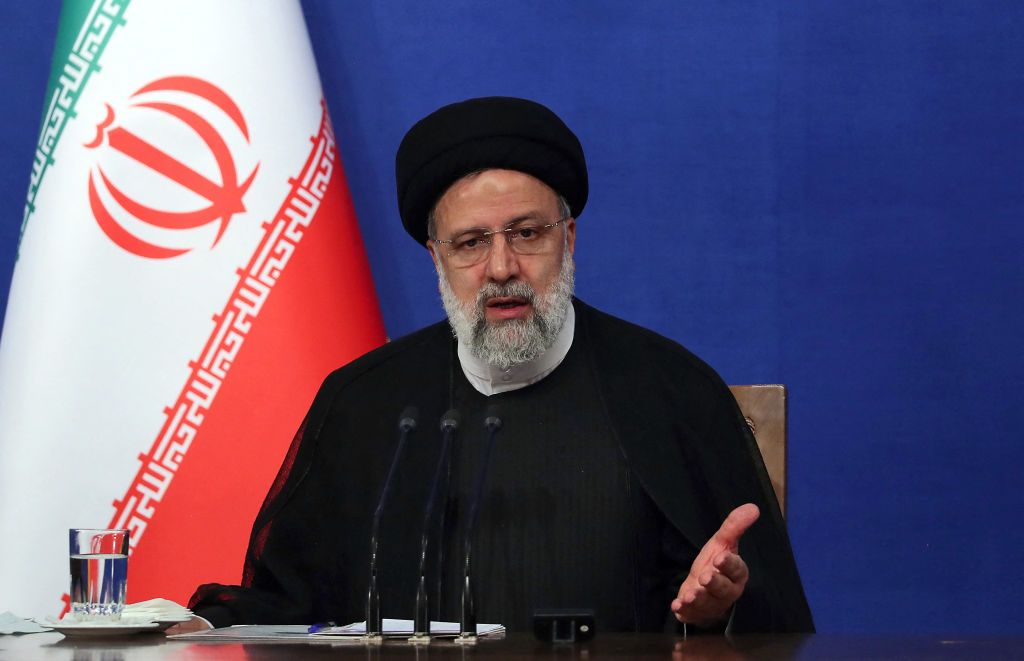
The Islamabad Memorandum of Understanding (MoU) between the United States and Iran may have ended one of the most consequential Middle Eastern crises in decades, but it has not resolved the strategic problem it exposed. Whether the 60-day talks it set in motion will produce a final agreement remains far from certain.Yet the central lessons are already clear: Iran has preserved significant leverage, Washington has had to scale back its ambitions, and Europe and the Gulf face the prospect of protracted regional tension. Europe and the Gulf should therefore use the aftermath of the US-Iran deal to articulate their own “other MoU”: a Europe-Gulf Resilience initiative.
The Impact of the Iran War on the Gulf’s Grand AI Plans
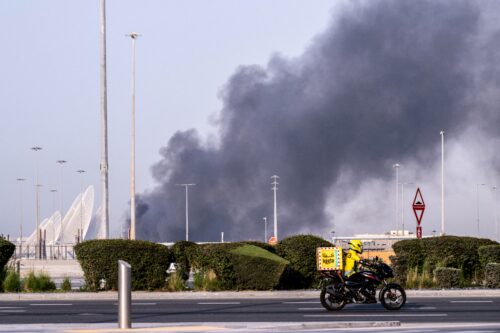
When Iranian drone strikes hit two of Amazon’s data centers in the United Arab Emirates and Bahrain in early March, amid the ongoing US-Israeli war with Iran, much of the media’s reflex was to declare it the end of the Gulf’s artificial intelligence (AI) ambitions. That read is misguided, and it misses why what Iran was trying to accomplish failed.
Dispatches from Riyadh: Reflections on the Global Cybersecurity Forum
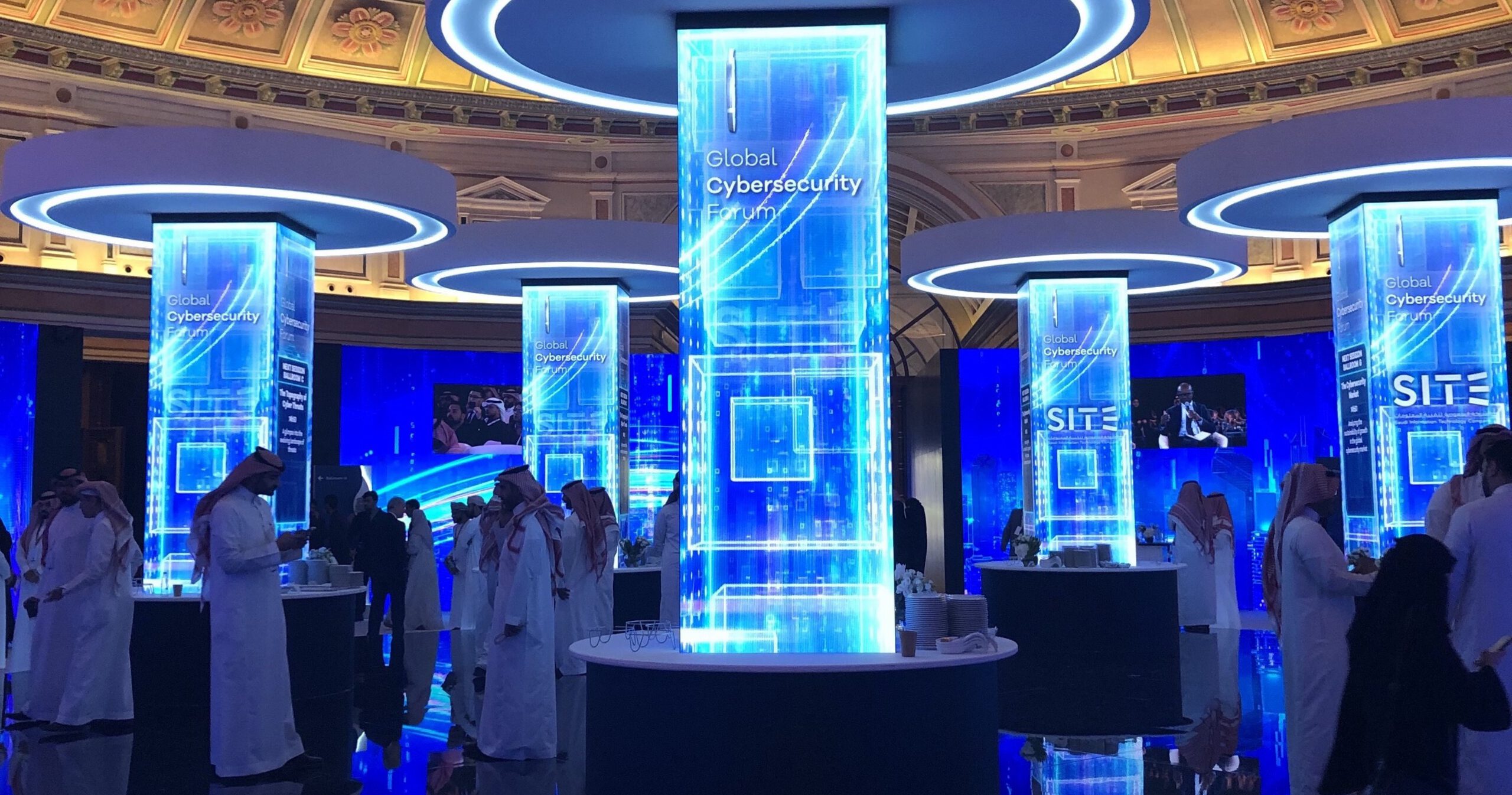
MEI’s Center for Strategy and Emerging Technology participated in the second annual Global Cybersecurity Forum in Riyadh this past week. Here are our reflections on the conference, the conversations we had there, and the GCF’s overall agenda.
A top priority of the regional order envisioned by the Abraham Accords should be building confidence by sharing cybersecurity tools through the Negev Forum.
Technology represents one potentially fruitful area where the I2U2 member states — Israel, India, the U.S. and the UAE — could cooperate together, expand their format to include more countries, deliver tangible results, and avoid agitating other global and regional powers.
Ransomware in the UAE: Evolving threats and expanding responses
Immediately following the outbreak of COVID-19, cyber attacks swept across the Middle East, leaving public and private entities highly vulnerable and transforming the pandemic into both a physical and a digital threat. Despite worldwide physical isolation, many people were more digitally connected than ever before, which vastly expanded the attack surface for eager cyber threat actors. Ransomware attacks, in particular, hit the Middle East rapidly and in great numbers, especially the UAE.
Escalating emigration and the “drought” in Iran's IT industry
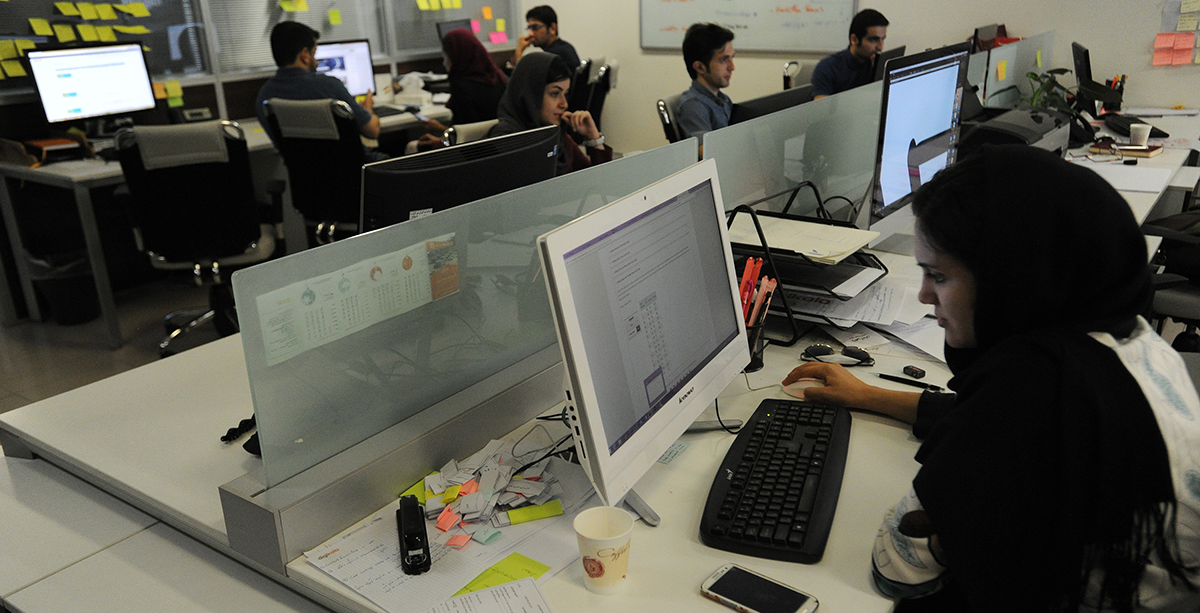
For many years, Iran’s educated elites have been leaving the country in growing numbers. They are emigrating, mostly to Western countries, for various reasons, but chief among them are poor economic conditions and a lack of political and social freedoms at home. Iran’s information technology sector is among the sectors hit hardest due to the burgeoning outflow of its experts in recent years.
Nowhere to hide: The impact of Israel's digital surveillance regime on the Palestinians
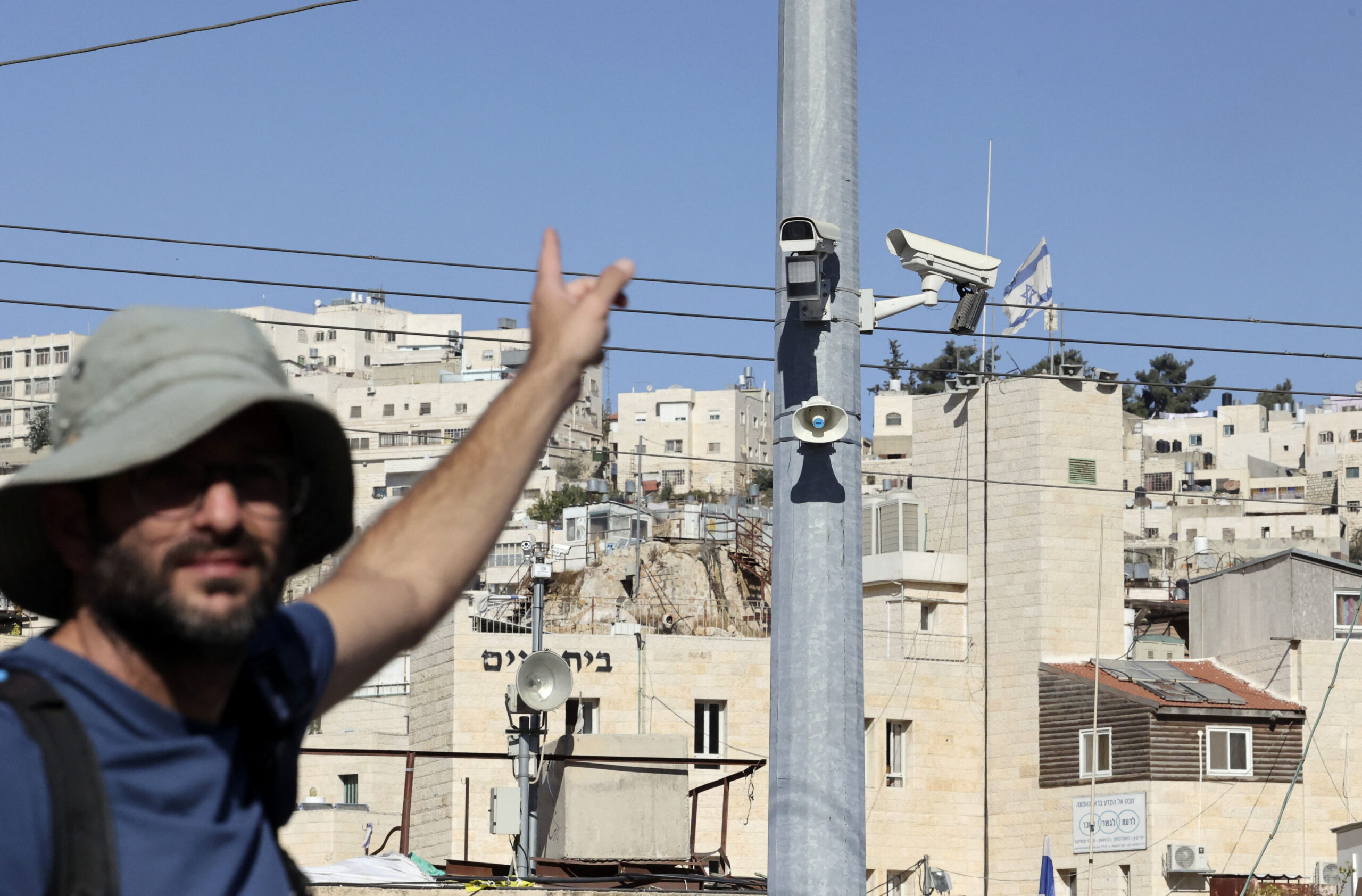
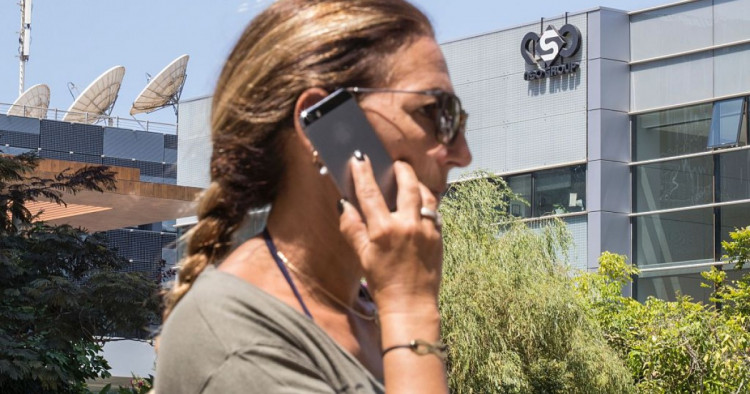
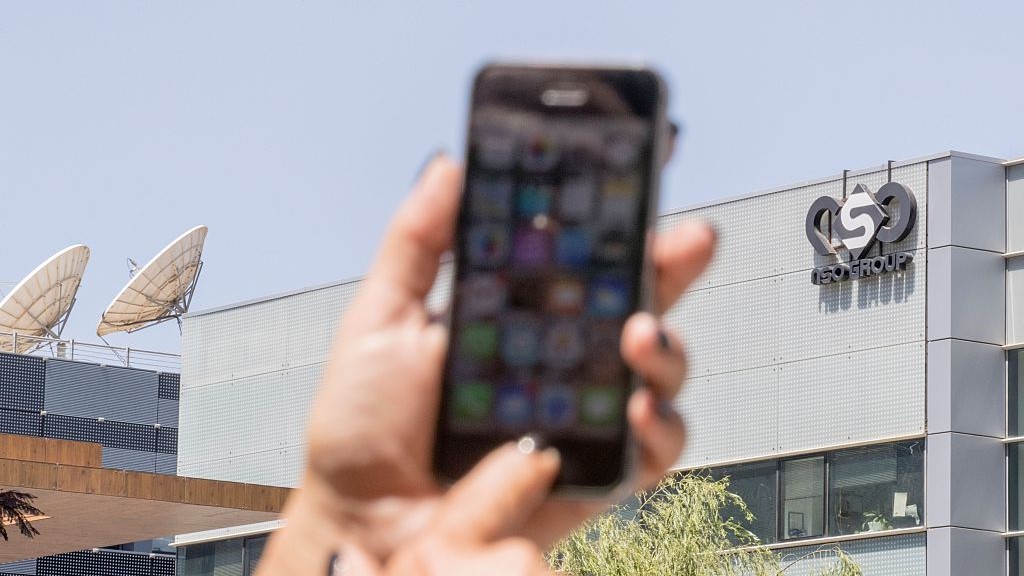
Over the course of 2020 and 2021, groundbreaking investigations revealed in stark detail Israeli authorities’ intensifying use of surveillance and predictive technologies to police and control Palestinians. Subjecting Palestinians to such scrutiny from security and military apparatuses narrows their expressive spaces and plunges them into a state of constant anxiety. This practice also carries out a commercial purpose: Occupied Palestine effectively functions as an open-air laboratory for Israel to test techniques of espionage and surveillance before selling them to repressive regimes around the world.
The digital Middle East: Another front in Russia’s information war
The Middle East and North Africa (MENA) region, long a target of the Kremlin’s information operations, is being flooded with disinformation from Moscow amid the invasion of Ukraine launched on February 24. Prior to the war, Russia’s President Vladimir Putin gave a lengthy history lesson in his televised speech, claiming that Ukraine was created by Bolshevik Russia, and that it should not exist as an autonomous nation. This conflict has already taken an immense human toll and triggered the largest intra-European refugee crisis since the Second World War. And yet the human impact of the war, the full implications of which remain to be seen, extends beyond the physical world into the virtual realm. As missiles strike Ukrainian cities, a parallel war is being fought online — not only in Russia and Ukraine, but around the world, as the Russian state strives to disseminate its messaging. On the home front, Putin has successfully quarantined his people within an information vacuum through unprecedented crackdowns. In addition to Twitter, Facebook and Instagram, the Kremlin has blocked access to the most popular independent media outlets, forcing hundreds of journalists to flee the country. In response, EU officials have banned content from the Russian-state-owned media outlets Russia Today (RT) and Sputnik across the European Union.
Mirette Mabrouk, Joey Shea, and guest host Eliza Campbell discuss current political disputes over the Grand Ethiopian Renaissance Dam (GERD), cyber diplomacy, and the effects of climate change on the Horn of Africa.
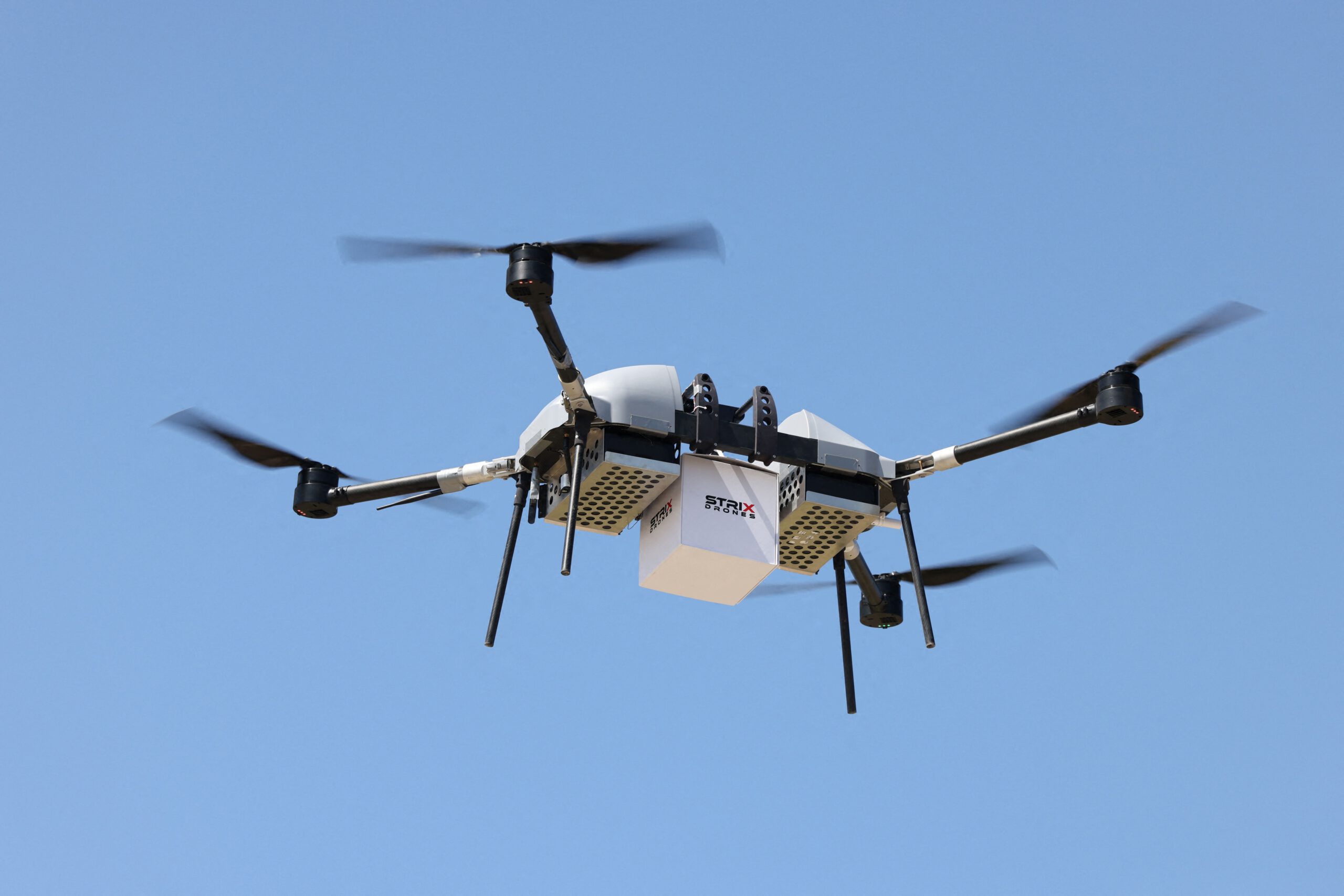
Drones are re-engineering the geopolitics of the Middle East
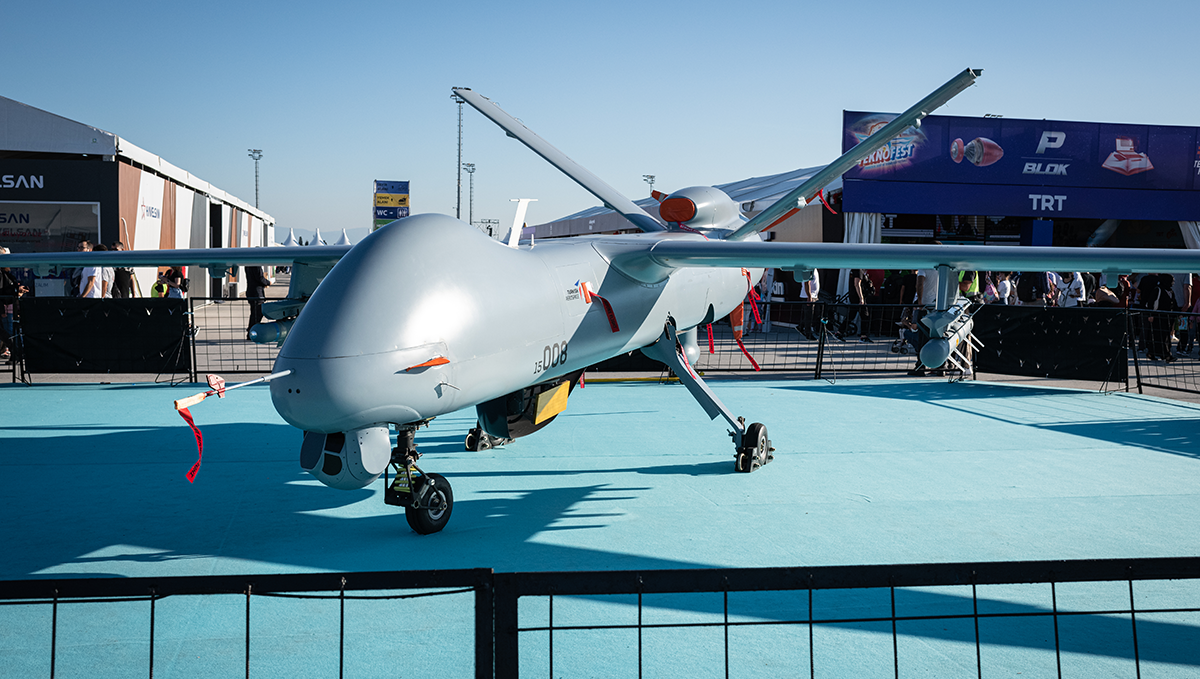
The Middle East is experiencing a seismic shift in its geopolitics: the dawn of the era of drones. From Syria to Libya and from Yemen to Iraq, UAVs have altered the dynamics on the battlefield. Agile and affordable, drones aren’t just a menace to remote conflict zones, but also to states far removed from theaters of war.
Connecting Beijing’s global infrastructure: The PEACE Cable in the Middle East and North Africa
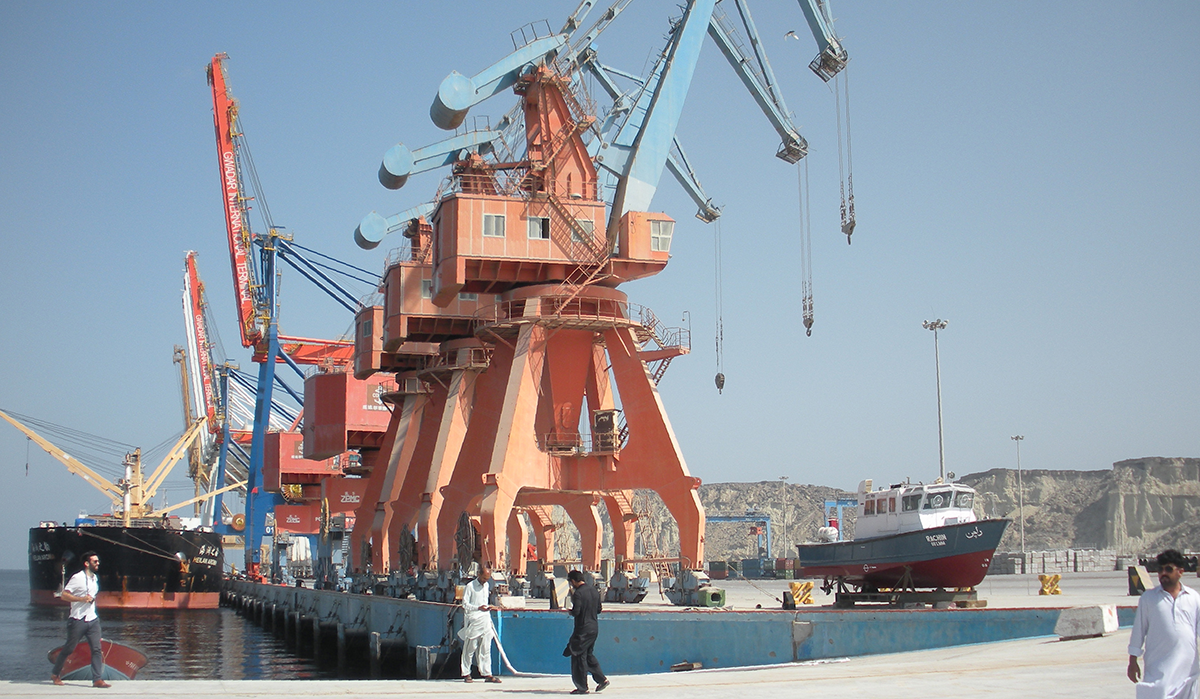
One of the most ambitious elements of China’s Digital Silk Road is the Pakistan & East Africa Connecting Europe (PEACE) fiber-optic cable. China has long expressed its ambition to connect the greater Middle East, Africa, and Europe with Chinese fiber optics in order to expand its presence in the region, and Beijing now boasts strategic infrastructure assets in geopolitical hotspots, such as the Pakistani port of Gwadar.
Expanding use of e-wallets in Egypt: Strengthening the social contract one transaction at a time
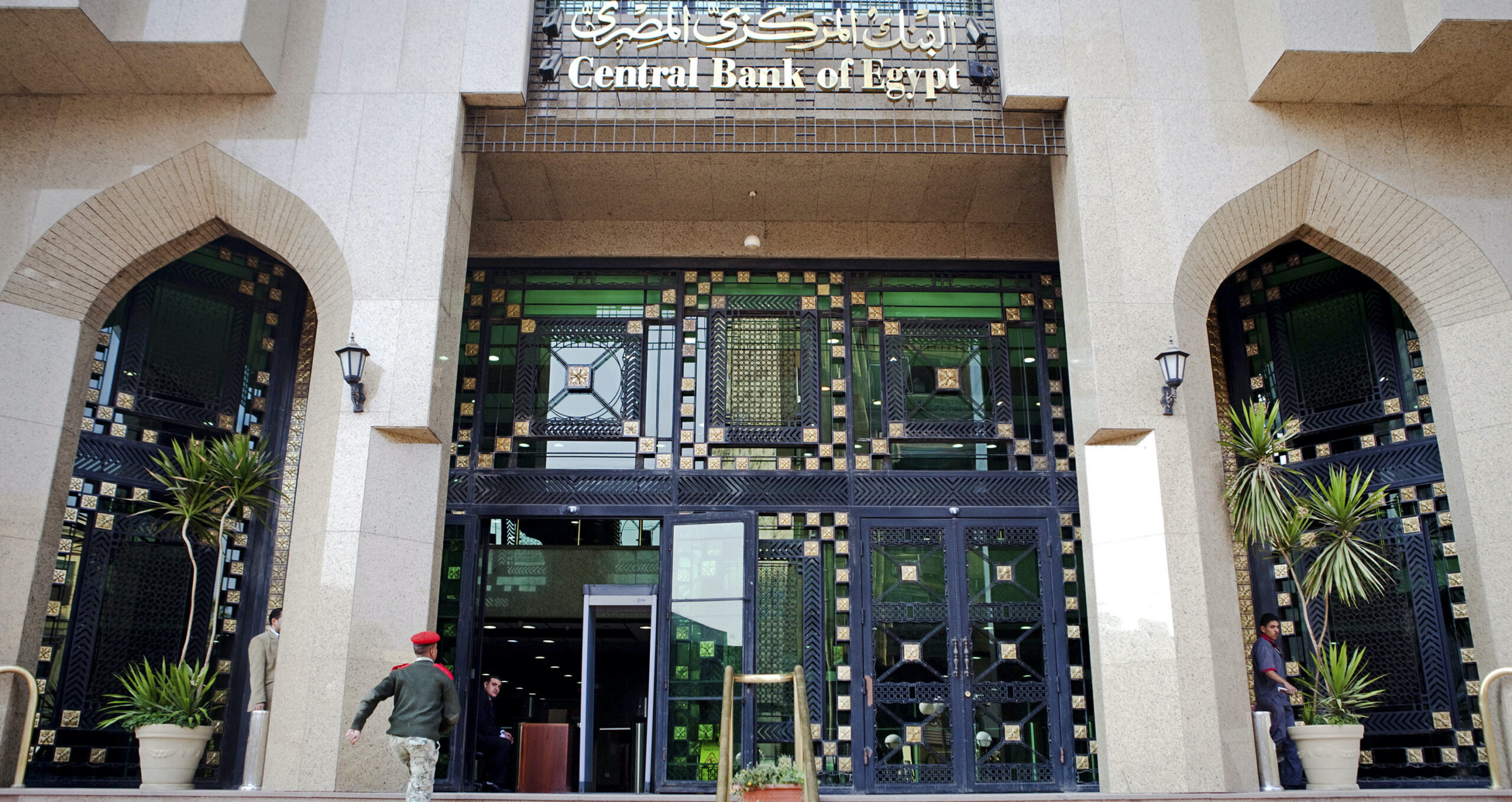
Egypt, like much of MENA, is experiencing an unprecedented digital transformation. Governments throughout the region are embracing emerging technologies, particularly in governance and, increasingly, financial management. Countries across MENA are adopting ICT strategies, such as the ICT Vision 2030 in Egypt. Egypt’s plan aims to develop a knowledge-based society by means of a strong digital economy built on reliable, affordable, and equitable access to digital tools.
How the War on Terror paved the way for online censorship of Palestinians
In May 2021, the world watched in horror, as Israeli police evicted the Palestinian residents of Jerusalem’s Sheikh Jarrah neighborhood against their fervid resistance. Meanwhile, another fight was raging: that of narrative power. As journalists, citizen activists, and human rights organizations attempted to document Israel’s brutal crackdown, many found their communications subject to overzealous content moderation. Key social media posts were removed from influential platforms, including Twitter, Facebook, and Instagram, precisely when those posts were most crucial.
The oldest peer-reviewed publication dedicated to the study of the modern Middle East, MEI’s flagship journal covers politics, society, and culture in the region.