Bytes and Beltways: Decoding Beijing’s Tech-Centric Geopolitics in the Gulf
October 17, 2023
Share
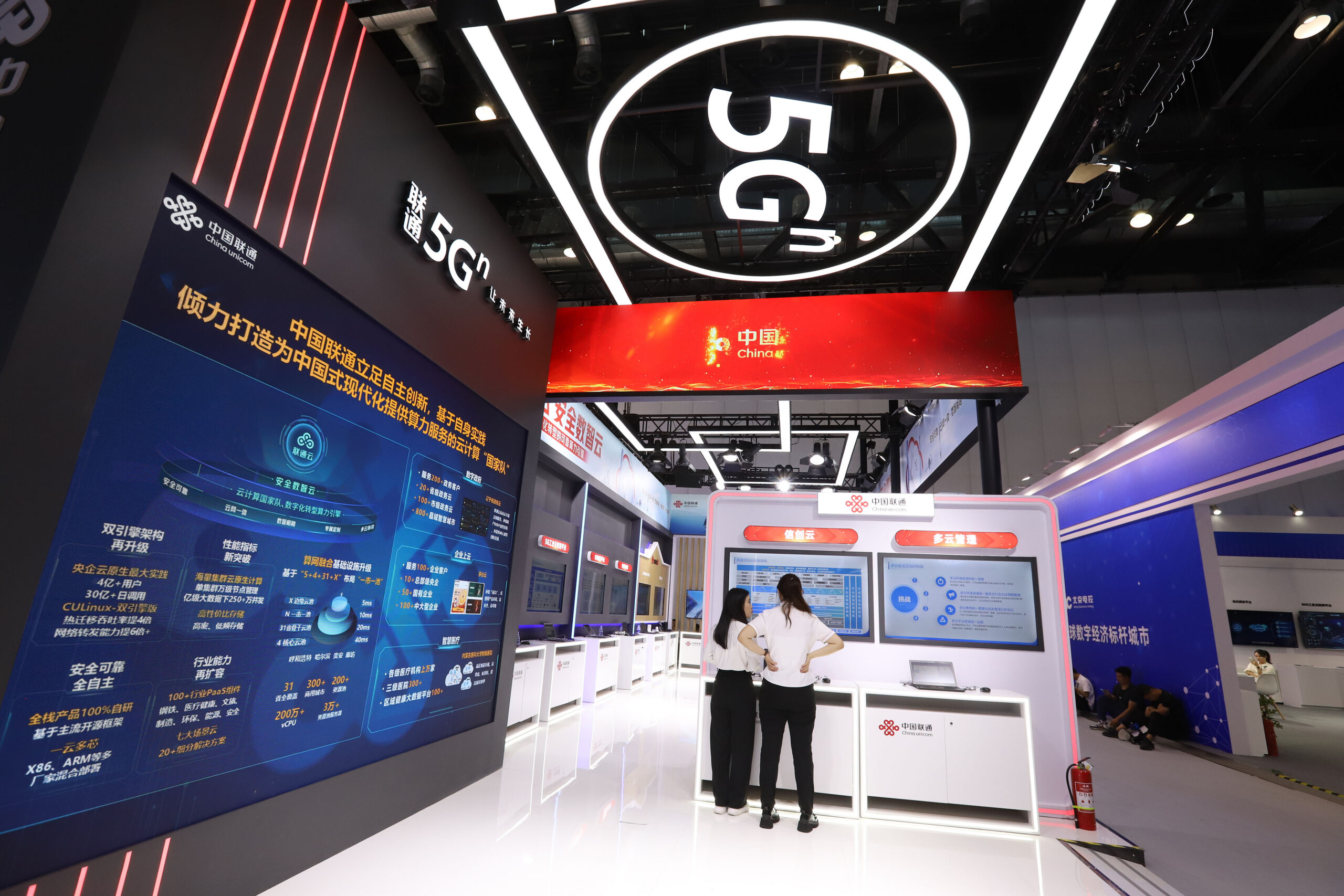
As China pursues a grand strategy aimed at displacing the US-led global order, technology has emerged as a fourth pillar alongside the political, military, and economic elements of its plans. A test case is the Arabian Gulf. Since the 2010s, China has been strategically enhancing its influence in West Asia, with a particular focus on the Gulf states, leveraging technology as a potent tool. This approach involves the deployment of Chinese software and hardware, coupled with joint technology and cyber initiatives. By utilising technology statecraft, Beijing aims to establish China’s geopolitical footprint in the region without resorting to conventional military expansion.
Recognising the difficulty of directly contesting US dominance in the region, China has opted to seize the opportunities arising from the evolving dynamics in the Arabian Gulf as regional capitals prioritise the digital transformation of their economies. Historically, the United States has been the dominant foreign presence in the region, but China has identified fissures in US power on display during the Arab Spring and conflicts in countries like Syria, Iraq, and Libya. As American dominance wanes, China is seeking to exploit the resulting gaps by deepening its connections with countries across West Asia
The Middle East Institute (MEI) is an independent, non-partisan, not-for-profit, educational organization. It does not engage in advocacy and its scholars’ opinions are their own. MEI welcomes financial donations, but retains sole editorial control over its work and its publications reflect only the authors’ views. For a listing of MEI donors, please click here.